
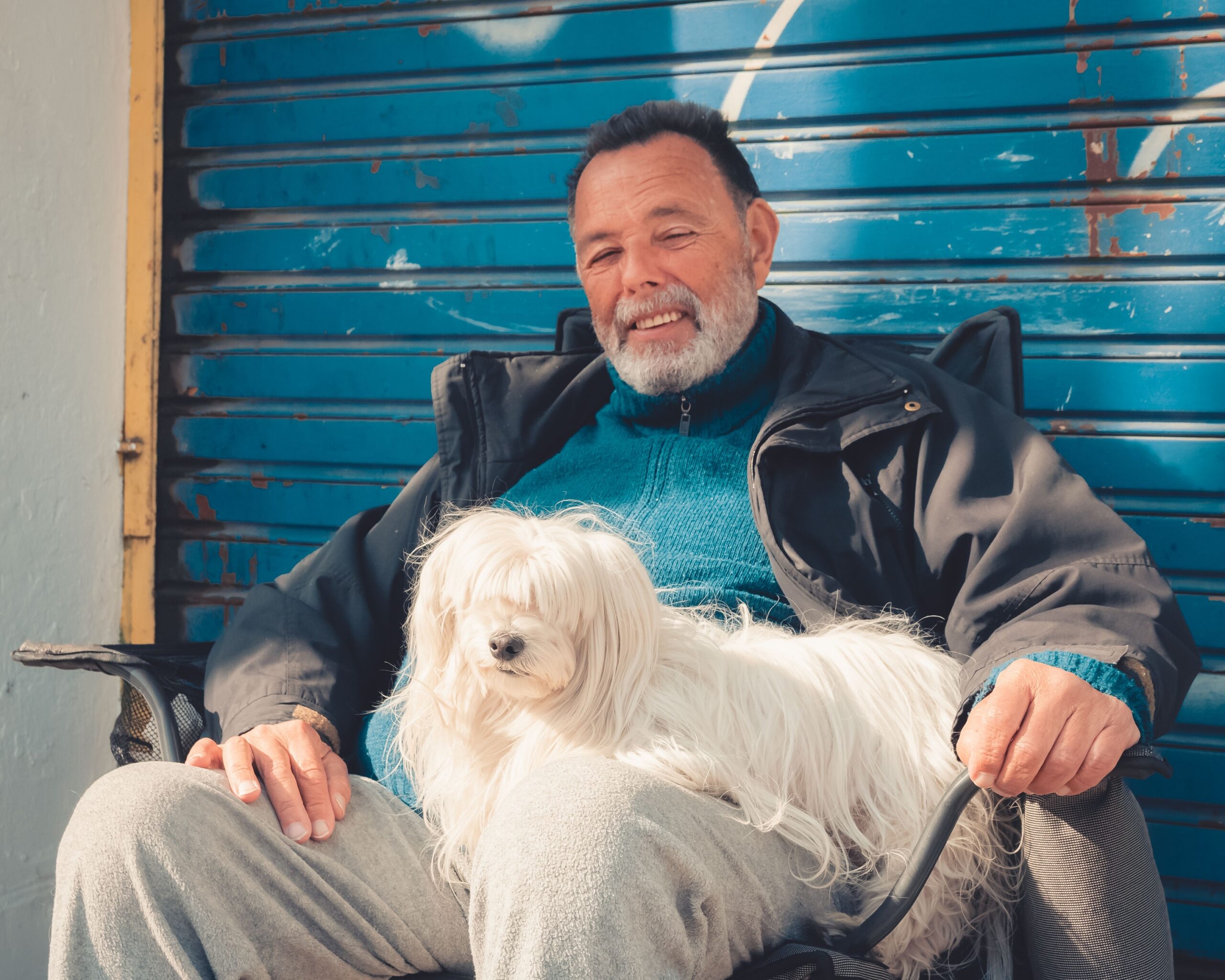
There’s a quiet moment many dog owners over 60 eventually face: you look at your dog’s greying muzzle, feel your own stiff knees, and realize you’re both walking into the same new chapter together. It can feel tender, scary, and strangely beautiful all at once. You’re not just caring for an old dog; you’re navigating your own ageing body and changing life at the same time.
This guide is for that exact season of life. We’ll stay practical and grounded in what we know from veterinary and human health research, but we’ll also talk about the emotional reality: the guilt, the fatigue, the unexpected joy. Think of this as advice from a friend who has sat on the floor with an old dog at 3 a.m., while also wondering whether their own back will ever forgive them.
When You Both Start Slowing Down: Recognizing Normal Ageing vs. Red Flags
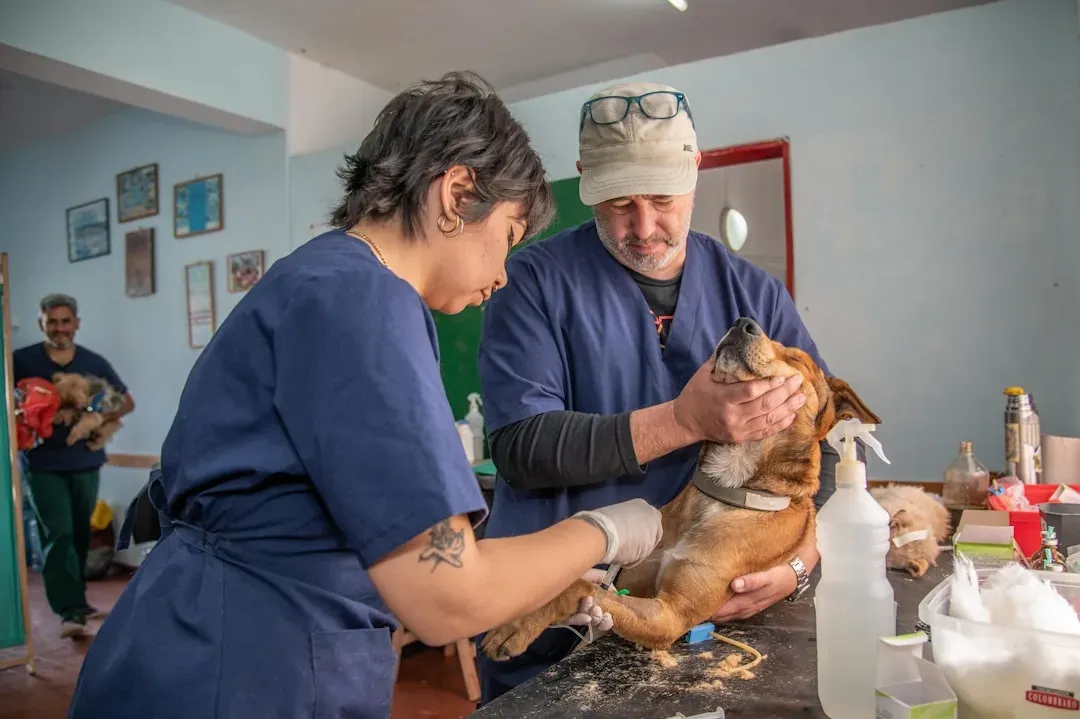
One of the most unsettling parts of having an older dog when you’re older too is wondering what’s “normal” and what’s a sign of trouble. A slower walk, more naps, taking a bit longer to get up after lying down – these can be normal in senior dogs and in humans. Similarly, you might notice that your dog’s hearing seems less sharp, they sleep deeper, or they hesitate at stairs they once flew up.
Red flags, however, deserve attention and usually a vet visit rather than just reassurance. Sudden weight loss or gain, changes in appetite, confusion or getting stuck in corners, pronounced drinking and peeing changes, or obvious pain when moving usually mean more is going on than ordinary ageing. The same goes for you: sudden shortness of breath, chest pain, new dizziness or falls, or dramatic fatigue are not “just old age” and are worth discussing with your own doctor. Ageing is expected; suffering in silence is not.
Adapting the Home for Two Seniors: Simple Modifications That Help Everyone
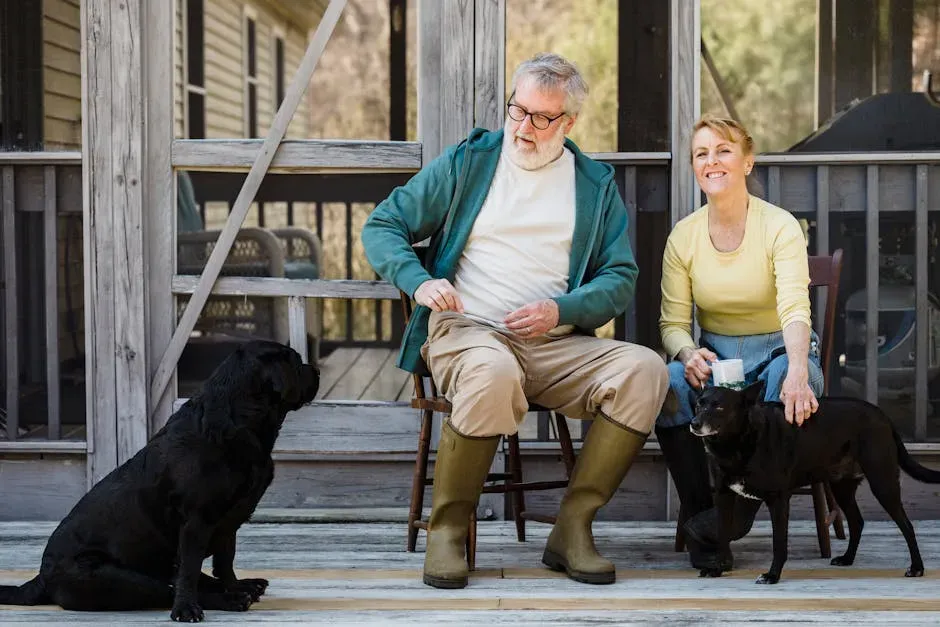
When both you and your dog are getting older, your home can quietly turn into an obstacle course if you’re not careful. Slippery floors, steep stairs, high beds, and twisting to lift heavy dog bowls or bags of food all add up. Small changes – like placing non-slip rugs where your dog jumps down, lowering the bed with a sturdy step, or using raised bowls – can significantly reduce the risk of falls and joint strain for both of you.
Think about your daily paths: from bed to bathroom, from sofa to garden, from kitchen to front door. Wherever you and your dog both walk, ask yourself, “If we’re stiff, tired, and not fully awake, could either of us trip here?” Grab rails in key spots, good lighting for night-time bathroom trips, and a safe, easy-access place for your dog to go outside can all help. These changes are not about giving up; they’re about being smart so you both keep as much independence and dignity as possible.
Exercise for Two: Moving Enough Without Pushing Too Hard
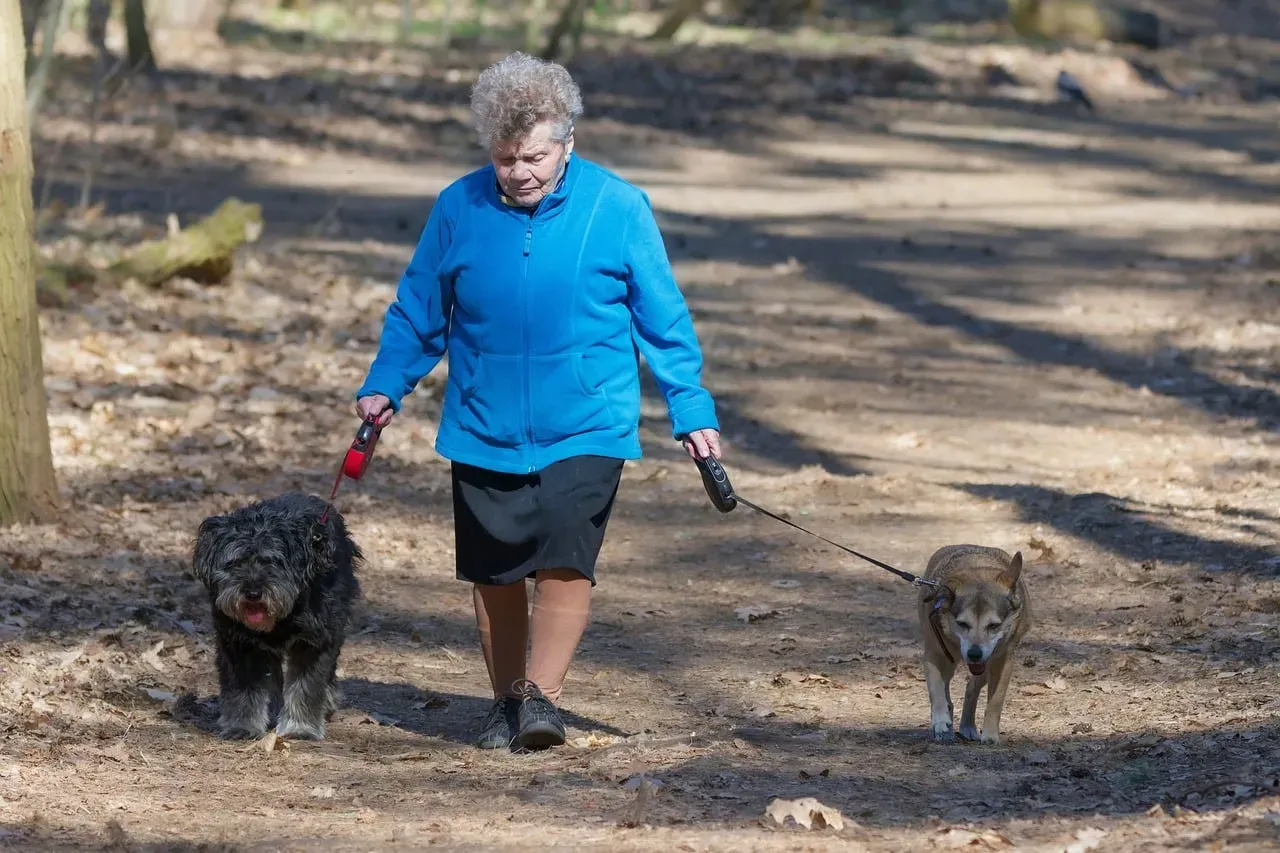
Many people over 60 worry about how much exercise their senior dog should get, especially when they’re also not as steady or energetic as they used to be. The general principle is “gentle and regular” rather than “rare and intense.” Short, frequent walks on even ground are usually kinder to senior joints than long, demanding hikes. If you use a cane or walker, or worry about falling, flat routes and quieter times of day can make walks safer and less stressful for both of you.
Indoor “micro-exercise” can matter more than people think. Simple games like slowly walking your dog around the house, hiding a few pieces of kibble for them to sniff out, or doing gentle stretching and balance exercises side by side can keep muscles and minds engaged. For you, seated exercises, light resistance bands, or chair yoga can pair surprisingly well with slow play or training sessions for your dog. The goal is not to win an athletic contest; it’s to keep both bodies moving enough to stay functional and comfortable.
Managing Pain and Chronic Conditions: Your Dog’s and Your Own
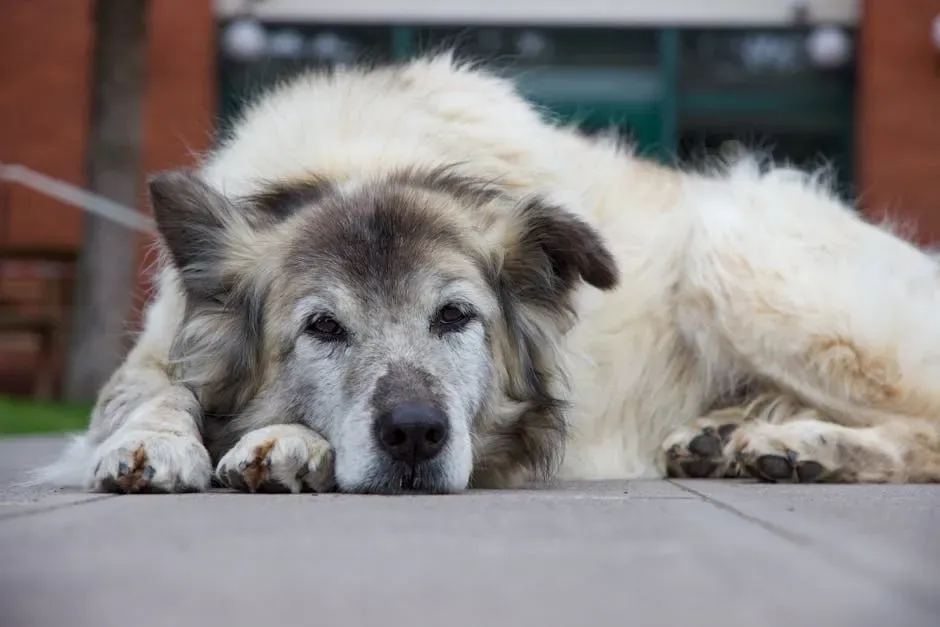
Pain in old age is often under-recognized, especially in dogs who rarely “complain” in obvious ways. Limping, stiffness after rest, reluctance to jump, licking at joints, or changes in mood – such as irritability or withdrawal – can signal arthritis or other discomfort. Modern veterinary medicine offers options like joint supplements, anti-inflammatory medications, specialized diets, and sometimes physical therapy or acupuncture. A good vet will aim not just to extend life but to make daily life more comfortable.
On your side, it’s easy to focus so much on your dog’s needs that you ignore your own chronic pain or health issues. Yet your ability to care well for your dog depends on how well you care for yourself. If lifting your dog is agony for your back or your arthritic hands struggle with grooming, that’s important information, not a personal failure. Talk to your doctor about ways to manage your pain and energy, and be honest with your vet about your physical limits. Together, you can often find alternatives – ramps instead of lifting, shorter but more frequent walks, or professional grooming support when needed.
Feeding the Ageing Duo: Nutrition, Weight, and Realistic Routines

As dogs age, their nutritional needs often change, and so do yours. Many older dogs benefit from diets that are easier to digest, help maintain a healthy weight, and support joint and brain health. Senior dog foods and veterinary-recommended diets can be helpful, especially for conditions like kidney disease, heart disease, or arthritis. Rather than following trends, it’s wiser to focus on what your vet recommends for your dog’s specific health situation and what your budget and energy can realistically support.
On your side of the food bowl, your own eating habits will shape your energy, mood, and ability to care. It can actually be motivating to think in terms of “we’re both eating to age well.” Creating simple routines – like feeding your dog and then immediately preparing a small, balanced meal or snack for yourself – can reduce the chance you forget to eat or rely only on convenience foods. Keeping both of you at a healthy weight matters: extra pounds make joints, hearts, and lungs work harder in humans and dogs alike, and gentle, sustainable changes usually beat dramatic diets or strict rules.
Emotional Bonds, Guilt, and the Fear of Outliving Each Other
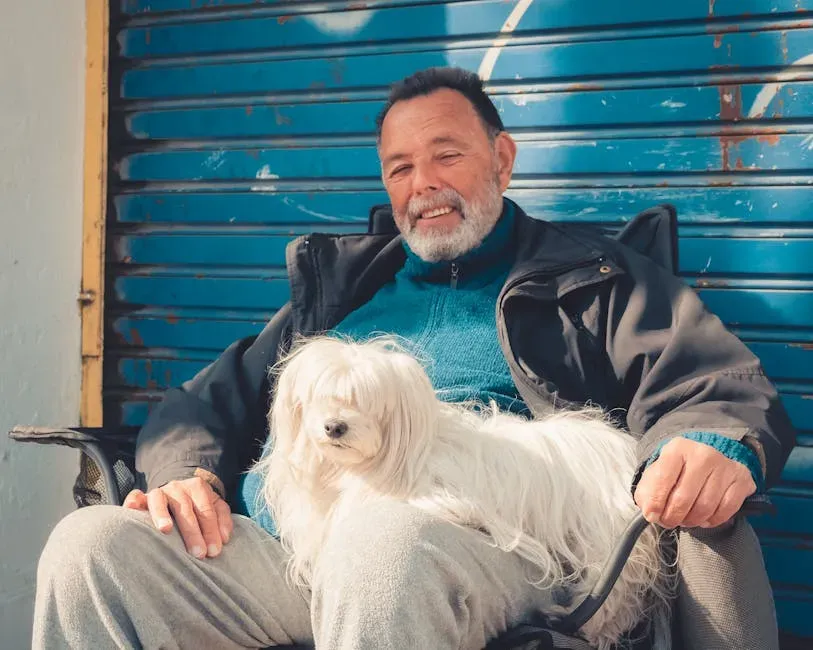
There’s a particular emotional ache that comes with loving an old dog when you’re older: the quiet fear that either of you could go first, and that you might not cope well when it happens. Many owners over 60 wrestle with guilt – guilt that they can’t walk as far as they used to, can’t lift the dog easily, or sometimes feel overwhelmed by the care their dog needs. These feelings are common and human; they don’t mean you’re failing your dog, they mean you care deeply and you’re bumping into your limits.
Talking about these worries with trusted friends, family, or a counselor can help, and some people find comfort in planning ahead. That might mean identifying someone who could care for your dog if something happens to you, or writing down your wishes for your dog’s future in a simple document. It might also mean being honest about your dog’s quality of life and your own: sometimes the most loving choice is not more treatment, but more comfort and presence. Grief is built into the deal when we love animals, but so is the gift of being fully present in the moments you still have together.
Planning for the Hardest Decisions: Quality of Life, Euthanasia, and Your Limits
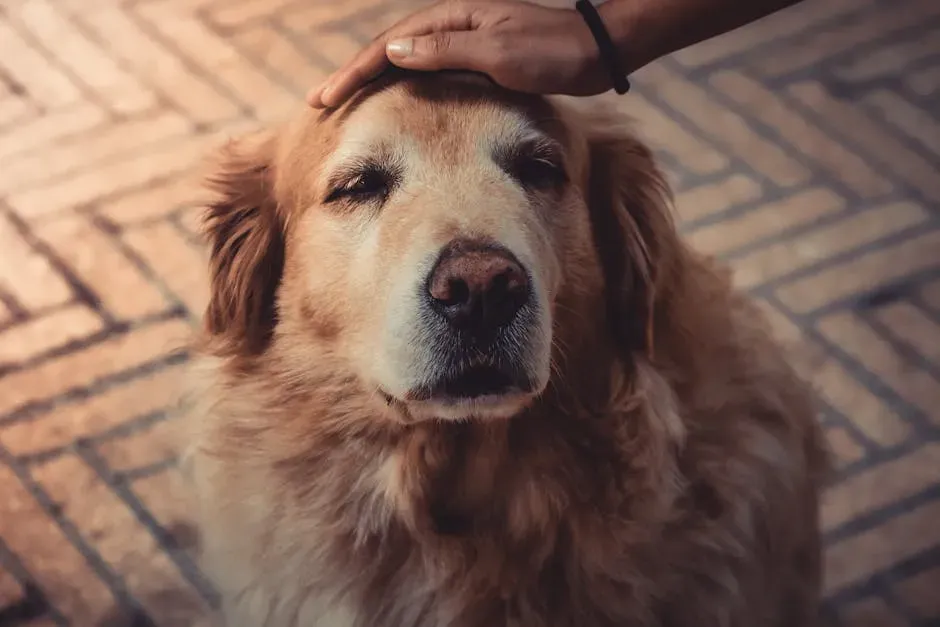
For many older owners, the thought of making end-of-life decisions for a beloved dog is almost unbearable, especially when they’re facing their own ageing and health worries. Yet avoiding the topic completely can leave you feeling unprepared, rushed, or pressured when the time comes. Quality-of-life scales, which many vets use, can help make this more concrete by looking at things like pain levels, ability to move, appetite, enjoyment, and interaction with family. These tools are not perfect, but they can turn vague dread into a more grounded conversation.
It’s important to acknowledge your own limits as part of this decision, not as an afterthought or a source of shame. If caring for your dog at a certain level of medical complexity would break your body, your finances, or your mental health, that matters. A kind, well-timed euthanasia, done with compassion and calm, can be an act of deep love, not abandonment. Planning ahead – asking your vet what home visits are available, what to expect, and what options exist for support – can make that hardest day slightly less chaotic and more peaceful for both of you.
Finding Joy in the Slow Season: Making the Most of the Time You Have
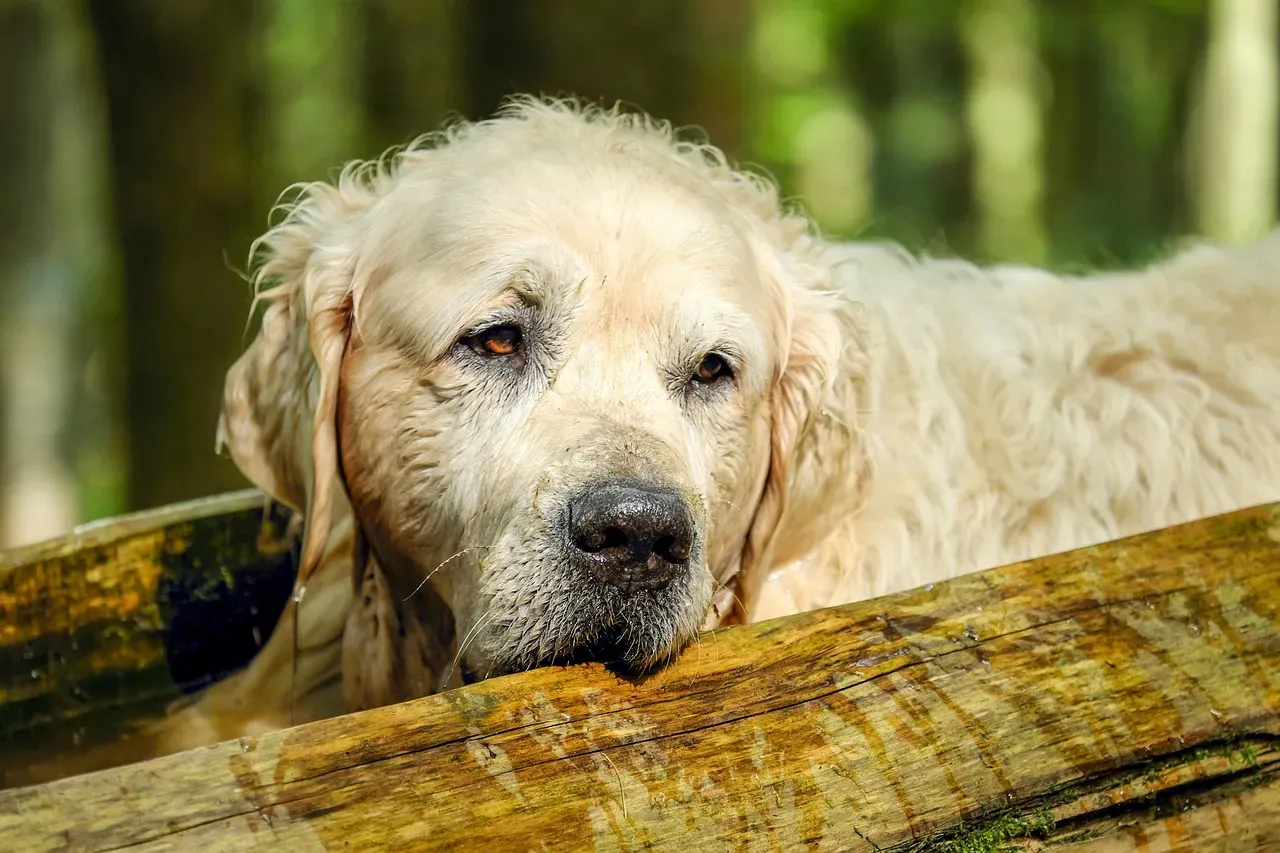
It’s easy, when both you and your dog are older, to let fear of the future steal the sweetness of the present. Yet this stage of life often brings a different kind of joy: you’re not training a wild puppy or juggling work and school runs. You may have more time to simply sit with your dog, notice their quirky habits, and share quiet routines that younger, busier versions of you might have rushed past. The slower pace can feel like a gift if you let it.
I’ve often thought that living with an old dog teaches you how to live with your own ageing body more kindly. You would never call your dog “useless” because they nap more or limp a little, so why speak to yourself that way? Precious moments now might be as simple as a sunny spot on the floor, a familiar walk done very slowly, or the soft heaviness of your dog’s head on your knee. You do not need dramatic adventures for this time to be meaningful; you just need to keep showing up, gently, with the body and energy you have today.
Conclusion: Ageing Together as a Quiet Act of Courage
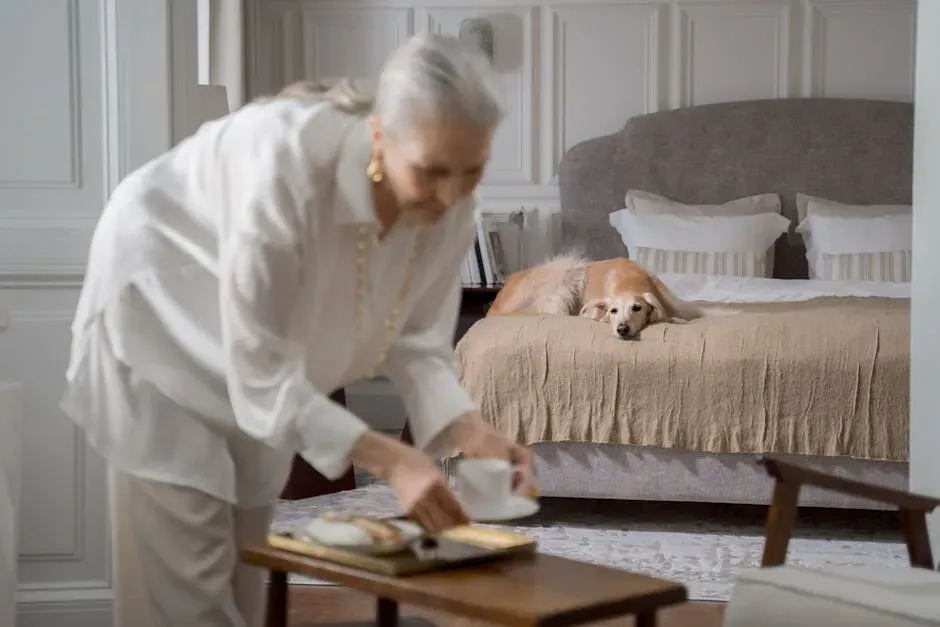
Caring for an ageing dog when you’re over 60 is not a small thing; it’s a daily act of courage that rarely gets acknowledged. You’re balancing vet visits and your own medical appointments, adjusting to changing bodies, and holding a heart that knows goodbyes are somewhere on the horizon. It’s messy, tiring, and sometimes heartbreaking, but it’s also one of the most honest friendships you’ll ever have – two beings growing old together, doing their best with what they’ve been given.
My opinion is that this season, for all its pain, can be one of the most meaningful chapters of your life with your dog. It invites you to set aside perfection, face reality with open eyes, and choose compassion over denial – for your dog and for yourself. If you can adapt your home, ask for help, plan ahead, and savor the quiet joys, you’re already doing more than enough. One day, when you look back, you may find that these slow, fragile years were where love showed its deepest strength. Did you ever imagine that simply growing old side by side could be such a powerful achievement?


