

You probably already know that dogs make you feel good, but what if that warm rush when your dog sprints to the door is actually your brain rewiring itself? Behind every wagging tail and sloppy kiss, there’s a cascade of hormones, neurotransmitters, and subtle brain shifts quietly reshaping how you handle stress, trust people, and even how you remember your day.
When I adopted my first dog, I thought I was just getting a furry roommate. Instead, my sleep improved, I snapped less at work, and even my social life changed. At first I chalked it up to coincidence, but the science is surprisingly clear: living with a dog nudges key brain systems in directions that look a lot like therapy, exercise, and medication rolled into one. Let’s break down how that actually works inside your head.
1. Oxytocin Surges: Your Dog Becomes a Walking Attachment Booster
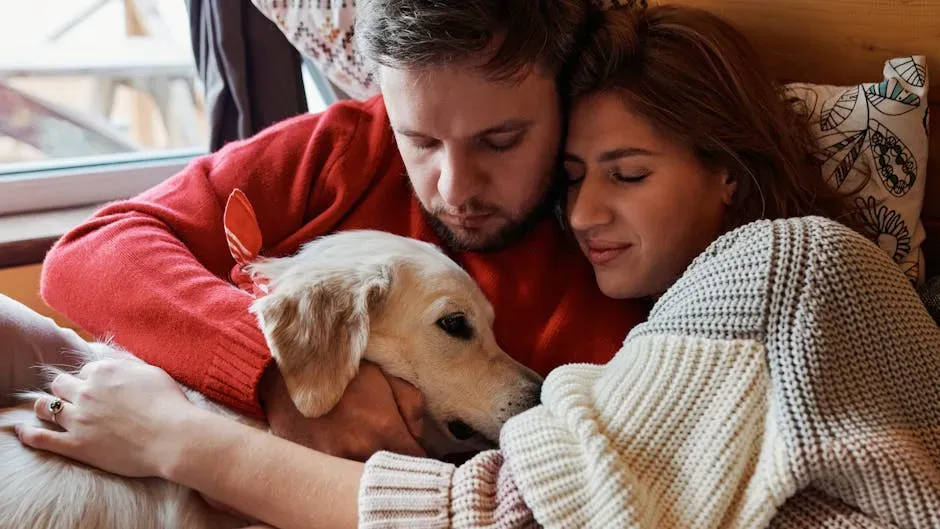
One of the most remarkable effects dogs have on your brain chemistry is the way they spike oxytocin, sometimes called the bonding or attachment hormone. When you look into your dog’s eyes, pet them, or play together, your brain often responds with an oxytocin rise similar to what happens between parents and children. This chemical boost promotes feelings of trust, warmth, and emotional safety, which is partly why your dog can feel like family in a way that is hard to logically explain.
Over time, these repeated oxytocin bursts can strengthen your sense of connection not only to your dog, but to other people as well. Feeling securely bonded makes your brain a little less suspicious and a little more open, which can soften social anxiety and loneliness. It is like your dog quietly trains your brain to believe that the world is slightly safer and more welcoming than you thought, one cuddle session at a time.
2. Cortisol Drops: A Built‑In Anti-Stress System on Four Legs

If oxytocin is the warm hug, cortisol is the alarm bell, and dogs tend to dial that alarm down. Physical contact with a calm, familiar dog has been linked with lower levels of stress hormones, especially cortisol, which is heavily involved in your fight‑or‑flight response. That is why just sitting and absentmindedly stroking your dog after a rough day can feel like someone slowly turning down the volume on your internal chaos.
Lower cortisol is not just about feeling relaxed in the moment; over the long run, less frequent or less intense cortisol spikes can support better sleep, more stable moods, and even healthier blood pressure. I sometimes notice that on days when I’m overwhelmed, walking my dog is the only thing that reliably shifts me out of that wired, edgy state. From a brain chemistry point of view, that walk is not just a break, it is a small, repeated recalibration of the stress system.
3. Dopamine and Reward: Your Dog Hacks Your Motivation Circuits
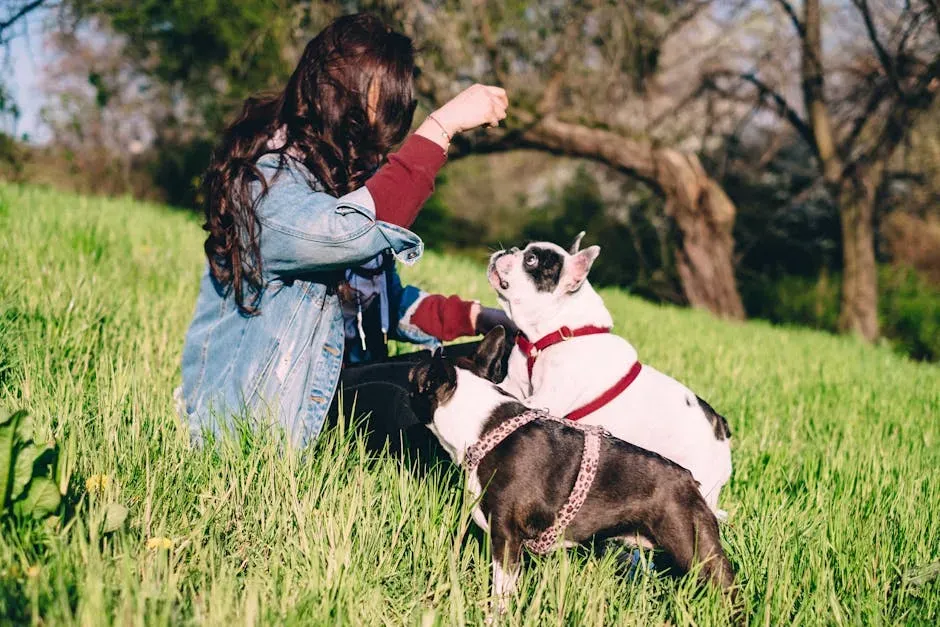
Your brain’s reward system is heavily influenced by dopamine, a neurotransmitter tied to motivation, pleasure, and learning from positive experiences. Interacting with a dog can trigger small, repeated dopamine bursts, especially during playful moments, training sessions, or just that happy rush when you come home and they explode with excitement. Those tiny hits of reward help your brain tag those experiences as “do this again,” reinforcing the habit of caring for and engaging with your dog.
What is sneaky about this is how it pulls your brain out of unhelpful loops. If you struggle with low mood or mental fatigue, getting yourself to do anything can feel impossible, but your dog’s needs force you into small, rewarding actions: walks, games, even simple eye contact. Each time your brain registers those as mildly pleasurable, you are nudging your motivation circuits away from passivity and toward action, which over time can help break patterns of withdrawal or numbness.
4. Serotonin and Mood: Daily Dog Routines Stabilize Emotional Swings

Serotonin is a key player in mood regulation, and while it is influenced by many factors, dogs happen to sit right at the intersection of several of them. Regular movement, outdoor light, social interaction, and a sense of purpose all support healthier serotonin function, and dog ownership tends to bundle those together into a daily routine. Even when you do not feel like moving, your dog still needs that walk, that meal, that bit of play, and your brain quietly benefits from the structure.
There is something very grounding about having a creature depend on you every single day, even when your own life feels chaotic or uncertain. That gentle, consistent responsibility can blunt some of the sharp edges of anxiety and low mood, in part by giving your brain predictable anchors that stabilize your internal rhythms. It is not that a dog magically “fixes” depression or anxiety, but they can make your brain’s mood systems a little less erratic, like putting training wheels on a wobbly bike.
5. Social Brain Rewiring: Dogs Nudge You Toward People, Not Just Screens

Humans are social by design, and a lot of our brain chemistry is wired to respond to faces, voices, and shared experiences. Dogs act as powerful social magnets in the real world, gently nudging you into interactions you might otherwise avoid. Walking a dog or visiting a dog park naturally invites eye contact, small talk, and a sense of belonging, which can stimulate the same social reward circuits that light up in deeper friendships.
Over time, this social exposure can soften the brain’s tendency to treat other people as threats or strangers, especially if you are shy or introverted. Instead of seeing social situations as something to survive, your brain can start to associate them with neutral or even positive feelings. In a world where it is easy to retreat into digital spaces, a dog is like a cheerful, slightly pushy personal trainer for your social brain, coaxing you back into human connection without making it feel forced or artificial.
6. Attention and Mindfulness: Dogs Pull You Out of Your Head and Into the Moment

Many of us live with our brains stuck in fast‑forward, replaying old conversations or worrying about the next deadline. Dogs, on the other hand, live intensely in the present, and that presence can rub off on you in very concrete, neurological ways. When you walk your dog and actually tune in to their pace, their curiosity, the sounds around you, you are practicing a form of informal mindfulness that shifts brain activity away from rumination and toward sensory awareness.
This shift can calm overactive worry networks and strengthen circuits involved in focused attention. I have noticed that some of my clearest thoughts show up when I am not trying to think clearly at all, just following my dog as he sniffs the same patch of grass for the twentieth time. In a strange way, that little pause from structured thinking gives the brain room to reset, helping you come back to your life a bit more centered and less mentally cluttered.
7. Learning, Plasticity, and Confidence: Training Your Dog Trains Your Brain

Dog training is not just about sit, stay, and come; it is a real-time experiment in cause and effect, patience, and communication. When you teach a dog a new behavior, your own brain is constantly adjusting, forming new associations, testing strategies, and getting feedback. This engages neural plasticity, the brain’s ability to rewire itself, which stays more active when you are regularly learning and adapting rather than running purely on autopilot.
There is also a psychological and chemical reward when training finally clicks. That moment when your dog responds correctly to a cue you have been practicing can trigger a surge of satisfaction and self-efficacy, reinforcing your belief that you can influence the world in positive ways. For people who often feel powerless or stuck, this is not a small thing; it is a repeated reminder, backed by real brain changes, that effort can pay off and that patience has value.
8. Safety Signals and Emotional Regulation: Your Dog as a Living Soothing System

On a deeper, more primitive level, your brain is always scanning for cues of safety or danger. A relaxed, familiar dog often functions as a powerful safety signal, especially when they are calmly sleeping near you or leaning against your leg. Your nervous system tends to take these cues seriously, dialing down the background sense of threat and allowing higher-thinking areas of the brain to come back online.
This makes it easier to regulate big emotions instead of being swept away by them. When something upsetting happens, simply sitting near your dog or focusing on their breathing can give your brain enough of a safety anchor to process feelings rather than explode or shut down. It is not mystical; it is your nervous system reading the environment and deciding, based partly on your dog’s calm presence, that you are allowed to relax your guard a little.
Conclusion: Dogs Do Not Just Steal Your Heart – They Rewire Your Brain
When you zoom out, it becomes hard to see dogs as “just pets” once you understand how deeply they interact with your brain chemistry. They boost bonding hormones, dampen stress reactions, nudge reward and motivation circuits, and quietly reshape how you move through the world and relate to other people. In a time when many of us feel overworked, disconnected, and mentally overloaded, that kind of everyday, low‑tech brain support feels less like a luxury and more like something close to medicine.
Of course, a dog is not a replacement for therapy, medication, or medical care when those are needed, and pretending otherwise would be irresponsible. But it is hard to ignore that a creature who cannot speak your language can still help restore some deeply human parts of you that modern life wears down. Maybe that is the most remarkable part: by caring for a dog, you quietly invite your own brain back into balance. Knowing what you know now, does it surprise you that a wagging tail can be this powerful?


