
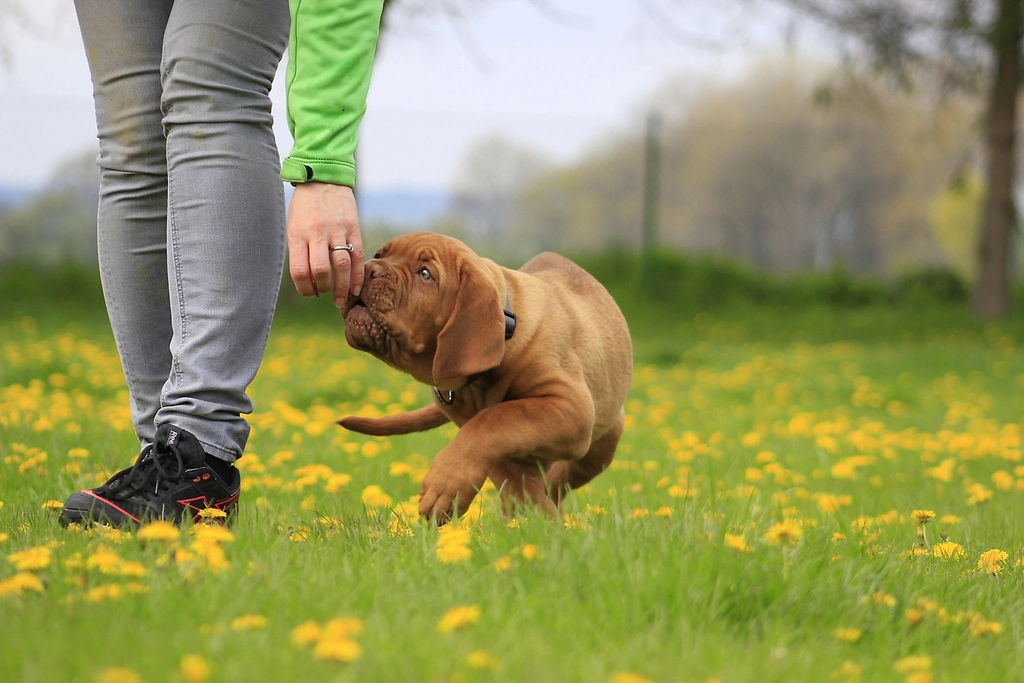
If you could swap senses with your dog for just one day, your world would feel almost unrecognizable. We move through life mostly driven by what we see; dogs move through life led by what they smell. That one difference changes everything about how they understand us, our homes, the street outside, even time itself.
The mind-blowing part is that this isn’t just a poetic idea. The scent-processing region of a dog’s brain is proportionally about forty times larger than the equivalent region in humans. In other words, if your sense of smell is a tiny smartphone screen, your dog’s is a full-blown IMAX theater. Once you really grasp that, you’ll never look at a sniffing dog the same way again.
Dogs Live in a World of Smell, Not Sight
We tend to assume dogs see the world the way we do, just a bit blurrier or lower to the ground. But for them, vision is more like a helpful side feature; smell is the main operating system. When you walk into a room, you notice the décor, the light, the colors. When your dog walks in, they notice who has been there, how recently, what they ate, whether someone was stressed, and where the cat snuck off to.
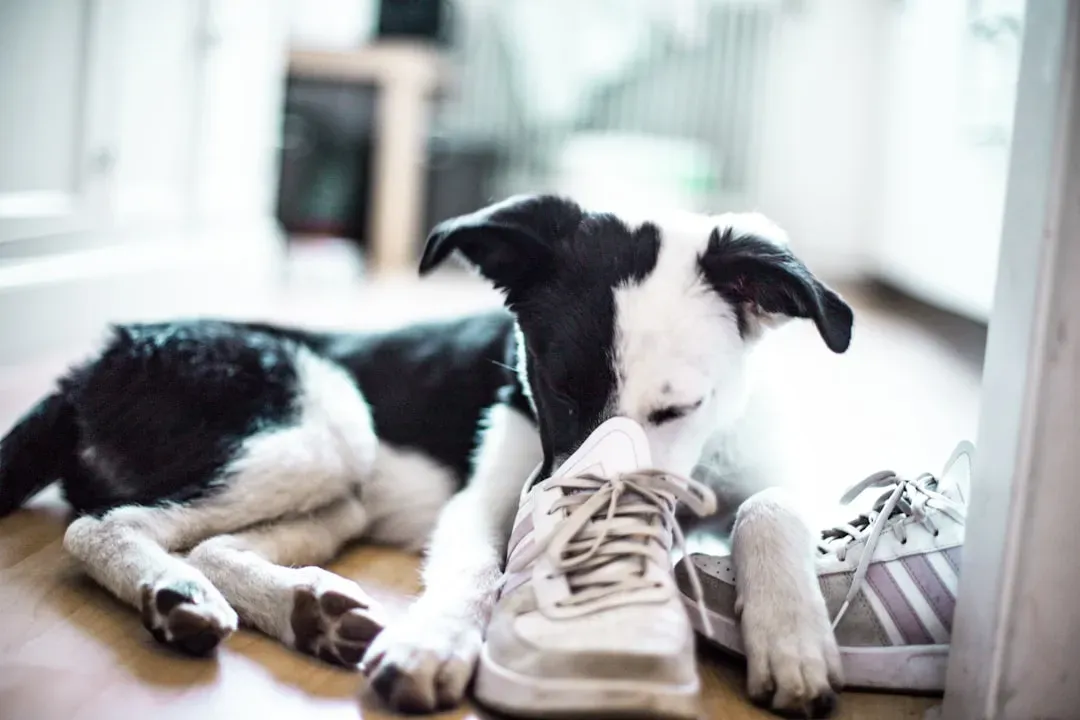
That forty-times-larger scent-processing region is like giving dogs a whole extra sense layered over the one we have. The information density is completely different. A single sniff of your shoe might tell your dog where you went, how long you were gone, who you met, and whether you stopped for coffee or went to the park. You see a shoe; your dog reads a story.
The Biology Behind the Supernose
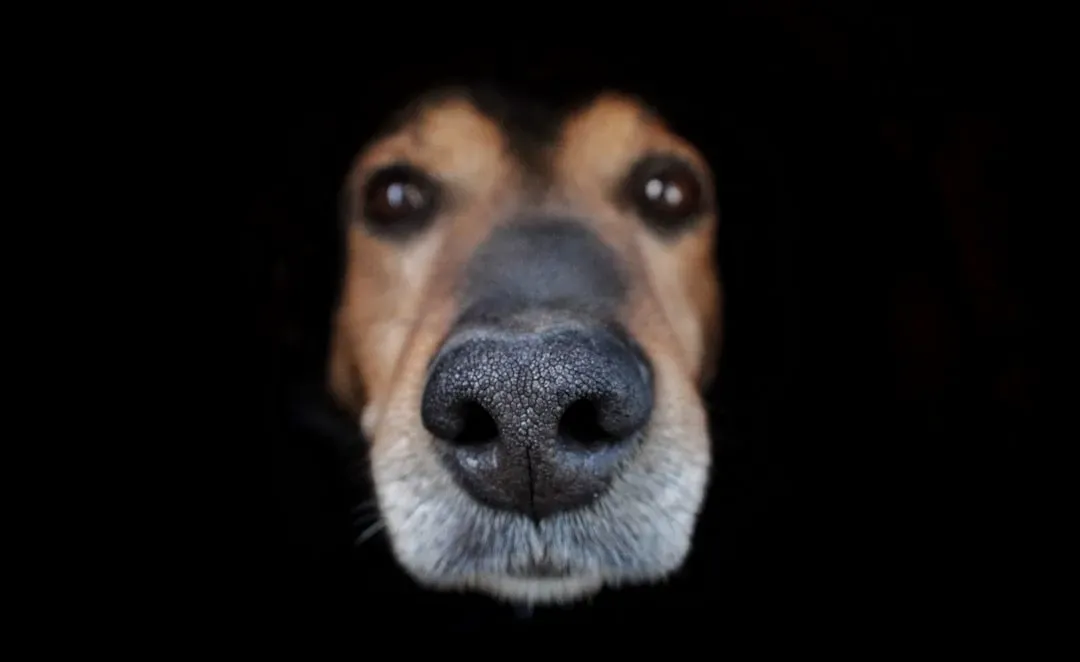
Under the hood, dogs are basically scent machines. They have hundreds of millions of scent receptors in their noses, vastly more than humans. All that raw data has to go somewhere, and that somewhere is the olfactory bulb and associated brain regions that decode and interpret smells. Proportionally, this area takes up around forty times more space in a dog’s brain than in ours, which is a huge allocation of neural real estate.
Think of the brain as a limited piece of expensive downtown property. Whatever functions a species relies on most get the biggest, fanciest buildings. For dogs, smell is the skyscraper that dominates the skyline. That extra space means more detailed processing, better separation of different odors, and the ability to track extremely faint or overlapping smells in a way we simply cannot imagine from our relatively modest human olfactory setup.
How Dogs “See” Time and Emotion Through Smell
Because their scent-processing is so powerful, dogs do something wild: they smell time and emotion in a way we mostly miss. As odor particles disperse, fade, and settle, a dog can sense whether a scent is fresh or old, whether someone just walked by or did so an hour ago. To them, the hallway might smell like a timeline: your morning coffee, the neighbor’s visit, the package delivery, all still faintly written in invisible scent ink.
On top of that, our bodies constantly release chemical signals tied to stress, excitement, fear, or calm, through sweat and skin. Dogs can pick these up and map them onto their mental picture of us. This is why your dog often knows you had a rough day before you even say a word. They are not guessing from your face; they are reading your emotional “weather report” straight from your scent.
Why Your Dog Sniffs Everything (and Why You Should Let Them)
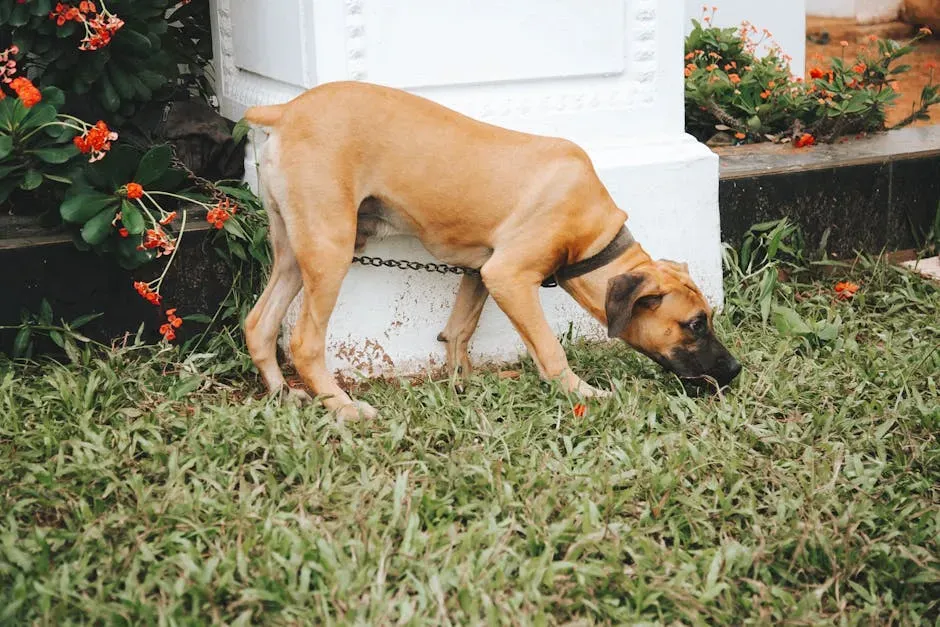
To us, a dog sniffing every lamppost or spending two full minutes investigating a single patch of grass looks like dawdling. From the dog’s perspective, it is social media, newsfeed, and neighborhood bulletin board all rolled into one. Every spot is loaded with information: who was here, what they were feeling, whether a female dog was in heat, whether another dog is sick, and so on.
When we rush dogs through walks or drag them away from interesting scents, it is a bit like someone snatching your phone every time you try to read a text. Sniffing is mental work, entertainment, and orientation all at once. Giving your dog time to sniff is not spoiling them; it is allowing their primary sense to do what it evolved to do, which can make them calmer, more confident, and less frustrated overall.
How Dogs Use Smell to Find the “Invisible”
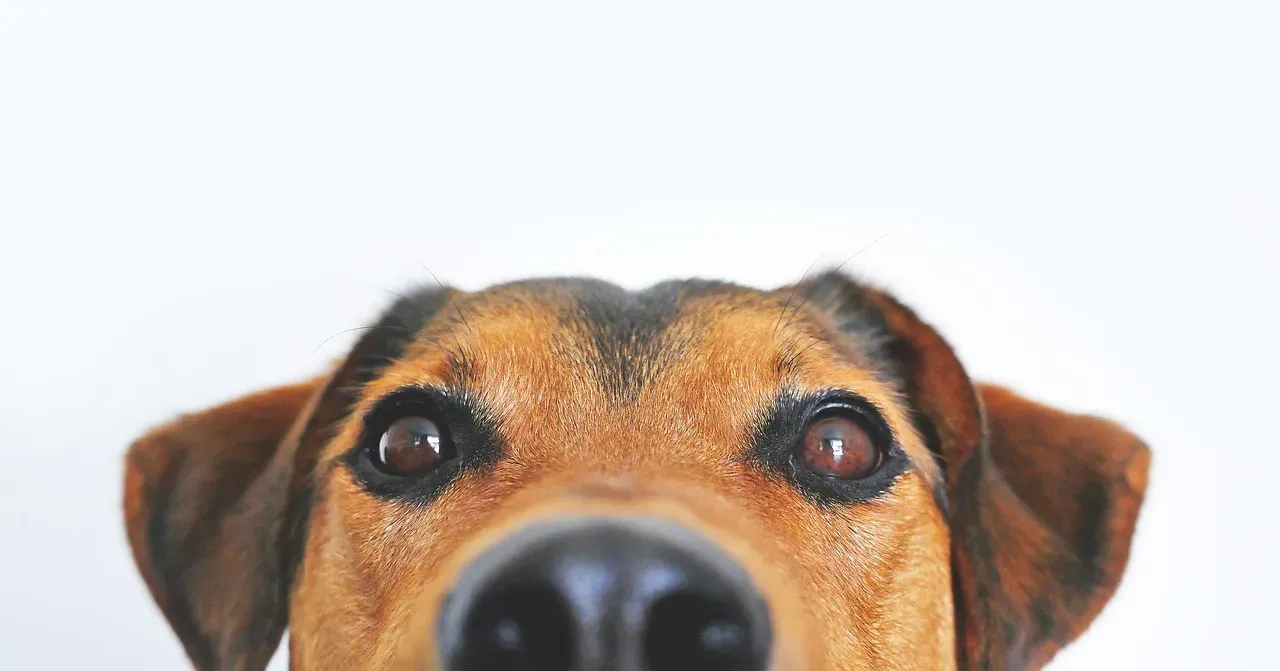
The supercharged olfactory part of a dog’s brain is not just a cute quirk; it has very real, practical power. Dogs can detect substances and signals that are invisible and often undetectable to us. That includes tracking missing people, sniffing out explosives or narcotics, and helping find disaster survivors buried under rubble. Their brains are tuned to pick up tiny scent traces against a noisy background of other smells.
Even more astonishing, certain trained dogs can detect subtle changes in human body chemistry: some can alert to blood sugar drops in people with diabetes or scent changes linked to seizures before they happen. In these situations, the dog’s nose is essentially functioning as a living, breathing, always-on sensor system, powered by that huge scent-processing region and refined through training and experience.
The Emotional Bond: Smell as a Love Language
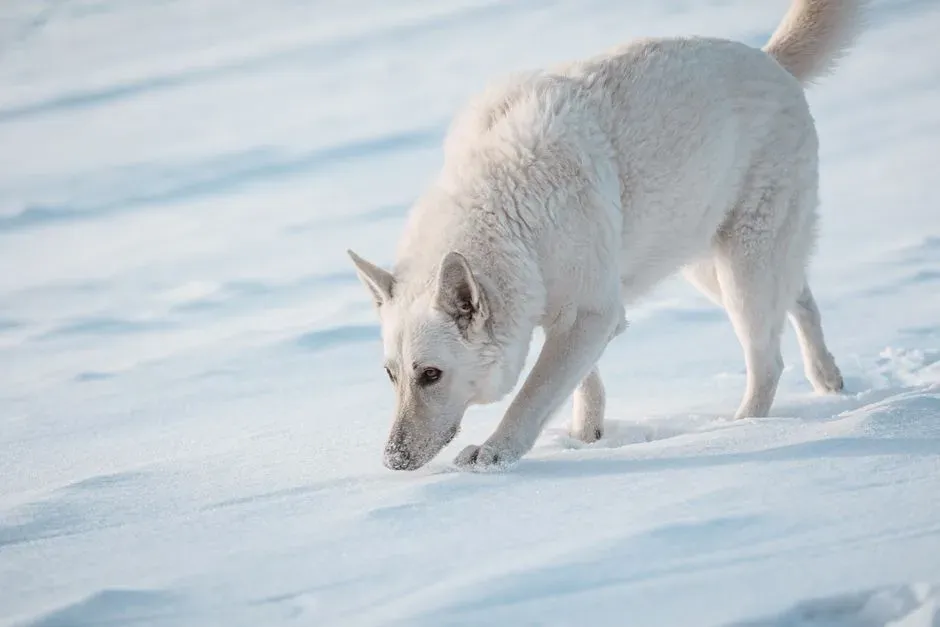
Here is a slightly humbling truth: your dog probably knows your scent better than you know your own reflection. Your unique smell is their comfort signal, their anchor in a chaotic world. When you come home, they do not just recognize your face; they are flooded with a familiar scent profile that tells them you are safe, you are theirs, and things are okay again.
This is why many dogs bury their faces in their person’s clothes, shoes, or bed linens when they miss them. Those items are saturated with your chemical signature. To a human, that might just smell like laundry; to a dog, it feels like a warm, invisible hug. Understanding that can make us a bit more patient when they insist on sniffing our dirty gym bag like it holds the secrets of the universe – because for them, it kind of does.
Why Your Dog’s Nose Changes How We Should Train and Enrich Them
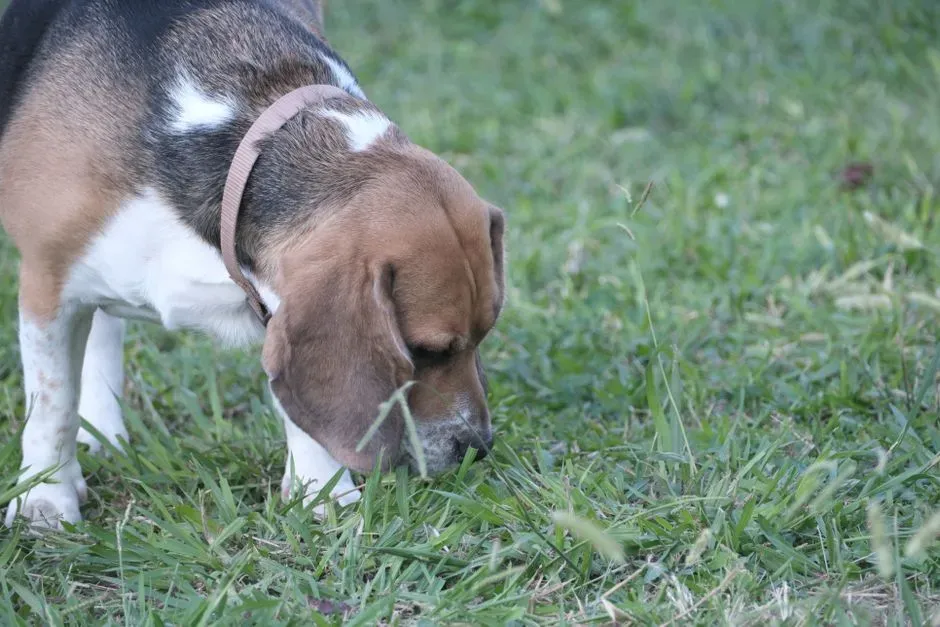
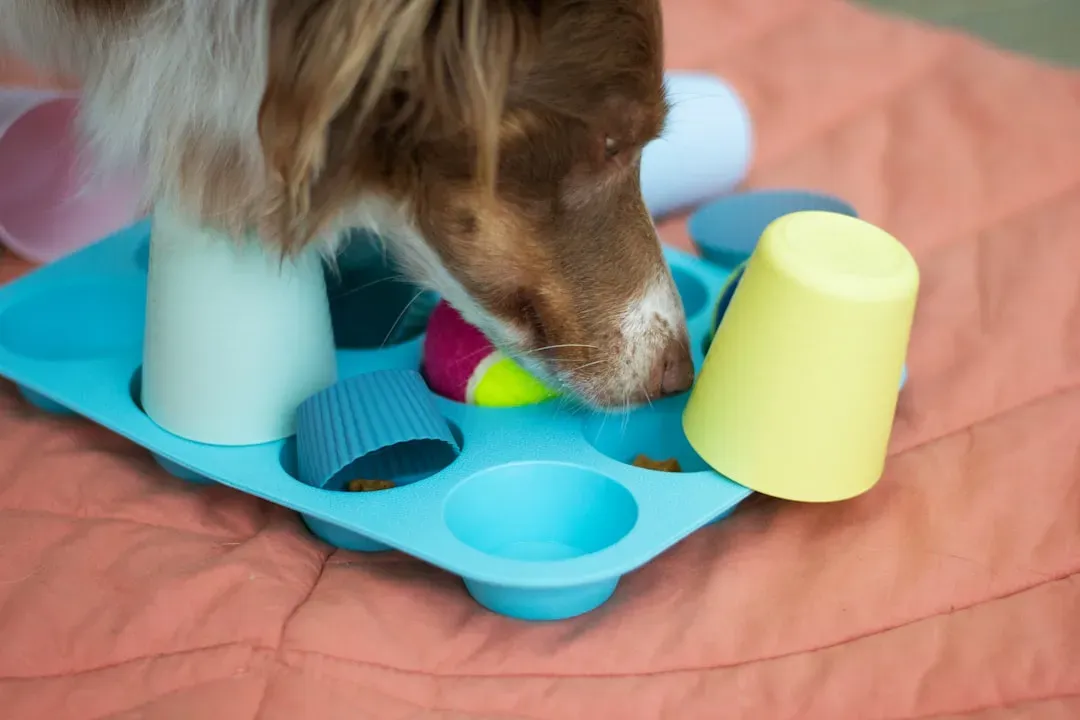
Once you accept that a dog’s experience of the world is smell-first, sight-second, it completely reshapes what good training and enrichment look like. Traditional ideas often focus on visual commands and obedience tasks while ignoring scent. But a nose-driven brain craves nose-driven work. Scent games, tracking exercises, and simple hide-and-seek with treats or toys can be far more satisfying for many dogs than another sit-stay repetition.
We also need to rethink how we use and understand scent in their daily environment. Overpowering cleaners, heavy perfumes, or constant air fresheners can create a background noise of smells that is overwhelming to a dog, even if we barely notice it. Offering scent-safe spaces, varied outdoor sniffing opportunities, and smell-based enrichment toys respects how their brains were designed to operate, rather than forcing them to live in a world tailored only to human senses.
What This Says About Us, Them, and Living Together
That forty-times-larger scent-processing region is more than a fun fact; it is a reminder that dogs are not just slightly furry humans. They are a different kind of mind, built around a different sensory priority. When we forget this and expect them to navigate only by our rules – our vision-heavy, fast-paced, low-smell world – we are asking them to ignore the loudest voice in their own brains.
In my view, respecting dogs starts with admitting that their way of experiencing reality is not just valid but astonishingly rich. Let them sniff on walks. Give them scent games instead of only visual tricks. Accept that when their nose pulls them toward something, they are following a sense that is forty times more developed than ours. Maybe the most human thing we can do is admit we are the ones who are slightly nose-blind here. Knowing that, what will you do differently on your dog’s next walk?


