
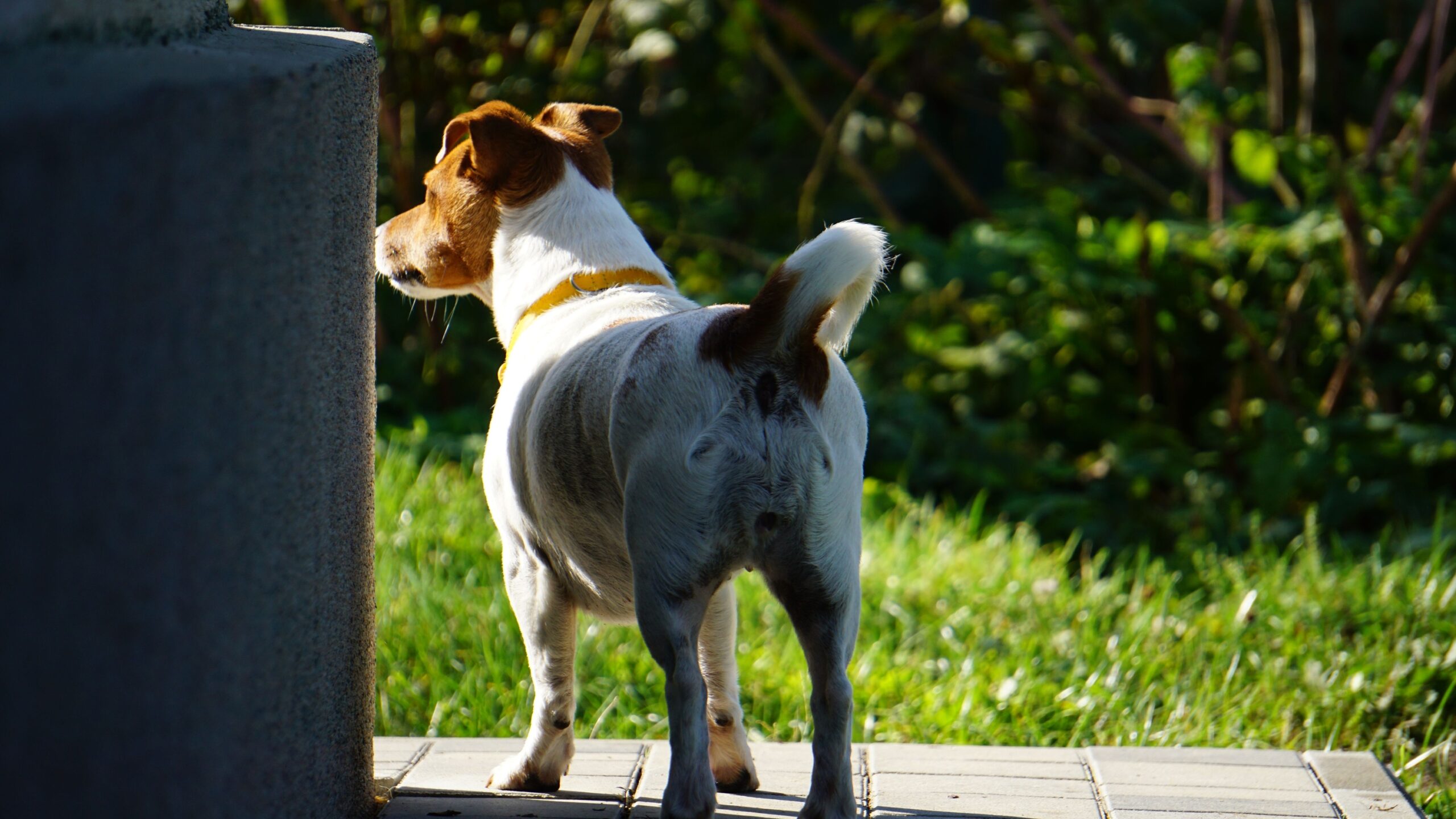
You’re at the park, your dog spots another dog, and suddenly the energy spikes. Tails are high, bodies tense, everyone is pulling on leashes. Then, right when you brace for impact, your dog does something that seems almost rude: they turn their back. It can look like indifference or even sass, but what if it’s actually one of the smartest, politest things they can do?
This small move often carries a big message: I’m not a threat. Far from being random, turning away is part of a subtle, deeply wired canine language many of us never learned to read. Once you see it, you can’t unsee it – and it can completely change how you understand your dog, and how safely you navigate greetings.
The Hidden Language of “Calming Signals” in Dogs
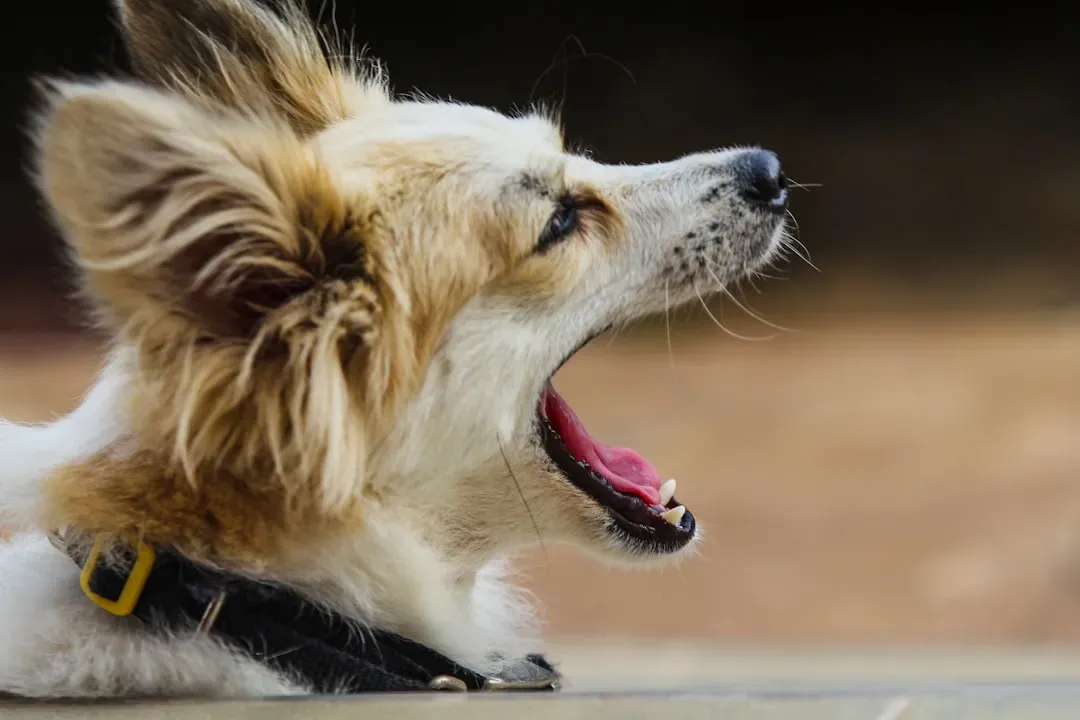
Dogs live in a world of micro-gestures. While we focus on barking or growling, they are constantly sending quiet signals with their eyes, ears, body angles, and even how they move their head away. These behaviors, often called calming signals, help dogs reduce tension, avoid conflict, and keep social situations from spiraling into a fight.
Turning the back or turning the head away is one of these signals. Instead of staring straight on – which can feel like pressure or even a challenge – your dog may curve their body, present their side or back, and soften their posture. To another dog, that shift can say something like, “Relax, I’m not here to start anything,” long before any growl or snap ever happens.
Why Turning Away Says “I’m Safe” in Dog Body Language
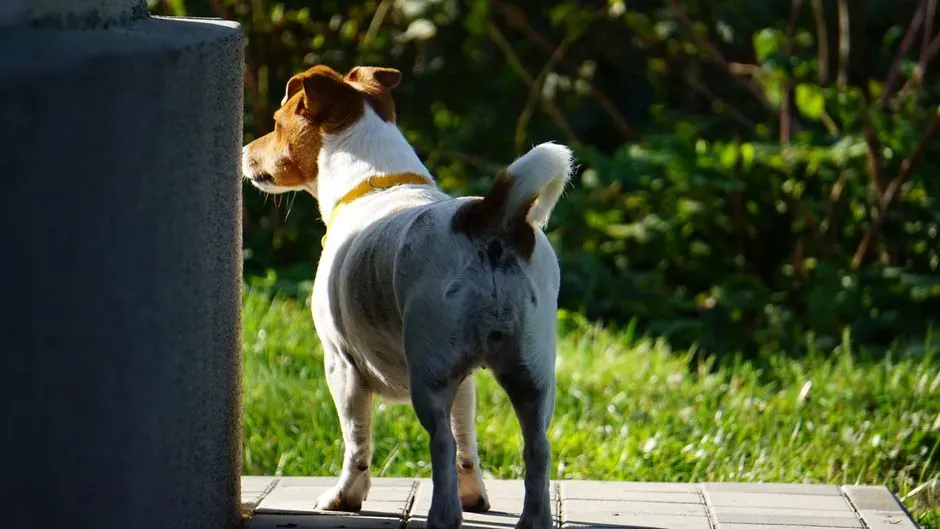
In the animal world, direct, head-on approaches are often risky. Predators move in straight lines; challengers stare directly. So when your dog chooses not to face another dog or person full-on, they are dialing down social intensity. Turning away breaks the direct line of pressure and often reduces the feeling of being cornered or challenged.
Think of it like stepping to the side when someone is in your face instead of leaning in closer. Your dog is essentially opting out of drama before it starts. This is especially obvious when greetings feel a bit too much – like a very bouncy puppy or an excited person rushing in for a hug. The turn is a way of saying, “I’m cool, please stay cool too.”
When Your Dog Turns Their Back on You: Trust, Not Disrespect
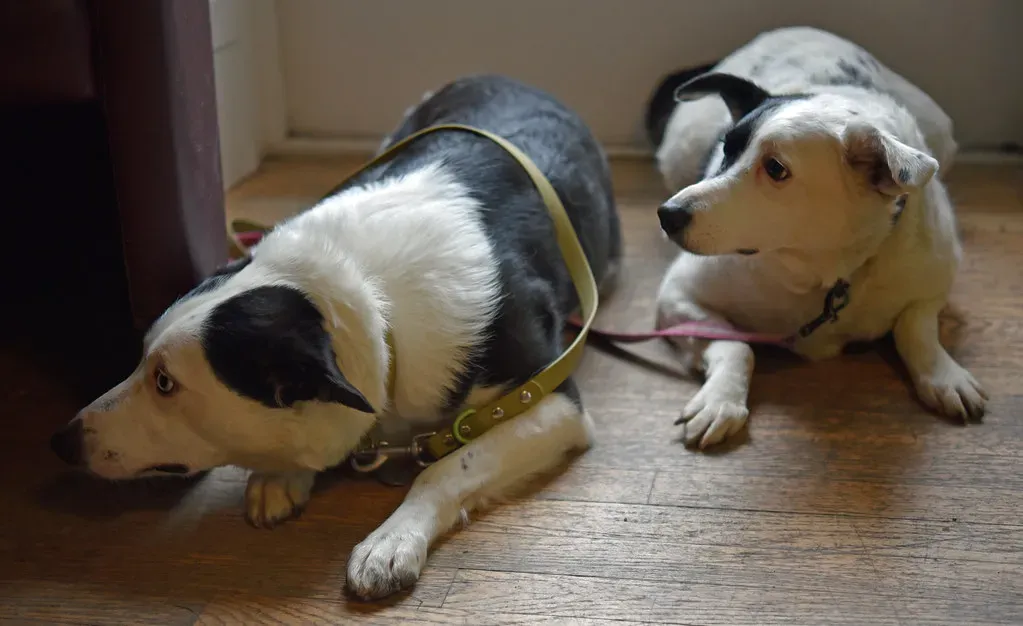
Many people quietly worry when their dog turns their back during a greeting, especially at home. It can feel like rejection, or as if the dog is saying they are not that interested in you. In reality, it is often the complete opposite. Presenting their back can be a huge sign of trust and comfort in your presence.
Your dog is exposing a more vulnerable side and choosing not to monitor you closely, which animals generally do only when they feel safe. Sometimes they may pair this with a loose body, relaxed tail, or a slow wag. In my own home, I started noticing that my dog would walk up to me, give a quick glance, then turn and lean his back into my legs. That was not disrespect at all – that was his calm way of saying, “We’re good, I feel safe with you.”
Dog-to-Dog Greetings: How Turning Away Helps Prevent Fights
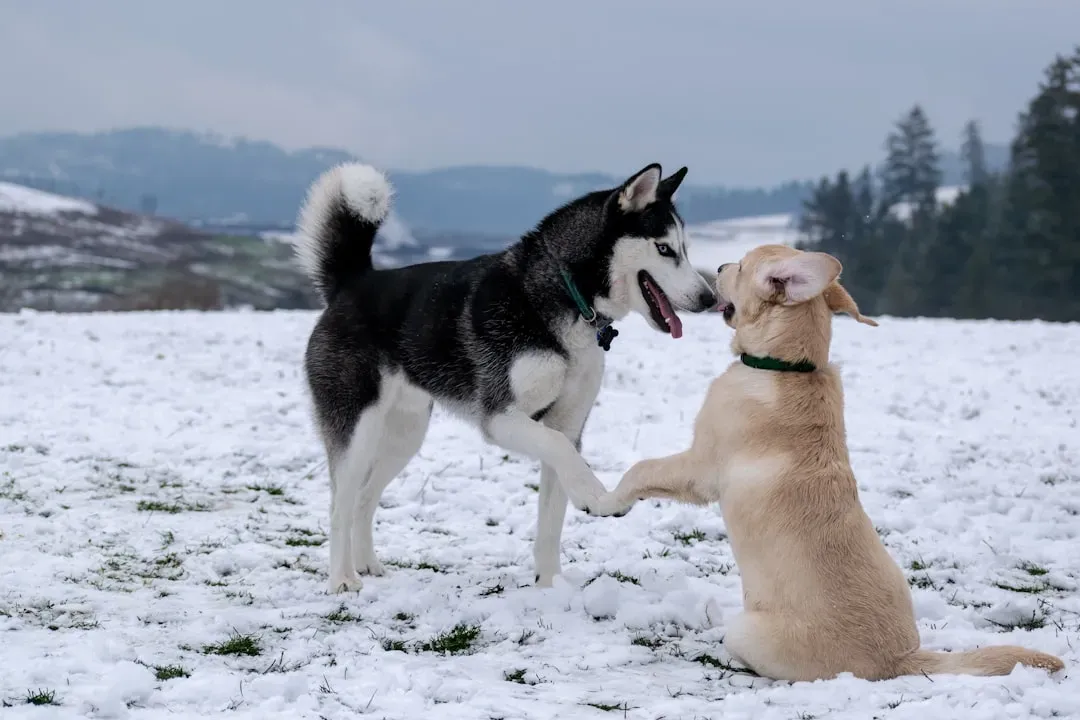
Watch two socially skilled dogs meet, and you’ll often see a dance of curves rather than a head-on collision. One or both may arc their path, approach from the side, and then turn their body slightly away. This sideways or back-turned posture helps keep arousal from tipping over into aggression, especially if one dog is nervous.
When dogs skip this step and rush straight in, things can get messy fast, particularly on tight leashes. A dog who turns their back or side during that first intense moment is choosing diplomacy over confrontation. If more humans respected and allowed that maneuver instead of dragging dogs closer, we’d probably see far fewer “out of nowhere” blow-ups at parks and on sidewalks.
Overwhelmed Dogs: Why Turning Away Means “Give Me Space”
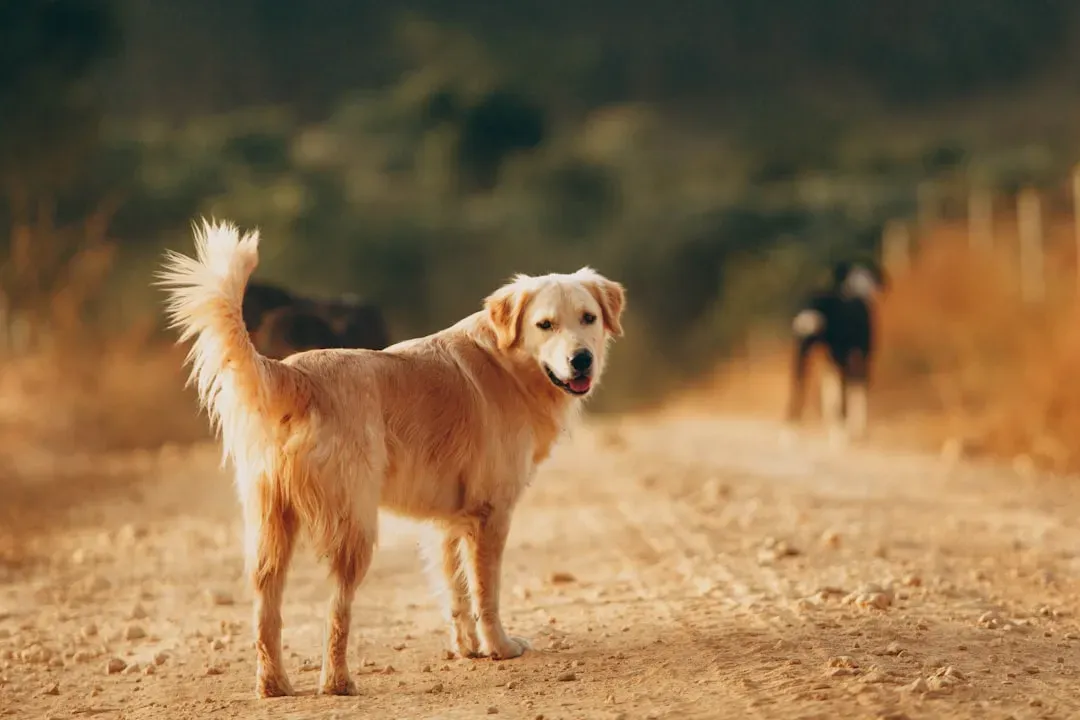
Turning away is not only a friendly signal; sometimes it is a quiet plea. A dog that shifts their back toward a person or another dog, licks their lips, yawns, or keeps blinking might be saying that the interaction is too intense. This is especially common with kids who hug tightly, or with adults who lean over and stare directly into a dog’s eyes.
In those moments, the back turn is like a gentle version of a boundary. The dog is saying, “I don’t want trouble, but I need you to ease off.” If that message gets ignored repeatedly, some dogs eventually feel forced to escalate to a growl or snap. Respecting that early, subtle turn can prevent later “sudden” aggression that, from the dog’s perspective, was anything but sudden.
How You Can Respond When Your Dog Turns Away
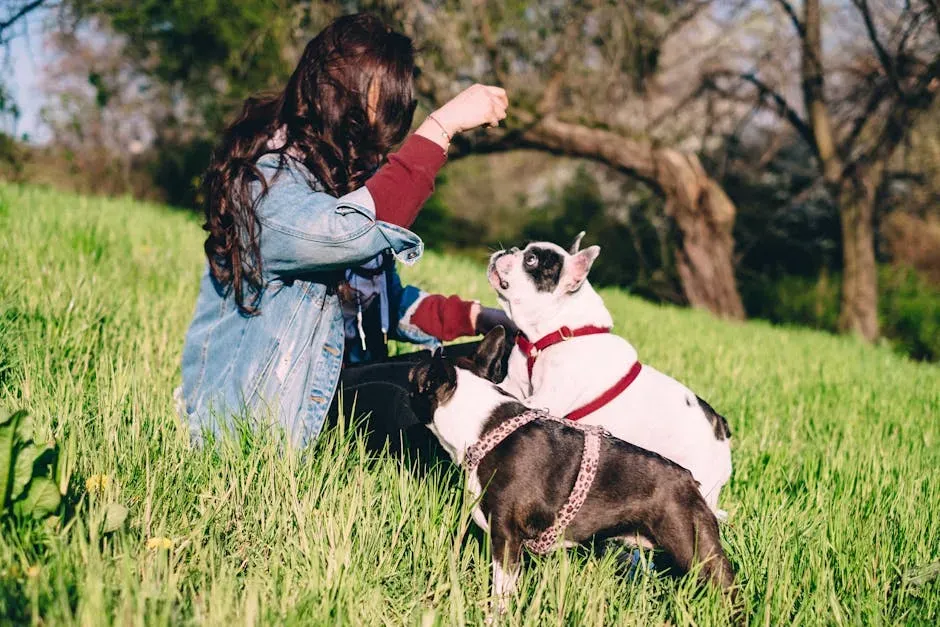
When you notice your dog turning their back or body away during an intense moment, resist the urge to pull them back or force more contact. Instead, soften your own body language: turn your shoulders slightly, avoid looming over them, and maybe step a bit to the side. Give them a moment to decompress and decide what feels safe.
If the other dog or person seems to be overwhelming them, you can gently increase space by taking a step back or curving away yourself. Over time, rewarding your dog for calm choices like turning away – rather than only reacting to big, loud behaviors – teaches them that using their subtle language works. That can build their confidence and reduce the need for more dramatic reactions.
Helping Children and Strangers Understand This Gentle Signal
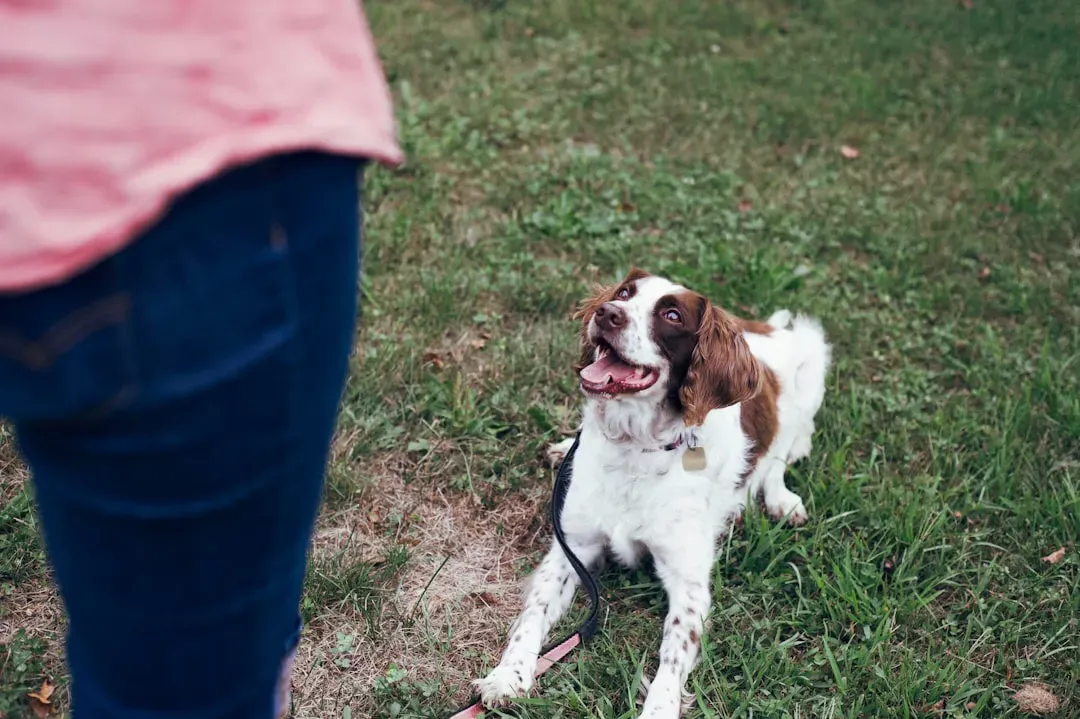
A huge part of dog safety is teaching the humans, not just training the dogs. Kids often want to hug, chase, or touch a dog that is clearly trying to turn away, because they misread it as shyness or a game. Explaining that a turned back means the dog is asking for a break can prevent a lot of scary close calls and help kids feel like little dog-language experts.
With strangers, you can be your dog’s advocate. If your dog turns away during an intense greeting, you might casually say something like that they do better with calm, side-on approaches and ask the person to let the dog come to them. It is a small social script change, but it respects what your dog is already trying to say with their body.
When Turning Away Might Signal a Problem
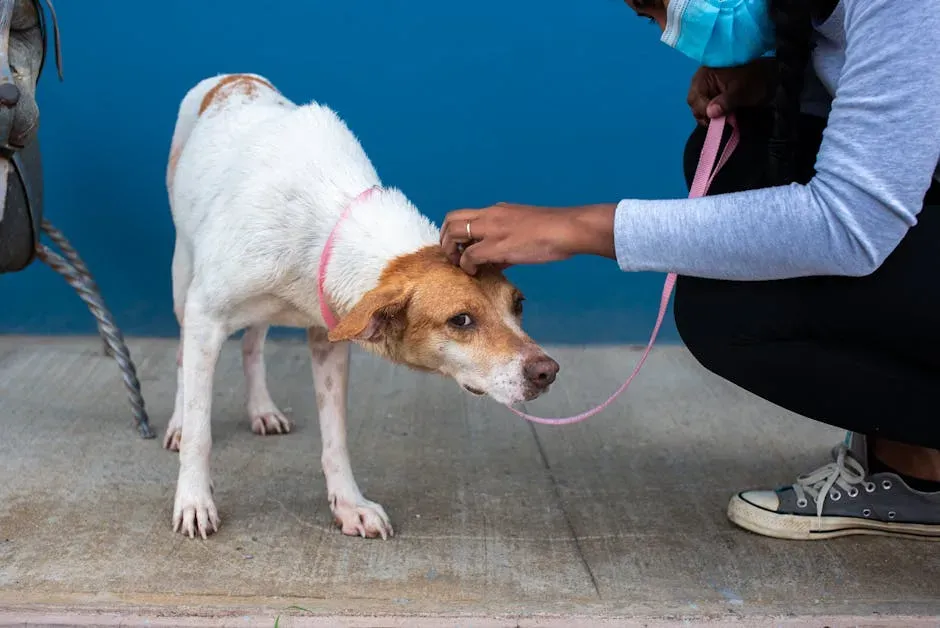
Most of the time, turning the back in greetings is a healthy, smart social behavior. But if your dog starts doing it excessively, paired with signs like tail tucked tightly, frozen posture, or refusal to approach at all, it might go beyond a simple calming signal. In those cases, it can hint at fear, past negative experiences, or even pain making contact uncomfortable.
If you notice a pattern where your dog constantly avoids touch, flinches when approached, or seems different from their usual self, it is worth talking with a veterinarian or a qualified behavior professional. The behavior itself is not bad; it is the context that matters. Ignoring those changes because “it is just a calming signal” can mean missing an early sign that your dog genuinely needs help.
Conclusion: Turning Their Back Is Emotional Intelligence, Not Rudeness
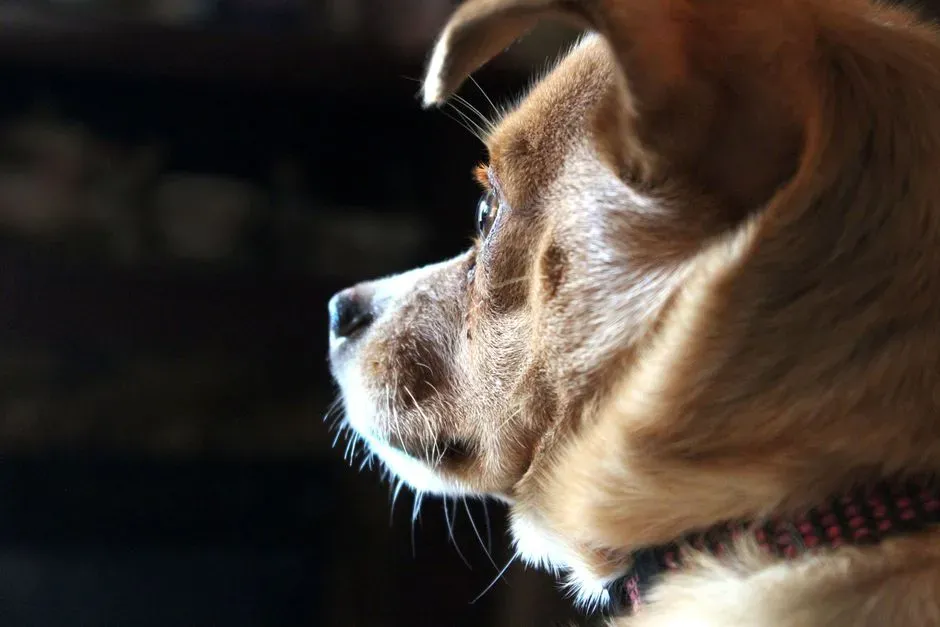
I think we underestimate just how emotionally intelligent dogs really are. That simple act of turning their back during a charged greeting is not attitude – it is strategy. It is your dog choosing peace over conflict, trust over suspicion, and subtle communication over explosions. The more we honor that, instead of dragging them into situations they are trying to smooth over, the safer and more connected our relationships become.
If there is one opinion I will stand on firmly, it is this: a dog that can turn away is a dog that feels they have options, and that is a sign of good welfare. Rather than asking how to stop the behavior, a better question is how we can support it and read it more clearly. Now that you know what that turned back might really mean, will you see your dog’s greetings the same way again?


