
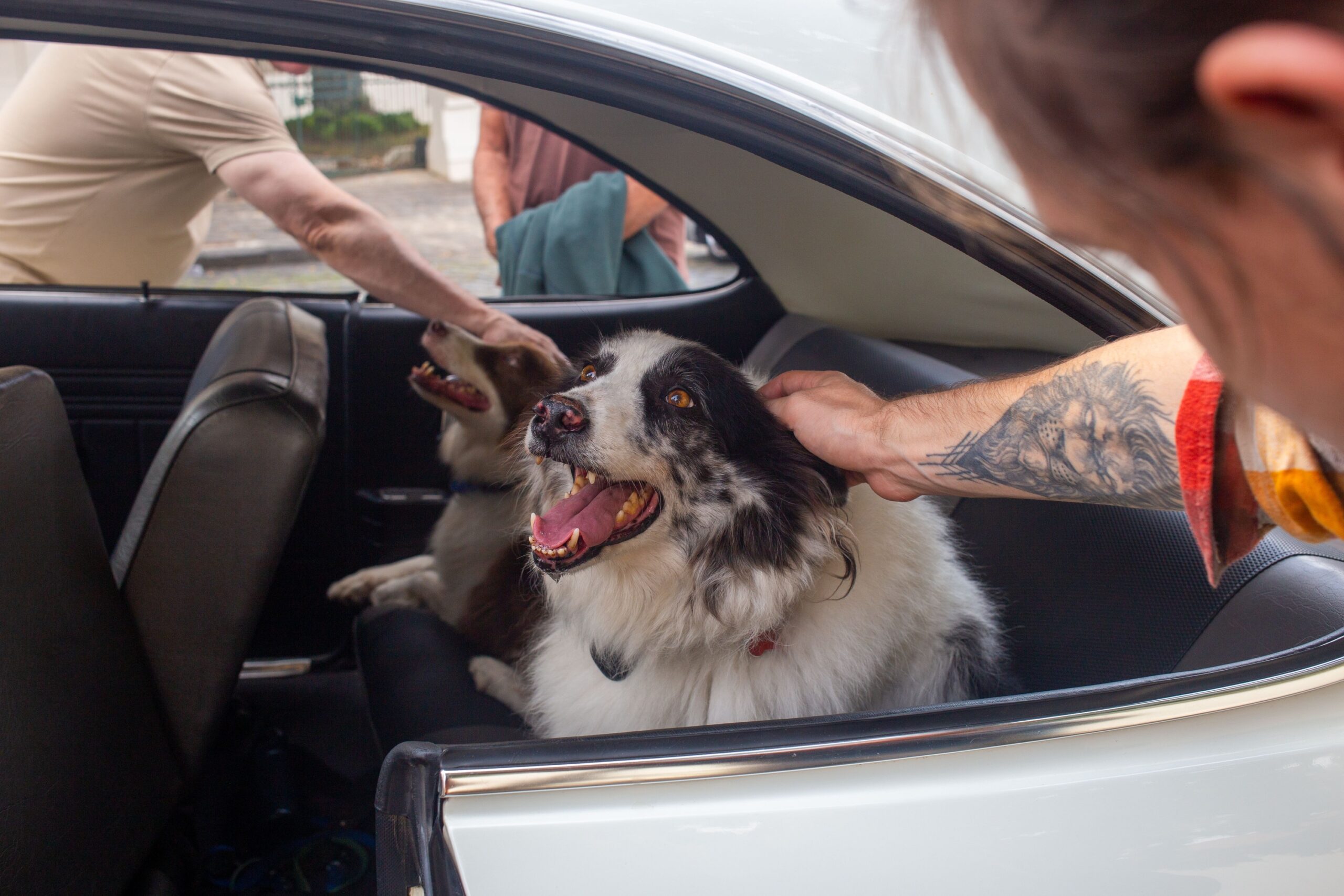
Dogs live heartbreakingly short lives, and yet they pack entire worlds of emotion into the years they get with us. What you do on an ordinary Tuesday can become one of the brightest memories your dog ever has. To them, you are the center of the universe, the constant in every season, the face they search for in a crowded room or at the front door.
This means the small choices you make today can echo through the rest of their life: how you play, how you touch them, how you listen, and even how you let them sniff the same boring tree for the millionth time. Below are fifteen specific things you can start right now that your dog is likely to remember not just as events, but as proof of how deeply they were loved.
1. Give Them an Unhurried, Sniffy Walk Where They Set the Pace
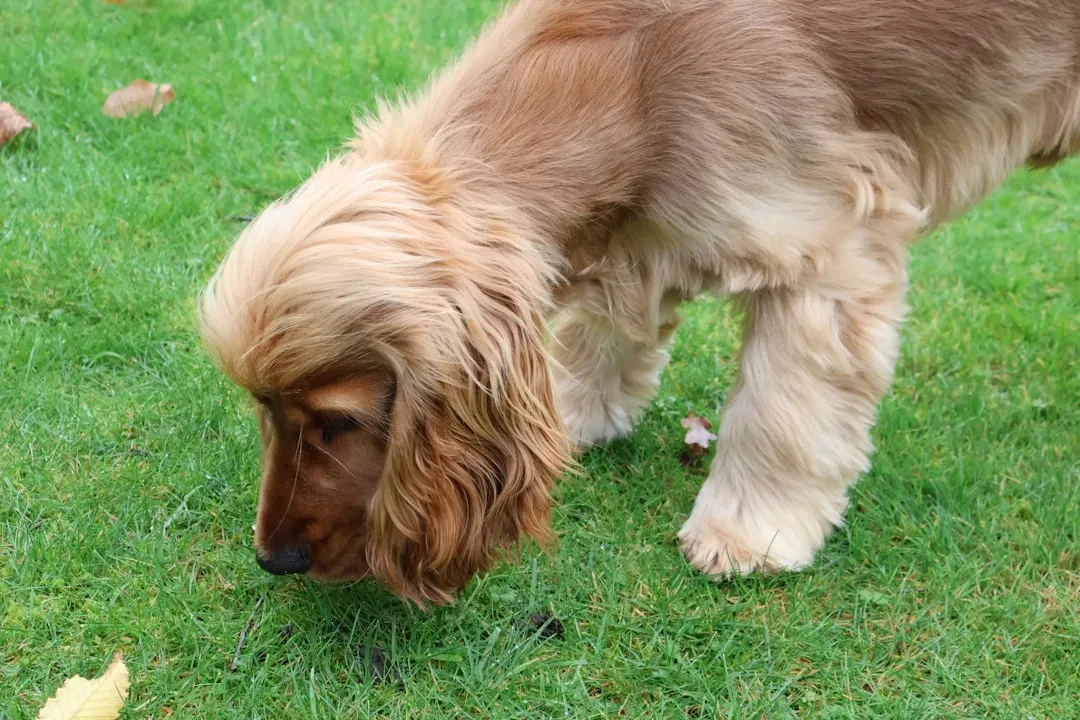
Most of us rush walks like they’re errands: out, potty, back. For your dog, though, a walk is the daily headline, the social network, the travel vlog and the crime podcast all rolled into one long smell. Letting them set the pace, double back, and linger at that one incredibly interesting bush tells them their needs matter more than your schedule, at least for this moment.
There’s growing evidence that scent-driven, choice-filled walks lower stress in dogs and increase what behaviorists call “welfare behaviors” like relaxed posture and exploratory sniffing. Think of it as their version of browsing in a bookstore for an hour instead of being dragged through a grocery store in ten minutes. One long, unhurried walk where you are fully present can stand out in their memory far more than a dozen rushed loops around the block.
2. Create a New “Epic Adventure” Together
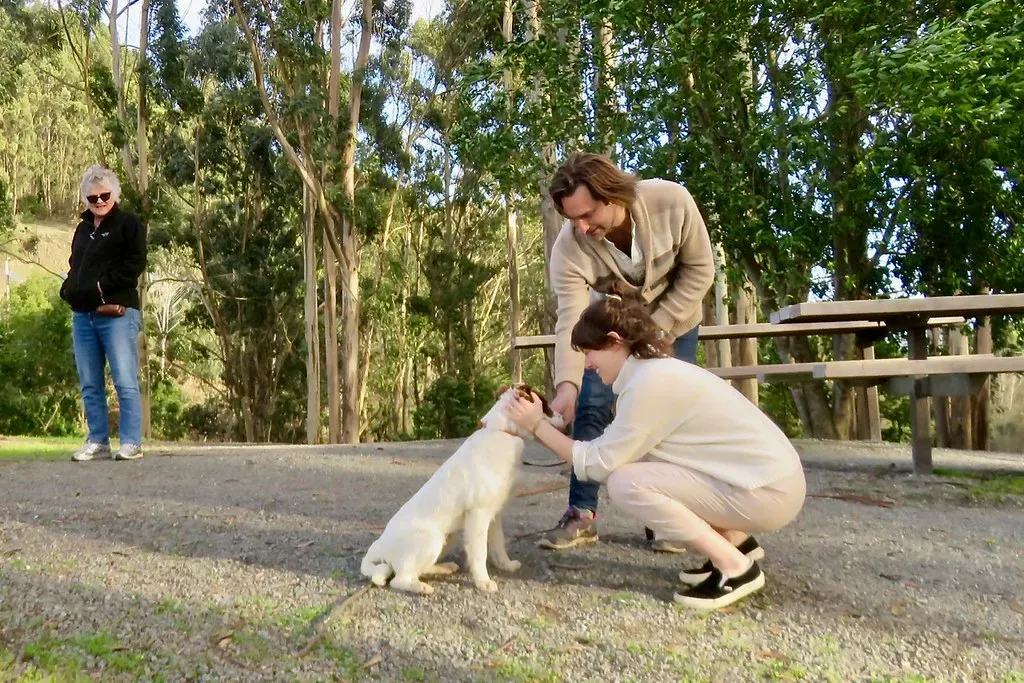
Your dog doesn’t care if the adventure is a mountain hike, a quiet lake swim, or simply exploring a new neighborhood park. What they notice is novelty plus togetherness. New places flood their senses: unfamiliar trails, different sounds, strange dogs and people. These experiences can become anchor points in their memory, the days when life felt extra big and exciting.
Pick a place you’ve never taken them before and treat it like a big event: pack water, a favorite toy, and plenty of time. Let them stop, look around, and slowly map this new environment with their nose and eyes. Years later, when you drive past or pull into that same park, you’ll probably see them light up, anticipating that special shared adventure again.
3. Start a Small Daily Ritual That Belongs Only to the Two of You
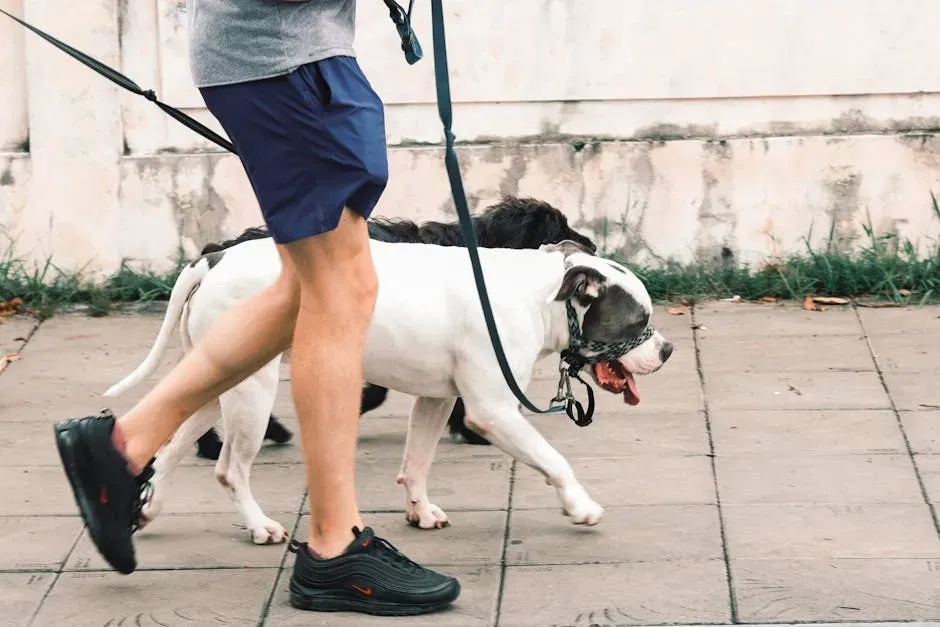
Dogs are experts at patterns. A tiny ritual, done the same way every day, can become one of the most emotionally important parts of their life. Maybe it’s a two-minute “good morning” cuddle where you sit on the floor and let them climb into your lap, or a silly handshake before bedtime, or a snack and a slow ear rub when you come home from work.
Over time, that ritual becomes a predictable island of safety and joy. Behavior research on dogs and attachment suggests that consistent, positive interactions are what build secure bonds, not grand gestures once in a while. Your dog will remember that little routine as the heartbeat of your relationship, something they can count on no matter how chaotic the rest of the day gets.
4. Learn and Respect Their Body Language Like It’s a Second Language
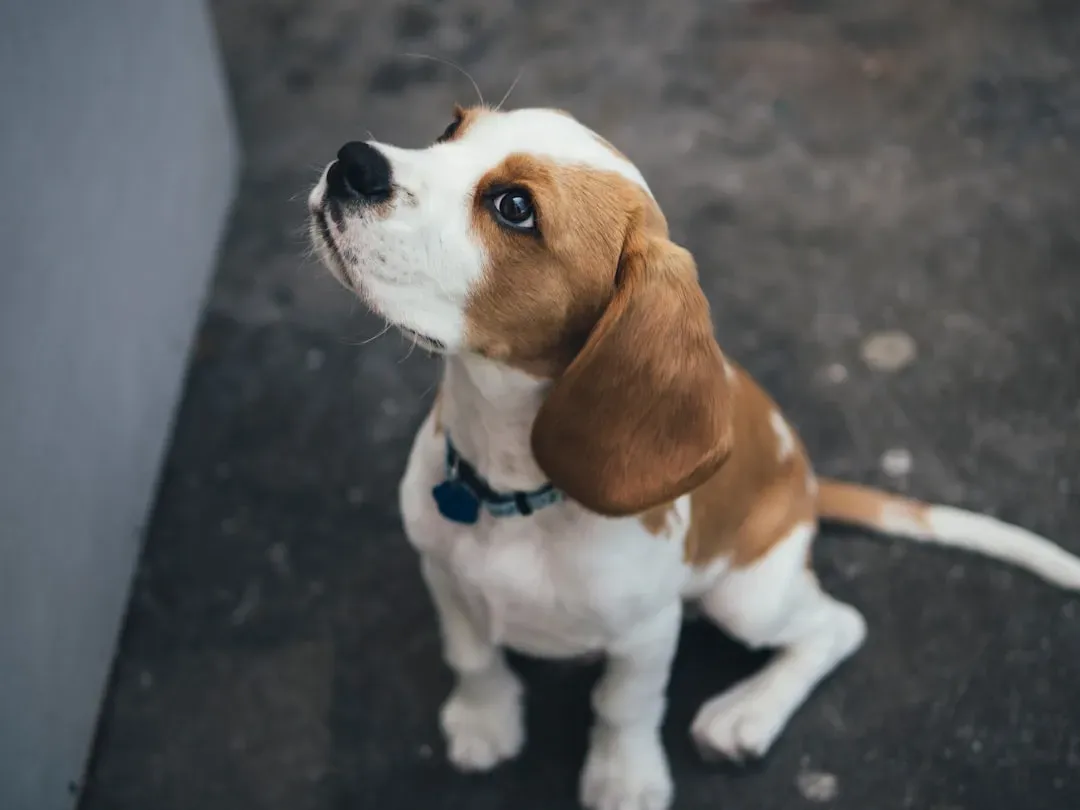
One of the most powerful gifts you can give your dog is to truly listen when they say “yes” or “no” with their body. Subtle signals like lip licking, turning their head away, whale eye, or a stiff tail can be early signs of discomfort or stress. When you notice those cues and actually change what you’re doing, you teach your dog that their voice matters.
This does more than avoid bad situations; it rewires how they feel about the world. Dogs that are heard tend to become more confident and less reactive, because they learn that they do not have to explode to be understood. Imagine how deeply a dog remembers the human who stepped in when a stranger tried to pet them and they leaned away, or the person who stopped the game when it suddenly felt too intense. That kind of respect leaves a lifelong imprint.
5. Give Them a Full Health Check-Up and Fix That “Nagging Little Thing”
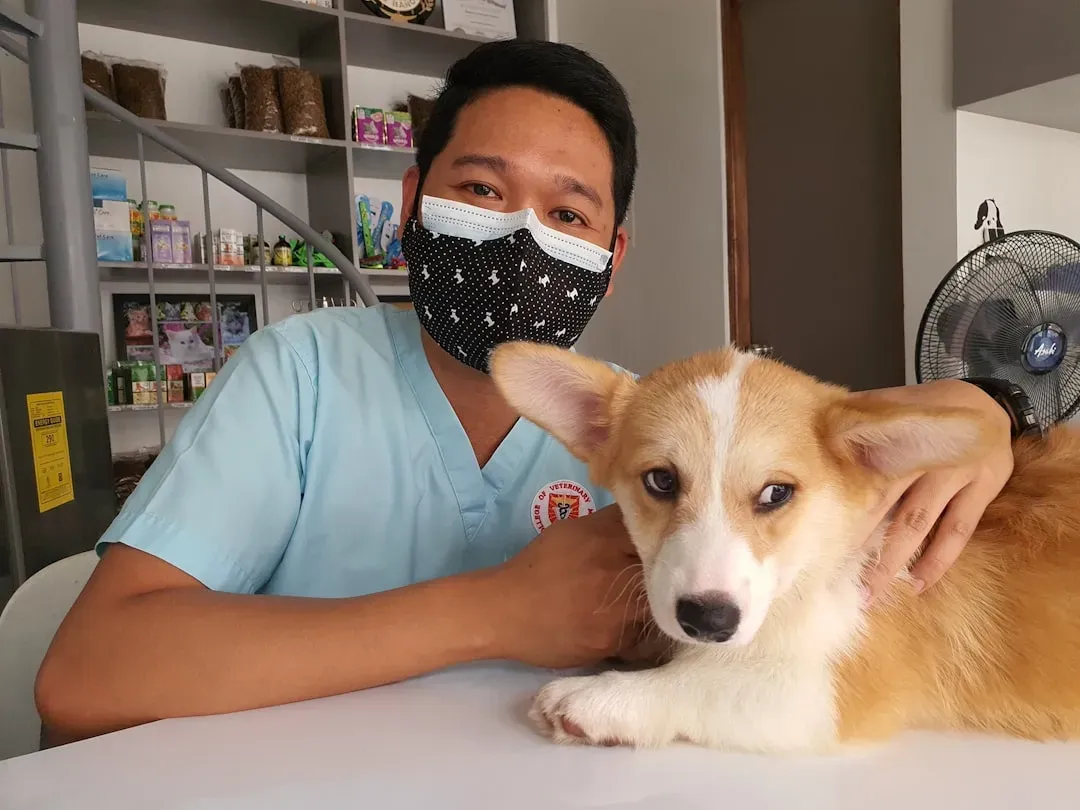
Many dogs live for months or years with low-grade pain: dental issues, joint discomfort, skin irritation, or digestive upset that we write off as them just being “a bit off.” Taking your dog for a thorough veterinary check-up and actually chasing down that nagging symptom is one of the most compassionate, life-changing things you can do. They may not understand the appointment, but they will feel the difference in their body afterward.
Chronic pain in dogs is strongly linked to behavior changes like irritability, reduced play, or even aggression. When pain is finally addressed, dogs often seem to “get younger” overnight, becoming more playful and engaged. Your dog will not remember the medical terms, but they will remember the relief: the first day running without that constant ache, the first chew that doesn’t hurt their teeth, the first sleep without endless scratching.
6. Let Them Fully Exhaust Themselves in a Game They Love
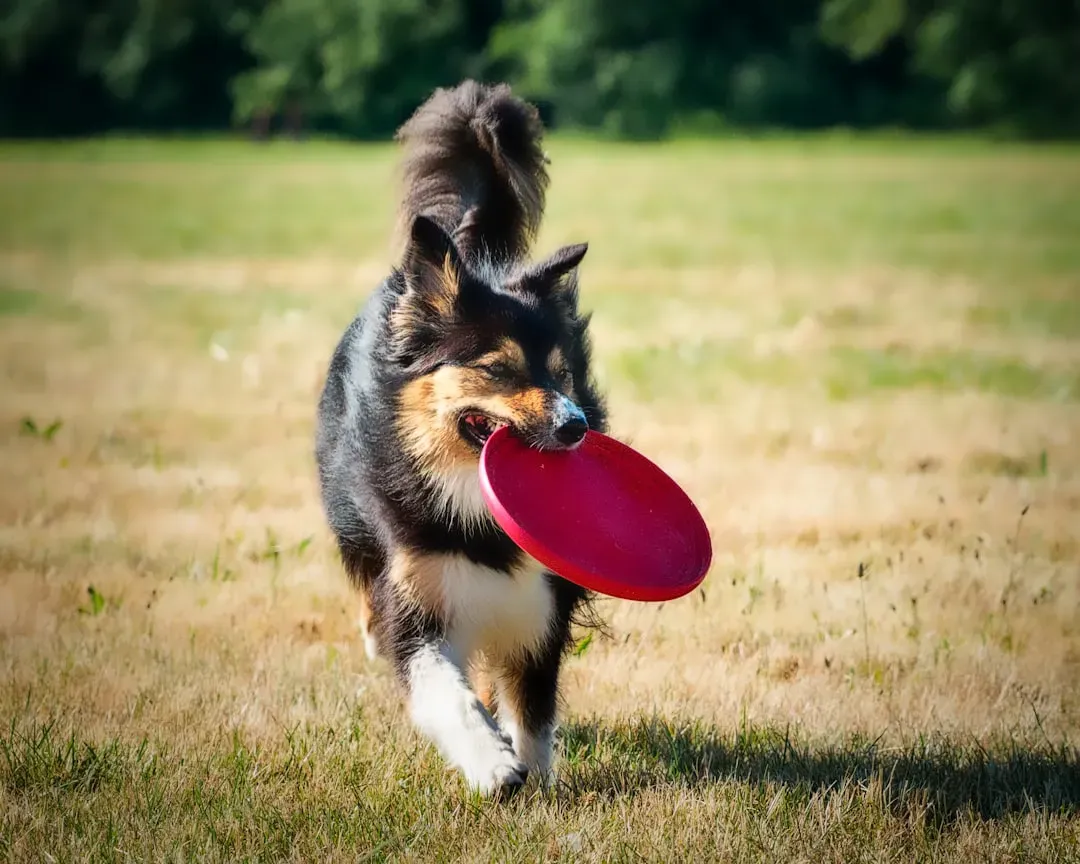
Many dogs live in a mild state of frustration, never quite getting to spend their physical and mental energy. One long, all-in play session tailored to your dog’s natural style can become their version of a dream vacation. For some, that might be fetch until they flop in the grass; for others, tug-of-war with rules, or a flirt pole session that taps into their chasing instincts.
What matters is that, for once, you do not cut it short the minute they really get into it. There is good evidence that physical exercise combined with problem-solving or social play improves emotional regulation in dogs, just like in people. Your dog will remember the day you said, in actions, “Today, you get to be exactly who you are, as fully as you want,” and followed through until they collapsed in happy, panting satisfaction.
7. Teach Them One New Fun Trick Using Only Patience and Kindness
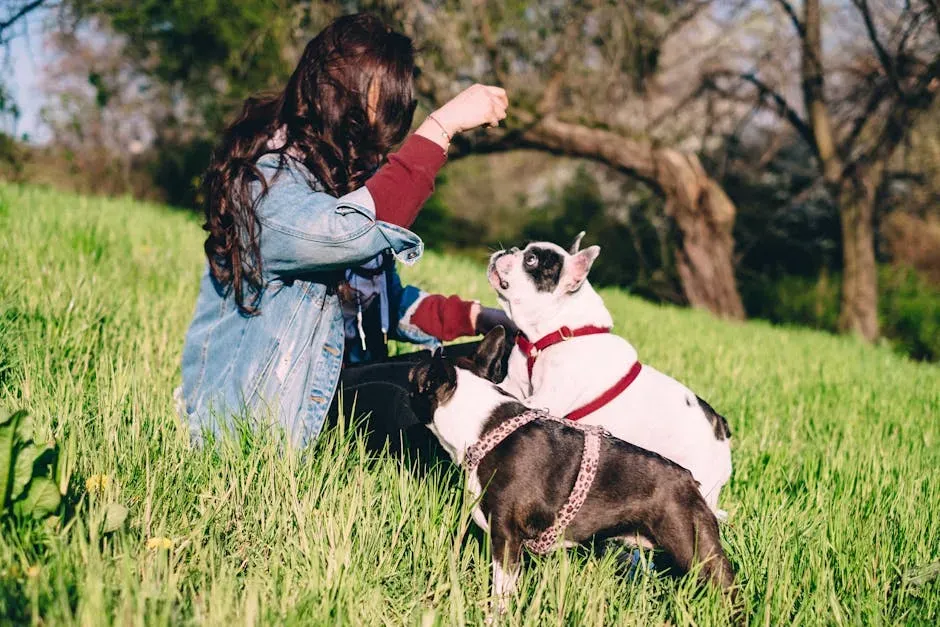
Learning is incredibly enriching for dogs’ brains, and it does not have to be serious obedience. Teaching a fun trick like spin, high-five, bow, or weaving through your legs can improve their confidence and strengthen your bond. Done with positive reinforcement, these sessions become games where they get rewarded for thinking and trying, not punished for being wrong.
Dogs remember the emotional tone of training far more than the specific commands. A dog that experiences training as a safe, joyful puzzle time will often light up when you say, “Want to practice?” later in life. That one trick can also become a party piece that earns them admiration and laughs from friends and family, making them feel like the star of the show instead of background furniture.
8. Give Them “Consent-Based Touch” and Discover Their Favorite Way to Be Loved
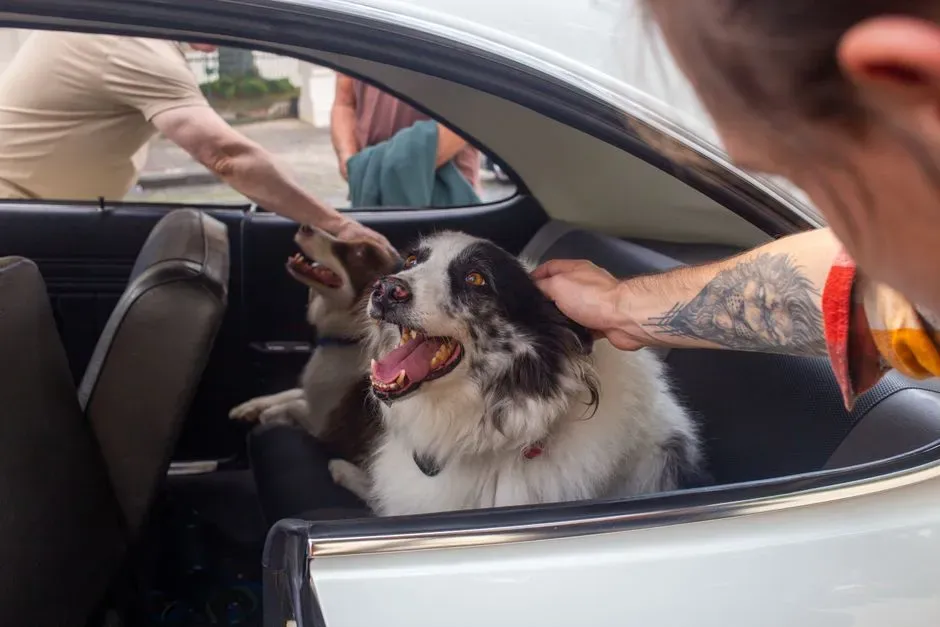
Many people assume all dogs like all touch, but plenty find certain things uncomfortable or even scary. Today, try offering your dog a choice: sit nearby, pat the couch or floor, and see if they come over. Start with gentle scratching on the chest or shoulders, pause often, and watch if they lean in or move away. Over a few sessions, you’ll discover their absolute favorite spot and style of touch.
When you always touch them in ways they clearly enjoy and back off when they say they have had enough, touch becomes pure comfort instead of something they have to tolerate. Some dogs melt when you rub along the side of their neck; others prefer slow strokes down their back or a careful ear massage. That moment when your dog sighs, relaxes, and sinks into you is not just cute; it is a stored memory of safety and belonging.
9. Turn Mealtime Into a Brain Game, Not Just a Routine Chore
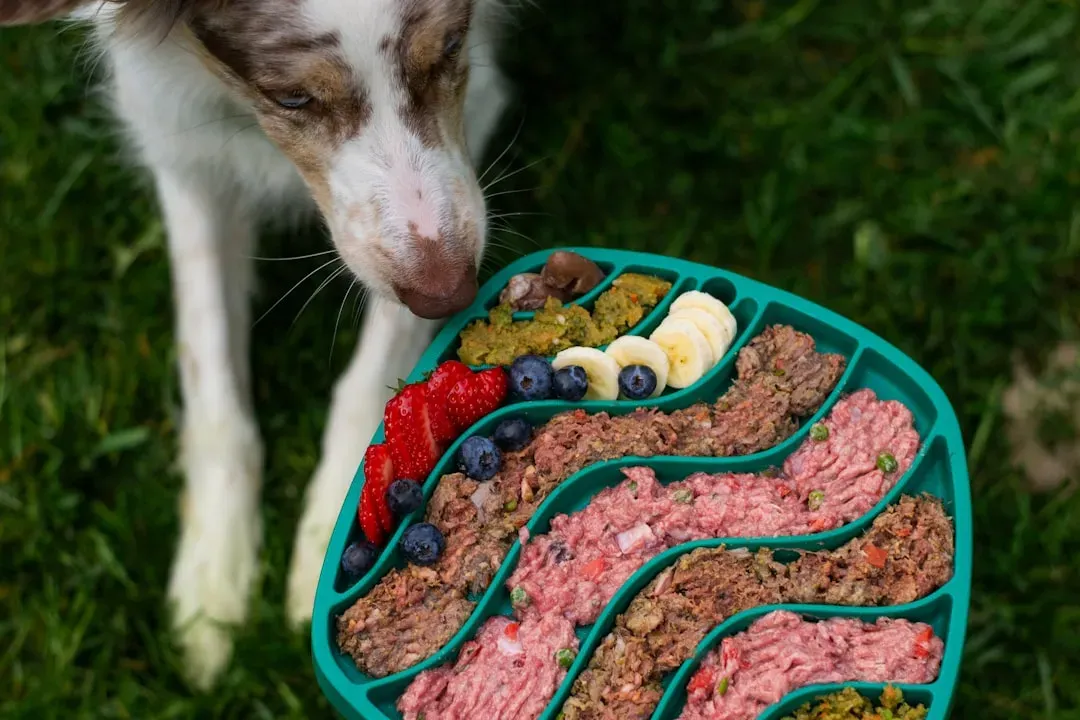
In nature, dogs’ wild relatives spend a huge chunk of their day working to find and obtain food. Dumping kibble in a bowl takes seconds and robs your dog of that built-in enrichment opportunity. By using puzzle feeders, snuffle mats, scatter feeding in the yard, or simple DIY games like muffin tins with tennis balls, you tap into their natural foraging and problem-solving drives.
Studies on canine enrichment show that food puzzles and scent games can reduce anxiety and destructive behaviors by giving the brain a job. Your dog will remember the excitement and satisfaction of “hunting” for their meal, the same way you might fondly recall a cooking project that turned out amazingly well. A few minutes of setup on your part can turn every dinner into a highlight reel moment for them.
10. Give Them a Calm Safe Space and Respect It Completely
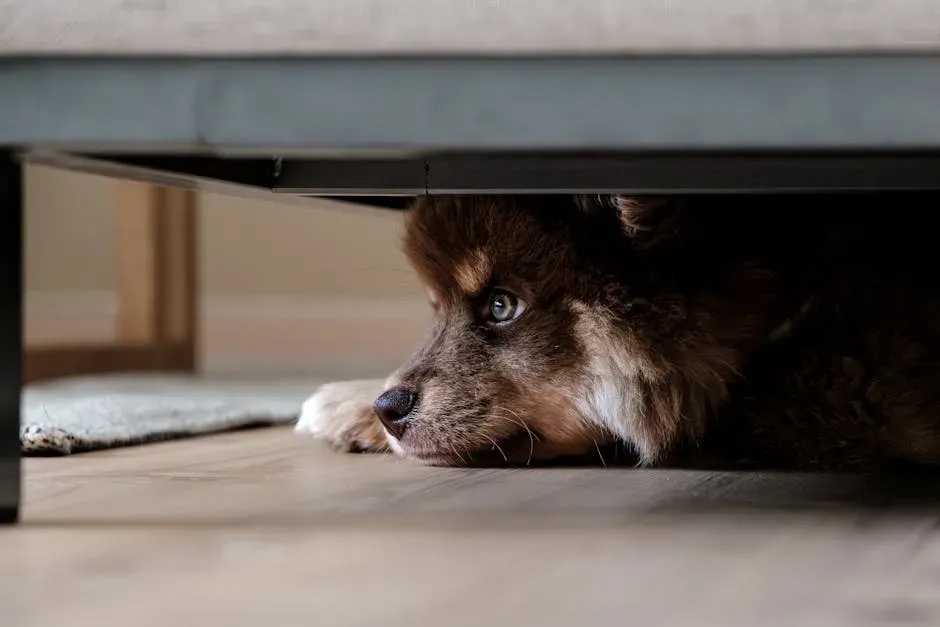
Even the friendliest, most social dog needs somewhere to retreat, decompress, and feel completely safe. That might be a crate with the door left open, a dog bed in a quiet corner, or your bedroom with a baby gate. The crucial part is that you teach everyone in the household that this is the dog’s space, and when they choose it, they are off-limits for pestering, poking, or pulling.
When dogs have true control over at least one space, their overall stress tends to drop, especially in busy homes. Over time, that spot becomes loaded with a feeling of security. Your dog will remember it as the place they went when fireworks boomed, guests were too loud, or life felt overwhelming – and they will remember that you protected that boundary for them.
11. Introduce Them Thoughtfully to One New Dog or Person
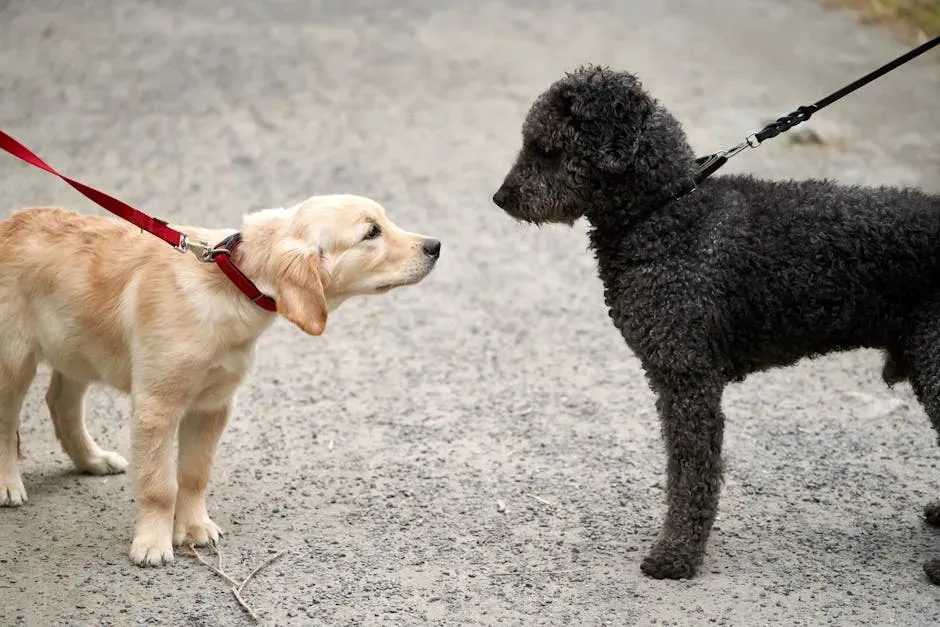
Social experiences can shape a dog’s outlook on the world for years, for better or worse. A single, carefully managed positive introduction to a calm dog or respectful person can ripple through their entire social life. Instead of random, chaotic greetings, plan one meeting where both sides have space, options, and time to go slowly.
Use parallel walking for dogs – walking in the same direction at a distance before any direct contact – or let your dog approach a new person on their own terms with no pressure to be touched. When your dog walks away feeling curious and comfortable instead of overwhelmed, you are quietly rewriting their expectations about future interactions. They may remember that friendly dog in the park or that gentle neighbor as proof that new can be good, not scary.
12. Spend a Full Hour Being Entirely Present With No Phone in Sight
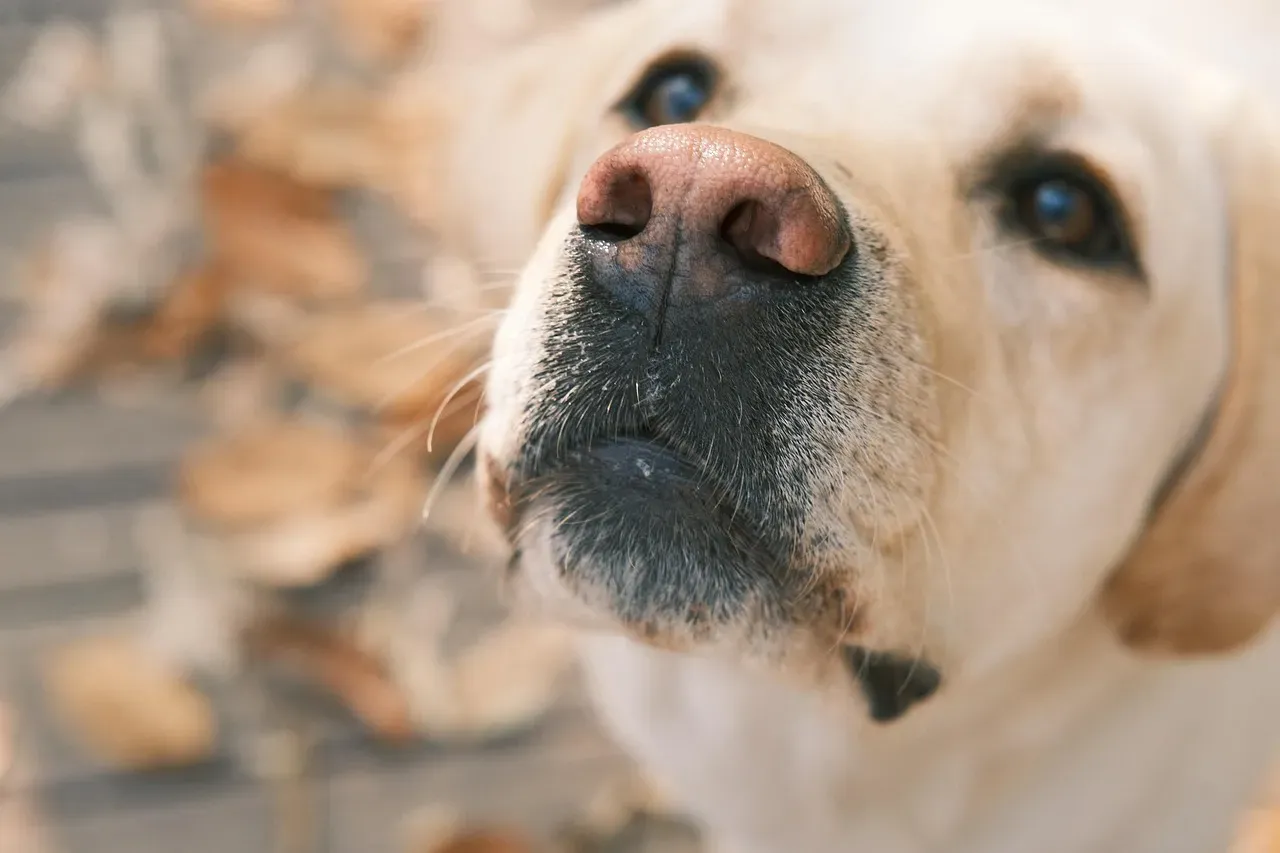
Dogs notice when we’re half-there. They might not understand smartphones, but they can tell when eye contact, vocal tone, and responsiveness vanish into a glowing rectangle. Devoting one solid hour to them – no scrolling, no calls, no background TV – can feel to your dog like the clouds parting. It is time measured in head tilts and wagging tails, not minutes.
You can fill that hour with anything: gentle brushing, training games, play, or just lying on the floor together while you talk to them like a slightly furry roommate. The content matters less than the quality of your attention. That kind of pure, undivided presence is rare even in human relationships; when you give it to your dog, you carve out a moment they are likely to hold onto for the rest of their life.
13. Capture Their “Now” in Photos and Video, Then Put the Camera Down
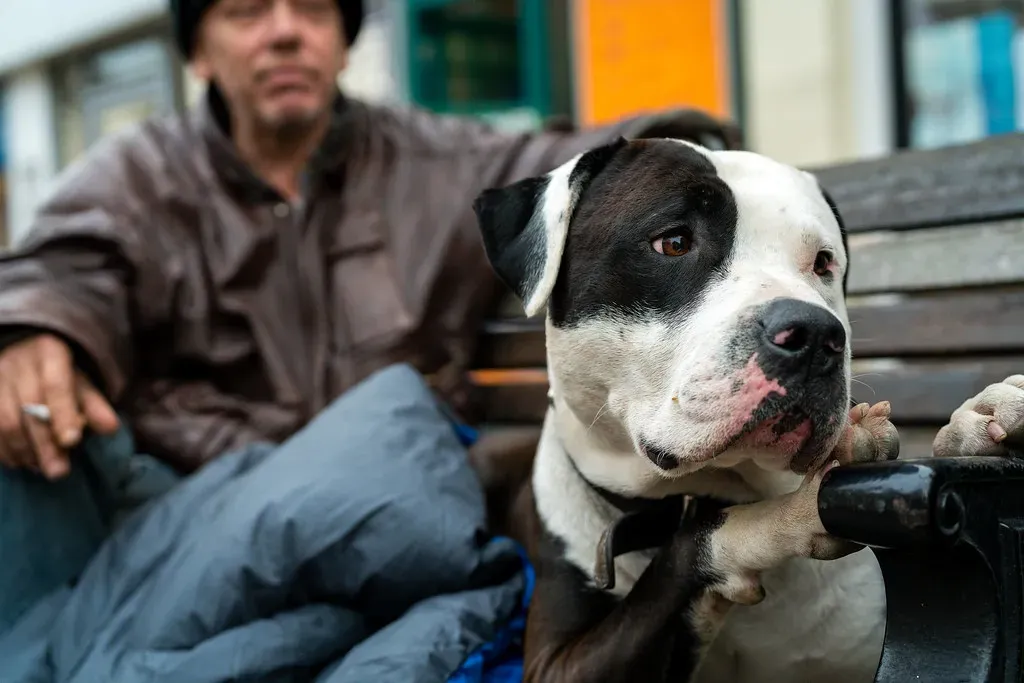
This one is really for both of you. Take a few minutes to record them exactly as they are today: the way they trot on walks, their awkward sleeping positions, the way their ears move when you say certain words. These records will matter deeply to future-you, but the process can also be meaningful to your dog if you keep it low-stress and reward them generously.
After you get a few shots, put the phone away and step back into the moment. Dogs live fully in the present; they will not remember the photos, but they will remember whether you were there, on the other side of the lens, engaging with them. One of the kindnesses you can offer your future self is proof of all the happy, ordinary days your dog lived, not just the big milestones.
14. Give Them a “Yes Day” Within Safe, Sensible Limits
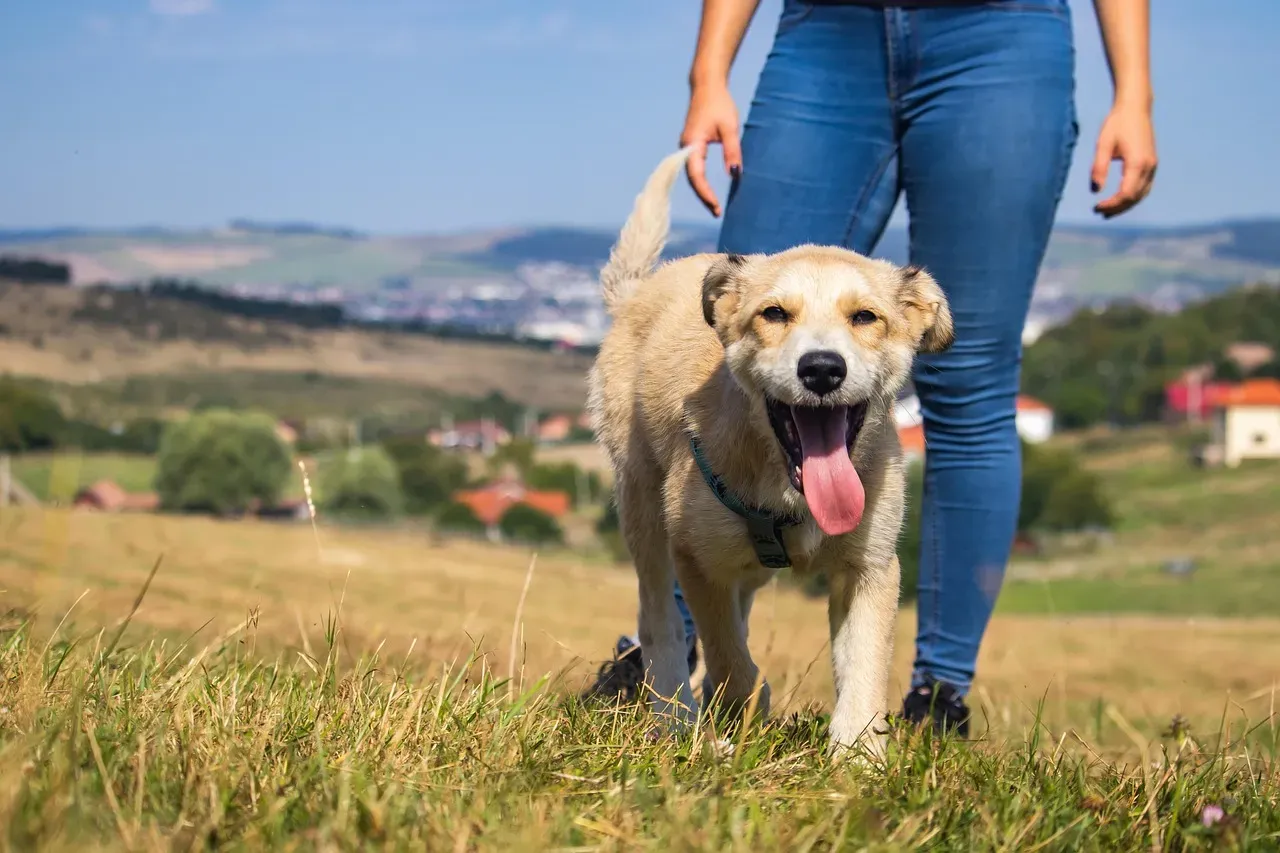
Imagine a day where, within reason, your dog hears “yes” far more often than “no.” Yes, you can sniff that bush a bit longer. Yes, you can play tug again. Yes, we can take the long route home. Obviously, you still keep them safe and avoid reinforcing genuinely dangerous or rude behaviors, but you soften your defaults. You ask, “Why not?” a little more often.
Dogs are constantly bumping into human rules, many of which they only half understand. A day with more freedom and fewer arbitrary restrictions can release a lot of pent-up tension. Your dog will remember how it felt when their desires were not constantly frustrated, when their natural dog-ness was allowed to shine through without being shut down every five minutes.
15. Plan for Their Future Comfort, Even When It’s Hard for You
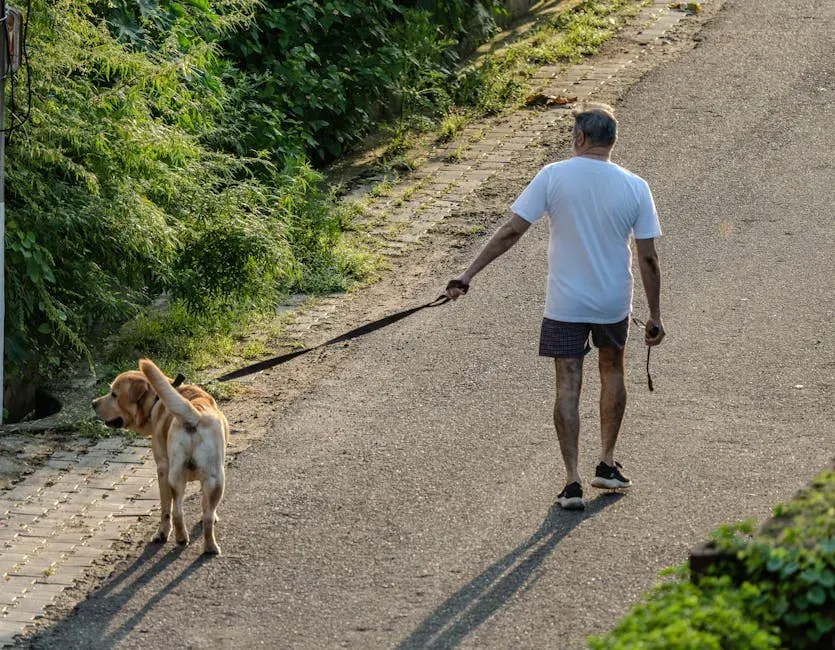
One of the most profound things you can do – though it might not feel like a “today” gift in the usual sense – is to quietly plan for your dog’s later years and eventual goodbye. That means learning about age-related changes, budgeting for senior care, thinking about who would care for them if something happened to you, and deciding in advance that you will prioritize their comfort over your own fear of loss. It is uncomfortable, but it is also an act of deep love.
Your dog will not understand these plans the way a human would, but they will feel the results: a softer bed when their joints ache, shorter walks when they tire easily, pain medication before they are desperate, and a peaceful, dignified ending instead of prolonged suffering. In a way, they will remember you most clearly in those last chapters, when every choice either adds fear or relieves it. Choosing their comfort, even when it breaks your heart, is the ultimate memory you leave written into their life.
Conclusion: Love They Can Feel in Every Bone
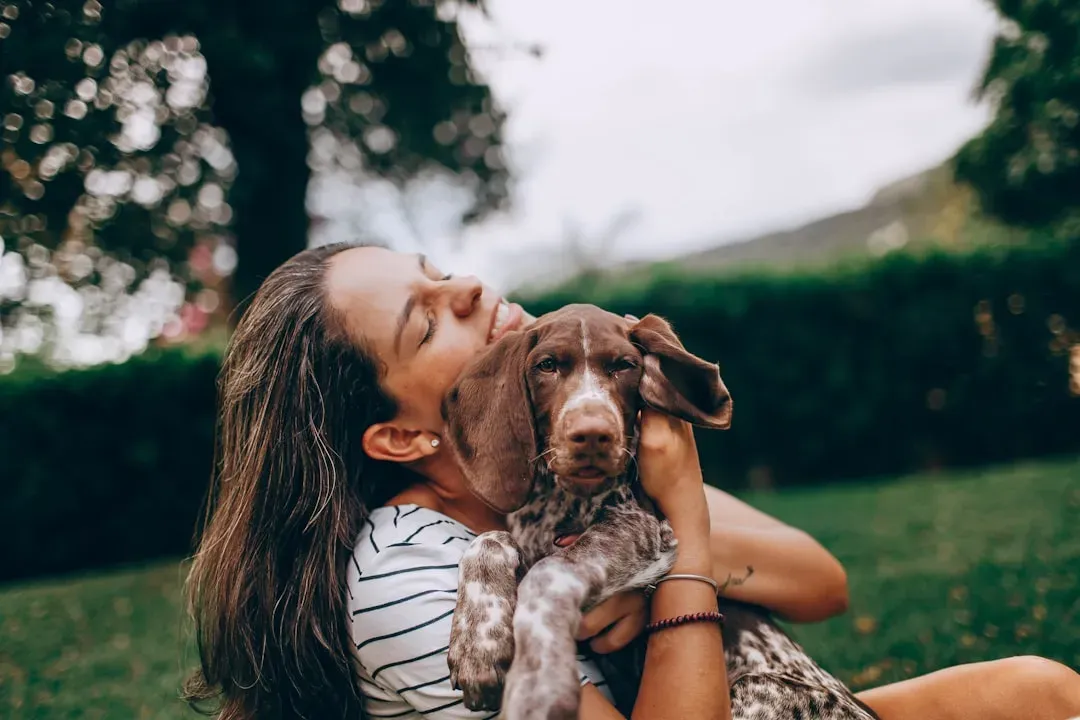
Dogs will not remember the brand of food you bought or how spotless your floors were. What stays with them are patterns of feeling: the relief of being understood, the thrill of adventure, the comfort of gentle hands, the safety of routines that never fail them. The fifteen things in this list are not about spoiling your dog for a day; they are about deliberately creating moments that shape how they experience their entire life by your side.
If there is one opinion I will plant my flag on, it is this: the measure of a good dog life is not how perfectly they behaved, but how clearly they knew they were loved. You do not need more money, more time off, or a bigger yard to start building that certainty today – you just need a little more attention and a few braver choices. Years from now, when their muzzle is gray and their steps are slower, what kind of memories do you want your dog to be carrying in that bright, loyal mind?


