
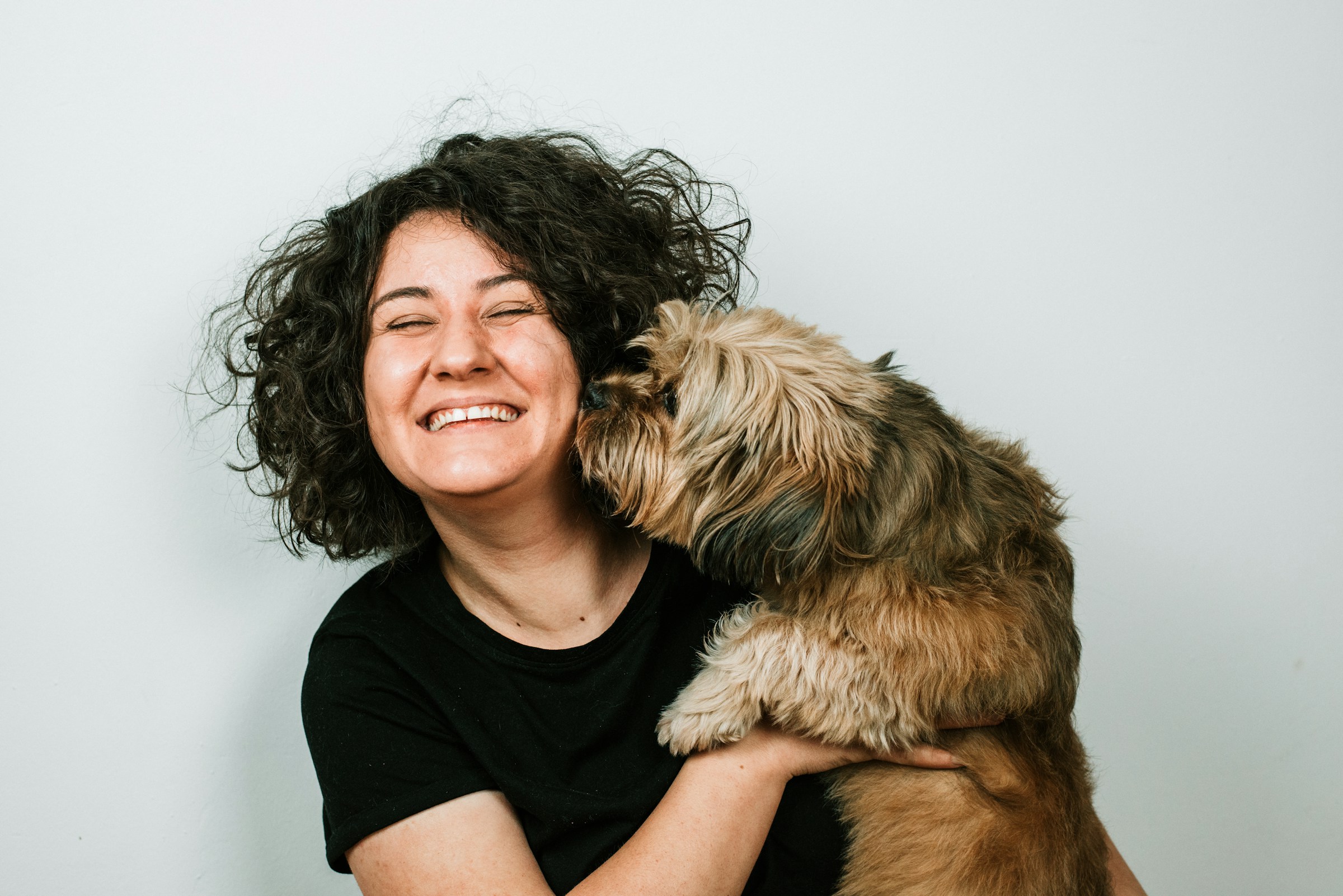
You know that look your dog gives you when the toy is stuck under the couch or the door just will not open? It is not just cute or random. That intense stare is part of a deeply wired social strategy that modern dogs use with humans, and it is something their wild cousins, wolves, simply do not do in the same way.
Over the last couple of decades, scientists have been quietly running some surprisingly clever experiments to figure out what is behind that gaze. What they keep finding is that dogs treat our eyes almost like a help button, a way to recruit us into their problems. Wolves, even when raised by people, tend to power through on their own. Once you see this difference, you cannot unsee it, and it changes how you read almost every look your dog sends your way.
The Moment Your Dog Gets Stuck: That Famous “Do Something!” Look
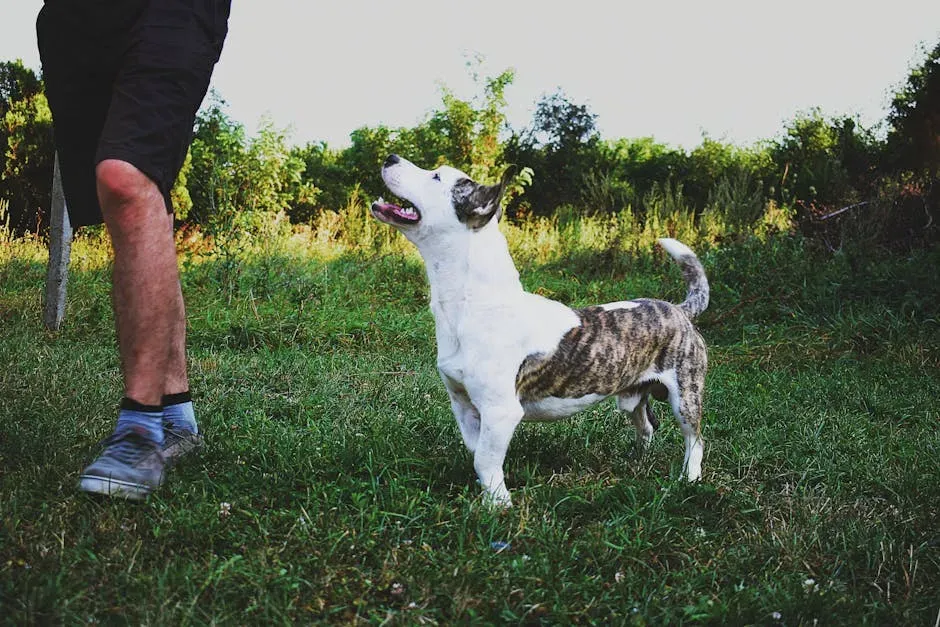
Picture this: your dog is pawing at a puzzle toy that will not open, then suddenly they pause, turn, and lock eyes with you. That shift from the object to your face usually happens when they have hit a wall. It is like they are saying that they have tried their options and now it is your turn to figure it out. Many owners describe this as the dog almost “asking a question” with their eyes.
Researchers have recreated this scene in controlled tests by giving dogs impossible tasks, like a sealed container with food they can smell but never open. The same pattern keeps showing up: dogs struggle for a bit, then quickly look to the nearest human. They do not just glance either; they often alternate looks between the blocked object and the person, a kind of visual ping-pong that clearly signals where the problem is and who they want to fix it.
What the Science Actually Shows About Dogs and Eye Contact
Scientists have run dozens of problem-solving games to test whether this eye contact is really intentional. In one common setup, a dog is given a task they could not possibly succeed at alone, such as a treat locked in a container or behind a barrier. The main thing researchers measure is when and how often the dog looks back at the human. Time and again, dogs shift into eye contact relatively early, rather than endlessly trying alone.
These studies also show that dogs do not just look randomly around the room. They target their human partner, and they tend to do it in situations where human help could actually matter. When the human leaves the room or has their back turned, dogs are noticeably more frustrated and less efficient. Once a person reappears or turns around, the dog’s “help me” gaze jumps right back into action, which strongly suggests that this is a purposeful social behavior, not an accident.
How Dogs Learned to See Humans as Problem-Solving Partners
Dogs did not always live on couches and sleep on our beds. They descended from wolves, and somewhere along the way they shifted from competing with humans for resources to collaborating with us. Over thousands of years of living near people, the dogs who were better at reading human body language and eye direction likely had an edge. They got food, protection, and care from humans, and they passed those cooperative traits down the line.
Many researchers believe this long history of co-living turned humans into a kind of social tool for dogs. We became part of their environment in the same way another pack member would be. A wild animal that survives by avoiding people would not naturally stare at our faces for help, but a dog that has been rewarded countless times for engaging with people quickly learns that our attention can unlock doors, literally and figuratively.
Why Wolves Do Not Use the Same Eye-Contact Strategy
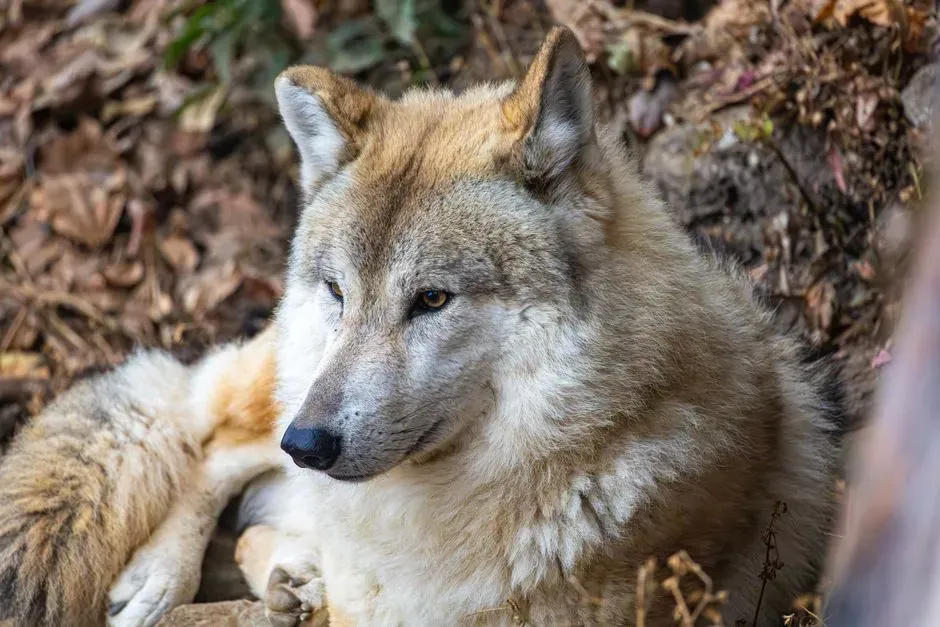
The wild twist is that when scientists try the same unsolvable tasks with wolves, they see a very different pattern. Even wolves that are hand-raised by humans and used to being around people tend to keep working on the problem themselves. They might glance at a person briefly, but they rarely shift into that intense, back-and-forth gaze that dogs use so naturally when stuck.
This difference suggests that the dog’s habit of using our eyes as a social tool is not just about being tame or used to humans. Wolves are incredibly smart, but their survival has depended more on independence and cooperation with their own kind, not on recruiting humans into their struggles. Evolution shaped them to rely on their own problem-solving and on pack members with the same instincts, not on a two-legged partner with opposable thumbs and a treat jar.
What Your Dog’s Gaze Really Means Emotionally
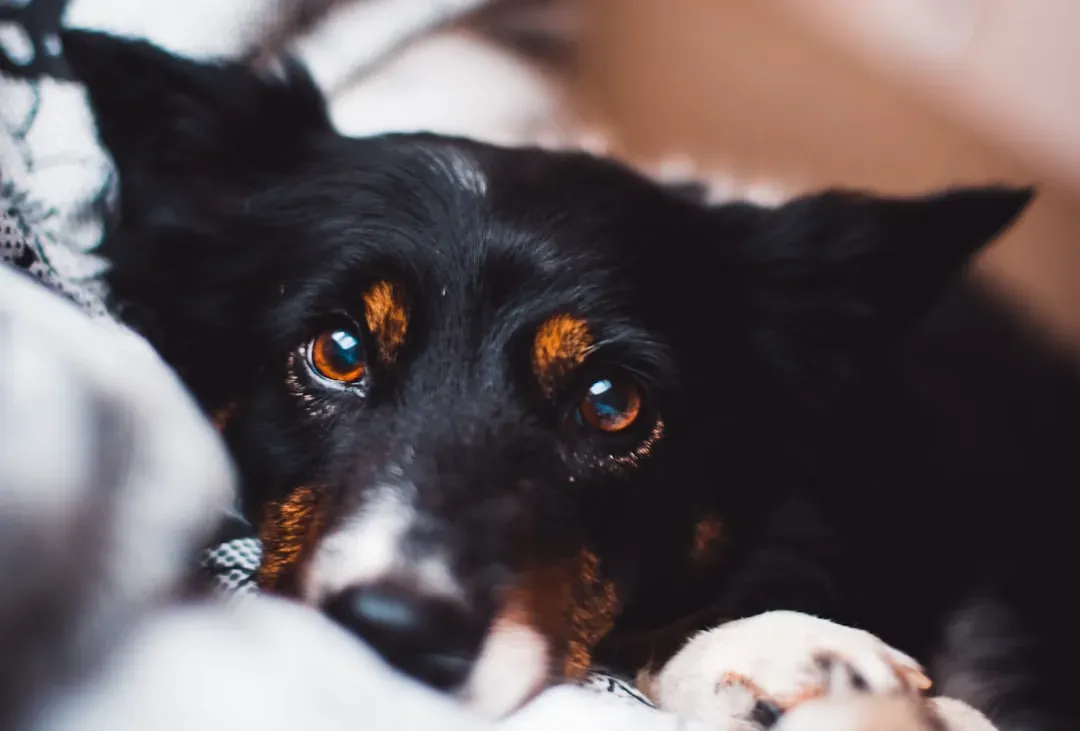
It is tempting to treat that pleading look like pure manipulation, but it is usually a mix of trust, expectation, and learned experience. Your dog has discovered that looking at you often leads to doors opening, leashes being picked up, and toys being freed from under furniture. Over time, that experience turns into a kind of emotional habit: when things get confusing, they feel safer locking onto your face.
There is also a softer, more emotional side to this. When dogs make eye contact with people, both species can show hormonal changes linked with bonding and affection. That means the look of “help me” often overlaps with a feeling of “I am connected to you.” As someone who has watched a dog quietly stare at me until I realized their water bowl was empty, I would argue it feels almost like living with a kid who cannot talk but has mastered the art of meaningful eye contact.
How to Respond When Your Dog Looks to You for Help
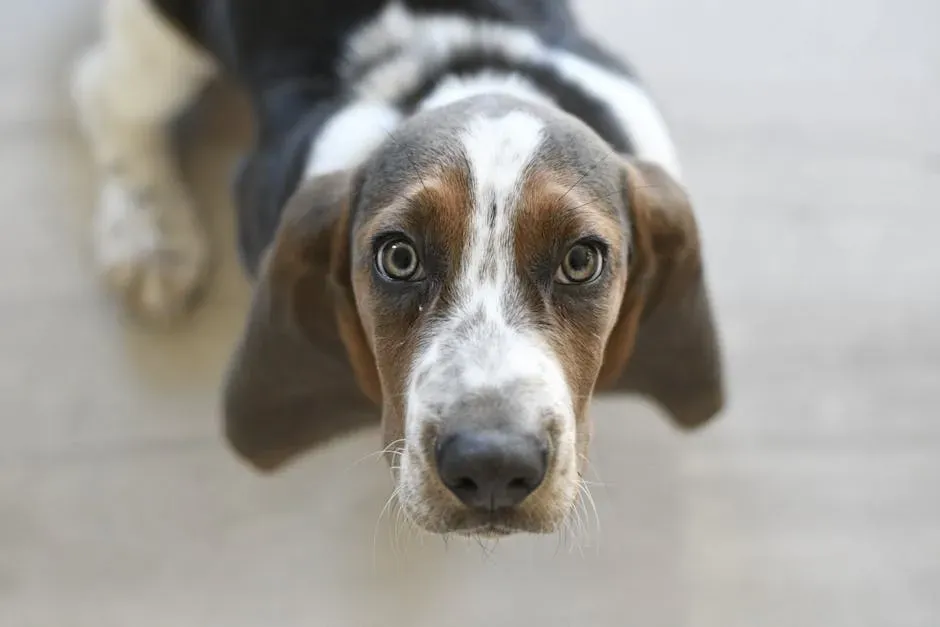
When your dog turns to you in the middle of a problem, that is your invitation to join the game. You do not always need to swoop in and solve it completely, but you can offer hints, make the task easier, or cheer them on. For example, if a puzzle toy is too hard, you might loosen it a bit, then let them finish, so they still feel the satisfaction of success.
Responding consistently when they seek your eyes also strengthens the bond between you. Your dog learns that their communication works, and that you are listening, even without words. If you ignore those looks too often, they may either ramp up into frustration or give up trying to ask. Finding that sweet spot between helping and overhelping turns everyday moments into quiet training sessions in trust and teamwork.
What This Tells Us About Dog Intelligence (And Ours)
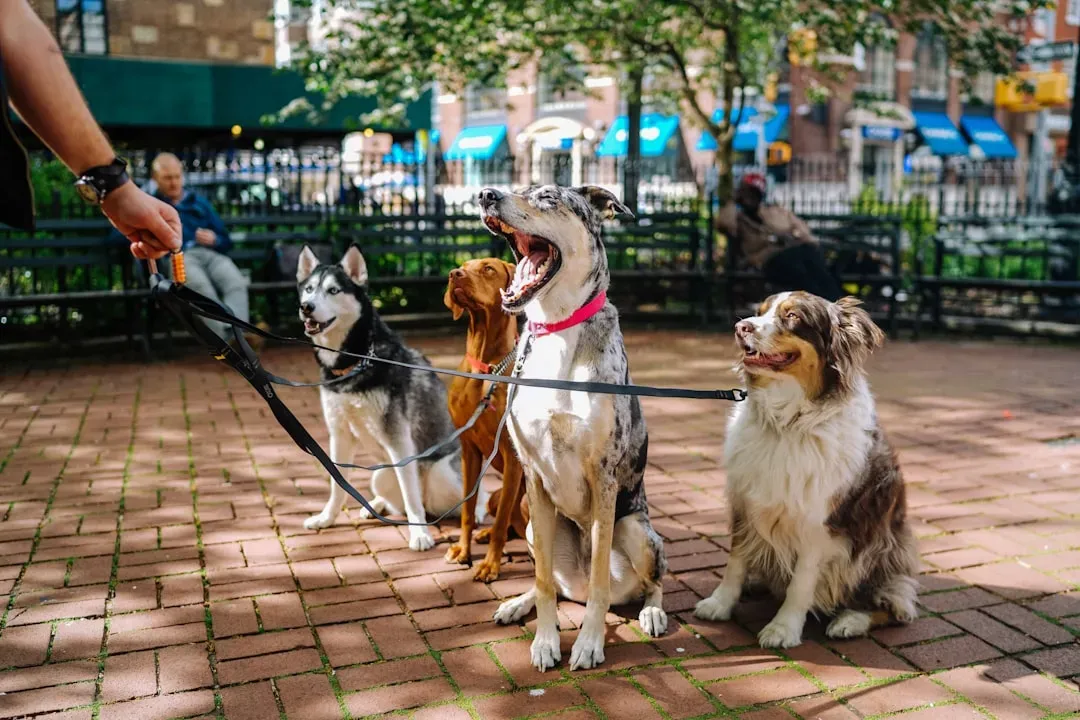
Some people still think of dogs as less intelligent because they rely on humans so much, but that view misses the point. Intelligence is not just about doing everything alone; it is also about knowing when to bring in a partner. In that sense, dogs are brilliant social thinkers, bending human attention and problem-solving ability to their advantage through something as simple as a look.
Honestly, I find it humbling. The same way we turn to search engines, friends, or experts when we hit a wall, dogs turn to us. They have figured out that the smartest move is often not to keep banging their head against the puzzle, but to call in the big-brained primate with the magical hands and the house keys. That is not a sign of weakness; it is a sign of a species that has fully committed to the power of partnership.
Conclusion: The Quiet Genius Behind That Familiar Stare
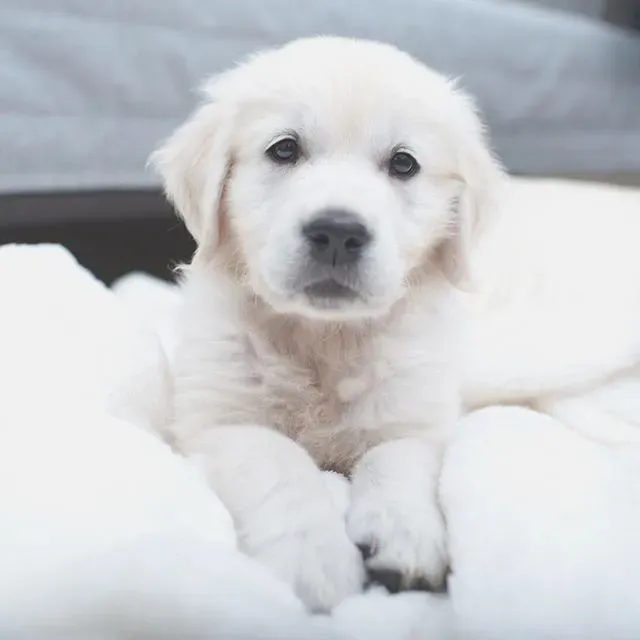
When your dog looks at you with that intense, slightly desperate expression because something is not working, you are seeing thousands of years of shared history in a single moment. Dogs have learned, through evolution and daily life, that your eyes are a gateway to solutions. Wolves, shaped by a different story, look more to themselves and their pack, and that is why their gaze feels so unlike the soft, searching look of a dog.
In my view, that behavior alone makes dogs one of the most extraordinary animals we live with. They turned us into a resource, a partner, even a kind of extended brain they can tap into whenever they are stuck. The next time your dog silently begs you to fix something, you can decide whether to help right away or let them struggle a bit, but either way, you are part of a remarkably sophisticated social dance. Knowing that, will you ever see that look the same way again?


