

Most people think a dog is just noise-filler for an empty house. Turns out, that’s the smallest part of what actually happens.
You clicked because you already know that quiet – the one that shows up after the kids leave, after a divorce, after retirement, after a loss. You suspected a dog might help. What the research actually shows is stranger than that: the shift isn’t emotional first. It’s physical, chemical, almost mechanical. Heart rates change. Sleep patterns shift. Strangers start talking to you again within days.
The proof isn’t in cuddly photos or gut feelings – it’s buried in loneliness scales, cortisol readings, and sleep logs from real new dog owners, and the timeline is faster and stranger than most people expect. Here’s the full countdown, from the first jolt to the shift almost nobody sees coming.
#12 – The First 72 Hours Rewrite Your Morning Before You Notice
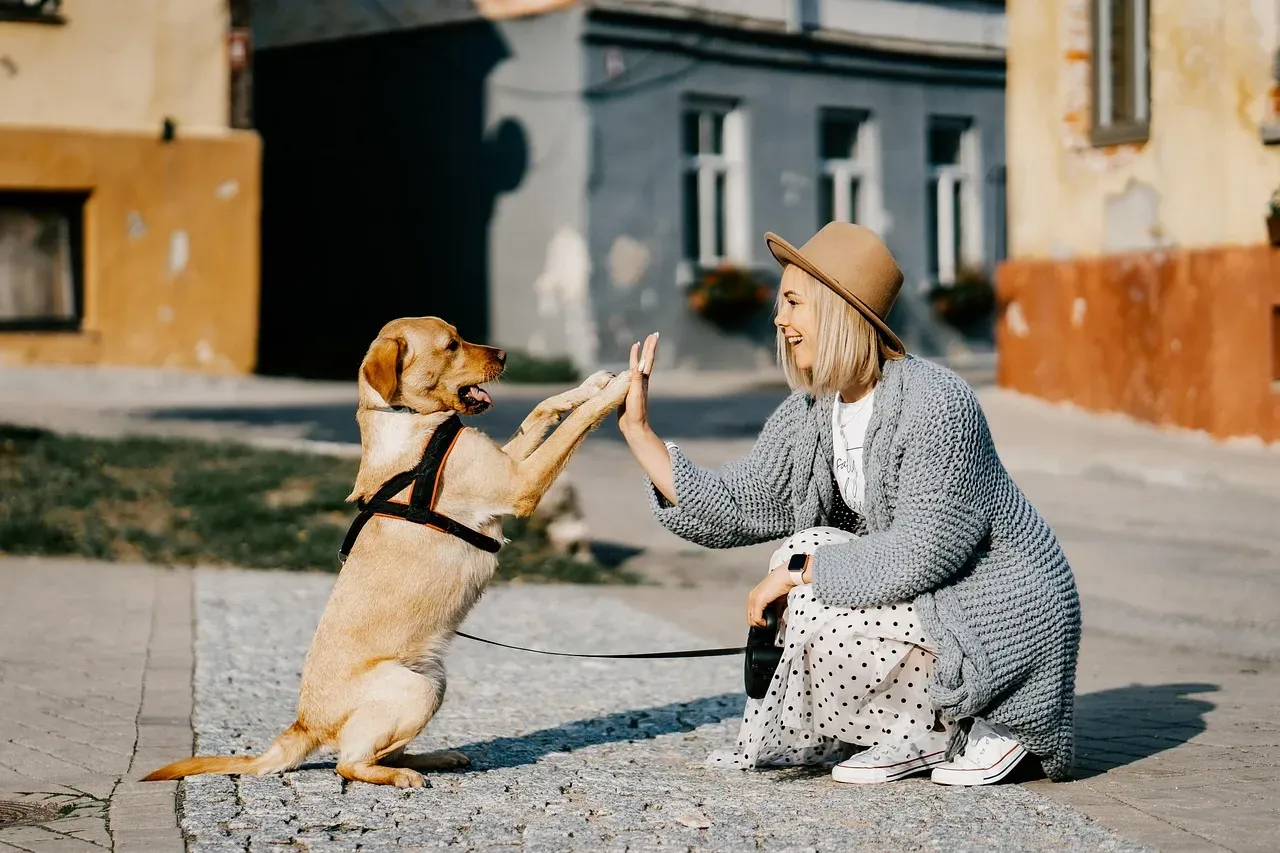
A dog doesn’t wait for you to be ready. That’s the blunt truth new owners run into almost immediately. The house that used to sit silent until 9 a.m. now has movement by 6:30 – a nose against your hand, a leash rattling, a body that needs the day to start now.
Researchers tracking new dog owners found measurable shifts in mood within the first three months of acquisition – not years, not “eventually.” Owners self-reported lower loneliness within that window, and the effect held to the end of the study. Nobody warns you the change starts before you’ve even settled into a routine. It just shows up, uninvited, in the first week.
Fast Facts
- Morning movement often starts by 6:30 a.m., replacing what used to be silence until 9
- Mood shifts show up in the first three months of ownership, not years down the line
- Lower loneliness scores held steady through the end of tracked studies
- The change begins before a real routine is even in place
#11 – Your Body Starts Reacting Before Your Brain Catches Up
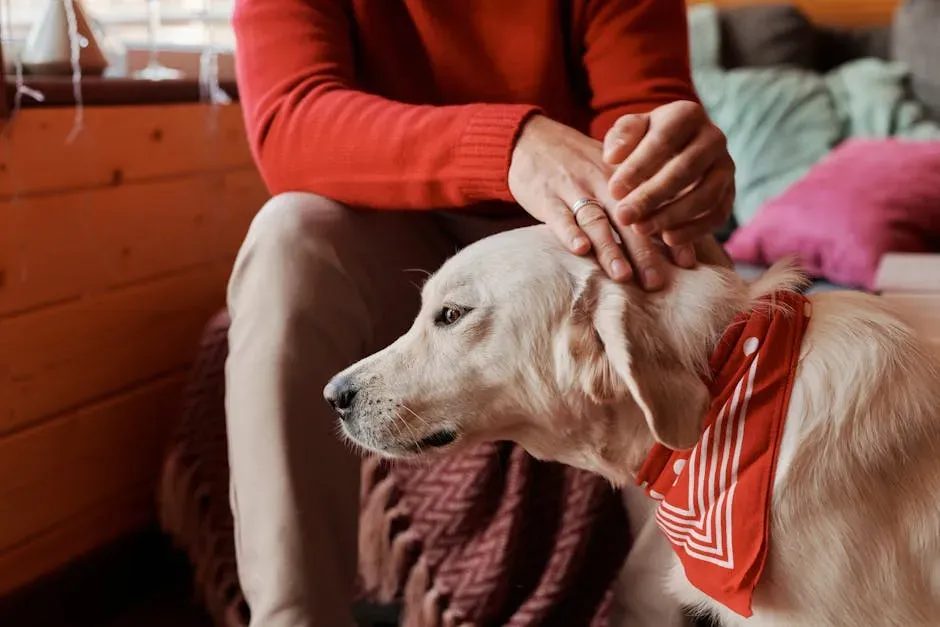
This one surprises almost everyone: the calming effect isn’t just emotional, it’s chemical. Petting or playing with a dog has been shown to lower cortisol, drop blood pressure, slow the heart rate, and raise oxytocin – the same hormone tied to bonding and comfort.
Most people assume this kind of shift takes months of “bonding.” It doesn’t. A single interaction can measurably lower stress hormones, which is why owners describe feeling different within days, not weeks. It’s a strange kind of proof – the house feels different because your nervous system is chemically registering that it is.
#10 – The Walks Bring the Neighborhood Back to Life
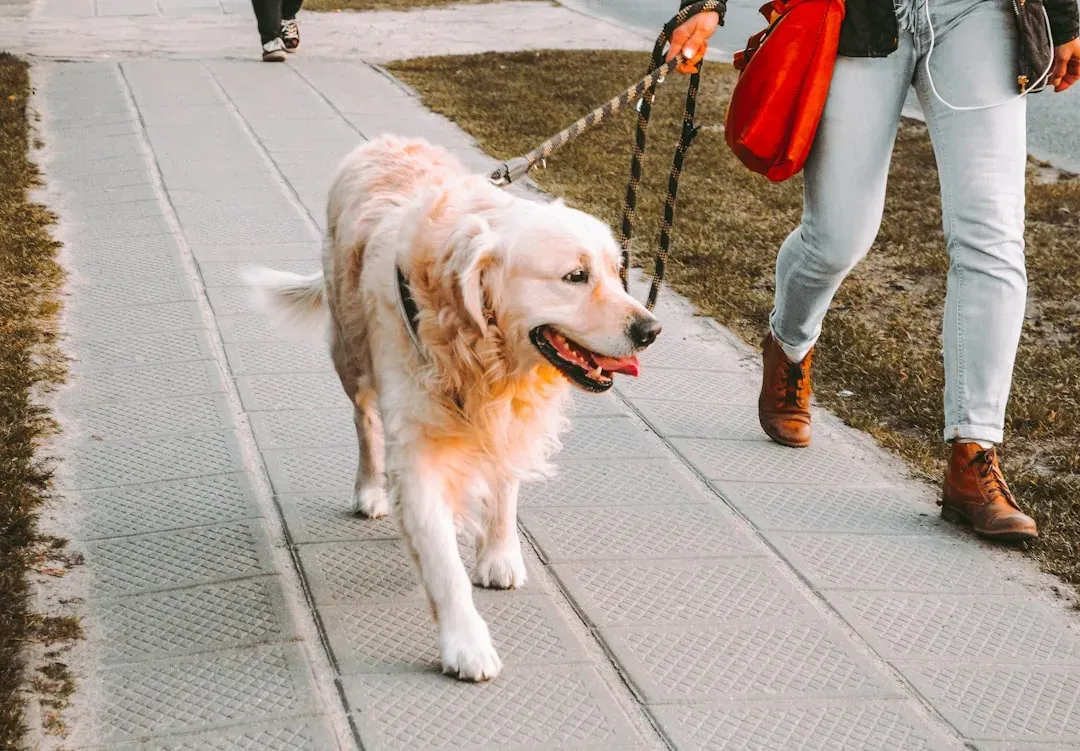
A quiet house often means a quiet street too – until a leash changes that. Dog owners are more likely to be approached by strangers, simply because a dog on a leash makes people feel safe to say hello.
That’s not a minor social nicety. For someone whose house just went quiet, those small sidewalk exchanges can become the only consistent human contact of the day. Some behaviorists now argue this matters more than the exercise itself. The walk is good for the body. The two-minute chat about the weather is what actually keeps a person from disappearing into isolation.
#9 – Mealtimes Suddenly Have a Reason Again

Cooking for one person is where a lot of quiet houses quietly fall apart. Meals get skipped, then skipped again, then forgotten entirely.
A dog doesn’t allow that kind of drift. Feeding time becomes a fixed point that can’t be ignored, and that fixed point tends to drag the rest of the day back into shape. Caring for a dog – the walks, the feeding schedule – instills a sense of responsibility that provides real structural stability. It’s not the walks that rebuild routine first. It’s the bowl on the floor at 7 a.m. and 6 p.m., every single day, whether you feel like moving or not.
#8 – Your Sleep Pattern Quietly Resets

Grief, retirement, and an empty nest all share one symptom: broken sleep. Nights get longer, mornings get later, and the schedule dissolves into nothing.
A dog interrupts that pattern almost by force. Dogs kept on consistent routines show lower cortisol levels, and that stability seems to transfer to the humans holding the leash – bedtime becomes a shared ritual instead of a solitary shutdown. Trainers call this one of the most underrated effects of dog ownership. It isn’t dramatic. It’s just a body clock quietly resetting itself around another creature’s needs.
At a Glance
- Grief, retirement, and empty-nest transitions commonly disrupt sleep first
- Dogs on steady routines show lower cortisol – and that calm tends to spread to owners
- Bedtime shifts from a solitary shutdown into a shared, predictable ritual
- Trainers rank this among the most overlooked benefits of getting a dog
#7 – The House Stops Sounding Like an Echo
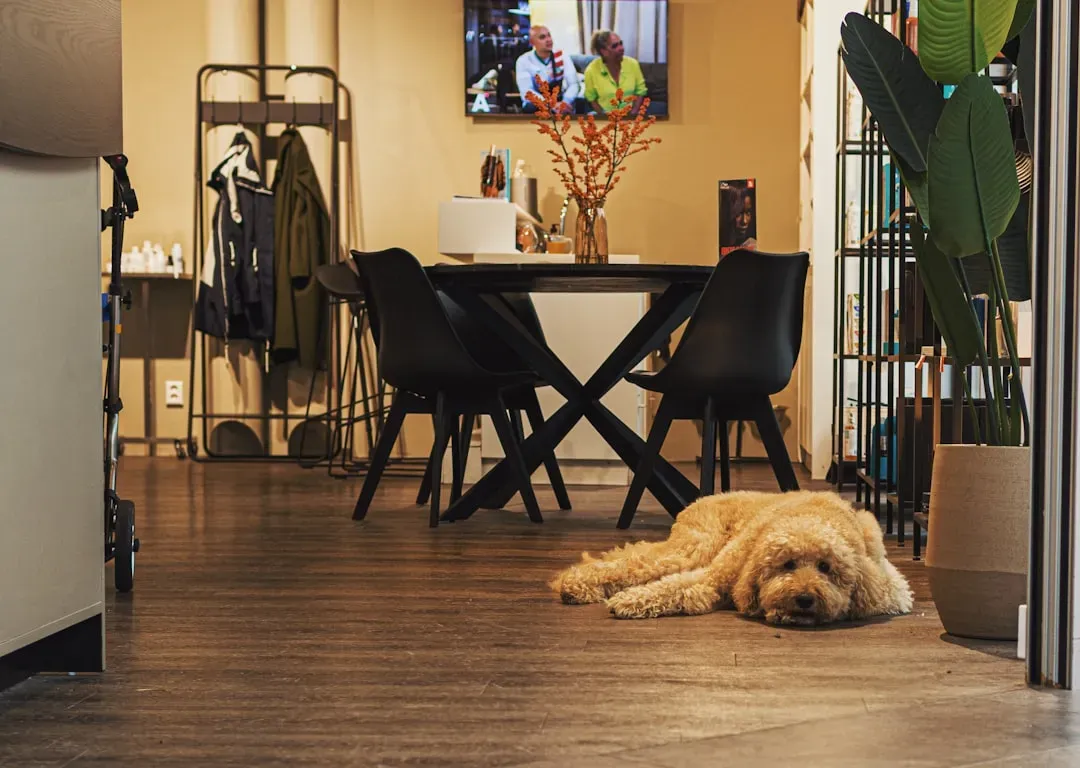
Silence has a texture. Anyone who’s lived alone in a suddenly quiet house knows it – footsteps sound louder, the fridge hums too much, every closed door feels final.
A dog changes the acoustics of a home almost instantly. Nails on hardwood, a sigh from the corner of the room, a tail thumping the couch – these small sounds do more to break isolation than most people realize. It’s not companionship in the traditional sense. It’s ambient noise with a heartbeat attached, and it fills a room in a way silence never could.
Dogs are our link to paradise. They don’t know evil or jealousy or discontent.
Milan Kundera
#6 – You Start Talking Out Loud Again

This one sounds small until you notice how much it matters: people who live alone often stop narrating their own day. There’s no one to tell about the weather, the traffic, the good coffee.
A dog becomes the audience. Owners talk to their dogs constantly about plans, feelings, frustrations – and that habit alone keeps a kind of verbal muscle from atrophying. Some therapists push back on how casually this gets dismissed. Talking to a dog isn’t a substitute for human connection, but it’s often the bridge that keeps someone from losing the habit of connection altogether.
#5 – Your Stress Response Actually Recalibrates
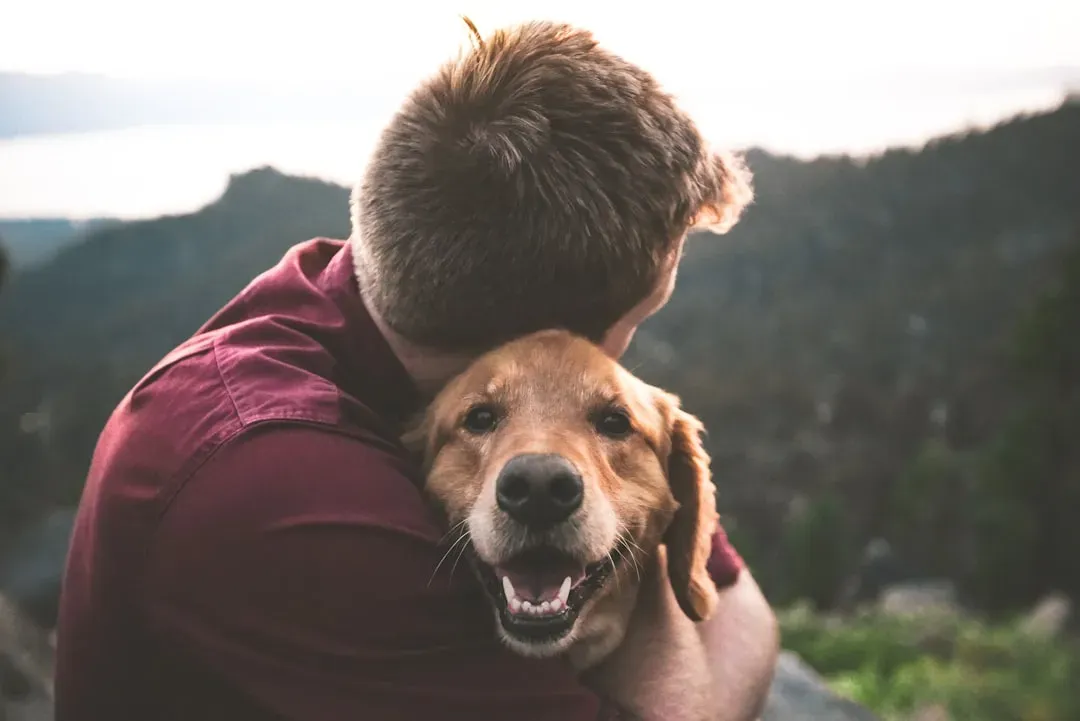
The most surprising claim in recent research isn’t that dogs make people happier – it’s that they change how the body handles stress itself. New dog owners showed a reduction in negative mood, like feeling upset or scared, though researchers saw no measurable impact on clinical depression or anxiety symptoms.
That distinction matters. A dog doesn’t cure clinical depression – but it does appear to soften the day-to-day emotional dips that make a quiet house feel heavier. Dogs aren’t therapy. They’re not a treatment plan. But for the ordinary bad moods that come with sudden silence, they seem to take the edge off in a way few other things do.
Quick Compare
- Negative mood (upset, scared): measurably reduced after getting a dog
- Day-to-day emotional dips: noticeably softened
- Clinical depression symptoms: no measurable change found
- Clinical anxiety symptoms: no measurable change found
#4 – Movement Comes Back Without Being Forced

Nobody wants to be told to exercise. A dog doesn’t ask – it just needs to go outside, rain or not, mood or not.
Socially isolated older adults who get a dog often become motivated to walk it, which brings several downstream effects: more physical activity, better mental health, and more chances for casual social contact. The dog isn’t the goal – the walk is – and the walk drags the rest of a person’s health along with it. It becomes the accountability system a gym membership never could be. No guilt, no cancellation fee, just a leash by the door and a persistent nose against your leg at 7 p.m.
#3 – The Bond Forms Faster Than People Expect

Most people assume attachment to a new dog builds slowly, over months of shared history. The research says otherwise. An eight-month controlled study tracking loneliness, mood, and psychological distress found measurable changes as early as three months after acquisition.
That’s a fast timeline for something as deep as emotional attachment. Owners were registering measurable relief before the “getting to know each other” phase was even over. Some trainers say this challenges the whole “give it time” narrative people repeat to new owners. The connection isn’t always gradual – sometimes it’s closer to immediate, and the data backs that up more than sentimentality ever could.
#2 – The Effect Holds Even When the Big Emotions Don’t Move
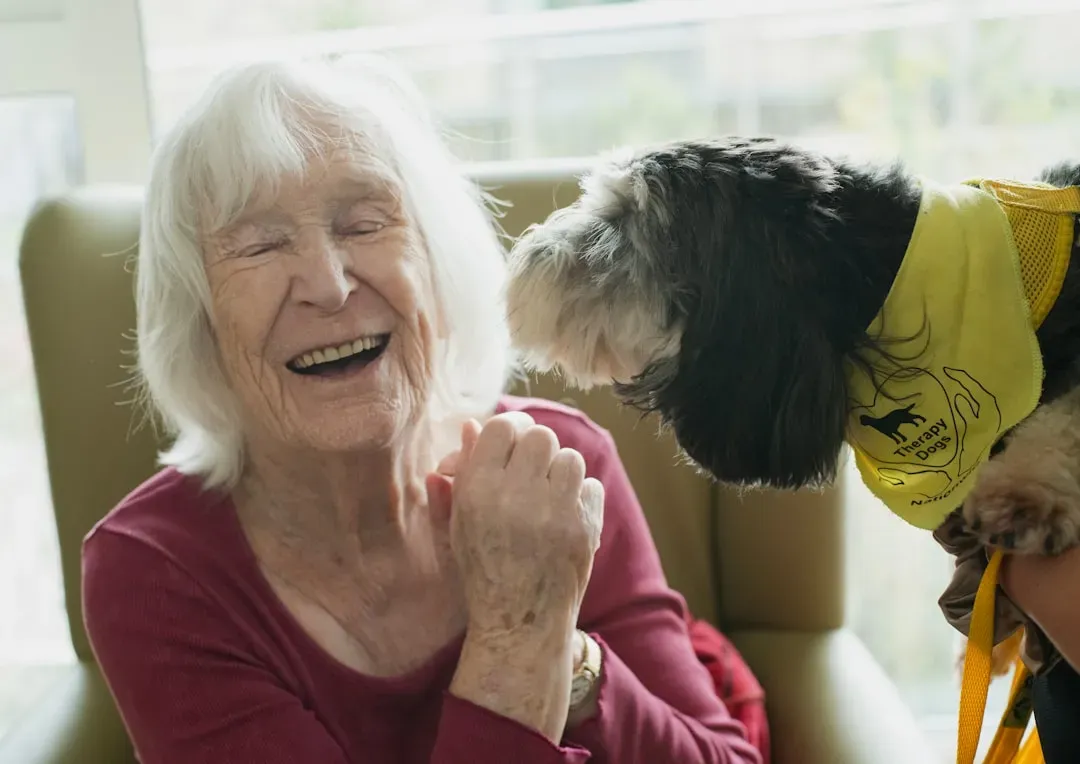
Here’s the part that gets uncomfortable: dogs don’t fix everything, and pretending otherwise does a disservice to people struggling. In one major study, symptoms of depression and anxiety were unchanged after acquiring a dog – possibly because those owners already had relatively low psychological distress to begin with.
That’s an important, slightly unpopular truth in a topic usually wrapped in feel-good language. A dog softens loneliness. It does not replace grief counseling, community, or medical care. Anyone selling a dog as a cure for serious mental illness is overselling the science. The honest version is smaller and more useful: dogs help with the ache of quiet, not the depth of clinical struggle.
Worth Knowing
- Dogs ease loneliness – they don’t treat clinical depression or anxiety
- The strongest effects showed up in owners who already had lower psychological distress
- A dog is not a substitute for grief counseling, community, or medical care
- Framing a dog as a “cure” for serious mental illness overstates what the research shows
#1 – The Quiet Doesn’t Disappear – It Just Stops Being Empty

This is the distinction almost nobody makes, and it’s the one that matters most. A dog doesn’t erase an empty nest, a loss, or a life transition. The house can still be quiet at 9 p.m.
But there’s a difference between empty silence and companioned silence, and that difference is what most research on dog ownership is actually measuring. New dog owners self-reported lower loneliness within three months, with the effect holding through the end of the study, alongside a real drop in negative mood. The house is still quiet. It’s just no longer hollow – and that’s the reason so many people describe getting a dog during a hard chapter as the one decision they never regretted.
The evidence doesn’t support the idea that a dog fixes a quiet house completely – and honestly, it shouldn’t have to. What it does support is smaller and more believable: structure returns faster than expected, stress hormones shift almost immediately, and loneliness eases within months, not years. A dog isn’t a replacement for people, purpose, or professional support when that’s what’s actually needed. It’s a bridge – a reason to get up, talk out loud, and let the house make noise again.
That’s not nothing. For a lot of people sitting in a house that just went quiet, that might be everything for a while. Has a dog changed your quiet house? Tell us what shifted first in the comments.


