
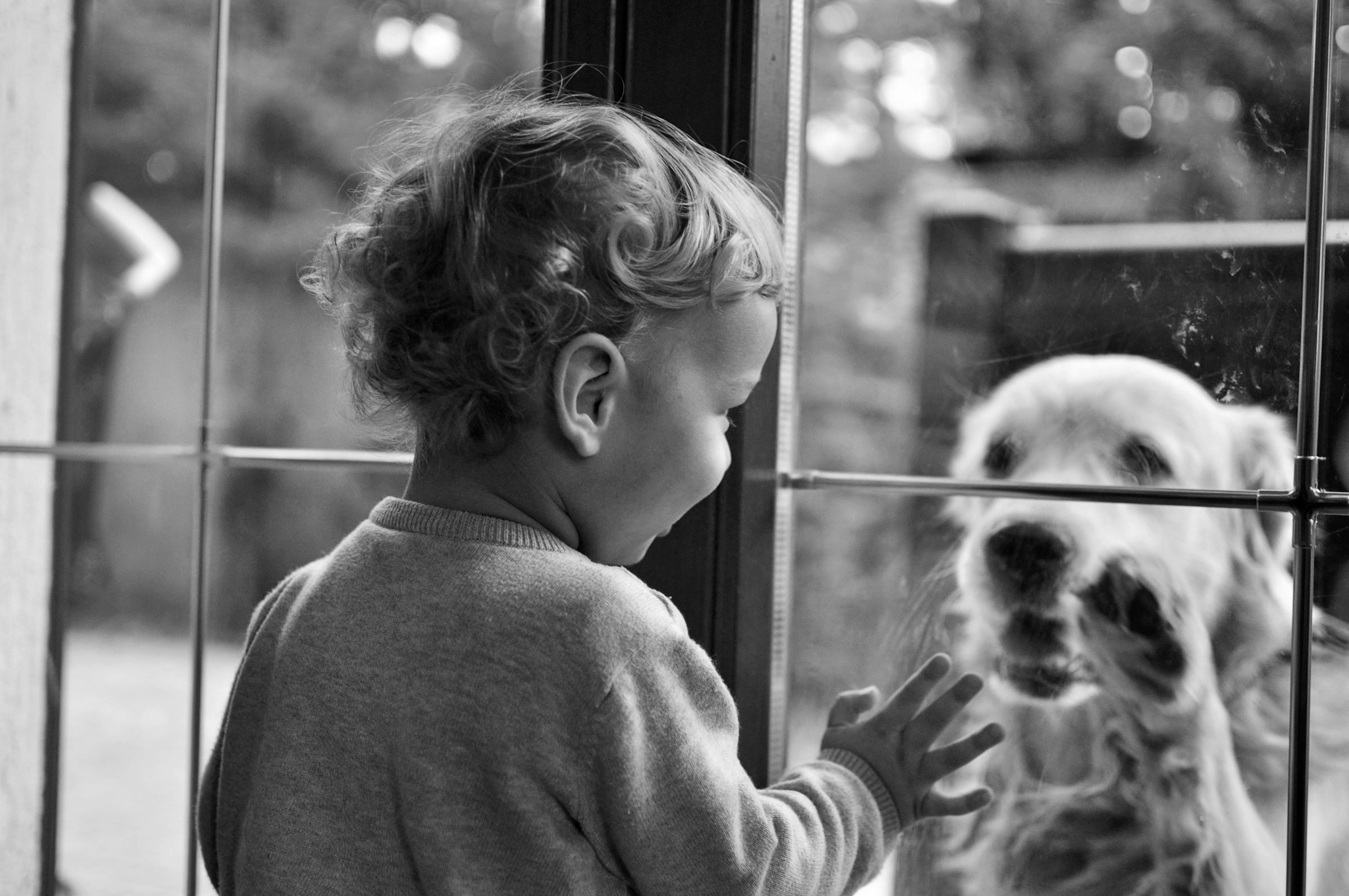
You’d think a dog’s routine would stay the same no matter who walks through the door. A guest is a guest, right? But the second grandchildren step inside, something in the dog flips almost instantly – posture changes, energy spikes, and behaviors show up that never appear with regular visitors.
Veterinary behaviorists say none of this is random. It’s a predictable pattern rooted in how dogs process unfamiliar noise, movement, and smell – and once you know what to look for, you’ll spot it in every family dog you’ve ever met. Here’s what actually happens, second by second, the moment grandkids walk in.
#1 – They Go on High Alert Before the Kids Even Reach the Door
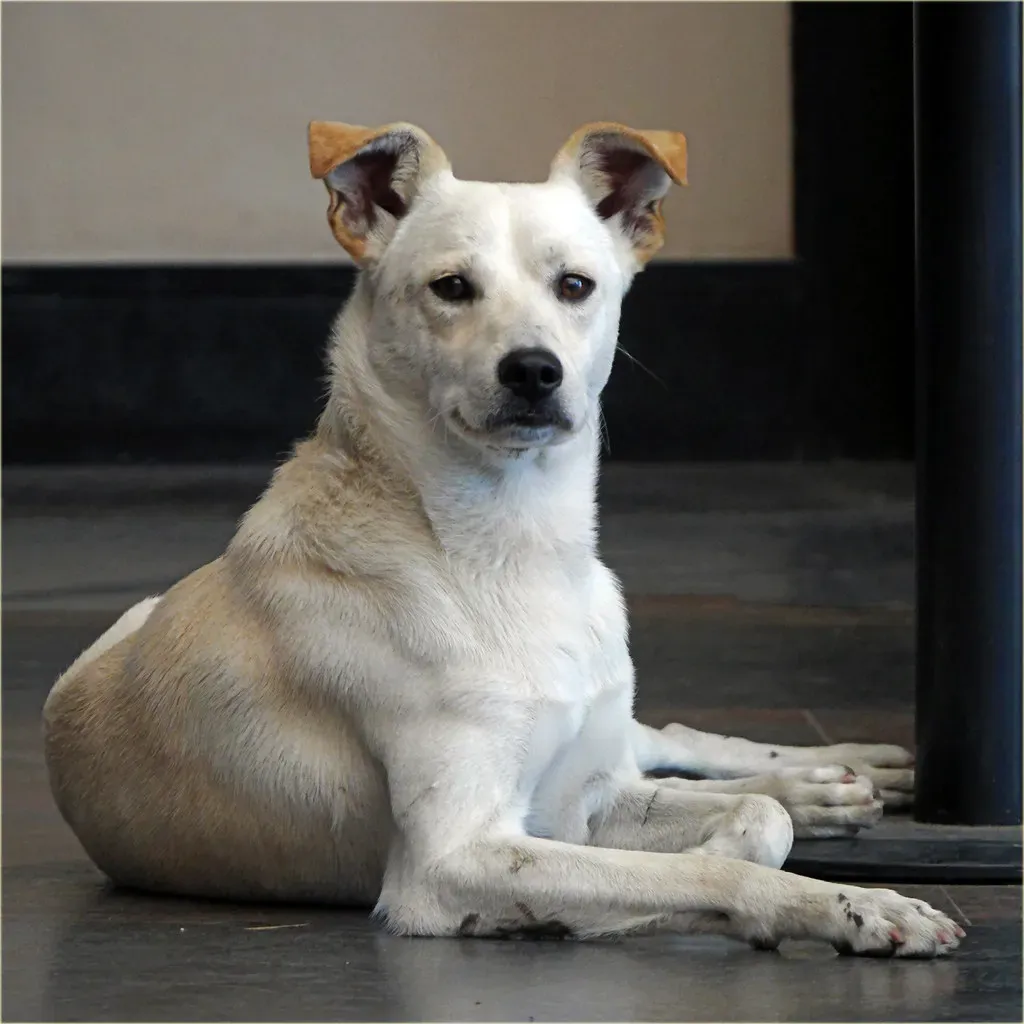
The second a car pulls into the driveway, dogs shift into a heightened state of vigilance that looks nothing like their reaction to adult visitors. Trainers describe this as a sensory scan – ears up, body stiff, nose working overtime to figure out exactly who’s coming.
This isn’t fear. It’s information-gathering. Toddlers move unpredictably, their scent reads differently to a dog’s nose than an adult’s does, and the sudden bursts of sound young children make can genuinely unsettle a dog before it even sees a face. Most owners miss this early-warning phase completely, because it happens in seconds – long before anyone’s even out of the car.
Fast Facts
- Dogs can hear frequencies up to roughly 45,000 Hz – about double the upper range of human hearing.
- A dog’s nose holds up to 300 million scent receptors, compared to around 6 million in a human nose.
- High-pitched, erratic sounds like a child’s shriek or laugh fall right in the range dogs are most sensitive to.
- Ears, nose, and posture all shift before a dog ever makes eye contact with the visitor at the door.
#2 – Their Whole Body Language Flips From “Guest Mode” to “Guard Mode”
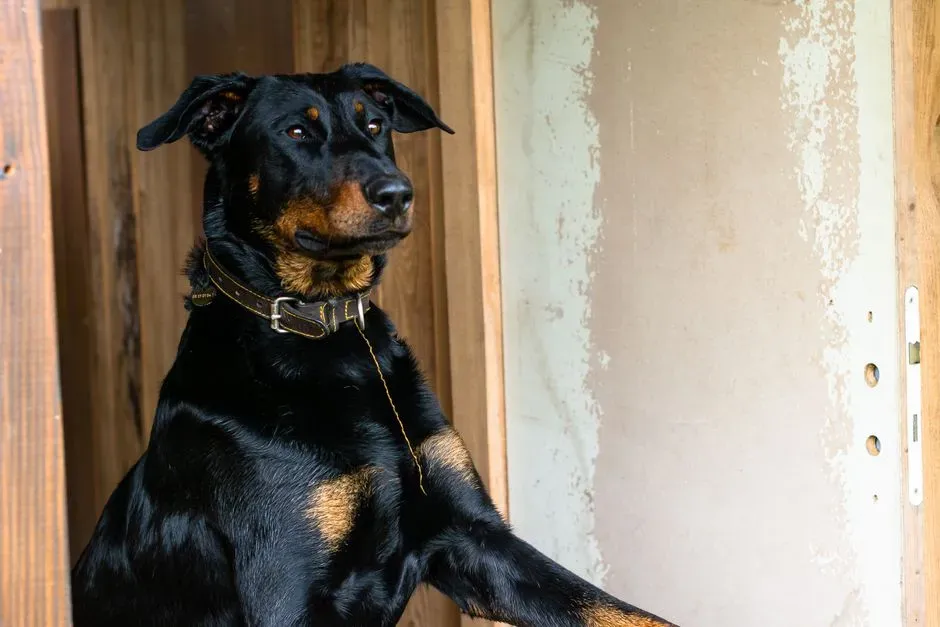
Dogs treat grandchildren differently than they treat grown visitors, and the shift shows up in their stance within moments. Instead of the loose, tail-wagging greeting they give adults, many dogs drop into a lower, tighter, more watchful posture the instant a small child comes into view.
Some dogs swing the opposite way and turn instinctively protective, almost parental. Others read the same moment as a threat to their space and go quietly anxious, even jealous. Recognizing which version you’re looking at is the difference between a relaxed visit and one that ends in tears – and the same dog can flip between the two moods in a single afternoon.
#3 – Their Energy Spikes Into Overdrive Almost Instantly
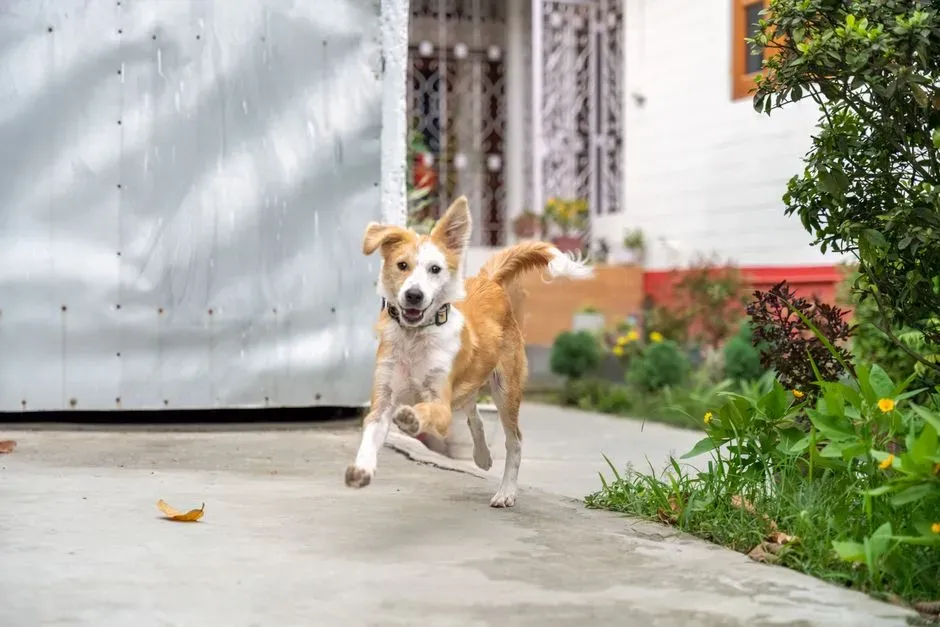
Ask any grandparent with a dog and they’ll tell you the same thing: the moment grandkids arrive, the dog turns into a different animal. Zoomies, spinning, jumping on furniture – behavior that never shows up on a quiet Tuesday suddenly takes over the living room.
This isn’t just excitement. It’s overstimulation. Even dogs that are well-socialized and normally rock-solid around people can become overwhelmed by the sheer sensory load of small children in the house for hours at a time. Even the calmest senior dog can turn into a puppy again within seconds of that front door opening.
#4 – Dogs Suddenly Guard Food and Toys They Normally Share
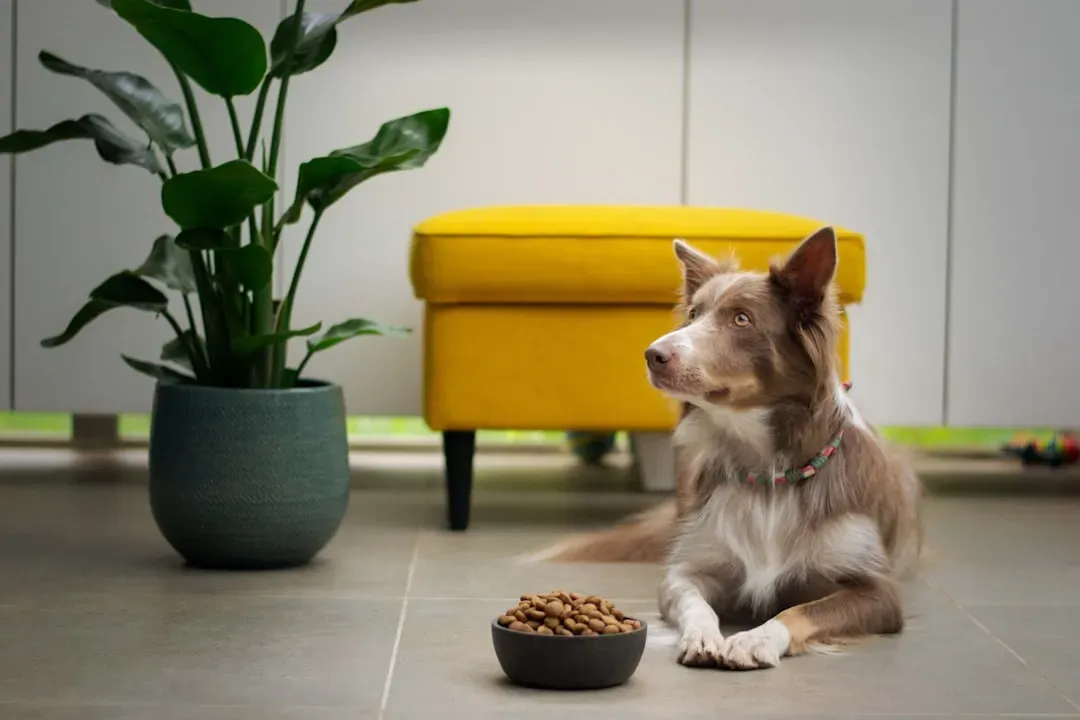
Here’s the one almost nobody expects: a dog that’s never shown a hint of possessiveness suddenly hovers over his bowl or clamps down on a favorite chew toy the moment grandchildren are in the house. It’s one of the most overlooked behavior shifts on this entire list.
Trainers now recommend testing this ahead of time rather than finding out the hard way. One grandmother made a habit of gently interrupting her dog while he ate or chewed – rubbing his head, nudging the bowl – specifically to check how he’d react if a grandchild did the same thing mid-meal. He never so much as growled. Most families never run that test until it’s already a problem.
#5 – They Start Seeking Out “Escape Zones” Around the House
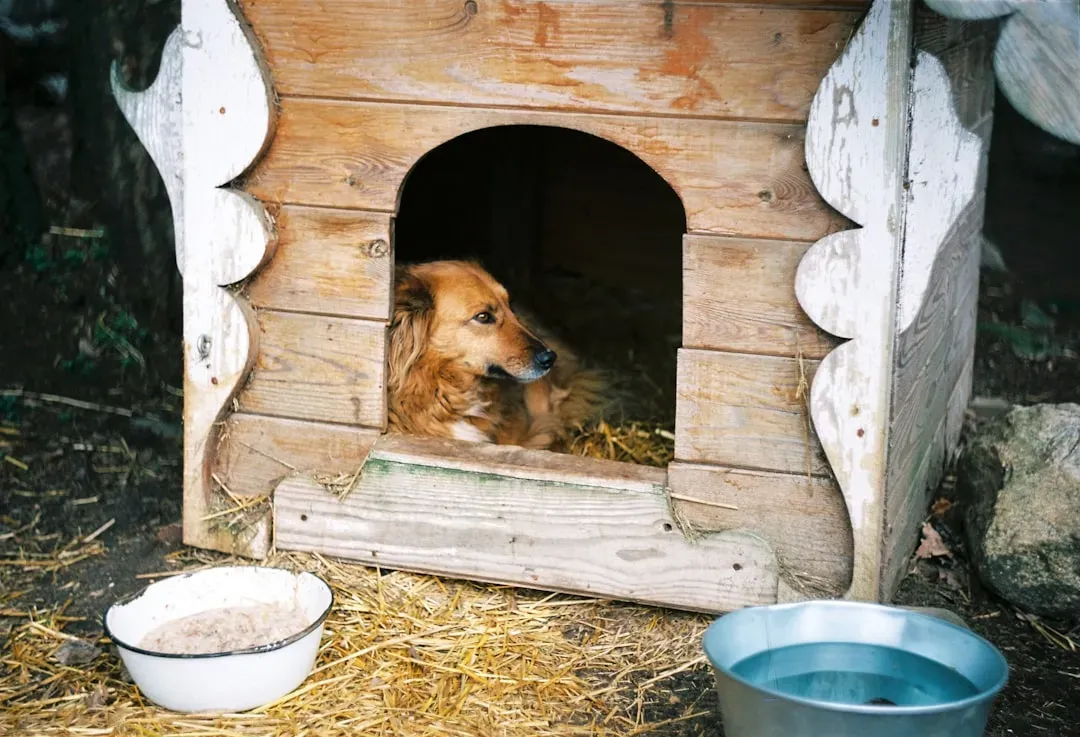
Watch closely and you’ll notice dogs quietly retreating to specific spots the moment the noise level climbs – under a table, behind the couch, into a crate they normally ignore completely. This isn’t sulking. It’s self-regulation, and it’s healthy.
Experts say this instinct should be supported, not punished. There’s no rush to force kids and dogs onto the same sofa cushion, since a huge share of dog-child conflicts start with someone moving the relationship too fast. A dog that hides isn’t being antisocial – it’s managing its own stress load better than most owners give it credit for.
Worth Knowing
- Lip licking, yawning when not tired, and moving away are classic stress signals, not defiance.
- A dog retreating to a crate or corner is using a “safe base” strategy, not sulking.
- Most trainers advise never coaxing or forcing a dog out of a retreat spot mid-visit.
- A short decompression window after chaotic play can head off bigger behavior issues later in the day.
#6 – Their Entire Daily Schedule Gets Thrown Off, and They Notice
Feeding times shift. Walks get delayed. Nap schedules vanish entirely. Dogs pick up on these disruptions almost immediately, and it changes their behavior in ways owners often misread as the dog “acting up” for no reason.
The dog isn’t confused about the kids – it’s confused about the routine. Grandchildren don’t just behave differently than the adults the dog knows; they rearrange the whole household clock around them, so breakfast and dinner land earlier or later than the dog’s internal schedule expects. This is why some dogs seem “off” for days after a visit ends, not just during it.
#7 – Dogs Pick Up on the Adults Acting Differently, Too
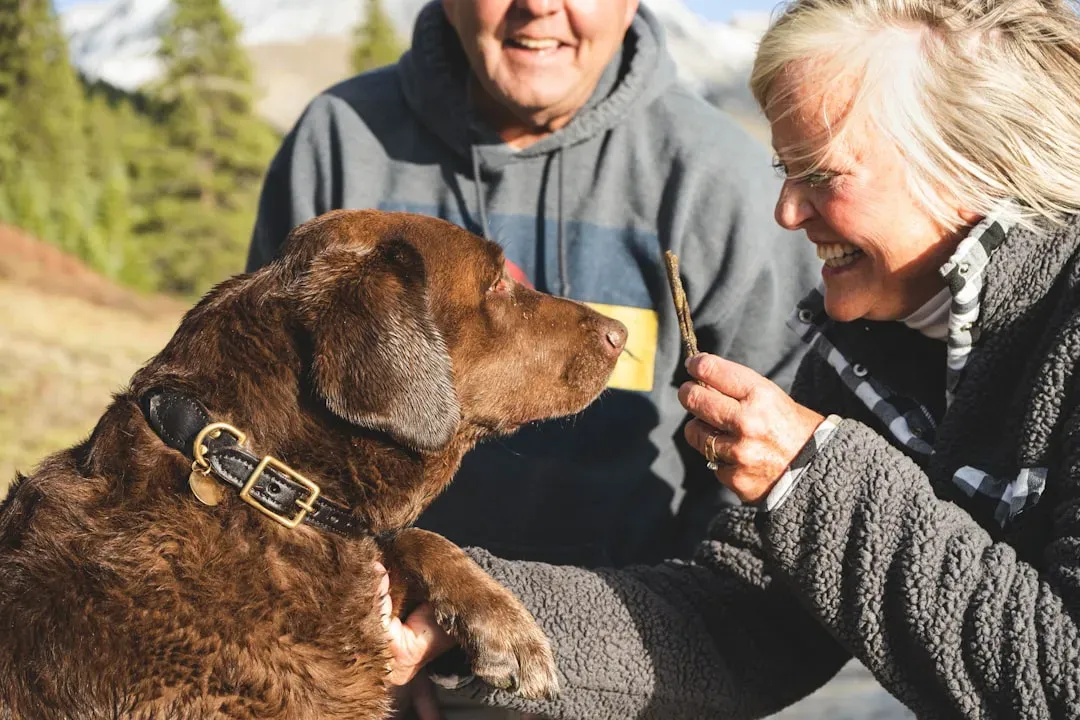
Here’s the detail almost nobody talks about: it’s not just the grandchildren changing the room’s energy. It’s the grandparents. Voices climb half an octave, movements get quicker, attention gets pulled in three directions at once – none of which the dog has seen from these people before.
Dogs are remarkably good at reading these shifts, sometimes better than the humans in the room are at noticing them in themselves. A dog reacting to a grandchild’s arrival is often really reacting to how every adult around that grandchild suddenly starts behaving.
#8 – Some Dogs Become Instant, Obsessive Greeters
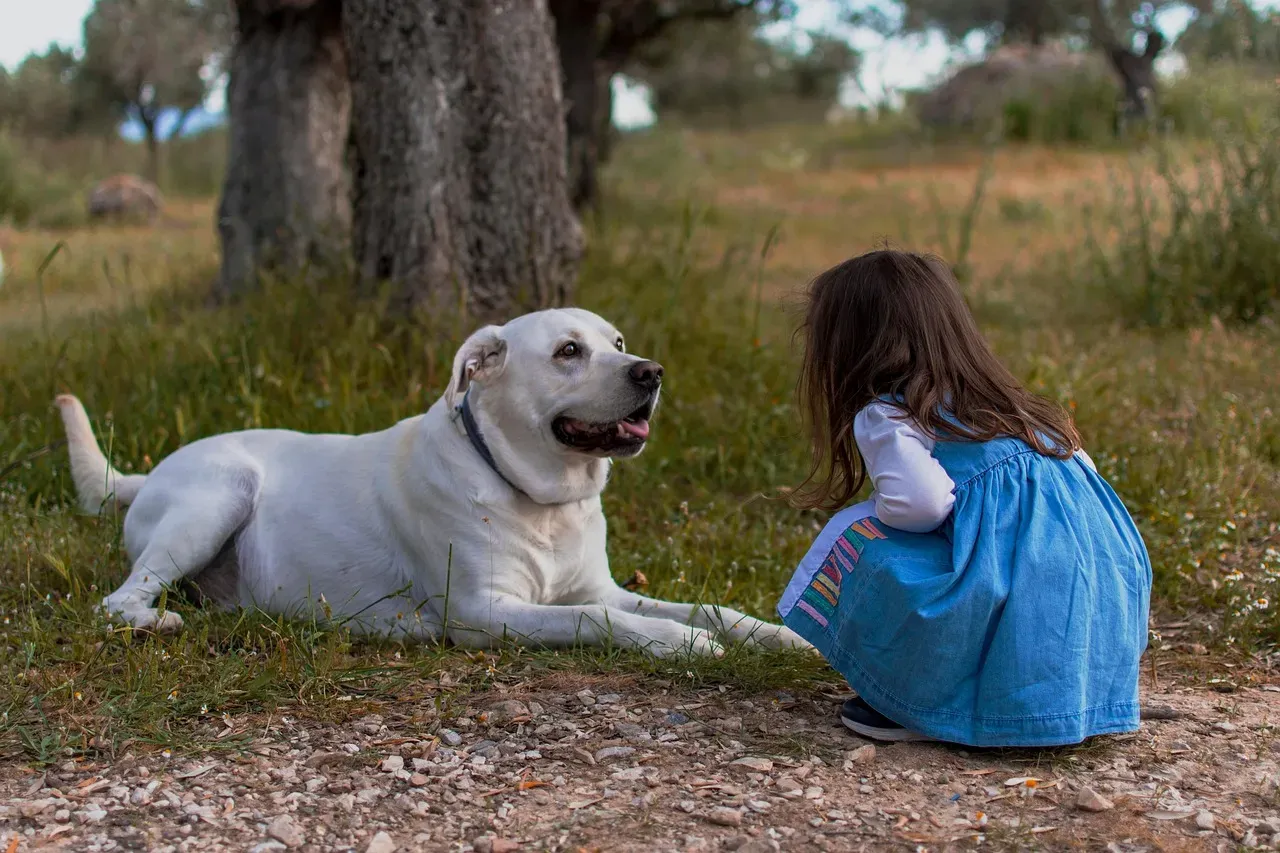
Certain dogs treat every grandchild visit like a five-star event – sprinting to the door, tail whipping, practically climbing over furniture to get close. It’s the exact opposite reaction of the dogs that retreat, and it’s just as revealing about what’s going on underneath.
This over-the-top greeting style gets mistaken for good manners constantly. In reality, a dog that can’t stop bouncing off the walls when guests arrive is often signaling that it needs a controlled cool-down period, not more attention piled on top of an already overloaded nervous system.
Quick Compare
- The Retreater: lowers body, seeks distance, chooses quiet corners, needs space to reset on its own.
- The Greeter: rushes the door, can’t settle down, escalates with more attention, needs a structured cool-down instead of extra excitement.
#9 – They Struggle to Match the Child’s Pace and Unpredictability
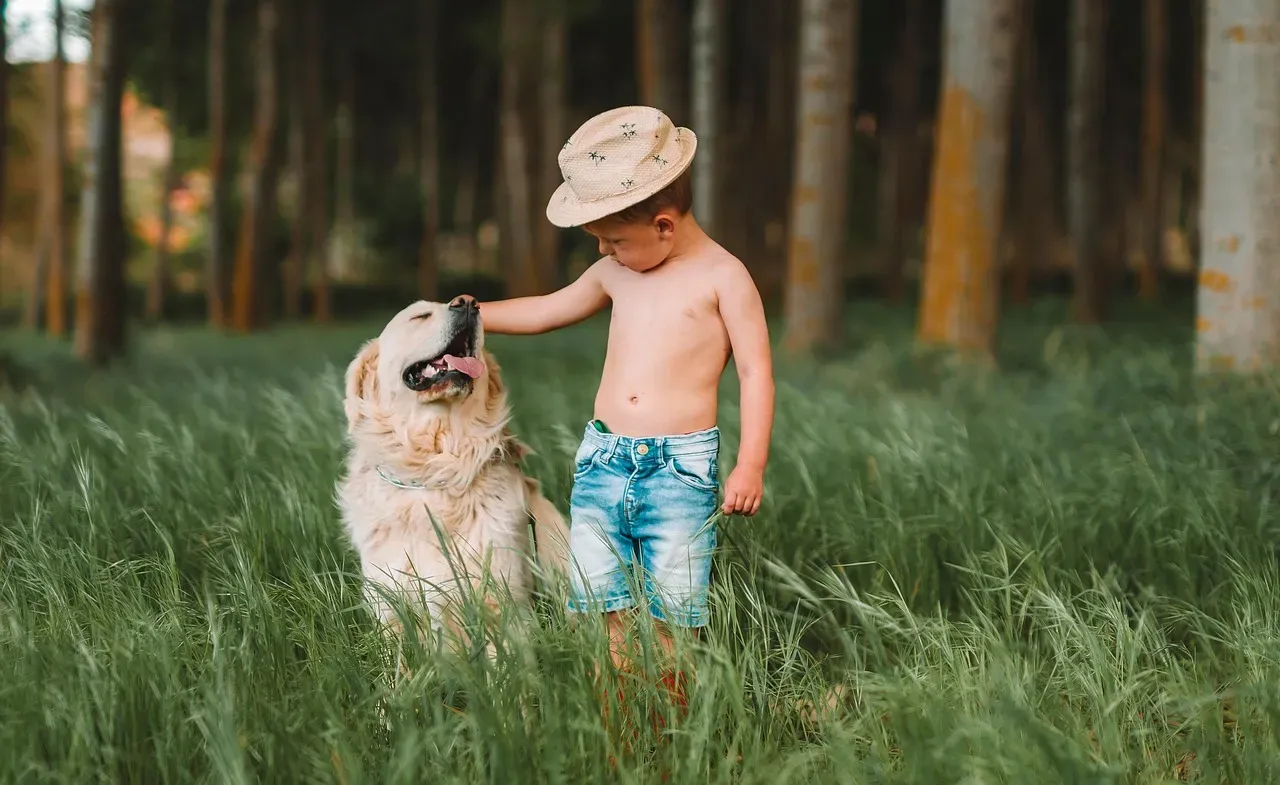
Dogs thrive on routine and calm, readable signals. Children – especially young grandchildren – move fast, change direction without warning, and make sudden noises that follow no pattern a dog can predict. This mismatch is behind more “behavior problems” than most owners ever realize.
It’s less about temperament and more about biology. Dogs are wired for calmness and predictability, while kids are wired for the opposite, and a sudden high-pitched shriek can spook even the gentlest, most bomb-proof family dog. A dog with a flawless track record around adults can still misread a sprinting, screaming toddler as an actual threat.
#10 – Dogs Genuinely Grieve When the Visit Ends
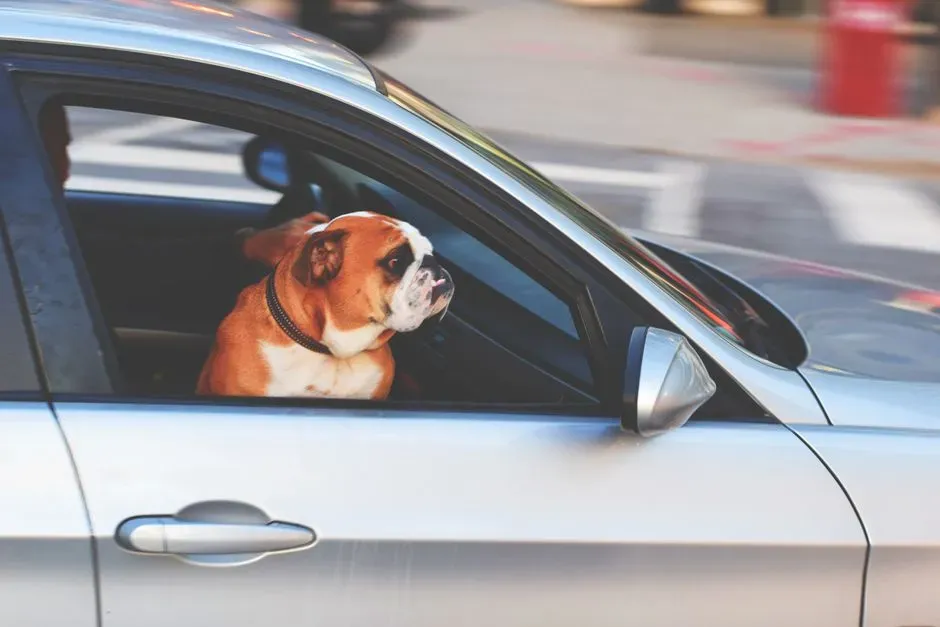
If you’ve ever watched a dog dig its heels in and refuse to get back in the car after a family visit, you’ve seen this firsthand. It’s not stubbornness. It’s a dog trying to hang onto a version of its routine that it clearly prefers over the normal one.
One widely shared video captured this perfectly – a dog planting herself on the pavement, pulling in the opposite direction as her owner tried to coax her forward, absolutely refusing to leave the fun behind. Trainers say this isn’t a cute coincidence. It’s a documented pattern that shows up across breeds anytime a high-attention environment suddenly, abruptly ends.
At a Glance
- Pacing by the door or window in the hour after guests leave.
- Sniffing at chairs, toys, or spots where the kids were playing.
- Reduced appetite for the rest of that day.
- Extra clinginess with the primary owner that evening.
#11 – Dogs Form an Entirely Different Bond With “Grandparent House Rules”
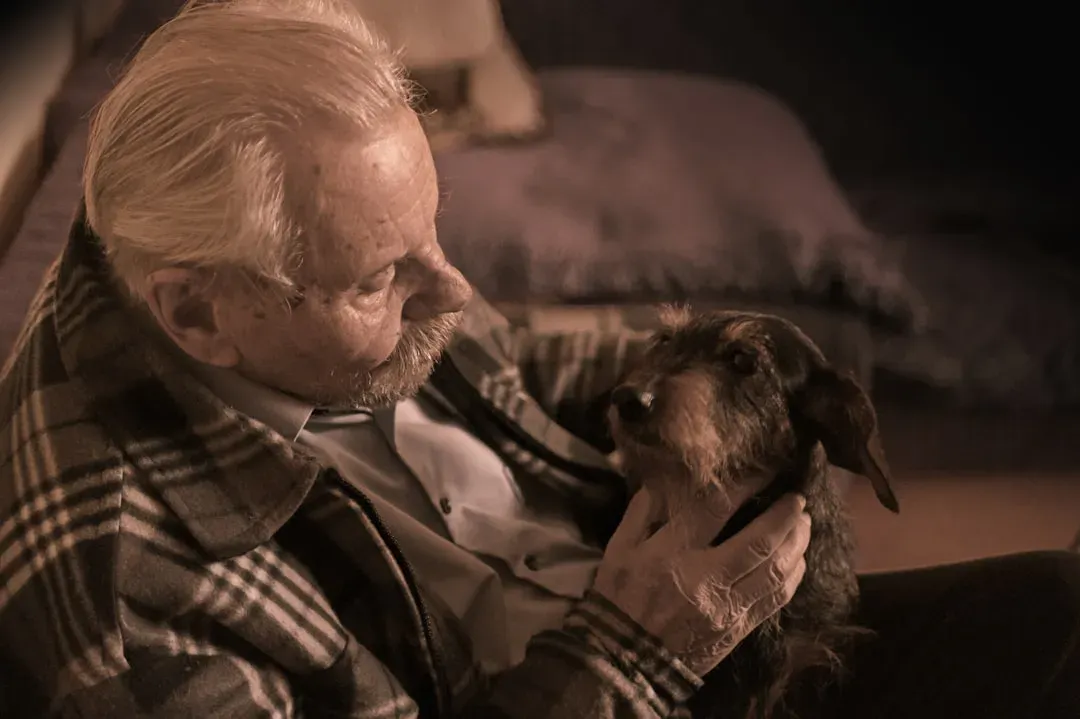
This is the biggest shift of all, and it’s the one families tend to notice last. Dogs often behave better – or noticeably worse – specifically because grandparent households run on a completely different rulebook than home does. Different furniture privileges, different feeding habits, different tolerance for begging at the table.
Trainers see this dynamic constantly, and it’s often the source of real friction: kids push back when told their dog needs to follow the resident dog’s calmer routine, while the visiting dog gets bolder the moment it senses the old rules don’t apply here. The dog isn’t confused about who’s in charge – it’s testing which rulebook actually governs this particular room. That’s exactly why the same dog can seem like two entirely different animals depending on whose living room it’s standing in.
The Bottom Line
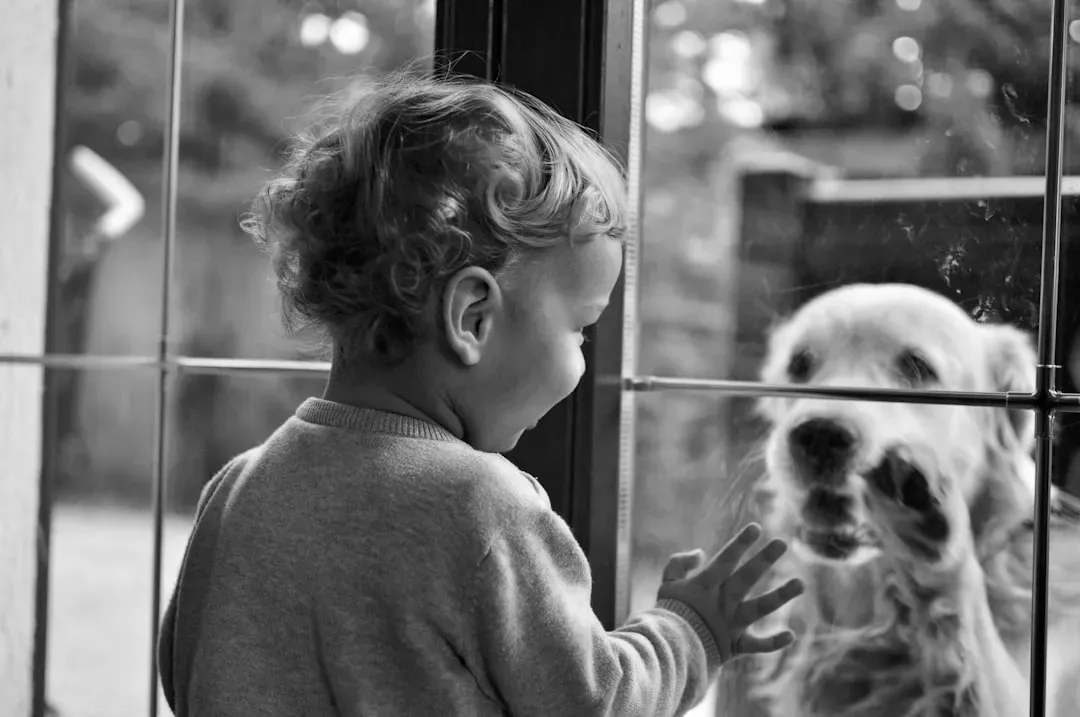
Dogs don’t just tolerate grandchildren showing up – they run an entirely different behavioral program the moment it happens, from heightened vigilance and sudden resource guarding to full-blown separation “tantrums” when the visit ends. And here’s the part that should reframe how you see all of it: most of these behaviors were never about the kids at all. They’re reactions to a disrupted routine and to the adults around them suddenly acting like different people.
Families who label these shifts as “bad behavior” are missing the real story, and honestly, it’s the retreat-to-a-safe-spot instinct that gets punished the most unfairly of anything on this list. A dog that quietly disappears under the table during chaos isn’t being difficult – it’s doing the emotionally intelligent thing. Did your dog pull one of these moves the last time the grandkids came through the door? Tell us which one in the comments.


