

When the temperature spikes and the air feels like a hairdryer, most dog owners go into full-on protective mode. We buy cooling mats, crank up fans, freeze treats, and scroll through social media for hacks that promise to keep our pups comfortable. The problem is, some of the most popular “cooling tricks” are not just useless – they can quietly put your dog in real danger.
Heatstroke in dogs can develop frighteningly fast, and unlike us, they can’t strip off layers or tell us when they’re starting to feel weird. That means well-meaning mistakes can have serious consequences. Let’s walk through the cooling methods that look helpful at first glance but can – and what to do instead so you’re genuinely keeping them safe, not just feeling better about trying.
#1 Dumping Ice-Cold Water Over Your Dog
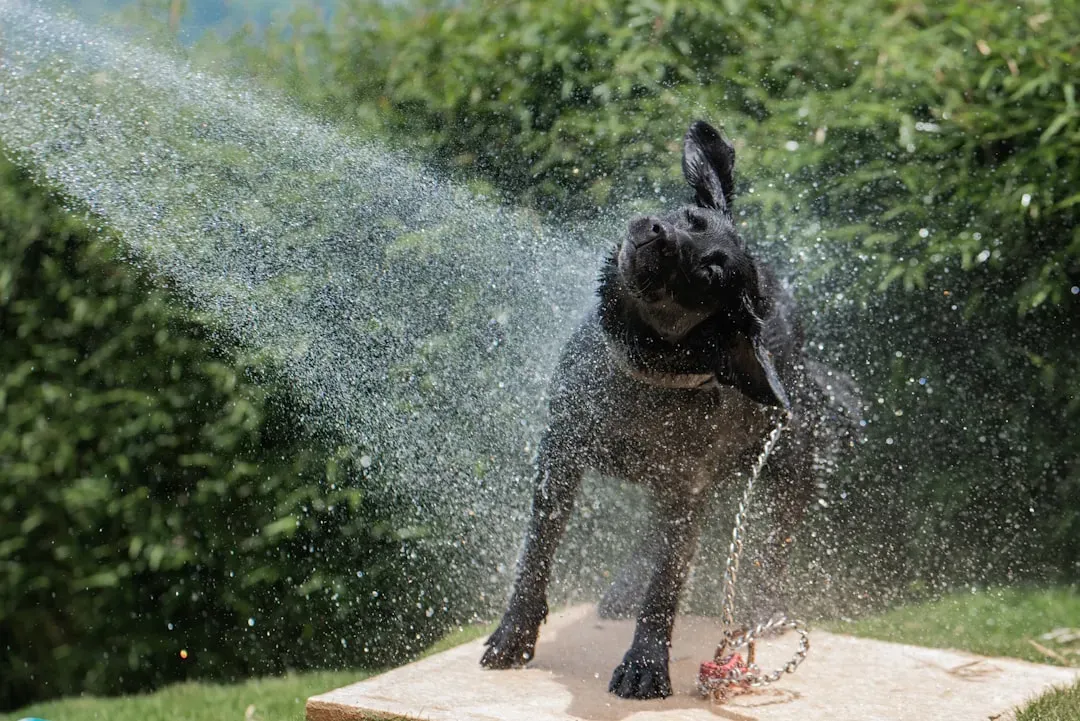
Seeing a dog panting in the sun makes a bucket of icy water look like instant relief. But suddenly dousing a hot dog with very cold water can shock the body, cause intense stress, and potentially constrict blood vessels in the skin, which is exactly where you want heat to escape. In extreme cases, a rapid and dramatic temperature shift could worsen a dog’s ability to cool down rather than help it. Think about how jarring it feels when you jump into an ice bath straight from a sauna; your dog is not handling that any better than you would.
A safer approach is gradual cooling: use cool (not freezing) water, and target the belly, chest, armpits, and groin rather than pouring it all over the back like a challenge video. Wetting a towel with cool water and laying it under the dog, or gently misting them and letting a fan help with evaporation, supports the body’s own cooling mechanisms instead of fighting them. If you’re dealing with suspected heatstroke, the priority is controlled, steady cooling and immediate veterinary help, not dramatic temperature swings that look impressive on camera.
#2 Wrapping Your Dog in Wet Towels or Blankets
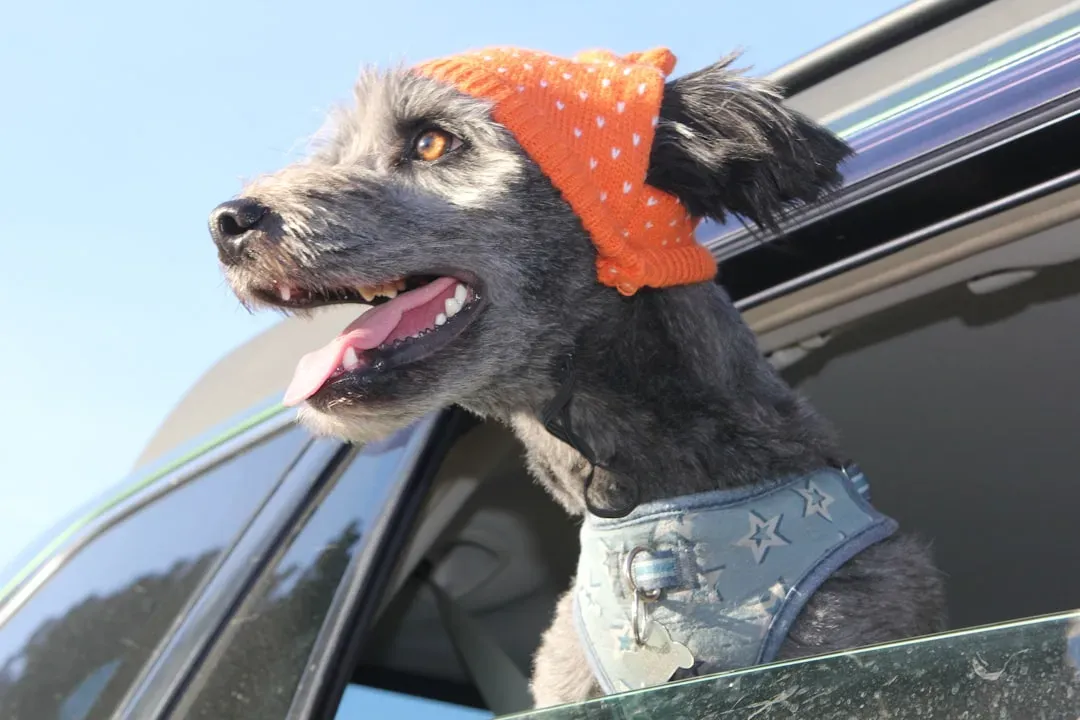
Wrapping a very hot dog in a wet towel feels intuitive – wet equals cool, right? The problem is that once the towel warms up from the dog’s body heat, it can act like an insulating jacket, trapping warmth against the skin. This is especially risky if the towel is wrapped tightly around the torso or neck, turning into a kind of “heat cocoon” instead of a cooling aid. The dog might look cared for, but their body is quietly losing the ability to get rid of excess heat.
If you want to use towels, think under, not over. Place a cool, damp towel for your dog to lie on, or drape a lightly dampened cloth so there’s airflow and it’s not sealed around the body. Check the towel frequently; once it stops feeling cool to the touch, it’s time to re-wet or remove it. Cooling is about evaporation and air movement, not just water contact, and any method that blocks air from reaching your dog’s skin or fur can turn dangerous faster than you’d expect.
#3 Letting Them Ride Out the Heat in a Parked Car
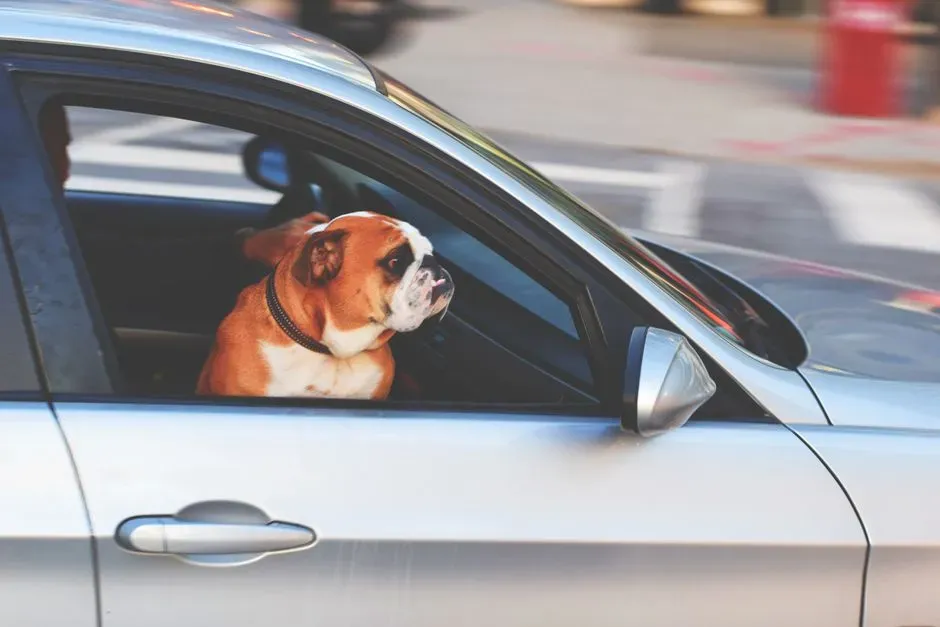
Most owners know that leaving a dog in a locked, sun-baked car is incredibly dangerous, but here’s the tricky part: even a “quick” stop with windows cracked and the air conditioning recently turned off can become deadly shockingly fast. Inside temperatures in cars can shoot up beyond safe levels in minutes, even on days that do not feel brutally hot to you. Dogs cool themselves mostly through panting, and when the air they’re breathing is like an oven, their system can spiral into heatstroke before you’ve even reached the front of the queue.
The false sense of security comes from believing that slightly open windows or parking in the shade is enough. It is not. Shade moves, windows do almost nothing to control greenhouse-style heat buildup, and your dog has no escape plan if things go wrong. If you wouldn’t comfortably sit in that car for fifteen to twenty minutes without the engine running and AC on, your dog shouldn’t be in there at all. In a heatwave, “just a minute” can quietly become a medical emergency.
#4 Turning a Fan on Them and Assuming They’re Safe
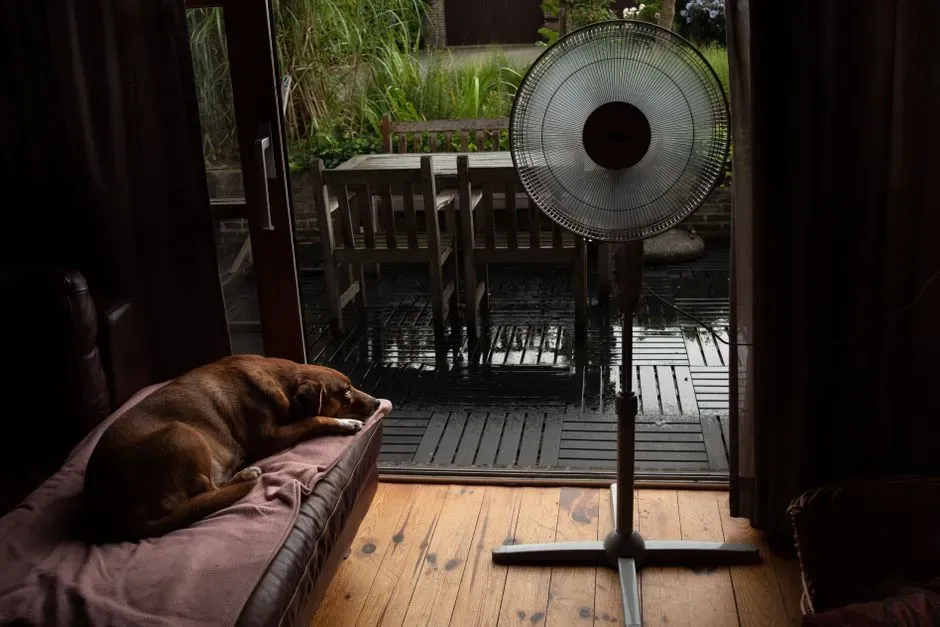
Fans feel life-saving to us, so it’s easy to assume that parking your dog in front of one is enough to keep them cool. But dogs don’t sweat all over their bodies like humans; they mainly lose heat by panting and a small amount through their paw pads. Fans mostly move air across skin damp with sweat, so while a fan might offer some comfort, it’s nowhere near as protective for a dog as it is for you. A panting dog in front of a fan can still be overheating, even if they look content for the moment.
That does not mean you should avoid fans altogether; it just means you can’t treat them as a magic shield. Use fans alongside real cooling strategies: a cool indoor room, plenty of fresh water, limiting exercise, and avoiding direct sun during peak heat. Check your dog physically – feel their ears, gums, and body; watch for wobbly walking, glassy eyes, or excessive drooling. A fan is a tool for comfort, not a guarantee of safety, and relying on it alone in a heatwave is a quiet but serious mistake.
#5 Giving Huge Amounts of Ice or Frozen Treats

Frozen treats feel like the perfect summer love language for dogs, and in moderation they can be fine. The issue appears when owners overdo it with massive ice blocks, very hard frozen chews, or constant ice cube snacks in the hope of “cooling them from the inside.” Very cold items can cause discomfort, tooth damage, or in rare cases contribute to digestive upset, especially if the dog gobbles them at high speed. For some dogs, particularly those with certain health conditions, a large intake of very cold water or ice can also be risky.
There is a better middle ground: offer small, manageable frozen treats, and pair them with plenty of cool (not ice-cold) drinking water. Think of icy snacks as occasional bonuses, not your main cooling strategy. The most important factor in preventing heat-related illness is controlling the dog’s environment and activity, not how many frozen goodies you can fit in your freezer. If your dog is already showing signs of heat stress, your priority should be calm, gradual cooling and medical attention, not more frozen treats, however tempting that feels.
#6 Shaving Double-Coated Breeds Too Short

When a dog looks like a walking duvet, shaving them down can feel like an act of mercy. But for double-coated breeds like Huskies, Shepherds, Collies, and many Retrievers, that thick coat is not just decoration; it acts as insulation against both heat and cold. Shaving these dogs too short can mess with the natural temperature regulation of their skin, increase the risk of sunburn, and even make it harder for them to cope with heat in the long run. It’s a bit like tearing the insulation out of your house walls and then being surprised when it gets too hot and too cold.
Regular brushing to remove loose undercoat is far more helpful than a dramatic full-body shave for most double-coated dogs. Light trimming in strategic areas may be recommended by a professional groomer or vet, but complete shaving down to the skin is rarely the answer and can sometimes cause the coat to regrow unevenly or with poorer quality. If you’re unsure what’s right for your dog’s breed, skip the social media “summer makeover” trend and talk to someone who understands coat types, skin health, and your dog’s lifestyle, not just what looks tidy.
#7 Exercising Them Early… But Still Too Hard
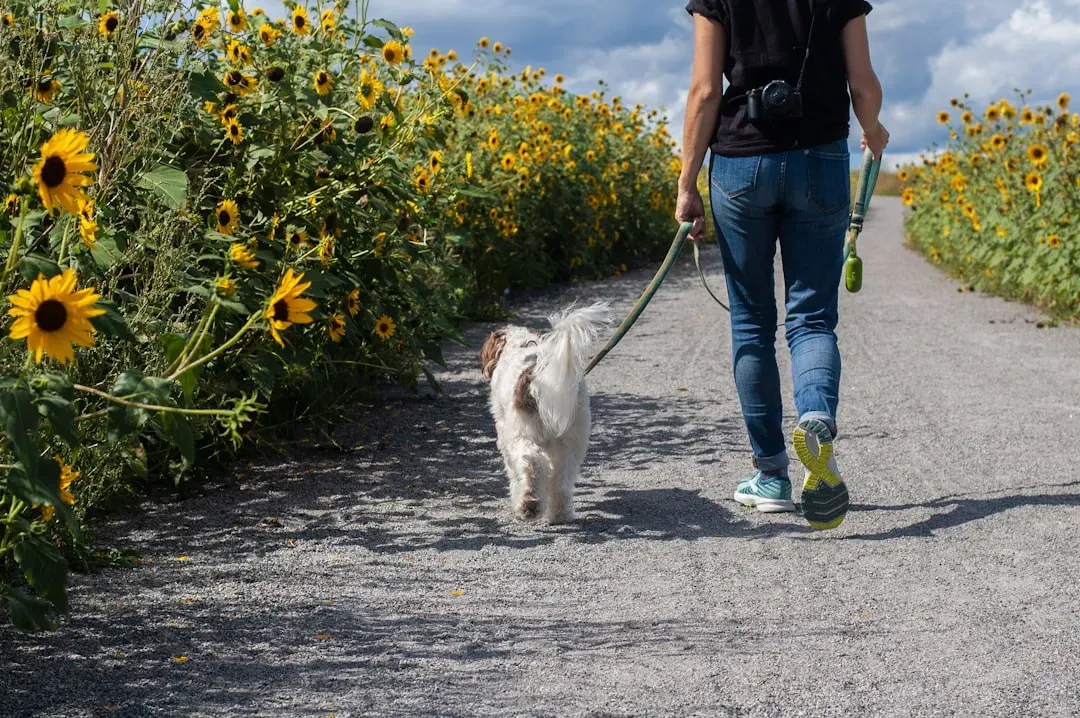
Many owners proudly say they walk or run their dog “before it gets hot,” usually in the early morning or later evening. That’s absolutely a smarter time than midday, but here’s the catch: if the air and ground are still warm from a heatwave, intense exercise can still push your dog into dangerous territory. Dogs are often so excited to play or run that they will keep going long past the point of safety, especially high-energy breeds or ball-obsessed types. By the time they finally slow down, their internal temperature may already be climbing into the red zone.
In a real heatwave, honesty beats habit. That might mean shorter walks, slower paces, more mental enrichment indoors, and skipping the ball launcher entirely for a few days. Test the pavement with your own hand or bare foot; if you can’t comfortably hold it there for several seconds, it’s too hot for their paws, even when the sun’s lower. It can feel almost wrong not to give your dog a “proper” outing, but protecting them from invisible heat stress is far more loving than keeping your exercise routine just because it makes you feel like a good owner.
Conclusion: Loving Your Dog Means Questioning Your Instincts
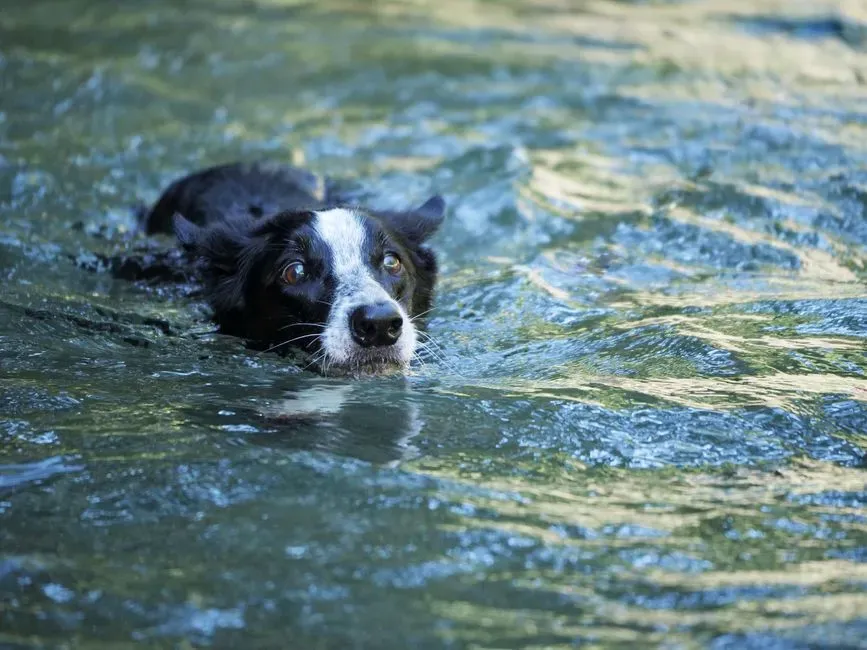
Here’s the uncomfortable truth: some of the things we do to cool our dogs in a heatwave are more about soothing our own anxiety than actually helping them. I’ve absolutely been that person with a sopping wet towel wrapped snugly around a panting dog, thinking I was being clever. Looking back, I wish someone had grabbed my shoulder and said, gently but firmly, that good intentions are not enough when the stakes are this high.
Real dog safety in extreme heat is not flashy or photogenic. It is boring, practical choices: avoiding cars, limiting exercise, using cool water correctly, respecting the coat nature gave them, and never assuming a fan or a frozen treat is a magic fix. In my view, if a cooling method looks dramatic or feels a bit too clever, it probably deserves a second thought. Your dog does not need hacks; they need you to understand how their body actually works. Next time the temperature climbs, will you stick with old habits, or will you quietly, calmly choose what truly keeps them safe?


