
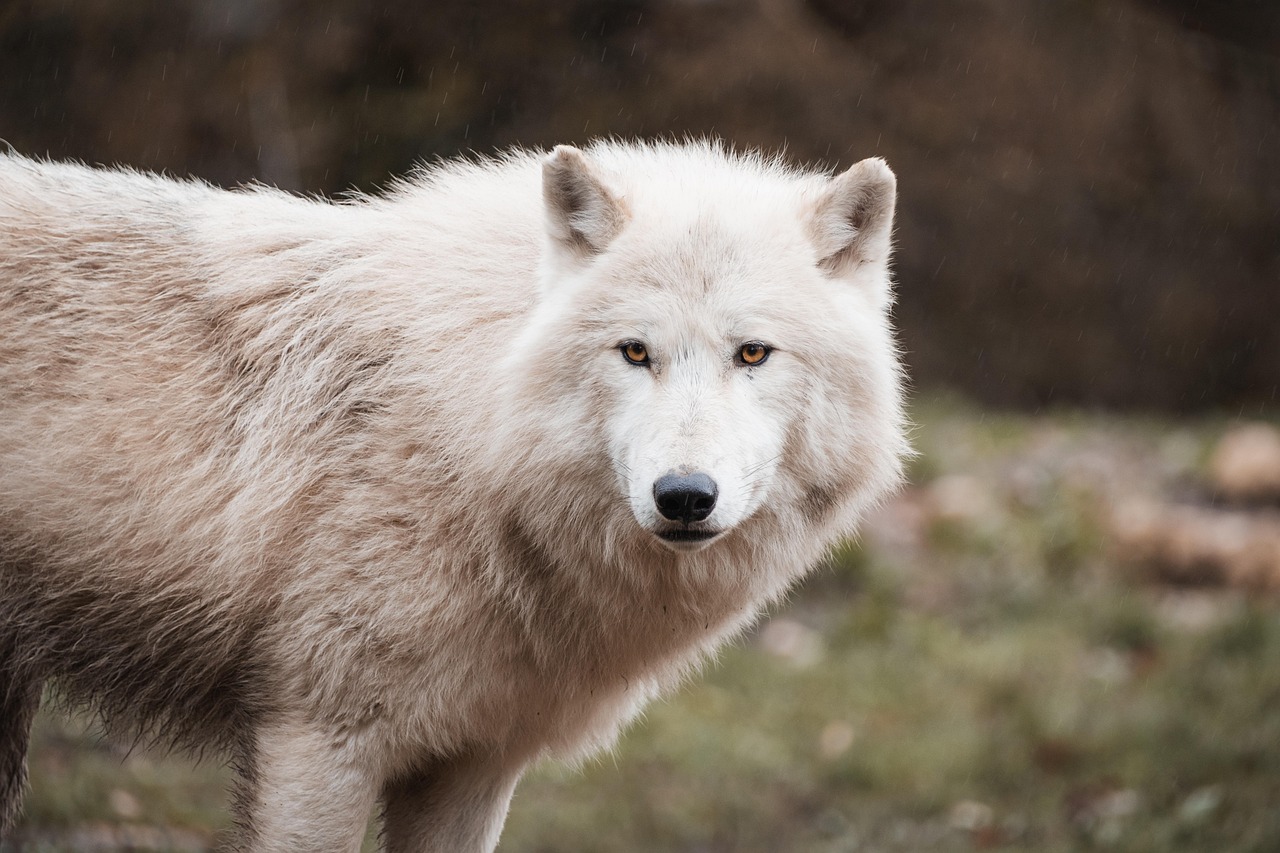
Picture this: you’re driving a pine-lined backroad in northern Minnesota, the sky turning pink over a frozen lake, when a gray wolf steps quietly out of the trees. Your heart jumps. Every instinct screams to grab a photo, get closer, or maybe even try to scare it away. That split second is where people make their biggest mistakes.
Wolves in Minnesota are wild, legally protected in many areas, and generally want nothing to do with you. But if you handle an encounter poorly, you can put yourself, the animal, and even your community at risk. Let’s walk through what you should absolutely never do around a wolf here – and what calmer, science-backed behavior looks like instead.
Never Approach a Wolf for a Closer Look or Photo
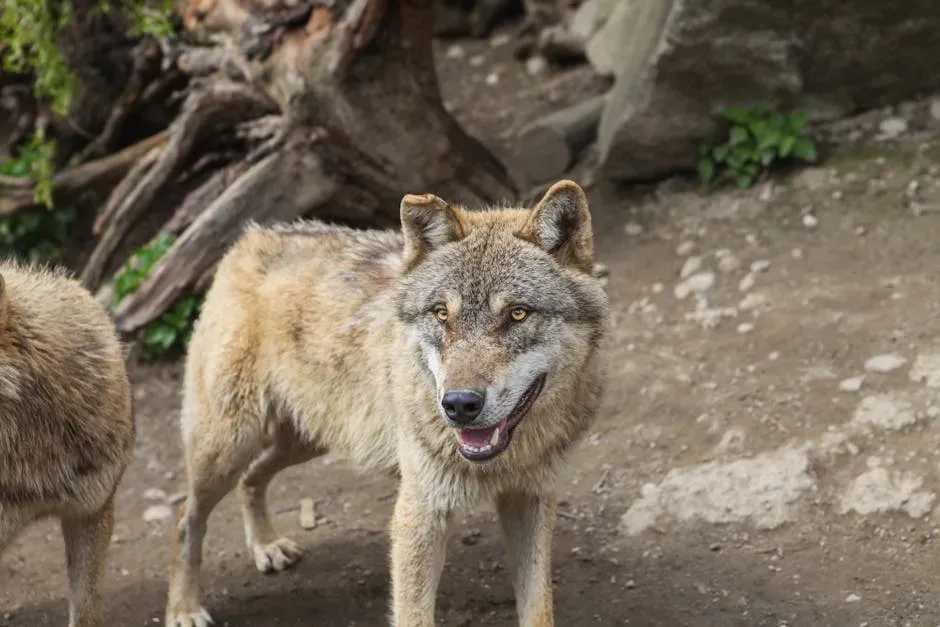
It’s tempting. Wolves are rare to see in the wild, and your brain instantly thinks, “When will I ever get this chance again?” Closing the distance, though, flips the whole situation from a harmless sighting into a potential threat – for you and the wolf. Wild animals read body language, and a human moving directly toward them can feel like a challenge.
In Minnesota’s wolf country, biologists consistently stress that keeping your distance is the single most important rule. Use the same mindset you’d use watching a thunderstorm from your porch: admire the power, but respect the space. If your phone camera can’t zoom enough to get a great shot, let the moment be something you remember instead of something you post.
Never Run Away in a Panic
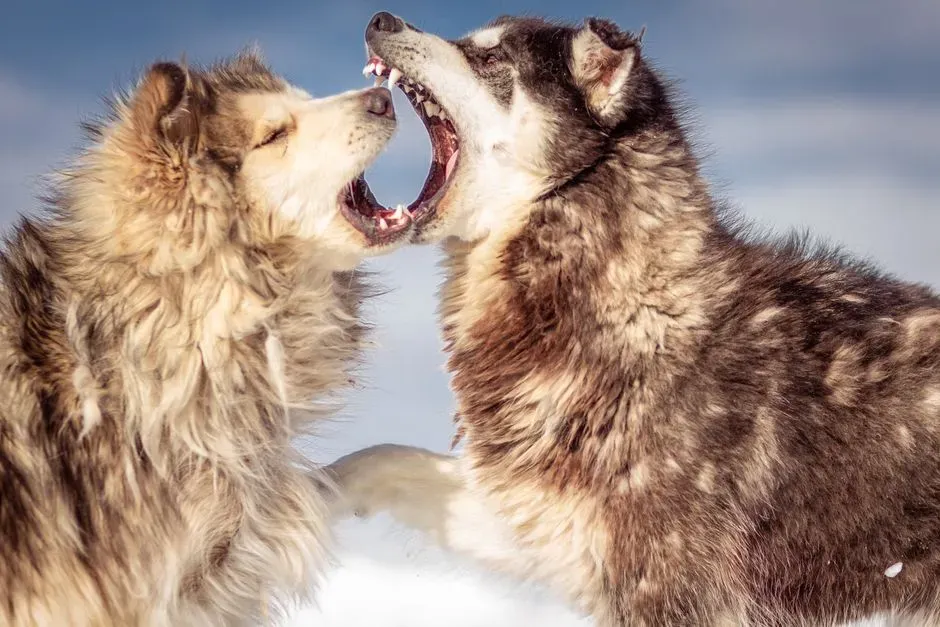
When fear hits, running feels like the most natural thing in the world. But bolting can trigger a chase response in predators, even if they had zero interest in you a second earlier. You are not prey in this scenario – and you don’t want to start acting like prey. Fast, chaotic movements make it harder for a wild animal to read your intentions.
Instead, if you feel nervous, plant your feet and take a breath. Stand tall, face the wolf, and slowly back away while keeping it in view. Think of it like leaving a tense conversation without slamming the door: steady, deliberate, and calm. That controlled exit does more to keep you safe than sprinting ever will.
Never Try to Feed a Wolf – On Purpose or by Accident
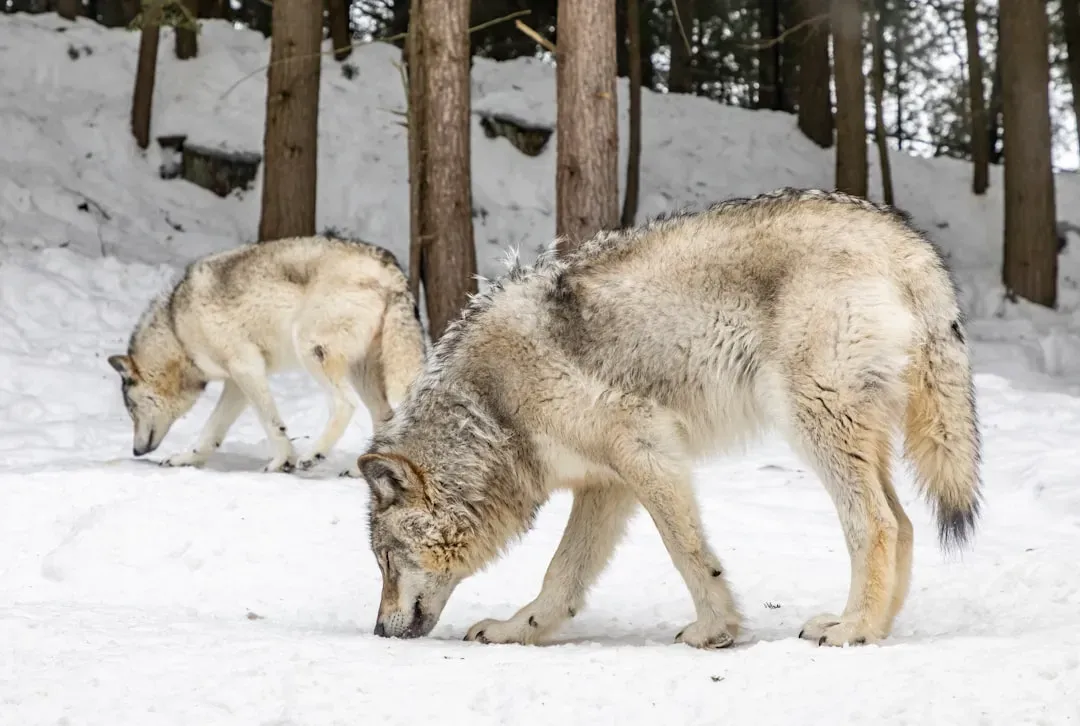
Feeding is one of the most dangerous things humans can do with any large carnivore, and wolves are no exception. A wolf that learns people equal food becomes what biologists call “habituated” and “food-conditioned.” That sounds technical, but it boils down to this: the wolf loses its natural fear of humans and starts actively hanging around homes, cabins, roads, and campsites.
In Minnesota, when wolves become bold around people because of food, authorities sometimes have no choice but to remove or kill them. A handful of snacks or a tossed leftover can literally be the first step toward that outcome. Never offer food, never toss scraps from your car, and be obsessive about storing garbage, pet food, and fish remains so wolves never get a reward for coming close.
Never Let Pets Roam Loose Near Wolf Habitat
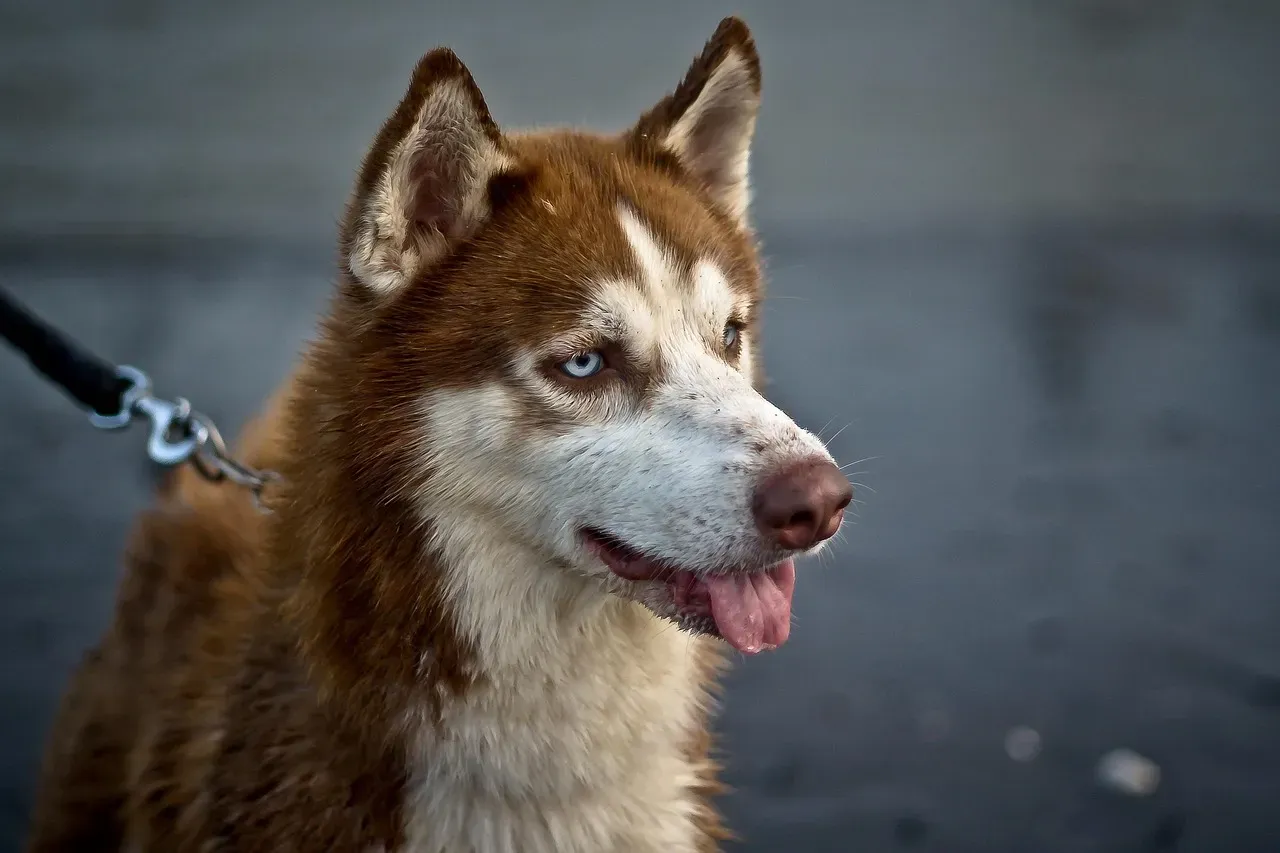
If there’s one mistake that breaks my heart the most, it’s people letting dogs run off-leash in known wolf country because “they always come back.” To a wolf, a free-roaming dog can look like competition, an intruder, or even prey. I’ve talked with people who thought they were giving their dog a fun adventure and ended up with a tragedy instead.
In northern Minnesota, if you’re hiking, skiing, or staying at a cabin inside wolf territory, treat leashes and secure yards as non-negotiable. Keep cats indoors, keep dogs close, and never let them harass or chase wildlife. This is not about being overprotective – it’s about understanding that wolves are territorial, and they will defend their space if pushed.
Never Yell, Throw Things, or Try to “Show It Who’s Boss”
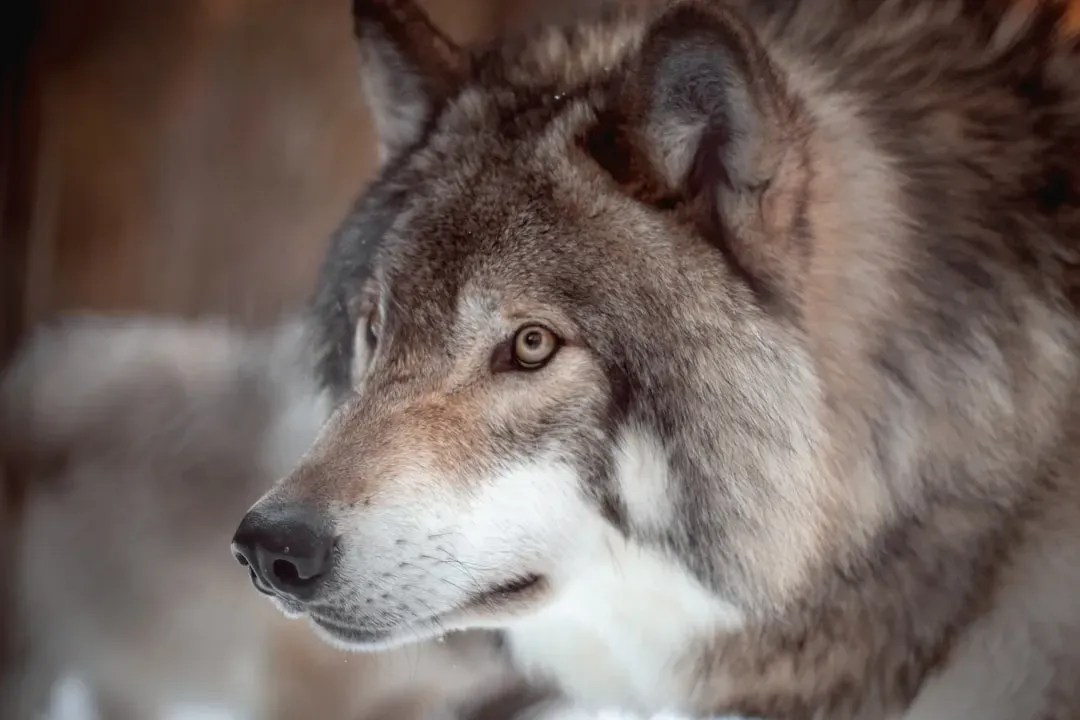
Some folks still carry the old frontier mindset that you should dominate any wild predator you see. With wolves, that kind of chest-thumping behavior is not just outdated; it’s reckless. Aggressive yelling, charging, or throwing objects can escalate a neutral encounter into a defensive one. A cornered or harassed animal is far less predictable than a relaxed one.
If a wolf sees you and stays calm or starts to move away, that’s exactly what you want. You don’t need to “teach it a lesson” or drive it farther than it’s already going. A firm voice is fine if you feel uneasy, but keep your energy low and your movements deliberate. Save the dominance games for the movies – real field biologists rely on distance and respect, not bravado.
Never Ignore Signs That a Wolf Is Acting Unusually Bold
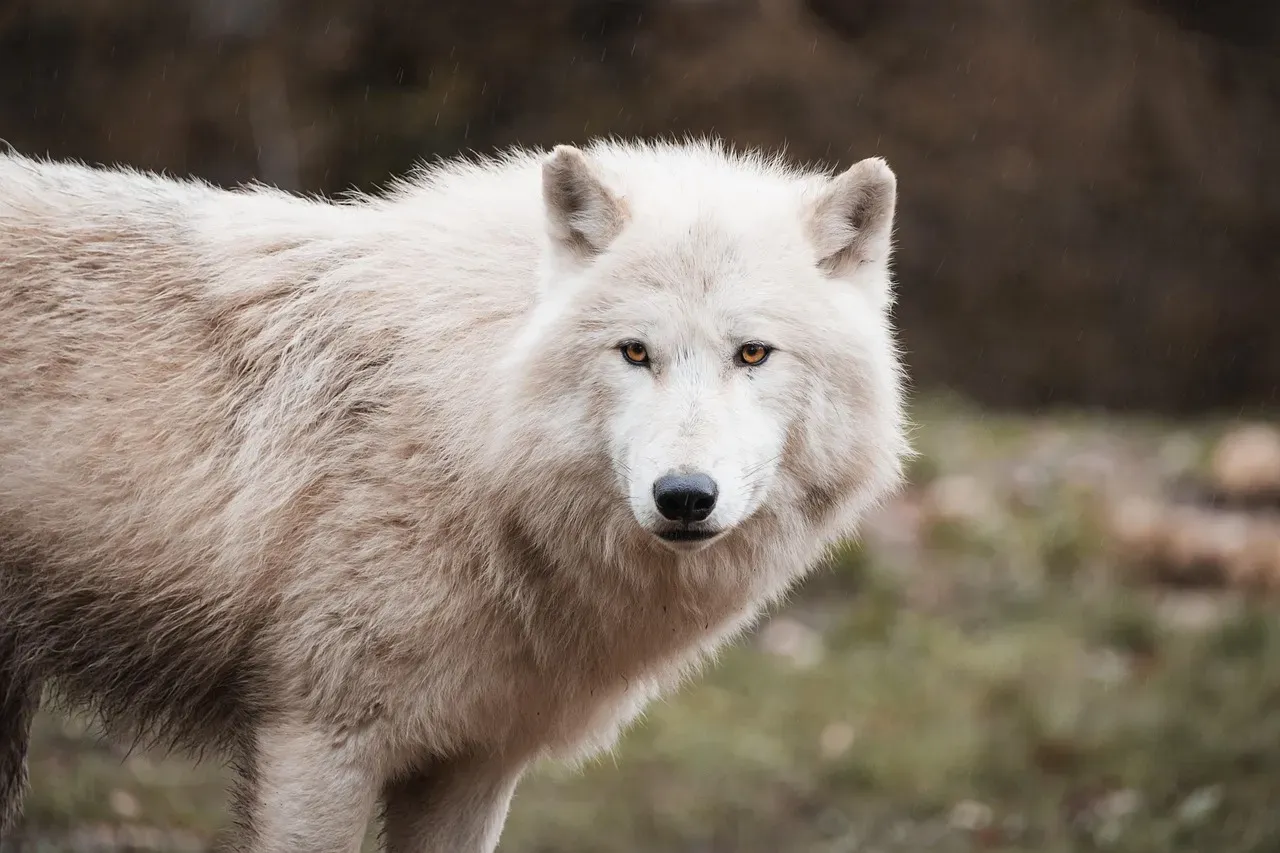
Most wild wolves in Minnesota are shy. They avoid people, slip through the trees, and vanish as soon as they catch human scent. That’s why actually seeing one clearly is already a bit unusual. What you should never ignore are behaviors that go beyond wary curiosity – like a wolf approaching houses, hanging around trailheads, or circling repeatedly at a close distance without moving on.
If you see a wolf acting strangely bold or sticking around human activity instead of retreating, treat that as important information. Do not try to “fix” it yourself. Leave the area calmly and report what you saw to local wildlife authorities, tribal natural resources departments, or conservation officers. They can determine whether it’s a one-off odd moment or part of a pattern that needs action.
Never Assume Wolves Are Either Harmless Angels or Irredeemable Villains
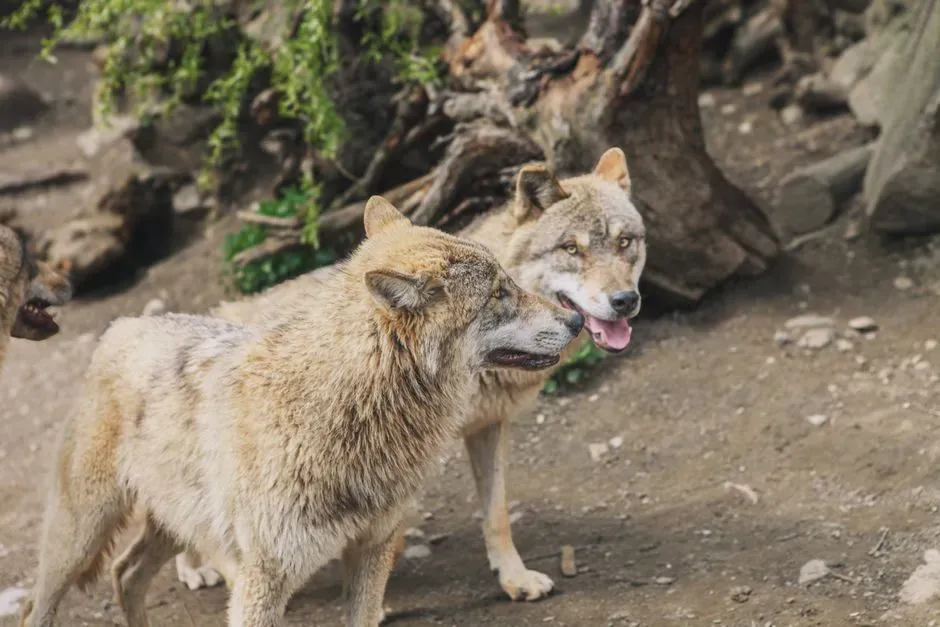
One of the subtler mistakes people make around wolves in Minnesota is carrying an extreme story in their head. Some see wolves as almost magical, gentle forest guardians who could never pose a risk. Others see them as ruthless livestock killers or lurking threats to anyone outdoors. Both caricatures get in the way of real safety and real conservation.
The truth is much more grounded: wolves are highly intelligent, social predators with a crucial role in northern ecosystems, and they are powerful animals that deserve caution and respect. If you treat them like untouchable saints, you might take risks you shouldn’t. If you treat them like monsters, you feed fear-driven policies that often end badly for the animals and sometimes for people too. The safest mindset is sober realism: admire them, respect their space, and act like a responsible neighbor on the landscape you share.
Never Forget That Your Behavior Shapes the Future of Wolves in Minnesota
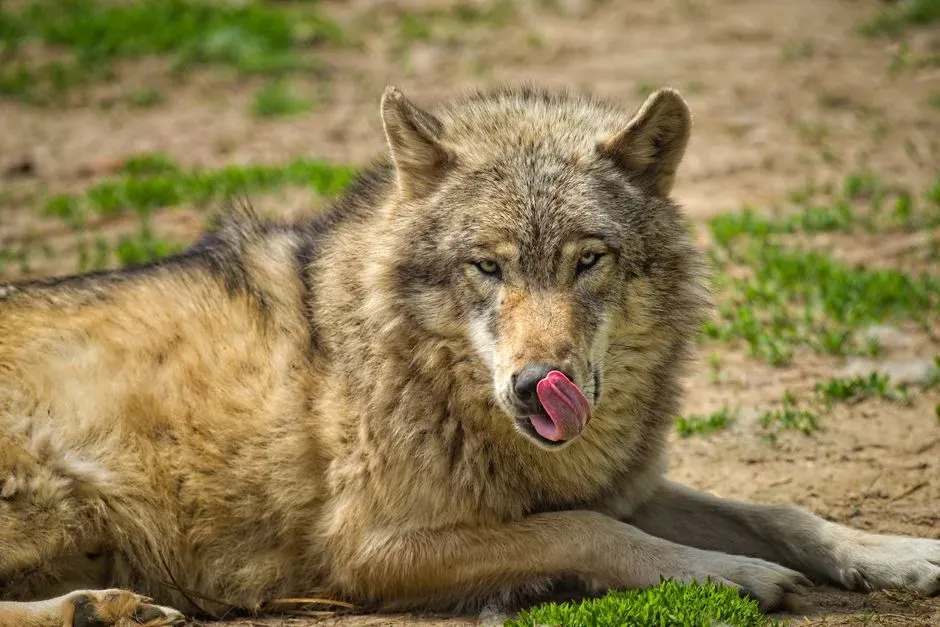
Every encounter with a wolf is more than a story to tell later – it’s a tiny vote for what kind of relationship people and wolves will have here. When you keep your distance, secure your trash, and manage your pets wisely, you help keep wolves wild and wary, which is exactly how they’re safest for everyone. When people cut corners, treat them like roadside attractions, or make them associate humans with food, the fallout can echo for years.
Personally, I think seeing a wolf in Minnesota is one of the most electrifying outdoor experiences you can have. But I also think we underestimate how much power we hold in those brief moments. Choosing calm over panic, distance over drama, and respect over dominance might feel small in the moment. Over time, though, those choices add up to whether future generations will see wolves as rare, wild neighbors… or just read about them in old headlines. If you ever lock eyes with one out there, what kind of story do you want to be part of?


