
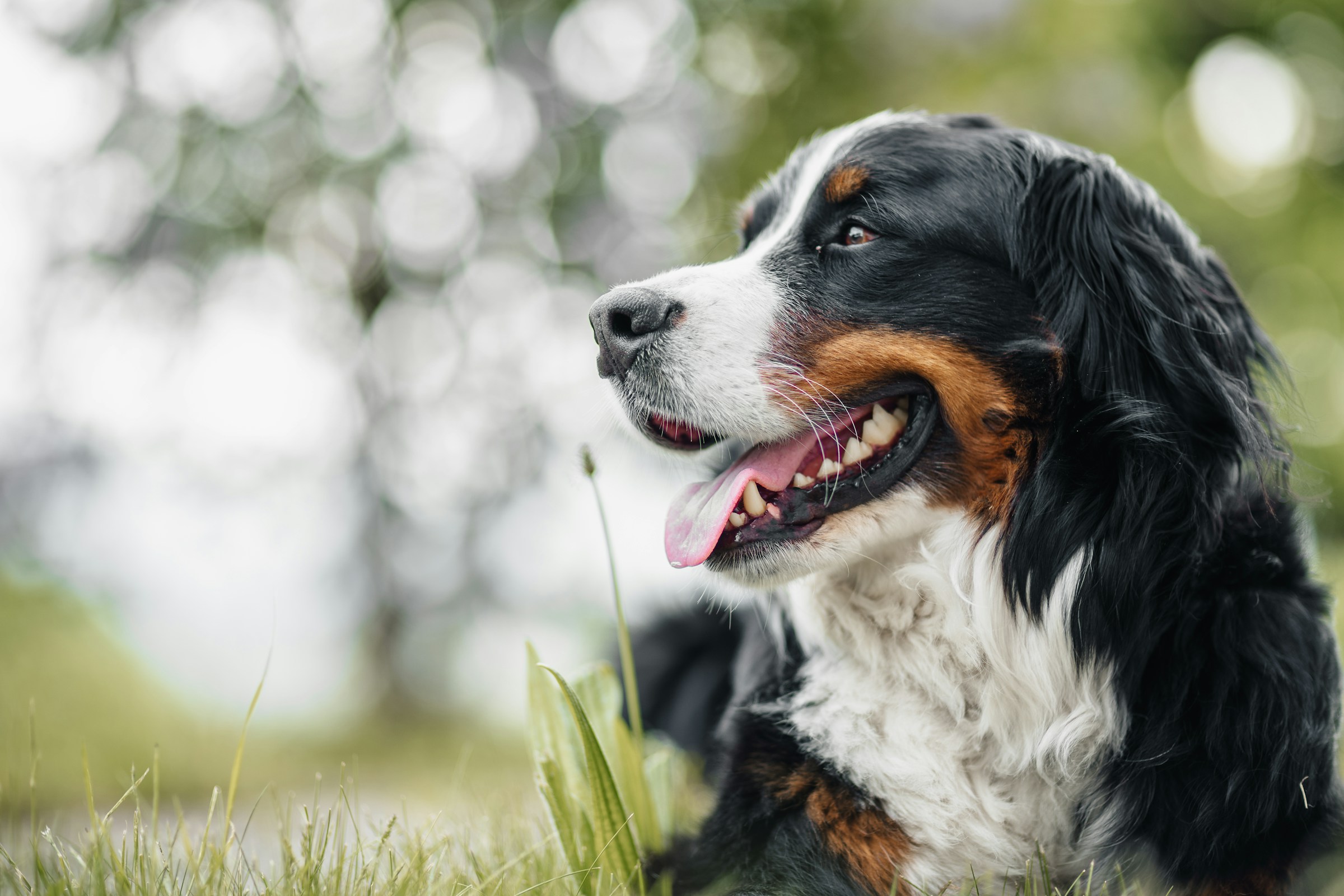
People love to say that love is priceless, especially when it comes to dogs. But anyone who has ever sat in a vet’s office, staring at an estimate that costs more than their last vacation, knows there is a very real price tag attached to certain breeds as they age. Some dogs that look cute, sturdy, and low‑maintenance as puppies can quietly turn into walking medical projects once they hit middle age.
This article is not about shaming any breed. It is about being brutally honest in a way that actually protects both you and your dog. If you already share your life with one of these breeds, you are not doomed; you are simply better off informed. And if you are thinking about getting one, you might be surprised which “popular” dogs show up on this list – and why the real cost of owning them often shows up years after you bring them home.
1. French Bulldog

The French Bulldog is Instagram’s darling, but behind those big eyes and bat ears lies one of the most medically fragile dogs on the planet. As they grow older, their flat faces can lead to serious breathing issues, especially a condition called brachycephalic obstructive airway syndrome. Surgeries to widen nostrils, shorten soft palates, or address collapsed airways can run into thousands, and that is before you factor in emergency visits for overheating or respiratory distress.
On top of breathing problems, many Frenchies develop spinal issues, chronic skin allergies, and eye conditions that become more common and more complex with age. I still remember a friend who thought her Frenchie would be a “small dog, small cost” situation and ended up needing pet insurance plus a dedicated savings account just to keep up. If you adore this breed, budgeting for later‑life care is not optional; it is part of loving them responsibly.
2. English Bulldog

English Bulldogs might be the poster dogs for “cuddly chaos.” As puppies, they are goofy and irresistible. As seniors, they can be orthopedic and respiratory disasters if you are unlucky – and many owners are. Their compact, heavy bodies put a lot of strain on joints, hips, and knees, and age only makes that worse. Chronic arthritis, torn ligaments, and mobility problems often mean long‑term medication, joint supplements, specialized diets, and sometimes major surgeries.
Like Frenchies, English Bulldogs also struggle with brachycephalic airway issues and are prone to skin fold infections and eye diseases that intensify with age. All of this adds up not in one dramatic bill, but as a steady drip of expenses that quietly stacks into a very big number over a few years. If you think of the Bulldog as a “lifetime subscription” rather than a one‑time purchase, you are probably closer to the truth.
3. German Shepherd

German Shepherds are legendary for their intelligence, loyalty, and work ethic – police forces and military units do not choose them by accident. But by middle age, many pet German Shepherds start to show the less glamorous side of the breed: orthopedic and neurological trouble. Hip dysplasia and elbow dysplasia are common, and as they age, chronic joint pain and reduced mobility can mean expensive imaging, anti‑inflammatory drugs, physical therapy, and sometimes joint replacement or other orthopedic surgery.
There is also a heartbreaking condition called degenerative myelopathy, a progressive spinal disease that often appears in older German Shepherds. It slowly steals a dog’s ability to use their back legs, and while the treatment is more about supportive care than cures, the cost of carts, harnesses, home modifications, and ongoing vet visits adds up. When people say this is a “high‑maintenance working breed,” they often underestimate that the high maintenance does not stop when the dog retires to the couch.
4. Labrador Retriever

Labs are the family favorites – playful, friendly, famously food‑motivated. But that love of food, combined with their genetics, can set them up for very expensive senior years. Many Labradors put on extra weight as they age, and carrying those extra pounds stresses the hips, elbows, and spine. This can accelerate arthritis and joint problems that some Labs are already predisposed to, creating a cycle of pain, less exercise, more weight, and more medical bills.
Older Labs are also prone to cruciate ligament tears in the knees, which often require surgery and rehabilitation. Add in the possibility of chronic ear infections, skin issues, and certain cancers that are seen more frequently in the breed as they age, and that “easygoing family dog” can quietly turn into a repeat vet‑clinic visitor. A lot of people assume a Lab is a safe, sturdy choice – and emotionally, they are – but financially, senior Labs can be surprisingly costly if you are not proactive.
5. Golden Retriever

Golden Retrievers are the sunshine dogs of the canine world: gentle, social, and eager to please. But there is a sobering reality that long‑time Golden owners know all too well: as a breed, they have a high rate of cancer, especially in their later years. Treating cancer in dogs can involve surgery, chemotherapy, radiation therapy, advanced imaging, and repeated specialist consultations. Even if you choose a more conservative approach, the diagnostic process alone can be expensive.
In addition to cancer, older Goldens commonly battle arthritis, cruciate ligament tears, ear issues, and chronic skin problems. Each condition on its own might be manageable, but by the time a Golden hits nine or ten years old, it is often several issues layered together. I once heard a vet liken an aging Golden Retriever to “a lovable old station wagon that suddenly needs all the parts replaced at the same time.” The love is unquestionable – but so is the potential cost.
6. Rottweiler

Rottweilers are powerful, confident dogs with a devoted following, but their bodies can age hard. Their large size and heavy build put a lot of force through the joints, especially the hips and knees. As they get older, joint degeneration and arthritis are common, which can mean long‑term pain management, joint injections, or major orthopedic surgeries. In many households, the “Rottie budget” gradually shifts from training classes in the early years to pain meds and vet visits later on.
Rottweilers are also at higher risk for certain cancers, including bone cancer, which often shows up in middle or older age. These are not simple “one‑and‑done” problems; they may involve amputation, chemotherapy, or palliative care that still generates frequent costs. Add cardiac issues that can appear with age, and you have a breed whose senior‑year budget can look more like a human’s medical file than a simple pet line item.
7. Great Dane
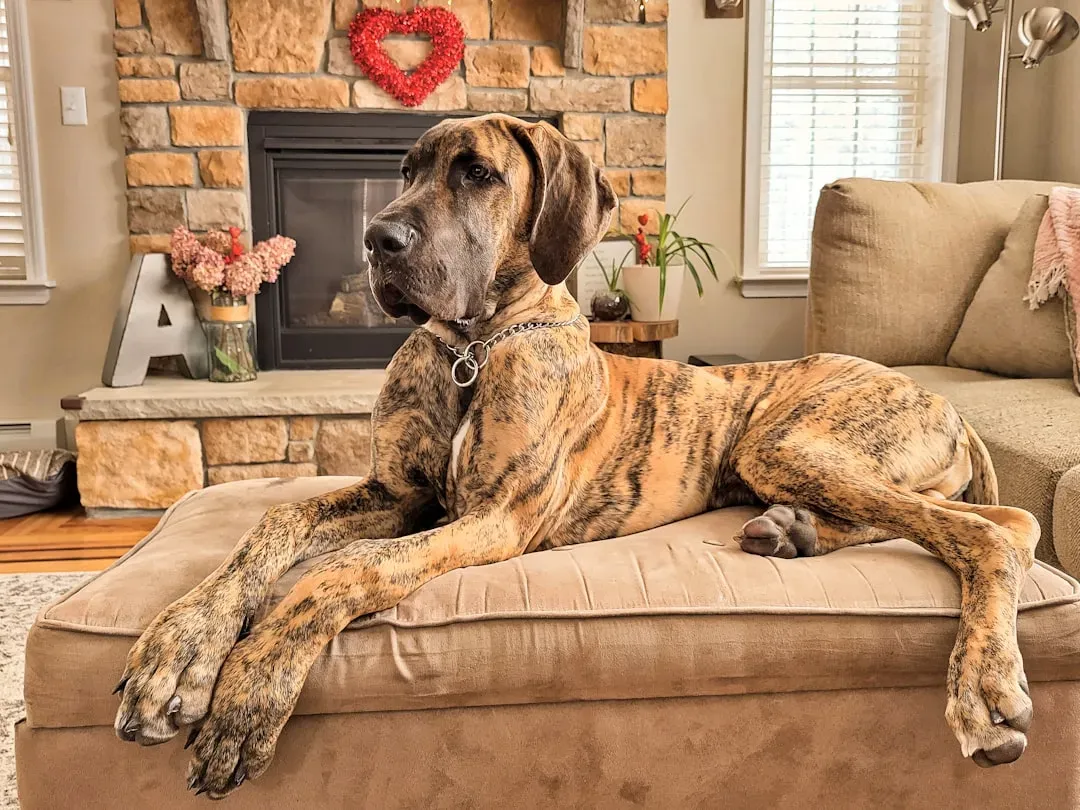
Great Danes are often described as gentle giants, and that description is spot‑on. Unfortunately, “giant” also means “giant expenses,” especially as they get older. Their sheer size makes everything more expensive: higher doses of medications, bigger orthopedic beds, stronger harnesses, and pricier anesthesia if they need surgery. It is like driving a truck instead of a compact car – everything costs more from the moment the dog walks into the clinic.
Senior Great Danes are also prone to a terrifying condition called bloat or gastric dilatation‑volvulus, where the stomach twists and fills with gas. This often affects middle‑aged and older large or giant breeds and is a life‑threatening emergency that requires immediate and very costly surgery. Add in heart disease, joint degeneration, and a relatively short lifespan, and you end up with a breed that can compress a lot of expensive medicine into not that many years. If you have ever loved a Dane, you know it is worth it emotionally – but your wallet needs to be ready too.
8. Cavalier King Charles Spaniel

Cavaliers look like storybook dogs – soft ears, soulful eyes, compact bodies that fit perfectly on a lap. What many people do not realize is that this breed has a very high rate of serious heart disease, especially a condition involving the mitral valve. Symptoms often show up in middle age and can progress over the years, turning into chronic congestive heart failure that requires lifelong medication, frequent echocardiograms, and regular checkups with a cardiology specialist.
On top of cardiac problems, Cavaliers can suffer from a neurological condition called syringomyelia, where fluid‑filled cavities form within the spinal cord, often causing pain and neurological signs. Managing this is rarely quick or cheap; it might involve advanced imaging like MRI scans, long‑term pain control, and sometimes surgery. I have seen people emotionally wrecked not just by the diagnosis, but by the financial decisions they suddenly have to make for a dog that sleeps on their pillow every night.
9. Dachshund

Dachshunds are tiny bodies with huge personalities, and that combination tricks a lot of people into assuming they are low‑cost pets. The big hidden risk with Dachshunds as they age is their backs. Their long spines and short legs make them prone to intervertebral disc disease, especially as they move into middle age and beyond. A slipped or ruptured disc can mean sudden paralysis, emergency surgery, and intensive rehabilitation – all at a price that genuinely shocks many first‑time owners.
Even less dramatic cases of back pain or mild disc disease can become chronic, requiring long‑term pain medication, lifestyle adjustments, ramps, and sometimes repeated imaging to monitor changes. Extra weight on a Dachshund only makes everything worse, so older ones often need strict diet control and carefully managed activity. People often joke that Dachshunds are “big dogs in small bodies,” but in medical terms, they are small dogs with big‑ticket spinal risks once they age.
10. Pug

Pugs are clownish, loving companions, and once you fall for one, it is hard not to become obsessed. But they carry the same flat‑faced baggage as Frenchies and Bulldogs, and age tends to make those issues louder. Older Pugs often struggle even more with breathing, especially in hot or humid weather, and may require airway surgery, ongoing medications, and frequent monitoring. Many live perfectly happy lives, but it takes work and money to keep them comfortable.
In addition to respiratory problems, aging Pugs often develop eye issues, including ulcers and dry eye, plus skin fold infections and spinal abnormalities. When you add in the possibility of obesity, joint problems, and dental disease, the “small, silly lapdog” image starts to look more like “small dog, complex maintenance plan.” It is not about scaring people away from Pugs; it is about being honest that their cuteness can come bundled with a surprisingly hefty long‑term care budget.
11. Bernese Mountain Dog

Bernese Mountain Dogs are breathtaking: big, fluffy, gentle, and endlessly photogenic in the snow. Sadly, they are also known for relatively short lifespans and a higher tendency toward certain cancers and orthopedic problems. As they move from young adulthood into middle age, many Berners face mobility issues related to hip and elbow dysplasia, arthritis, or cruciate ligament tears, and those conditions can become more severe and expensive as years pass.
Cancer is another major concern in this breed, and treatment can involve everything from surgery to chemotherapy and advanced diagnostics. Owners often end up in the emotionally brutal position of weighing cost, quality of life, and how much intervention to pursue for a dog they might only have for a limited time. Financially, it can feel like compressing a decade’s worth of veterinary bills into just a handful of years. If you are drawn to Berners – and it is easy to be – it is wise to plan for a high‑intensity, high‑cost senior phase.
12. Boxer

Boxers are energetic, goofy, and endlessly expressive, which makes it especially tough when their bodies start to fail them with age. This breed has a notable tendency toward heart disease and several types of cancer, including tumors that show up more often as they get older. Treating these conditions can involve cardiology workups, lifelong heart medications, biopsies, surgeries, chemotherapy, and repeated follow‑up visits that turn the vet clinic into a second home.
Senior Boxers can also face neurological issues, digestive troubles, and degenerative joint problems that match their naturally athletic builds. Their playful, almost puppy‑like personalities often outlast their physical resilience, which means you may be spending significant money just to let their spirit keep shining through a body that needs more and more support. For many Boxer owners, those later years are emotionally rich and financially heavy at the same time.
Conclusion: The Real Cost Of Love – And Why It Is Worth Planning For

Looking at this list, it is easy to feel a little overwhelmed, especially if your dog’s breed just showed up with a spotlight on expensive senior‑year problems. But this is the quiet truth most cute puppy ads never mention: the real financial test of dog ownership does not happen in the first year. It starts when the gray hairs appear, the stairs get harder, and your vet gently brings up words like “chronic,” “degenerative,” or “palliative.” In my opinion, pretending that all breeds age the same way does a disservice to both dogs and humans.
The point is not to scare you away from any of these breeds; it is to push you toward realistic, grown‑up planning. Pet insurance, a dedicated savings fund, careful breeder selection, and honest talks with your vet about risks can turn “surprisingly expensive” into “expected and manageable.” At the end of the day, most of us do not regret the money – we regret the moments we were not prepared. So if you could see your dog at twelve years old, looking up at you with cloudy eyes and the same old love, what would you want to have already put in place for them?


