
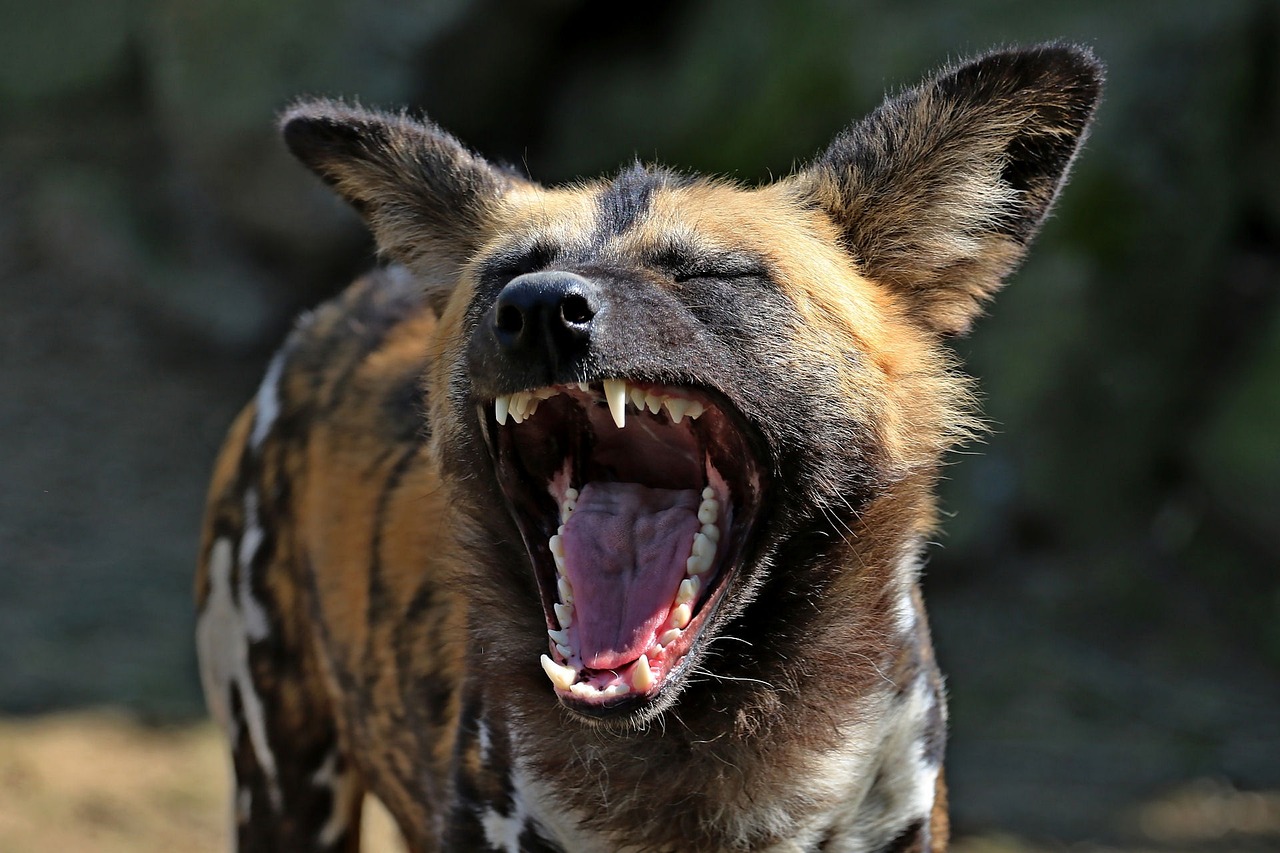
Imagine standing on an open plain at dawn, listening to a pack of African wild dogs gearing up for a hunt. There’s energy, there’s movement, and then there’s something that sounds oddly familiar: sneezing. Not because anyone has a cold, but because the group is, quite literally, voting on what to do next. It sounds like the setup for a nature documentary twist, but this is exactly what scientists think is happening.
This idea that wild dogs might use sneezes as a kind of democratic ballot has completely changed how researchers think about animal decision-making. It suggests these animals are not just acting on instinct but are actually negotiating, weighing in, and nudging the group in one direction or another. Once you hear about it, you can’t un-hear it: every sneeze becomes a tiny voice saying yes or no to the next big move.
How Scientists Discovered the Wild Dog “Sneeze Vote”
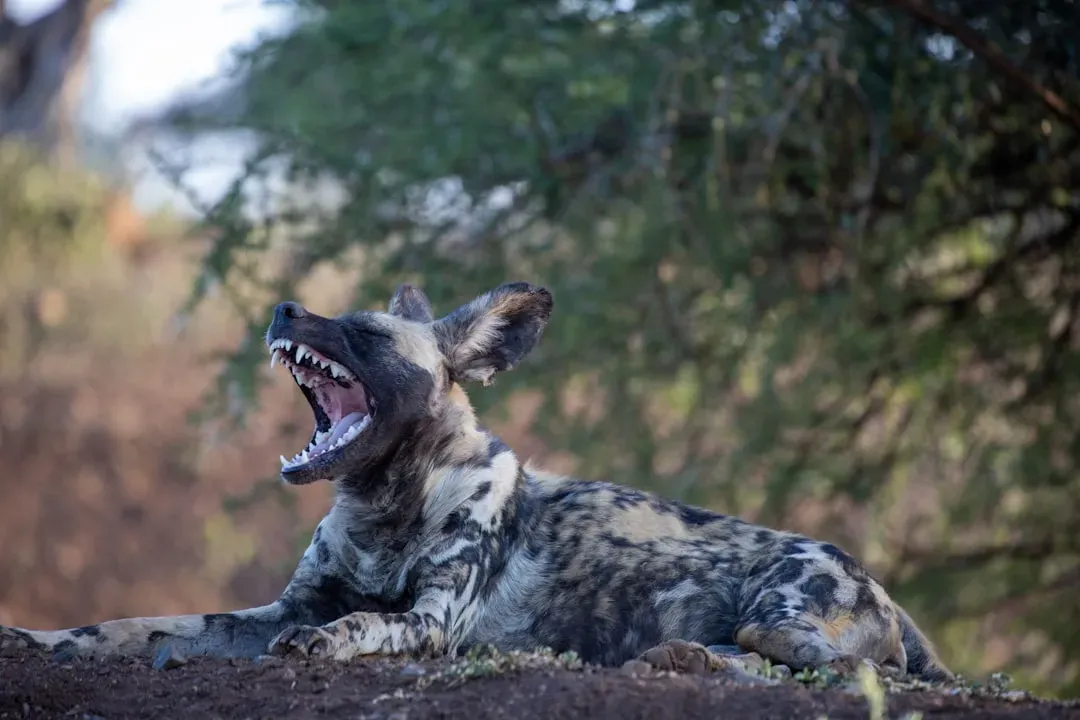
The story starts with biologists spending long, dusty hours following African wild dog packs in places like Botswana, watching what they call “rally” behavior. Before a hunt, the dogs gather, greet each other with wagging tails and excited body language, and then some of them start to sneeze. At first, it looked like random excitement or dust irritation, nothing more than background noise in a chaotic scene.
But when researchers began carefully counting sneezes during these rallies and comparing them to whether the pack actually set off to hunt, a pattern started to emerge. The more sneezes, the more likely the group was to move out. Crucially, context mattered: if a high-status dog initiated the rally, fewer sneezes were needed; if a lower-status dog did, more sneezes had to “agree” before the group left. This was not simple reflex. It looked eerily like a quorum.
What Exactly Are African Wild Dogs Doing When They Sneeze?
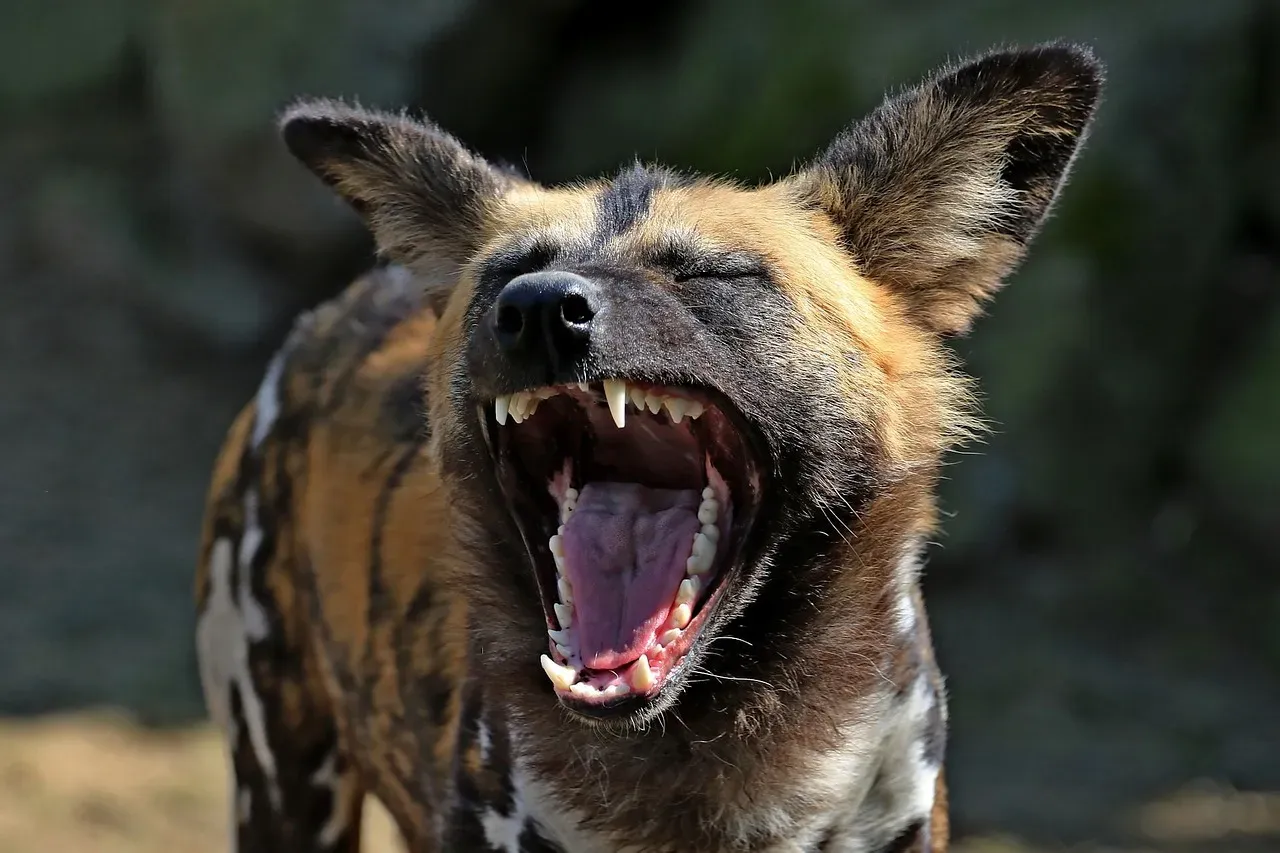
To be clear, these sneezes are not polite little human-style signals; they are sharp, obvious expulsions of breath that other dogs can hear and respond to. The sneezes typically happen during a specific kind of social gathering, not at random times during the day. Think of it like a chaotic meeting where everyone talks at once, but certain signals still carry meaning.
Researchers view the sneezes as a form of non-verbal vote: each sneeze adds to a running tally of commitment to depart. These are not symbolic the way human votes are, but they seem to function similarly at the group level. Once the count crosses a certain threshold, the group’s behavior shifts and the dogs collectively move from social play to coordinated travel. The sneeze is less about expression and more about tipping a decision point.
Democracy on the Savannah: How Sneezing Becomes a Group Decision
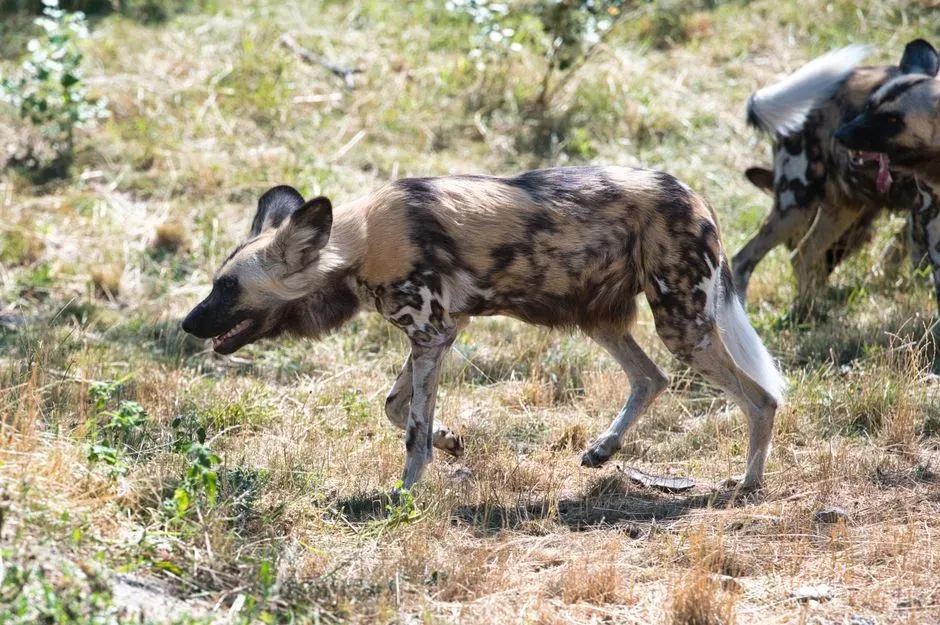
The most striking part of this behavior is that it looks a lot like a form of animal democracy. No single dog, not even the dominant one, always dictates what happens next. Instead, decisions seem to arise from the accumulation of many small signals, with the sneezes acting like votes that push the group toward or away from action. This shared decision-making style can be surprisingly efficient.
In simple terms, if enough dogs “care” about leaving, they sneeze, and the group responds. If enthusiasm is low, sneezes stay below the invisible threshold, and the pack often remains resting. There is still a power imbalance – higher-ranking dogs effectively have more influence – but the system overall reflects a mix of top-down and bottom-up forces. It’s less like a dictatorship and more like a messy, fast-moving town hall.
Why Voting Matters: Energy, Risk, and Survival
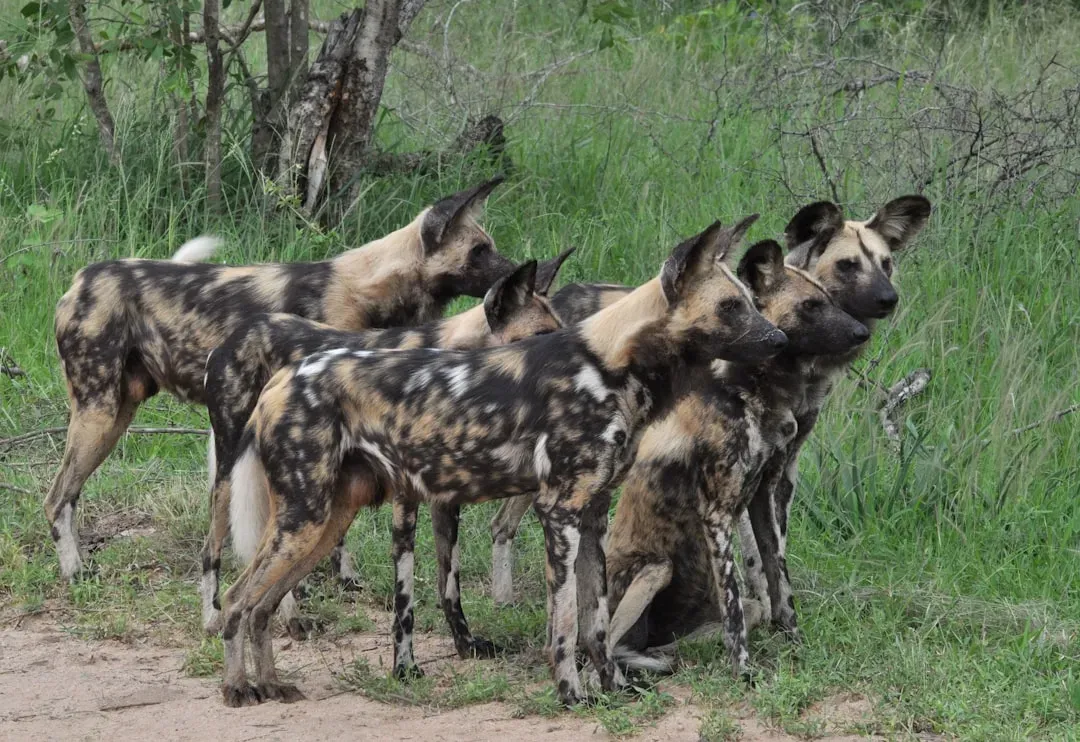
African wild dogs live on a razor-thin energy budget. Every hunt burns a lot of calories and carries serious risk of injury from kicking hooves or sharp horns. Leaving too early, when not enough pack members are ready, could mean a failed chase or unnecessary danger. Leaving too late might mean missing the best window when prey is vulnerable and temperatures are cooler.
By effectively “voting” through sneezes, the pack can tune its decisions to how ready the group really is. Individuals who are hungrier, more energetic, or more motivated can push harder for a hunt, while those who are exhausted or injured might hold back. The group-level outcome then reflects a kind of compromise between these internal states. It is a subtle but powerful way to balance urgency and caution in a harsh environment.
How Status and Social Power Shape the Sneeze Count
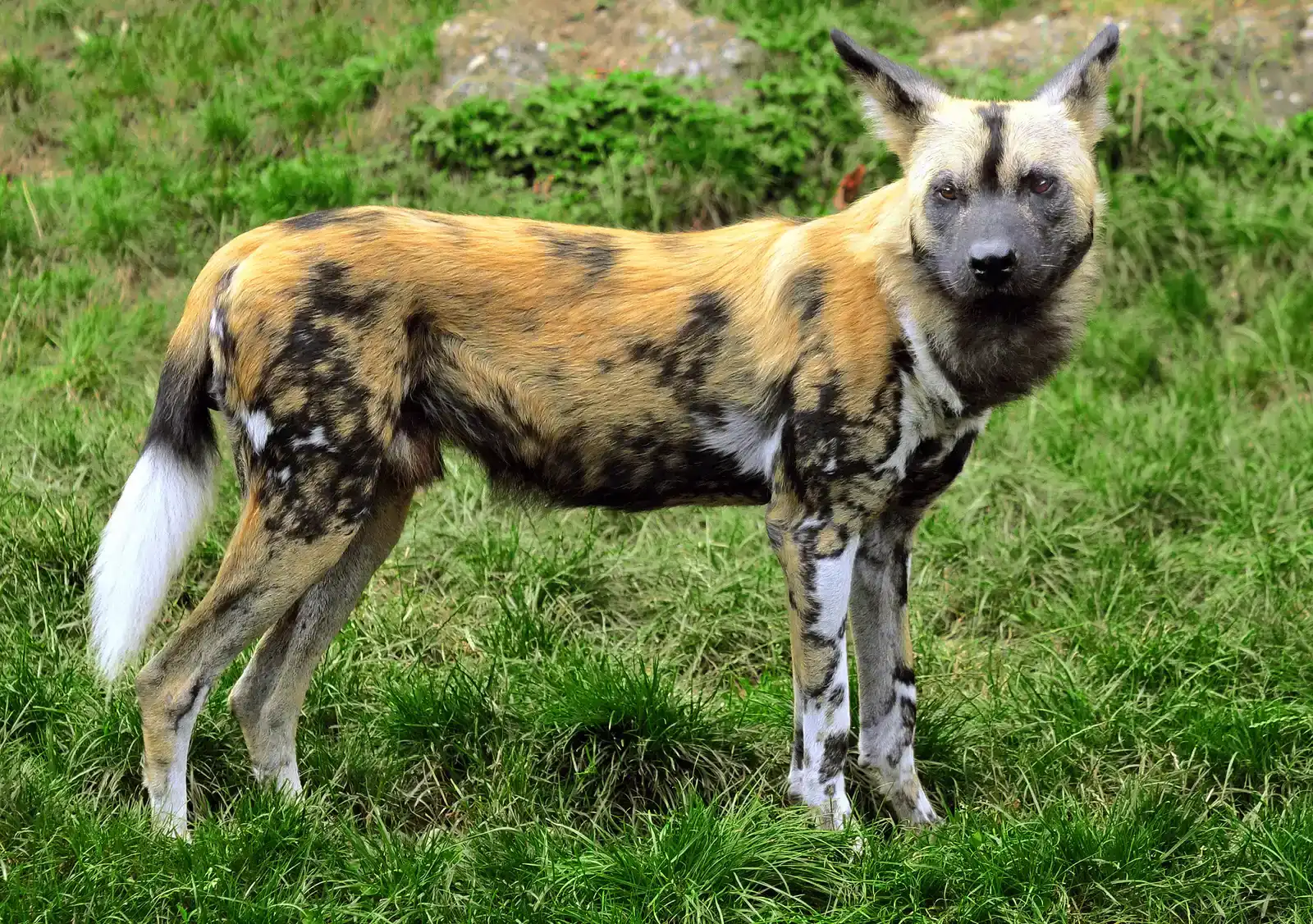
One of the fascinating twists is that not all sneezes are equal. Observations suggest that when dominant individuals initiate a rally, the group needs fewer total sneezes before departing. When lower-ranking dogs try to get things going, the bar is higher; more sneezes are needed to tip the decision. In other words, some voices are louder in this system, even if everyone gets to “speak.”
This blends hierarchy with participation. The alpha pair, usually the primary breeders, still have outsized influence because their preferences help set the quorum threshold. However, they cannot simply force the pack to act if there is not enough broader support. That mix feels surprisingly familiar: leadership matters, but so does buy-in from the rest of the group, and ignoring that social reality can be costly.
Other Animals That “Vote” and What Makes Wild Dogs Special
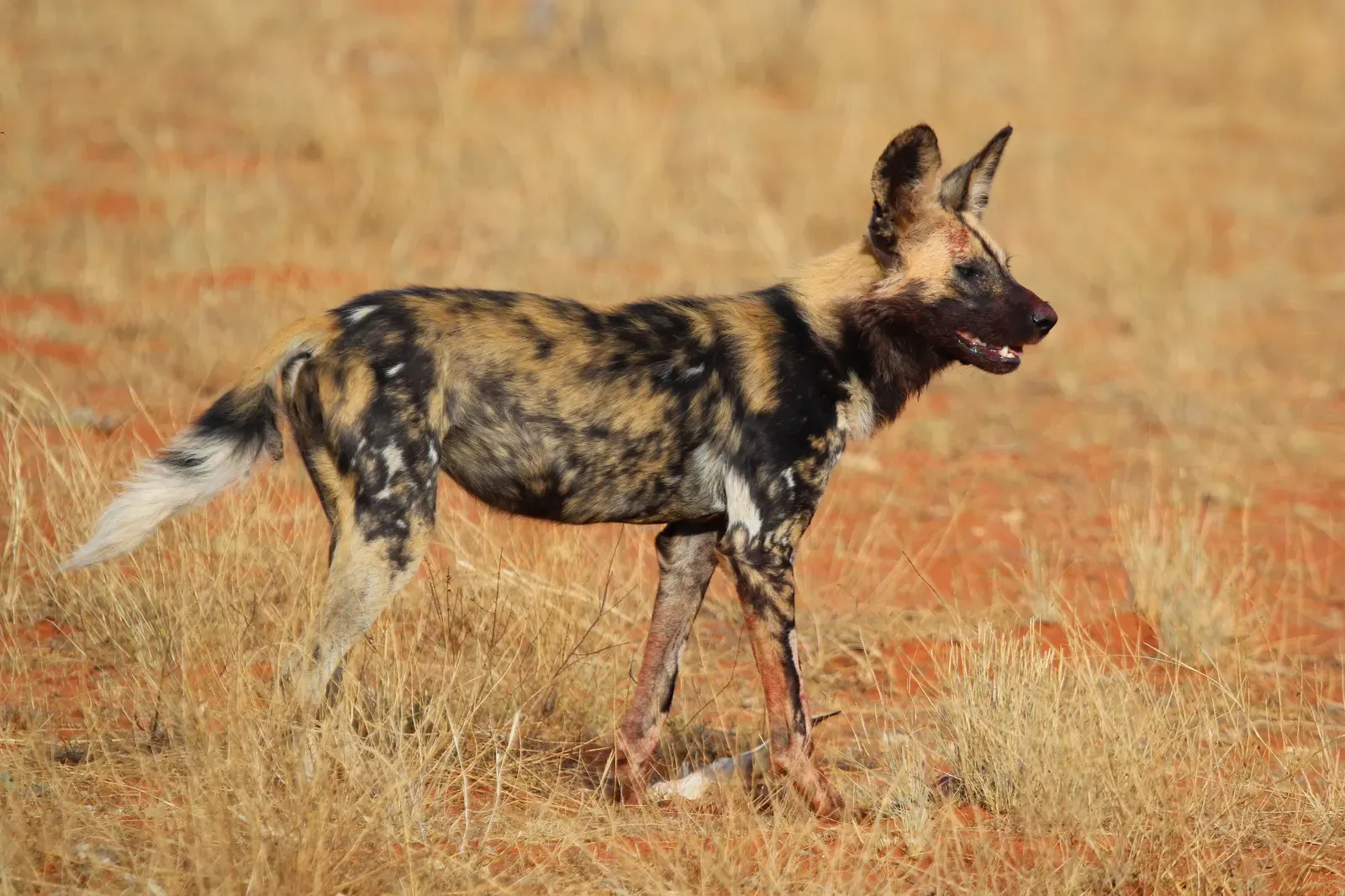
African wild dogs are not the only species where scientists have spotted vote-like behavior. Some primates, for example, appear to choose travel directions based on how many individuals start walking a certain way. Certain social insects rely on quorum thresholds to pick new nest sites. Even some marine mammals show signs of group decisions emerging from repeated signals by individuals pushing for or against movement.
What sets wild dogs apart is how visible and discrete their “ballots” are. A sneeze is a clear, countable event, easy enough to track that humans can follow the logic. That clarity makes wild dogs a kind of model species for understanding shared decision-making in social mammals. It turns an abstract idea – group choices emerging from little signals – into something you can almost hear and tally yourself, one sharp exhale at a time.
What This Tells Us About Animal Minds (and Maybe Our Own)
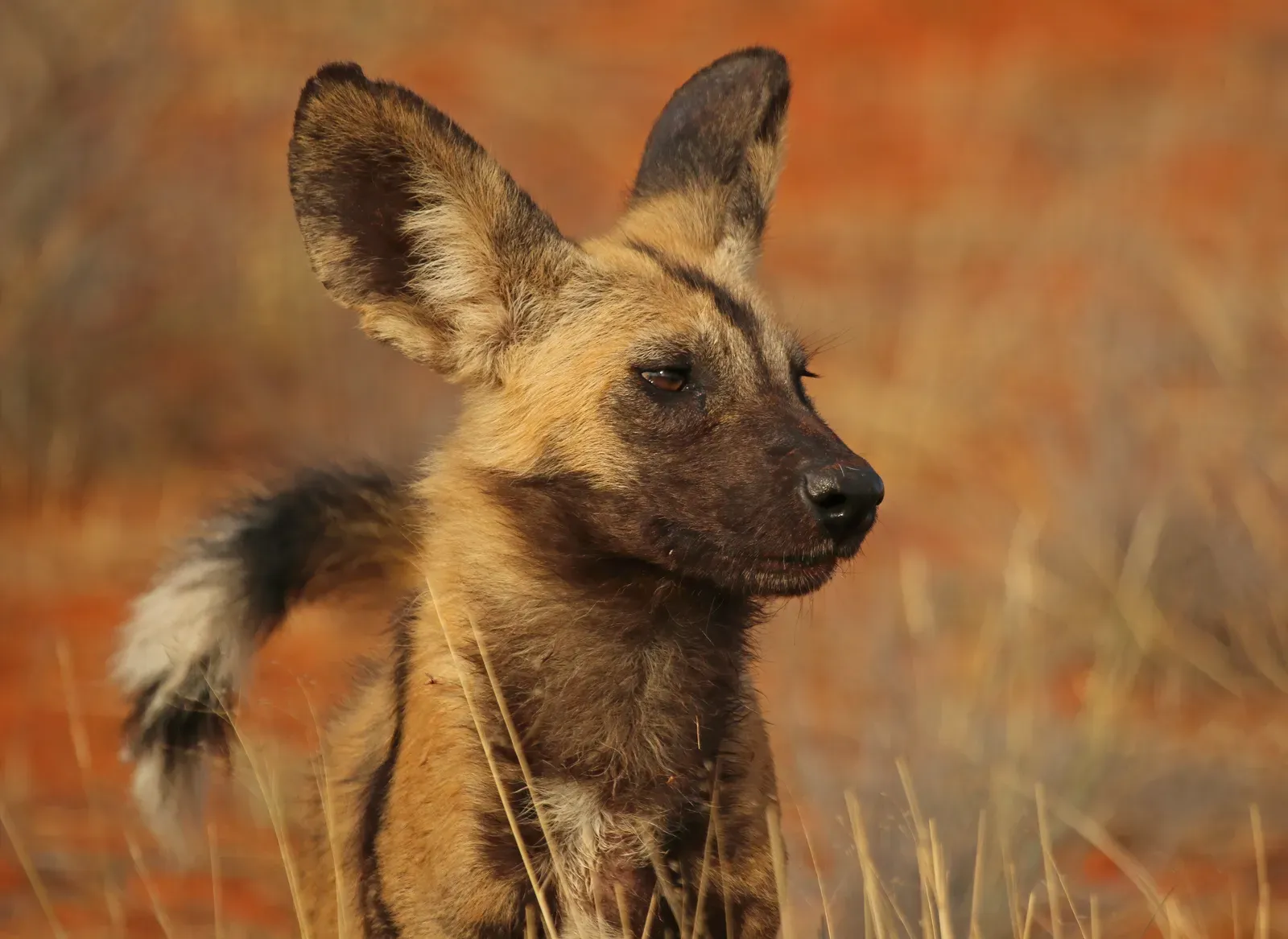
The sneeze-voting idea pushes back against the old picture of animals as simple, rigid creatures driven only by instinct and dominance. It suggests that at least some species live in social worlds where individuals negotiate and influence each other in more flexible, almost political ways. These wild dogs are not just reacting; they are participating in decisions that shape their own lives.
For us, it is a humbling reminder that the line between human politics and animal behavior is not as neat as we like to imagine. When you see a group of wild dogs standing in the dust, sneezing their way toward a decision, it feels less like watching a distant species and more like glimpsing a rough, stripped-down version of the same messy group dynamics we live with every day. The medium is different, but the logic – voices, thresholds, and compromise – feels oddly familiar.
Conclusion: Are We Really So Different From Sneezing Wild Dogs?
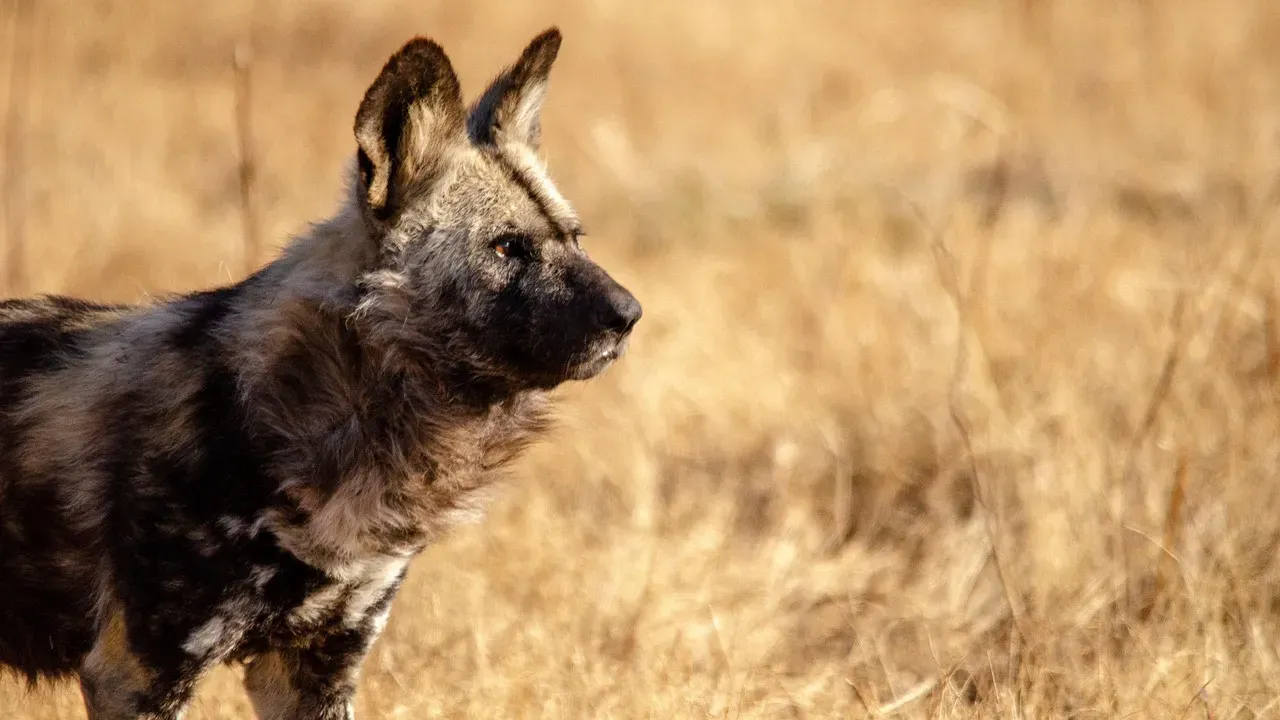
To me, the idea that African wild dogs might be sneezing their way through group decisions is both hilarious and profound. On the surface, it sounds like a quirky nature fact to pull out at dinner: these animals basically raise their paws by sneezing. But underneath that charm is something sharper: proof that complex, shared decision-making is not uniquely human, and that power and participation can coexist even in the wild.
I find it hard not to read a little metaphor into all this. If a pack of wild dogs in the African bush can blend leadership with a form of rough democracy, maybe the gap between our own complicated systems and theirs is smaller than we like to think. The next time a group of people argues about what to do, it might be worth wondering: are we really so different from a pack of wild dogs lining up their sneezes before the hunt, or are we just voting with a fancier set of noises?


