
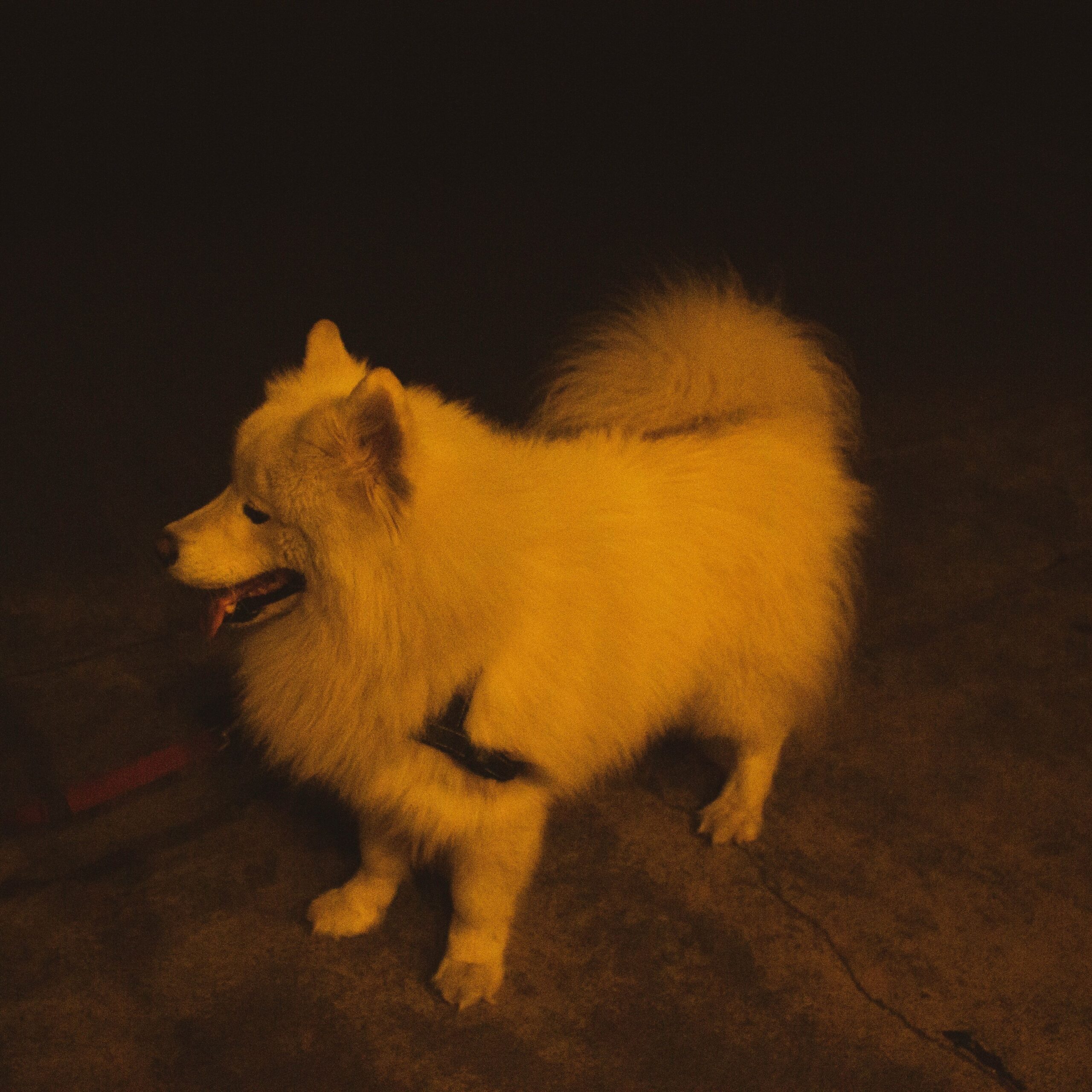
You know that sound your dog’s nails make on the floor at 2 a.m.? When it happens once, you shrug it off. When it becomes a nightly loop of restless pacing, heavy sighs, and wandering from room to room, it stops feeling quirky and starts feeling worrying. Especially when the dog you’re watching is gray-muzzled and has been your steady shadow for years.
Night pacing in older dogs is not just “being weird” or “getting old.” It’s often your dog’s way of saying something is off in their body or brain, even if they can’t show it in obvious ways. Some causes are relatively simple to manage; others need prompt veterinary care. Understanding what might be going on is the first step to deciding whether this is a watch-and-see issue or a “call the vet today” situation.
Cognitive Dysfunction: The Canine Version of Dementia

One of the most common reasons older dogs start pacing at night is canine cognitive dysfunction, often compared to dementia in humans. Dogs with this condition can become disoriented, forget familiar routines, stare at walls, or get stuck in corners, and nighttime pacing fits right into that pattern. Their internal clock can get scrambled, so they’re awake and restless when they used to be sound asleep.
You might notice your dog wandering aimlessly, standing in the dark looking confused, or acting like they’ve forgotten where their bed or water bowl is. Sometimes they seem a little “not themselves” in a way that’s hard to describe but very clear to someone who knows them well. While this condition can’t be fully reversed, veterinarians often use a mix of diet changes, supplements, medication, and environmental tweaks (like consistent routines and night lights) to slow progression and improve quality of life. It is not about curing them; it’s about giving their aging brain a softer landing.
Pain and Arthritis: When Every Step Hurts More at Night
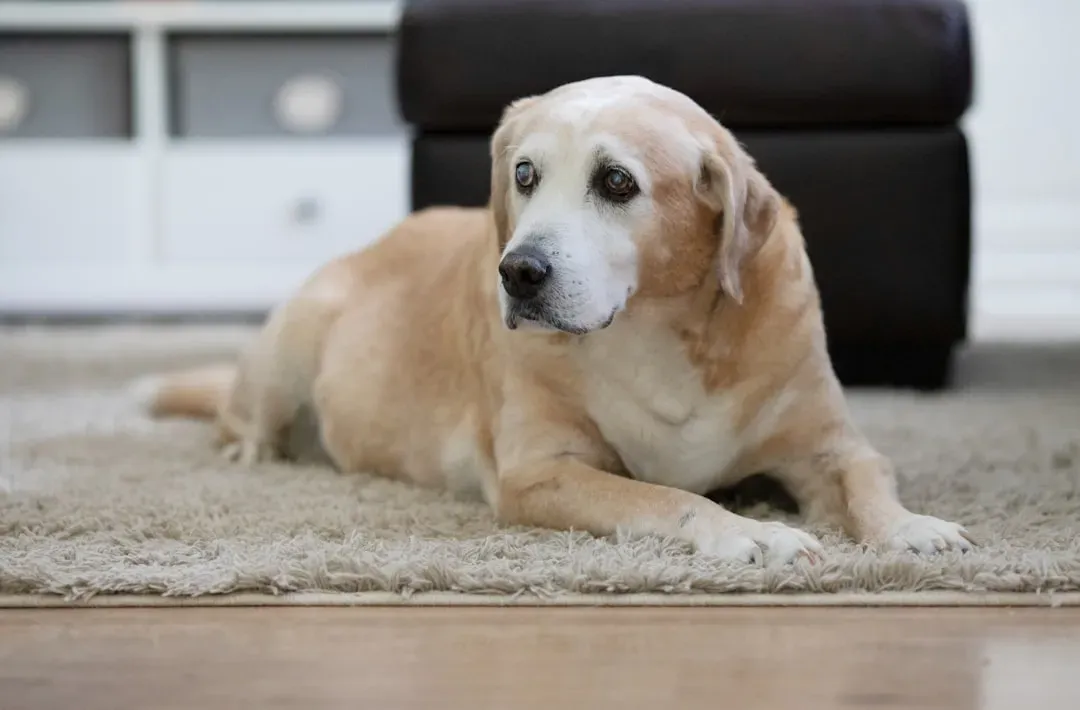
If you’ve ever tried to sleep with a bad back or aching hips, you know how impossible rest can feel. Senior dogs live that reality, especially those with arthritis or other painful joint and spine issues. Nighttime, when the house is quiet and they’re not distracted, can make every stiff joint and sore muscle more noticeable, which leads to restlessness and pacing instead of deep sleep.
Sometimes the only real clue that a dog is in chronic pain is this subtle nighttime behavior change. They may seem “fine” by day, just a bit slower on walks or hesitant with stairs, and then suddenly they’re up and down all night, adjusting positions, pacing, and panting more than usual. A thorough veterinary exam, including hands-on palpation and sometimes imaging, can uncover pain that has been quietly building. Adequate pain control, better bedding, ramps instead of stairs, and keeping weight in a healthy range can transform those anxious night laps around the living room into restful sleep again.
Anxiety and Nighttime Fears: When the Dark Feels Different Now

As dogs age, their ability to process the world changes. Hearing dulls, vision fades, and strange new shadows or muffled sounds can feel unsettling. A dog who used to sleep through thunderstorms or quiet nights may suddenly seem clingy, vocal, or agitated once the lights go out. That pacing at night can be their way of saying, “Something feels wrong, and I don’t know what it is.”
This anxiety can show up alongside other age-related problems or on its own, sometimes triggered by a big change, like a move, a new baby, a missing family member, or even just a shift in their usual sleeping spot. Comforting routines, gentle lighting, calming pheromone diffusers, or veterinarian-prescribed anxiety medications can help take the edge off. It is not “spoiling” a senior dog to baby them a bit more at night; it is recognizing that their inner world has changed, and they need extra reassurance to feel safe enough to rest.
Medical Issues: Heart, Hormones, and Internal Discomfort

Night pacing can also be a red flag for underlying medical conditions that are not obviously related to behavior at first glance. Dogs with heart disease, respiratory issues, or certain hormonal problems can feel more uncomfortable lying down, especially at night. They may pant, get up and move repeatedly, or seek cooler or more upright positions to ease their breathing or physical discomfort.
Other problems, like gastrointestinal upset, urinary tract disease, kidney trouble, or endocrine disorders, can quietly create nausea, urgency, or a general feeling of being unwell that gets worse when the house is still and the dog is supposed to be sleeping. Because senior dogs are so good at hiding discomfort, nighttime restlessness might be the first and only sign something is off inside. That is why a full veterinary checkup, including bloodwork, urinalysis, and sometimes imaging, is not overkill when an older dog suddenly starts pacing at night with no clear reason.
Vision and Hearing Loss: A World That Feels Less Safe After Dark
Imagine suddenly walking through your own house with the lights dimmed and your ears muffled; even familiar spaces wouldn’t feel as safe. Older dogs with fading vision or hearing often become more unsettled in low light, and night is when those deficits become most obvious. A dog who cannot quite see the doorway or hear where you are might wander and pace simply because they feel lost in their own home.
You might notice them bumping into furniture, hesitating at stairs, or startling more easily, especially in the evenings. Adding soft night lights, keeping furniture in predictable places, and using clear verbal or touch cues can help orient them. A simple change like sleeping them closer to your bedroom or in a contained, cozy area with familiar scents can reduce pacing. When their senses are fading, your job becomes turning your home into a gentle, predictable world they can still navigate with confidence.
Sleep–Wake Cycle Disruption and Lifestyle Factors
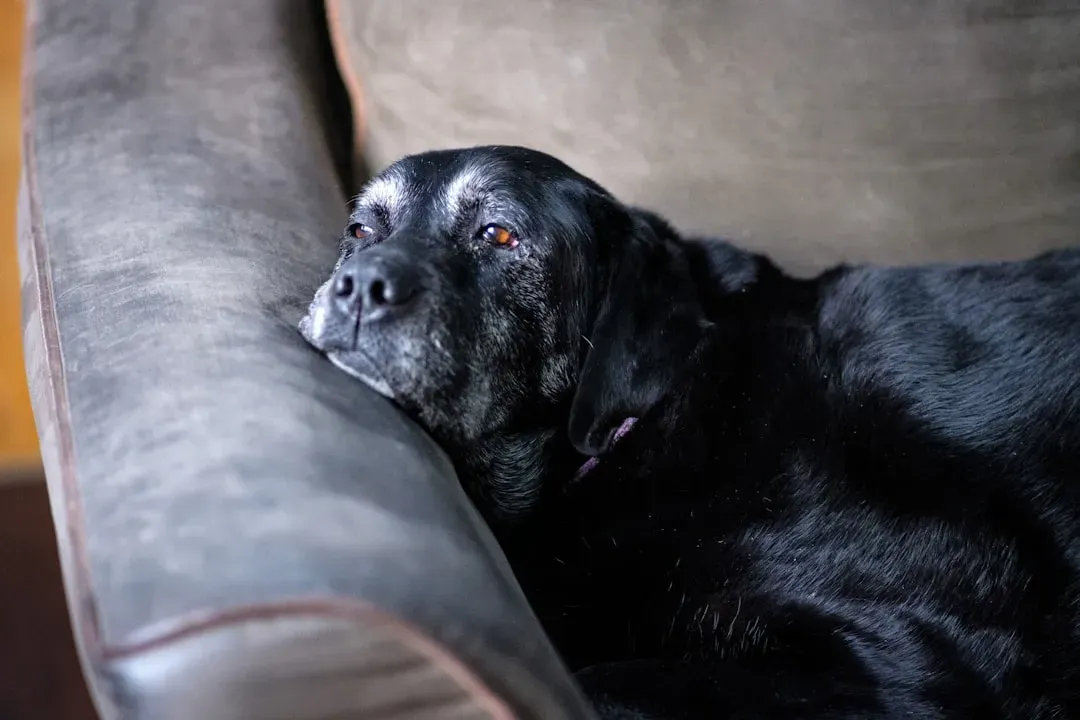
Sometimes the cause is less dramatic but still very real: your senior dog’s internal clock and daily routine may simply be out of sync. Aging can affect how dogs regulate sleep, just like in older humans who find themselves awake at odd hours. Napping heavily during the day, getting less mental and physical stimulation, or eating and drinking right before bed can all contribute to nighttime restlessness and pacing.
Small, practical changes can make a big difference here. Earlier and more structured exercise, engaging but gentle brain games, earlier meal times, and a calming, predictable bedtime routine can help reset that pattern over time. Think of it like helping an older relative create better “sleep hygiene.” It is not an instant fix, but with consistency, many dogs shift from anxious night wandering back to a more normal sleep pattern that feels better for them and for you.
When to Worry, When to Act, and Why You Should Trust Your Gut
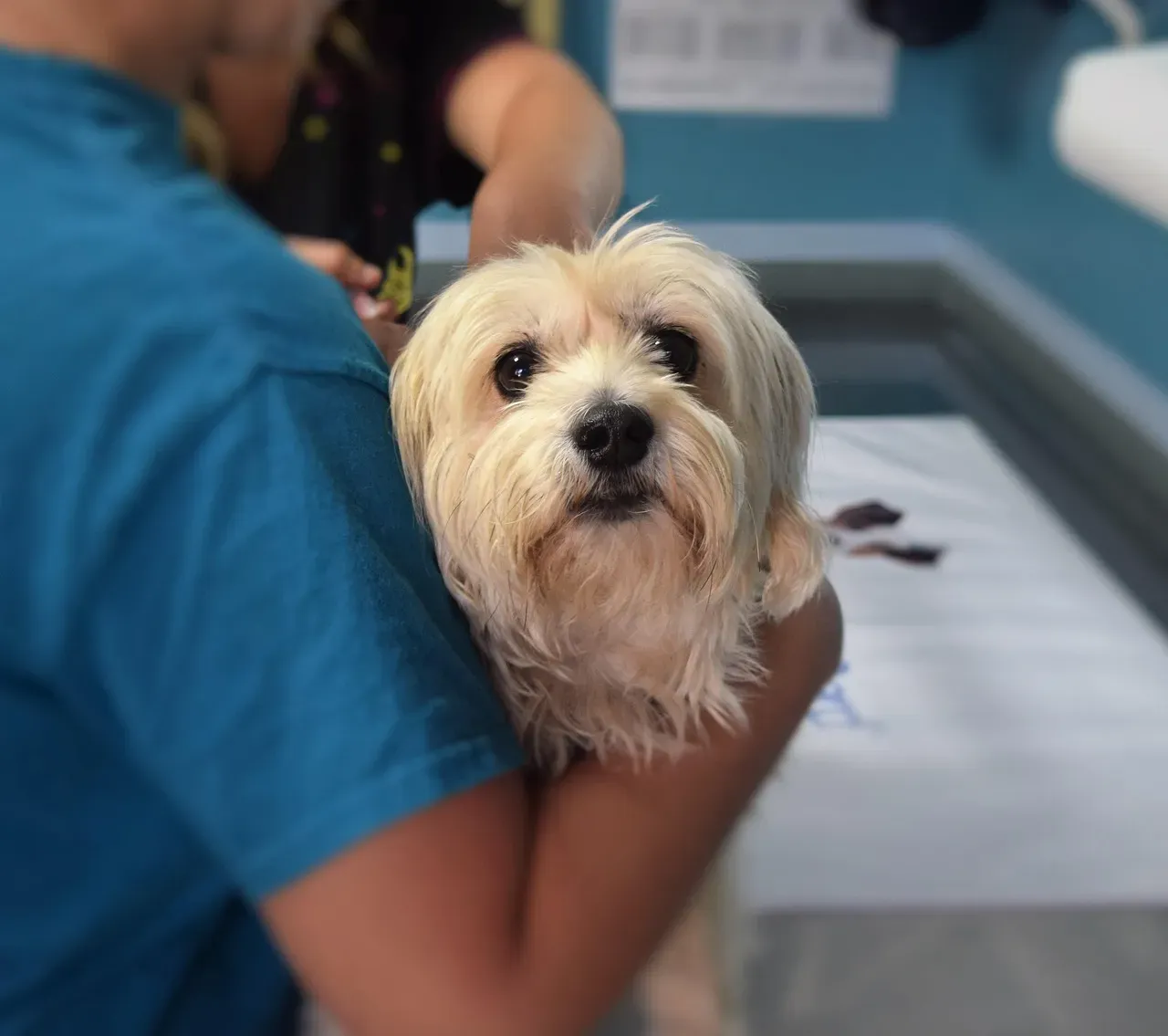
There is a fine line between an occasional restless night and a serious warning sign. If your senior dog’s pacing at night is new, frequent, or clearly different from their normal behavior, it deserves real attention rather than a shrug. I’ve seen dogs who looked “just restless” turn out to have painful arthritis, untreated heart disease, or significant cognitive decline that their families only recognized in hindsight.
The honest truth is this: you know your dog better than anyone, and that gut feeling that something is off is worth listening to. A vet visit, even if it feels overly cautious, is rarely wasted time when your dog is in their senior years. You may catch something early, or you may simply get peace of mind and practical strategies to make their nights calmer and more comfortable. Your dog gave you years of loyalty and easy companionship; responding quickly when they start pacing the house at 2 a.m. is one of the ways you can return the favor. Did you ever think that a few footsteps in the dark could be such an important conversation?


