
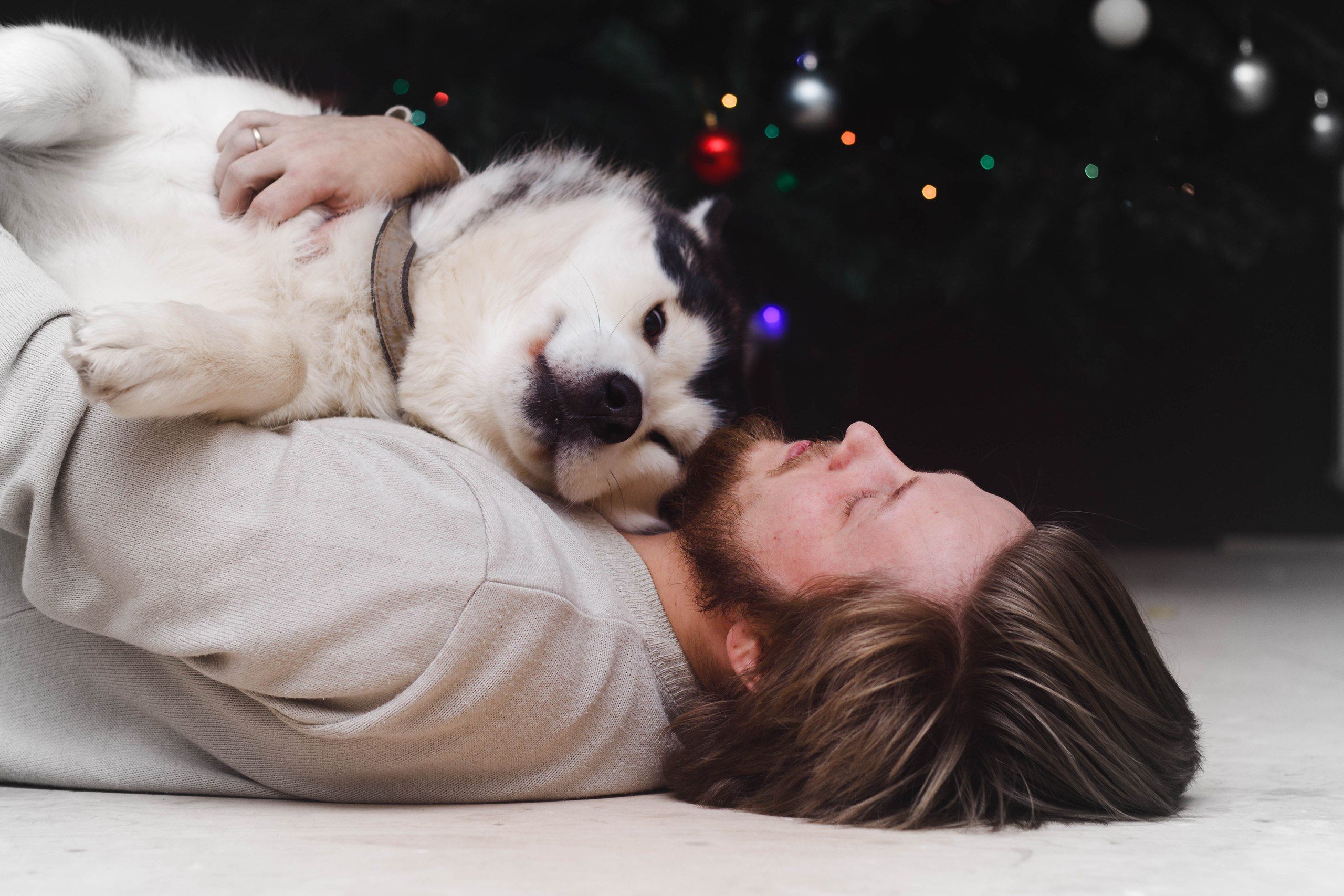
If you’ve ever had a bad day and noticed your dog hovering a little closer than usual, you’ve already seen how powerfully they reflect us. Dogs do not speak our language, but they seem to read the room with eerie precision, often responding to our inner world before we say a single word. It can feel almost supernatural, yet a lot of it comes down to evolution, body language, and a deep bond that has been building for thousands of years.
What fascinates me most is how often our dogs show us feelings we didn’t even realize we were broadcasting. They tense when we’re quietly stressed, soften when we’re vulnerable, and light up when we finally let ourselves relax. In these small everyday moments, they become emotional mirrors, offering a surprisingly honest reflection of what’s really going on inside us.
1. When You Walk Through the Door After a Hard Day
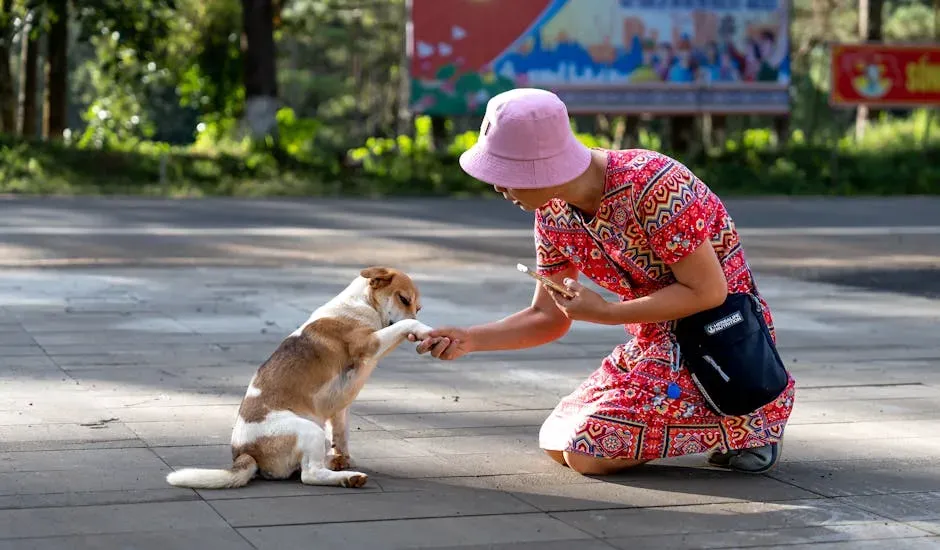
There is something almost shocking about the way a dog greets you when you come home, especially after a brutal day. If you drag yourself in with slumped shoulders and a heavy sigh, many dogs tone down their excitement, approaching a bit more carefully, head tilted, tail wagging in a softer, slower way. They pick up on your lowered energy and adjust theirs, like they are syncing their emotional volume to yours.
On other days, when you burst through the door laughing or talking loudly on the phone, that same dog may explode into joyful chaos. The jumping, spinning, and frantic tail thumping is not random; it is a reflection of the emotional wave you’re riding. Over time, these greetings can become a surprisingly accurate barometer of your current state of mind, almost like a daily emotional check-in you never scheduled but always get.
2. During Arguments or Tense Conversations at Home
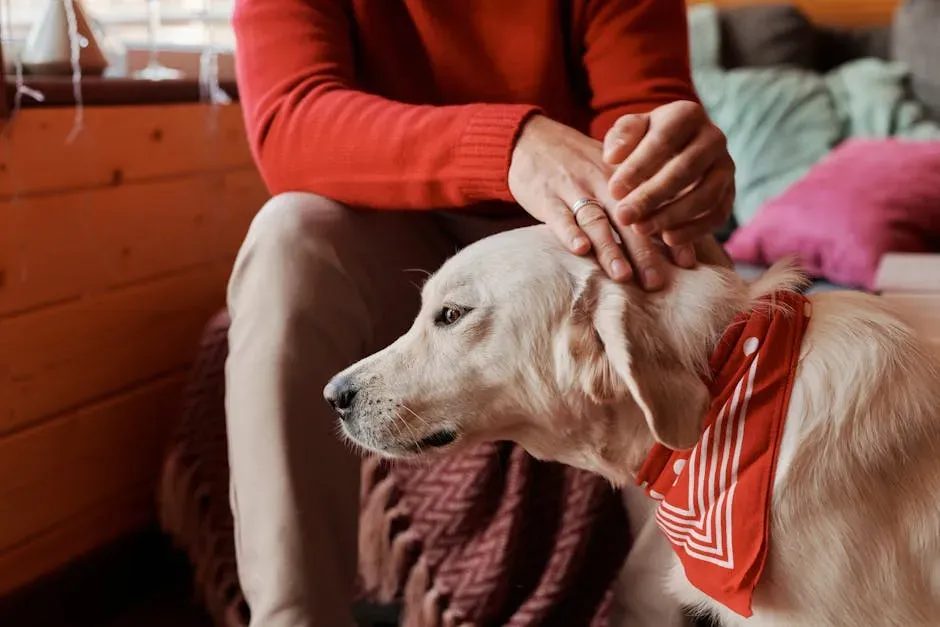
Dogs are incredibly sensitive to conflict, even when no one is shouting. Raised voices, sharper movements, tense jawlines, and a different rhythm of footsteps all create a kind of emotional static they can feel. Many dogs will respond by pacing, whining, hiding in another room, or trying to physically wedge themselves between people, as if they can glue the situation back together with their body.
What is so revealing is how their uneasiness often mirrors tension you might be trying to downplay or deny. You might insist everything is fine, but your dog’s wide eyes and restless behavior say otherwise. In a way, they refuse to buy our emotional “PR spin” and instead react to what is genuinely in the air. When a dog suddenly seems restless or worried during a conversation, it can be a powerful signal that the emotional tone has shifted more than you realized.
3. On Days When You Can’t Get Out of Bed
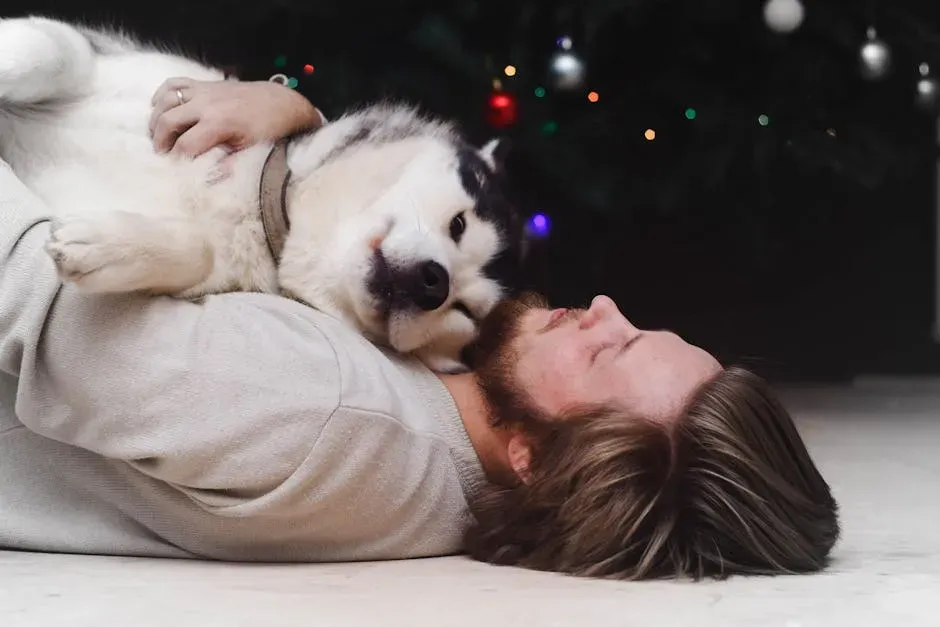
On the mornings when getting up feels impossible, many dogs slow down with you. Instead of bouncing around demanding a walk at sunrise, they may curl up closer, stretch out along your body, and settle into a quiet, watchful stillness. It is not that they suddenly stopped needing to go out; it is that they register your lack of energy and meet you there.
There is a quiet honesty in the way a dog will simply lie beside you during emotional lows, mirroring your withdrawal without judgment or impatience. For some people, that presence is the first nudge back toward movement, because seeing your dog wait so patiently can be both comforting and confronting. It reminds you that your inner state has a visible impact on another living being who depends on you, and that realization can be gently motivating.
4. When You’re Anxiously Rushing Around

Picture yourself running late, keys missing, bag half-packed, muttering under your breath as you stomp from room to room. Many dogs respond to this chaotic energy by becoming visibly jittery themselves. They might follow you in tight circles, pant even though they are not hot, or start barking at minor sounds they would normally ignore. Their nervous system is essentially echoing yours.
This mirroring can become a feedback loop: your dog’s agitation makes you feel even more on edge, confirming that yes, the world really is on fire right now. But it can also be a useful mirror. Noticing your dog’s sudden restlessness can snap you into awareness that your own pace and tone are spiraling. I’ve had moments where seeing my dog pacing was the thing that made me pause, take a deep breath, and deliberately slow down – for both of us.
5. When You Cry or Feel Visibly Upset

Crying in front of a dog is often a strangely disarming experience. Many dogs will approach slowly, ears back, posture soft, and rest their head on your knee or chest. Others may gently nudge your hand, lick your face, or bring you a favorite toy as if to offer the one thing that always helps them. Their body language becomes calm, low, and almost careful, creating a physical anchor in the middle of your emotional storm.
What they are reflecting back in that moment is not just your sadness but also your vulnerability. Dogs are attuned to subtle changes in our breathing, our scent, and our facial expressions, and strong emotions change all three. When they respond by becoming tender and protective, it can highlight just how raw and exposed you really feel – and strangely, that honest reflection can make you feel less alone.
6. When You Laugh Uncontrollably
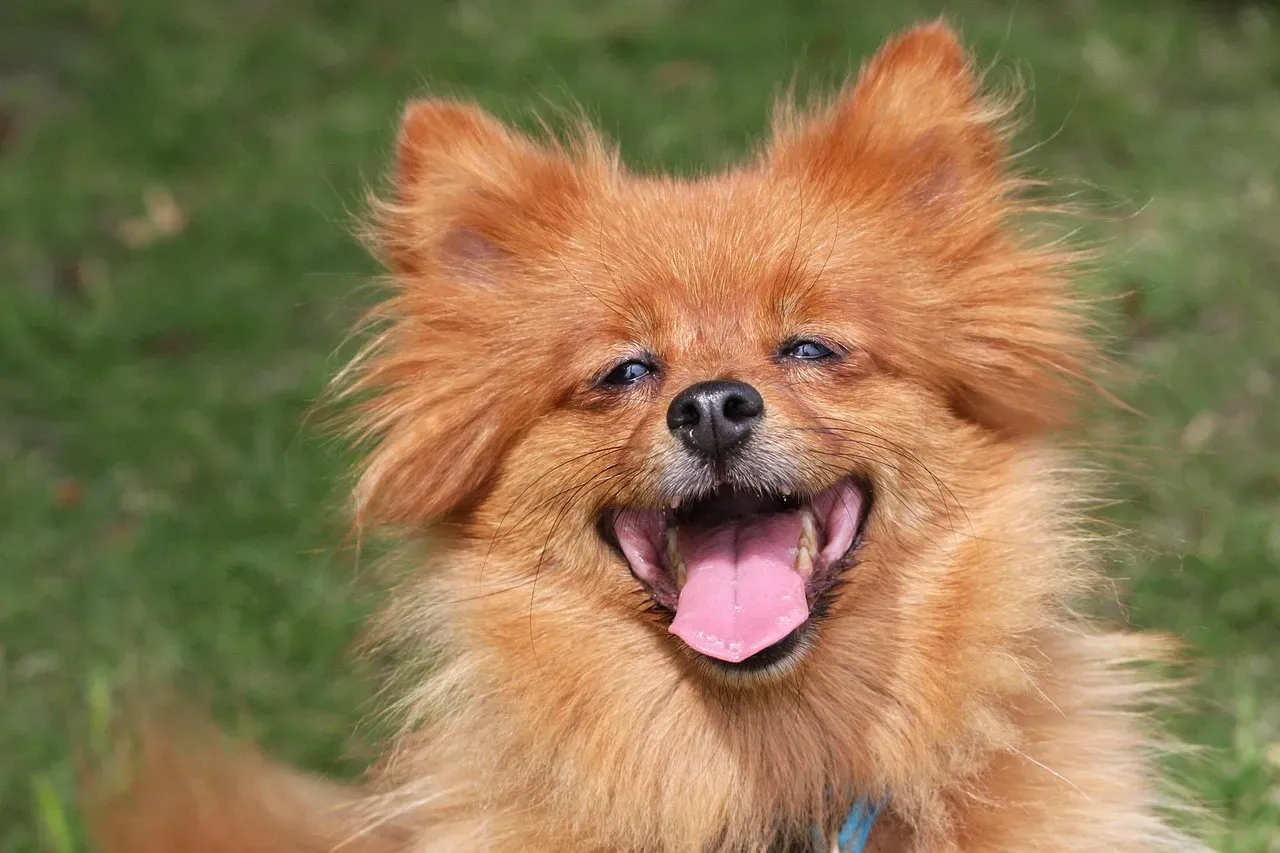
Think about the last time you laughed so hard you doubled over or wiped tears from your eyes. A lot of dogs will instantly ramp up their playful behavior in response. They may bow, spin, zoom around the room, or bring you a toy with wide, bright eyes. Your laughter becomes contagious for them, even though they have no idea what the joke was.
In that moment, your dog is mirroring your joy and excitement, turning your emotional high into a shared event. It is one of the purest examples of emotional contagion in everyday life. Watching a dog lean into your happiness is like seeing your mood projected back at you in a more animated, exaggerated form, and it drives home how powerfully your emotional climate shapes the entire household.
7. When You’re Quietly Stressed but “Holding It Together”
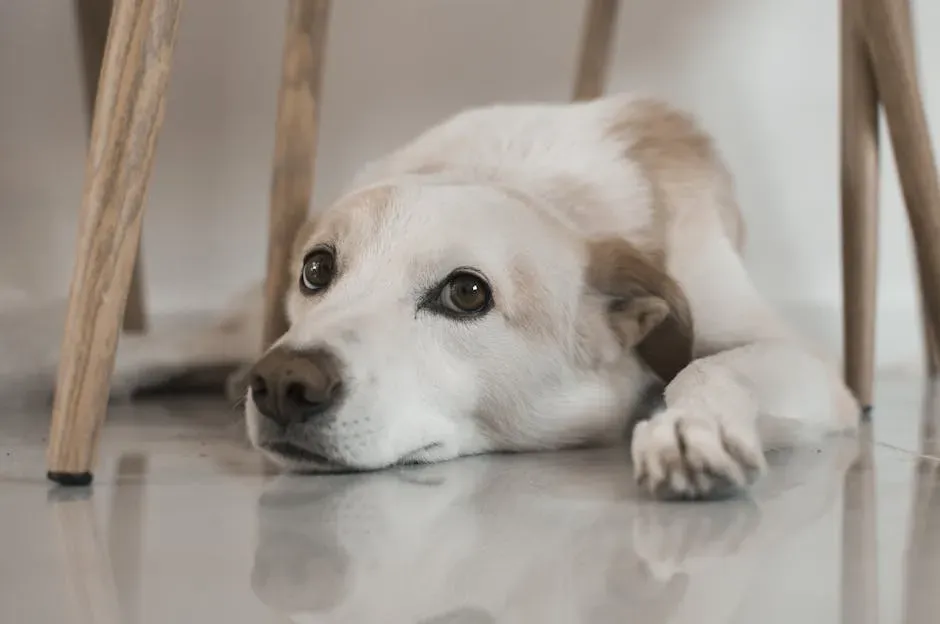
Some of the most telling moments are not the dramatic ones but the quiet, controlled stress you think you are hiding well. Maybe you are staring at your laptop late at night, jaw clenched, breathing shallow, but saying nothing. Many dogs drift closer in these moments, lying at your feet or pressing gently against your side, eyes tracking your face as if reading a language only they understand.
Their behavior can feel unsettlingly perceptive, because they respond to stress signals you are not consciously aware you are sending. You might only notice how tightly wound you are when you feel your dog’s warm weight leaning against your legs, like a furry highlighter emphasizing the parts of your life that are under pressure. In this way, they quietly reveal the emotional strain we often normalize or ignore.
8. When You’re Sick or in Physical Pain

Illness changes how we move, smell, and behave, and dogs are surprisingly tuned in to all of that. When you are sick or in pain, many dogs become watchful shadows, following you from room to room, lying closer than usual, and moving more slowly, as if they are afraid to bump you. Their usual demands for play may drop off, replaced by a calm, almost nurse-like presence.
This shift can be a direct mirror of your own fragility. Your dog’s gentler pace and careful movements reflect what your body is going through, sometimes even before you admit to yourself how unwell you feel. It can be both comforting and humbling to realize that your physical state is written so clearly in your behavior that your dog naturally adjusts like a living, breathing sensor.
9. When You Finally Relax After a Long Week
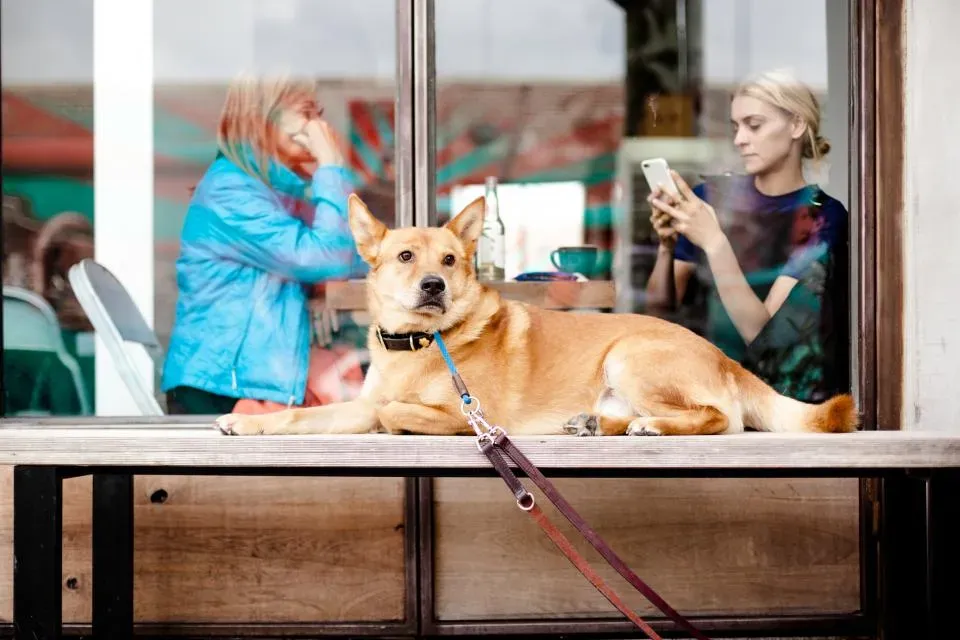
There is almost a visible exhale that runs through a dog’s body when their human finally slows down. Maybe you sink onto the couch with a deep breath, put your phone face down, and let your shoulders drop. Many dogs respond by stretching out fully, rolling onto their backs, or tucking into your side with a long, contented sigh of their own, mirroring your release of tension.
I have noticed that on days when I am genuinely relaxed, my dog’s movements get looser and lazier, like we are both decompressing in sync. Their calmness is not just coincidental; it reflects the emotional permission you have finally given yourself to rest. In a way, they become proof that relaxation is not a luxury but an atmosphere that touches every living thing around you.
10. When You’re Grieving a Loss

Grief sits in the body in a heavy, unmistakable way, and dogs seem to feel that weight even if they cannot understand the story behind it. Many will stick unusually close during periods of mourning, following you from room to room, sleeping in spots they rarely chose before, and maintaining quiet, steady eye contact. Their overall rhythm often slows down, echoing your own sense of moving through thick emotional fog.
In these times, your dog can become a mirror of your quieter, more fragile self. Their softer behavior reflects not only sadness but also the need for gentleness and routine when everything else feels unstable. Sharing that slow, careful pace with them can make the grief feel a bit less isolating, as if someone else is walking at your speed, even if they have no idea why the world suddenly feels heavier.
11. When You’re Excited About Something New
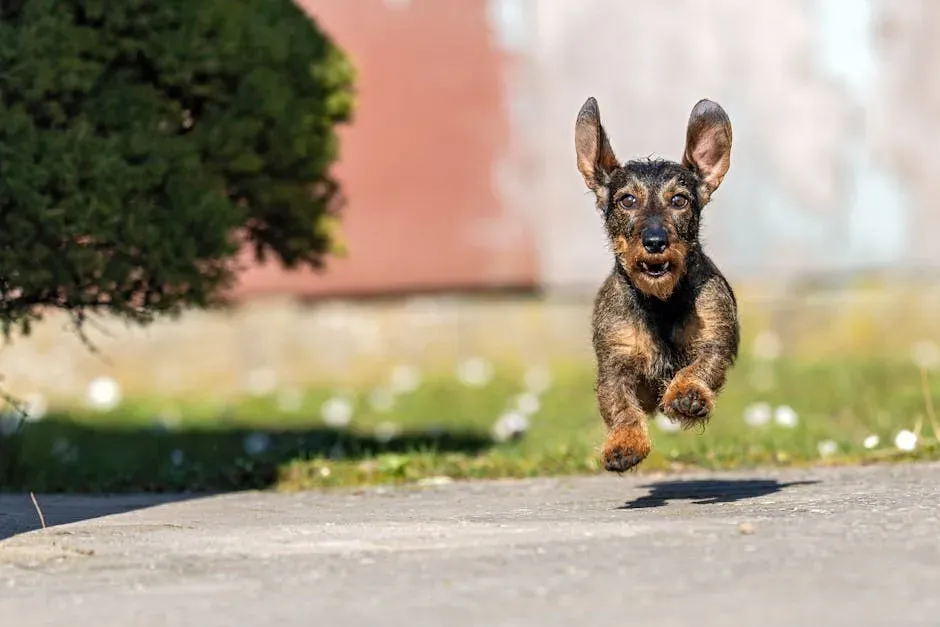
Starting a new job, planning a trip, or getting ready for a big event brings a particular kind of buzz. You move faster, talk more, and your sleep pattern might even shift. Dogs respond to this heightened energy by becoming more alert and animated, following your every move, rushing to the door when you pick up your keys, or wagging their tails at the sound of your upbeat voice.
They are not excited about the promotion or the flight, of course; they are excited about you being excited. Their body becomes a real-time amplifier of your enthusiasm, magnifying your joy in a way that can actually help you ride it instead of brushing it aside. In a world where a lot of adults downplay their own happiness, a dog’s mirrored excitement is a reminder that your wins are worth celebrating out loud.
12. When You’re Emotionally Distant or Checked Out

There are phases when you are physically present but emotionally miles away – scrolling endlessly, zoning out, or running on autopilot. Many dogs respond to this emotional absence with confusion or mild distress. They might nudge you repeatedly, bring you toys you ignore, or retreat to another spot, suddenly less engaged and more subdued. Their withdrawal often mirrors the emotional distance you are unconsciously radiating.
Seeing a usually lively, social dog become quieter or more detached can be a confronting reflection of how disconnected you have become from your own life. It is not about guilt; it is about awareness. A dog’s shift in engagement can work like a gentle alarm bell, signaling that it might be time to check back in with yourself, not just for them, but for you too.
Conclusion: What Your Dog Knows About You That You Don’t
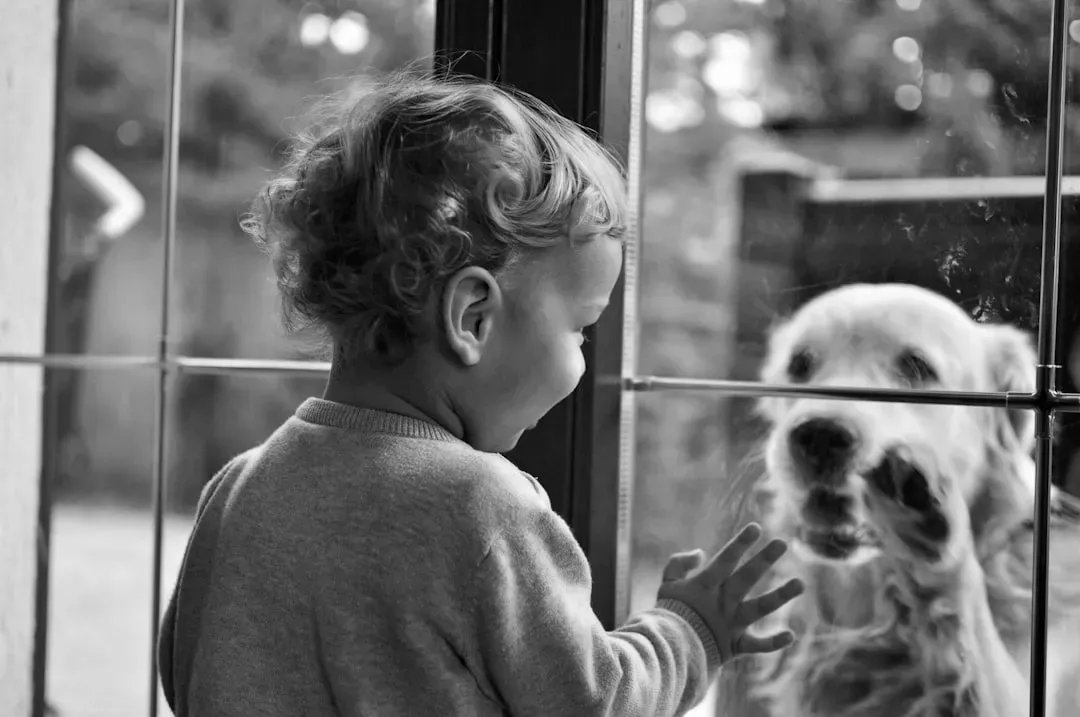
When you step back and look at all these moments together, a pattern jumps out: your dog is constantly reading you, responding to you, and quietly reflecting the emotional weather you bring into their world. It is not magic; it is a mix of evolved sensitivity, body-language reading, scent detection, and deep attachment. But the effect feels magical because they show us parts of ourselves we are often too busy, numb, or defensive to notice.
Personally, I have lost count of the times my dog’s behavior told the truth about my mood long before I admitted it to myself. That is the real power of dogs as emotional mirrors: they make our inner lives visible, which gives us a chance to actually do something about them. The question is not whether your dog is reflecting you, but whether you are willing to look at what they are showing you. When you watch your dog’s reactions today, what version of yourself do you see staring back?


