
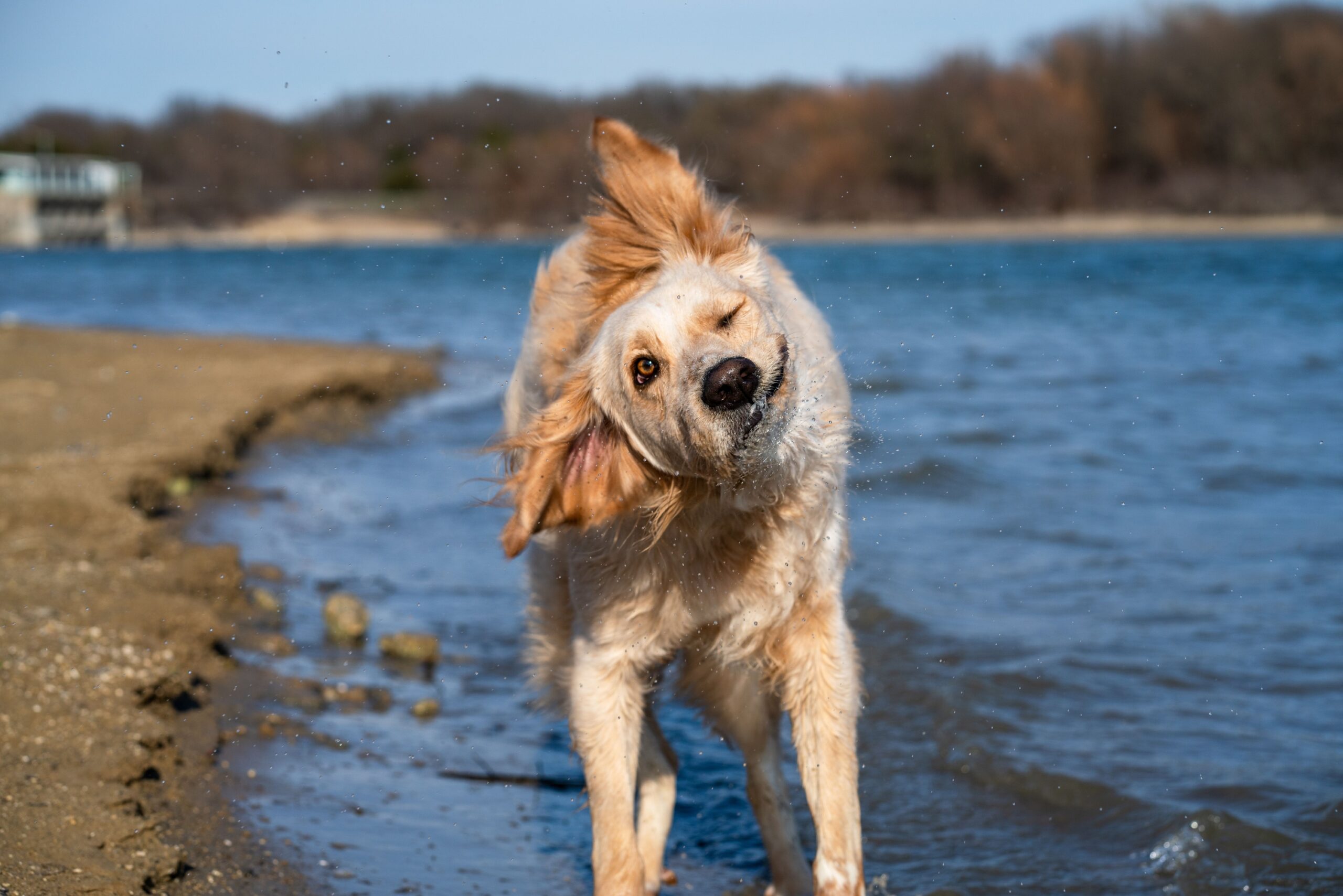
You know that full-body shake dogs do after a bath, sending water everywhere? It turns out many dogs do the exact same move when they are completely dry – after a loud noise, a tense interaction, or even an exciting play session. It looks random and a bit funny, but more and more behavior experts think it might be a built‑in reset button for their nervous system.
Once you start watching for it, you see it everywhere: at the vet, in dog parks, when visitors leave the house, right after a scary scooter passes on the sidewalk. This tiny moment can tell you a lot about how your dog is coping with stress and excitement. Understanding it will not only change how you see your dog, it can help you respond in a calmer, kinder, and more informed way.
That “Dry Shake” Might Be Your Dog’s Emotional Reset Button
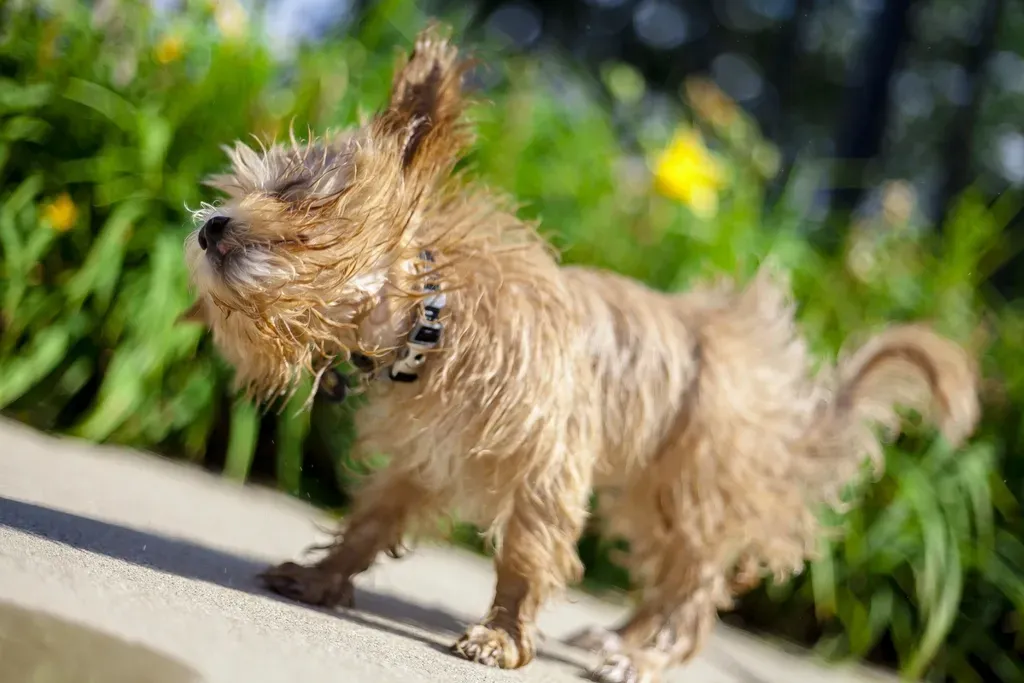
When a dog suddenly shakes off while totally dry, they are not being weird; they are probably trying to return their body to baseline. Many behaviorists interpret this as a displacement behavior: a physical action that helps burn off leftover arousal, whether that arousal came from fear, frustration, or intense excitement. Think of it like your dog hitting “refresh” after their system briefly got overloaded.
In the wild, animals often use quick, repetitive movements to recover from stressful encounters, from birds fluffing and shaking their feathers after a confrontation to wolves shaking after a tense standoff. Dogs seem to use the same strategy in our homes after a raised voice, a dropped pan, or even a too‑intense hug. The shake is short, subtle, and easy to miss – but for the dog, it can be a meaningful release.
Inside the Science: Stress, Arousal, and the Canine Nervous System
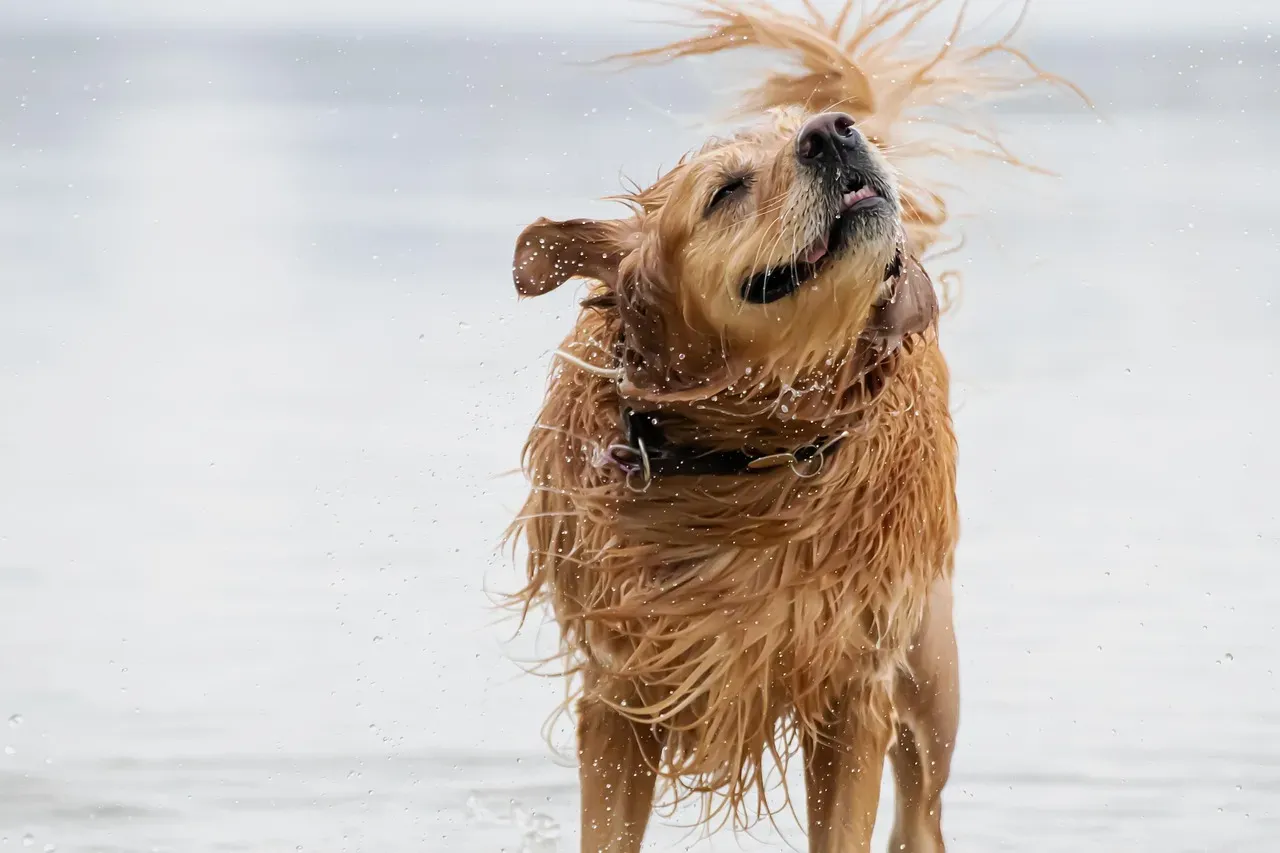
Under the surface, that quick shake is sitting on top of a powerful biology story. When a dog experiences something intense – a sudden bark, a near‑miss with another dog, even an exciting game of fetch that went on a bit too long – their sympathetic nervous system lights up. Heart rate increases, muscles tense, pupils may dilate, and stress hormones mobilize the body for action.
Once the moment passes, the body needs to shift back toward the calmer, rest‑and‑digest mode. That switch is not instant. Some experts suspect that behaviors like shaking, stretching, or a big exaggerated yawn may help “discharge” a bit of muscular and neural tension, nudging the system back toward balance. The shake does not magically erase stress, but it can be one of the small, natural tools the body uses to stabilize itself.
Stress, Fear, or Excitement? How Context Changes the Meaning
Here’s the tricky part: a dry shake can show up after something scary, but also after something wildly fun. A dog might shake after a near fight at the dog park, but also after playing chase for twenty minutes. In both cases, the body is packed with adrenaline and energy; the shake helps clear some of that charge. That means you cannot interpret the behavior without zooming out and looking at what just happened.
If your dog shakes off after you raise your voice, after an uncomfortable interaction with another dog, or after being handled at the vet, it may point toward stress or unease. If they shake after a game, greeting a beloved person, or zooming around the yard, it may simply reflect a high arousal state coming down. The body movement is similar, but the emotional flavor is written in the context around it.
What the Dry Shake Tells You About Your Dog’s Emotional State
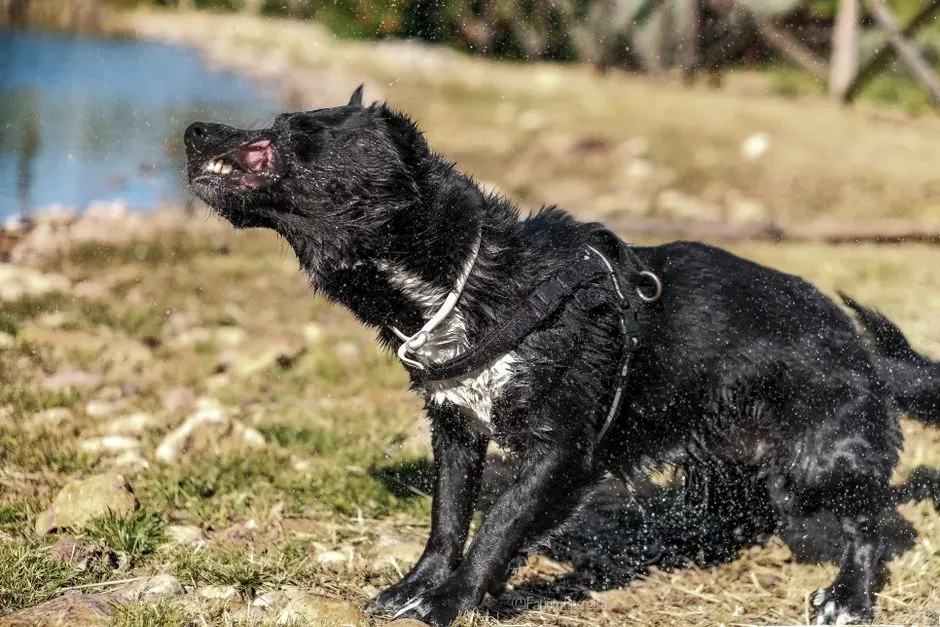
While we cannot climb inside a dog’s mind, we can look for patterns. Many dogs shake off right after a “socially awkward” moment: a forced hug from a stranger, a tense sniff with another dog, being held still for grooming, or after you redirect them from something they really wanted to do. In those cases, the shake can be your dog’s quiet way of saying, “That was a bit much; I’m trying to move on now.”
Over time, noticing when your dog shakes can help you map their stress points. Maybe you realize they always shake after children leave the room, or after walks on noisy streets, or after you clip on a harness too quickly. Those observations are golden. They give you insight into what your dog finds intense, even if they are not whining, growling, or hiding. The shake is often one of the more polite, subtle clues they offer.
Shake, Yawn, Lick: How It Fits With Other Calming and Displacement Behaviors
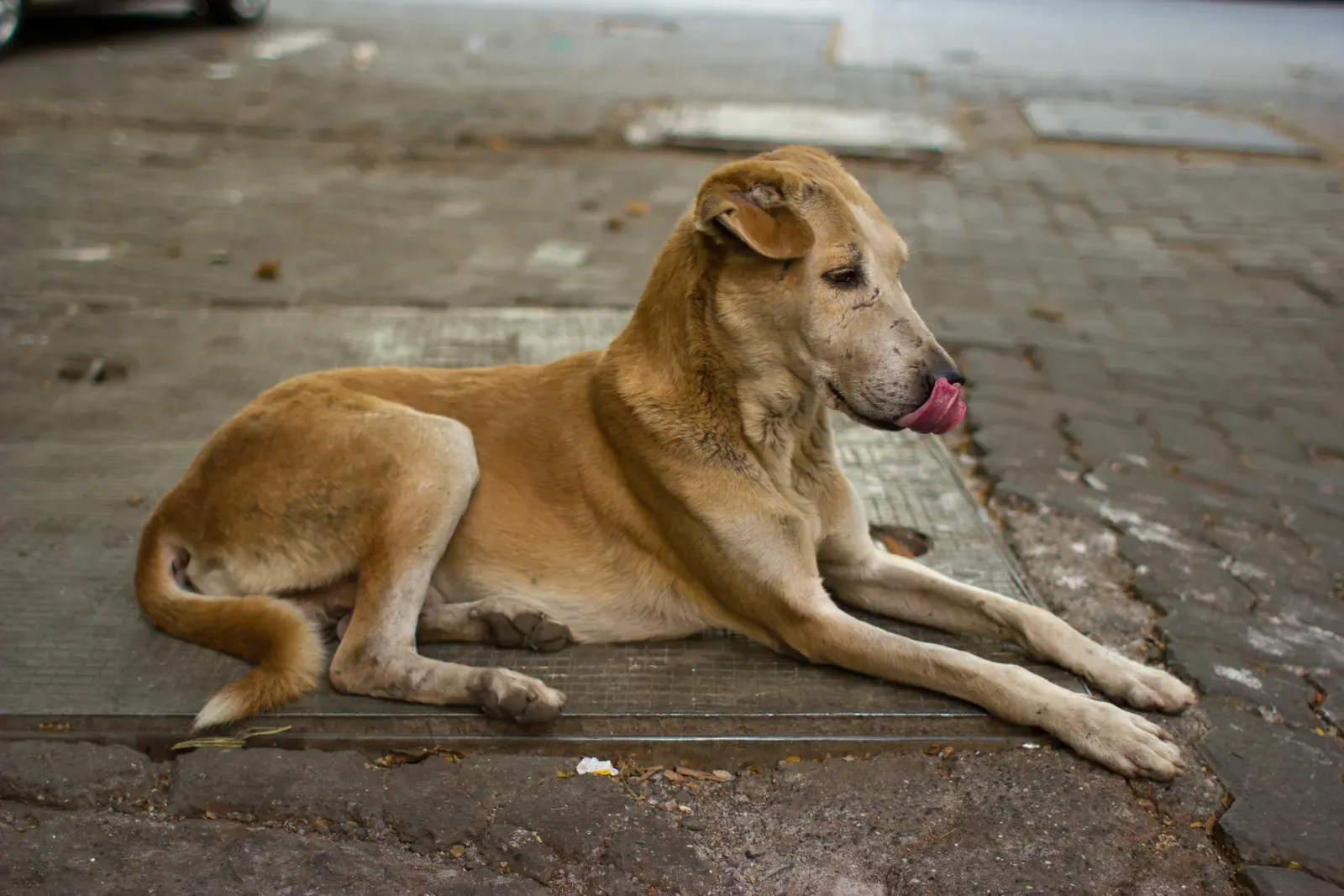
The dry shake does not live alone in a vacuum; it is part of a whole cluster of behaviors dogs use when processing stress and social tension. Alongside shaking, you might notice lip licking, big slow yawns, turning the head away, sniffing the ground for no obvious reason, or suddenly scratching as if they just remembered an itch. None of these automatically mean the dog is miserable, but together they sketch a picture of rising or lingering stress.
Imagine your dog meeting someone new: they freeze slightly, look away, lick their lips, accept a pat, then step back and shake off. That sequence is far more revealing than a single behavior on its own. Taken as a whole, it suggests the dog is trying hard to cope with the situation. When you stack the shake next to those other signals, you get a richer sense of what your dog is trying to communicate without making a sound.
How You Should React When Your Dog Shakes Themselves Off
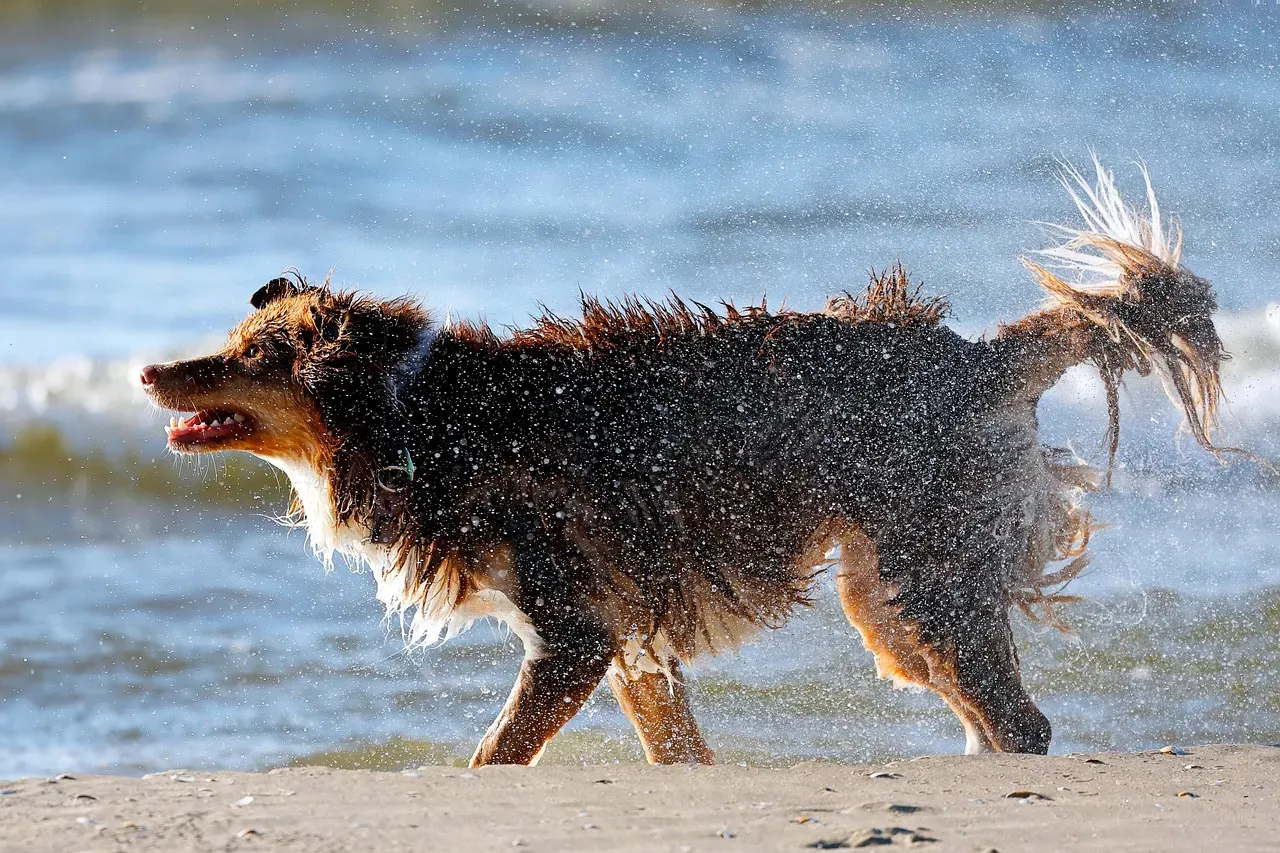
When you see that dry shake, the most helpful thing you can do is simple: give your dog a moment and a bit of space. There is no need to correct it, interrupt it, or make a big fuss. This is their self‑regulation strategy, and stepping in with more touch or more noise can actually add another layer of stimulation to a body that is already trying to calm down.
Instead, quietly note what just happened and, if possible, soften the environment. Maybe you move a little farther from the busy road, give them a chance to sniff, or loosen up on demands for a minute. At home, you might invite them to rest in a familiar, comfy spot or end the training session on a positive but gentle note. Think of yourself as a teammate to their nervous system, not a manager barking new instructions.
Can You Help Your Dog Need That Reset Less Often?
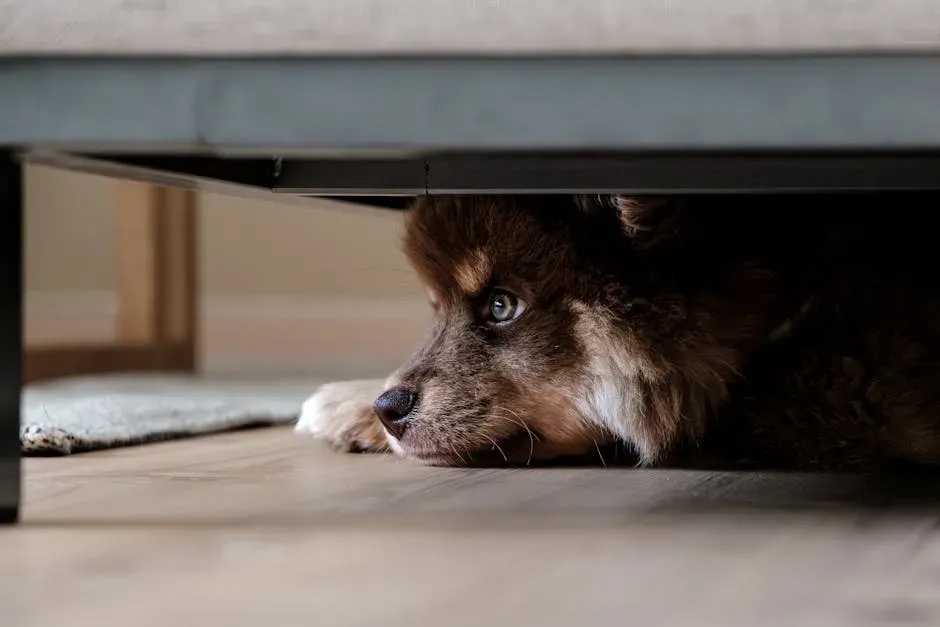
While the dry shake itself is not a problem, frequent shaking in certain situations can be a sign that your dog is regularly being pushed past their comfort zone. If you notice it happening over and over again in the same context – grooming, vet visits, kids running around, high‑energy dog parks – it is worth asking whether that situation can be made gentler, slower, or better prepared. Small changes in routine can reduce the need for constant emotional “resets.”
Practical steps might include short, positive practice visits to the vet, slower introductions to new dogs, creating quiet safe zones at home, or swapping chaotic dog parks for calmer walks with a familiar friend. Building predictable routines and using reward‑based training also helps many dogs feel more secure. The goal is not to eliminate the shake; it is to create a life where your dog does not feel internally rattled quite so often.
My Take: The Dry Shake Deserves More Respect Than a Laugh
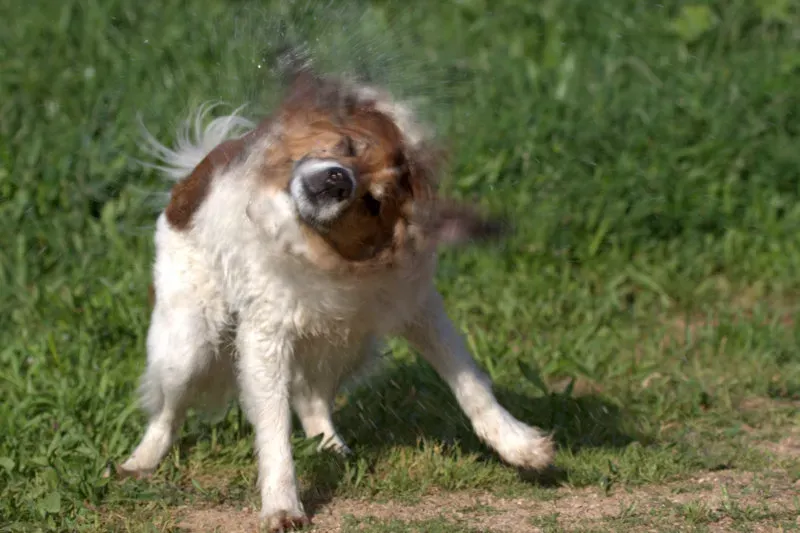
I used to see that head‑to‑tail rattle and think it was just a quirky dog thing, like chasing their tail or rolling in the grass. The more I watched dogs in different contexts, the more it felt like a small window into their inner world. It is not dramatic like a growl or a bark, but precisely because it is subtle, it is easy to ignore – and that is a shame, because it is often the first sign that a dog is trying to shake off a moment that was a bit too much.
To me, the dry shake is a reminder that dogs are constantly working, quietly, to regulate themselves in a human world that can be loud, confusing, and overwhelming. Respecting that little ritual means giving them the benefit of the doubt, listening to their softer signals, and being willing to back off before they have to shout. Once you see it as an emotional reset rather than a funny glitch, it is hard not to ask yourself: how many of those tiny shakes have I missed – and what were they trying to tell me?


