
Most pet owners sign medical consent forms in under three minutes, often without understanding half of what’s actually on the page. There’s a quiet assumption that if the vet recommends it, it must be simple and necessary. Nobody asks what’s really lurking behind that calm exam room conversation.
But behind that clipboard are anesthesia risks, billing surprises, and long-term side effects that rarely make it into small talk. Vets aren’t hiding anything on purpose; they’re moving fast through a system built on the assumption that you won’t ask. The owners who walk away satisfied, informed, and unsurprised later? They asked sharper questions. Here are the 14 things experienced vets secretly wish every owner would ask before signing that form.
#1 – “Is This Procedure Truly Necessary Right Now, Or Is There a Reasonable Alternative?”
Owners hear “recommended” and assume it means “urgent.” Vets usually mean something closer to “ideal, not mandatory.” Before you agree to anything, calmly ask whether this is medically urgent, time-sensitive, or simply advisable. A lot of dental cleanings, imaging tests, and small lump removals can wait weeks or even months without changing the outcome, especially in older pets juggling other health issues.
You’re not second-guessing your vet by asking this. You’re asking them to rank the procedure against everything else happening in your pet’s life right now. Push for specifics: What happens if we wait one to three months? Is there a watch-and-wait or medication-first option? Sometimes you’ll learn the “problem” may never progress at all, or that a trial of medication could avoid surgery completely.
#2 – “What Are the Realistic Risks for *My* Pet, Not Just in General?”
Consent forms list complications like a legal roll call, and most people never hear how likely those complications actually are for their specific animal. Ask directly: on a pet like mine, given age, breed, weight, and current health, what are the three most realistic things that could go wrong? A statistic like “less than 1%” means almost nothing when your dog is a brachycephalic breed or your cat has early kidney disease.
A 12-year-old cat with a heart murmur does not carry the same anesthetic risk as a 2-year-old Labrador, and a good vet knows the difference by heart. Ask them to separate the theoretical complications from the genuinely likely ones, and to clarify which risks are minor annoyances versus life-threatening events. Hearing a vet walk through practical, personalized risk often turns an automatic “yes” into a real conversation.
Fast Facts
- Brachycephalic breeds like Bulldogs, Pugs, and Frenchies face higher anesthesia risk because of their airway structure.
- Senior pets can carry hidden organ changes that don’t always show up during a routine physical exam.
- Excess weight increases anesthetic complications and typically slows down recovery time.
- Pre-existing heart or kidney issues can change which drugs are safe and how closely a pet needs monitoring.
#3 – “Who Will Actually Be Performing the Procedure and Monitoring My Pet?”
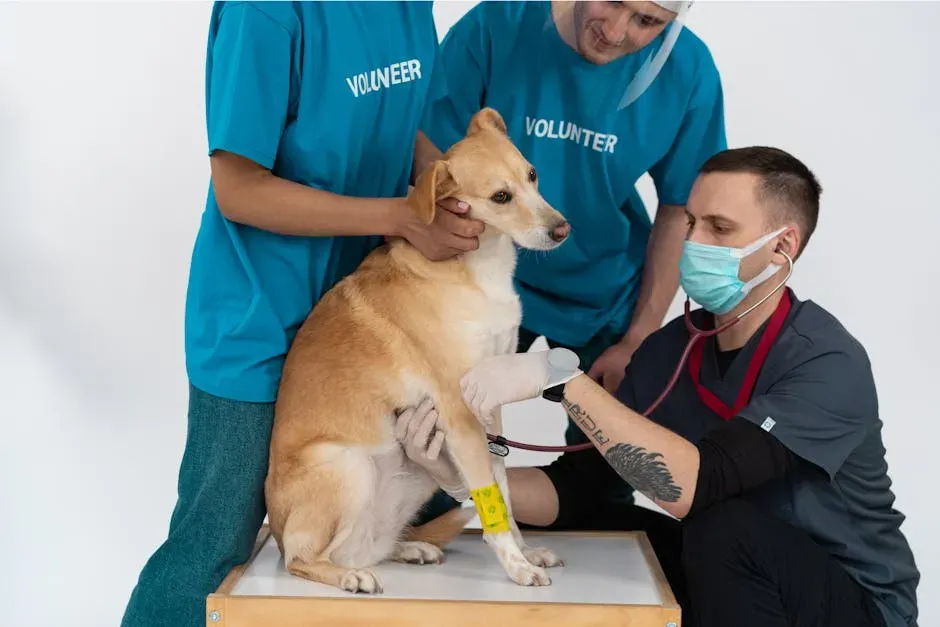
Many owners picture the senior vet doing everything from start to finish, but clinics run as teams, and roles shift constantly. You’re allowed to ask, plainly, who is doing what. Will a licensed veterinarian handle the surgery start-to-finish, or will a newer associate take parts of it? Will a credentialed technician stay glued to the anesthesia monitor, or will that job rotate among assistants answering phones between checks?
The person watching the monitors is often more critical to your pet’s safety than the person holding the scalpel. Ask who induces and maintains anesthesia, and whether there will be a dedicated monitor present the entire time. This isn’t being difficult, it’s basic informed consent. Some clinics will impress you with tight protocols. Others may reveal gaps you assumed no modern clinic would still have.
#4 – “What Pre-Op Tests Are You Recommending, and Why Exactly?”
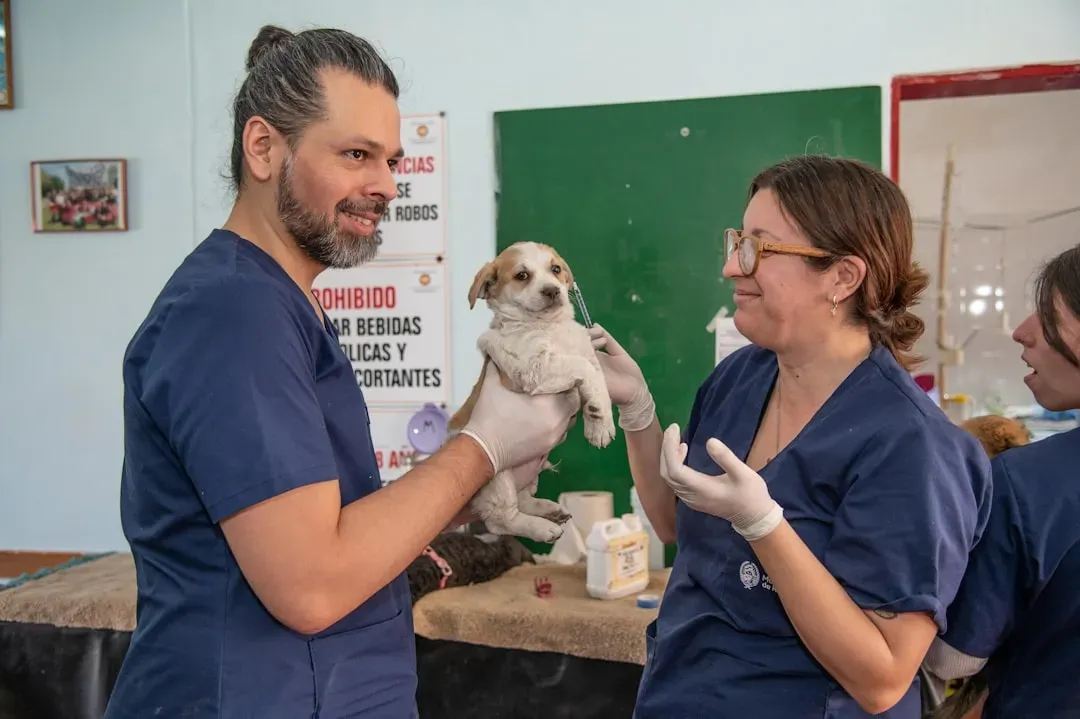
Pre-op bloodwork and X-rays aren’t just money-makers, but that doesn’t mean every test on the estimate is essential. Instead of blindly accepting the checklist, ask your vet to explain exactly what decision each test will change. Pre-anesthetic bloodwork might reveal liver issues that alter drug choices, and chest X-rays before a cancer surgery could stop you from putting your pet through a huge operation when the disease has already spread.
On the other hand, repeating the same expensive panel you ran two weeks ago may add nothing new. Ask two blunt questions: if this test comes back normal, what changes? If it’s abnormal, what changes? Then ask what’s truly optional for a low-risk, young, healthy animal. You’ll quickly see which tests are safety nets and which ones exist mostly for routine protocol or liability.
#5 – “How Painful Will This Be, and What’s the Actual Pain Control Plan?”
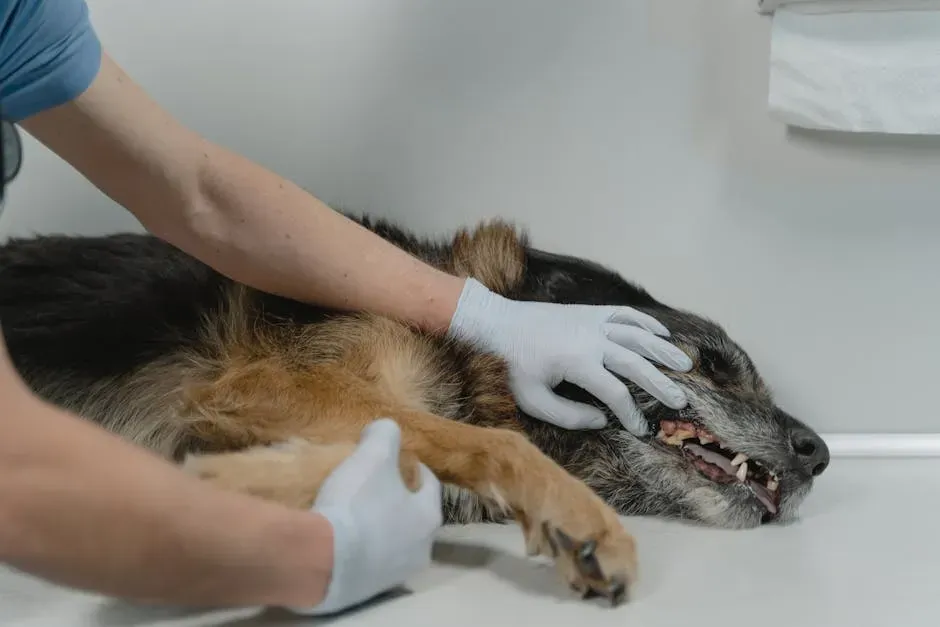
Most owners badly underestimate post-op pain, mainly because pets are shockingly good at hiding it. Ask bluntly, on a scale from mild to severe, how painful is this expected to be, and what exactly are you giving to control it? A simple lump removal might need a day or two of mild medication. An orthopedic surgery is an entirely different level of discomfort.
It is not “normal” for a dog to whine, pant, or refuse to move for days after surgery. That’s often undertreated pain, not drama. Ask for drug names, dosing frequency, and duration. Ask whether your pet will get local nerve blocks in addition to general anesthesia, and whether extra pain relief is available if what you bring home isn’t enough. If a clinic can’t clearly describe a layered pain plan, that’s a red flag most owners never catch until it’s too late.
#6 – “What’s the Full, Honest Cost, Including Rechecks and Complications?”
Sticker shock is one of the biggest reasons owners feel angry and blindsided after a procedure, and it’s usually because they glanced at the bottom-line number and ignored the line items. Ask your vet to walk you through the charges and any typical extra costs that show up afterward. Post-op checkups, additional pain meds, pathology fees, bandage changes, and e-collars all add up fast.
The initial estimate is often a best-case scenario, not a hard ceiling. Ask for a likely range instead of one tidy number, and get clear on what’s included versus what isn’t, especially emergency visits if a complication pops up. It’s uncomfortable to talk money in a medical setting, but it beats resenting a clinic later for charges you never saw coming.
Worth Knowing
- Post-op rechecks are often billed separately from the original surgical estimate.
- E-collars, bandage changes, and pain medication refills rarely appear on the first quote.
- Pathology or biopsy fees can arrive weeks later as a second, unexpected bill.
- Emergency complications typically cost extra, even when treated at the same clinic.
#7 – “What Does Recovery Really Look Like at Home?”

Vets will tell you, quietly, that the biggest variable in outcomes isn’t always the surgery itself, it’s what happens afterward in your living room. Before agreeing, insist on the real-life version of recovery, not the sugar-coated one. Will your 80-pound dog need strict crate rest for eight weeks after knee surgery? Can your cat actually be separated from other pets for two weeks post-dental in a small apartment?
If you live alone, work long shifts, or have stairs everywhere, some “standard” recovery plans are nearly impossible to pull off. Ask what day one, day three, and week two typically look like, and what part of aftercare owners complain about most. Being honest about your schedule or physical limits can genuinely change the vet’s recommendation, or at least the timing.
#8 – “What Do Best-Case, Typical, and Worst-Case Outcomes Actually Look Like?”
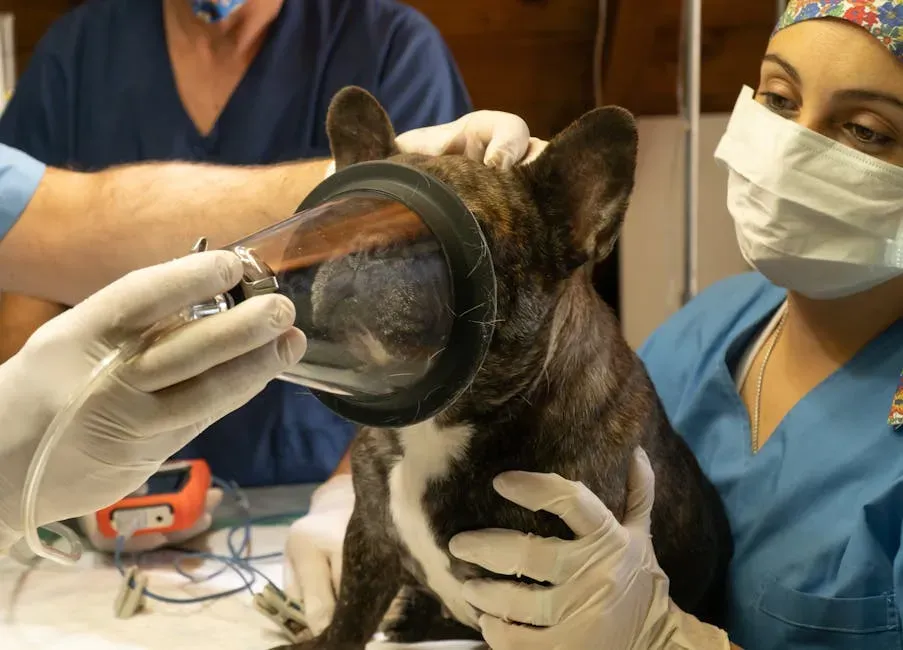
Vets are trained to talk in probabilities. Owners think in stories. Push your vet to paint three clear pictures: best-case, most likely, and worst-case. In the best case, maybe your dog is back to normal activity in three months. In the typical case, there’s a mild limp in cold weather. In the worst case, your pet could lose function in that limb entirely or need a second surgery.
Hearing this spelled out loud makes “yes” feel intentional instead of automatic, and it sometimes reveals that surgery isn’t the humane choice for a frail, elderly animal. Push past vague phrases like “usually does well” or “often fine.” Ask what success actually looks like day-to-day, and what a bad outcome looks like emotionally and financially. This is often where owners realize they’ve been chasing “perfect” when “comfortable” was the kinder goal all along.
#9 – “What Happens If We Don’t Do This At All?”
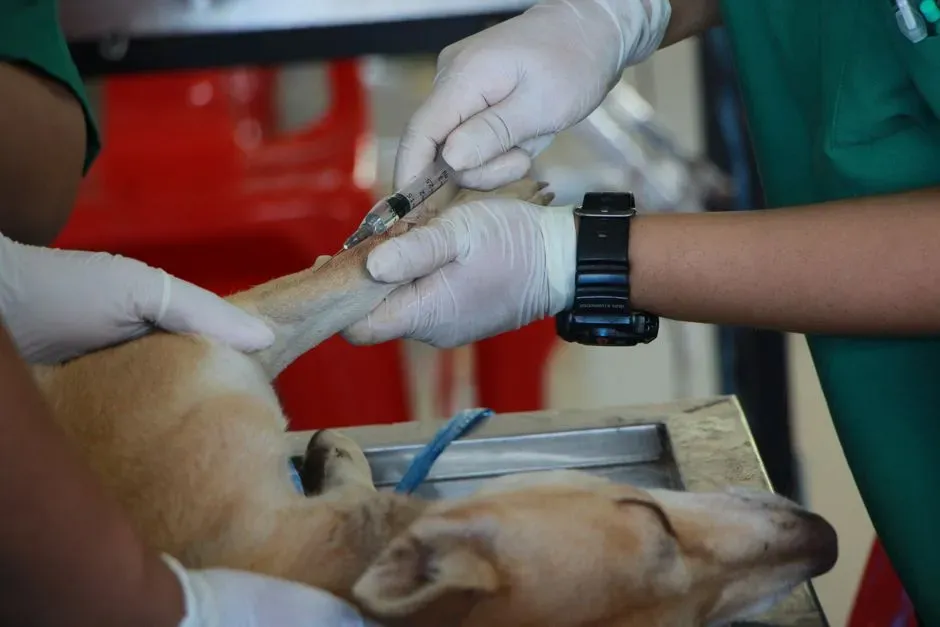
Almost nobody asks this one, and vets quietly wish they would. Say it plainly: walk me through the no-treatment path, not because I’m refusing care, but because I want the full picture. For emergencies like pyometra or a twisted stomach, the honest answer is brutal: your pet will likely die painfully without intervention.
But for other issues, like small benign lumps, mild dental tartar, or slow-growing cancer in a very old animal, the no-treatment path might be a reasonable, compassionate option focused on comfort rather than cure. Press for real timelines. Are we talking days, months, or years if we decline? How will my pet actually feel during that stretch? Sometimes learning that “doing nothing” means months of good quality life with pain control reshapes the entire decision.
Quick Compare
- Pyometra or bloat: Skipping treatment usually means rapid decline within hours to days.
- Small benign lump: Skipping treatment may still allow years of stable, comfortable life.
- Slow-growing cancer in a senior pet: Skipping surgery can still allow months of good quality time with pain control.
#10 – “Are We Treating My Pet’s Comfort, or My Own Need to ‘Do Something’?”
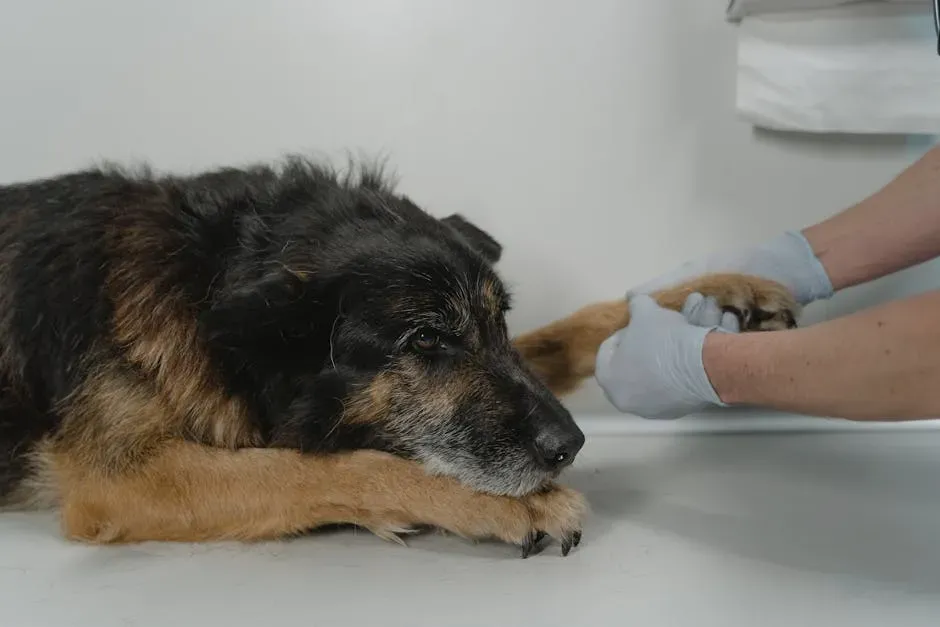
This is the uncomfortable, emotional question most owners avoid, and most vets quietly dance around too. Ask directly: if this were your own pet, would you choose this procedure, or would you focus on comfort instead? Invited honestly, many vets will give you a surprisingly candid answer.
There’s a point, especially with terminal disease or extreme old age, where aggressive treatment serves the owner’s grief more than the animal’s actual quality of life. That doesn’t automatically make surgery wrong, it just means the motive deserves a hard look. Ask yourself whether this procedure adds good-quality time or just more hospital time, and whether fear of regret is driving the decision more than your pet’s real suffering. Some vets privately believe a real portion of end-of-life procedures they perform are medically possible but ethically shaky, and they wish more owners were brave enough to ask this question out loud.
#11 – “Is My Pet’s Age or Breed Adding Risk You Haven’t Fully Explained?”
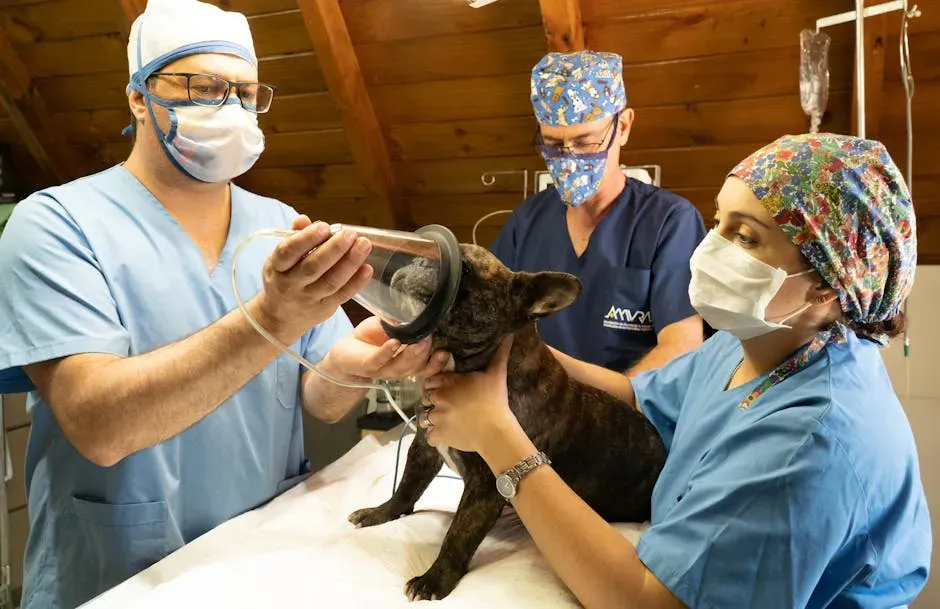
Breed and age change everything, and owners routinely minimize both. If you have a brachycephalic dog like a Frenchie, Bulldog, or Pug, or a senior cat with even mild organ changes, ask your vet to explain exactly how your pet’s age or breed alters anesthesia or recovery risk. Certain breeds are far more prone to breathing complications, bleeding issues, or trouble metabolizing drugs, and seniors can hide serious fragility behind a normal-looking exam.
A clean pre-op bloodwork panel does not erase all age-related risk. Push for concrete adjustments: will the anesthetic drugs or monitoring change because of breed or age? Will hospitalization time or fluids increase for safety? If your vet waves this off with “we do these all the time,” that might be true, but you still deserve to know exactly how your pet differs from the theoretical average patient.
#12 – “What’s Your Plan If Something Goes Wrong Mid-Procedure?”
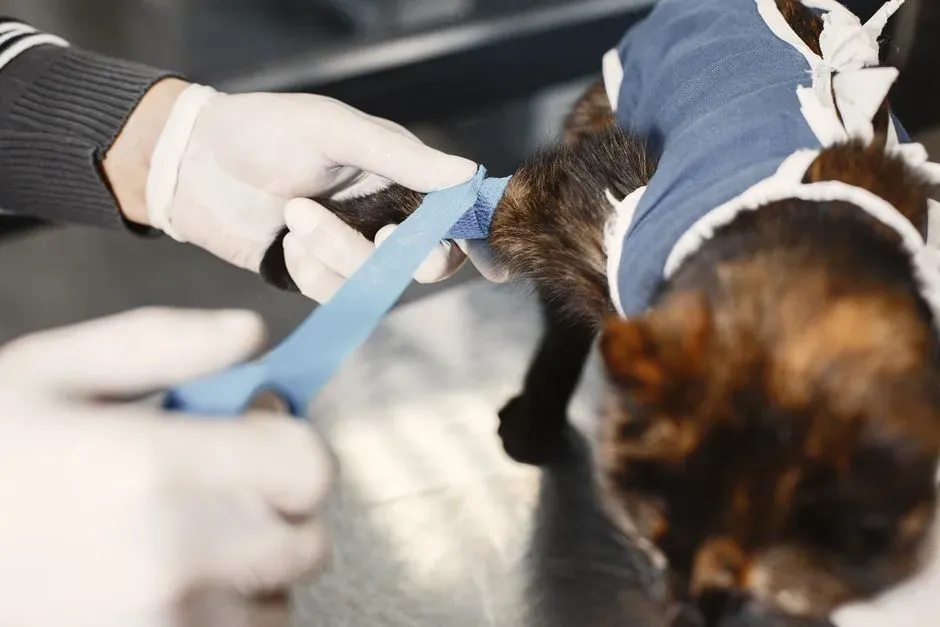
Most owners picture surgery as a straight line: prep, procedure, wake up. Vets know it’s rarely that tidy. Before you consent, ask what thresholds will trigger a change of plan if there’s unexpected bleeding, unstable blood pressure, or a tumor larger than expected. Some clinics have strict internal rules for this. Others decide in the moment, on the fly.
You should know in advance whether they’ll stop and wake your pet up, call you mid-procedure for permission to continue, or simply proceed with extra steps you never explicitly approved. You do not want to hear about a doubled bill and a more radical surgery for the first time at pickup. Knowing their decision tree ahead of time lets you set real boundaries, financially and ethically, before anyone’s under anesthesia.
#13 – “How Experienced Is Your Team With This Exact Procedure?”
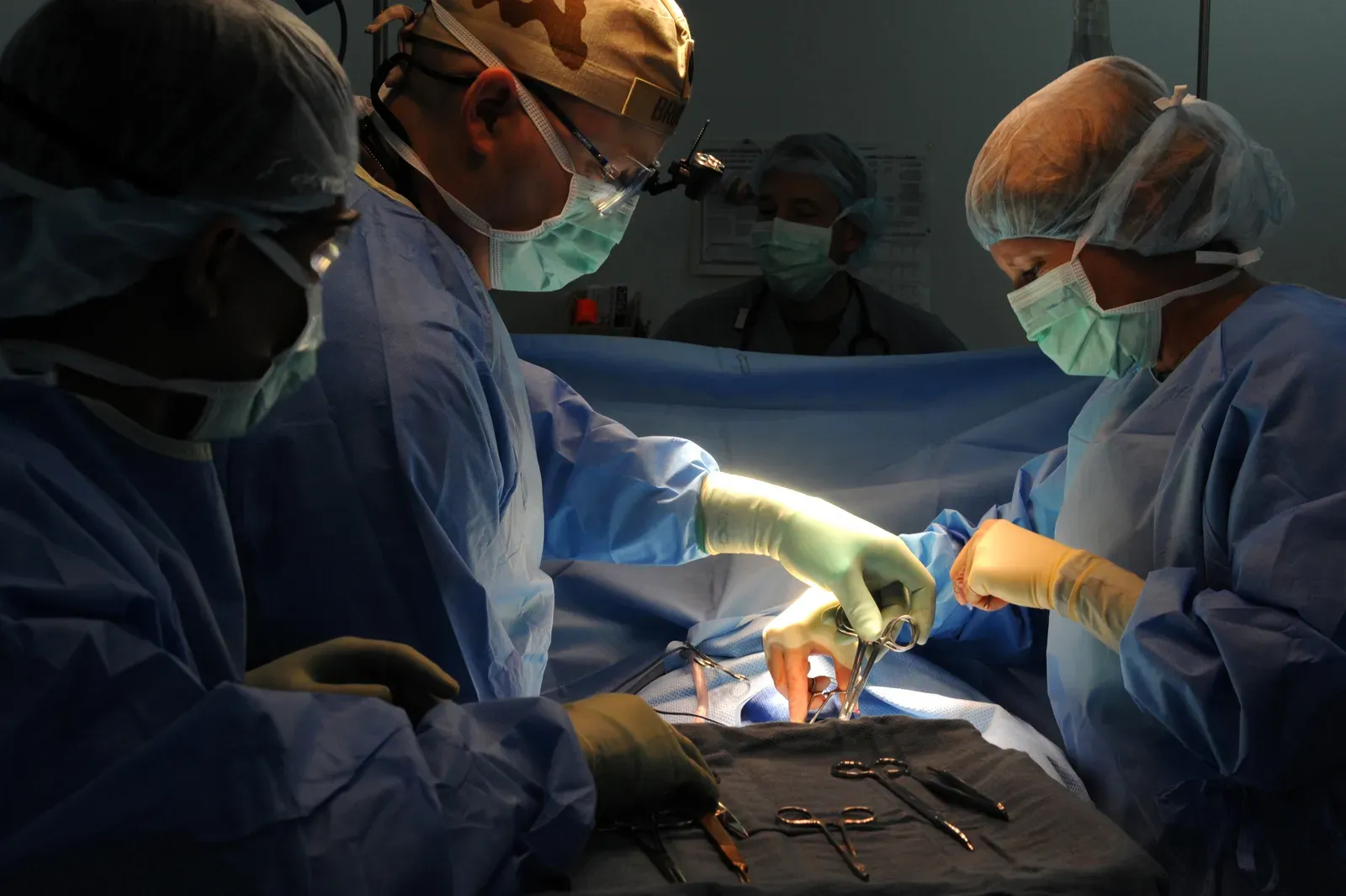
Not all vets have the same skill set, and that’s not an insult, it’s just reality. It’s completely fair to ask how many of these procedures they’ve personally done in the last year, whether it’s a cruciate repair, a complex dental extraction, an oncology surgery, or an advanced eye procedure. There’s a real gap between a vet who performs one cruciate surgery every few months and a board-certified surgeon who does several every week.
General practitioners are excellent for most things, but some cases genuinely belong with a specialist. Ask directly: if cost and travel weren’t a factor, would you send your own pet to a specialist for this? Are there minimally invasive or advanced options only a specialist can offer? You might walk away confirming your local clinic is perfectly qualified, or you might realize you’re about to let an inexperienced hand take on a high-stakes procedure.
At a Glance
- General practitioners handle the majority of routine surgeries safely and effectively.
- Board-certified specialists complete additional residency training focused on one body system.
- Specialists often have access to advanced imaging and minimally invasive techniques.
- Complex or high-risk cases may benefit from a referral, even if it means extra travel time.
#14 – “How Does This Fit Into My Pet’s Long-Term Plan, Not Just Today’s Problem?”
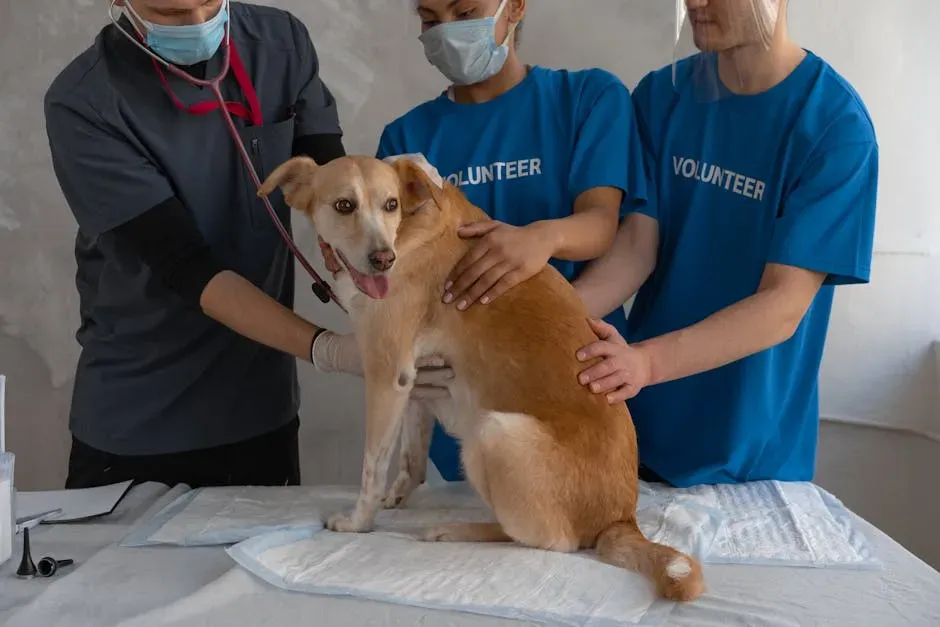
Too many procedures treat a moment instead of a life. Before signing anything, ask how this fits into the bigger picture given your pet’s age, chronic conditions, and likely future issues. Is it worth invasive orthopedic surgery on a dog with advancing neurologic disease? Is repeated dental work truly the best use of a 16-year-old cat’s remaining time when kidney disease is already in the picture?
Vets are trained to think in organ systems. Someone in the room needs to think in life stories, and that someone is usually you. Ask what the next 12 to 24 months likely look like with and without this procedure, and whether you’re buying meaningful comfort or just chasing normal lab numbers. Sometimes the bravest, kindest choice is a smaller intervention, or even hospice-focused care, instead of one more big procedure. This is the zoomed-out conversation many vets desperately wish owners would insist on having.
The Bottom Line
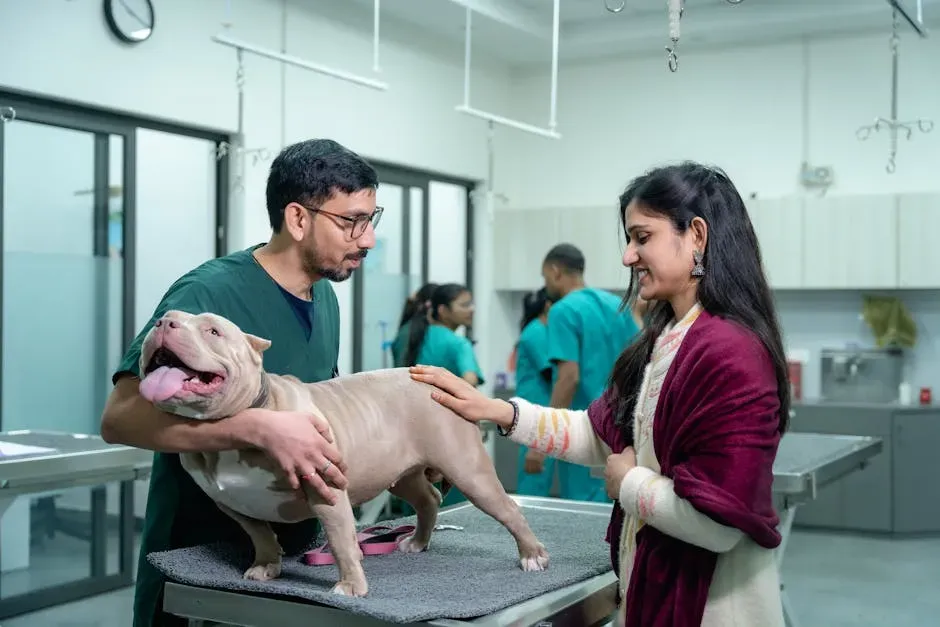
The uncomfortable truth is that saying “yes” to a veterinary procedure is rarely just a medical decision. It’s emotional, financial, and ethical all at once, tangled together in a three-minute conversation that deserves far more than three minutes.
The owners who walk away feeling solid about their choices weren’t lucky. They asked the hard questions up front: Is this urgent? What can actually go wrong for my pet? Who’s doing what? What happens if we simply don’t do this at all?
Some people will read this list and think it’s overthinking a routine appointment. The quiet consensus among experienced vets says the opposite: rushed, passive consent is one of the biggest mistakes modern pet owners make, and it’s rarely the owner’s fault, it’s a system built for speed instead of understanding. If these questions feel pushy, ask them anyway. Your pet can’t cross-examine the treatment plan. You’re the only one in the room who can.


