
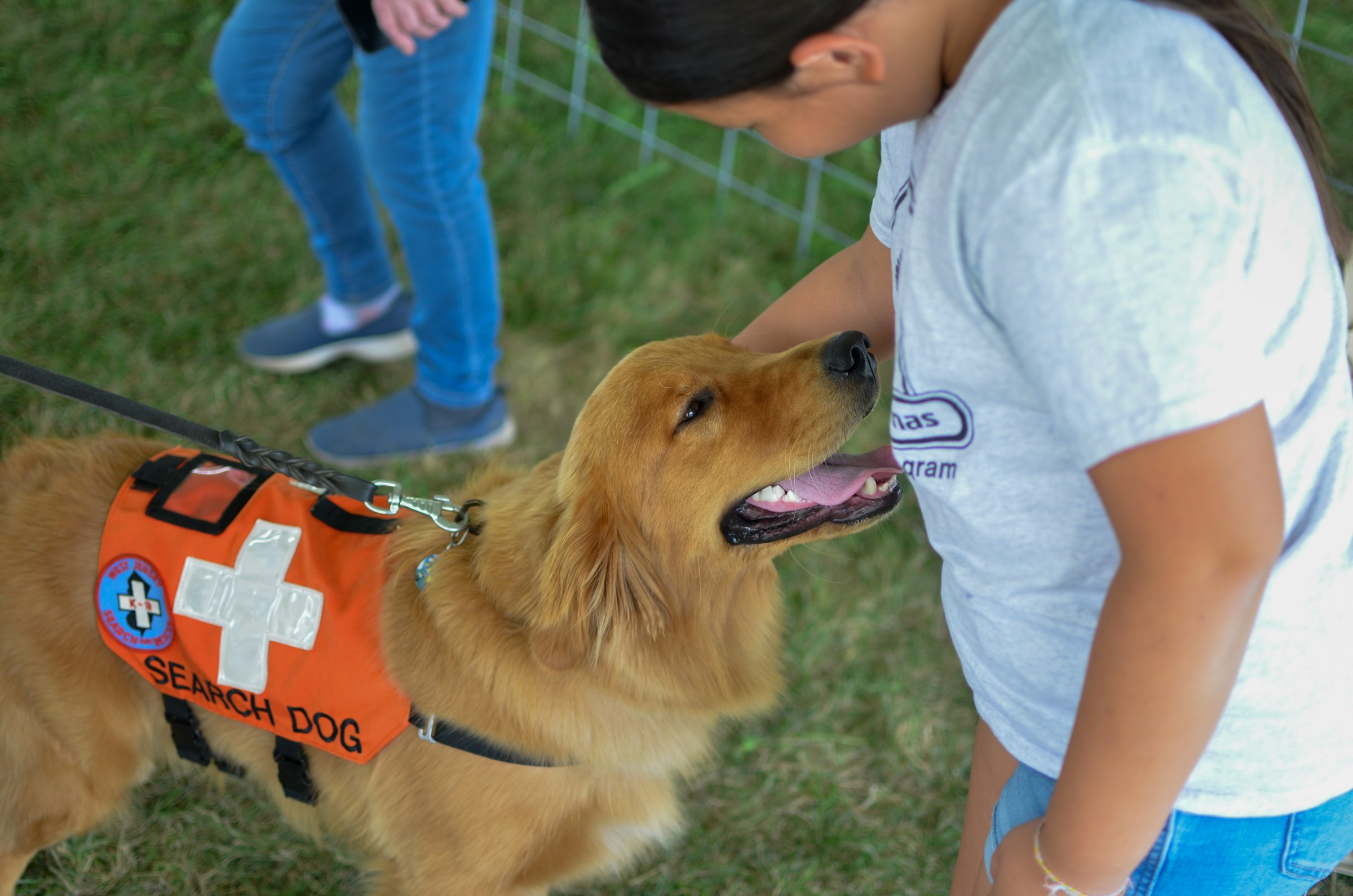
For decades, the family dog got filed under “nice to have” – somewhere between a hobby and a distraction from real medicine. Cardiologists talked statins. Therapists talked SSRIs. Nobody wrote “adopt a rescue mutt” on an official treatment plan, and if you’d suggested it, you’d have gotten a polite, pitying smile.
That smile is disappearing fast. Not because pet lovers got louder, but because the data got too specific and too consistent to laugh off. Lower blood pressure. Fewer meds after a heart attack. Kids with stronger immune systems. Some of what researchers found is strange enough that even skeptical clinicians stopped rolling their eyes – and a few of these findings might genuinely surprise you.
#1 – Your Dog Quietly Lowers Your Blood Pressure

Cardiologists used to focus almost entirely on salt and stress management, but dogs have quietly forced their way into the blood-pressure conversation. Multiple studies show dog owners often have lower resting blood pressure and calmer heart rates during stressful moments compared to people without pets. That’s not magic – it’s physiology. Petting a familiar dog triggers a measurable rise in oxytocin and a drop in cortisol, your primary stress hormone.
Small daily dips in stress add up, especially for people already flirting with hypertension. Doctors are paying attention because this isn’t a one-off blip – the “dog buffer” shows up in waiting rooms, rehab units, and even during blood draws, where patients with therapy dogs nearby often need less anxiety medication. Some physicians will now quietly admit they’d rather a stressed, lonely patient get a dog than a third prescription.
#2 – Daily Walks With Your Dog Act Like a Prescription for Exercise

Most people swear they’ll start exercising more. Most don’t follow through. A dog, however, doesn’t care about your excuses, which is partly why researchers keep finding that dog owners log more minutes of moderate physical activity per week than non-owners – often enough to hit official exercise guidelines without ever setting foot in a gym.
Even “lazy” strolls count. Anything that gets your heart rate and legs moving lowers your long-term risk for heart disease, stroke, and type 2 diabetes. Doctors in obesity and cardiology clinics notice the pattern constantly: the patients who actually stick with movement are, disproportionately, dog owners. The leash becomes non-negotiable, and your dog’s bathroom breaks quietly become your cardiovascular plan. Some clinicians now suggest dog fostering or walking programs to patients who can’t commit to full ownership.
Fast Facts
- The CDC recommends adults get at least 150 minutes of moderate-intensity activity each week.
- Brisk walking – exactly what most dog walks provide – qualifies as moderate-intensity exercise.
- That weekly total can be broken into small chunks, like three short walks a day, and still count in full.
- Nationally, a large share of adults still fall short of that 150-minute benchmark on their own.
#3 – Your Dog Can Help Your Heart, and Maybe Help You Live Longer

Cardiologists were skeptical until the numbers piled up too high to dismiss: in several large studies, people with dogs had lower all-cause mortality and better survival after heart attacks than people without dogs, even after controlling for age and other risk factors. No one is claiming dogs are miracle cures – but the mix of movement, reduced loneliness, and emotional support clearly has real cardiac weight.
Here’s what most people miss: heart disease isn’t just clogged arteries. It’s also chronic stress, poor sleep, isolation, and low-grade depression – and dogs touch every single one of those. They nudge you outside, force structure into your day, and hand you a quiet sense of being needed. Some cardiologists now mention pet ownership in risk-reduction conversations right alongside diet and smoking, calling it slow, unglamorous, but genuinely effective medicine.
#4 – Dogs Act Like a Natural Anti-Anxiety and Anti-Depression Tool

Therapists used to call dogs “nice extras.” Now many will say it plainly: for some patients, a dog is functionally as important as a weekly session. Interacting with a familiar dog raises oxytocin, lowers cortisol, and can even ease symptoms in people dealing with clinical anxiety and depression. That doesn’t replace professional care – but it powerfully backs it up.
Here’s the uncomfortable truth: a lot of people never stick with therapy or medication long enough for it to actually work. A dog doesn’t wait for you to “be in the mood.” It drags you out of bed at 7 a.m., demands a walk when you’d rather stew in bed, and offers judgment-free presence when your own brain feels hostile. Some psychiatrists remain cautious, but many now directly write emotional support animal letters because the functional gains are hard to argue with.
#5 – Growing Up With a Dog May Tune a Child’s Immune System

Not long ago, parents were told to keep babies away from “germs” at almost any cost. Now pediatricians are increasingly comfortable saying that early, normal exposure to pets – especially dogs – may help lower the risk of certain allergies and asthma in some children. The “hygiene hypothesis” suggests that overly sterile early environments can confuse a developing immune system, making it more likely to overreact later in life.
Dogs track in dirt, microbes, and all kinds of outdoor particles. It sounds gross, but to a young immune system, it’s valuable training data. Many pediatric allergists now say that in typical households without severe existing allergies, there’s no need to rehome a dog when a baby arrives – it might even help. Critics rightly note the effect sizes are modest, not universal. But the shift in attitude is unmistakable: your dog is no longer filed under “risk.”
#6 – Dogs Are Forcing Doctors to Take Loneliness Seriously

For years, doctors treated loneliness like a personality quirk, not a health risk. Then researchers started comparing chronic social isolation to smoking in terms of its impact on mortality, and suddenly the “single person with a dog” didn’t look so pitiable. People with pets, especially dogs, often report lower perceived loneliness and higher daily social interaction.
Why? Dogs are social catalysts. They make strangers talk to you at the park, give shape to evenings that might otherwise be dead silent, and offer steady, predictable companionship. Some geriatric physicians now ask about pets right alongside questions about medications and fall risk, because they’ve seen losing a dog destabilize an older adult almost as much as losing a close friend.
Worth Knowing
- The U.S. Surgeon General has compared the mortality impact of chronic social disconnection to smoking up to 15 cigarettes a day.
- Social isolation is linked to a roughly 29% higher risk of heart disease and a 32% higher risk of stroke.
- Researchers have found loneliness can carry more mortality risk than obesity or physical inactivity.
#7 – Canine “Therapists” Are Changing How Hospitals Treat Pain
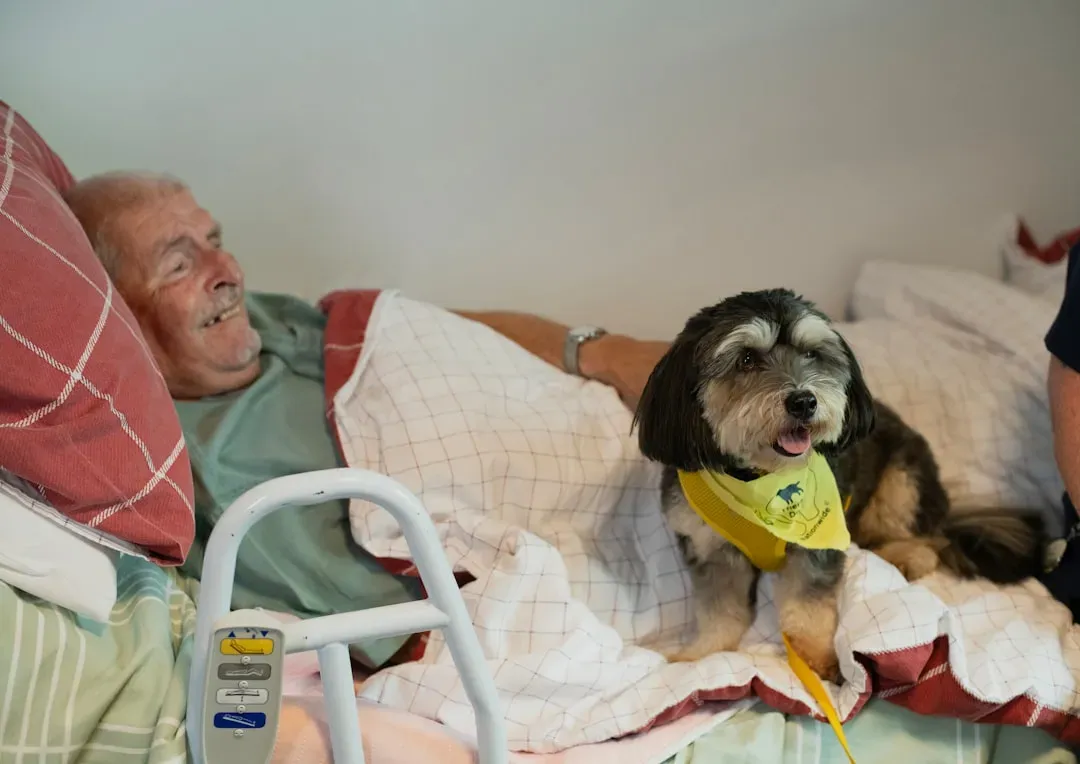
Pain used to be managed almost entirely with drugs. Then hospitals started tracking something unexpected: when trained therapy dogs visited certain units, patients often reported lower pain scores, less anxiety, and higher satisfaction, sometimes needing fewer rescue medications for hours afterward. That’s not placebo – pain is deeply influenced by mood and nervous system arousal, exactly what a calm dog can shift.
Today you’ll find certified therapy dogs in cancer centers, pediatric wards, psych units, and rehab facilities. Some surgeons privately admit they’d rather see a patient get a fifteen-minute dog visit than an extra dose of sedative, when it’s medically safe. Skeptics say the research is still developing, and they’re not wrong – but hospitals don’t keep expensive optional programs running unless the numbers back them up.
#8 – Service and Detection Dogs Are Rewriting the Rules on Chronic Disease

The idea that a dog could “smell” your health once sounded like pseudoscience. Then studies confirmed what handlers had been reporting for years: properly trained dogs can detect dangerous blood sugar drops, oncoming seizures, and even some cancers with striking accuracy. For people with type 1 diabetes, seizure disorders, or severe allergies, these aren’t party tricks – they’re life-saving alerts.
Doctors now work alongside service-dog programs to identify patients who qualify. Some endocrinologists admit their most fragile diabetic patients gain confidence, leave the house more, and manage fewer catastrophic lows once paired with a reliable alert dog. It’s not perfect, and medical devices still matter – but dogs add a layer of real-time, behavior-sensitive monitoring that technology can’t fully replicate yet.
Why It Stands Out
- Diabetic alert dogs are trained to notice chemical changes in breath or sweat tied to dangerous blood sugar swings.
- Seizure alert dogs can sometimes signal an oncoming seizure minutes in advance, giving a person time to get safe.
- Medical detection dogs are being studied for their ability to sniff out certain cancers and infections in early research trials.
- Unlike a wearable device, a trained dog reacts in real time without needing to be charged, calibrated, or worn.
#9 – Caring for a Dog Forces Cognitive and Emotional “Training”

Neuroscientists now acknowledge something simple: routine, responsibility, and emotional engagement keep brains healthier longer. A dog demands all three, every single day. You’re reading subtle cues, planning walks around weather, tracking vet appointments, adjusting routines as your dog ages – low-level cognitive rehab disguised as ordinary life.
Psychologists also note that emotionally dysregulated people – those with anger issues, trauma histories, or attachment problems – often practice safer emotional expression with dogs first. You learn to soften your tone, notice nonverbal feedback, and repair after snapping. Some therapists even build homework around it: walk your dog daily and track your mood before and after.
I can’t ignore the patients who function better once they adopt a dog, even if it doesn’t fit neatly into a diagnosis code.
A clinician’s observation, as commonly voiced in mental health practice
#10 – Dogs Can Nudge You Toward Healthier Daily Habits

Not every benefit is dramatic. Some are boring and quietly powerful. People with dogs often develop more stable daily routines, which matters more for health than most of us want to admit. You wake up at a consistent time, go outside at least twice a day, and get built-in micro-breaks from screens – structure that stabilizes circadian rhythm, digestion, and mood.
There’s also a halo effect. If you’re already outside walking, you’re more likely to grab coffee on foot instead of ordering delivery, chat with a neighbor, or knock out a quick errand. Doctors who treat insomnia and mood disorders know that scattered, chaotic days make everything worse. A dog is a living alarm clock and accountability partner rolled into one, quietly dragging your lifestyle closer to what sleep and metabolic experts actually recommend.
#11 – With a Dog Around, Your Stress Recovery Speeds Up

Stress is unavoidable; what matters is how fast you bounce back from it. In lab settings, people exposed to stressful tasks often return to baseline heart rate and blood pressure faster when a familiar dog is present compared to when they’re alone. That recovery speed is increasingly seen as a crucial marker of resilience.
Doctors who work in high-burnout professions – nurses, first responders, teachers – notice something similar anecdotally. The ones who go home to a dog describe a concrete decompression ritual: leash up, walk, vent, pet, breathe. It’s not a cure for a toxic workplace, but it’s a real buffer, and some employers now support dog-friendly office policies based on internal stress and retention data alone.
#12 – Dogs Can Nudge You Into Real-World Social Circles

We talk endlessly about “community” online, but human nervous systems are still wired for face-to-face contact. Dog parks, neighborhood walks, training classes, and vet waiting rooms create built-in chances for small talk and local connection. For socially anxious or newly relocated people, the dog is both icebreaker and excuse.
Researchers have found that dog owners are often more likely to know their neighbors’ names and feel safer in their own neighborhood. That’s not just a nice feeling – being embedded in a community is linked to better mental and physical health outcomes. Some family doctors now deliberately encourage isolated patients to join dog-walking groups instead of yet another online forum.
#13 – Dogs Can Anchor Recovery After Trauma and Loss

Trauma specialists used to worry that clients might “hide behind” pets instead of doing the real work. Instead, many now see dogs as anchors during destabilizing periods like grief, divorce, or post-traumatic stress. When everything else feels meaningless, the dog still needs breakfast – and that tiny sliver of responsibility can keep a person from drifting into total collapse.
Combat veterans, abuse survivors, and widows often describe their dogs as the reason they got out of bed during their darkest stretches. Therapists take that seriously enough that animal-assisted therapy is now standard in many trauma programs – not because dogs erase pain, but because they let patients feel safe enough to start doing the hard work at all.
#14 – Your Dog’s Microbiome Might Be Helping Yours

Here’s the weird, cutting-edge part: microbiome researchers are increasingly interested in how living with a dog may alter the mix of bacteria and microbes in your home, and in your body. Households with dogs tend to show more microbial diversity, especially from outdoor sources, and that diversity is often associated with more robust immune and metabolic health.
Doctors aren’t prescribing “dog exposure” as gut therapy yet, and they shouldn’t – the field is still young. But some preventive-medicine and allergy specialists quietly admit they worry less about a reasonably clean dog tracking in park dirt than about kids growing up in sealed, antiseptic apartments. It’s a contrarian take, but a bit of dog-delivered dirt may, in the long run, beat constant disinfectant wipes.
At a Glance
- Homes with dogs tend to show greater microbial diversity than pet-free homes, especially from outdoor sources.
- Some research links early exposure to dog-associated microbes with a lower likelihood of certain childhood allergies.
- Scientists believe a more diverse microbiome may support stronger immune and metabolic function over time.
#15 – Dogs Give Life Meaning, and That’s a Health Factor Doctors Can’t Ignore

Here’s the part medical charts don’t capture: meaning. People with dogs routinely say things like “he gave me a reason to keep going” or “she’s my family.” That’s not sentimentality – a growing body of research links having a sense of purpose to lower mortality, better cognitive function, and healthier aging. For many people, especially those without kids or partners, the dog is that purpose.
Some doctors still roll their eyes at this, preferring neat metrics and lab values. Others, especially in geriatrics and palliative care, know better. They watch patients push through rehab exercises because “I need to get back to our routine,” or rally to walk the dog just days after surgery. It’s imperfectly measurable, but it’s absolutely real, and biology clearly rewards it.
The Bottom Line
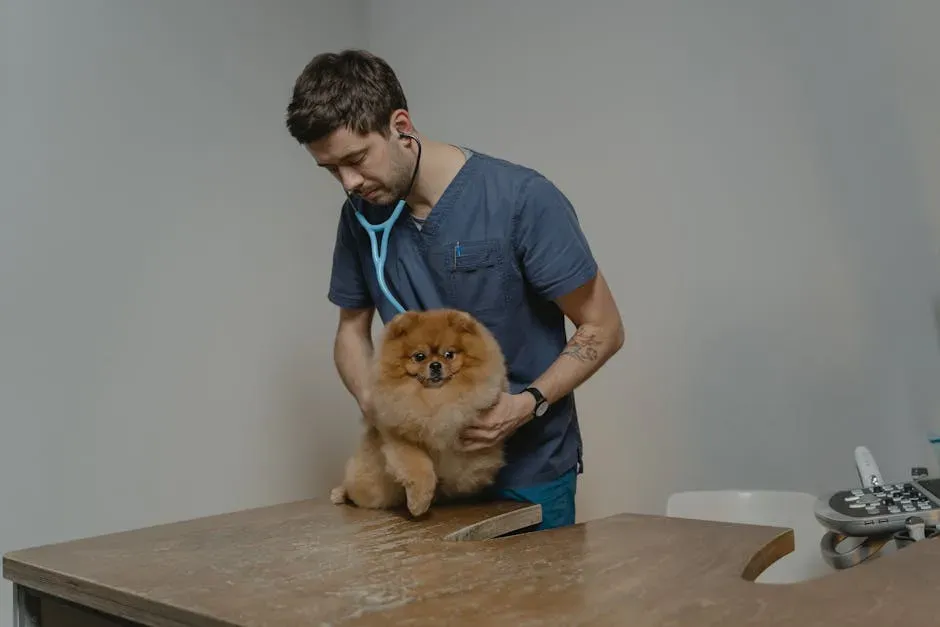
Zoom out, and the pattern is blunt: dogs touch nearly every system doctors care about – heart, brain, immune, metabolic, and emotional health – through a mix of movement, connection, and meaning that no single medication can replicate.
Are they a substitute for real medical care? No, and pretending otherwise would be irresponsible. But the old attitude that pets are “nice but irrelevant” to serious health is flat-out outdated. The evidence is messy, human, and sometimes hard to quantify – yet it keeps pointing the same direction: for many people, a dog isn’t a luxury. It’s a legitimate health asset.
Some will call that sentimental nonsense. Meanwhile, plenty of doctors are already watching their patients prove it right, one walk, one wag, one hard day survived at a time. So where do you land – are dogs underrated medicine, or are we giving them too much credit?


