

One of the sneakiest things about caring for a senior dog is how easy it is to shrug off changes with a quiet “Well, they’re just getting old.” I’ve done it myself with my own dog, and I still cringe thinking about the health issues I almost missed because I assumed it was all part of aging. A shifting appetite can look like a normal, slow slide into seniorhood, but veterinarians are very clear on this point: appetite changes are a symptom, not a personality quirk.
The tricky part is that real disease often hides inside those everyday adjustments we see at the bowl. Eating less, eating more, acting picky, gobbling food frantically – these can absolutely show up with age, but they are just as often early warning signs for pain, organ disease, dental problems, or even cancer. The goal is not to panic about every half-finished meal, but to know which changes deserve a closer look instead of a casual excuse. Let’s walk through six appetite shifts vets say you should never automatically chalk up to “just old age.”
1. A Gradual Loss of Interest in Food Over Weeks

When a senior dog stops racing to the food bowl and starts wandering over slowly, or leaves a bit behind at each meal, it is tempting to think they are simply “slowing down.” But a sustained, gentle decline in appetite over several weeks can be one of the first clues that something systemic is brewing, like kidney disease, chronic pain, low-grade infections, or gastrointestinal trouble. Bodies that feel crummy adapt by eating less, and older dogs are especially good at quietly compensating until they can’t.
Because the change is slow, you might not notice it until your dog has already lost weight or seems weaker. This is why veterinarians love boring, simple tools like a log of how much your dog eats and a monthly weigh-in at home. If you catch that soft downward trend early, you can get blood work, a physical exam, and dental evaluation done before your dog is in crisis mode. Old age itself is not a diagnosis; “eating less” is a clue that deserves a reason, not a shrug.
2. A Sudden Drop in Appetite or Skipping Multiple Meals
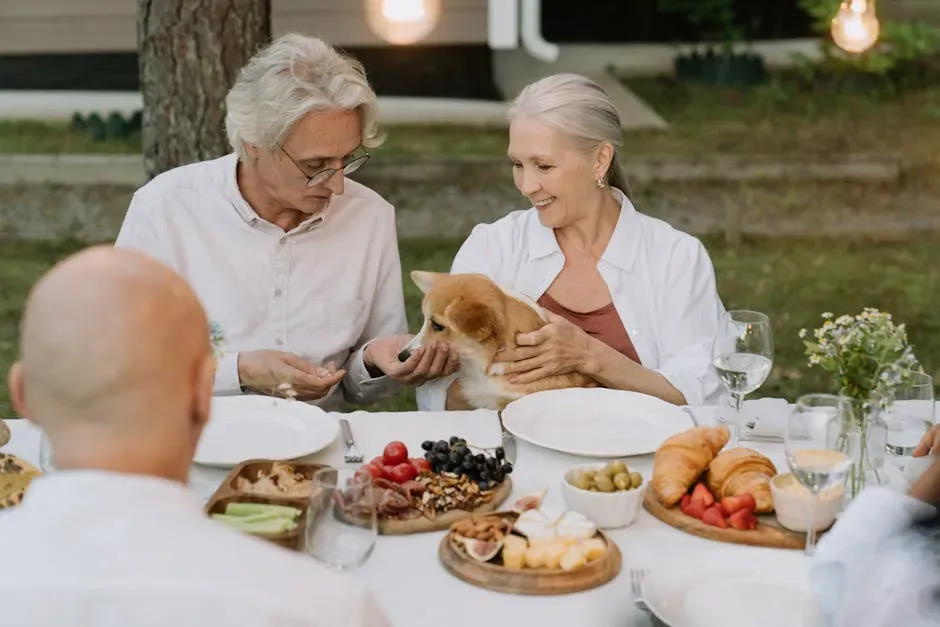
Older dogs do sometimes have the occasional off day, especially if the weather changes or they had a more active day than usual. But if your senior dog suddenly refuses food for more than one meal, or goes from enthusiast to totally uninterested in less than a day or two, that is not something to write off as “senior moodiness.” A sharp appetite crash can point to acute pain, pancreatitis, gastrointestinal blockages, severe dental issues, or other emergencies that should not wait.
Think of it like this: most healthy dogs, even old ones, are hardwired to eat. When they stop, the body is throwing up a very loud red flag. Veterinarians often say they would rather see a supposedly overprotective owner whose dog bounced back quickly than meet a senior pet days later that has been struggling quietly at home. If your gut tells you, “This is not like them at all,” that is exactly the moment to call the vet, not to lecture yourself about overreacting.
3. An Increase in Hunger or Begging That Feels “New”

We usually worry more when an older dog eats less, but a dog who suddenly acts ravenous can also be a big medical clue. If your easygoing, moderate eater starts inhaling meals, crying by the bowl hours early, stealing food from counters, or begging intensely at the table, veterinarians will often screen for conditions like diabetes, hyperthyroidism in certain cases, or Cushing’s disease. Some medications, especially steroids, can also dramatically increase appetite and thirst.
Because begging can look cute or funny, it is easy to treat it as a quirky senior personality shift. But when this behavior appears out of nowhere or escalates fast, it is worth asking what changed in your dog’s body rather than blaming their “old man greed.” A good rule of thumb: if the hunger feels obsessive or new to you, it is not just a harmless habit. Getting lab work and a medication review can uncover problems early, when they are far easier to manage and your dog still feels like themselves.
4. Becoming Suddenly Picky, Even With Former Favorite Foods
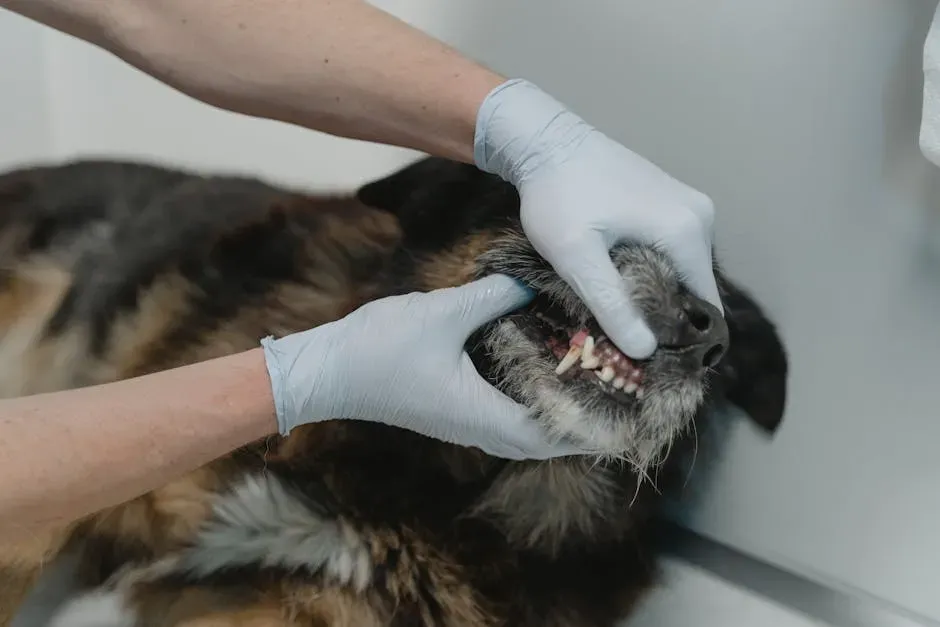
Many owners describe their older dogs as getting “fussy” with age, turning up their nose at kibble one week and wet food the next. While some dogs genuinely learn that humans will cave and offer tastier options, sudden pickiness is often pain wearing a clever disguise. Dental disease, loose teeth, sore gums, nausea, and even joint or neck pain can make the simple act of chewing or bending down to the bowl deeply uncomfortable.
So your dog may still be hungry, but the specific texture, temperature, or shape of the food might hurt. That explains why many senior dogs happily eat soft treats or table scraps but refuse their regular food. Instead of assuming you have a manipulative little diva on your hands, consider whether your dog might be trying to tell you, “I want to eat, but it hurts when I do.” A veterinary oral exam, dental X-rays, and sometimes pain control can transform a so-called picky eater back into a joyful one without endless food roulette.
5. Changes in How Fast or How Comfortably They Eat
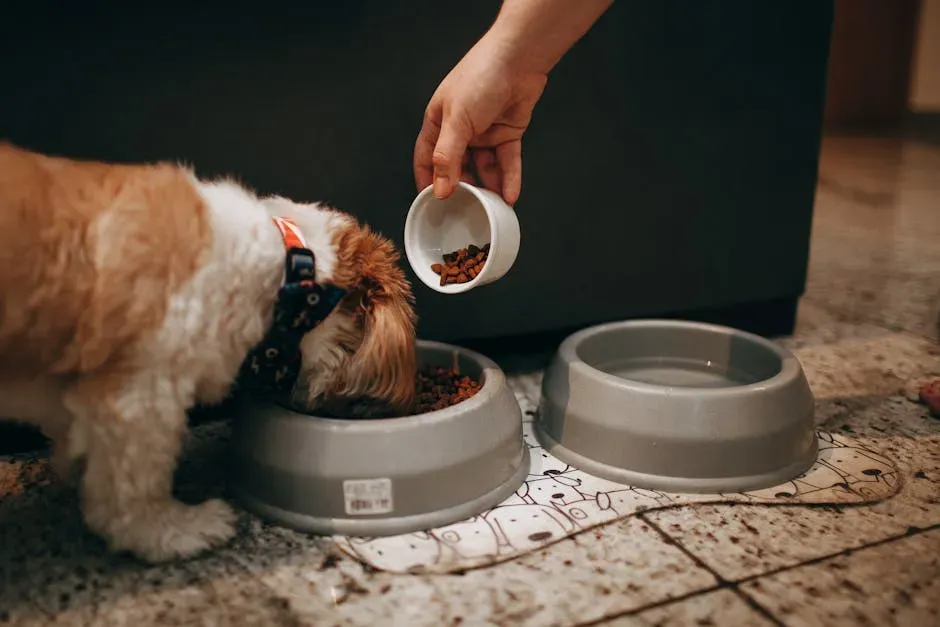
Not every appetite change is about quantity; sometimes it is about style. If your older dog used to inhale meals in thirty seconds and now takes long breaks, chews on one side, drops kibble from their mouth, or walks away halfway through, veterinarians pay close attention. These shifts can hint at dental fractures, oral masses, neurologic changes, or even cognitive decline impacting focus and coordination at mealtime.
On the flip side, a dog that was always moderate but now eats at a frantic, almost desperate speed might be dealing with anxiety, chronic stress, or a medical condition making them feel persistently hungry. Think of it as watching not just how much food disappears, but how the whole mealtime experience looks. Filming your dog’s eating habits and showing the video to your vet can be surprisingly powerful – what you see as “just slow” or “kind of weird” can jump out as a clear sign that something more is going on.
6. Appetite Changes That Come With Weight, Thirst, or Behavior Shifts
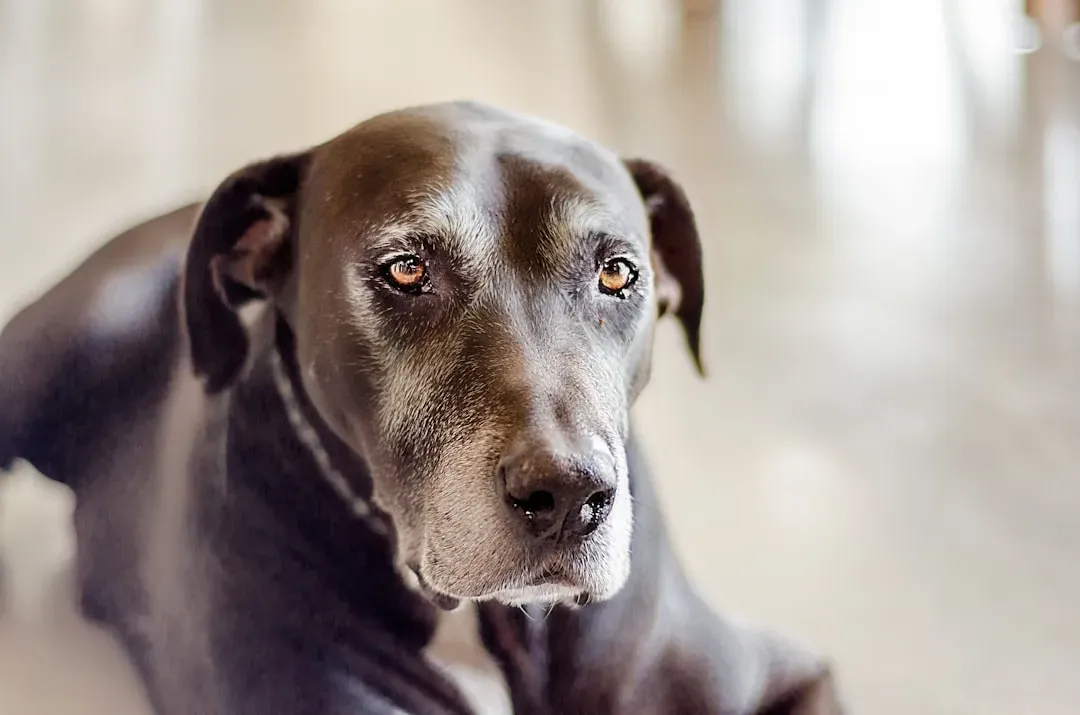
The biggest trap with senior dogs is looking at appetite in isolation, as if the bowl exists in its own little universe. Veterinarians, on the other hand, look at appetite together with weight (up or down), changes in thirst and urination, activity levels, and even mood. If your dog is eating less and also losing weight, drinking more, sleeping more, or acting withdrawn, the full picture starts to look less like “old age” and more like a specific disease pattern that needs attention.
Similarly, a dog who is eating more but losing weight, or eating less but gaining weight, deserves a deeper dive. The body is not randomly rolling dice; it is following rules that veterinarians understand well enough to test for. When multiple changes show up around the same time – eating, drinking, bathroom habits, energy, behavior – that is your signal to stop assuming and start investigating. You know your dog’s normal better than anyone; if that normal is slowly drifting, your vet can help decode why.
Conclusion: Old Age Is a Factor, Not a Diagnosis
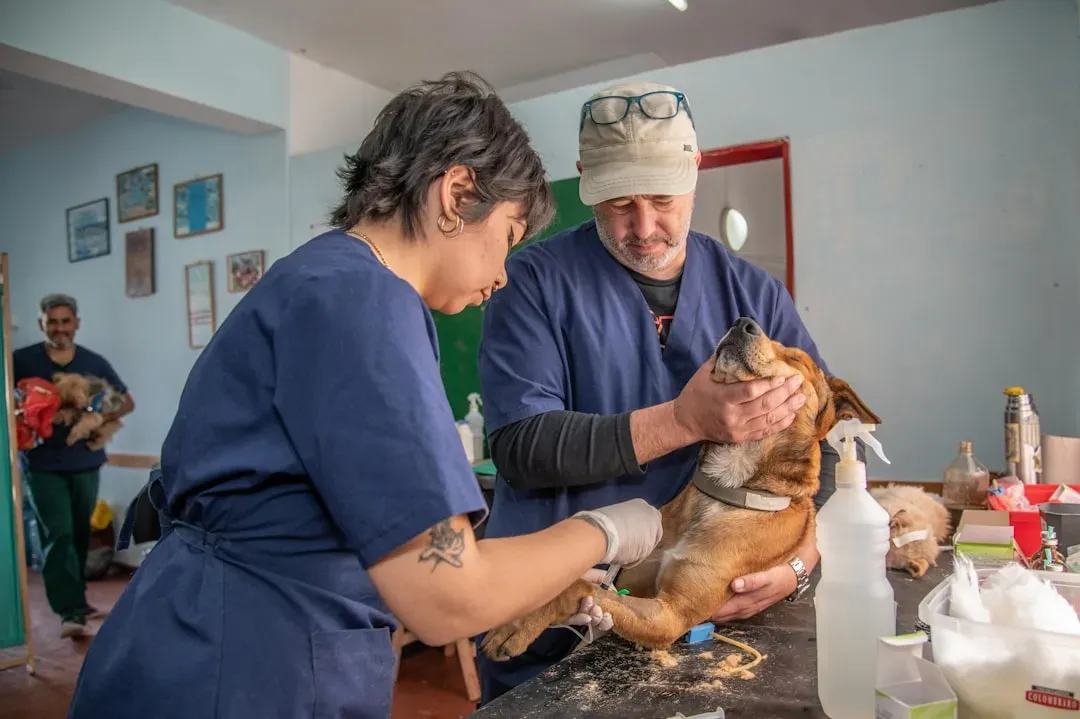
I think one of the hardest parts of loving an aging dog is walking the line between acceptance and complacency. Yes, their bodies are changing, and yes, some shifts really are part of a natural slowdown. But using age as a blanket explanation for every change in appetite can quietly rob them of comfort, catchable diseases, and years of good-quality life. To me, it feels more respectful – and honestly more loving – to assume there might be a reason until a veterinarian proves otherwise.
If there is one takeaway, it is this: a senior dog’s appetite is a conversation, not background noise. Whenever that conversation changes, especially in the six ways we just walked through, your job is not to panic but to get curious and ask better questions, alongside a vet you trust. Old age may be the stage of life, but it should never be the only story we tell ourselves about what is happening. Looking at your dog’s bowl right now, is there anything you have been quietly blaming on age that might deserve a second look?


