
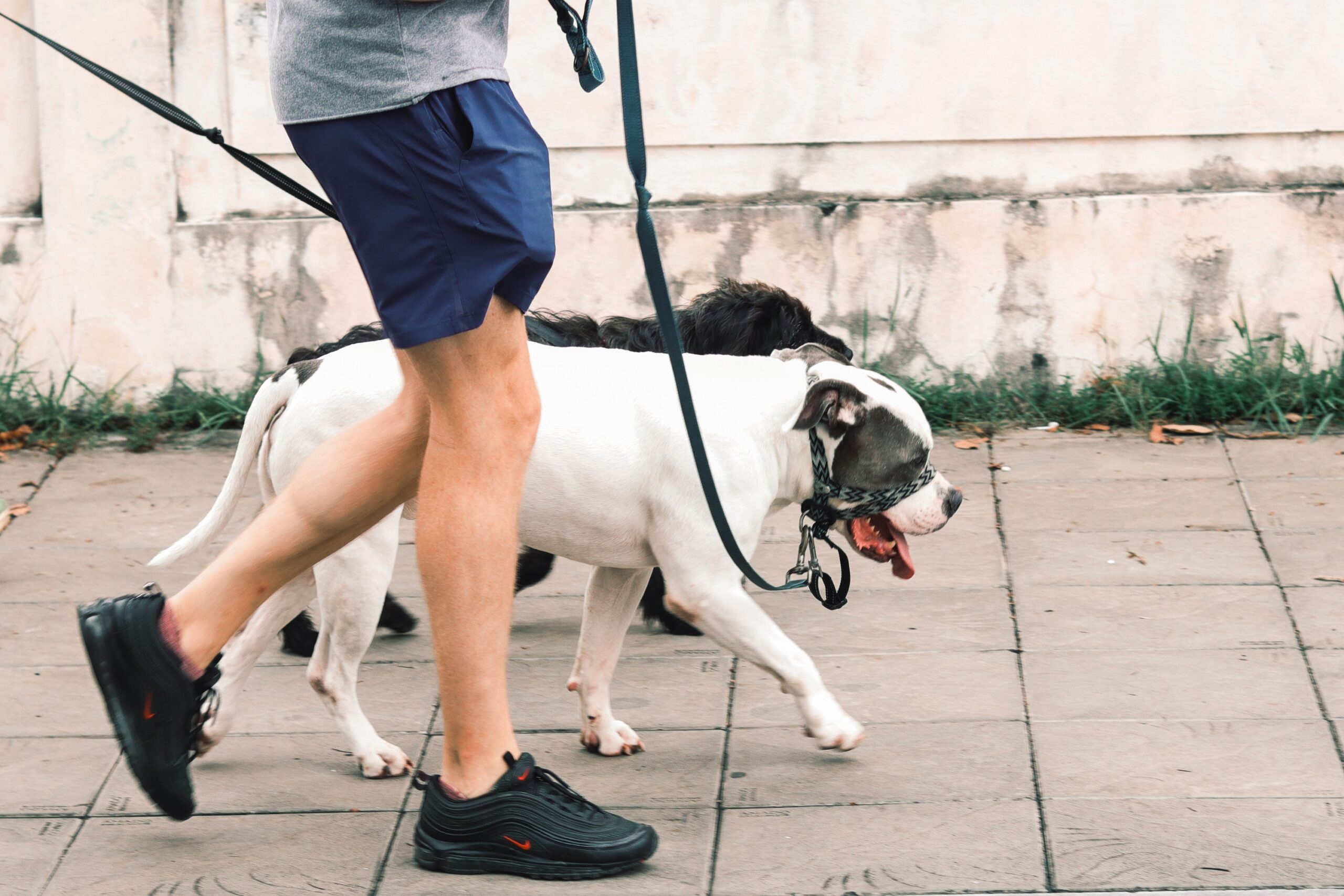
You just felt guilty again, didn’t you? Maybe you scrolled past a video of a dog draped across its owner’s lap for the eleventh hour straight, and some small voice in your head whispered, mine doesn’t do that. Am I not enough? TikTok has turned “velcro dogs” into the gold standard of love, and if your dog naps in another room or seems fine when you’re busy, it can feel like a quiet failure.
Here’s the twist nobody’s telling you: dog psychology says the opposite. Constant attention isn’t what makes a dog feel loved – and in some cases, it actually backfires. What your dog’s brain is actually wired to crave is something far less Instagrammable. Stick around, because by the time you hit #1, you’ll probably look at your “boring” daily routine in a completely different light.
#10 – Your Dog Is Reading Patterns, Not Counting Minutes
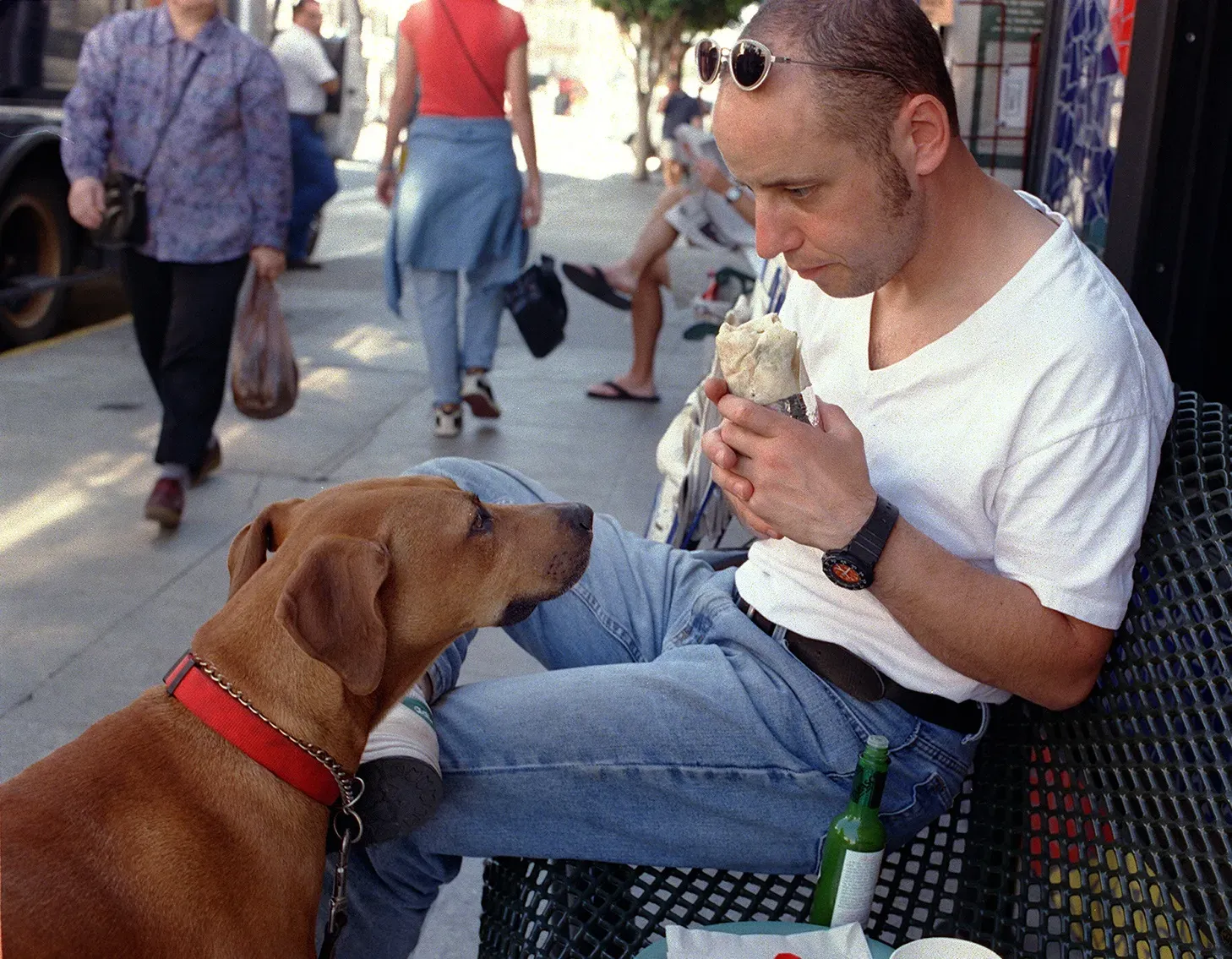
You measure love in cuddle-time. Your dog doesn’t. Dogs are relentless pattern-readers – they clock that coffee means the backyard is next, that keys jingling means a treat is coming, and that this sequence rarely changes. That predictable chain, not the stopwatch, is what makes them feel safe.
It’s not whether you snuggled for six minutes or sixty – it’s whether the day felt familiar. When attention swings wildly, huge bursts of play one day and total silence the next, dogs don’t relax into it. They get twitchy, clingier, sometimes more hyper, because their brain is stuck trying to solve a puzzle with no stable answer. A steady, almost boring rhythm does more for their nervous system than any amount of frantic entertaining ever will.
#9 – Your Dog Wants “Secure,” Not “Smothered”

In human psychology, a securely attached kid can wander off and explore because they trust their caregiver will still be there when they look back. Dogs run on the exact same wiring. A securely attached dog can nap alone, trot ahead of you on a walk, and not fall apart the second you leave the room – because they’ve learned you always come back.
Here’s where it gets uncomfortable: the “so loving” clingy dog that gets applauded online is often, behaviorally speaking, an anxious dog. If your dog can’t settle unless they’re physically touching you, that’s not devotion – that’s a nervous system running on high alert. Ironically, rushing in every time (“Oh no, come here, don’t be alone!”) can cement that anxiety permanently. Calm, predictable comings and goings teach a much healthier lesson: you leave, you return, and nothing bad ever happens.
Quick Compare
- Secure dog: naps in another room, explores ahead on walks, settles quickly after you leave
- Anxious dog: can’t relax unless touching you, panics within seconds alone, shadows you room to room
- The real difference: it’s confidence they’ll see you again, not extra love
#8 – Quiet Presence Beats Nonstop Narration

Modern dog culture has convinced a lot of us to narrate every second – “Good boy for sitting! Good boy for existing!” But to a dog’s ears, a constantly chattering human isn’t affection, it’s noise. Dogs read tone, volume, and consistency far more than actual words, and a nonstop stream of praise can start to feel like static.
Imagine if your best friend talked at you nonstop, all day, every day – you’d eventually tune out or snap. Dogs aren’t wired that differently. High-pitched squeals and rapid-fire praise say “the environment is intense,” which is fun in small doses and exhausting in bulk. A dog quietly chewing a toy while you work nearby, sharing the room without a running commentary, is often more soothing than an endless narration of their every move.
#7 – You May Be Accidentally Training the Neediness You Complain About
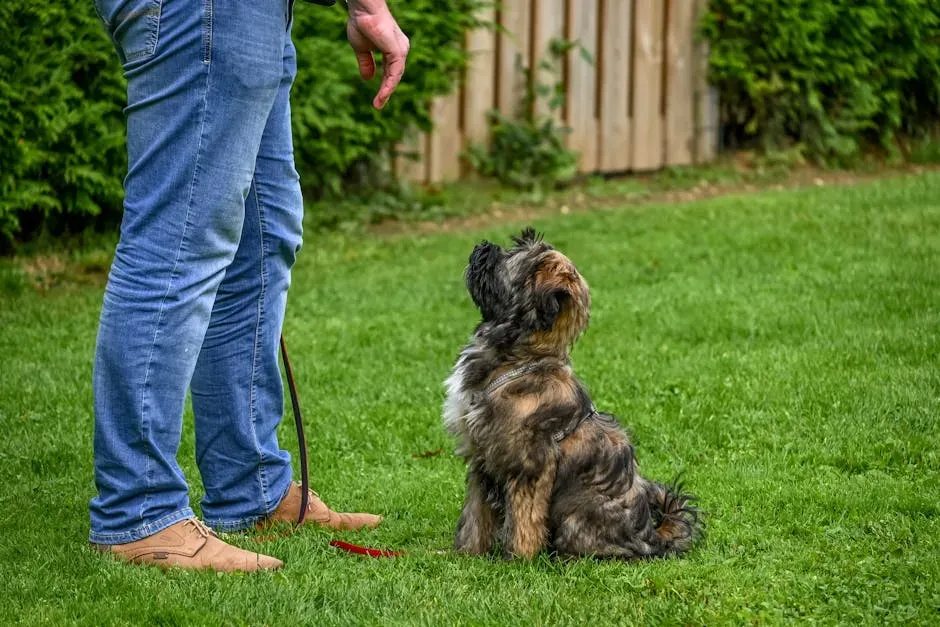
Here’s the part nobody wants to hear: sprinting to your dog every time they whine, bark, or paw at your leg can lock that exact behavior in for good. Dogs are constant students of “what works.” If fussing reliably gets your eyes, hands, or voice, their brain files it under effective strategy – and they’ll use it again.
This isn’t a call to ignore real distress, but it is a call to get strategic. Reward the calm, not the chaos. If your dog settles quietly on their bed, that’s the exact moment to drop a treat or a gentle scratch, especially if you want more independence out of them. Over time the lesson sinks in: relaxing gets good things, panicking gets nothing special. That’s how you end up with a dog who doesn’t scream for your attention every five minutes.
#6 – A Tired Body Isn’t the Same as a Calm Mind
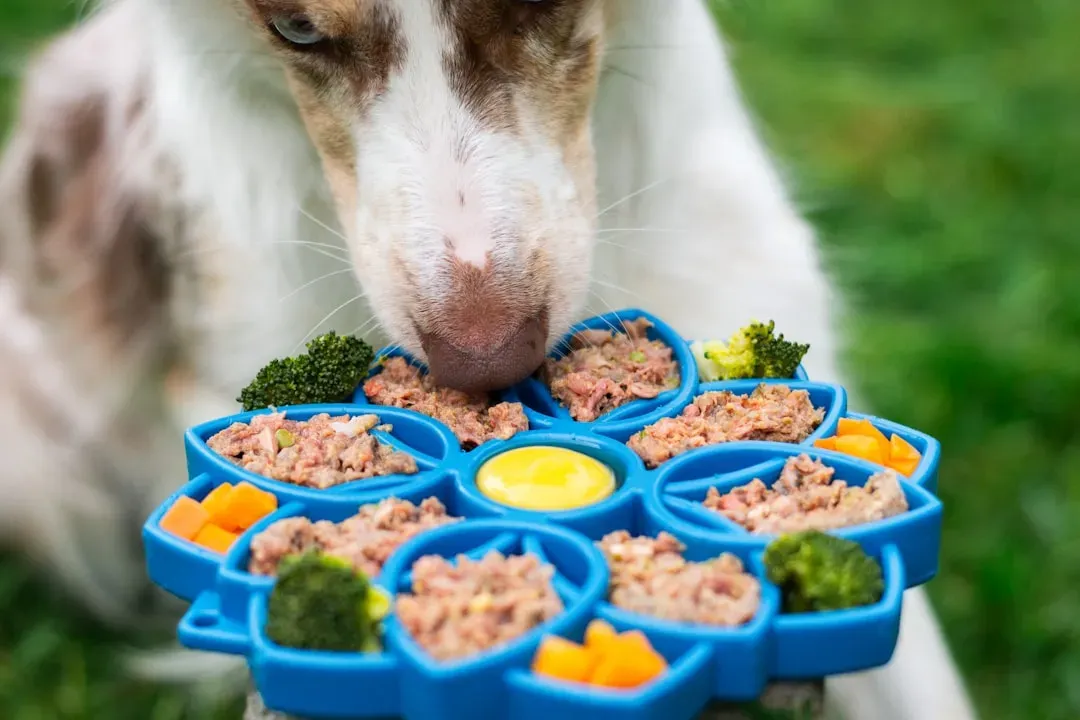
“A tired dog is a good dog” sounds right, but it’s only half true. Wear your dog out purely with fetch and endless miles of walking, and you often just build a fitter dog – not a calmer one. Their baseline energy creeps up instead of settling down.
What actually leaves a dog satisfied and quietly napping is mental work: sniffing, problem-solving, short bursts of focused training. Ten minutes of a puzzle feeder or a scent game hidden around the house can outmatch an hour of mindless ball-chasing, because thinking burns through stress in a way running never quite does. It’s also structured attention with a clear beginning and end – which, as you now know, is exactly what their brain likes best.
Worth Knowing
- Puzzle feeders slow down eating and force real problem-solving
- A short “find it” scent game can tire a dog’s brain in about 10 minutes
- Five to ten minutes of focused training counts as genuine mental exercise
- Slow, sniffy walks often drain more energy than fast-paced fetch
#5 – Alone Time Isn’t Cruelty, It’s Confidence-Building
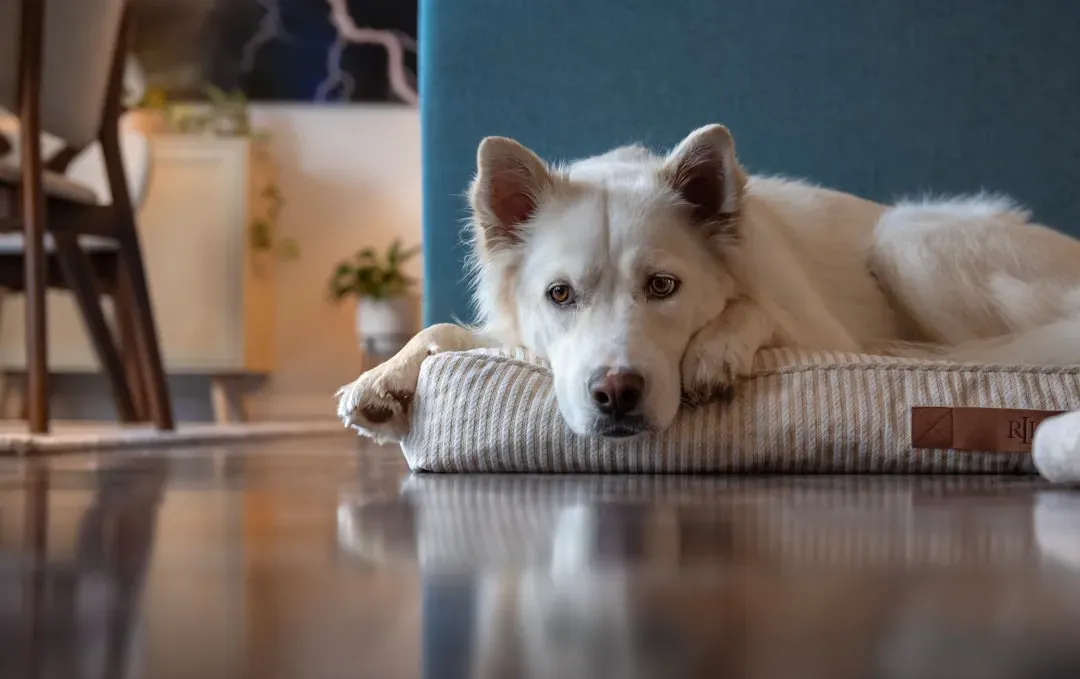
Here’s the genuinely controversial one: dogs benefit from regular, boring, non-dramatic alone time. Guilt-ridden owners often either drag their dog everywhere or hover at home nonstop – and then panic hits the one time the dog actually has to be left alone, because it broke a lifelong pattern.
From the dog’s side, that’s terrifying: “You’ve never left me before, and now you’re gone for hours.” Short, routine separations – closing the bathroom door, stepping onto the porch, sitting in another room – teach the dog that your disappearance is simply part of the script, and that you always come back. Anxiety spikes when alone time is rare and unpredictable, not when it’s a normal rhythm of daily life. You don’t need to apologize with a burst of wild attention when you return; quietly normal is the entire goal.
#4 – Sharp Rituals Beat Fuzzy, Half-Attention All Day
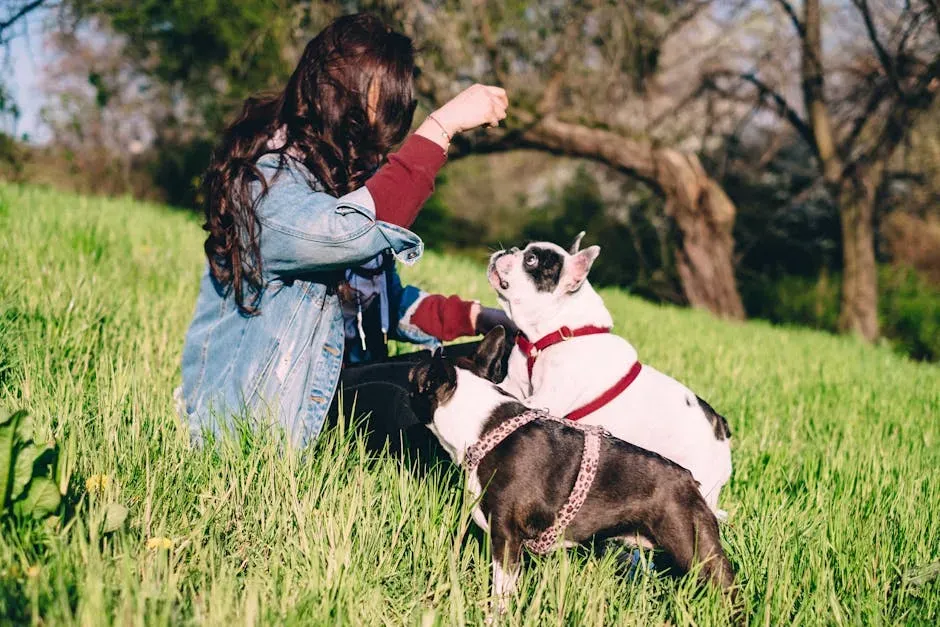
Plenty of owners believe that being home means they should be actively engaging their dog nonstop – so they half-pet while scrolling their phone, half-toss a toy between emails. The result is fragmented, low-quality attention that never clearly switches on or off, which is more confusing than comforting for a dog.
Dogs actually do better with sharp edges: a clear “now we connect” and a clear “now we rest.” A short training session before dinner. A calm cuddle and ear rub during your nightly show. Because these rituals repeat, your dog can anticipate them – and anticipation itself is soothing. It also lets you off the hook for trying to be “on” every waking hour, because a dog who knows the morning walk is their time protests far less in between.
#3 – Your Dog Is Studying Your Moods More Than Your Hands

You can pet your dog all day and still make them uneasy if your energy is erratic. Dogs are masters at reading tension – a clenched jaw, a rushed movement, an inconsistent reaction to the same behavior twice. A stressed human who’s constantly touching the dog can honestly be less comforting than a relaxed human who touches them less often.
If some days you laugh off the couch-jumping and other days you explode over it, your dog can’t build a stable mental map of who you are. Unpredictable humans create anxious dogs. A person with firm, consistent rules – no couch means no couch, every single time – becomes wonderfully predictable, and predictability, in dog language, reads as love. Even corrections feel safer to a dog when they’re steady and fair rather than mood-dependent.
#2 – A Dog Who Naps Alone Might Be Your Biggest Compliment
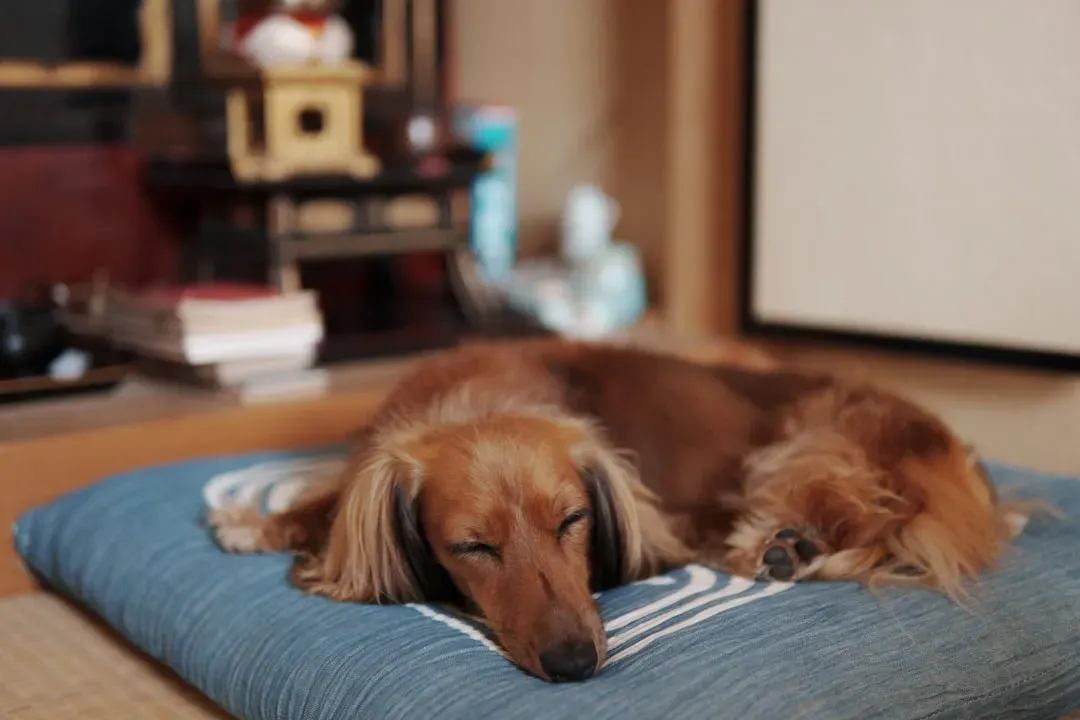
A dog that chooses another room, or picks their own bed over your lap, often gets labeled “aloof” or “unattached” online. Plenty of owners quietly wonder, does my dog even like me? The science suggests the opposite conclusion entirely.
Comfortable independence is often the clearest evidence you’ve built a secure base. Your dog trusts you enough that they don’t need to be glued to you to feel safe. In working and pack contexts, balanced dogs spend most of their time near their group, not physically touching them constantly – while clinging, shadowing, and separation panic are far more often red flags of insecurity than proof of love. If your dog occasionally chooses space, take it as the compliment it actually is.
At a Glance
- Chooses to rest in another room sometimes
- Greets you warmly but doesn’t panic-cry at the door
- Can be left alone briefly without distress
- Still lights up for routine cues like the leash or mealtime
#1 – To a Dog’s Brain, Predictability Literally Is Love

Here’s the truth almost everyone misses: dogs don’t experience love as a poetic feeling. They experience it as a pattern they can predict and rely on. Food that shows up in roughly the same window every day. Walks on a loose but consistent schedule. Rules that don’t shift depending on your mood. Reactions that are the same whether you’re exhausted or wired.
That consistency is what a dog’s nervous system reads as safety – and safety is the dog version of love. You don’t have to entertain them every waking second, and you don’t have to feel guilty for being busy, as long as the overall shape of their day stays stable. Ironically, dumping random bursts of intense attention on them out of your own guilt can make their emotional world messier, not calmer. The quiet, repetitive routine you assume “isn’t enough” is very often exactly what their brain has been asking for the whole time.
The Bottom Line
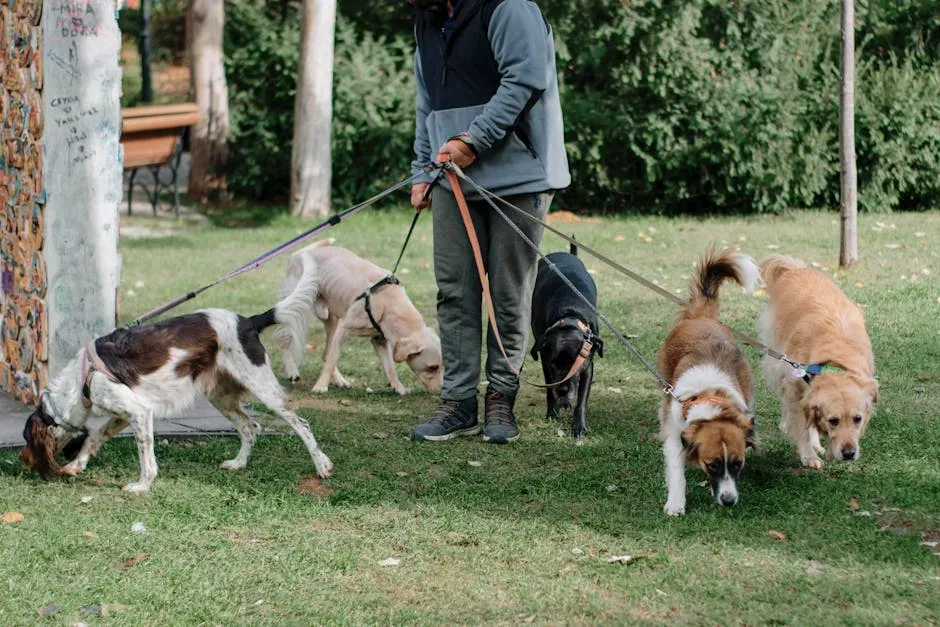
Most of us have it backwards. We overestimate how much attention our dogs need and badly underestimate how much structure they’re actually craving. Secure dogs aren’t the ones smothered in nonstop affection – they’re the ones whose days simply make sense, over and over again.
Predictable meals, consistent rules, repeatable rituals, and calm alone time will do more for your dog’s emotional security than a marathon of petting ever could. Is that less romantic than the velcro-dog fantasy flooding your feed? Probably. But it’s far more honest about who dogs actually are.
If your dog can nap away from you, settle down when you’re busy, and still light up the second your familiar routine kicks in, you’re not failing them – you’re doing exactly what their brain evolved to need. So skip the guilt trip and ask yourself the more useful question: is your dog over-loved and under-structured, or have you quietly, unknowingly, already built the predictability that is their whole definition of love?


