
If you’ve ever met a dog that seemed either like a dream companion or a complete handful, depending on the owner, you already know the secret: breed traits matter, but so does the human on the other end of the leash. Some dogs are like high-performance sports cars – incredible when handled by someone who knows what they’re doing, and a bit of a disaster when someone just wants a comfy commuter ride.
This article dives into eight popular breeds that can be absolutely amazing when their needs are understood, and utterly draining when they’re not. None of these dogs are “bad” or “too much” by nature; they’re simply wired for specific jobs, energy levels, and lifestyles. If you’re curious whether one of these breeds might be a perfect match or a terrible idea for you, keep reading – you might be surprised where you see yourself.
1. Border Collie: Brilliant Workaholic or Restless Menace?
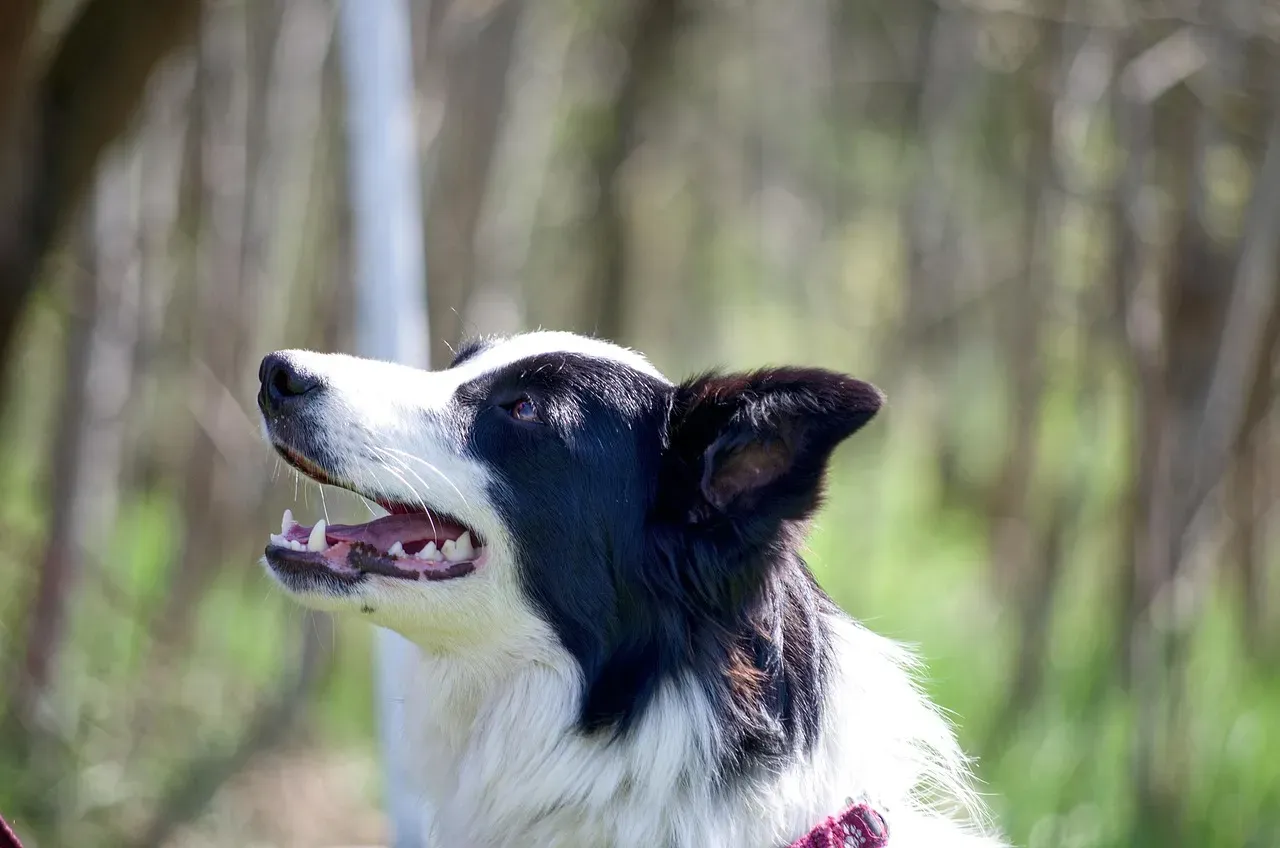
The Border Collie is often called one of the most intelligent dog breeds on the planet, and that’s not just flattery. These dogs were bred for intense, all-day herding work, making independent decisions in the field while staying tuned in to a handler’s cues. In the right hands – someone who loves training, problem-solving, and giving a dog a job – a Border Collie can feel almost telepathic, learning new commands at lightning speed and excelling in sports like agility, flyball, and obedience.
In the wrong hands, that same brain and energy turn into trouble. A bored Border Collie will not politely nap; it will invent its own “job,” which may be herding kids, chasing cars, or tearing through your drywall. They need daily mental work, not just a quick walk around the block. If you want a dog that can chill for most of the day, this probably isn’t it – but if you secretly wish you had a canine co-worker instead of a couch buddy, the Border Collie might be your dream partner.
2. Belgian Malinois: Elite Athlete or Overwhelming Powerhouse?

The Belgian Malinois has become more visible thanks to military and police work, and there’s a reason so many high-level working teams pick this breed. They’re intense, driven, and unbelievably fast learners, with energy to spare and a serious desire to work closely with their handler. In the right hands – usually someone experienced, structured, and genuinely excited about training – a Malinois can be a stunning example of precision and focus, thriving on tasks that tap into their natural abilities.
But for a casual owner who just wants a nice family pet, this breed can be overwhelming. Without clear boundaries, constant training, and real outlets for their drive, Malinois can become destructive, anxious, or even reactive. They’re like giving a race car to someone who has only driven in parking lots: it’s not fair to the person or the machine. If you don’t genuinely enjoy turning training into a lifestyle, this breed can quickly feel less like a companion and more like a full-time, exhausting project.
3. Siberian Husky: Adventurous Free Spirit or Escape Artist Nightmare?
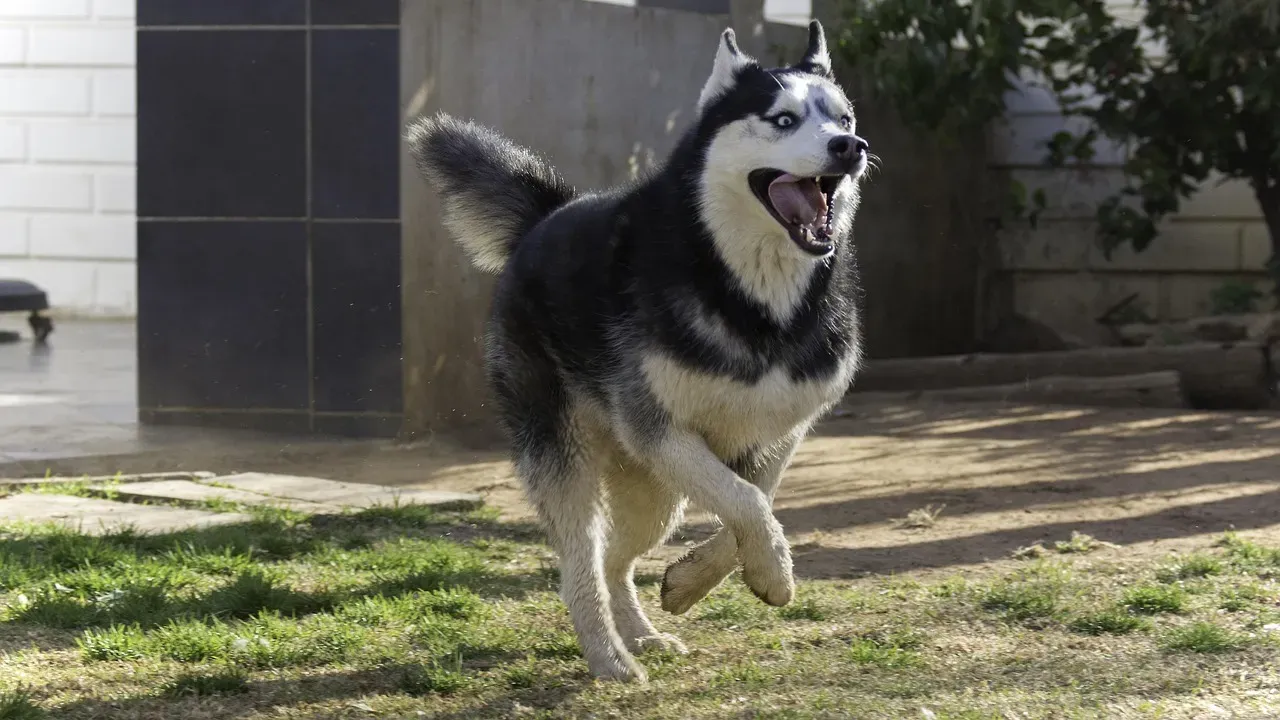
Siberian Huskies are hard not to fall in love with at first glance: striking eyes, wolf-like looks, and that cheerful, mischievous energy. Bred for pulling sleds across long distances in harsh conditions, they’re incredibly athletic, social, and tolerant of cold weather. In the right home – with secure fencing, lots of exercise, and an owner who appreciates their independent nature – they can be joyful, affectionate companions that thrive on outdoor adventures and human company.
In the wrong environment, though, a Husky can be a professional escape artist and professional chaos generator. They’re known for digging, climbing, and slipping through tiny gaps in fences, often driven by sheer curiosity and energy. A bored Husky might try to “redecorate” your home, sing the song of its people at inconvenient hours, or simply vanish on a self-guided tour of the neighborhood. If you prefer a dog that sticks close without much effort, a Husky’s wanderlust and stubborn streak can quickly wear you down.
4. Australian Cattle Dog (Blue/Red Heeler): Focused Problem-Solver or Nipping Tornado?
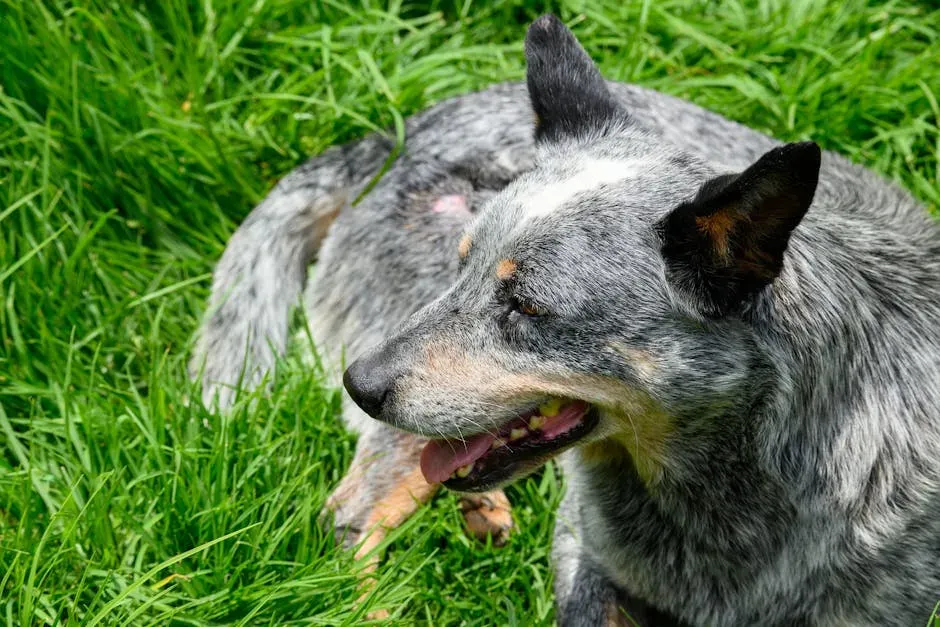
Australian Cattle Dogs, often called Heelers, were bred to herd cattle over long distances in tough conditions, which means they’re incredibly resilient, smart, and determined. In the right hands, they’re the ultimate active partner: eager to learn, fiercely loyal, and capable of thriving in dog sports, hiking, farm work, and complex training routines. They tend to bond closely with their people and can become incredibly attuned to routines and expectations.
However, that same intensity can be a lot to handle if you’re not ready for it. Without enough mental and physical work, they may turn to herding behaviors with kids, other pets, or even adults, including nipping heels or chasing anything that moves. They’re not always naturally easygoing with strangers or other dogs, and they can become pushy or bossy if nobody is clearly in charge. If your idea of exercise is a gentle stroll and then Netflix, a Heeler is likely to be bouncing off the walls while you’re begging for just one calm evening.
5. German Shepherd Dog: Versatile Guardian or Anxious Overachiever?
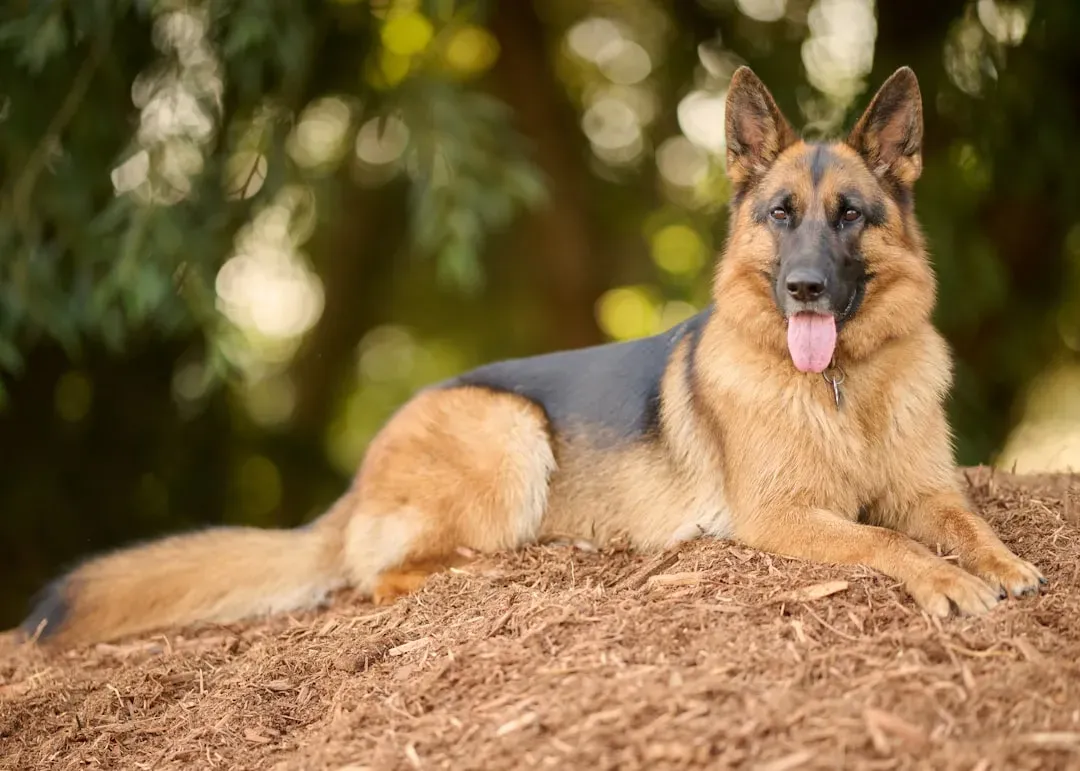
German Shepherds are iconic for a reason: they’re used in police, military, search and rescue, and service roles because they combine intelligence, trainability, and a strong willingness to work with humans. In capable hands that focus on socialization, clear structure, and positive training, a German Shepherd can be incredibly loyal, calm in public, and deeply bonded with their family. They often love having a job, whether that’s structured training, scent work, or simply being a reliable companion on every outing.
The flip side is that poorly bred or poorly trained German Shepherds can develop anxiety, reactivity, and insecurity. Without proper socialization and consistent guidance, their natural protectiveness can twist into nervous aggression or constant barking at anything unfamiliar. They’re also physically powerful and can be prone to joint issues, which means careless exercise and lack of training can lead to both behavioral and health problems. If someone just wants a “tough-looking” dog without committing to the mental and physical care behind it, a German Shepherd can feel like far more than they bargained for.
6. Jack Russell Terrier (and Similar High-Drive Terriers): Tiny Comedian or Destruction on Legs?
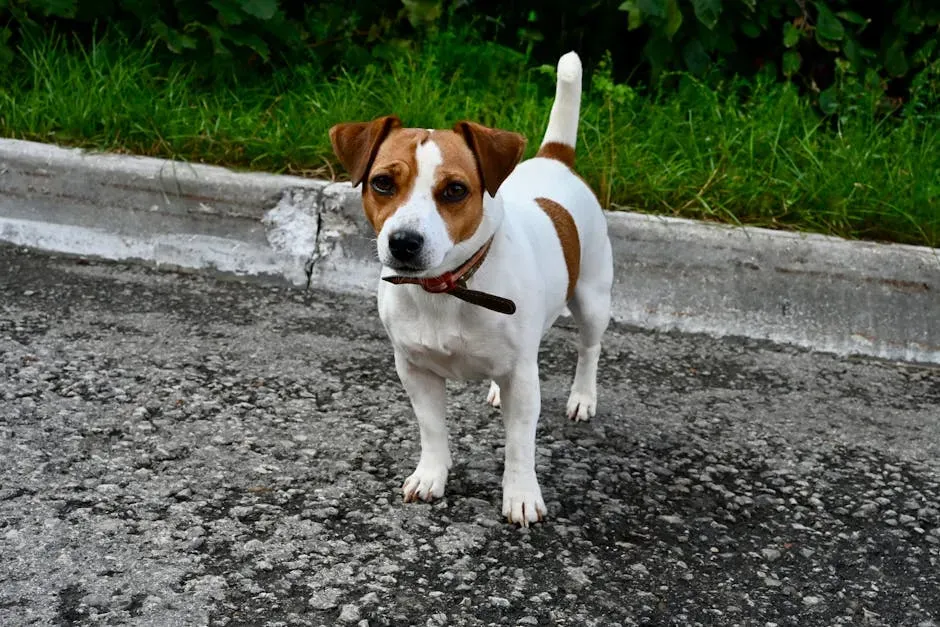
Jack Russell Terriers are proof that size means nothing when it comes to energy and determination. Originally bred for hunting and flushing out prey, these little dogs are fearless, fast, and incredibly persistent. In the right hands – with an owner who loves interactive play, training games, and giving them tasks – they can be hilarious, affectionate, and endlessly entertaining, like a stand-up comedian who also happens to be a top athlete.
In less prepared homes, their energy can feel relentless. A bored Jack Russell might dig, chew, bark, chase anything that moves, and ignore recall if something interesting catches their eye. Their intelligence means they often outthink people who underestimate them as “just a small lap dog.” If you bring one home expecting a low-maintenance companion, you may find yourself living with a furry whirlwind that seems to run on espresso and chaos.
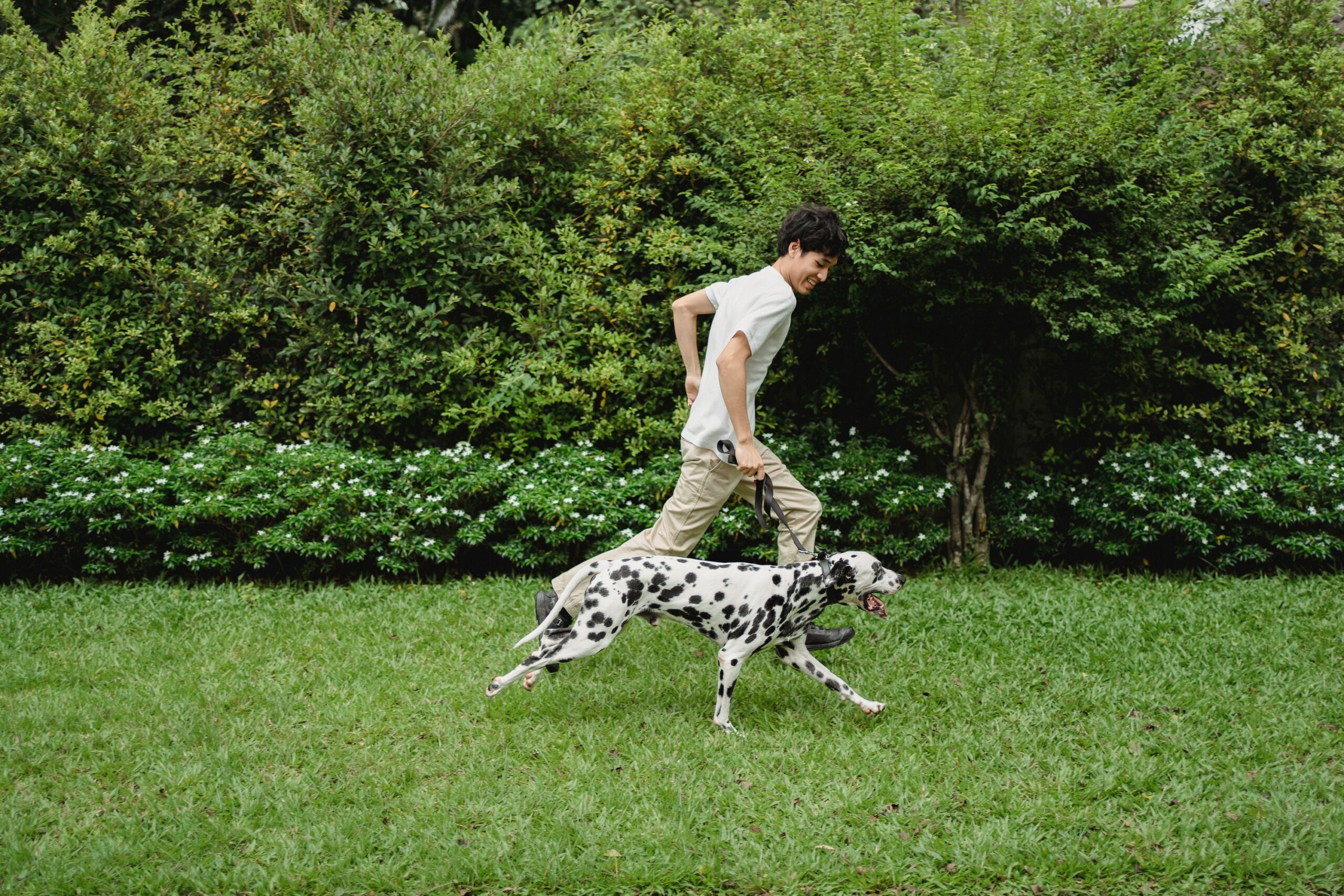
7. Dalmatian: Stylish Companion or Hyperactive Whirlwind?
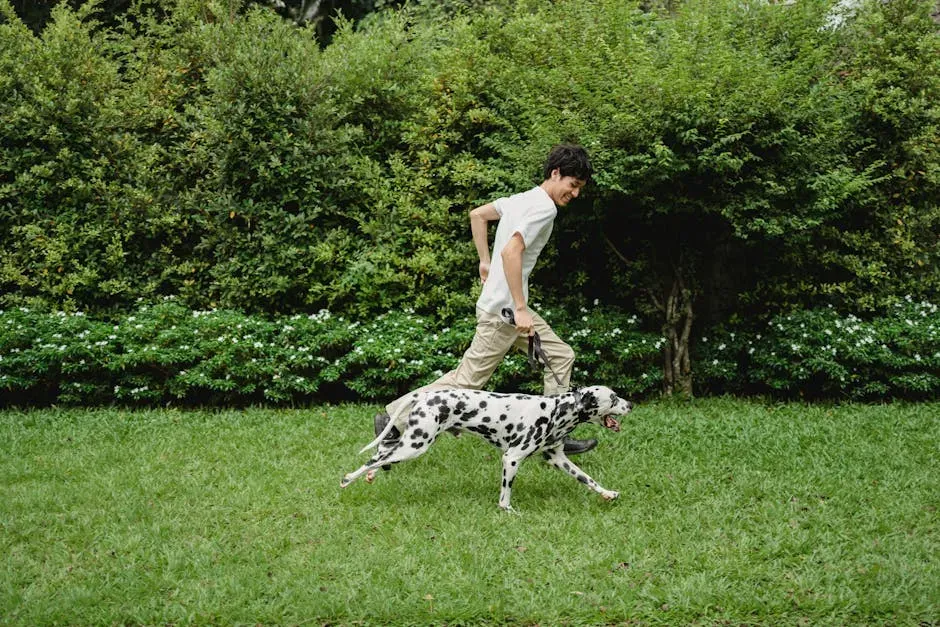
Dalmatians are instantly recognizable with their spotted coats, and many people fall in love with the look before they learn much about the breed. Historically used as carriage dogs and working partners, they’re athletic, alert, and capable of covering long distances with ease. In a home that appreciates their need for exercise and mental stimulation, they can be lively, loyal, and fun dogs that thrive on outdoor activities and being part of family life.
When their needs are not met, though, Dalmatians can become hyperactive, noisy, and sometimes difficult to manage. They may develop destructive habits, struggle to relax, or become frustrated and reactive. They can also be prone to certain health concerns, like urinary issues and deafness, which require proactive care and understanding. If someone chooses a Dalmatian purely for aesthetics without planning for the energy and management behind that sleek look, the reality can feel a lot less glamorous than the fantasy.
8. Weimaraner: Velcro Athlete or Clingy Chaos Machine?

Weimaraners, with their sleek silver coats and soulful eyes, often appeal to people looking for a striking, elegant dog. Bred as versatile hunting companions, they’re energetic, intelligent, and usually deeply attached to their humans. In the right home – one that provides plenty of exercise, structured training, and companionship – a Weimaraner can be a devoted, playful, and highly interactive family member, the kind of dog that wants to join every adventure.
Their strong attachment, though, can tip into separation issues if they’re left alone too much or not taught how to settle. A bored, anxious Weimaraner might chew, bark, or race around the house in a way that feels impossible to manage. They’re not the kind of dog that happily spends long hours alone with just a quick potty break, and they can become frustrated or destructive without enough outlets. If you want a dog that is more independent and low-key, this intense, people-focused athlete can become emotionally and physically exhausting very quickly.
Choosing the Right Dog: It’s Less About “Good” Breeds and More About Good Matches
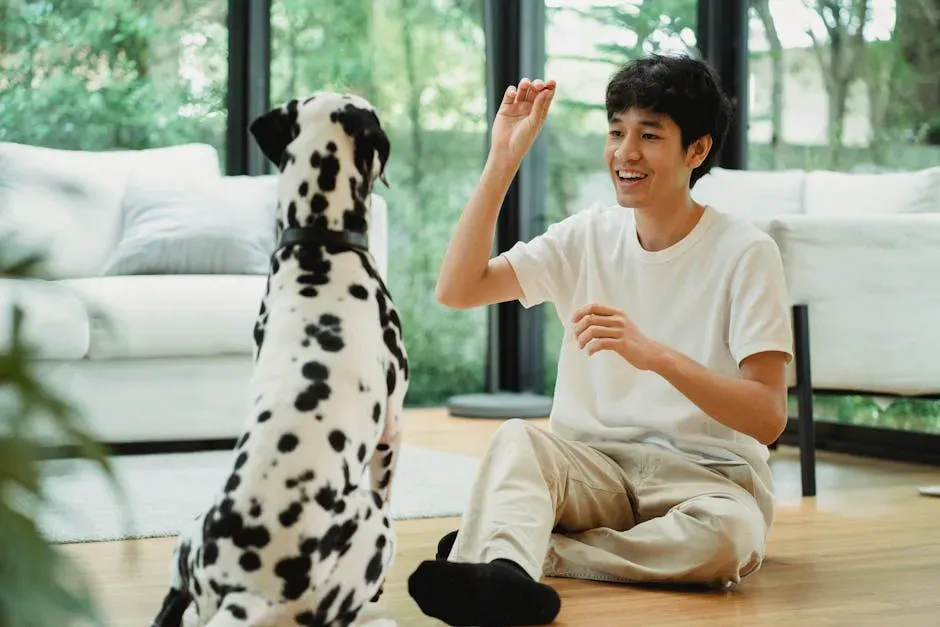
When you look at these eight breeds side by side, a pattern jumps out: none of them are inherently “too much,” they’re just too much for the wrong situation. Most of them were shaped to do serious work – herding, guarding, hunting, pulling – and when you bring that kind of brain and body into a modern home without a plan, things can go sideways. In the right hands, though, the very traits that cause problems in casual homes become superpowers: focus, stamina, loyalty, and intensity.
My own view is that we blame dogs too quickly and ourselves too slowly. We love the way a breed looks on social media but forget to ask what that dog was actually bred to do all day. The real question isn’t whether a Border Collie or Husky or Malinois is “good with families.” It’s whether your lifestyle, energy, patience, and interest in training actually fit what that dog needs to feel sane and satisfied. Maybe the better way to choose a dog is to start with a mirror, not a cute photo – and ask honestly: would this breed thrive with me, or would it slowly burn me out?


