
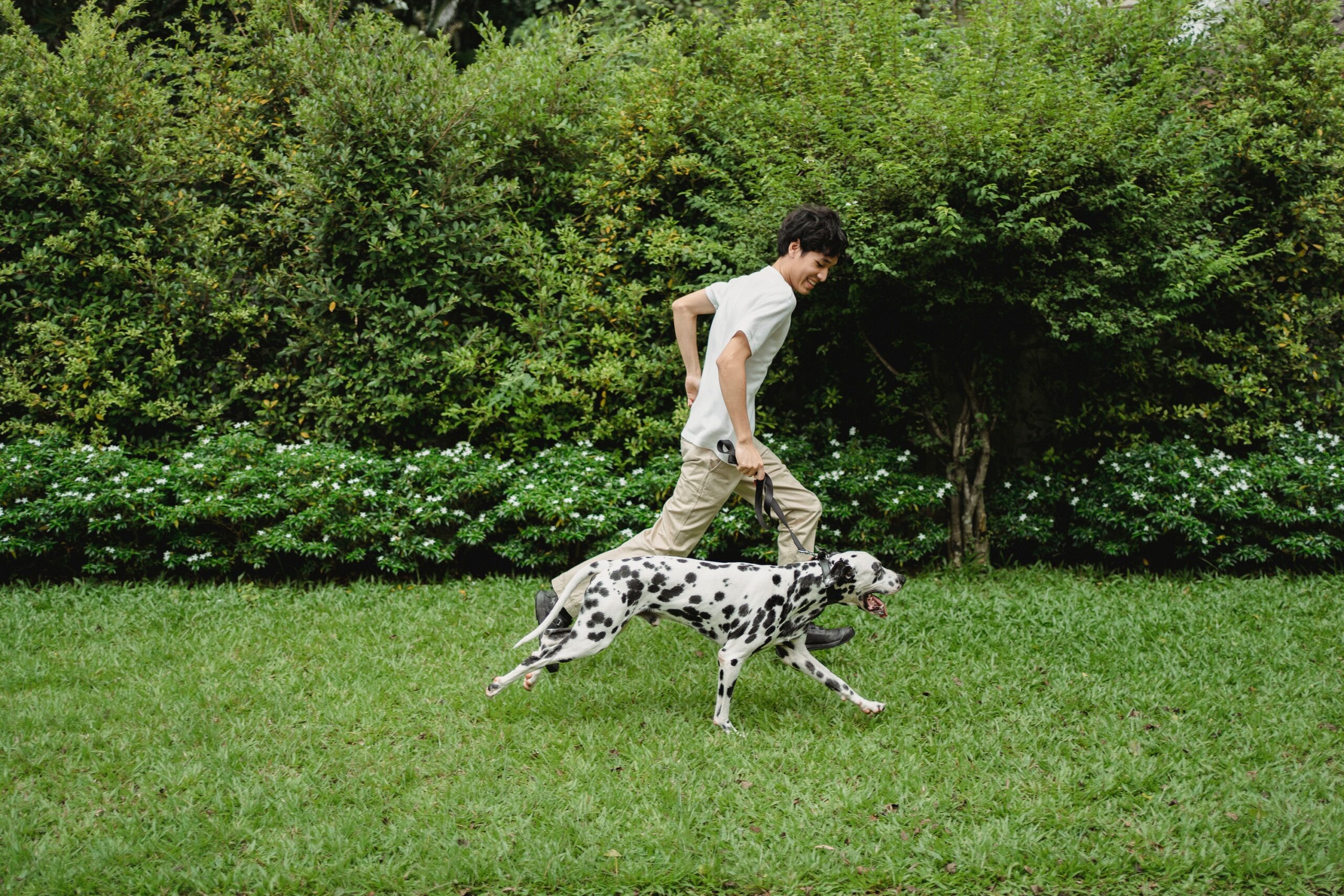
Some dogs walk into a room and people instantly relax; others walk in and the whole mood changes. You can almost feel the tension when a big blocky-headed dog or an intense herding breed trots by at the park. But here’s the strange thing: in many cases, those “scary” or “difficult” dogs are actually the ones leaning into their humans, begging for cuddles, and trying way too hard to be good.
I still remember the first time I met a dog everyone warned me about. Friends called him dangerous, stubborn, unpredictable. In reality, he pressed his nose into my hand and followed me around the yard like a lost toddler. That moment completely rewired how I think about breed reputations, and it is exactly why these ten “problem” breeds deserve a second look.
1. American Pit Bull Terrier: The Poster Child For Misunderstood Dogs
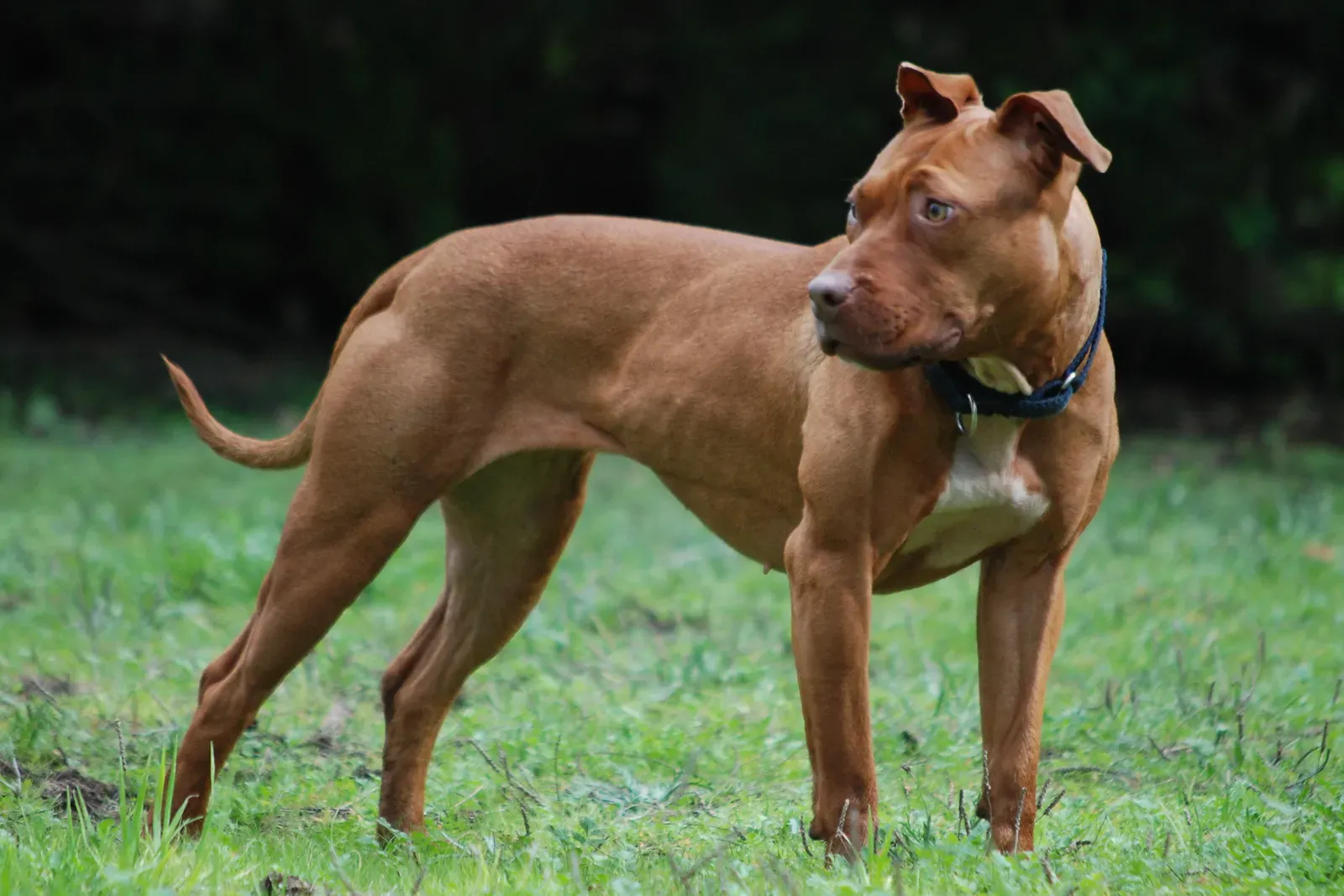
Few dogs have been dragged through the mud like pit bulls. They show up in scary headlines, they are banned in some cities, and people cross the street when they see one on a leash. Yet, when you dig into their history, you find affectionate, people-oriented dogs that were once known as “nanny-type” family companions because of their loyalty and tolerance around children.
Modern temperament testing tends to show that many pit bull–type dogs score as well as, or better than, popular family breeds in stability and friendliness when properly raised. The problem is less about the dog and more about what humans have bred and trained them to do, combined with irresponsible ownership. Give a pit bull structure, training, and affection, and you often get a cuddly goofball who thinks they belong in your lap, no matter their size.
2. Rottweiler: Powerful Guardian With A Soft Side
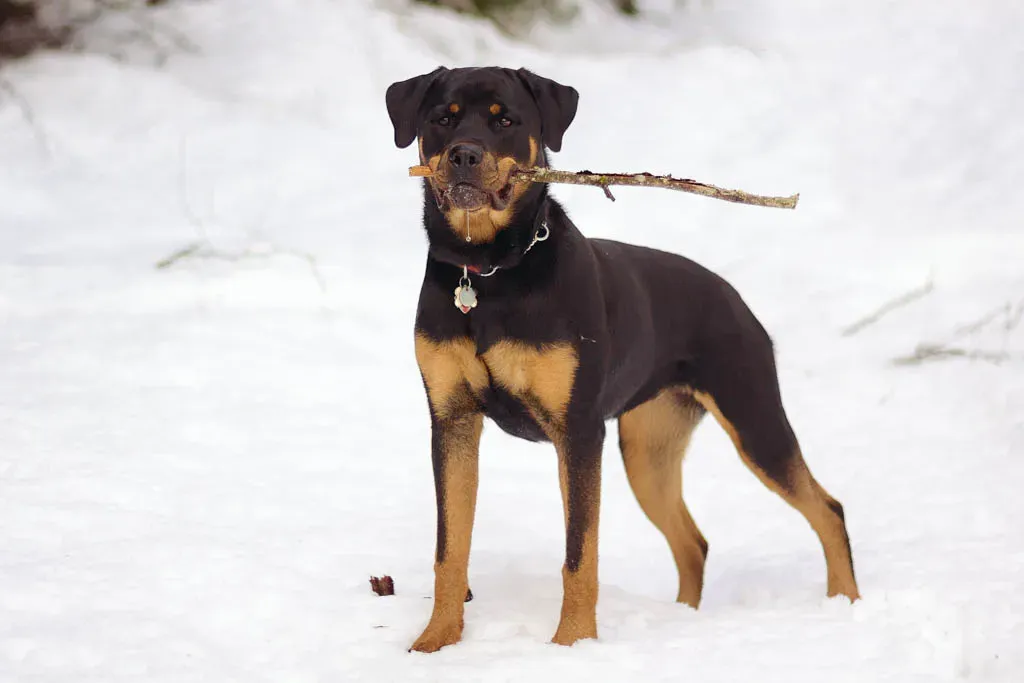
Rottweilers often get labeled as aggressive muscle machines, but you only have to live with one to understand how incredibly sensitive they are. Under that tank-like body is a dog that reads your emotions like a book and can get genuinely worried when you are upset. They were originally developed for droving cattle and guarding property, which means they are thoughtful workers, not out-of-control brutes.
Because they are big and strong, any lack of training or socialization can feel more dramatic than it would with a smaller breed. When owners skip early obedience, mental stimulation, and exposure to the world, a Rottweiler’s natural protectiveness can tilt into reactivity. With clear boundaries, calm leadership, and plenty of brain work, they tend to become steady, devoted family guardians who would rather nap at your feet than pick a fight.
3. German Shepherd: High-Drive Genius, Not A Built-In Police Dog
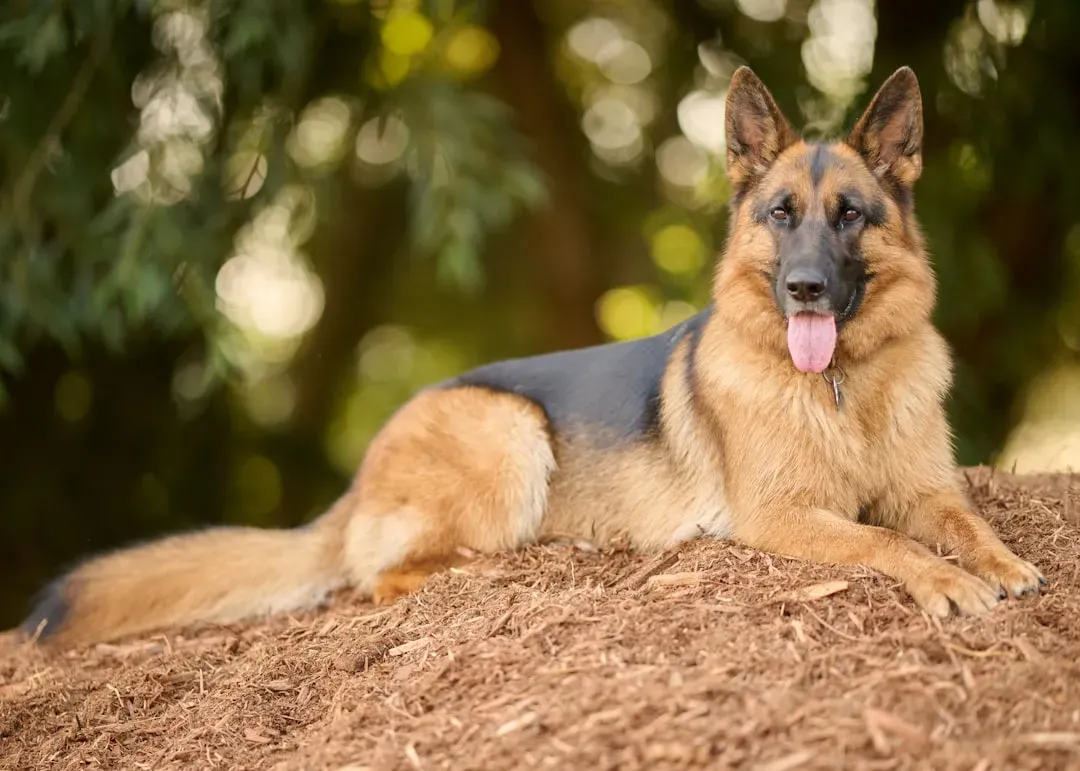
German Shepherds are often imagined as perfect, pre-programmed police dogs straight out of a movie. In reality, they are intense, high-drive working animals who can struggle badly in average pet homes. That intensity often gets mistaken for “aggression” when what you are really seeing is a very smart dog with way too much unspent energy and not enough structure.
These dogs were bred to work all day herding and guarding, constantly making decisions and responding to subtle cues. Drop that brain and body into a small apartment with no training and very little exercise, and it is no surprise when they become anxious, vocal, or defensive. Given a job, consistent training, and regular mental challenges, German Shepherds usually channel that same intensity into deep loyalty and almost eerie responsiveness to their people.
4. Doberman Pinscher: Velcro Dog Trapped In A “Tough” Body
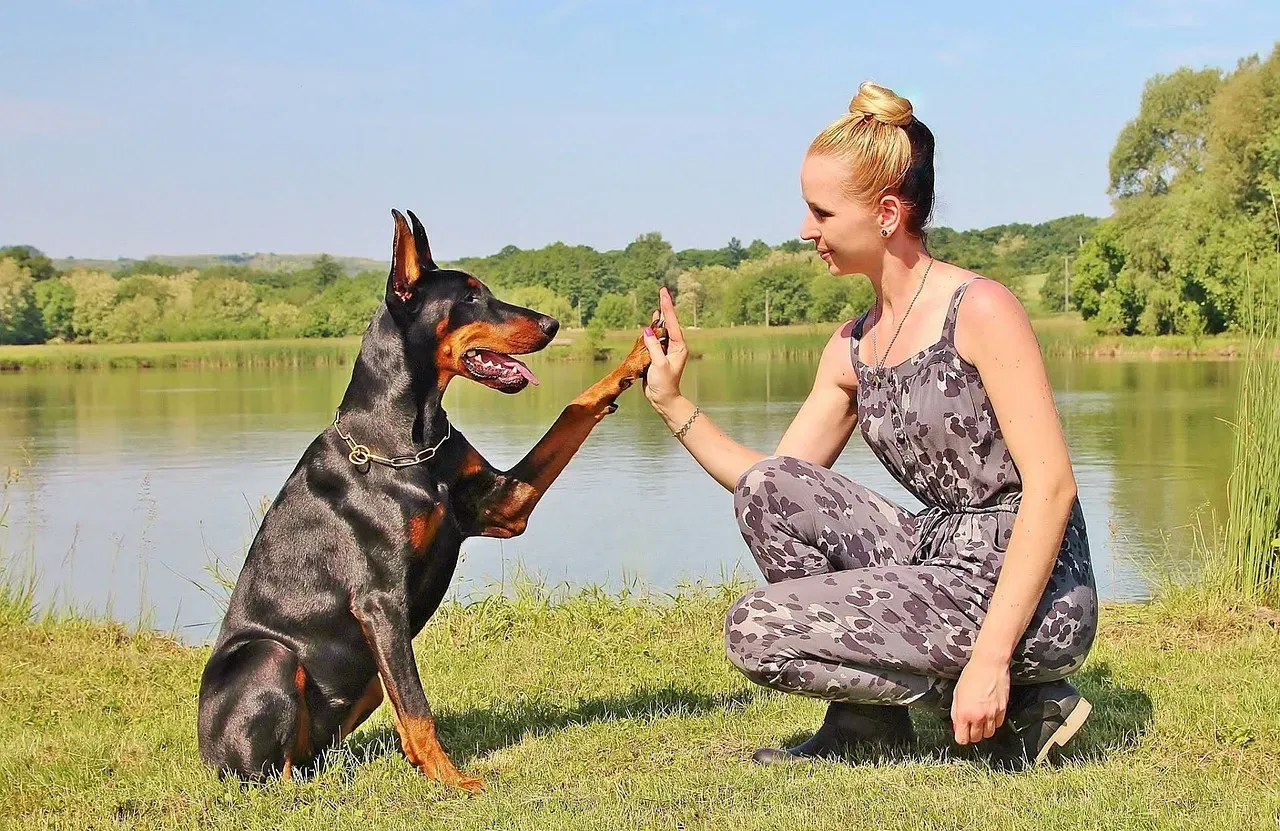
The sleek, sharp lines of a Doberman make them look like they just stepped out of an action film, which leads many people to assume they are cold and dangerous. Spend a week with one and you quickly realize they are more like oversized shadows, glued to their favorite humans. Their reputation as fierce guard dogs comes from genuine protective instincts, but those instincts are tightly bound to an almost clingy attachment to their family.
Because they are sensitive and highly attuned, harsh training or chaotic households can create nervous, reactive behavior that outsiders interpret as meanness. When their emotional needs are respected and they are trained with clarity and calm firmness, Dobermans usually shine as confident, affectionate companions who want nothing more than to be where you are, all the time, even if that means squeezing into the bathroom with you.
5. Siberian Husky: Drama Queen, Not Delinquent
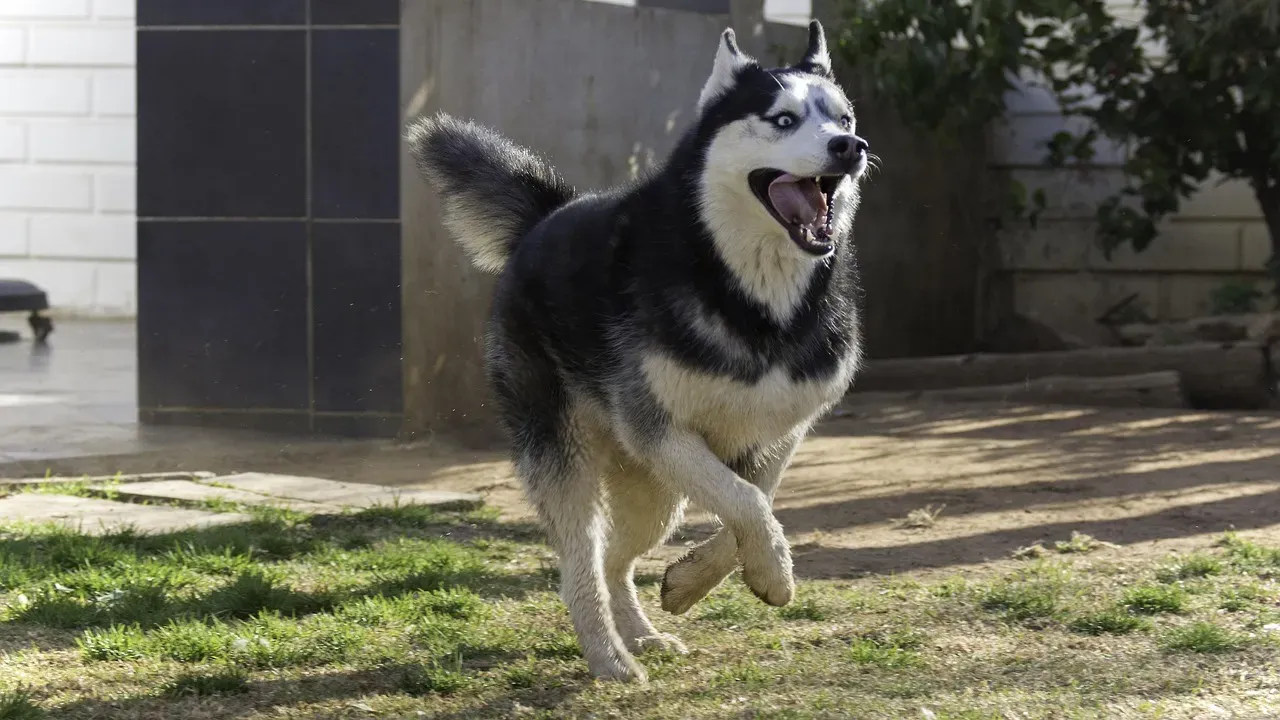
Huskies frequently end up labeled as uncontrollable, destructive, or even “wild,” especially by first-time owners who fell in love with their icy eyes and fluffy coats. But these dogs were bred to pull sleds over long distances in brutal conditions, working in teams and making independent decisions. That working independence, plus huge endurance, can look like defiance when you try to fit them into a quiet, low-activity lifestyle.
Many of the behaviors people complain about with Huskies – escaping, vocalizing, shredding furniture – are often signs of a smart, energetic dog who is bored out of their mind. They thrive on physical challenges, puzzle toys, and social interaction with humans and other dogs. With enough exercise and creative outlets, that so-called difficult Husky often turns into a hilarious drama queen who “talks” back, makes you laugh daily, and then crashes hard on the couch.
6. Akita: Reserved, Loyal, And Often Misread
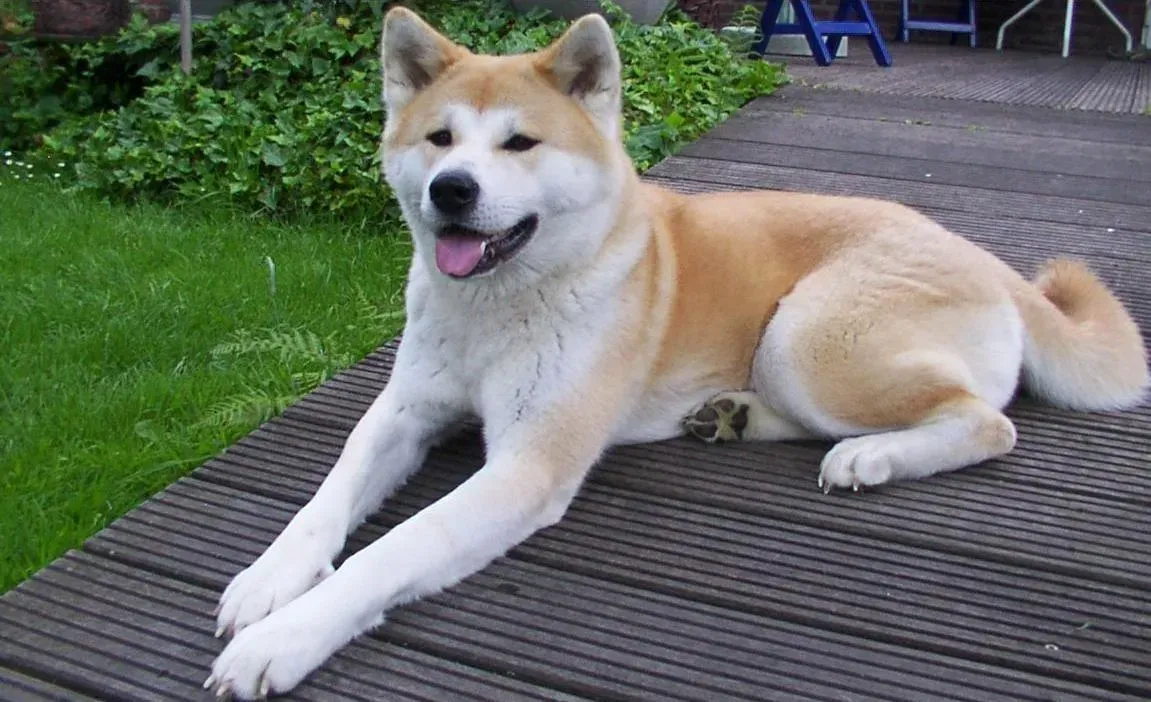
Akitas have a serious, almost regal presence that some people instantly interpret as unfriendly or dangerous. They are a spitz-type breed developed in Japan for guarding and hunting, which means they are naturally reserved with strangers and very devoted to their inner circle. That quiet watchfulness can be misinterpreted as aggression by people used to over-the-top wiggly greeters like Labradors.
These dogs are not for everyone, and it is fair to say they require experienced, thoughtful handling. But calling them “bad” or “mean” because they are not socially enthusiastic is deeply unfair. With respectful socialization, clear rules, and a calm home, many Akitas become dignified companions who show incredibly gentle, almost cat-like affection with their families while simply choosing to ignore most of the rest of the world.
7. Chow Chow: The Standoffish Teddy Bear
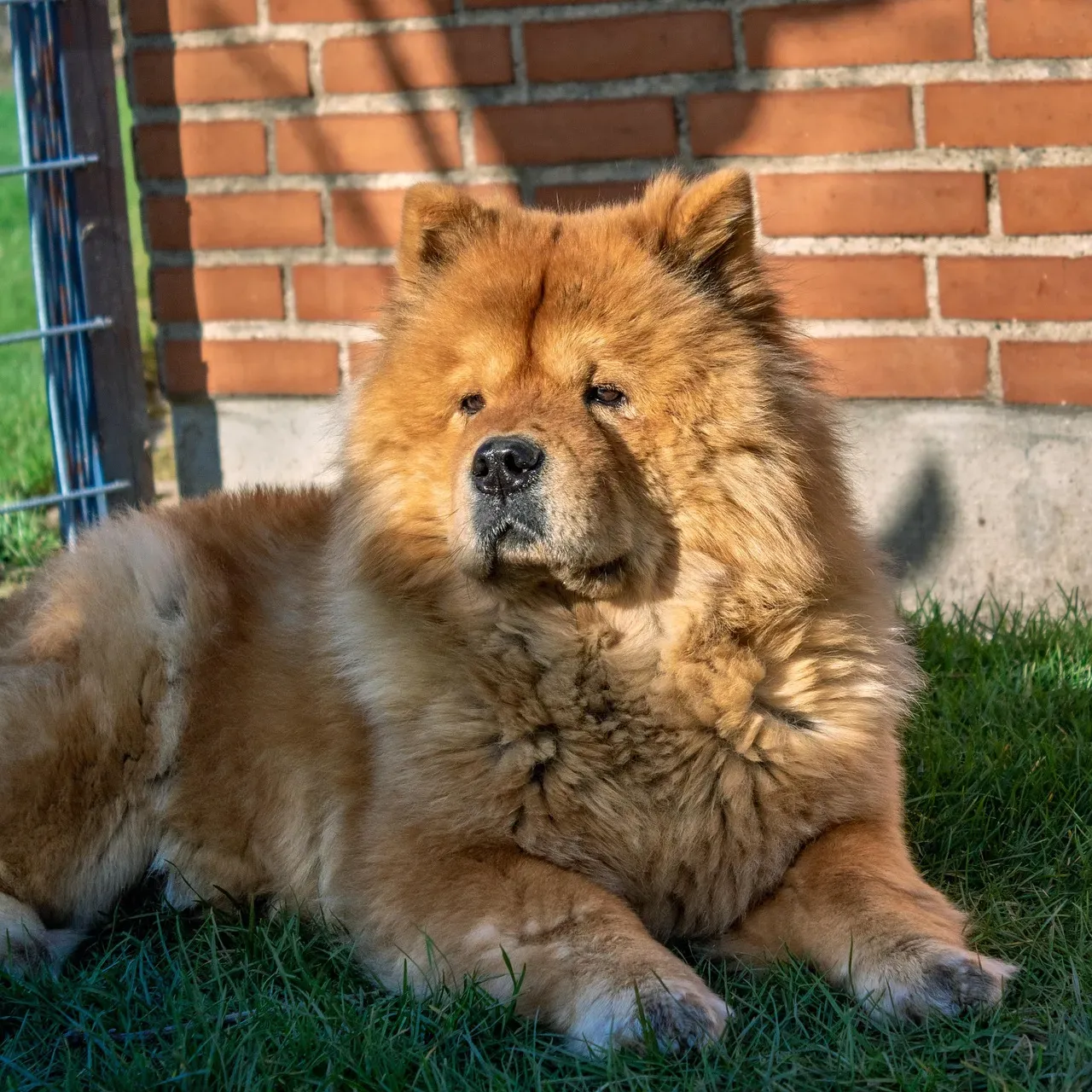
Chows look like walking stuffed animals, which sets up wildly unfair expectations. People assume they should act like open, eager cuddle toys, and when they do not, the breed gets blamed. In reality, Chows are an ancient breed with strong guarding instincts and an almost feline tendency toward independence. They are often aloof, and that is normal for them, not a sign of a behavioral problem.
When strangers rush in for hugs or owners skip early handling and training, Chows can become defensive and wary, which is understandable from their perspective. Treated with respect, introduced thoughtfully to new situations, and trained with patience rather than force, they typically become calm, loyal housemates. They might not be the dog who greets every guest with a wagging tail, but they can be incredibly steady and affectionate in their own reserved, dignified way.
8. Jack Russell Terrier: Overachiever In A Small Package
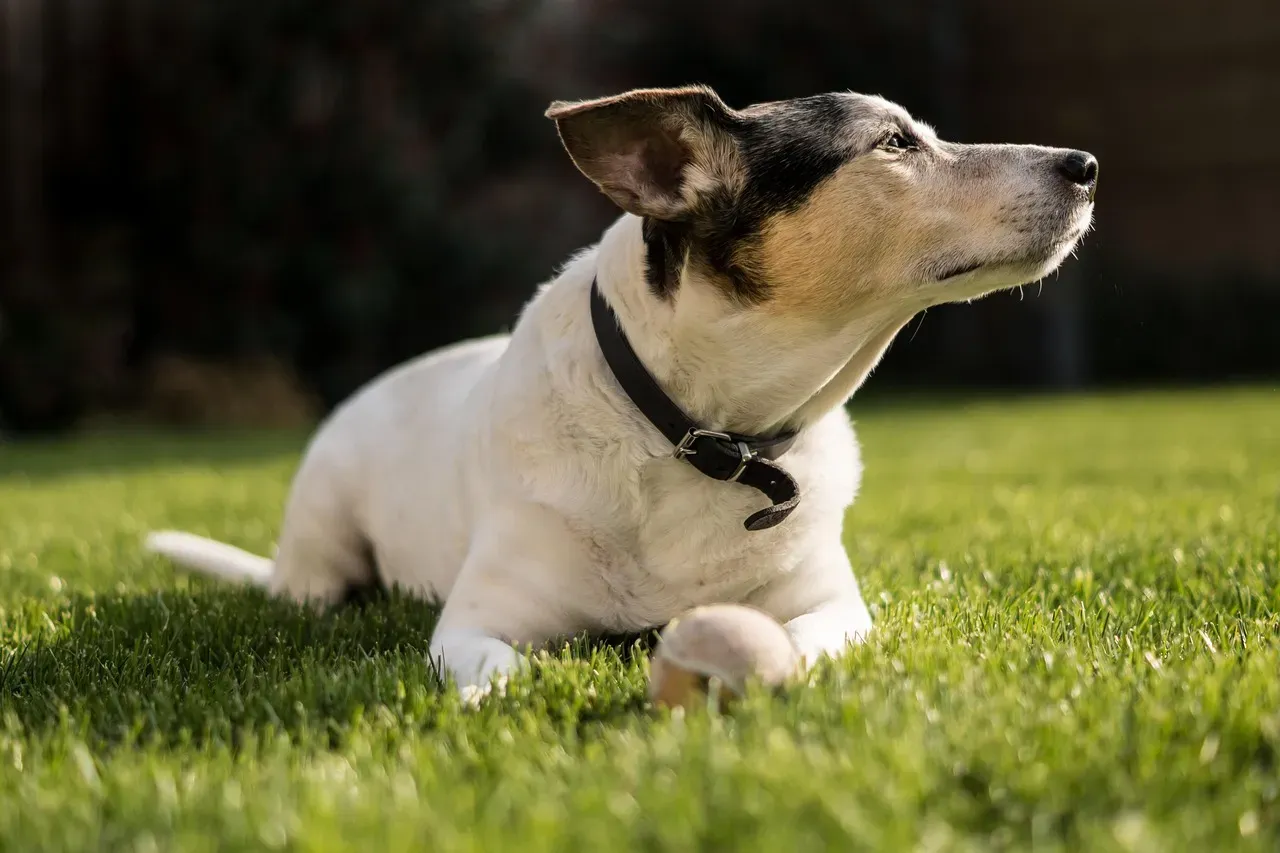
Jack Russells are often dismissed as hyper, snappy little terrors, especially when you see one spinning at the end of a leash. The truth is they were bred as serious hunting terriers, meant to pursue and flush prey with intense focus. That working fire does not just disappear when you move them into a modern living room; it needs an outlet, or it will leak out in ways people do not like.
When these dogs spend their days under-stimulated, they tend to invent their own jobs, such as digging up the yard, chasing anything that moves, or bossing around other pets. With agility, scent work, trick training, and firm but fair boundaries, their so-called stubbornness transforms into incredible trainability and enthusiasm. They are small, but they are athletes and problem-solvers first, lap dogs second, and that shift in expectation alone changes almost everything.
9. Dalmatian: Energetic Athlete, Not Just A Spotted Mascot
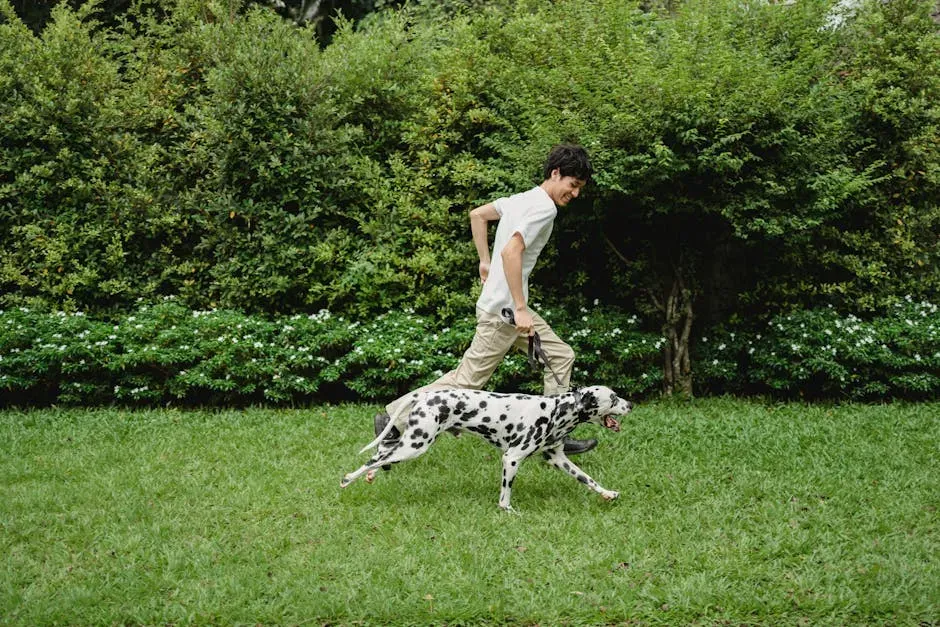
Thanks to movies and firehouse imagery, Dalmatians are seen as iconic family dogs, yet in real life they are often described as difficult, overactive, or even sharp. The disconnect comes from people falling for the look without understanding the original function. They were carriage dogs, bred to run alongside horses for long distances, stay alert, and guard equipment, which means they are wired for stamina, awareness, and action.
When they are confined with little exercise or stimulation, they can become restless, anxious, and reactive, leading to the myth that the breed is just naturally difficult. Given consistent training, clear routines, and outlets like running, hiking, or dog sports, many Dalmatians show off their true nature as clever, loyal companions. They are best matched with active humans who see them as teammates rather than living room decor, and when that match is right, their “problem dog” label tends to vanish.
10. Bullmastiff: Gentle Heavyweight Miscast As A Menace
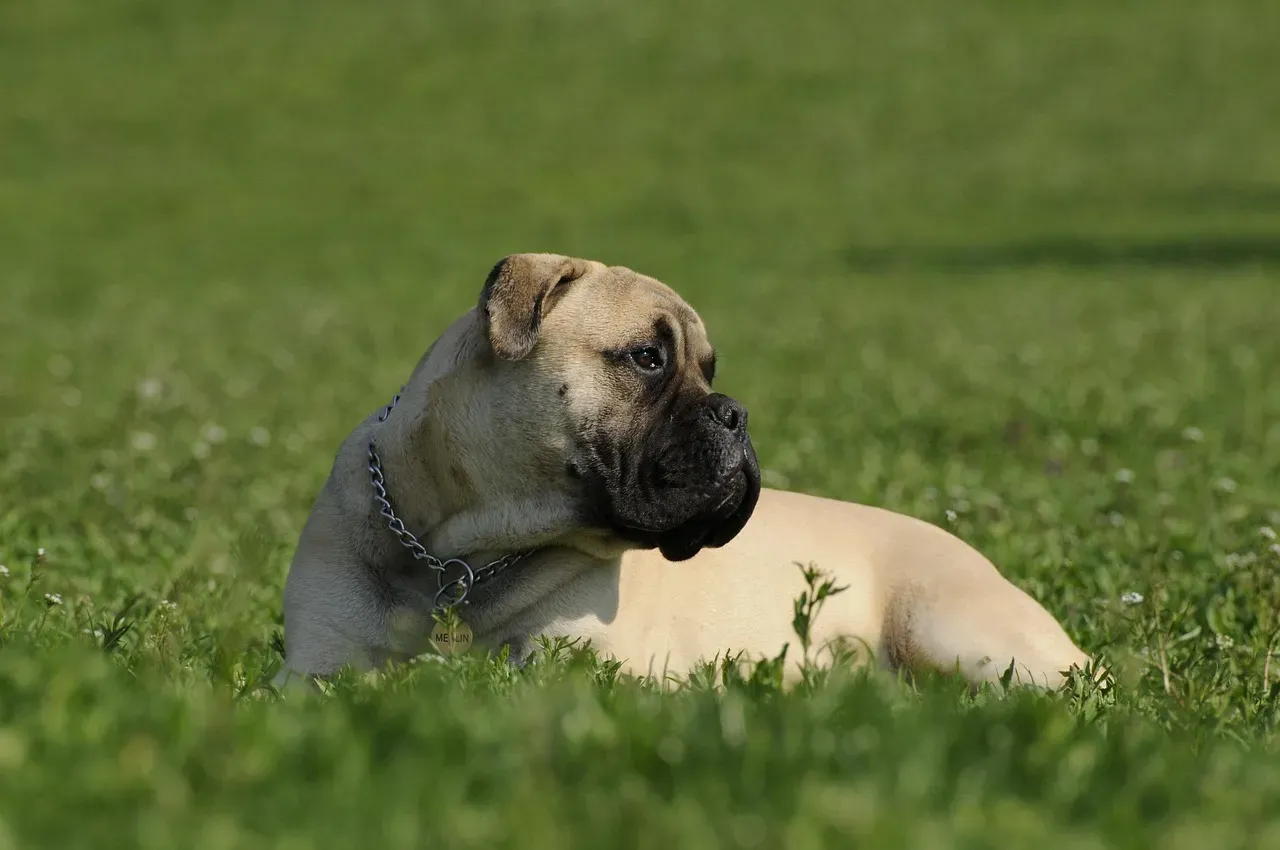
Bullmastiffs are massive and imposing at first glance, and many people assume that size equals danger. Their history as estate guardians contributes to that fear, yet they were selected to pin and hold intruders rather than attack outright, which required a surprisingly stable, controlled temperament. Underneath the bulk, many of them are mellow, affectionate dogs who want nothing more than to lounge near their people.
Because they are so large, any mistake in training or socialization can seem magnified, and that leads to exaggerated stories about their supposed volatility. When owners prioritize early social exposure, teach basic manners, and manage their environment thoughtfully, Bullmastiffs often grow into calm, dependable companions. They may look like they could knock down a wall, but most would rather lean against your leg and snore than do anything remotely dramatic.
Conclusion: We Blame Breeds For Human Mistakes
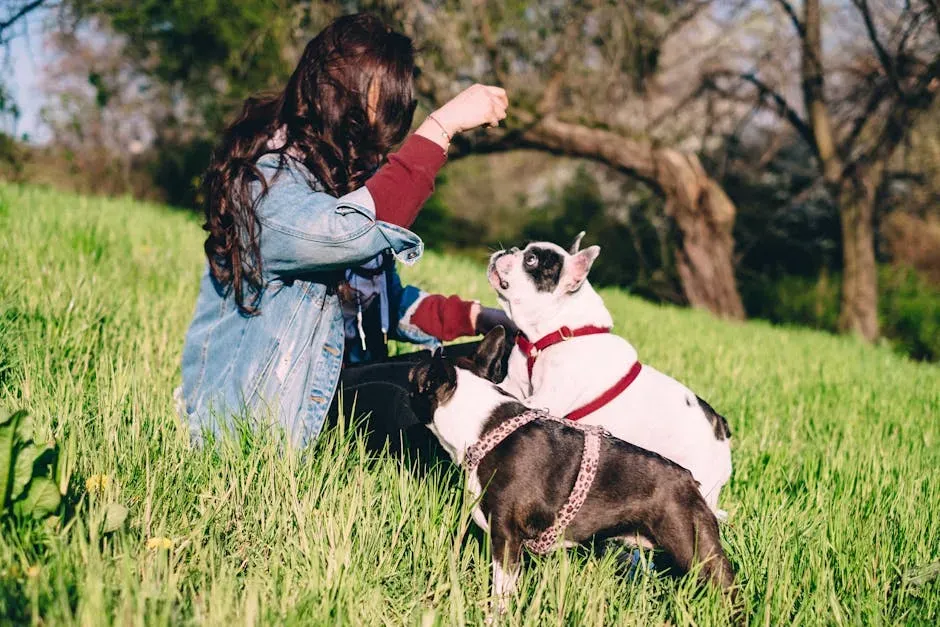
When you step back and look at these ten breeds side by side, a pattern jumps out: what people call “difficult” usually comes down to mismatched expectations, lack of training, and ignoring what the dog was originally bred to do. We want high-drive workers to act like chill couch ornaments, natural guardians to behave like social butterflies, and independent thinkers to follow every cue without hesitation. Then, when they fail to fit that impossible mold, we slap them with a bad reputation and pass around horror stories.
I have met dogs from these breeds who were sweet, stable, and easier to live with than many supposedly “safe” or “easy” breeds, and I have also met individuals who genuinely needed experienced hands. The real difference was never the label on the dog; it was the time, understanding, and structure the humans were willing to invest. Maybe the more honest question is not which breeds are difficult, but whether we are ready to take responsibility for the dogs we choose. If more of us started there, how many of these unfair reputations would still exist at all?


