
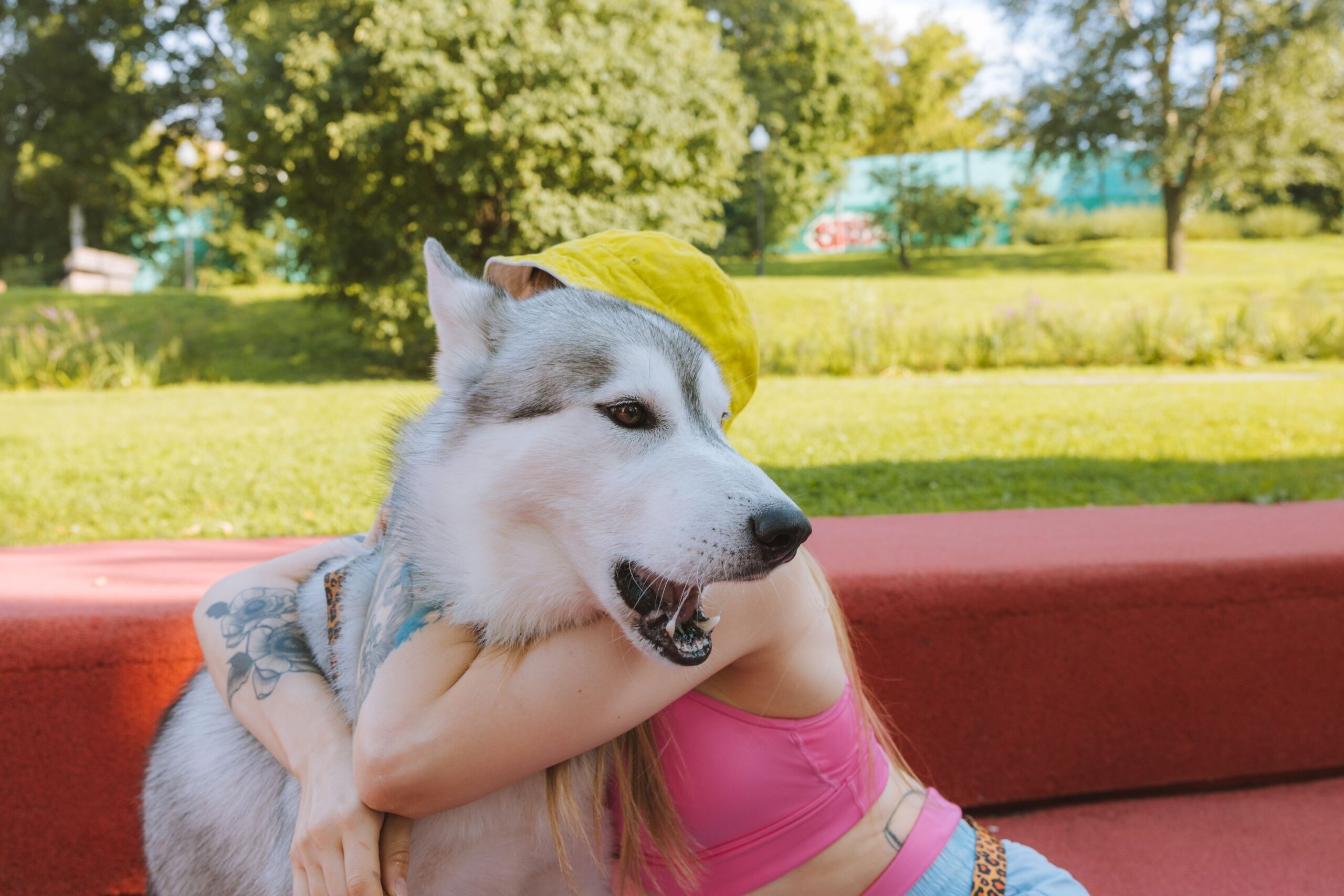
It stings a little, doesn’t it? You reach down to give your dog some love, start scratching that perfect spot behind the ears, and just when you’re sure you’re having a magical bonding moment… they calmly stand up and walk away. It can feel like a tiny heartbreak, or like you somehow failed a very important vibe check.
But here’s the twist: that little walk-away is almost never a rejection of you. Dogs live in a world of body language, comfort levels, and constantly shifting needs, and what looks like emotional distance is usually just them answering a different question: “What do I need right now?” Once you understand that, those moments stop feeling personal and start feeling fascinating.
When Petting Feels Good… But It’s Simply “Enough”
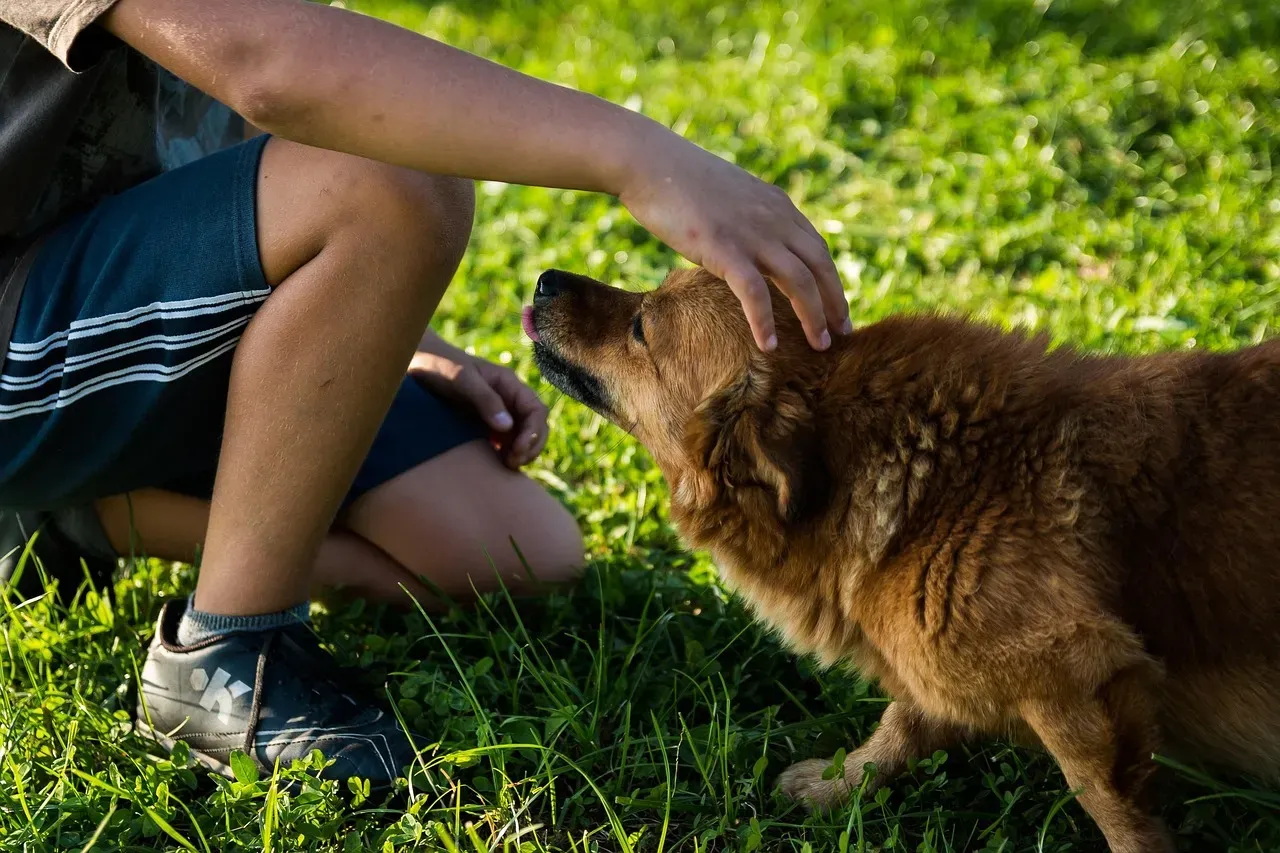
One of the most underrated truths about dogs is that they can genuinely enjoy petting and still decide to leave after a short while. For many dogs, affection is like a snack, not a three-course meal; they come, get what they want, and then move on to the next thing on their internal to-do list. That “ok, I’m done now” moment is more about satisfaction than rejection.
Think of it like someone handing you a cup of your favorite coffee. You do not need five cups in a row to feel appreciated; one good one can be perfect. A dog getting up and walking away often means the petting session hit its sweet spot and they’re just ready to do something else, not that your touch was unwanted or your bond is weak.
Autonomy: Your Dog Might Simply Be Enjoying Having a Choice
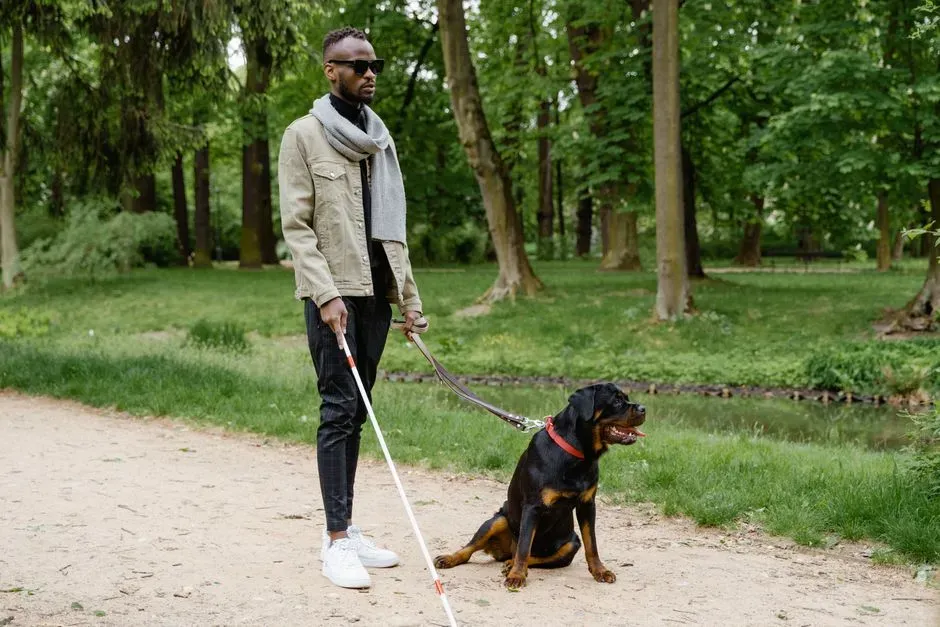
Dogs, like people, care a lot about control over their own bodies, even if we do not always notice it. Many modern trainers talk about “consent-based handling,” which basically means letting dogs opt in and out of touch instead of forcing cuddles or prolonged petting. When a dog feels free to walk away, that freedom can actually strengthen trust rather than weaken it.
I’ve seen nervous rescue dogs who blossomed the moment their humans stopped insisting on endless petting and started listening to subtle “I’m done” signals. Strangely enough, once they realized they could leave, they started coming back for affection more often. Autonomy is powerful; walking away can be a sign that your dog trusts you not to push past their comfort zone.
Overstimulation: Too Much of a Good Thing Can Feel Uncomfortable
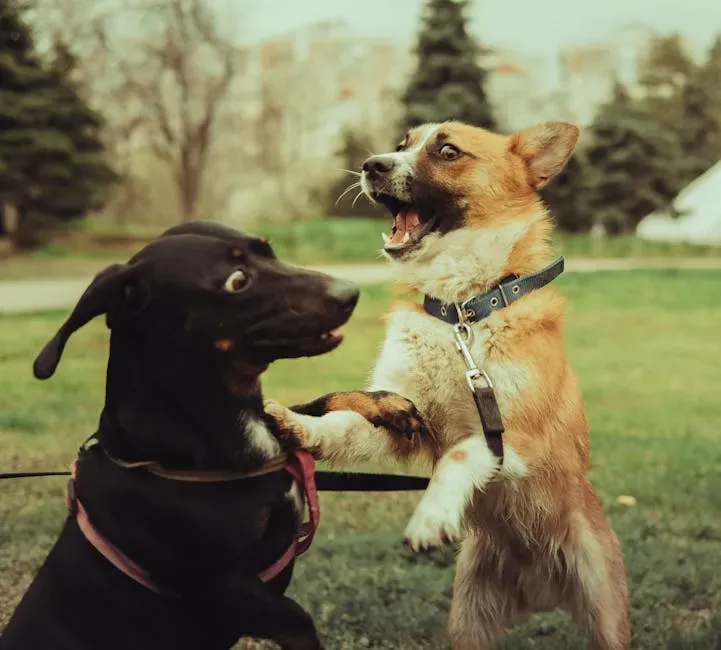
Imagine someone rubbing your shoulders longer than you really wanted, or poking at the same spot repeatedly. Even if it starts off nice, there’s a point where your brain says, “Okay, enough.” Dogs can experience that, too. Repeated touch in the same area, or petting that’s a little too fast or firm, can quietly tip from soothing to overstimulating.
Some dogs are especially sensitive to touch on certain areas like paws, tail, or flanks, and they might calmly leave long before they reach the point of snapping or growling. That quiet exit is actually good news: it means your dog is managing their own stress in a healthy way. If your dog often walks away during more intense petting but stays for slower, softer strokes, they may just be trying to avoid sensory overload.
Their Body, Their Rules: Subtle Signs Your Dog Is “Politely Opting Out”
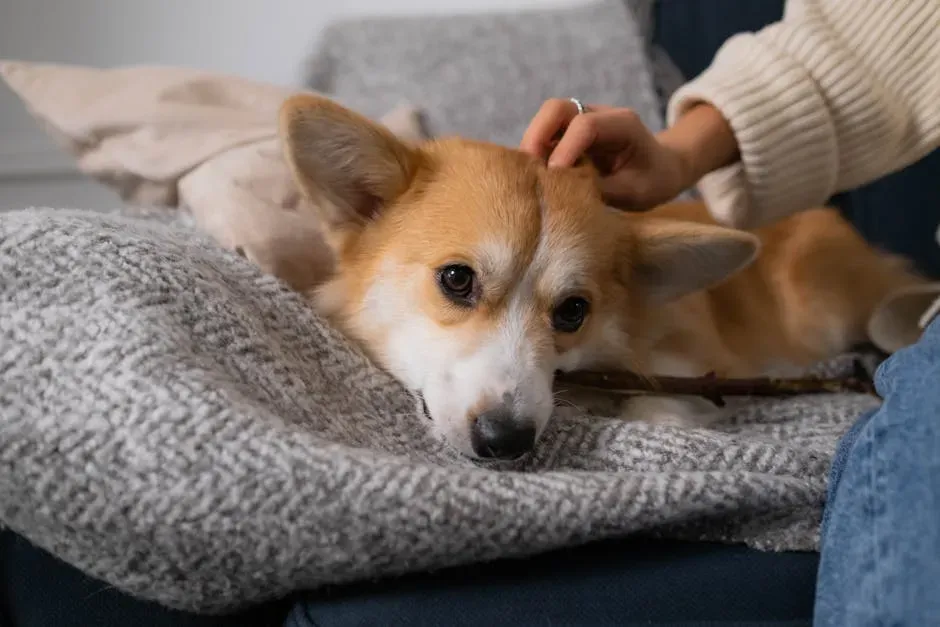
Dogs rarely make a huge dramatic statement when they are done with petting; they whisper it with their body language. You might see a slight head turn away from your hand, ears gently shifting back, a closed mouth, a small lip lick, or a little frozen stiffness before they actually stand up. All of those are early hints that they’re starting to feel “done.”
When they then walk away, it is often the final, clearest version of that polite request for space. The more you notice those tiny signals, the more you can respond before they feel the need to pull away completely. Ironically, respecting that “no, thanks” makes your “yes, please” moments of cuddling feel safer and more enjoyable for your dog.
Petting Style Matters: Where and How You Touch Changes Everything
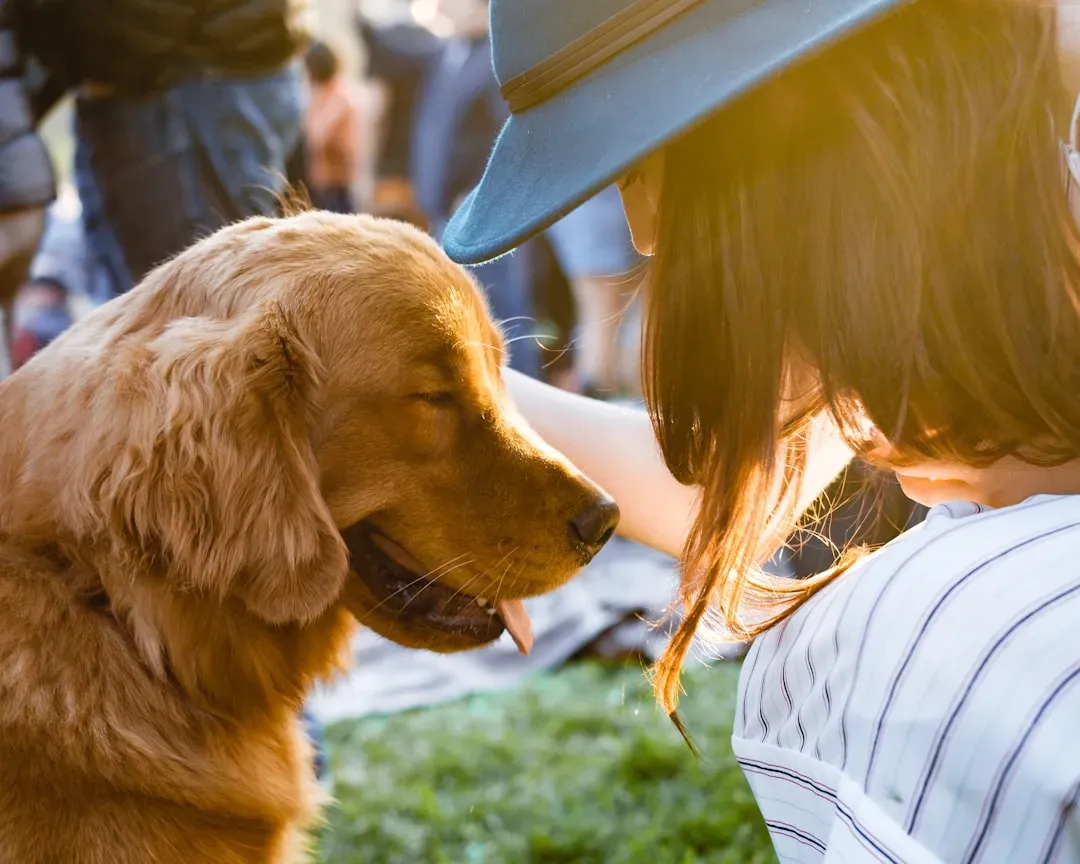
Not all petting is created equal in a dog’s world. Many dogs are more comfortable being touched on the chest, shoulders, or under the chin than having a hand swoop over the top of their head or grabbing around their neck. If you constantly go for the head pat or lean over them, your dog might walk away faster, not because they dislike you, but because the style feels a bit intrusive.
Try experimenting: slow, gentle strokes along the side of the neck, soft rubs on the chest, or careful scratching behind the ears while you sit sideways instead of looming over. You may notice your dog lingers longer, maybe even leans in, or comes back for more. When a dog walks away less often after you adjust your technique, it is a sign the issue was your approach, not your relationship.
Motivation Shifts: Curiosity, Smells, and Squirrel-Level Distractions
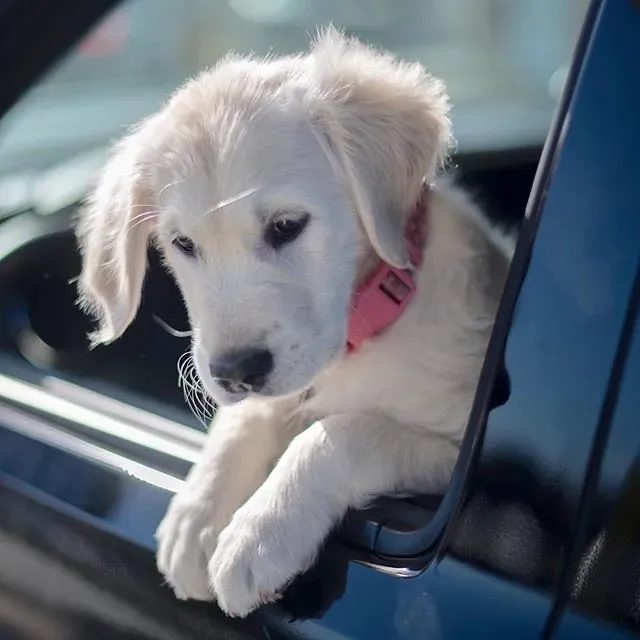
Sometimes the reason your dog walks away while you are mid-pet is hilariously simple: something else just got more interesting. A sound in the hallway, a toy across the room, a smell drifting in from outside, or another family member opening a snack bag can instantly jump to the top of their priority list. Dogs are experts in moment-to-moment decision-making.
In those situations, your dog is not having an emotional crisis about your bond; they are just following their curiosity or instincts. If you watch closely, you can often tell these moments apart from discomfort because the body language is loose and bouncy, tail relaxed or wagging, ears perked with interest. It is less “I do not want this” and more “Ooh, what’s that?”
Health and Pain: When Walking Away Might Be a Quiet Red Flag
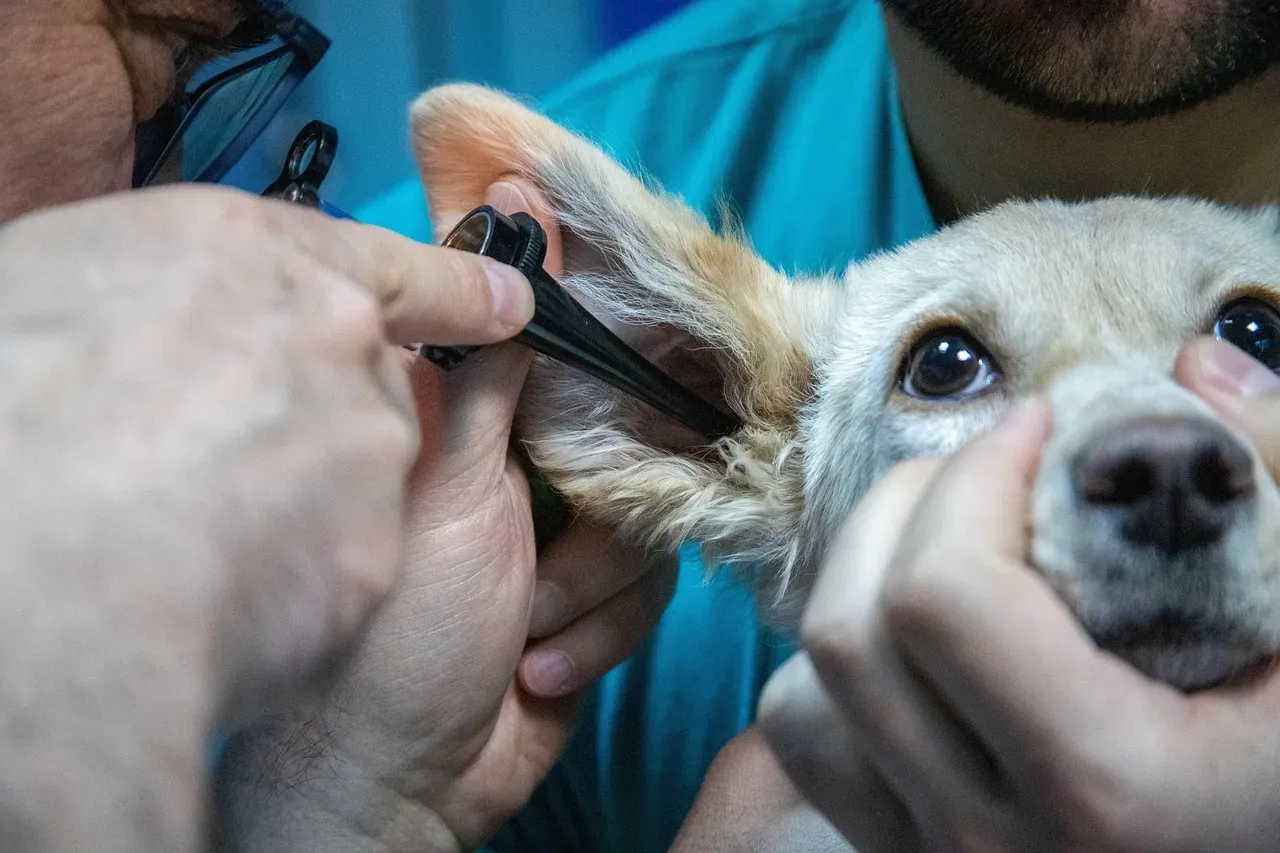
While many walk-aways are harmless, sometimes they are a gentle clue that something in your dog’s body does not feel right. If your dog suddenly starts leaving whenever you touch a certain area, like the hips, spine, or neck, or if they flinch, tense up, or seem unusually sensitive, pain could be part of the story. Older dogs, in particular, may find certain kinds of petting uncomfortable on arthritic joints or sore muscles.
It is worth paying attention if this is a new behavior, especially paired with other signs like hesitating on stairs, moving more slowly, or avoiding jumping onto furniture they used to leap onto easily. In those cases, walking away is not rejection at all; it is self-protection. Getting a vet’s opinion is not overreacting – it is honoring the one line of communication your dog actually has.
Connection Beyond Contact: Why Walking Away Does Not Mean Loving You Less
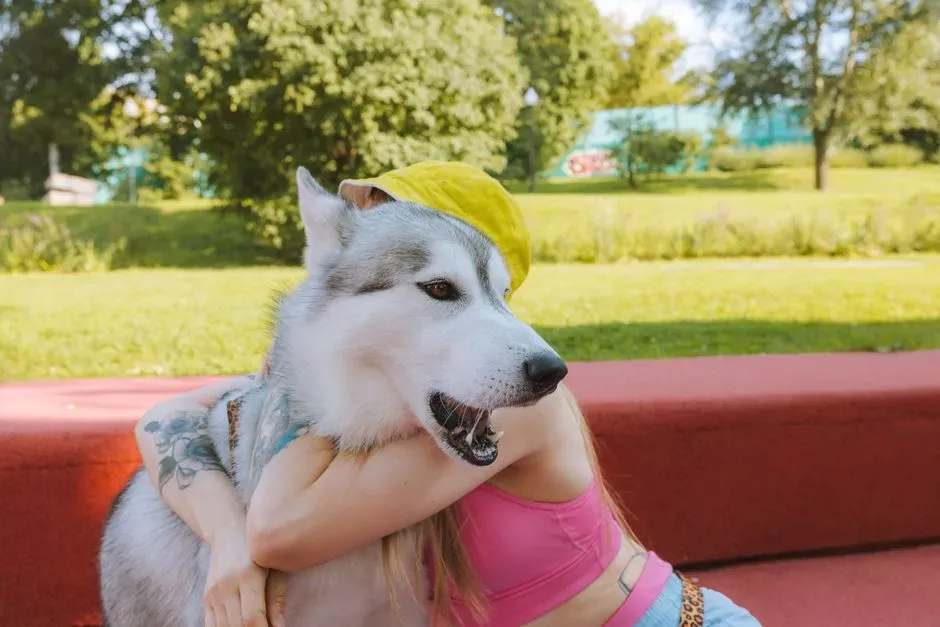
The biggest myth we carry from human relationships into dog relationships is that constant physical closeness equals love, and any pulling away equals emotional distance. Dogs are not wired like that. They can walk away from your hand and still adore you, follow you from room to room, sleep at your feet, and greet you like you are the best thing that ever happened to them.
Honestly, I think we sometimes ask dogs to be emotional support machines instead of living beings with preferences. When we decide that their little walk-away is a personal insult, we make their normal, healthy boundary-setting about our own insecurity. If we can flip that script and see those moments as communication instead of rejection, our relationships with them get deeper, kinder, and way more respectful.
Conclusion: Respecting the Walk-Away Is a Quiet Act of Love
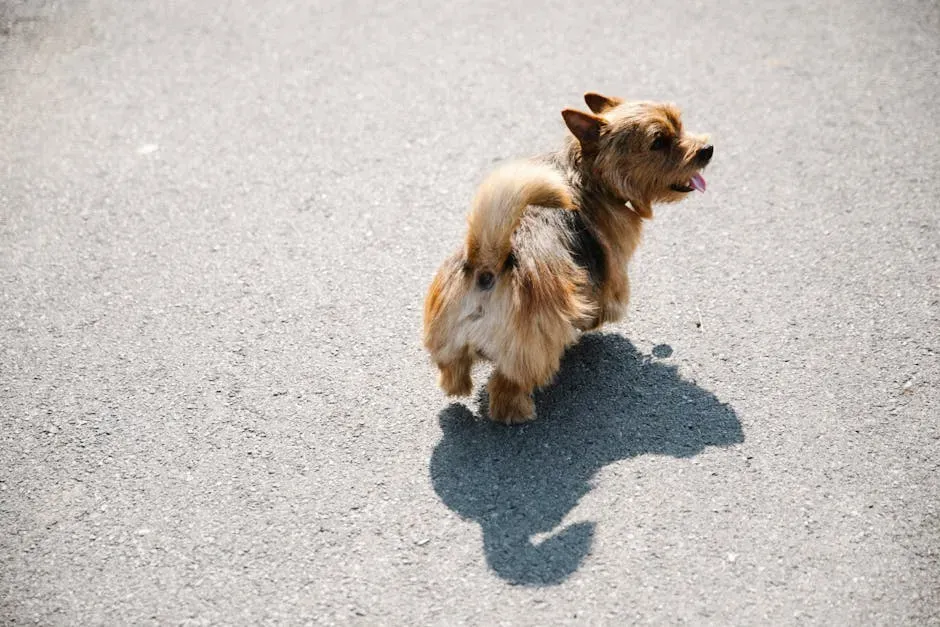
Here is my blunt opinion: if we truly love our dogs, we have to stop treating them like stuffed animals that exist to be petted on demand. A dog that feels free to walk away is a dog that feels safe with you, and that safety is worth far more than a few extra seconds of forced cuddling. When we listen to their subtle “no, thanks” as carefully as we celebrate their joyful “yes, please,” we step up from basic pet ownership into real partnership.
The next time your dog calmly gets up and wanders off mid-pet, try seeing it not as rejection but as a tiny, honest piece of feedback. Maybe they are satisfied, maybe they are overstimulated, maybe their hip hurts, or maybe that weird noise in the kitchen just sounded more interesting. Either way, they are telling you something real. The question is: are you willing to hear it?


