
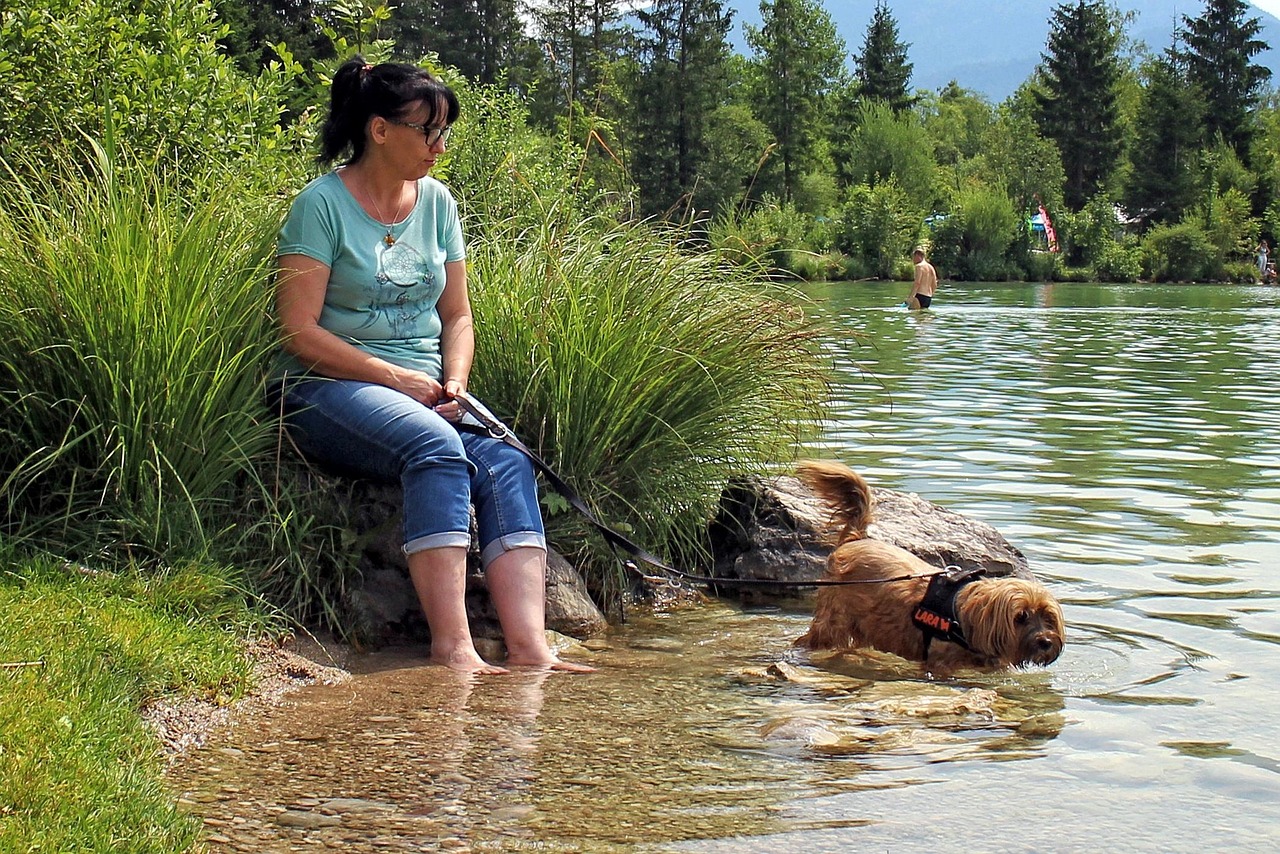
You know that oddly specific moment when your dog settles a couple of feet away from you instead of curling up in your lap, and you secretly wonder, “Wait… are we okay?” It can feel a bit like sitting next to a friend who suddenly chooses the chair instead of the couch. But canine psychology suggests that this quiet, slightly distant lounging can actually be a powerful sign of trust and social attachment, not rejection.
Understanding why your dog positions their body the way they do is like learning a new love language. Once you see how space, distance, and subtle choices fit into the way dogs show affection, you realize that closeness is not only about touch. Sometimes it is about the freedom to choose where to rest, while still clearly choosing you as their emotional home.
The Science Of Proximity: Why “Near” Still Matters

One of the most interesting findings from canine behavior research is that dogs often show attachment not through constant contact, but through consistent proximity. In other words, where they choose to be in relation to you tells a story. A dog that voluntarily settles in the same room, even a few feet away, is showing that your presence is a source of safety and comfort.
Think of it like a child at a playground who keeps glancing back at their parent from a distance. They are not clinging, but they still use that parent as a secure base. Many dogs do the same thing: they explore, they sniff, they circle around, and then they land near you, not because they have to, but because they want the reassurance of your presence in their “bubble.”
Secure Attachment Versus Clinginess: What Your Dog’s Distance May Reveal
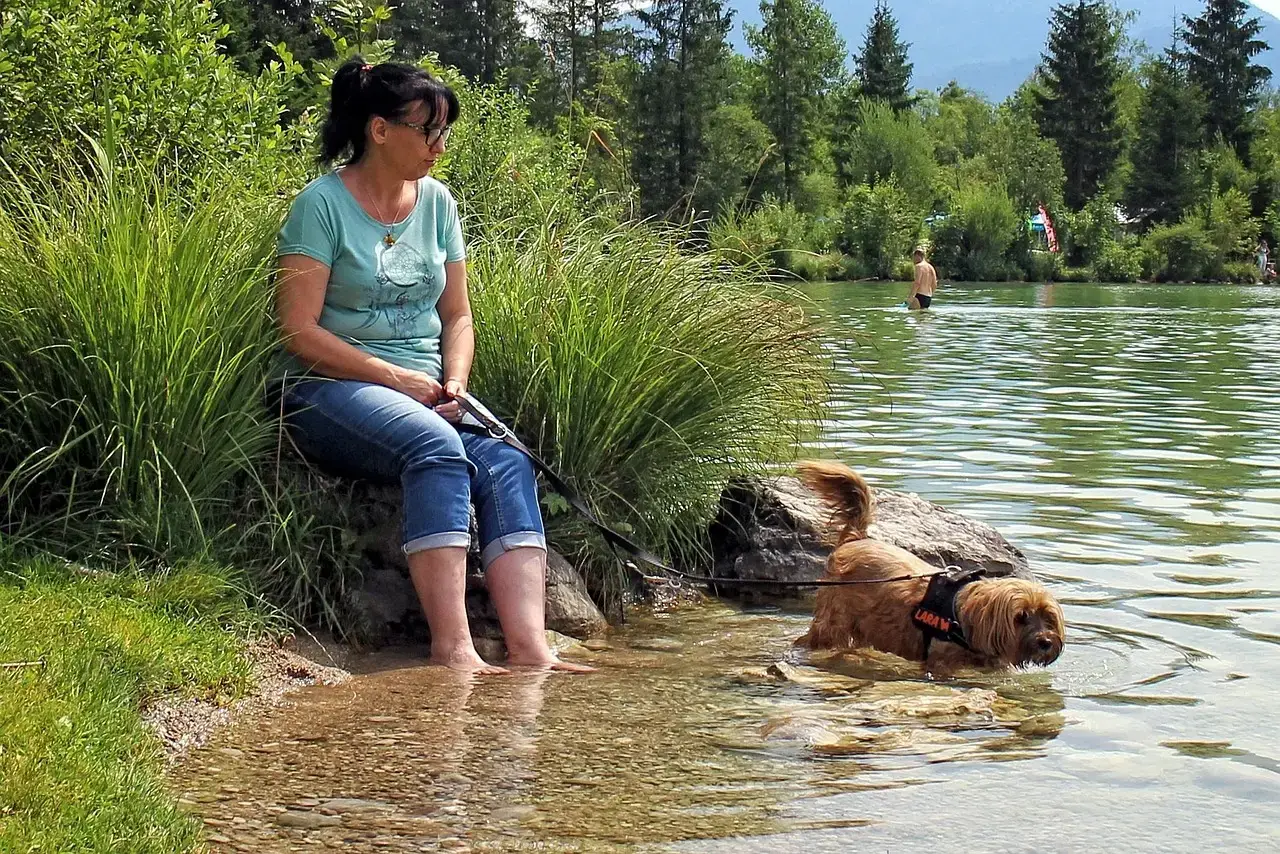
It is tempting to assume that the most attached dogs are the ones that are glued to their humans at all times. But in attachment theory, being anxiously stuck to someone is not the same as being securely bonded. A securely attached dog often feels safe enough to relax nearby without needing constant physical reassurance, and that can look like lying within a few feet of you instead of on top of you.
When a dog chooses a spot close enough to monitor you, but far enough to fully stretch out, it can signal confidence and emotional stability. They are not panicking if you shift, stand up, or reach for something; they are simply co-existing with you, sharing space without demanding constant touch. In many ways, that calm, quiet nearness is a more mature form of attachment than desperate clinging.
Personal Space, Canine Style: How Dogs Use Distance To Feel Safe
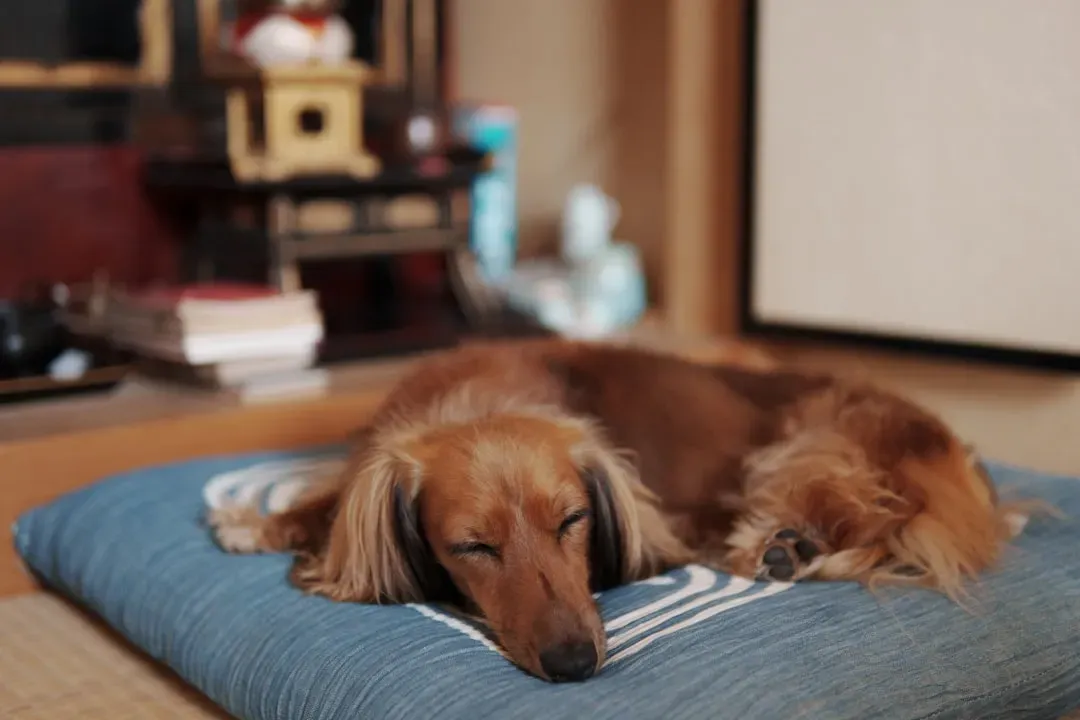
Just like people, dogs have a sense of personal space, and it is not the same in every situation. Some dogs love to be draped across your legs on the couch, while the very same dog might choose to lie slightly away from you when they need a deeper, more relaxed sleep. Distance can be about comfort, temperature, and the ability to shift positions without bumping into someone.
I have lived with dogs who adored me but still preferred to sleep where they could fully sprawl out like a starfish, often at the foot of the bed or a short stretch away on the floor. It never meant they cared less; it meant they wanted a balance between social closeness and physical ease. Dogs, like humans, may prefer having their own “bed bubble” while still feeling emotionally tethered to their favorite person.
Reading The Whole Picture: Body Language Beyond Touch
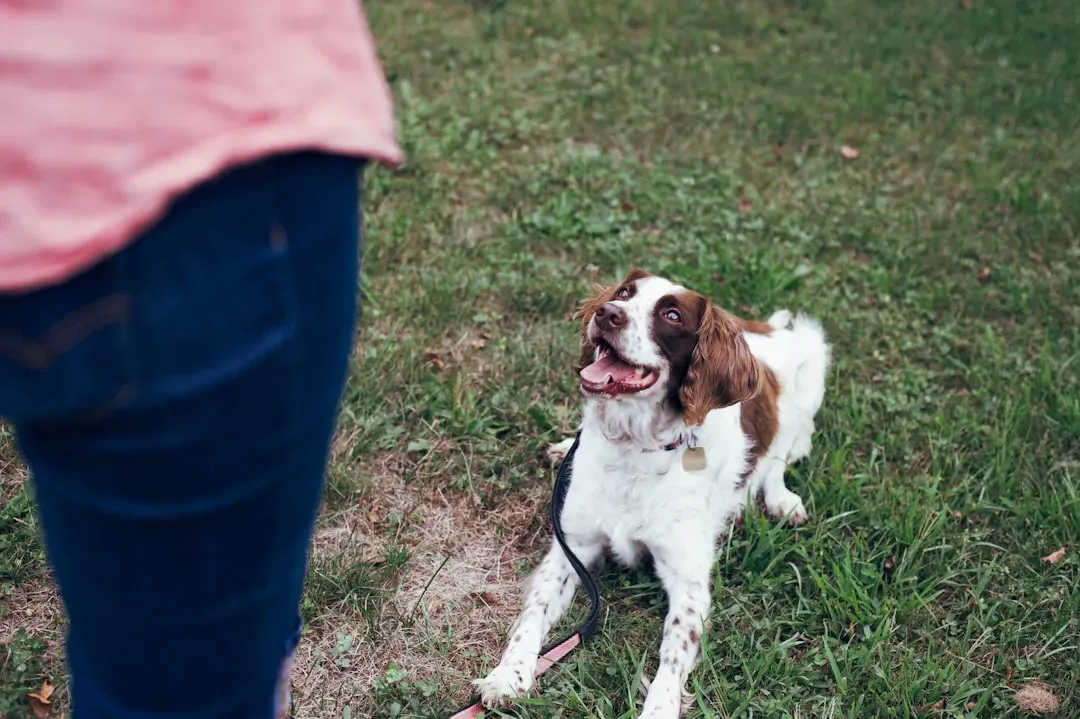
If you really want to know whether your dog is attached to you, you cannot just look at distance; you have to watch the rest of their body language. Relaxed eyes, loose muscles, a soft mouth, and deep, steady breathing while they rest near you are strong clues that your dog feels safe and content in your presence. They may not be pressed up against your leg, but their whole posture is saying, “I am okay because you are here.”
Pay attention to how your dog responds when you stand up or move around. A dog who casually tracks you with their eyes or lifts their head but stays relaxed is usually feeling secure. A dog who frequently chooses to nap or rest in rooms you occupy, even without seeking direct contact, is still voting for you with their feet. Their body may not be leaning on you, but their choices are still orbiting around you.
Different Dogs, Different Love Languages
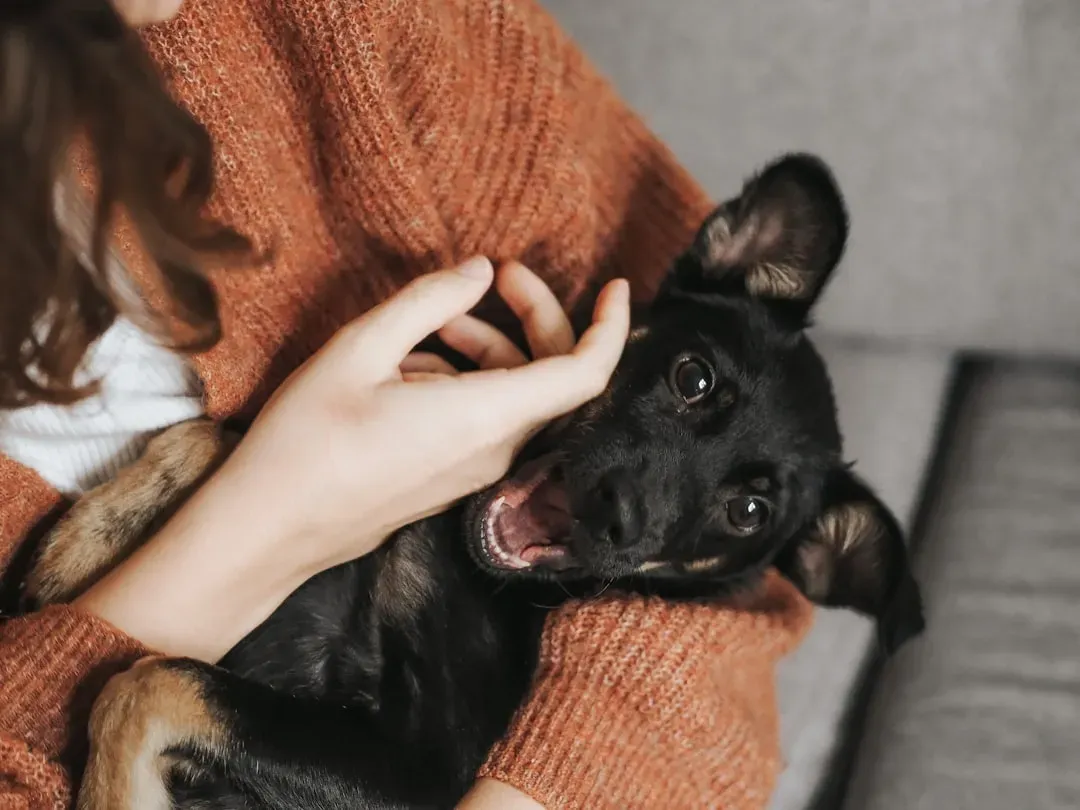
Not all dogs are naturally cuddly, and that is not a moral failing, it is a personality trait. Some breeds and individuals are more independent or sensitive to touch. For these dogs, lying next to you without physical contact may be their version of an affectionate gesture. They are saying, “I want to be with you,” just not in a clingy or tactile way.
Think about people who show love by sitting side by side on the couch, each reading their own book. The quiet companionship still feels intimate. Many dogs express their love in a similar style: they rest nearby, match their rhythm to yours, and keep you within their small world of awareness. That shared, low-key togetherness is still a powerful form of bonding, even if it does not look like a movie-style cuddle pile.
Environmental Factors: Comfort, Temperature, And Practical Choices

Before you assume your dog is pulling away from you emotionally, it is worth asking some very boring, practical questions. Is the floor cooler than the couch on a hot day? Is there a draft by your feet? Is the rug softer in that one exact spot a couple feet away? Dogs are experts at picking the most comfortable micro-zone in a room, even if it slightly increases the distance between you.
Sometimes the choice to lie near you but not touching has everything to do with airflow, visual vantage points, or how much space they need to stretch without falling off furniture. A dog might lie with their back to the wall and their eyes facing the doorway, while still placing themselves in the same area of the house where you are relaxing. They are solving a comfort puzzle while still keeping you in their “social radius.”
How To Respond: Strengthening The Bond Without Smothering
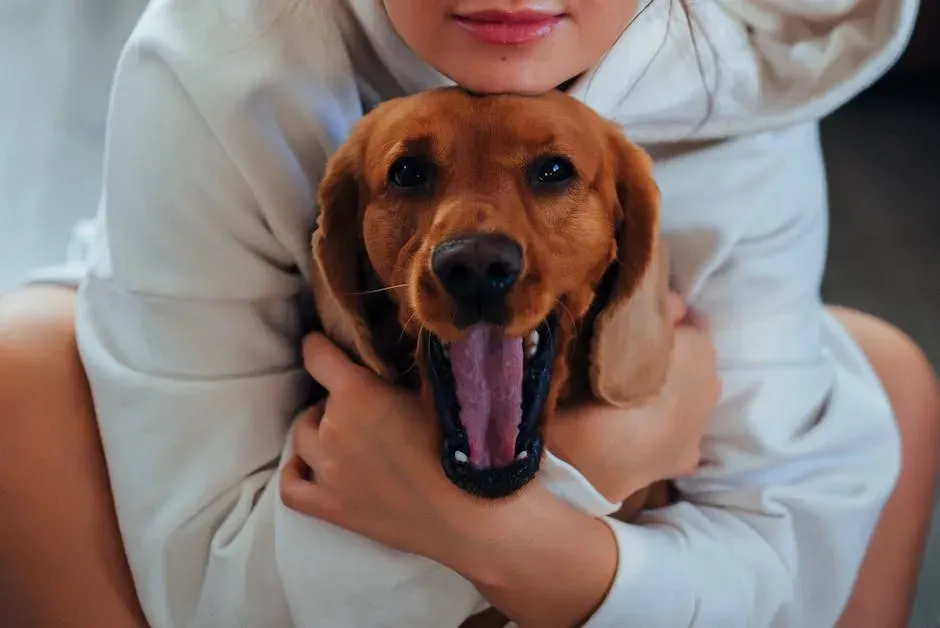
If your dog tends to lie near you but not on you, the best response is usually to respect their preferences while keeping the relationship positive. You can still invite them closer with a gentle pat or a soft call, but avoid taking it personally if they choose to stay at a slight distance. Giving a dog the freedom to choose how close to be often strengthens trust over time.
You can reinforce the bond by pairing your presence with good experiences: calm praise, play sessions, walks, and predictable routines. Over time, many dogs begin to mix things up, sometimes opting for a full-body cuddle and other times choosing a “companionable distance” spot. Letting that flexibility exist without pressure sends your dog a powerful message: you are safe here, exactly as you are.
When Distance Might Signal A Problem Instead Of Comfort
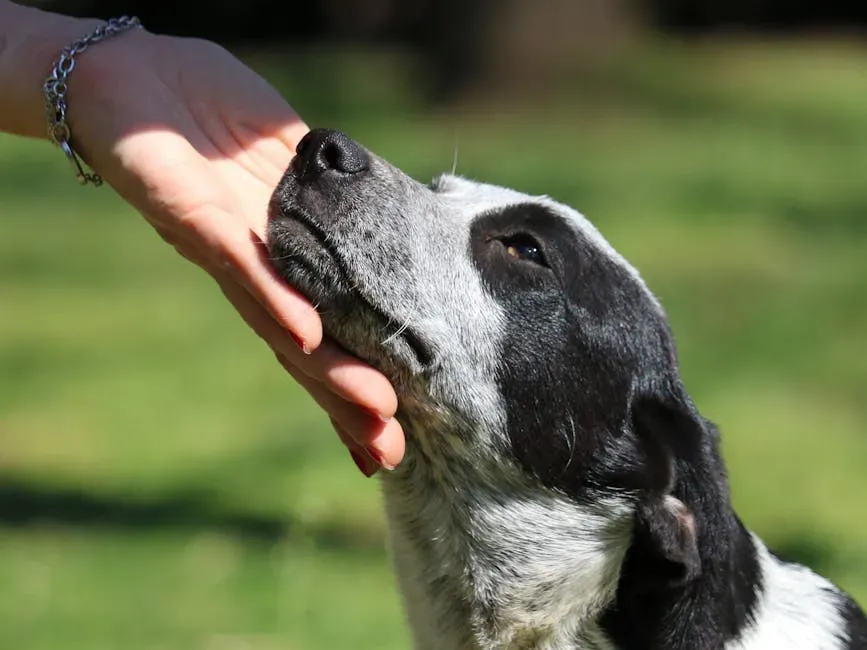
Of course, there are times when a dog suddenly choosing more distance can mean something is off. If a usually cuddly dog starts avoiding touch, changing their usual resting spots, or acting restless or tense near you, it may point to pain, stress, or fear. In those cases, the behavior change matters more than the specific number of inches between you.
It is worth watching for other signals: flinching when touched, licking lips repeatedly, yawning in tense situations, or avoiding eye contact. If those show up alongside more distance, a check-in with a veterinarian or qualified behavior professional is smarter than simply hoping it will pass. Healthy social distance feels relaxed and easy; troubled distance tends to look stiff, wary, or unsettled.
Conclusion: Near, Not Needy, Can Be The Healthiest Kind Of Love

I think we underestimate just how meaningful it is when a dog quietly chooses our company, even without the Instagram-perfect cuddle. A dog who lies a little way off but repeatedly picks your room, your side of the bed, or your spot on the couch is still telling you that you are their anchor. That kind of calm, chosen nearness feels less like neediness and more like a deep, stable friendship.
In my view, dogs who can rest near us without clinging are showing a particularly beautiful kind of attachment: they are secure enough to relax and independent enough to breathe, yet they still choose to keep you in their orbit. So the next time your dog stretches out just beyond arm’s reach, maybe do not ask, “Why are you over there?” Maybe ask yourself something more interesting: how many quiet ways are they already saying they belong with you?


