
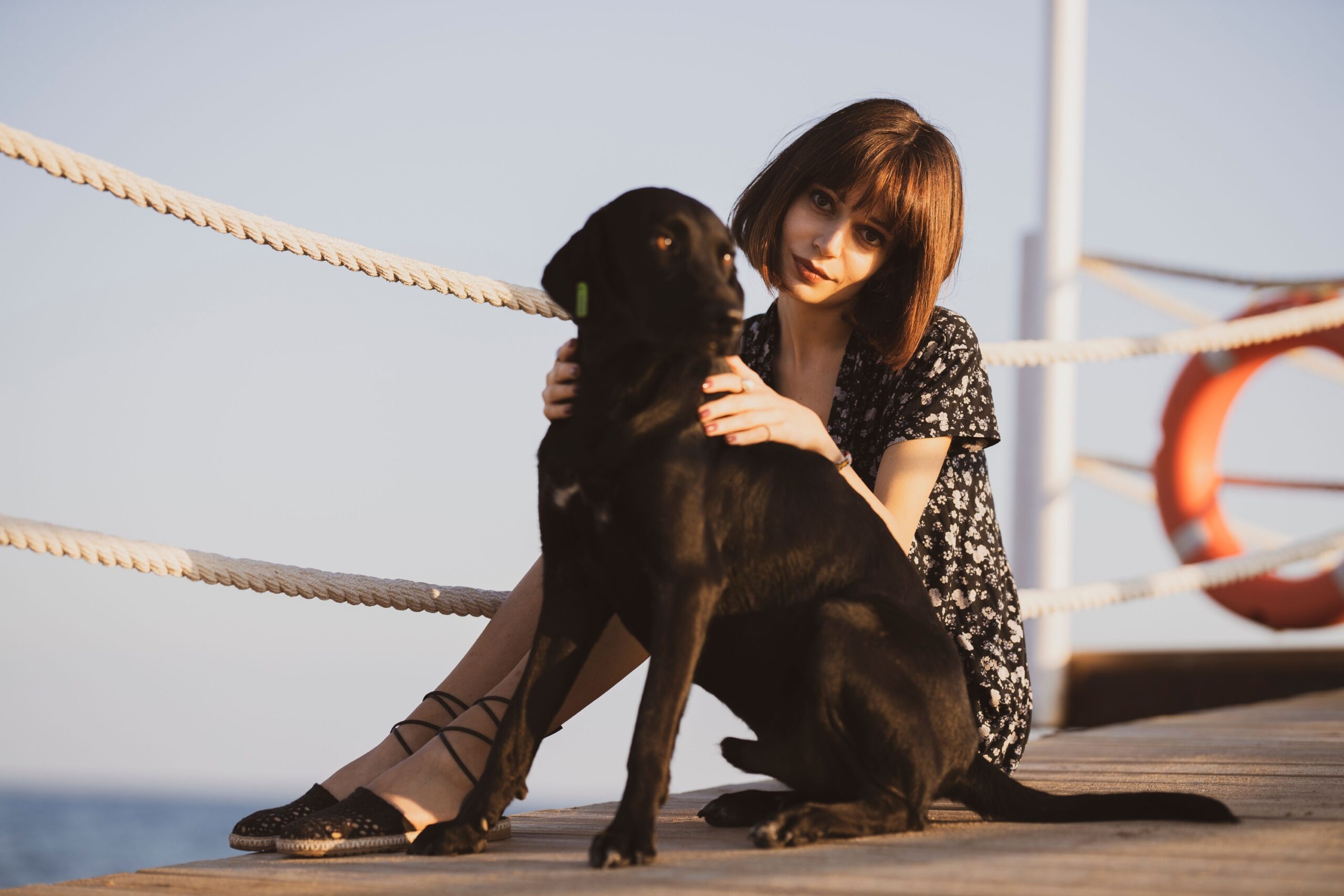
You know that feeling when you’re standing in the kitchen and suddenly your dog presses their whole weight against your legs, like a furry little gravity storm? People like to joke that dogs do this because they are needy, jealous, or manipulative. The reality is quieter, deeper, and honestly much more beautiful: that lean is your dog using you the same way a securely attached child uses a trusted parent.
Modern attachment research on dogs suggests that physical touch is not a cute extra for many dogs; it is part of how they regulate their emotional state and sense of safety. When your dog leans on you, rests a paw on your foot, or wedges themselves against your side on the couch, they are doing something that lines up surprisingly well with how attachment science describes contact-seeking in close relationships. Once you see it through that lens, their “clinginess” suddenly looks a lot more like quiet emotional intelligence.
That Famous Dog Lean: Not Random, Not Accidental
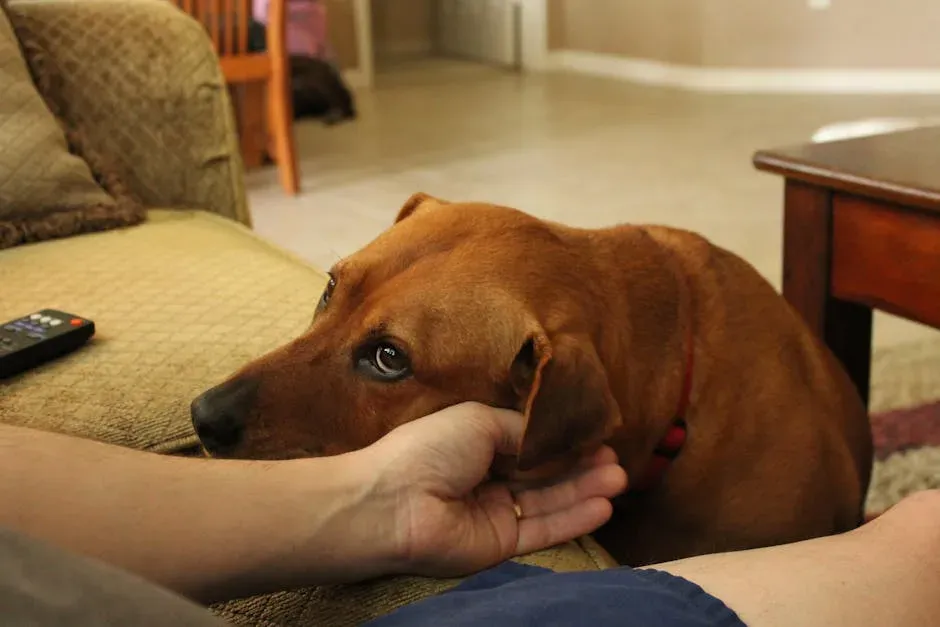
Think about how specific the dog lean actually is. Your dog is not just standing near you; they are pressing some part of their body into some part of yours. That is an intentional act of contact, not a coincidence of space. In attachment science, this is exactly the kind of behavior that gets labeled as physical contact-seeking: actions taken to touch, press, or stay in close bodily proximity to a trusted figure.
When dogs are allowed to move freely, they tend to choose where and how much to lean. Many will sidle up to a familiar human and gradually increase pressure until their weight is clearly supported by the person’s legs or body. That choice has a pattern: it usually happens more with people they know well, in environments that are slightly uncertain, or during emotionally charged moments like thunderstorms, unfamiliar visitors, or after a sudden loud noise. Those patterns are exactly what you would expect if that lean were part of an attachment-based strategy to feel safer and more grounded.
Attachment Science 101: From Human Babies to Household Dogs
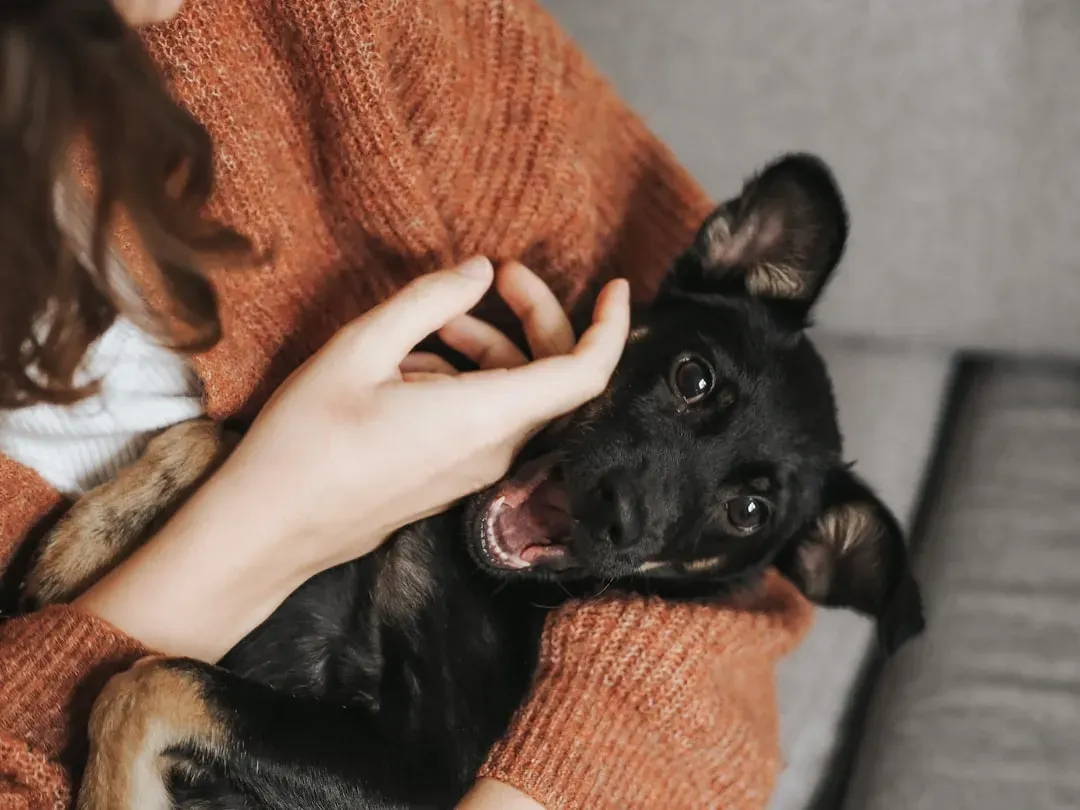
Attachment research originally focused on human infants and their caregivers, studying how children use adults as a base of security and a source of comfort when stressed. Securely attached children are not glued to their parents every second, but when they feel worried, confused, or overwhelmed, they seek closeness, touch, and eye contact. That contact helps their bodies and brains calm down. Over time, those experiences get wired into how they handle emotions and relationships.
When scientists began applying this framework to dogs, they found something strikingly familiar. Many dogs treat their primary humans the way a child treats a caregiver: they check in visually, they follow, they protest separation, and they use touch and proximity to cope with stress. The lean, in this context, looks almost obvious. Your dog is not only being affectionate; they are using you as a living, breathing anchor point the same way a securely attached child climbs into a parent’s lap during a scary movie.
Touch as Emotional Regulation: Why Your Dog’s Body Needs Your Body
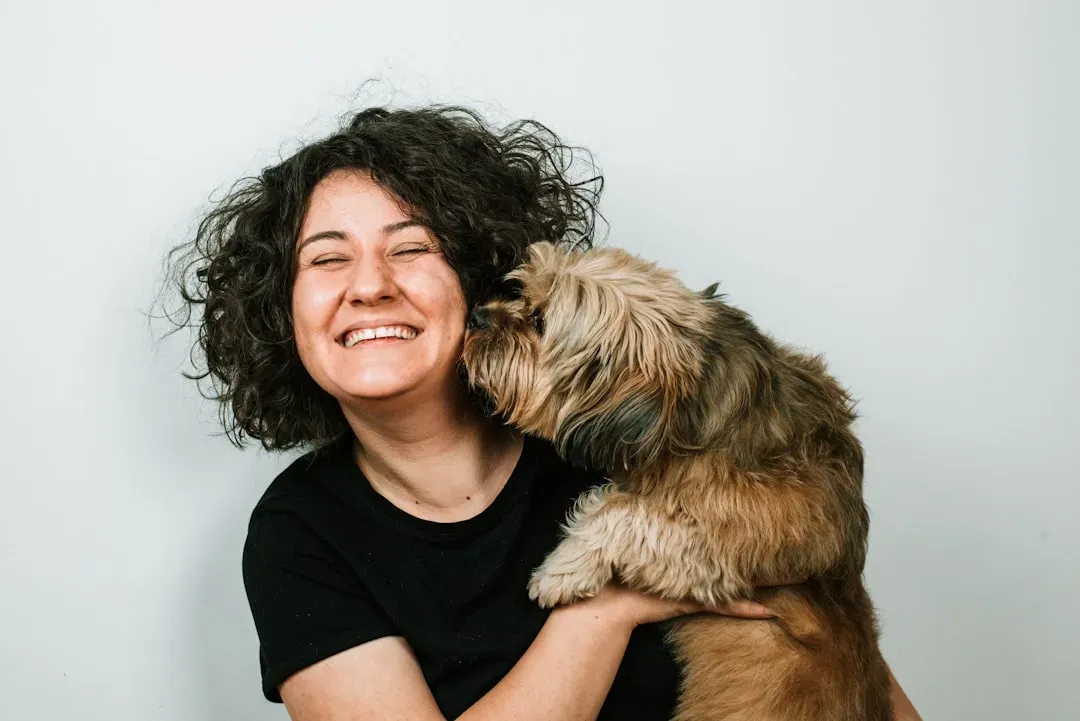
Physical contact between social animals often changes what is happening in their nervous systems. Heart rate, muscle tension, and stress hormones can all shift when an animal experiences gentle, predictable touch from a trusted individual. For humans, that is why a hug from the right person can do more for anxiety than a long lecture about staying calm. Dogs appear to operate in a similar way: for many of them, the sensation of leaning into a familiar body helps them downshift from alert to okay.
When your dog pushes their side, chest, or back legs into you, they are doing more than “being sweet.” They are engaging in a form of self-regulation supported by attachment. Your steady presence, body warmth, scent, and small unconscious movements become cues that the world is safe enough and that they are not alone in facing whatever is happening. That is a far cry from the idea that dogs are merely demanding attention; it is closer to the idea that they are actively using the relationship to keep themselves emotionally balanced.
Secure Attachments: Dogs Who Use You as a Safe Base

One of the hallmarks of a secure attachment is flexibility: the ability to explore and be independent, but also to return for comfort and grounding when needed. Many well-adjusted dogs display that exact pattern. They will wander the yard, sniff the world, greet visitors, and then come back to press gently against your calves or rest their head on your knee. That rhythm of leaving and returning is not “mixed signals”; it is actually a sign of confidence in the bond.
Dogs in secure attachments do not just cling at all times; they use contact strategically. They might lean when the environment gets busier, when someone unfamiliar arrives, or during a quiet moment at night when the house finally settles and their nervous system has space to process the day. The lean becomes a kind of physical punctuation mark: “I am okay, but I feel better when we are physically connected right now.” Seeing it this way completely changes how you interpret those little nudges and presses against your legs.
Is It Clinginess, Dominance, or Something Deeper?

There are a lot of popular myths around the dog lean. Some people claim it is a power move, like your dog is trying to dominate you by taking control of your space. Others think it is a sign of fragile dependence or “spoiling,” as if any preference for touch must automatically mean a lack of confidence. Attachment science offers a calmer, more grounded interpretation: repeated, relaxed leaning toward a familiar person usually signals trust and reliance, not manipulation or weakness.
Of course, context still matters. A dog that is trembling, panting, or hyper-vigilant while leaning may be using contact as a lifeline in a moment of fear. A dog that casually rests their weight against your calf while dozing on the couch is using contact more like background comfort. But in both cases, the core behavior is the same: they reach out physically to a figure who matters. Instead of worrying about being “too soft” if you allow it, it makes more sense to view it as participating in a mutual, regulation-based relationship where both species get something from simple touch.
How Your Responses Shape the Attachment Bond
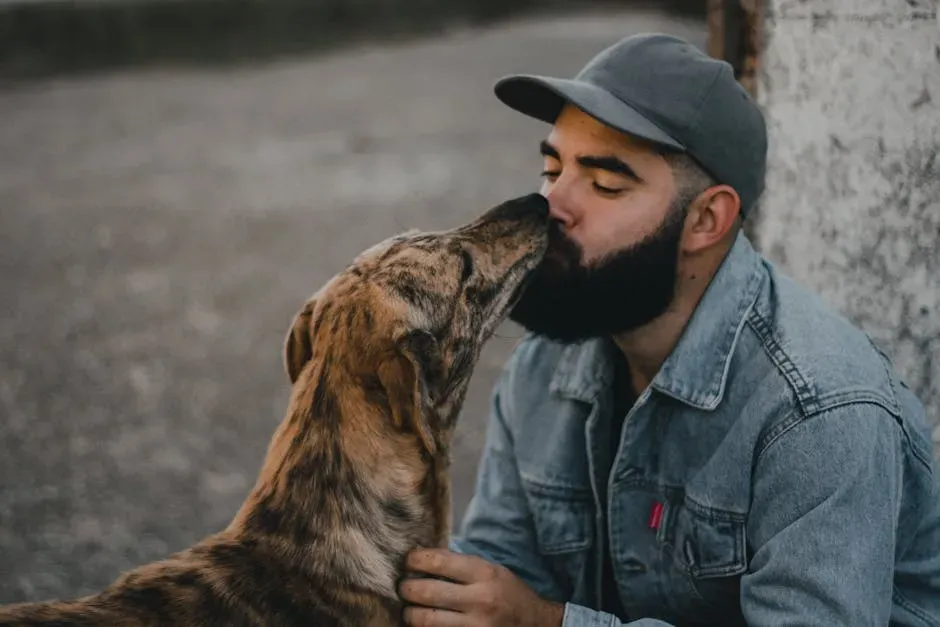
Attachment is not just about what the dog does; it is also about how you respond. When a dog leans and the human regularly reacts with patience, gentle touch, or at least neutral acceptance, that dog learns that contact-seeking works. The world might be confusing, but pressing into this particular pair of legs or sitting tightly against this particular hip consistently results in safety and calm, not punishment or rejection. Over months and years, that predictability deepens the attachment bond.
If, on the other hand, a dog is frequently pushed away, scolded, or ignored when they approach for contact, they may still lean but with more uncertainty or tension. Some dogs eventually stop trying as overtly and instead display more subtle signs of stress. This is one reason I personally lean toward saying yes when a dog leans on me unless there is a medical or safety issue. To me, it feels like answering the emotional phone when they have chosen to dial my number, even if they do it with a forty-pound side push instead of a ringtone.
When Leaning Might Signal Stress, Pain, or Overwhelm

Being honest, not every lean is purely about relaxed security. Sometimes a dog leans because they genuinely feel overwhelmed, scared, or even uncomfortable in their own body. A dog that suddenly starts leaning much more than usual, especially if they also seem stiff, restless, or unusually withdrawn, might be using contact in a more desperate way. In those cases, the lean is still attachment-consistent, but it may be a red flag that something in their life or health needs attention.
It helps to pay attention to the full picture: body language, timing, changes in behavior, and what else is going on in the environment. If the leaning accompanies limping, difficulty moving, or new irritability, a veterinary check is not overreacting; it is smart. If it happens mainly in specific situations, like crowded places or noisy events, it might simply mean your dog is telling you this is more than they can comfortably handle on their own. In both scenarios, the leaning is information, not a problem in itself.
Conclusion: The Quiet Power of Letting Your Dog Lean
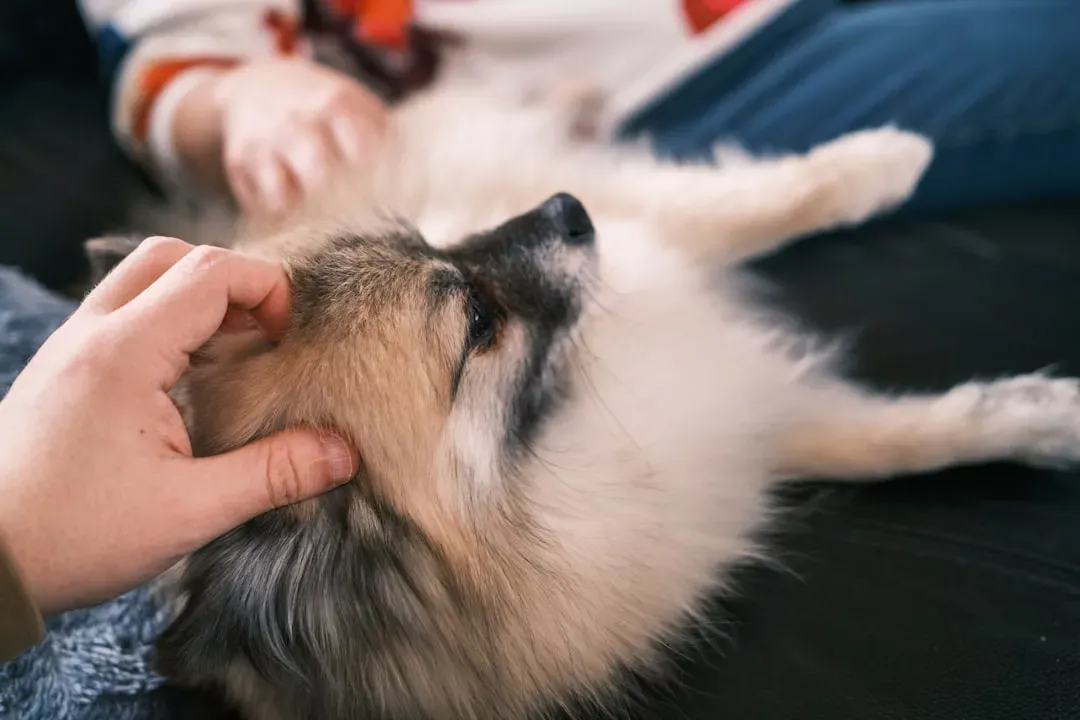
When you strip away the jokes and myths, the simple act of a dog leaning against your legs turns out to be one of the clearest windows into how attachment actually works between humans and dogs. It is not flashy, it is not dramatic, and it is definitely not about ranking or status. It is about a social animal using touch as a tool to feel safe, close, and regulated. I think we underestimate how profound that is because it happens in such ordinary moments – next to the couch, at the kitchen counter, while you are brushing your teeth.
If anything, I lean pretty strongly into the opinion that we should welcome this behavior in most cases instead of worrying about spoiling or dominance. You do not have to turn every lean into a full cuddle session, but recognizing it as a sign of trust and secure attachment changes the emotional weight of that simple gesture. Your dog is not just standing there; they are saying, in the quietest possible way, that being physically close to you helps their world make sense. The real question is: now that you know that, how are you going to stand when they press into you next time?


