
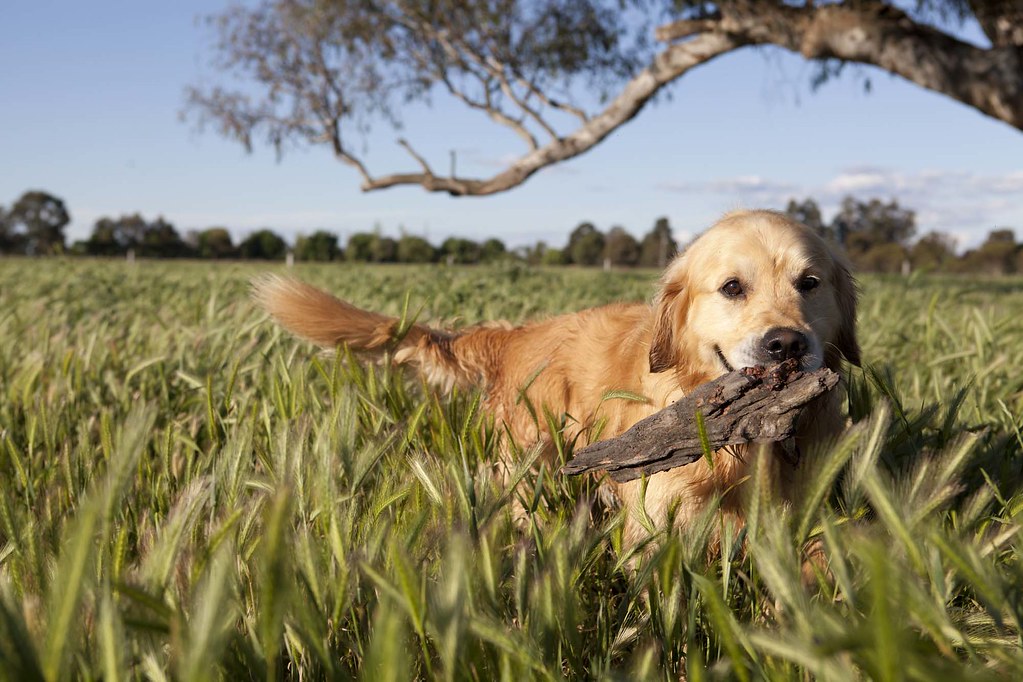
Think about the last time you snapped at your dog because you were stressed, then watched them slink away with those heartbreaking eyes. Or the time you got home, dropped to the floor, and greeted them like they were the best thing that ever happened to you – and suddenly you had a wiggling, tail-thumping tornado of joy. Those moments are not just “cute dog stuff.” Animal psychology research suggests your dog is not only reacting in the moment, but quietly keeping score of what it feels like to be around you.
That sounds dramatic, but it’s actually pretty simple: dogs appear to remember whether being with a specific person tends to feel safe, kind, and rewarding – or tense, scary, and unpleasant – and they adjust how they behave next time. They may not replay conversations in their heads like humans do, but they do seem to build emotional files on us. Once you see it this way, it becomes impossible to ignore how much power you have over your dog’s inner world.
The Science Behind a Dog’s Emotional Memory
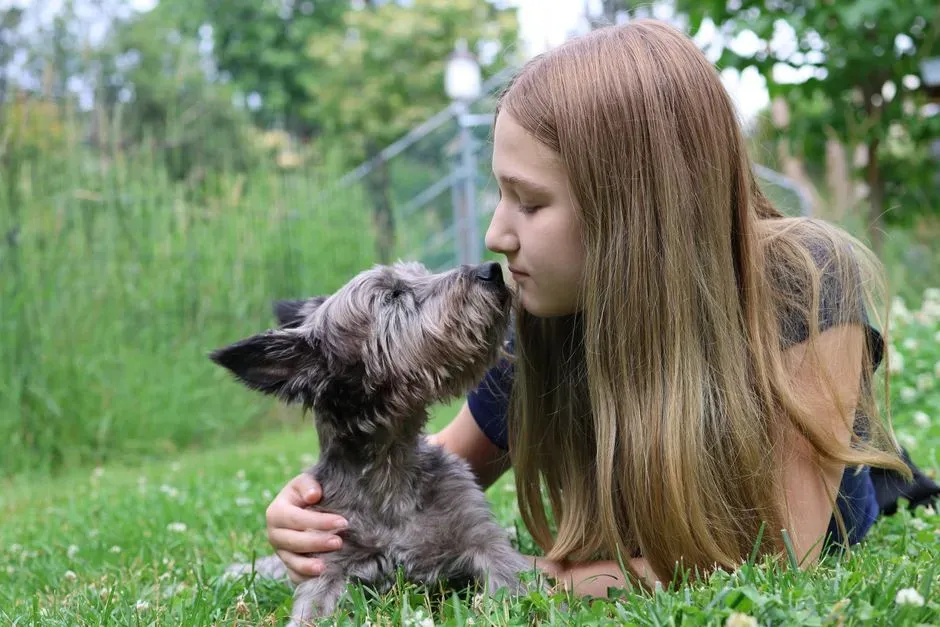
When researchers talk about how dogs remember, they often divide memory into a few different buckets. There’s working memory, which is short and practical, like remembering where a ball landed. There’s long-term memory, which helps a dog learn that “sit” means “put my butt on the floor.” And then there’s emotional memory – the feeling-based imprint that sticks after a good or bad experience with a person. That emotional layer is what explains why a dog may light up around one neighbor but refuse to go near another.
Studies looking at how dogs respond to human actions show that they are not just reacting to treats or tone in the moment. They notice patterns: who is gentle, who is rough, who respects their space, and who ignores their signals. Over repeated interactions, their brain starts linking “this person” with a general emotional forecast: warm, neutral, or dangerous. That’s not mind reading; it is just the animal brain doing what it evolved to do – predict the future based on the past, especially when safety and comfort are on the line.
How Dogs Read Us: Tone, Touch, and Tiny Details
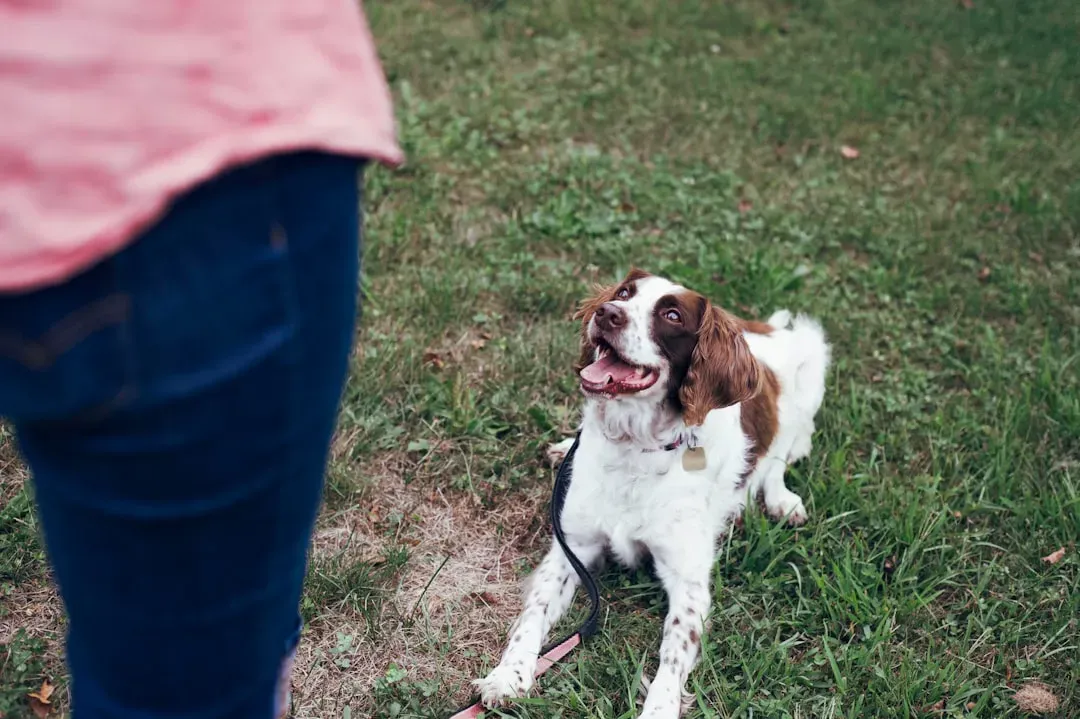
Dogs are shockingly good at picking up small human cues we barely notice in ourselves. The way your shoulders tense before you get annoyed, the slight sharpness in your voice, the speed of your footsteps approaching – all of that is information to a dog. Even if you never lay a hand on them in anger, they can learn that raised voices or quick, jerky movements tend to end in something that feels bad, like being shooed away or grabbed roughly by the collar.
On the flip side, dogs also file away what kindness looks and feels like. A soft voice, a relaxed face, a hand that approaches slowly instead of swooping down over their head – those become signals of safety and maybe even fun. Over time, a dog who regularly experiences those positive cues starts to pre-load joy when they see you, almost like your presence is a promise that good things are coming. That is why some dogs run toward certain people like their favorite song just started playing.
Positive vs. Negative: What Dogs Actually Remember
It is tempting to imagine that dogs replay scenes in their minds exactly the way people do, but their memory seems to work more in emotional summaries than perfect videos. Instead of remembering that on Tuesday you dropped a dish and shouted, they are more likely to store, “When this person moves suddenly and yells, I feel scared. I might want to stay back next time I sense that energy.” The details may blur, but the emotional color of the interaction stays pretty sharp.
That means repeated rough handling or unpredictable anger does not just vanish because the moment is over. The dog remembers the feeling and adjusts – maybe by avoiding eye contact, refusing to come when called in certain rooms, or becoming stiff when a particular person reaches for them. By the same logic, consistent warmth, patience, and gentle play build a different kind of emotional record: this person is safe, this person is fun, and I want to be closer when they appear.
How Dogs Change Their Behavior Around Different People
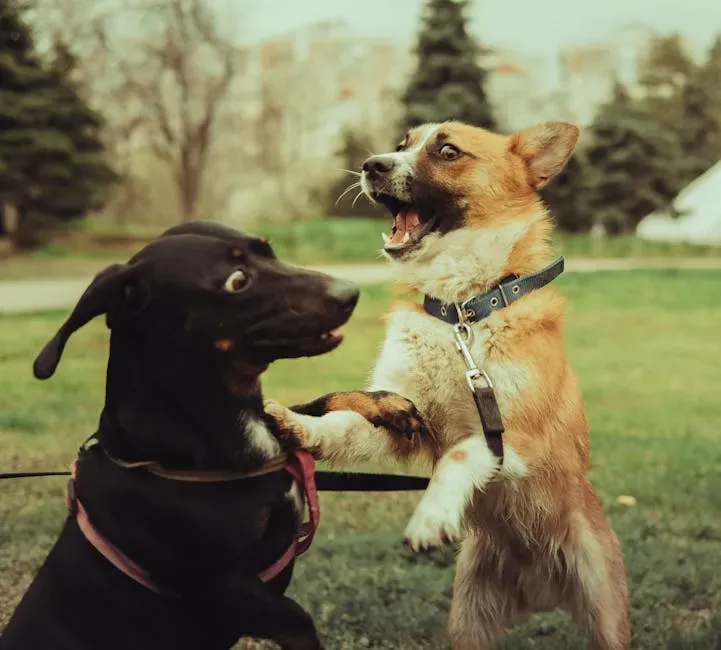
If you have ever noticed your dog behave like two completely different animals depending on who walks into the room, you are seeing emotional memory in action. Maybe they are goofy and relaxed with you, but stiff and cautious around a certain visitor. Or maybe they avoid one family member’s hands but shove their nose under another’s palm demanding more petting. These patterns are not random; they are shaped by the history your dog has collected with each person.
Dogs are practical. They do what has worked or protected them in the past. If ignoring someone helped them avoid being yelled at, they will likely ignore that person more. If wagging and wiggling reliably led to games and treats with another, that behavior will ramp up. It can be humbling to realize that your dog has an opinion about you, built moment by moment, over months and years. But it is also empowering, because it means you can steadily change that opinion by changing how you show up.
Why One Bad Moment Hurts More When It Repeats
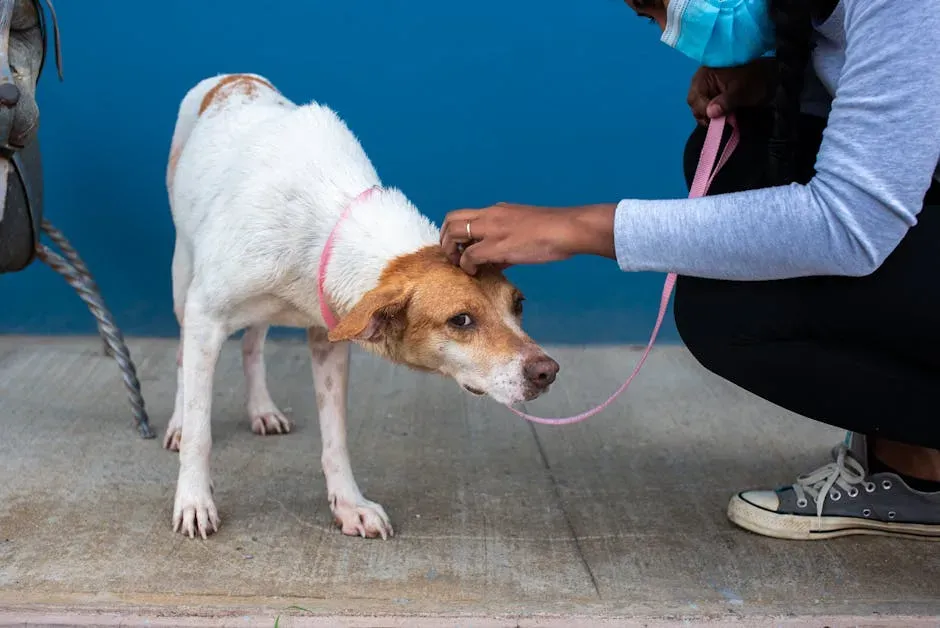
People often ask if a single bad interaction will “ruin” their relationship with their dog. Usually, it will not. Dogs, like humans, can handle the occasional off day, especially if most of their history with you has felt safe and kind. One slammed door or one impatient word may startle them, but it is usually more of a blip than a permanent scar when it is surrounded by a lot of good experiences.
The real damage tends to happen when the negative moments become a pattern. If a dog never knows which version of you they are going to get – the gentle one or the explosive one – their brain tends to err on the side of caution. That might look like hesitant approaches, flinching at fast movements, or shutting down when you try to interact. In a way, they are saying, “The safest option with you is to keep my guard up,” and they are learning that from experience, not imagination.
Building a History of Trust on Purpose
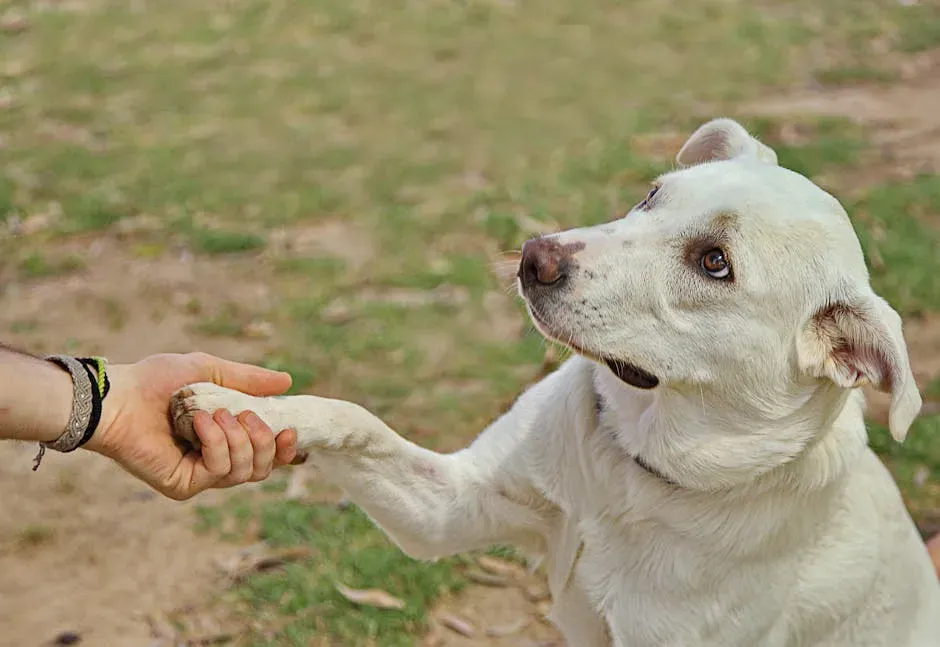
The hopeful side of all this is that emotional memory works both ways. Every small, positive interaction is like another deposit into your dog’s trust account. Slow, predictable movements, letting them choose when to approach, rewarding calm behavior, and using a gentle voice when you need them to do something – all of that quietly teaches them that being near you pays off. Over time, that steady stream of safe, pleasant experiences becomes the story your dog tells themselves about you.
One thing I have learned with my own dog is that tiny choices matter more than grand gestures. An extra few seconds of patience when they are distracted, or pausing to let them sniff instead of dragging them along, can change the whole tone of a walk. You do not need to be perfect; you just need to be consistent enough that your dog’s automatic expectation around you is, “I am okay here.” Once that baseline is in place, occasional mistakes land on a soft cushion instead of on bare concrete.
Helping a Dog Heal From Past Negative Experiences
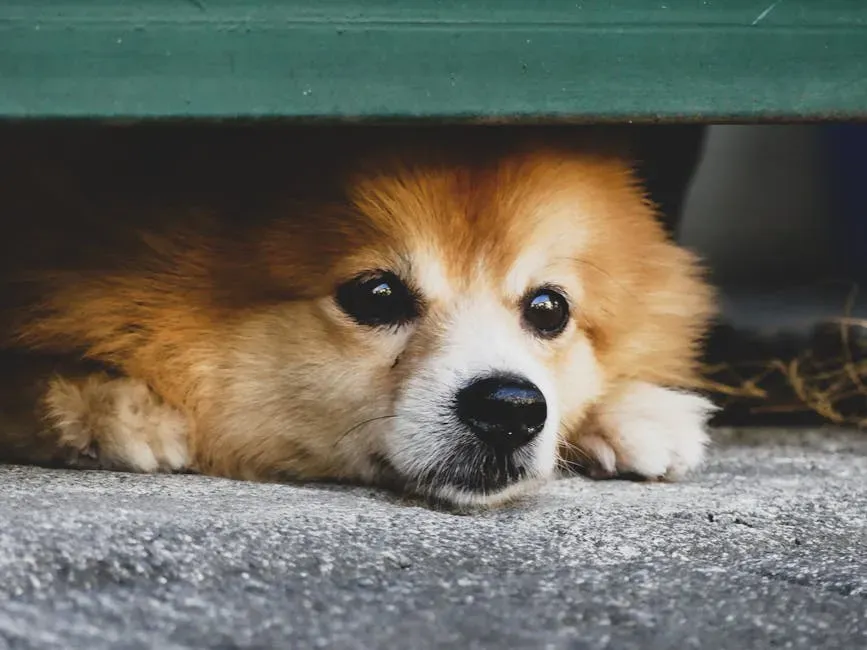
Many dogs carry emotional histories that started long before they met you, especially if they have been rehomed, rescued, or had rough handling in the past. A dog who cowers from raised hands or barks at certain types of people is not being dramatic; they are remembering. For them, your kindness is not instantly believable. It has to be proven, slowly, through a lot of uneventful, safe, almost boringly gentle interactions.
This is where patience becomes an act of respect. Letting a fearful dog choose how close to get, avoiding sudden grabs, and pairing your presence with calm routines and predictable rewards are all ways of rewriting their internal script about humans. It can be frustratingly slow. But watching a dog who once trembled at your touch eventually climb into your lap on their own is one of the most powerful reminders that emotional memory is not a life sentence. With enough good experiences, the balance can genuinely tip.
Why Your Dog’s Memory of You Should Change How You Live With Them
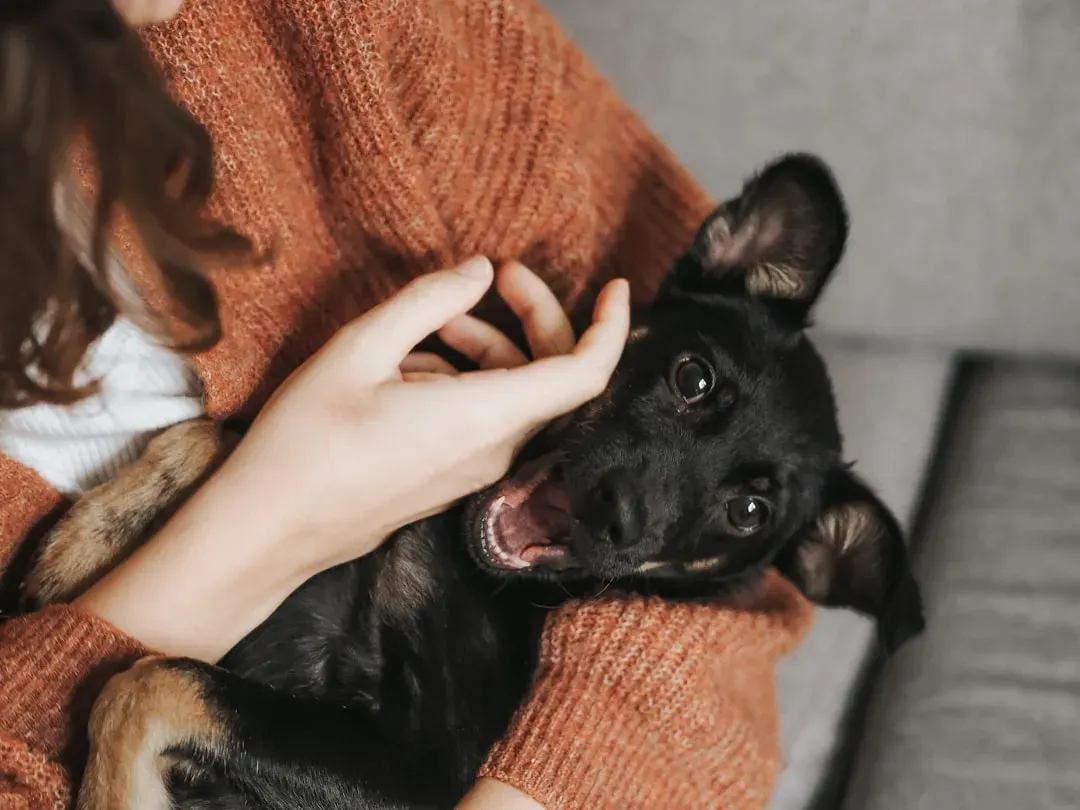
Once you accept that your dog is quietly tracking how it feels to be around you, it becomes harder to shrug off the bad moments as harmless. Every eye roll, harsh yank on the leash, or shouted command becomes part of the story their nervous system is writing about you. I do not say that to guilt-trip anyone; I say it because I have seen, in my own life, how easy it is to blame a dog’s “stubbornness” when they are really just responding to a long pattern we have forgotten but they have not.
My opinion is simple and probably a bit blunt: if we invite dogs into our homes and our hearts, we take on the responsibility to be a steady source of safety, not just food and fun when it is convenient. Their ability to remember how we made them feel is not a nuisance; it is a mirror. It reflects back the kind of person we have been to them over time. The question that lingers for me – and maybe for you now too – is this: if your dog could explain what it feels like to be loved by you, would their emotional memory be something you are proud of, or something you are still working to change?


