

There is a particular kind of silence that hits a home when a dog realizes a goodbye is not just for a workday, but for something bigger, longer, or maybe even permanent. Most of us like to imagine our dogs live in a blissful present, but anyone who has ever packed a suitcase under the watchful gaze of their pet knows they notice patterns, changes, and emotional shifts with an almost unsettling accuracy.
Dogs might not understand plane tickets, breakups, or one-way moving trucks, but they absolutely pick up on the energy surrounding a major life change. When they sense you may be leaving for a very long time, their behavior can shift in subtle and not-so-subtle ways. Some of these signs are rooted in well-studied separation anxiety, and others come down to body language, routine disruption, and the deep emotional bond you share. Here are seven powerful behaviors you might see when your dog feels that this goodbye is different.
1. They Start Following You Like a Shadow Everywhere You Go
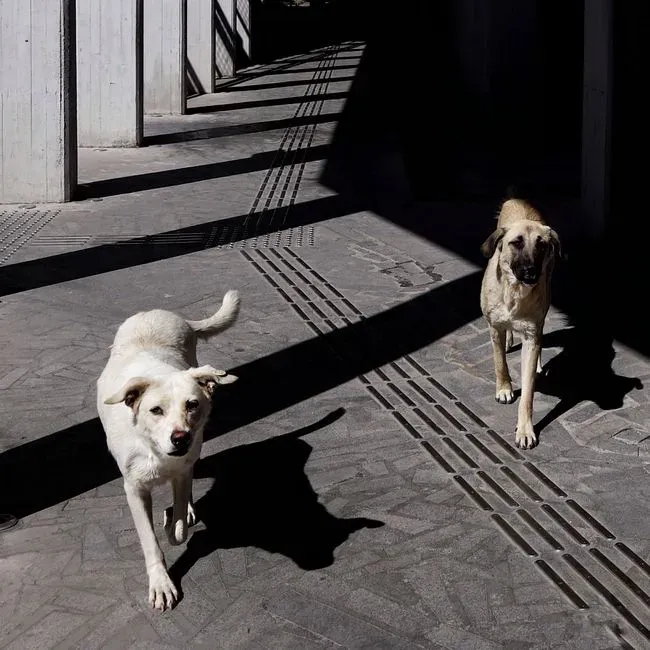
When a dog senses something big is coming, one of the most common signs is that they suddenly become your constant shadow. Instead of napping in another room or casually glancing your way, they trail behind you from the bedroom to the bathroom to the kitchen, almost as if they are trying to memorize every step you take. This is more than just clinginess; it can be a reaction to the shift in your routine, like unusual packing, cleaning, or emotional tension in your voice.
This shadowing behavior is closely tied to attachment and early stages of anxiety. Dogs are experts at pattern recognition, so if every time you pull out a suitcase you disappear for days, they start connecting the dots. When they suspect this absence might be longer or feel your mood is extra heavy, they can respond by sticking to you like glue, trying to stay close enough that you cannot simply slip away without them noticing.
2. They Guard Your Stuff and Refuse to Leave Your Side of the Bed

Another striking behavior is how dogs suddenly become very interested in your personal belongings when they sense a major separation coming. They may curl up on your clothes, lie on top of your suitcase, or stretch out across your side of the bed as if they are physically trying to anchor you in place. Your smell is a huge source of comfort to them, and objects that carry your scent can become emotional lifelines when they feel insecure.
In some cases, dogs may even get protective or possessive over these items, nudging other pets away or refusing to move when you try to relocate them. It is not that they suddenly turned into guard dogs for your laundry; it is that your belongings feel like the safest, closest version of you they can cling to. Their body draped over your hoodie or pillow is their way of saying, without words, that they are not ready to let go of you or what you represent in their world.
3. Their Typical Goodbye Routine Completely Changes
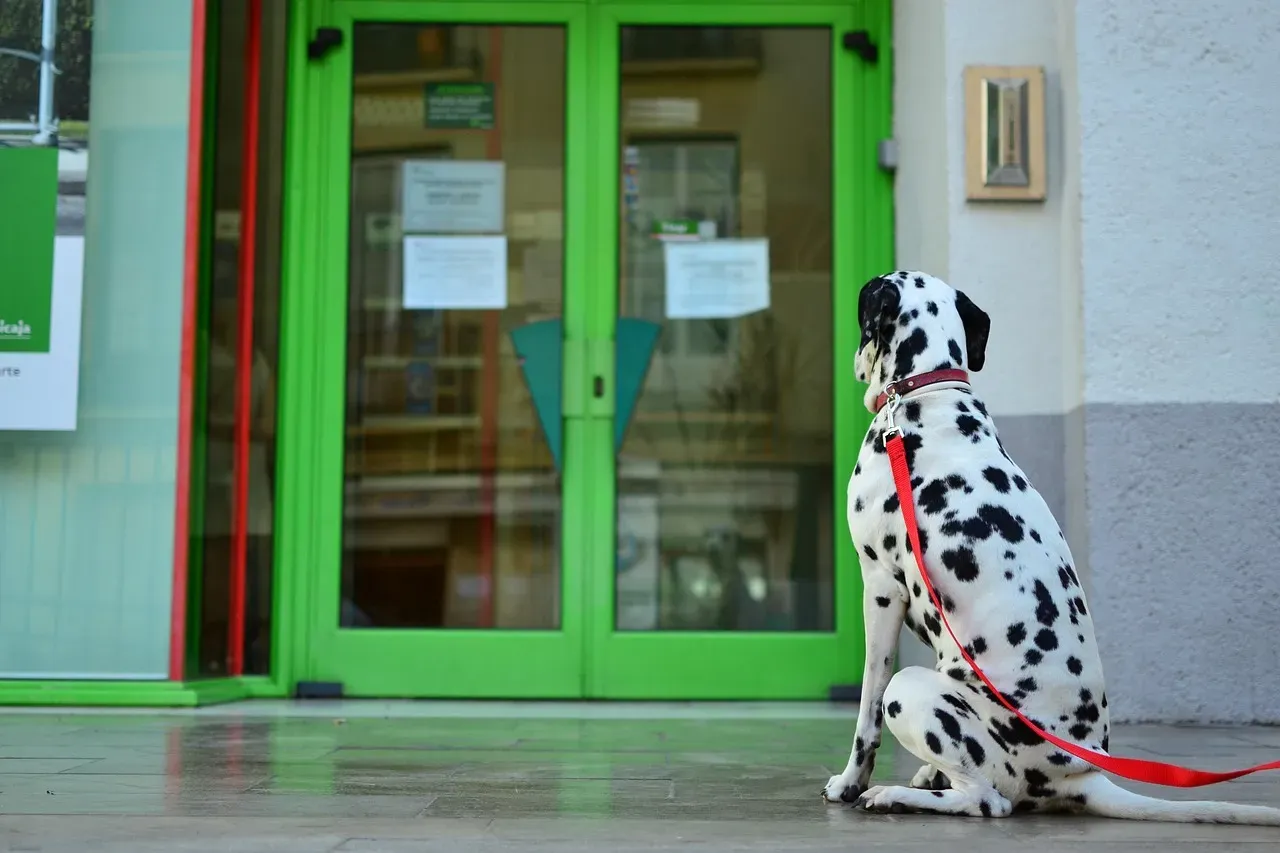
Most dogs have a predictable pattern when you leave for the day: maybe a wag at the door, a treat, then a trot back to the couch. When they sense that this time is different, some dogs abruptly abandon that script. Instead of that normal easy farewell, they may hang back, refuse the treat, pace near the door, or stare at you with a worried, searching expression, almost like they are trying to understand what is happening.
I remember noticing this with a family dog when I moved cross-country: the usual excited tail wag at the door vanished, and she stood halfway down the hallway, head low, ears back, just watching. When a dog disrupts their own habitual goodbye, it is often because they are feeling more distressed than usual. The energy in the home is off, your movements are different, and their internal alarm bells are ringing, telling them that this is not a regular workday departure.
4. They Become Extra Clingy One Moment and Strangely Distant the Next
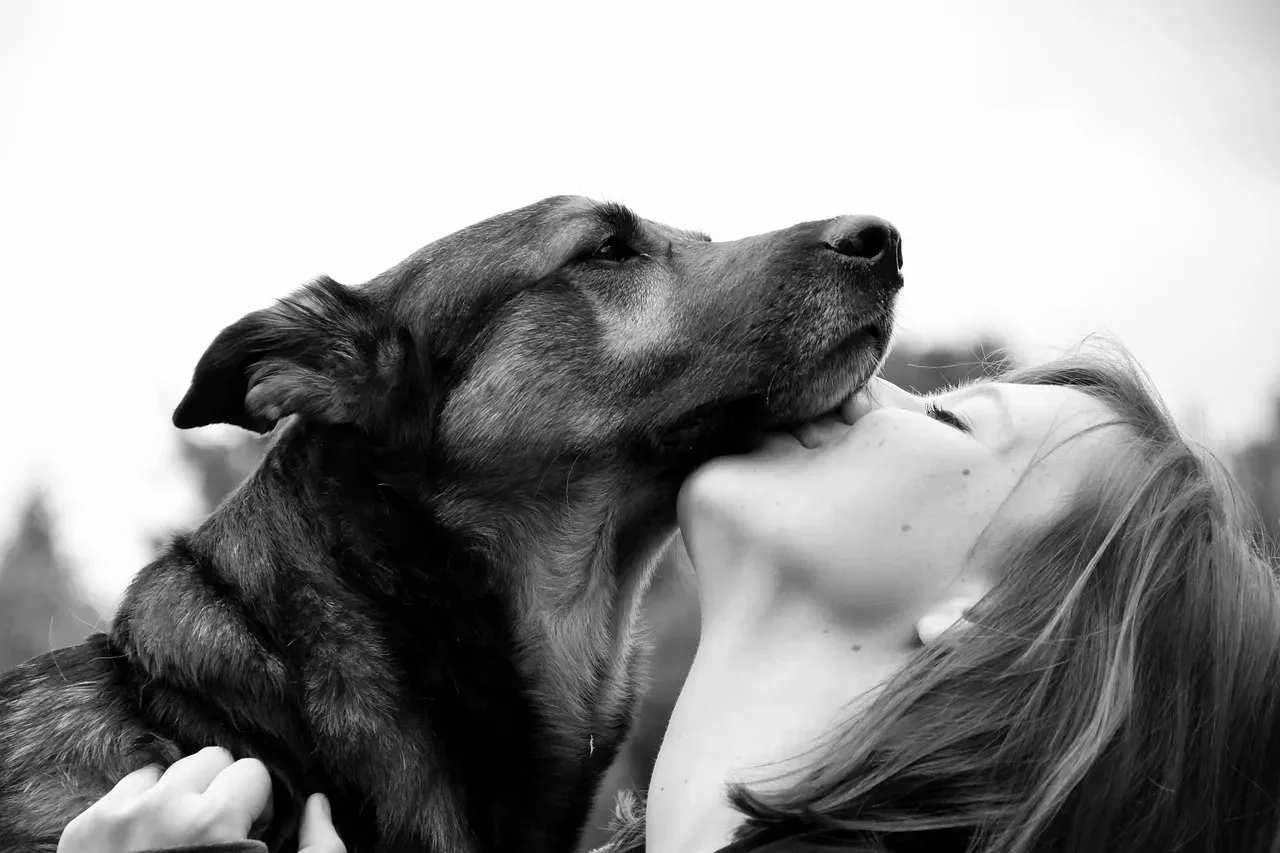
Emotional whiplash is another powerful sign. Some dogs swing between two extremes when they sense a deep separation coming: they might be intensely clingy, paws on your lap, leaning their whole weight into you, and then, unexpectedly, wander off and lie facing away from you. That push-pull dynamic can be confusing, but it is very similar to what humans do when we are overwhelmed or scared of an upcoming loss.
On the clingy side, they are seeking reassurance and trying to soak in every bit of comfort and contact they can get. On the distant side, they may be self-protecting, starting to emotionally buffer themselves from the stress they feel brewing in the background. It is like someone who both wants a long hug and also wants to leave the room before they start crying. For a dog, lying with their back to you but staying close is often a compromise between those two instincts.
5. Their Eating, Sleeping, or Bathroom Habits Suddenly Shift
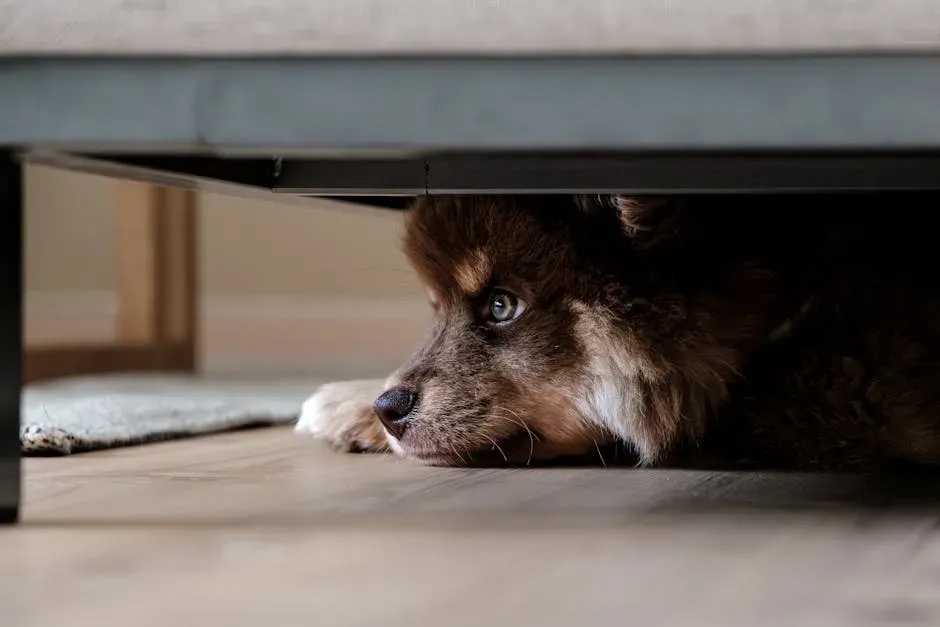
Dogs are creatures of habit, so one of the clearest signs of deep emotional disturbance is when those basic habits change. A dog who normally eats eagerly might suddenly leave food in the bowl or take much longer to finish a meal. Others may pace at night, wake up more frequently, or refuse to settle in their usual sleeping spot, preferring to curl up near the door, at the suitcase, or right against your feet.
Changes in bathroom behavior can also show up: accidents in the house from an otherwise well-trained dog, more frequent asking to go out, or even holding it longer than usual. These physical shifts can be driven by anxiety and tension in their body from sensing a major shift in their world. Just like people might lose their appetite or have trouble sleeping before a huge life change, dogs can manifest that stress through their daily rhythms falling out of sync.
6. They Watch You Pack and Track Every Unusual Movement
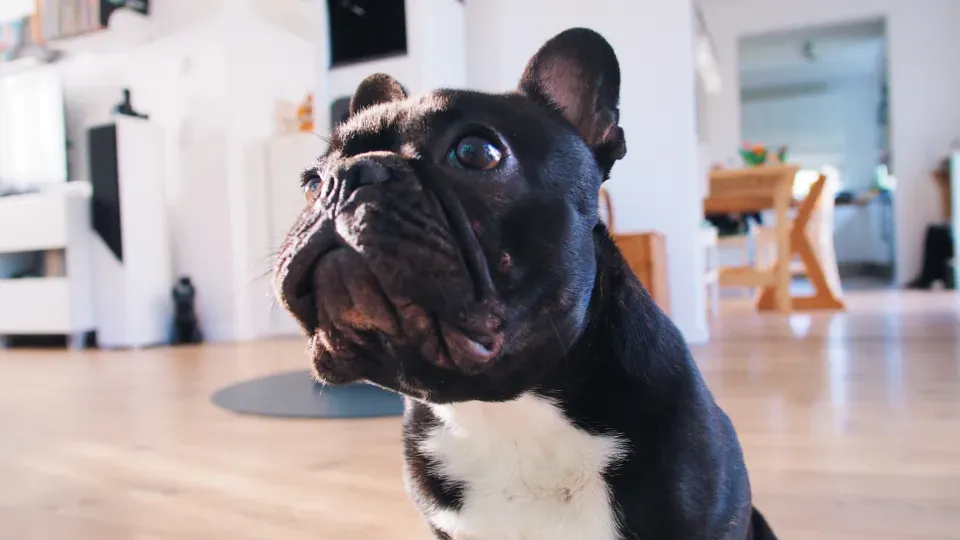
If you have ever tried to pack secretly so your dog would not notice, you probably discovered how sharp their radar really is. When they sense a long or permanent goodbye, they do not just glance at your suitcase; they study it. They may sit in the doorway and quietly watch you fold clothes, tilt their head at the sight of travel bags, or get up and move every time you move, as if they are auditing every step of your process.
Dogs learn that certain objects mean separation: luggage, moving boxes, stacks of labeled items, or even your work shoes if you are about to leave a relationship or household. When they pair those visuals with your emotional state – your stressed voice, your distracted energy, your deeper sighs – they start to anticipate something big. You can almost see their mind working, and underneath that focused stare is the fear that the world as they know it is about to rearrange without their consent.
7. They Show Classic Signs of Separation Anxiety Before You Have Even Left
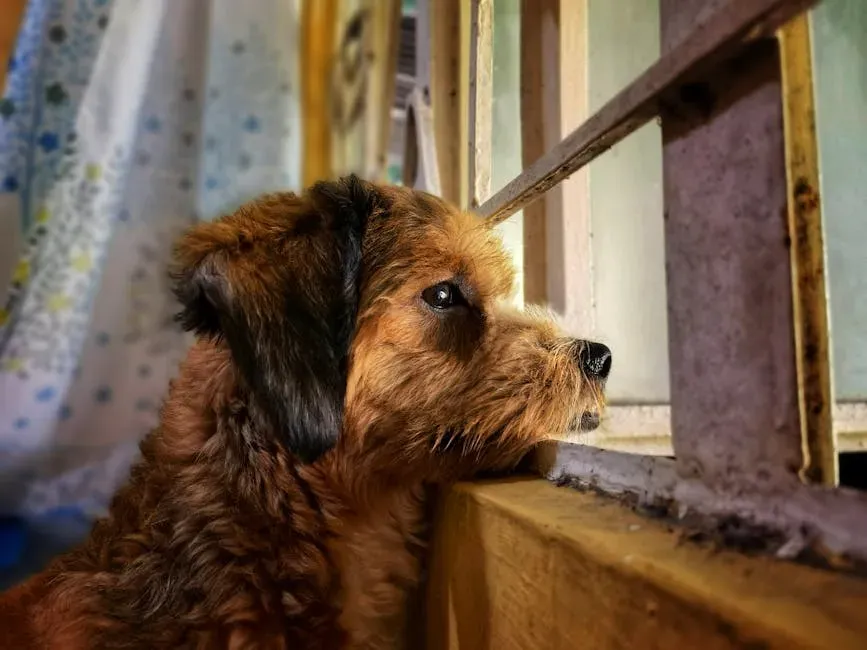
Finally, some dogs start acting as if you are already gone, even while you are still in the house. You might see whining, trembling, excessive panting, drooling, or restless pacing that escalates as the time of departure gets closer. Others may cling to the door, block your path, or repeatedly jump up on you as if they are trying to interrupt the leaving process altogether. It can look dramatic, but for them it feels like a genuine emotional emergency.
These are classic separation-anxiety-type behaviors, but when they surface before you have even walked out, it is often because the build-up is so intense. Your dog may not understand the details, yet they feel the storm in the air. In these moments, the best you can often do is stay calm, avoid punishing or scolding, and, when possible, help create positive associations with being apart. It is heartbreaking, yes, but it is also a raw, honest sign of just how deeply bonded they are to you.
Conclusion: Dogs May Not Know “Forever,” but They Know When Something Is Different
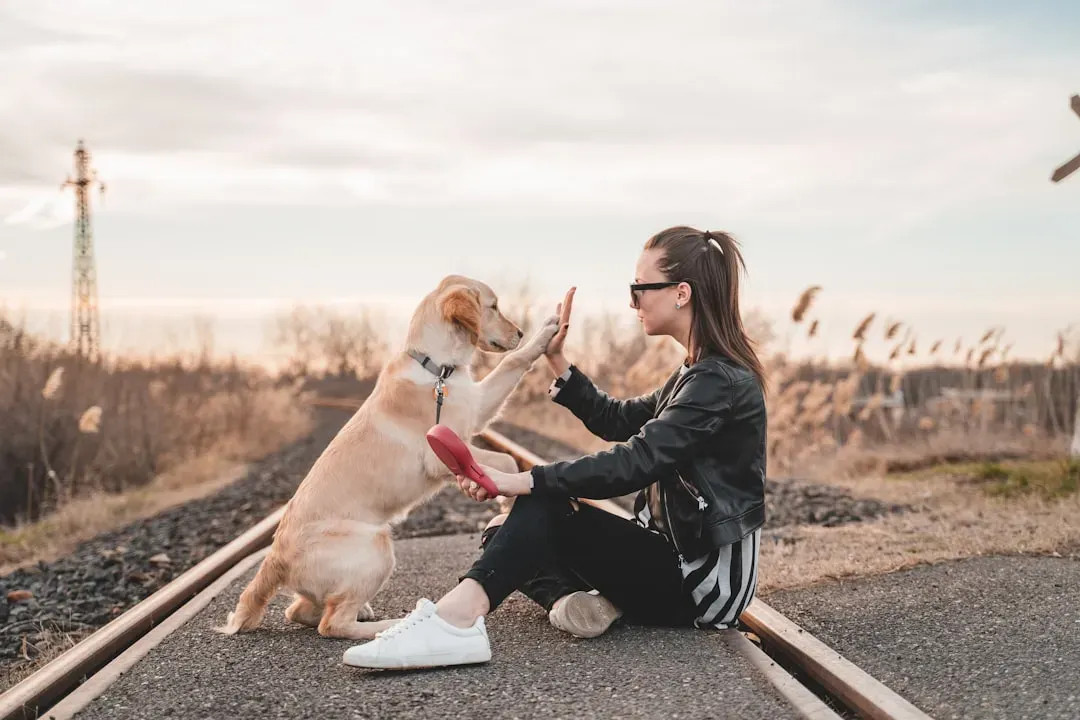
Here is the hard truth: we do not know if dogs truly grasp the idea of forever the way humans do, but we do know they read our patterns, our routines, and our emotions with stunning sensitivity. When you are preparing for a major departure – whether it is a big move, a long deployment, a breakup, or a life change that means you will not be coming back to the same home – your dog often senses the shift long before the door actually clicks shut behind you. Their shadowing, guarding your belongings, restless pacing, and anxious eyes are not melodrama; they are their way of saying that the bond they have with you matters more than the schedule on your calendar.
Personally, I think we underestimate just how emotionally aware dogs are simply because they cannot explain it back to us in words. Maybe they do not think in terms of months or years, but they absolutely feel when their person is slipping out of their daily world. If there is one takeaway, it is this: when you know a goodbye is going to be big, take the extra time to sit on the floor, let them lean into you, and give them a ending that honors how fiercely they have loved you. If your dog could talk in that moment, what do you think they would say?


