
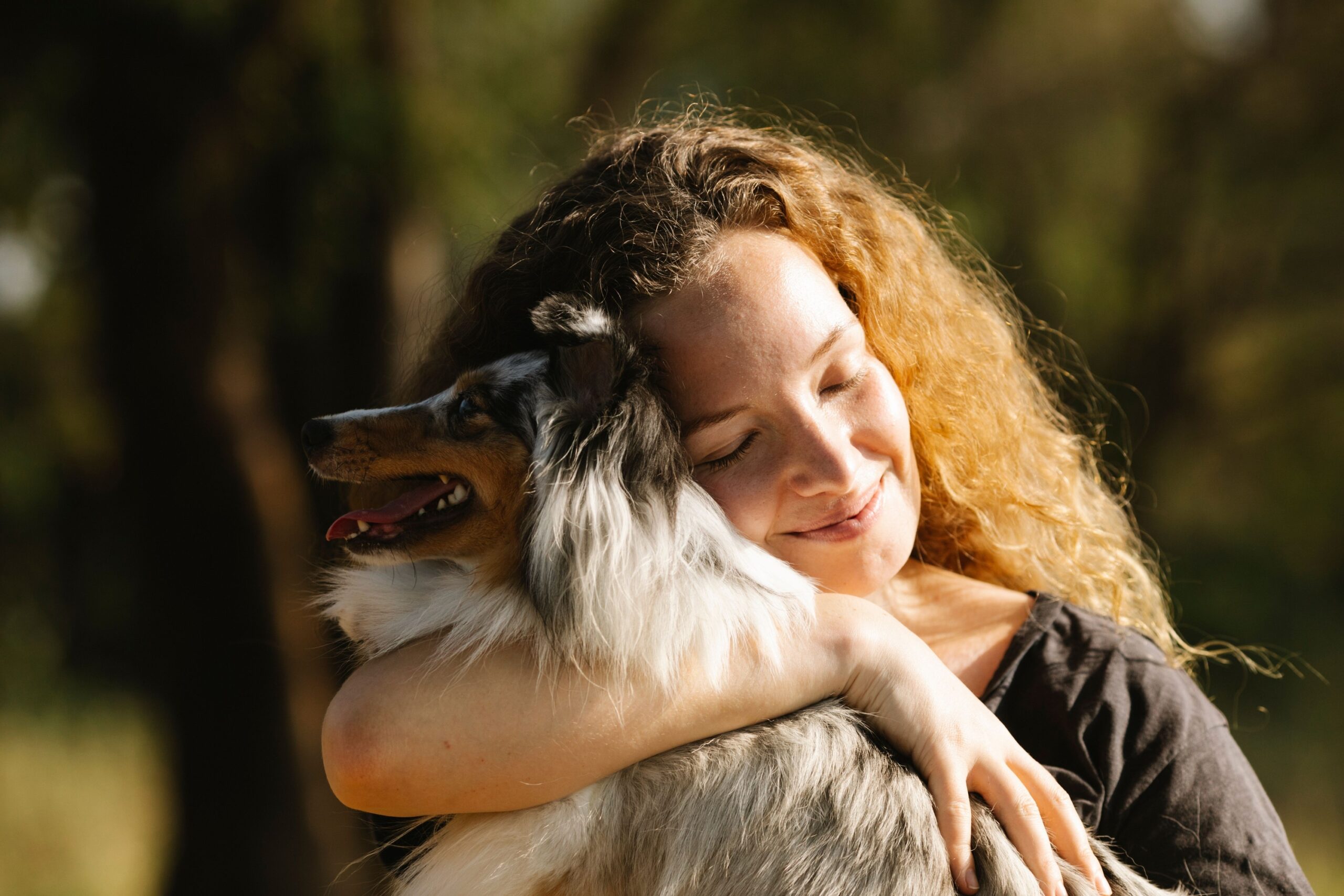
There’s a quiet heartbreak that happens in a lot of homes, and it rarely makes a sound. One day your dog is the center of your universe, and slowly, without you even noticing, real life crowds in: work, kids, phones, stress. You do not mean to, but all these little things you stop doing start to add up for your dog, and the result can be a very confused, very lonely best friend curled up at the edge of the room instead of at the center of your life.
Dogs do not speak our language, but they are painfully fluent in patterns. When the rituals they rely on disappear, they feel it like a cold draft under a closed door. This article walks through nine everyday habits that often fade away over time and how each one chips away at your dog’s sense of belonging. You might recognize yourself in a few of these; that is not a reason to feel guilty, but it is a powerful chance to course‑correct.
1. Skipping The Morning Greeting Ritual
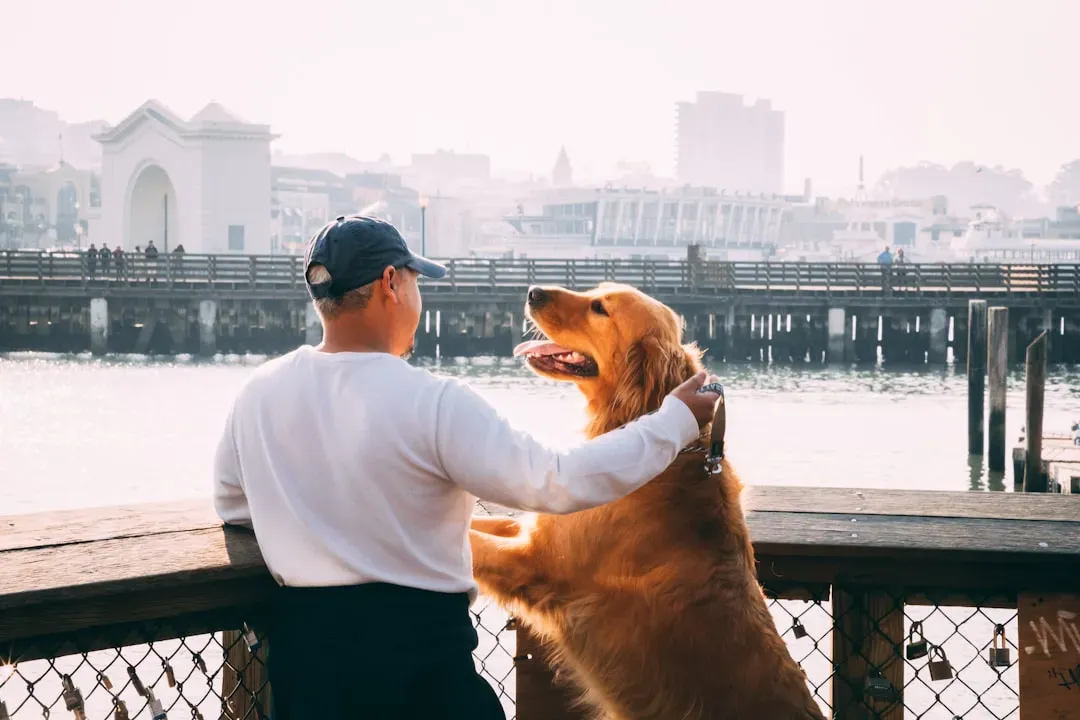
Remember when you used to kneel down every morning, ruffle your dog’s ears, and say good morning like you were greeting a tiny, furry roommate? That predictable burst of attention right after you wake up is more than just cute; it tells your dog, from the first minutes of the day, that they still belong in your inner circle. When that ritual gets replaced by scrolling your phone or racing straight to coffee, your dog is left hanging in emotional limbo, waiting for eye contact that never really comes.
Dogs are creatures of routine, and the tone you set in the first few minutes shapes how secure they feel all day long. When you breeze past them without that simple moment of connection, they may follow you more anxiously, paw at you, or eventually give up and retreat to their bed. It is a tiny omission from your perspective, but in their world, it can feel like waking up to a closed door where an open one used to be.
2. Phasing Out Daily Walks Or Shortening Them To A Rush
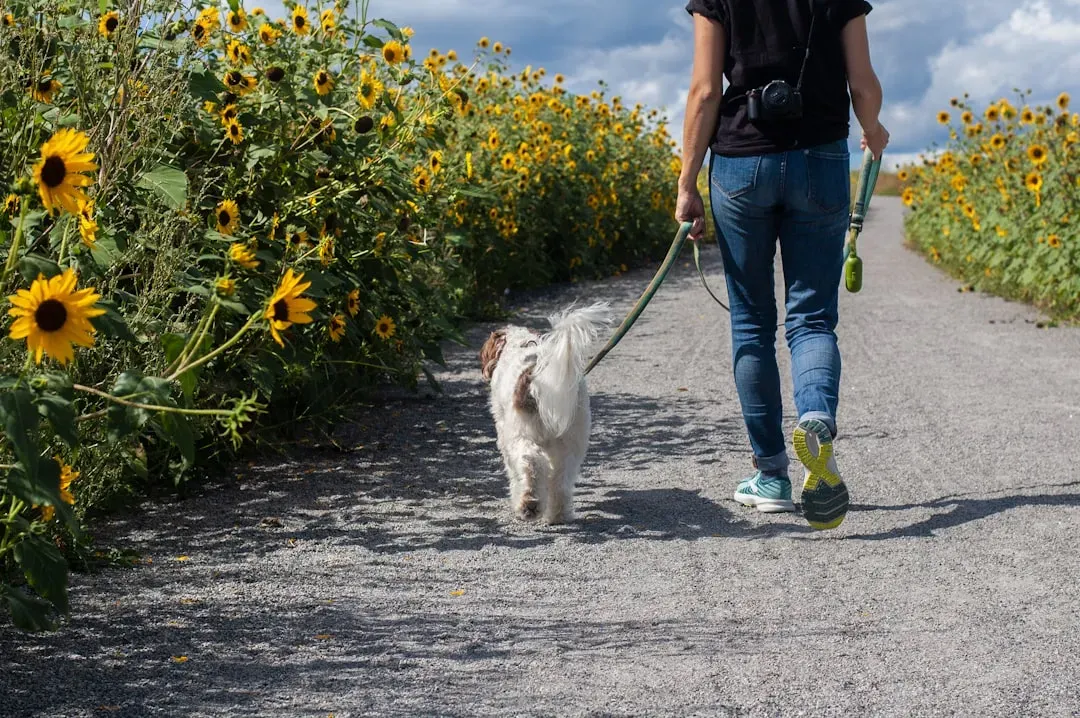
For dogs, walks are not just bathroom breaks; they are social media, exercise, therapy, and adventure all rolled into one. When daily walks get canceled or slashed down to a rushed lap around the block, your dog loses one of the richest parts of their day. Suddenly the world they sniff, read, and explore shrinks dramatically, and with it, their opportunities to burn energy and process the environment around them.
Over time, dogs whose walks quietly disappear often show it in behavior: restlessness, barking, destructive chewing, or just a dull, sad sort of withdrawal. It is easy to blame the dog for “acting out,” but very often, they are just struggling with bottled‑up energy and boredom. Think of it like you going from a daily hike to being stuck in a single room; you would not feel like yourself either, and your dog is no different.
3. No Longer Talking To Your Dog Throughout The Day
Plenty of people start out narrating everyday life to their dog: chatting while making breakfast, commenting on the mail, joking about the weather. Over time, especially when life gets heavier or the novelty wears off, that chatter can fade into silence. Your dog may not understand every word, but they absolutely notice the difference between being included in the “soundtrack” of the home and being an extra in the background.
That casual, one‑sided conversation is one of the ways dogs learn your tone, mood, and rhythms, and it is part of how they feel woven into your life. When the house gets quieter and your words are saved mostly for other people or your phone, your dog can start to feel like a muted channel you sometimes glance at but rarely fully engage with. Even a few silly comments a day can reassure them that they are still in your emotional orbit.
4. Stopping Playtime Because Your Dog Is “Older Now”
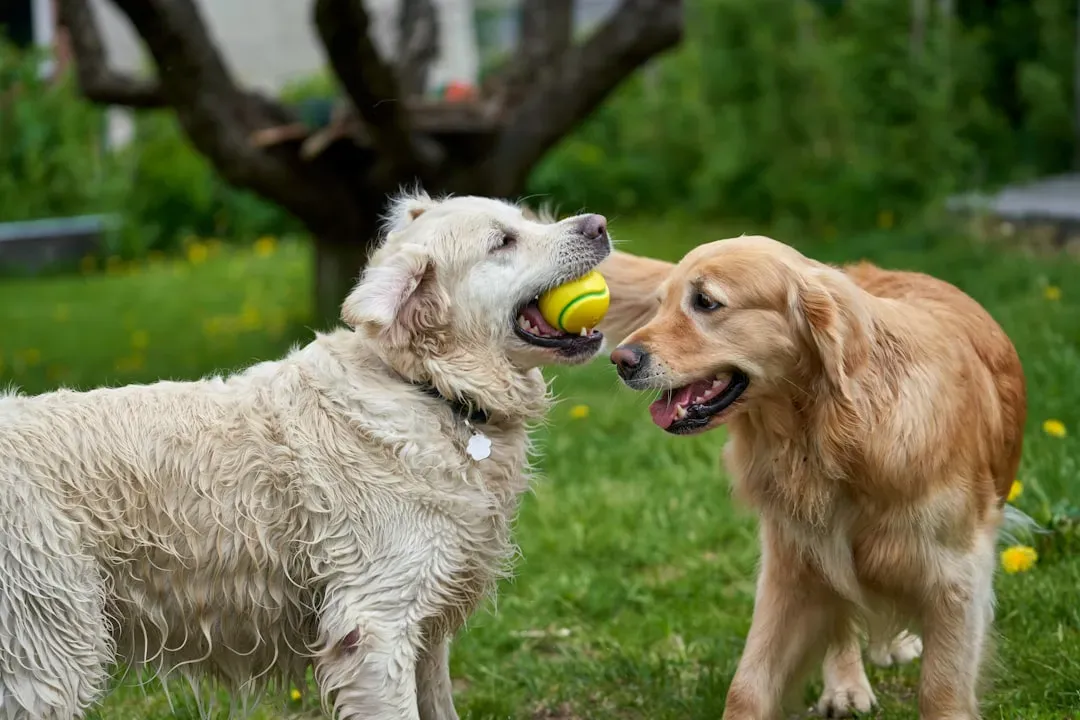
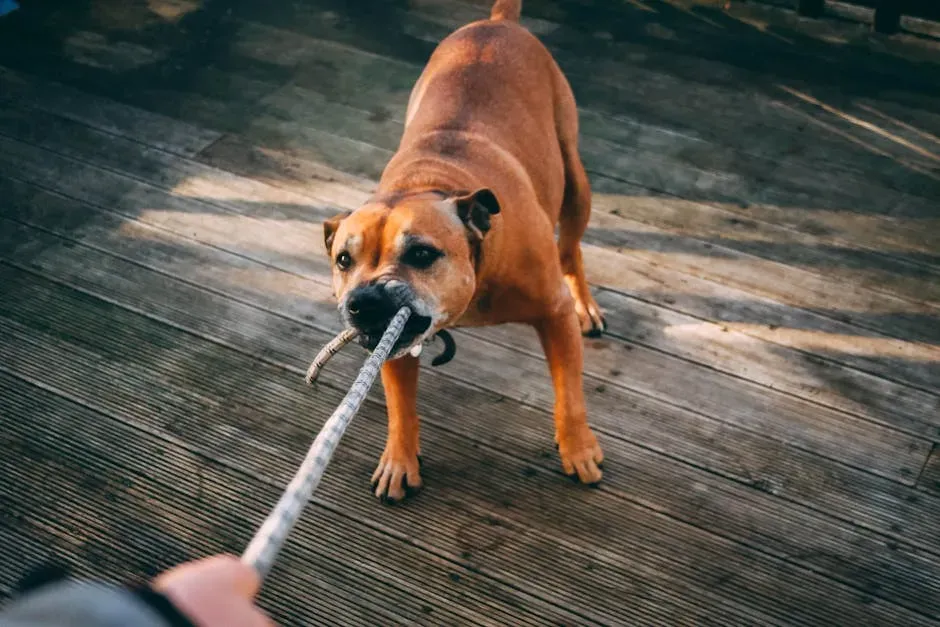
One of the saddest things I ever realized with my own dog was that I had quietly decided she was “too old” for real play while she was still bringing me her toys. Many people slowly put the tug rope away, stop throwing the ball as often, or drop silly games the moment their dog is no longer a bouncy puppy. The problem is that most adult and senior dogs still crave play; they just need it adapted to their bodies, not erased from their lives.
When play disappears, dogs lose a huge emotional outlet and one of the most joyful, bonding experiences they share with you. That may show up as them pacing to find something to do or simply lying around more, not because they enjoy being ignored but because they are reading the room and accepting the new normal. Gentle tug, slower fetch, food puzzles, and soft toys can keep that spark alive long after the puppy phase has passed.
5. Letting Physical Affection Drop Off

In the beginning, many dogs live in a cloud of constant touch: cuddles on the couch, belly rubs, hand resting on fur while you watch TV. As stress, schedules, or even new relationships enter the picture, that physical affection can slide down the priority list without you realizing it. You might still love your dog just as fiercely, but from their point of view, the hugs, scratches, and shared naps that once defined your bond are happening less and less.
Dogs read touch as reassurance, inclusion, and safety. When that contact fades, some dogs become clingier, nudging your hands or leaning against you, while others give up and keep their distance because they are unsure when affection is welcome. It only takes a few mindful minutes of petting, grooming, or leaning shoulder to shoulder daily to remind your dog that they are not just furniture in the room but family you truly care about.
6. Replacing Real Interaction With Background Presence
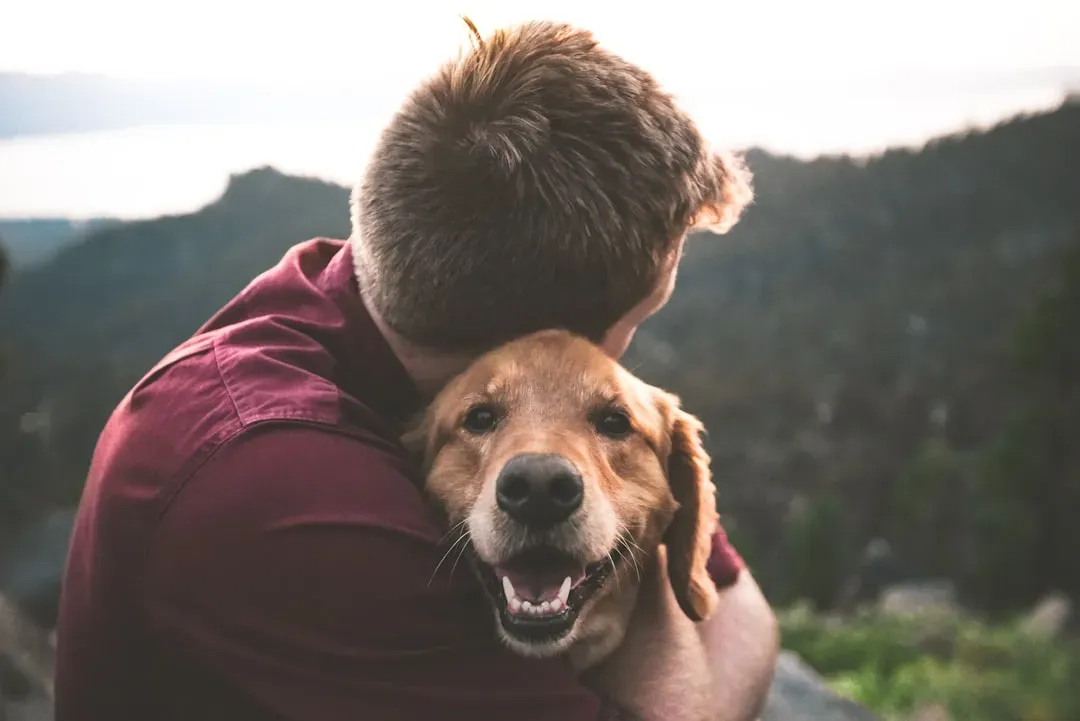
There is a big difference between being in the same room as your dog and actually being with your dog. In many homes now, dogs spend hours near people who are physically present but mentally somewhere else: absorbed in laptops, streaming shows, or endlessly scrolling. To a dog, this can feel like living beside a closed window they can see through but never quite open, always nearby yet never fully connecting.
Over time, this constant background presence without real engagement can be strangely isolating. Your dog learns that curling up close does not automatically lead to eye contact, words, or touch anymore. Setting aside even ten undistracted minutes to truly focus on them – no phone, no TV, just you and your dog – can shift them from feeling like a background prop back to feeling like a companion whose presence genuinely matters.
7. Cutting Back On Training And Mentally Challenging Activities
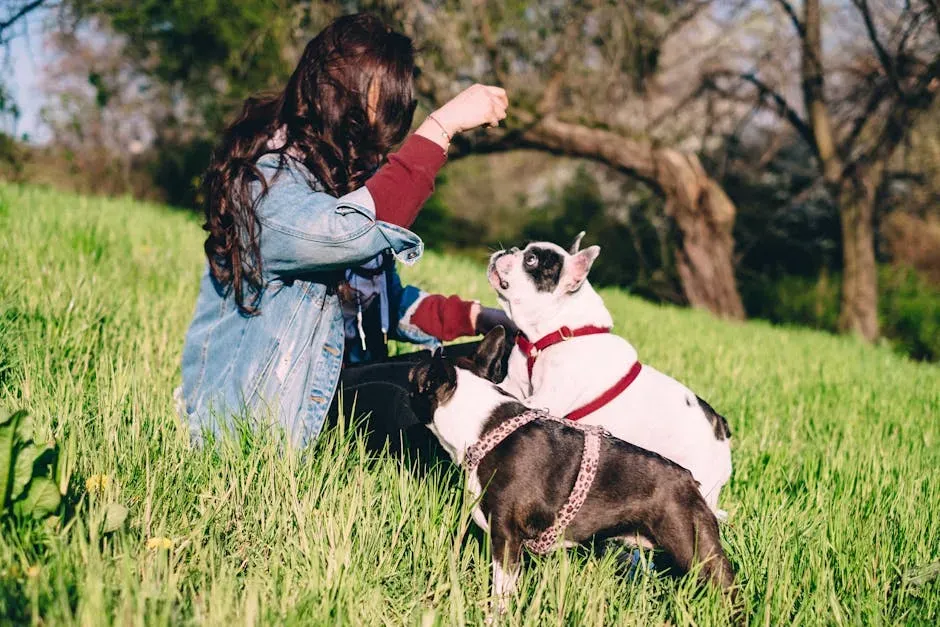
Training is one of the first things people drop once their dog is “good enough” at the basics. The sits, stays, tricks, and puzzle games fade out, replaced by a comfortable but stagnant routine. What often gets missed is that training and problem‑solving are not just about obedience; they are about mental exercise and shared teamwork. When those sessions stop, many dogs lose a key way they feel useful, smart, and in sync with you.
Without mental challenges, a dog’s world can become very small and repetitive, especially if their physical exercise is limited too. Simple things like teaching a new trick, hiding treats around the house, or using a puzzle feeder can light up their brain again. Dogs who get regular mental work tend to seem more content and relaxed, not because they are exhausted in a bad way, but because they finally have a job again, even if that job is just “find the cookie.”
8. No Longer Bringing Them Along On Errands Or Outings
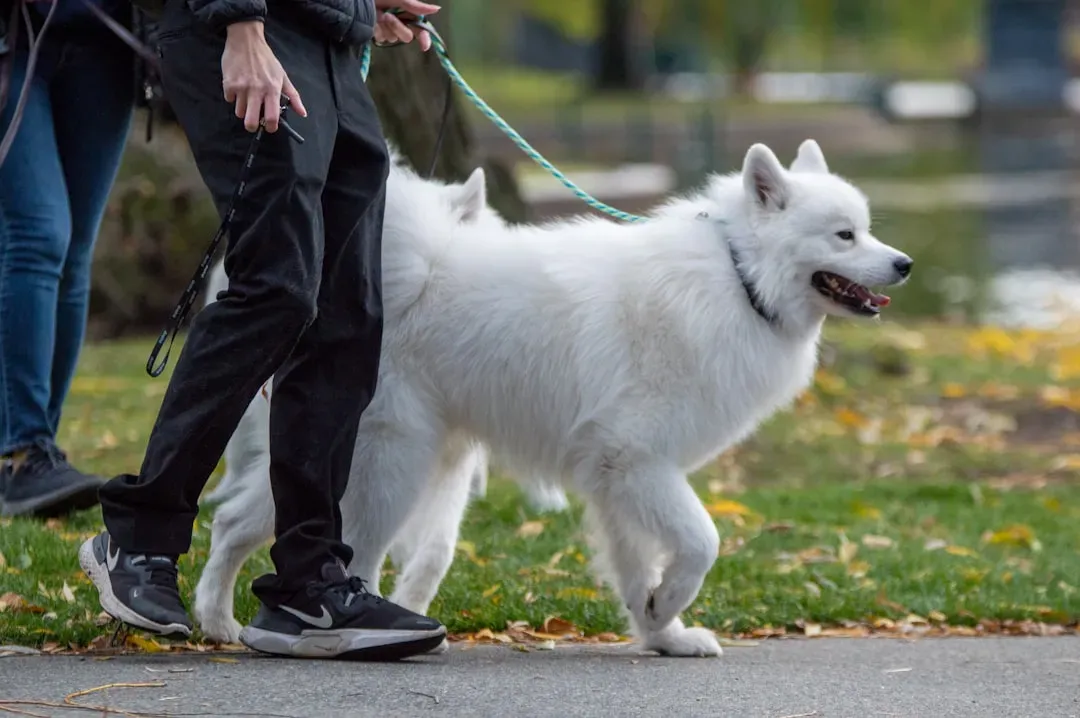
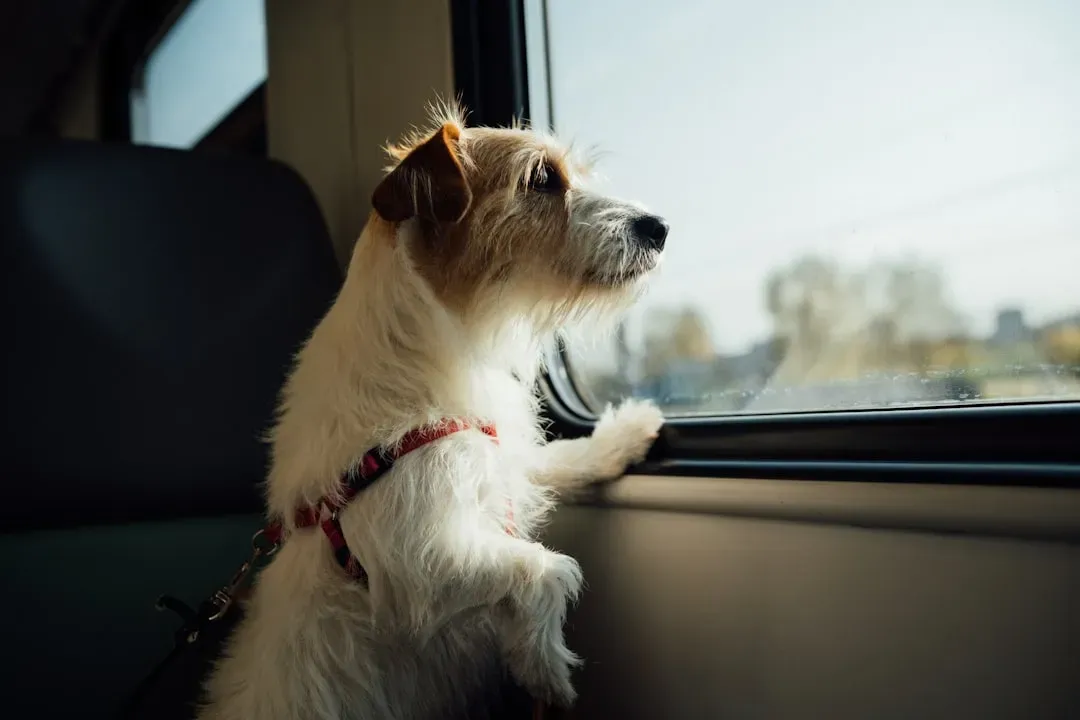
Maybe you used to take your dog on coffee runs, visits to friends, or weekend drives, and they would bounce with excitement at the sound of their leash. Over time, it is very easy to slip into leaving them at home “just this once” until that becomes the default. Life can be hectic and not every errand is dog‑friendly, but when your dog goes from trusted sidekick to permanent stay‑at‑home roommate, they can feel quietly sidelined.
Those shared outings are not only fun; they are how your dog learns the wider world and experiences life as your partner, not simply your pet. Missing out repeatedly can leave them under‑stimulated and more anxious about the rare times they do get to go somewhere. Looking for small, safe chances to include them again – a drive‑through, a park stop on the way back, a visit to a dog‑friendly store – can reignite that sense of being chosen to come along, not left behind.
9. Ignoring Their Attempts To Communicate Subtle Needs
As relationships settle into routines, a lot of people get very good at tuning out their dog’s quieter signals: the soft whine by the door, the hopeful stare near dinnertime, the gentle nudge for attention. When you are tired or stressed, those signals can feel like background noise, and it becomes easier to dismiss them as annoying or dramatic. To your dog, though, those are respectful, low‑key attempts to reach you before they escalate to barking or misbehavior.
When these softer bids for connection are ignored again and again, some dogs simply stop asking. They may become unusually quiet, sleep more, or withdraw, not because they are suddenly less social, but because they have learned that their voice does not really move the needle anymore. Making a point of occasionally responding kindly to these small signals – by checking their water, offering a quick pet, or taking a short break with them – tells your dog that what they feel still matters in your home.
Conclusion: Your Dog Is Still Watching, Still Hoping
The hardest truth in all of this is also the most hopeful: your dog notices what you stop doing, but they are also astonishingly ready to forgive and move forward the moment you start again. From my own experience, the first time you bring back an old ritual – a longer walk, a silly game, a real conversation while you cook – you can practically see their whole body exhale in relief. They do not hold grudges; they just keep waiting for you to come back to them in the ways that count.
In a world that constantly pulls your attention away, choosing to show up for your dog in these small, consistent ways is quietly radical. It is an opinion I stand by strongly: if we are going to call dogs family, we owe them more than food, shelter, and the occasional pat on the head; we owe them our presence, our time, and our willingness to notice when we have drifted. The good news is you do not need grand gestures to fix this – just a few everyday things, picked back up with intention. Looking at your own routine, which of these will you bring back first?


