
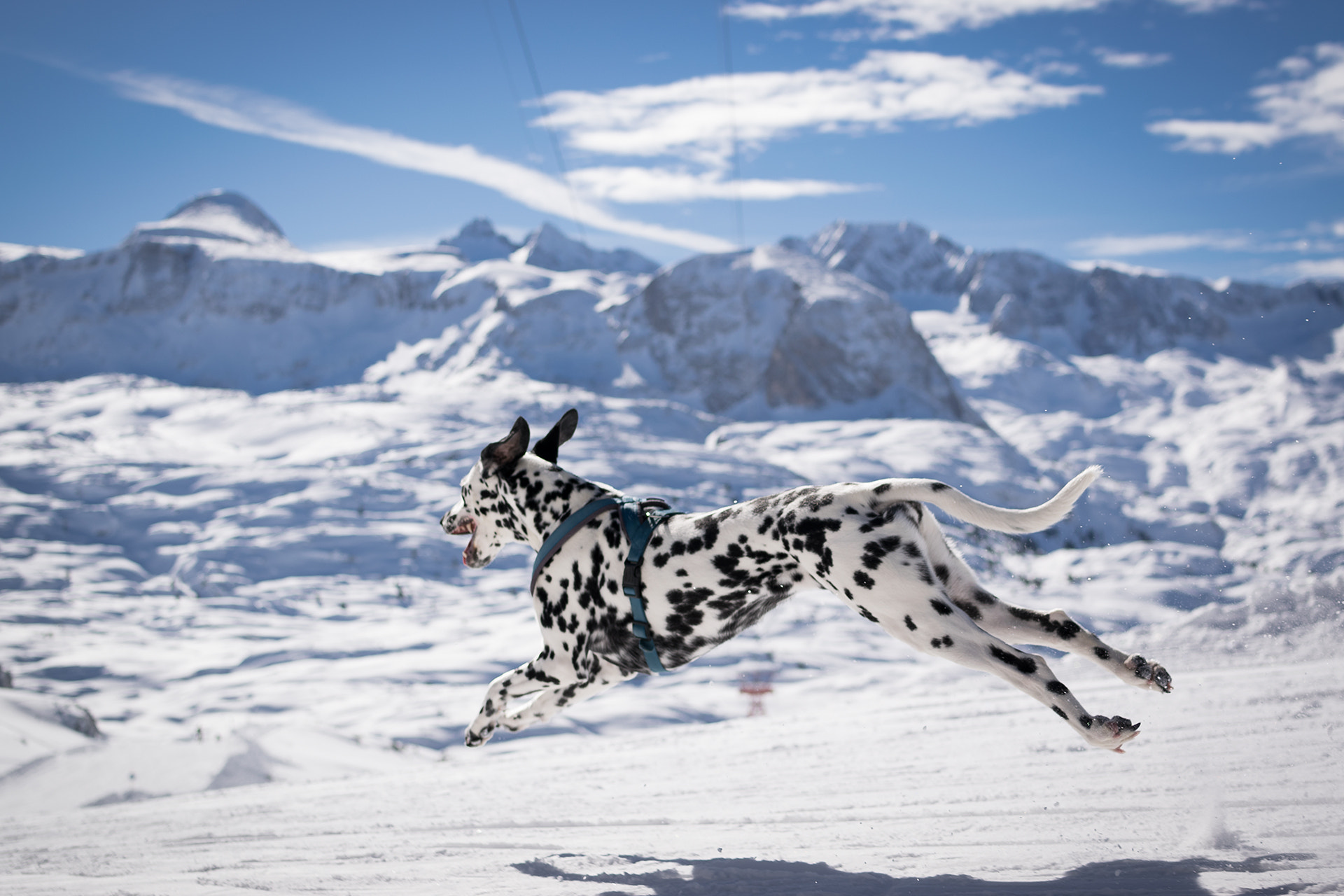
Some dogs seem to wake up every morning like it’s Saturday and they’re five months old again. If you’ve ever watched a gray-muzzled dog zoom around the yard like a cartoon character, you know exactly what that looks like. Age brings wisdom and naps, sure, but with certain breeds, it never really manages to shut down that inner goofball.
This list is for people who secretly hope their dog will still be chasing balls, inventing games, and making them laugh long after the puppy shots are a distant memory. These 15 breeds are famously slow to “grow up” in the best possible way, keeping that spark of mischief and joy well into their senior years. Some need lots of exercise, some are just natural clowns, but all of them have one thing in common: they don’t really believe in acting their age.
Labrador Retriever: The Forever-Fetch Champion
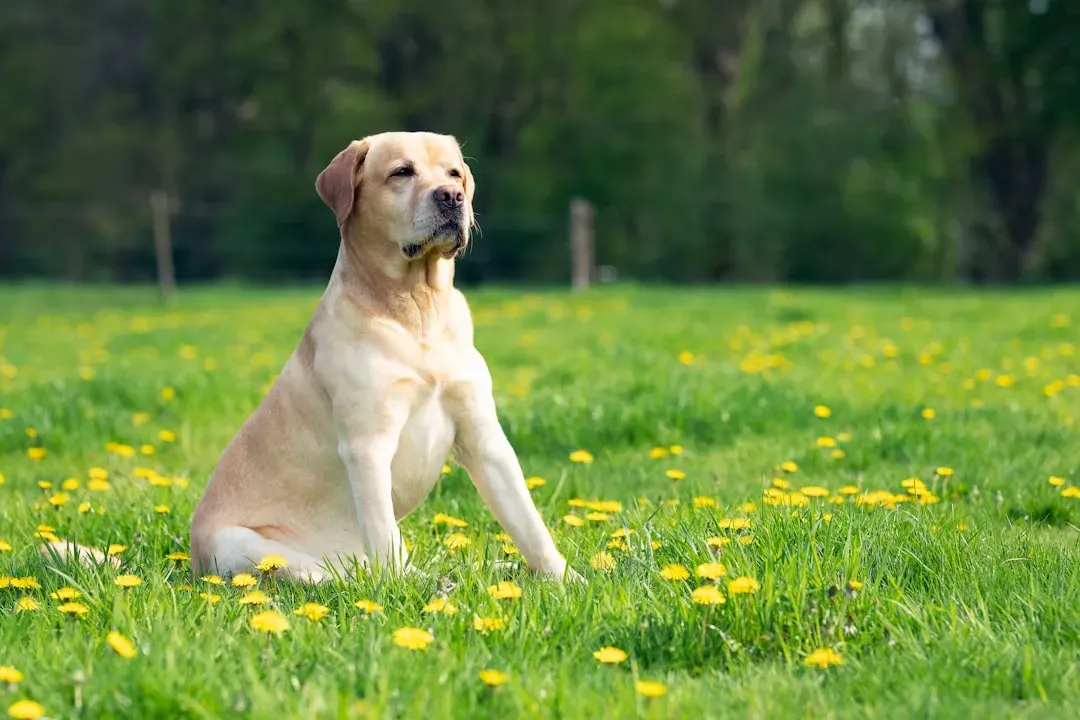
Ask anyone who has lived with a Labrador, and they’ll probably tell you that the puppy energy never truly leaves; it just gets a bit heavier and more food-motivated. Labs are bred as retrievers, so the instinct to chase, grab, and bring things back stays strong for years, whether that “thing” is a tennis ball or your missing sock. Many Labs will happily play fetch at ten years old, panting and grinning like a kid who just got out of school.
The flip side of all that playfulness is that they need an outlet, or they’ll make their own games – often involving chewing, digging, or counter surfing. Regular walks, swimming, and training games keep that bouncy energy pointed in a helpful direction. If you want a dog who will keep dragging you outside to have fun, rather than dozing on the couch all day, a Lab is about as reliable as it gets.
Golden Retriever: The Gentle Goofball
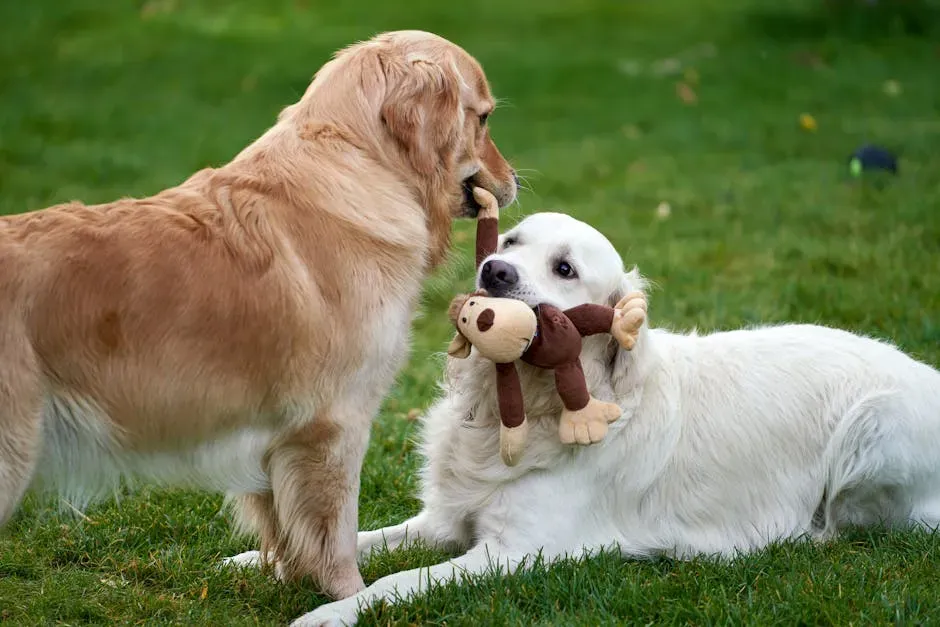
Golden Retrievers are the emotional support clowns of the dog world; they seem physically unable to be serious for long. Even as adults, they bounce, wiggle, and grin their way through life, often carrying a toy or shoe as an “offering” because it just feels more fun that way. That playful, sunny nature is a big reason you see Goldens in therapy and assistance work – people naturally relax around a dog that radiates joy.
What really stands out with Goldens is how their playfulness stays soft around children and smaller animals. They’ll happily chase a ball or race in the yard, then flop down and gently nuzzle a toddler or cat. Of course, that sweetness does not mean low energy; they still need solid daily exercise and plenty of mental stimulation. If you like your playfulness served with a side of tenderness and big, soulful eyes, a Golden is hard to beat.
Beagle: The Nose-Driven Mischief Maker
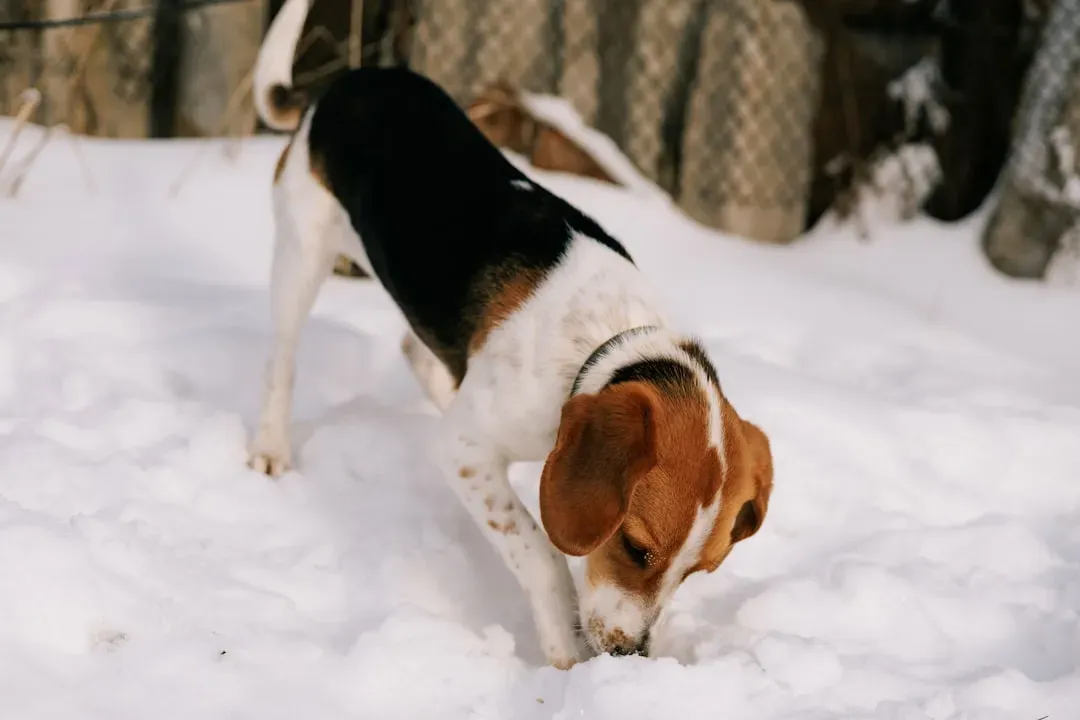
Beagles are the kids in class who can’t stop whispering and passing notes, no matter how many times the teacher shushes them. Originally bred for hunting in packs, they’re social, curious, and always looking for the next interesting scent to chase. That combination means that even in their senior years, many Beagles still love games that engage their nose, like hide-and-seek with treats or sniffing walks where they set the pace.
Because their playfulness is so tied to curiosity, they’re famously inventive about finding their own fun – sometimes by escaping the yard or raiding the trash. A Beagle can turn your living room into an obstacle course if you’re not careful. The good news is that channeling that energy into nose work games or puzzle feeders keeps them happily busy. If you enjoy a dog with a sense of humor and a strong will, a Beagle’s lifelong playfulness can be endlessly entertaining.
Border Collie: The Workaholic Who Thinks Work Is a Game
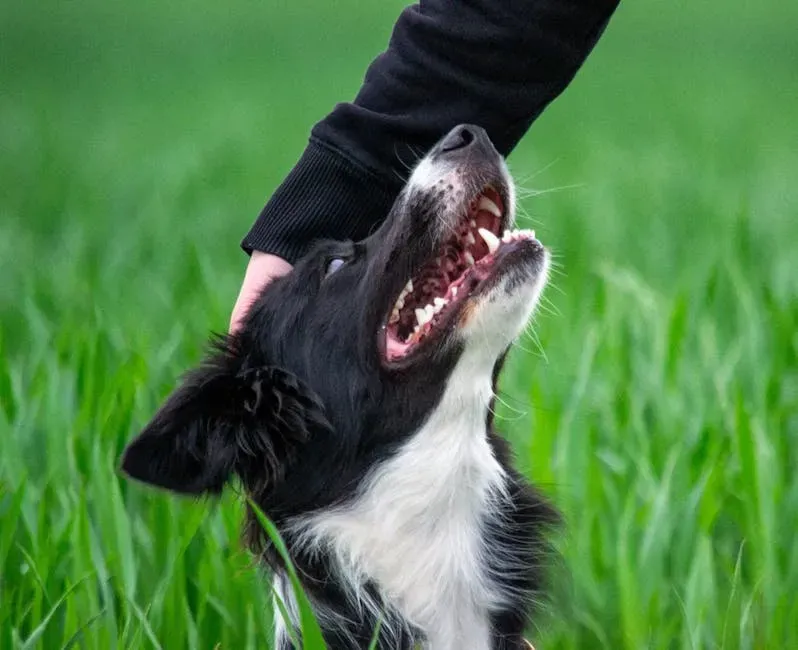
Border Collies are often called the smartest dogs, but what people sometimes miss is how much they adore turning everything into a game. Herding, obedience, frisbee, agility – if it involves brain power and movement, they’re in. Many Border Collies remain highly active and playful well into old age, bouncing with excitement at the mere sight of a ball or agility equipment.
The catch is that their idea of fun is intense. A bored Border Collie will invent elaborate, and sometimes destructive, activities on their own. To keep their playful side enjoyable rather than overwhelming, they need structured outlets: trick training, advanced games of fetch, and jobs around the house. For someone who loves engaging with their dog and sees training as playtime, a Border Collie is like having a hyper-focused teammate who never wants the practice to end.
Jack Russell Terrier (and Parson Russell): Pocket-Sized Dynamite
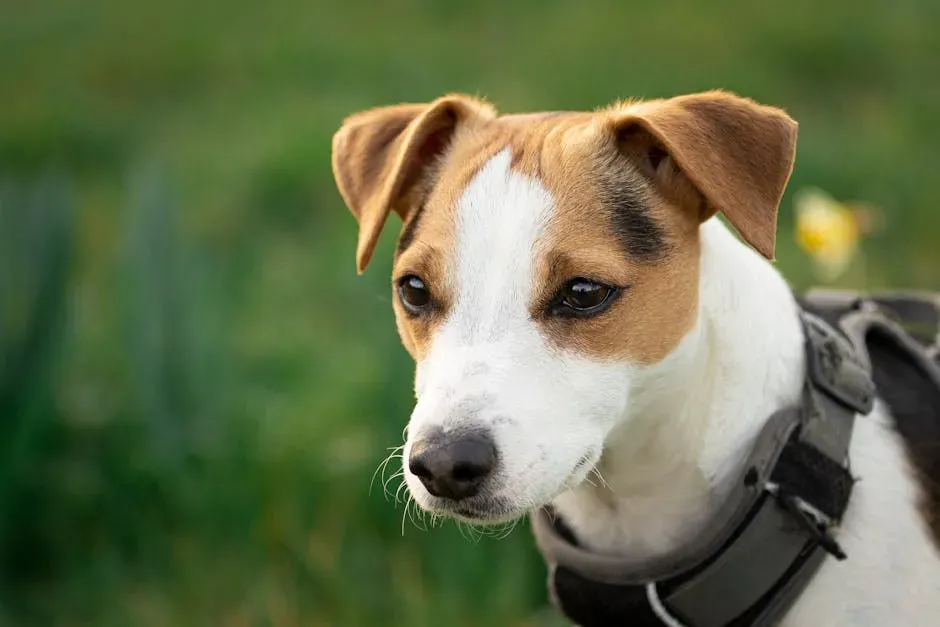
Jack Russell Terriers look small enough to tuck under your arm, but inside they’re pure fireworks. Bred for fox hunting, they are athletic, intense, and wildly playful, often acting like perpetual motion machines. Even as they age, many Jack Russells will still happily chase balls, leap for toys, and zip around the yard like they just drank three espressos.
Their playful streak can be both charming and challenging. Without enough physical exercise and mental games, they can get loud, destructive, or overly nippy in their attempts to create their own fun. However, in the right home – one that embraces backyard obstacle courses, trick training, and interactive toys – their energy turns into pure comedy and delight. If you want a dog that treats every day like a new adventure, a Jack Russell will keep you on your toes.
Boxer: The Bouncy Eternal Kid
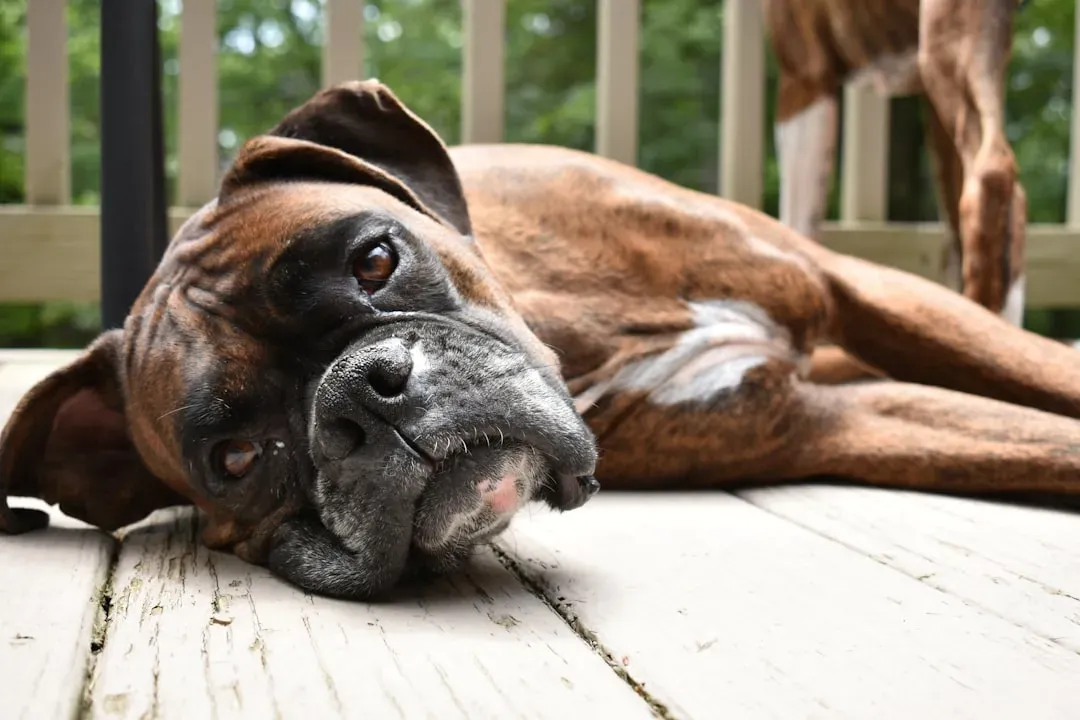
Boxers have a reputation for staying puppy-like for an almost comically long time, sometimes well into middle age. They bounce, they wiggle, they play “box” with their front paws, and they seem to find joy in almost any interaction. That silly, expressive face only makes it more obvious when they’re in a playful mood – which is often.
Despite their sometimes tough exterior, Boxers are big-hearted clowns who thrive on human attention and active games. They love rough-and-tumble play, zooming in the yard, and goofy wrestling sessions with family members they trust. They also benefit from structured exercise and training, both to protect their joints and to keep their enthusiasm from bowling over guests. If you can handle a lot of exuberant energy in a muscular package, a Boxer’s long-lasting playfulness is unforgettable.
Cavalier King Charles Spaniel: The Soft-Hearted Play Partner
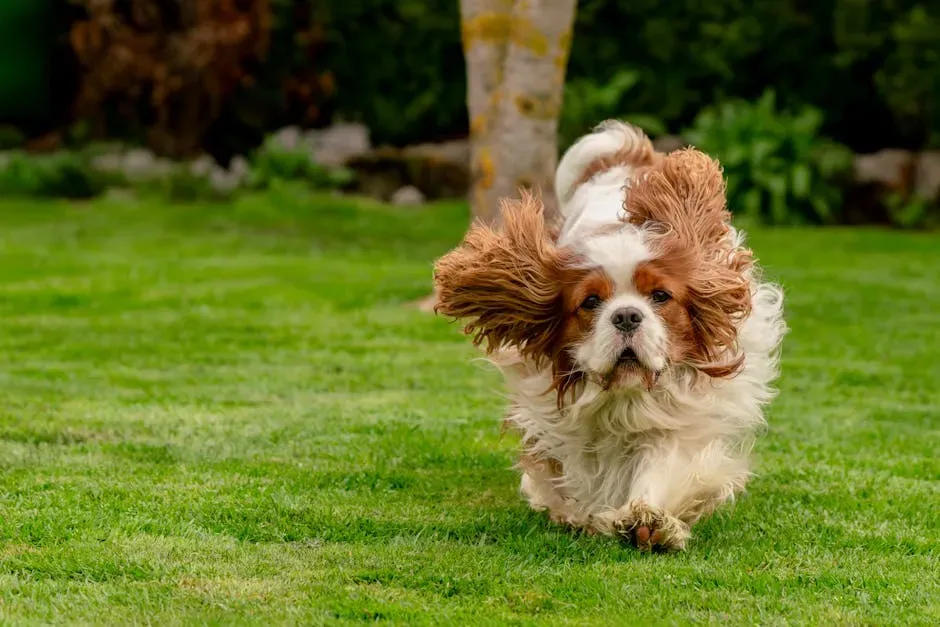
Cavaliers are often seen as lap dogs, and they definitely excel at snuggling, but many people are surprised by how playful they remain throughout life. Under that silky, royal-looking coat is a cheerful spaniel spirit that loves games of chase, gentle fetch, and playful wrestling with people or other small dogs. Even older Cavaliers often perk up immediately at the sight of a favorite toy.
What makes their playfulness special is that it is usually gentle and adaptable. They’re often just as happy doing short bursts of play in an apartment as they are exploring a yard, as long as they are with their person. You can make a Cavalier’s day with a simple squeaky toy and ten minutes of undivided attention. If you want a dog that mixes couch-cuddling and cute, low-intensity play far beyond puppyhood, this breed is a sweet pick.
Siberian Husky: The Drama-Filled Prankster
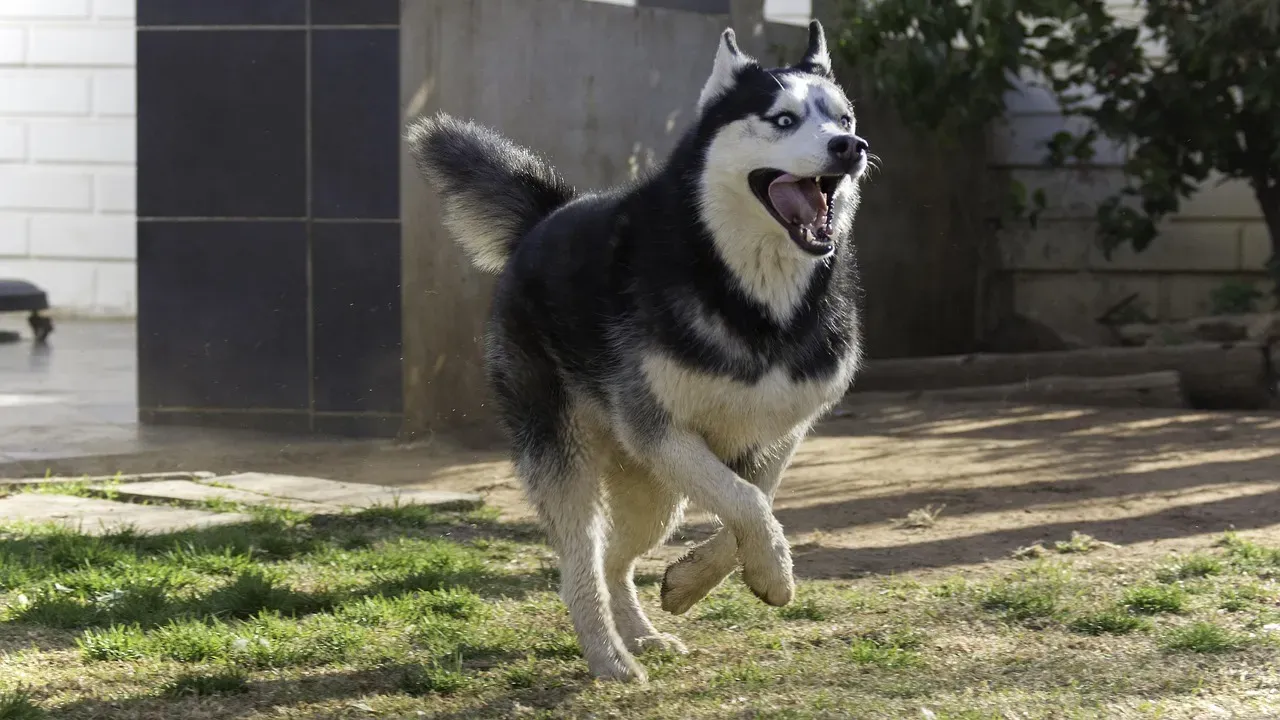
Siberian Huskies are almost theatrical in how they play. Their puppy energy tends to linger for years, and they love to run, jump, wrestle, and invent strange games out of everyday objects. Many Huskies act like comedians, tilting their heads, making strange noises, and turning even simple walks into adventures, especially in cold weather when they feel most alive.
Their playful streak can sometimes look like stubbornness or mischief, because a Husky that is not properly exercised will make its own fun – often involving escaping, digging, or rearranging your shoes. Long walks, running, hikes, and pulling sports like canicross or recreational sledding can channel that energy into something mutually rewarding. Living with a Husky often feels like living with a very charming, very independent teenager who never quite loses their sense of fun.
Australian Shepherd: The Athletic Game Designer
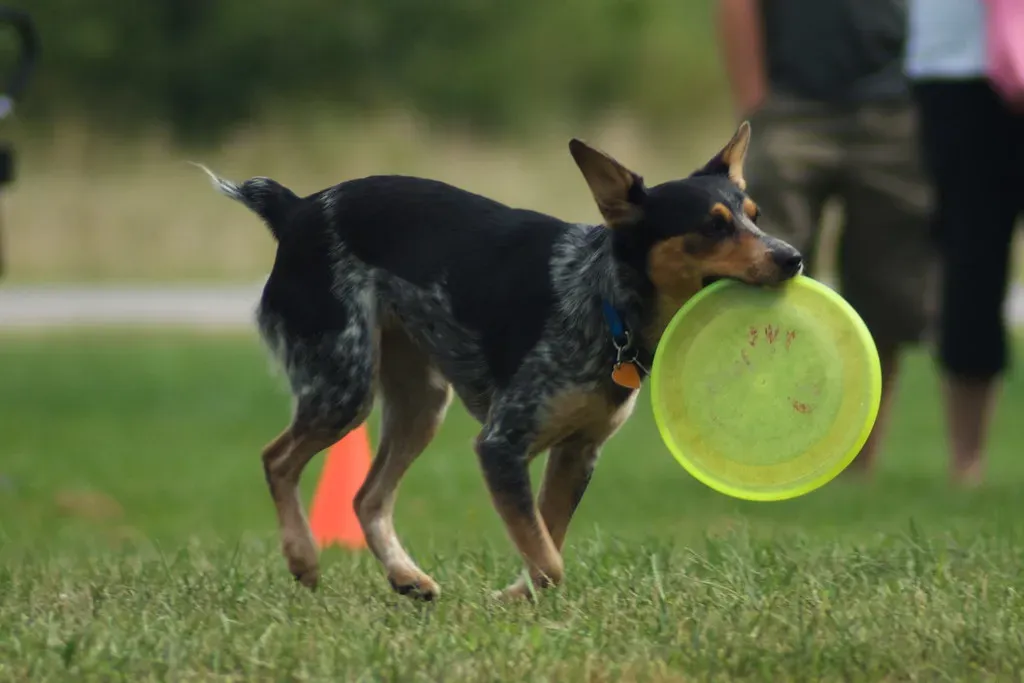
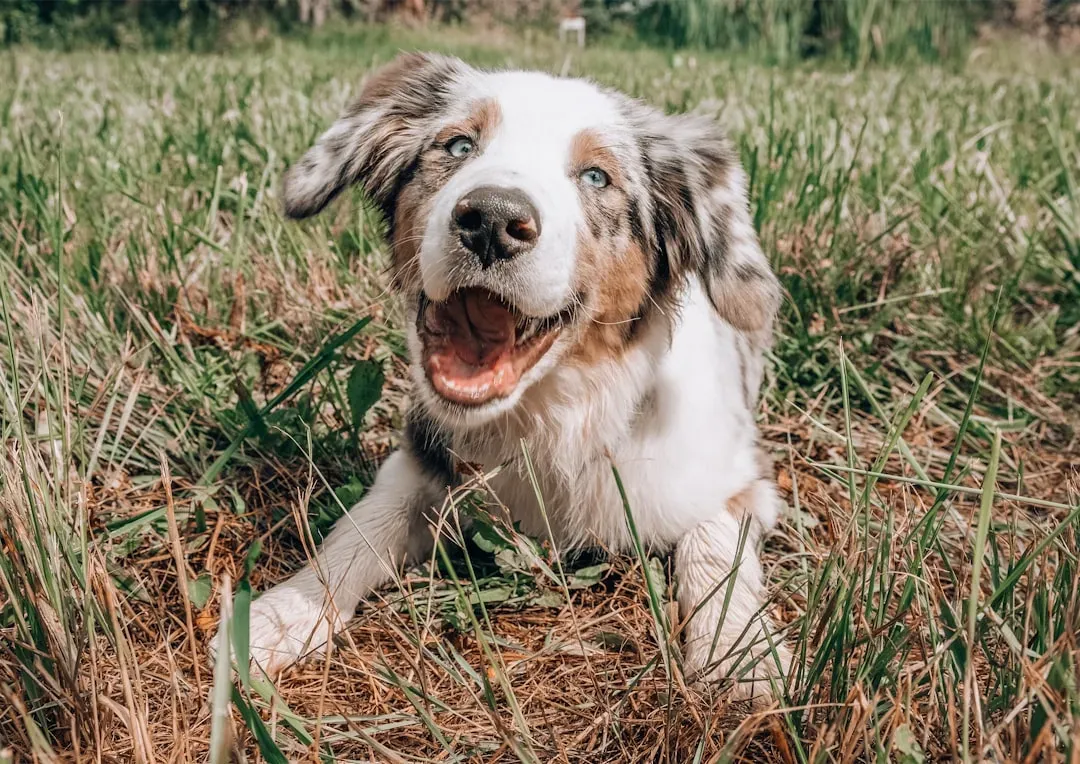
Australian Shepherds are high-octane dogs that treat play almost like a sport, even as adults. Originally bred for herding, they have sharp minds and quick reflexes, making them natural stars in frisbee, agility, and advanced obedience games. Many Aussies stay eager and bouncy well into their later years, sprinting after toys and weaving around obstacles like time never passed.
They are also notorious for creating their own games, such as herding children, chasing shadows, or rounding up other pets. Without enough structured play and interaction, that energy can spill into unwanted behaviors. But in the right hands – someone who enjoys long hikes, training sessions, or dog sports – their lifelong playfulness feels like having an enthusiastic partner who always wants another round. If you tend to get bored easily, an Aussie will make sure you don’t.
Poodle (Standard and Miniature): The Brainy Jokester
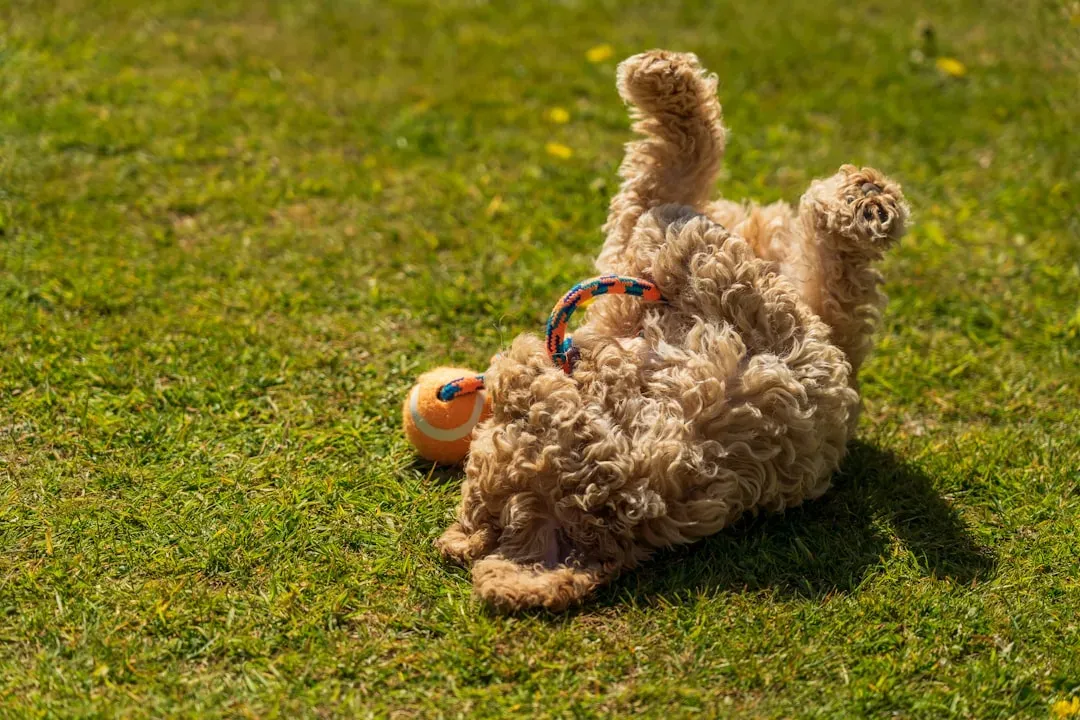
Poodles are sometimes misunderstood because of their fancy haircuts, but beneath the style is a highly intelligent, incredibly playful dog. Both Standard and Miniature Poodles often maintain a puppy-like curiosity and enthusiasm for games throughout life. They tend to love learning tricks, playing fetch, and solving puzzle toys, treating mental challenges as just another kind of play.
Their playful side is especially obvious when you turn training into a game. Poodles often seem delighted when they figure something out, and they may repeat behaviors that made you laugh, almost like they know they are performing. Regular walks, swimming, brain games, and trick sessions keep that joyful spark burning. For people who enjoy a dog that can be both dignified and silly, a Poodle’s mix of elegance and fun is hard to resist.
Corgi (Pembroke and Cardigan): Short Legs, Big Personality
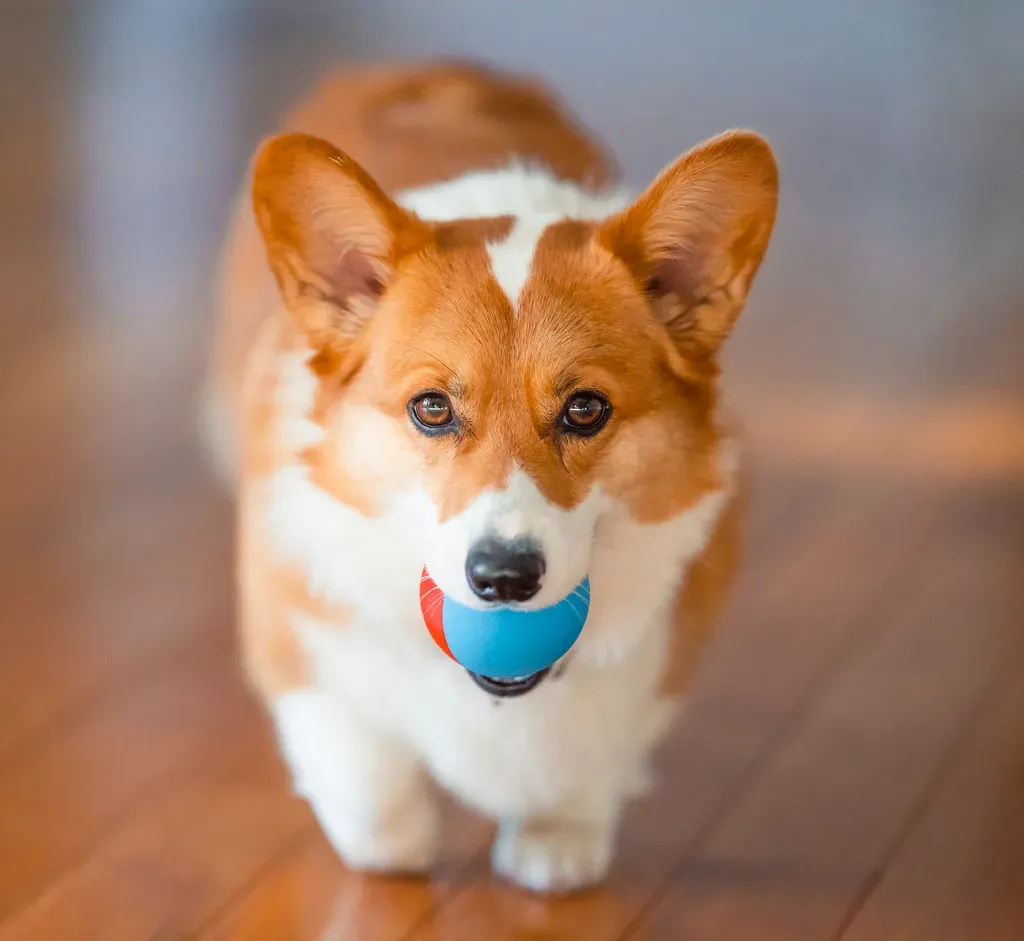
Corgis may be short, but their playful energy is anything but small. Originally bred as herding dogs, they are active, sharp, and often surprisingly athletic despite their low-slung bodies. Many Corgis keep a puppy-like love of running, chasing, and wrestling for years, happily charging after balls or racing other dogs at the park.
They also tend to be natural comedians, using their expressive faces and wiggly backsides to charm their humans into one more game. However, because they love food almost as much as they love play, it is important to balance treats with exercise to avoid weight issues that could stress their joints. If you like a dog with a big, slightly bossy personality who will keep inventing silly games well into adulthood, a Corgi is a strong contender.
Dalmatian: The Spotted Livewire
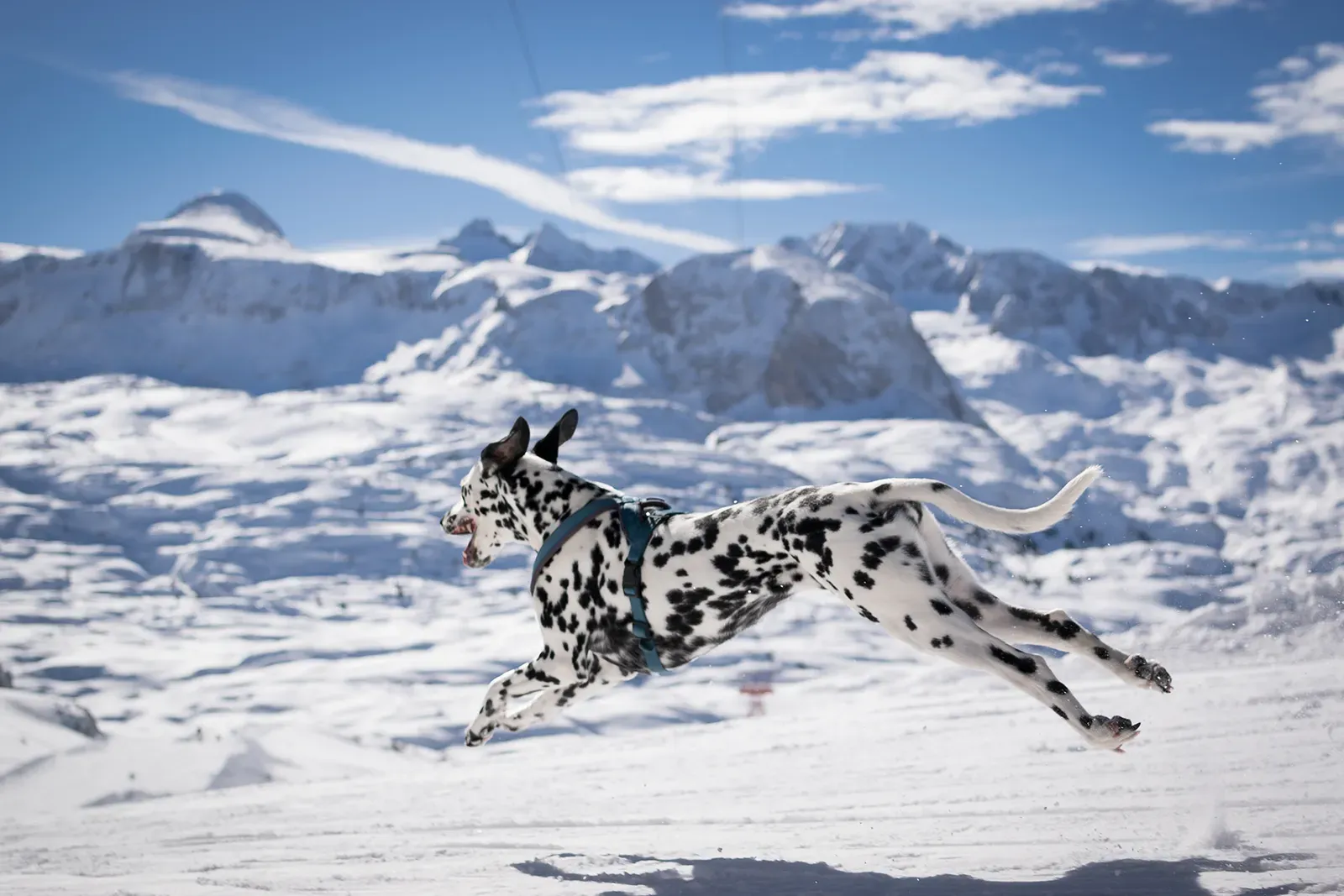
Dalmatians were originally carriage dogs and have a long history of running alongside horses and fire wagons, which helps explain their enduring energy. Many Dalmatians stay highly active and playful well past their early years, loving long runs, vigorous games of fetch, and roughhousing with trusted playmates. They often seem happiest when they have space to sprint and a job-like activity to focus that energy.
That playful drive means they are not always a match for low-activity households. Without enough movement and mental challenges, a Dalmatian can become restless and creative in destructive ways. But given room to move and thoughtful training, their playfulness becomes a joy to live with. If you dream of a dog that can keep up with runs, hikes, and endless ball-throwing sessions, a Dalmatian’s long-lasting puppy spirit might be exactly what you want.
French Bulldog: The Compact Comedian
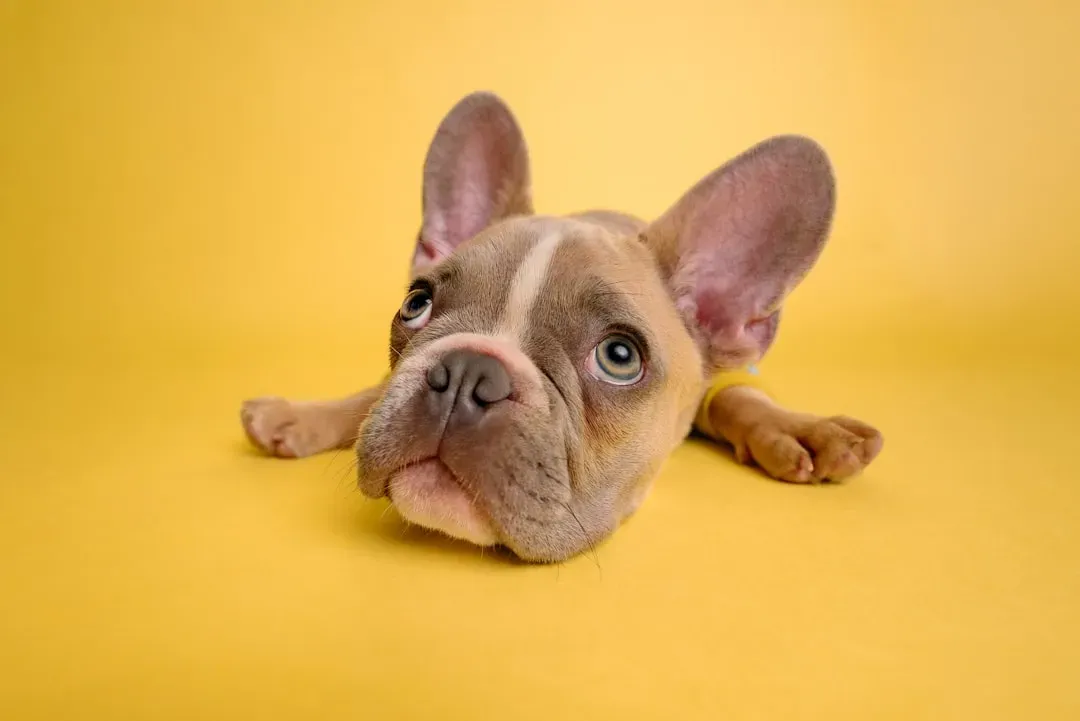
French Bulldogs may not have the stamina of working breeds, but what they lack in endurance they make up for in pure comedic playfulness. Many Frenchies keep their clownish behavior well into adulthood, pouncing on toys, doing little zoomies around the living room, and turning even simple interactions into mini performances. Their big bat ears and expressive faces only amplify the effect, making their antics hard to ignore.
The key with Frenchies is managing their play carefully, because their short snouts can make breathing and overheating a concern. Short bursts of indoor fetch, gentle tug, and low-impact games are often better than long, intense sessions. When handled thoughtfully, their long-lasting love of goofing around turns them into charming, low-to-the-ground entertainers who can brighten a room with just a playful head tilt.
Shih Tzu: The Cheerful Little Entertainer
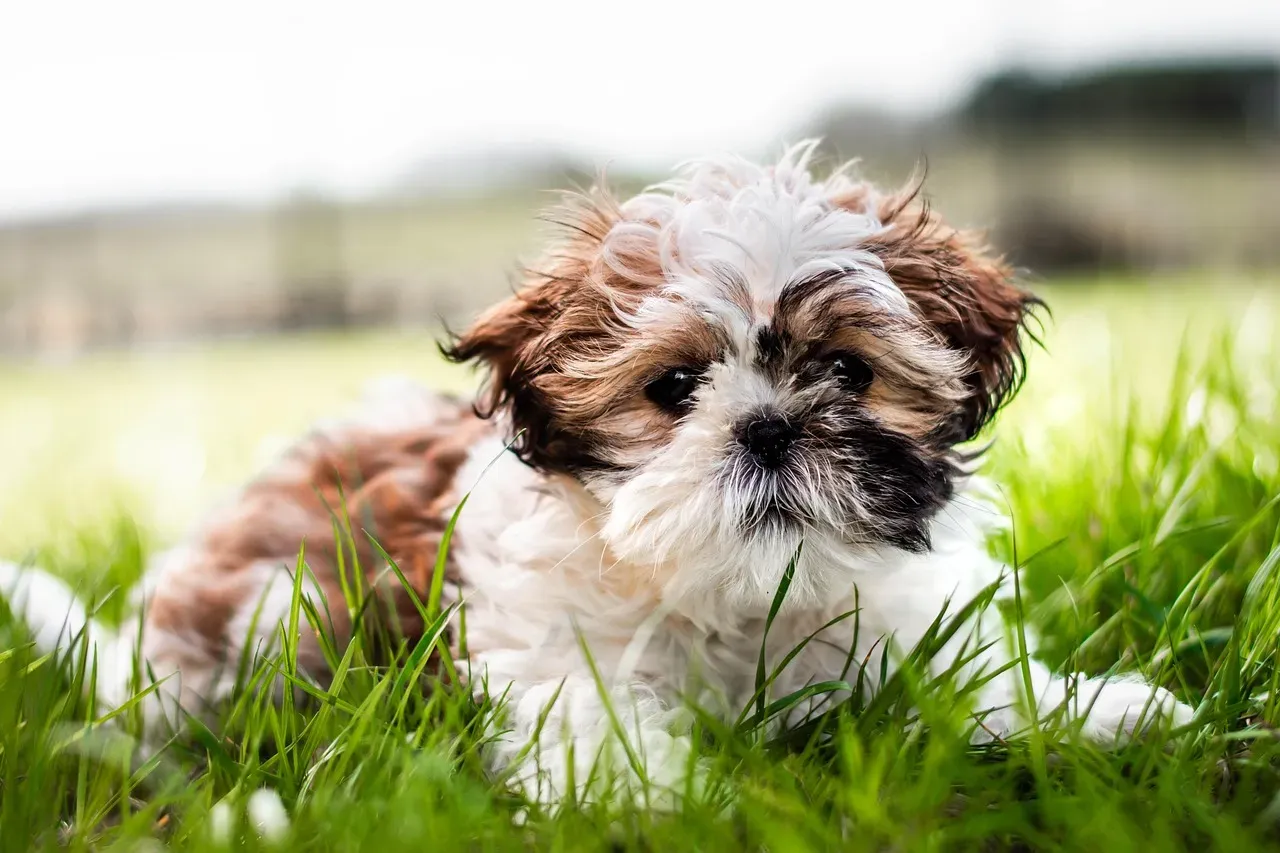
Shih Tzus were originally bred as companion dogs, and it shows in how they approach play. They often keep a surprisingly puppy-like bounce in their step well into their senior years, especially when they know someone is watching. Many Shih Tzus adore silly games that involve chasing soft toys, prancing around the living room, or playfully teasing their humans with a stolen sock.
Because they are small and generally not as high-energy as herding or sporting breeds, their play is easier to accommodate in smaller homes or apartments. Short indoor play sessions, gentle walks, and interactive toys are usually enough to keep them satisfied and happy. If you want a dog that combines couch-cuddling with bursts of joyful, theatrical play for years to come, a Shih Tzu can be a delightful fit.
Vizsla: The Velcro Athlete
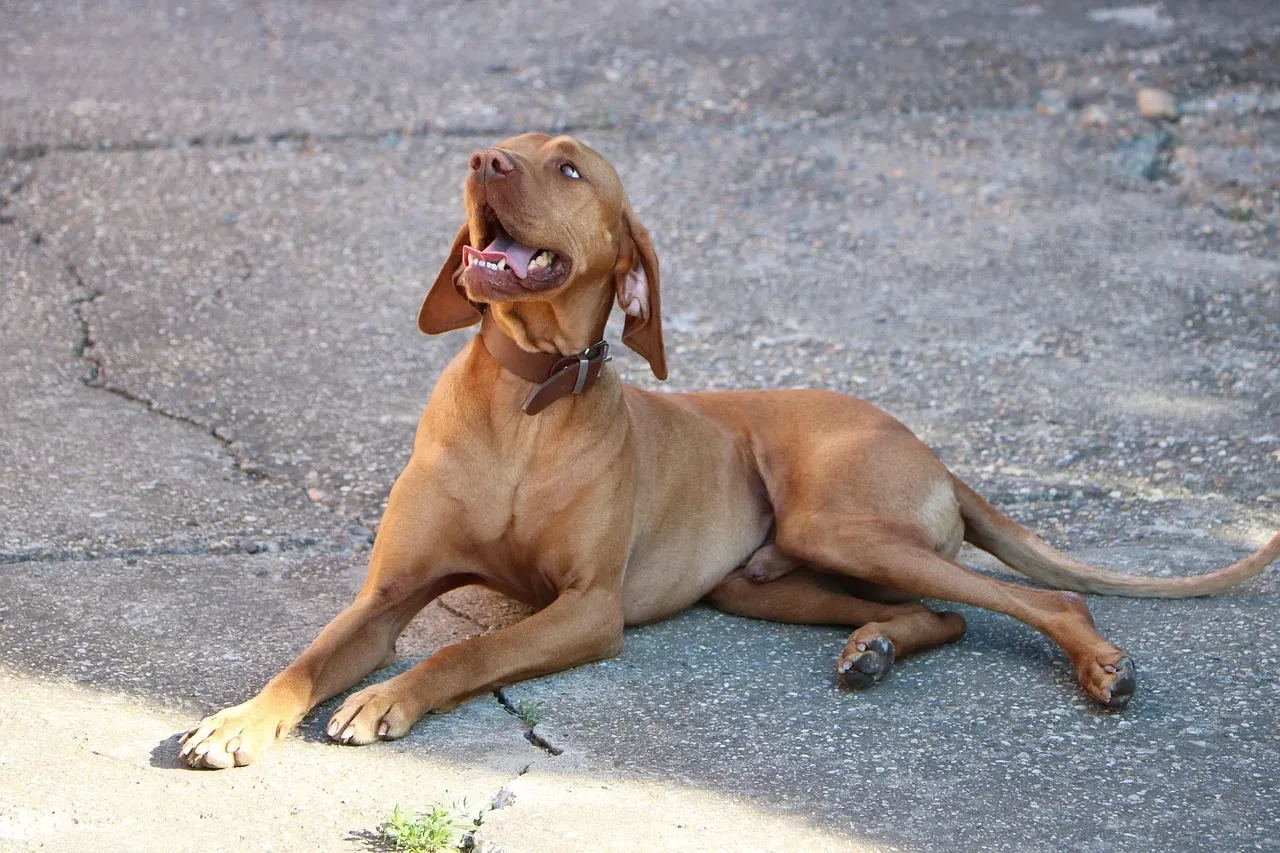
Vizslas are often described as “velcro dogs” because of how closely they bond with their people, and that connection shows up in their play style. They remain energetic, affectionate, and eager to engage in games well beyond puppyhood, especially activities that let them run and stay close to their humans. Many Vizslas thrive on running, hiking, and advanced retrieving games, showing a puppy-like enthusiasm every time the leash comes out.
At home, that same playful energy can turn into affectionate silliness: leaning into you with a toy, nudging your hand for tug, or doing excited spins when you pick up a ball. They do best in active households where their need for both movement and closeness is met. If you want a dog that treats you as a favorite teammate and never gets tired of shared adventures, a Vizsla’s enduring playfulness can be incredibly rewarding.
Staffordshire Bull Terrier: The Muscular Softie With a Toy Obsession
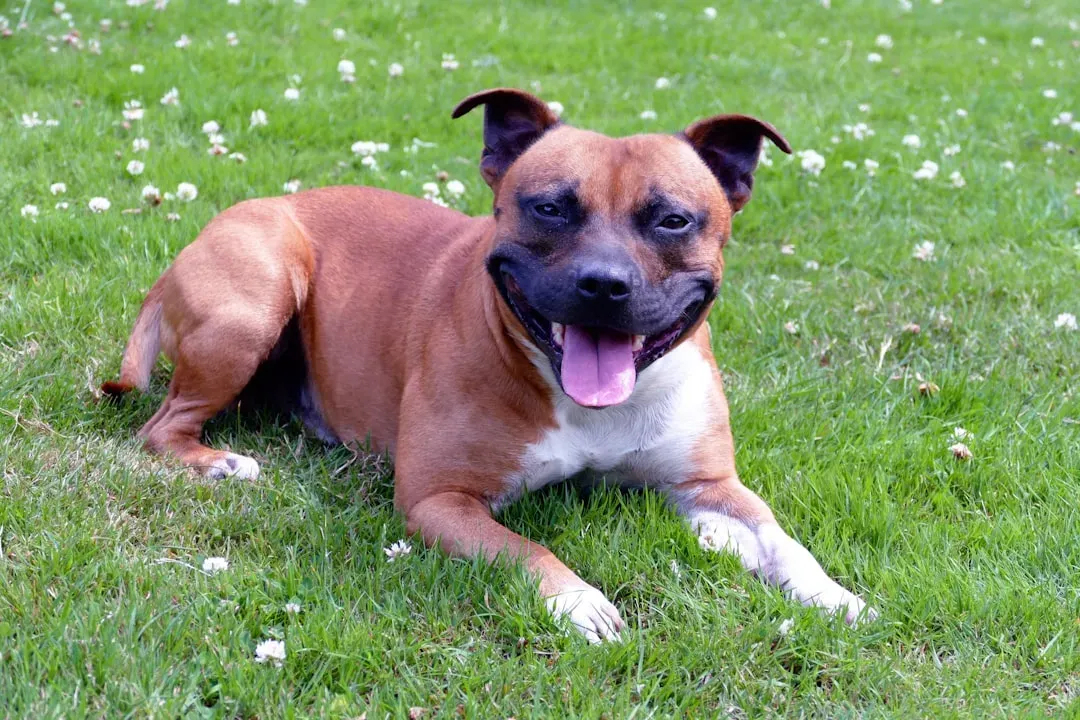
Staffordshire Bull Terriers, often called Staffies, are powerful dogs with surprisingly soft, playful hearts. Many Staffies keep an almost puppy-like enthusiasm for toys and people well into their older years, especially when it comes to tug games or chasing a favorite ball. They often carry toys around the house and are known to turn even simple interactions into full-body wiggle-fests.
Their playful side really shines when they feel safe and properly socialized. They thrive on one-on-one time, interactive games, and training that rewards their eagerness to please. With responsible handling and good boundaries, their energy and love of fun make them wonderful, engaging companions. If you like a dog that looks tough but plays like a happy kid on a playground, a Staffie can be an unforgettable partner.
Conclusion: Choosing a Dog Who Never Really Grows Up
Some people dream of a calm, low-key dog who mostly naps and occasionally shuffles to the food bowl. If you have read this far, you are probably not one of those people. The breeds on this list share a core trait: they treat life like a series of games, and they rarely let age talk them out of having fun. That can be magical, but it also means you take on the responsibility of giving them enough exercise, structure, and interaction to keep that playful spirit healthy rather than chaotic.
From Labs and Goldens to Huskies, Jack Russells, and Vizslas, these dogs are the friends who will drag you off the couch, insist on one more throw, and remind you that joy does not have an expiration date. In my own life, the dogs that stayed silly the longest were the ones that pulled me through hard days, simply by refusing to stop playing. If you bring one of these forever-young breeds into your home, you are not just getting a pet – you are signing up for years of shared adventures and unexpected laughter. When you picture your future dog at ten years old, do you want a sleepy roommate or a slightly slower, just-as-wild best friend?


