

There’s something magical about a big dog padding across your living room like they pay the mortgage. They feel like gentle bodyguards, overgrown toddlers, and best friends rolled into one giant, furry package. But in the US, some of these large breeds quietly come with price tags that rival a used car once you factor in purchase cost, food, grooming, insurance, and those surprise vet bills that always seem to land right after payday.
If you’ve ever looked at a Great Dane and thought, “I want that,” it’s worth knowing you’re not just choosing a dog, you’re signing up for a lifestyle. Some breeds on this list are walking vet visits, others eat like teenage football players, and a few combine both for a financial double punch. Let’s walk through some of , and why your heart might say yes while your bank account quietly starts sweating.
Tibetan Mastiff: The Luxury Guard Dog With a Matching Price Tag

The Tibetan Mastiff has become almost legendary for how expensive it can be to buy in the first place, especially if you’re going for show-quality or rare lines. Even in the US, where prices are more grounded than the eye-popping headlines from overseas, a well-bred Tibetan Mastiff puppy can cost several thousands of dollars before you’ve even bought a leash or food bowl. Add to that the fact that this is a giant, heavy-coated dog, and almost every ongoing cost gets scaled up: bigger crates, stronger equipment, and more of pretty much everything.
Then there’s grooming and maintenance. That thick double coat is stunning but it sheds, mats, and traps dirt like a velcro couch. You can absolutely learn to groom at home, but many owners end up using professional groomers regularly, which adds a recurring bill to the monthly dog budget. Combine that with substantial food intake, potential joint and orthopedic issues common to giant breeds, and the need for solid training from an early age, and the Tibetan Mastiff becomes one of the most expensive “I want a big fluffy guard dog” choices you can make in the US.
Bernese Mountain Dog: Sweet, Sensitive… and Shockingly Costly to Keep Healthy

Bernese Mountain Dogs look like walking teddy bears, and they usually act like it too: gentle, affectionate, and goofy. But behind that charm is a breed that can be heartbreakingly expensive to care for over a lifetime. Reputable breeders often charge on the higher end because they screen for serious health conditions like hip and elbow dysplasia and certain cancers that sadly show up more often in this breed. That upfront price is actually an investment in trying to avoid much higher costs and emotional strain later.
Even with good breeding, though, you’re usually looking at a shorter-than-average lifespan and a decent chance of major vet bills. Add in their size, thick coat, and friendly-but-sensitive personality, and you end up spending not just on medical care, but also high-quality food, grooming, and sometimes even behavioral support to make sure this big softie feels secure. For many US families, the Bernese Mountain Dog becomes one of the most expensive but emotionally rewarding “heart breeds” they’ll ever own.
Great Dane: The “Small Horse” With Oversized Everyday Costs
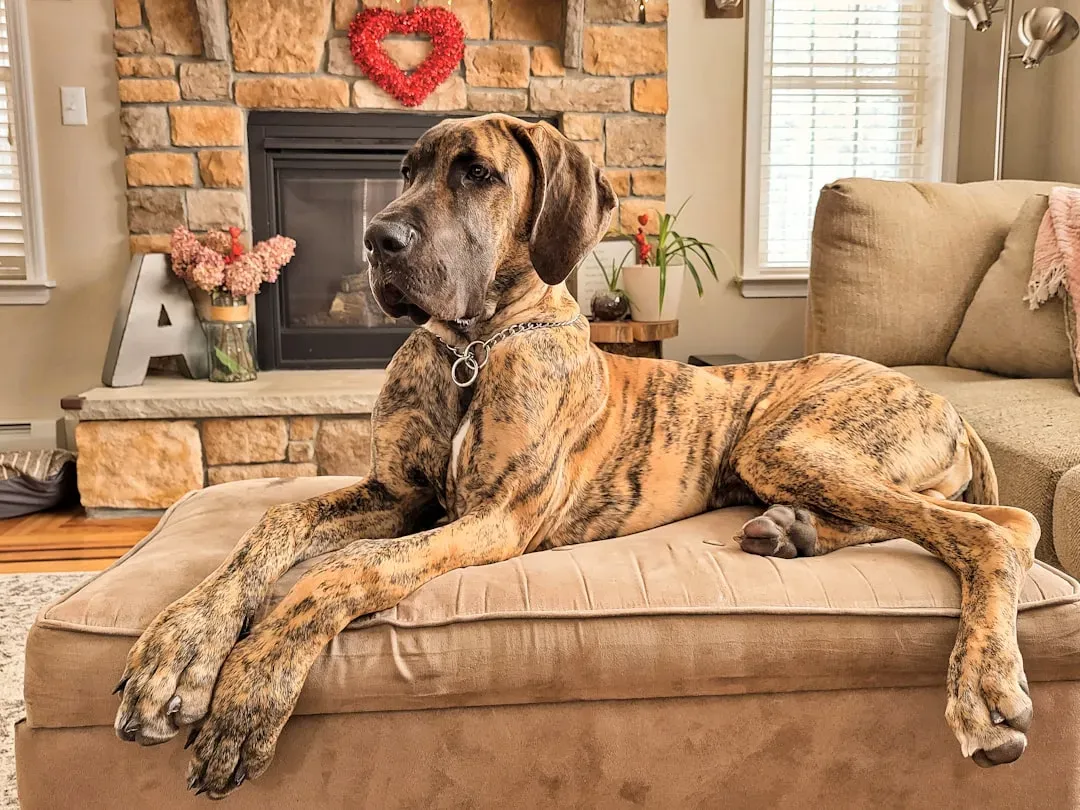
Owning a Great Dane in the US is a bit like deciding to share your house with a small, affectionate horse. While their purchase price can vary a lot, the real hit to your wallet usually comes later: they eat a surprising amount of high-quality large-breed food, need giant-sized beds and crates, and outgrow most standard dog gear before you’ve even broken it in. If you’ve ever seen the price difference between a regular dog bed and an “XXL giant breed” bed, you know what I mean.
On top of that, many Great Danes have health vulnerabilities typical of giant breeds: joint issues, heart conditions, and a serious risk of bloat, which can be life-threatening and emergency-surgery expensive. Insurance for a Great Dane is often pricier because companies know what’s likely coming. Vet visits cost more too, simply because everything is dosed by weight: medications, anesthesia, even some tests. They’re loving, goofy, and surprisingly sensitive, but from a financial perspective, Great Danes are one of the clearest examples of how “bigger dog” almost always means “bigger bill.”
Newfoundland: The Gentle Water Giant With Heavy Food and Grooming Bills
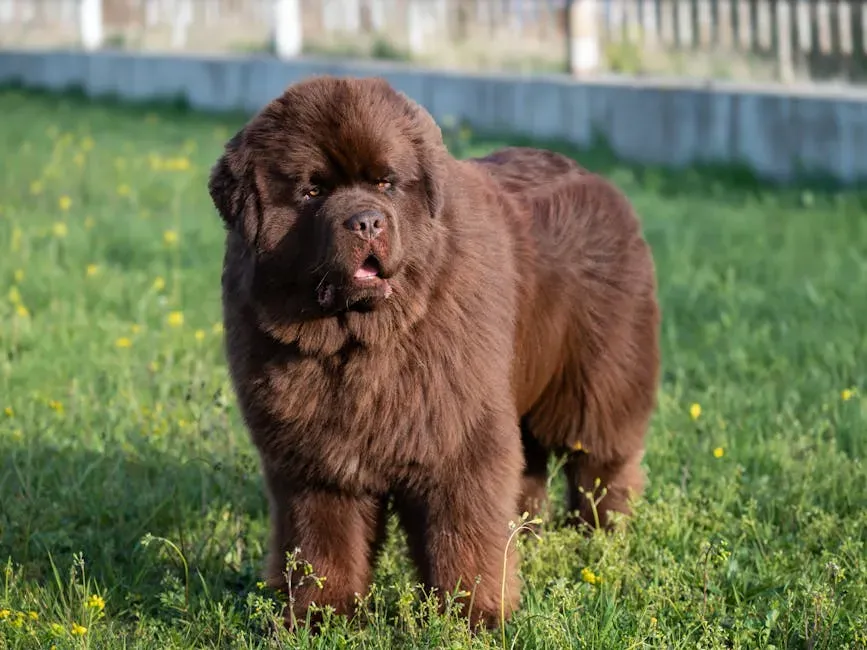
Newfoundlands are the kind of dogs that make strangers stop and smile on the street. They’re huge, famously gentle, and built like swimming machines with thick, water-resistant coats. That coat, combined with their size, makes them one of the more expensive breeds to maintain month after month. Regular grooming is almost unavoidable if you want to avoid mats, skin issues, and a permanent “wet dog” aroma that follows you into every room of the house.
Because Newfoundlands are such large, heavy-boned dogs, they’re also prone to joint problems, heart conditions, and other health challenges that tend to be costly to diagnose and treat. Their appetite is no joke either; they often require high-quality, joint-supportive diets that add up quickly on the grocery bill. When you put grooming, food, and potential medical costs together, Newfoundlands sit near the top of the list of expensive large breeds to keep in the US, even though their gentle nature makes many owners say they’re worth every penny.
Rottweiler: Powerful Protector With High Training, Insurance, and Health Costs

Rottweilers may not be the biggest dogs on this list by height, but they’re heavy, muscular, and built like tanks. That density shows up in your wallet: they eat a lot, need sturdy equipment that won’t snap under their strength, and often come with higher insurance premiums or restrictions depending on where you live in the US. In some places, even landlords charge extra pet deposits or refuse certain breeds, and Rottweilers are often on that list, indirectly raising the overall cost of ownership.
On top of the usual large-breed joint and orthopedic concerns, responsible Rottweiler ownership almost always involves serious investment in training and socialization. Many owners choose professional trainers or group classes, not because the dogs are “bad,” but because they’re powerful, intelligent, and can easily get into trouble if bored or misunderstood. When you combine higher training costs, possible breed-related insurance complications, and the normal expenses of a large, athletic dog, Rottweilers end up being substantially more expensive to keep than many people expect when they first fall for those big, soulful eyes.
Akita: Independent Spirit, High Upfront Cost, and Serious Long-Term Commitment

Akitas are striking, dignified, and have a presence that feels almost regal, which is part of why they command higher prices from reputable breeders in the US. Beyond the purchase cost, though, they’re one of those breeds where owning them responsibly is what really drives up the expense. Because they can be independent, strong-willed, and occasionally dog-aggressive, many Akita owners invest heavily in early and ongoing training, which often means working with trainers who understand the breed rather than taking a one-size-fits-all approach.
Their thick double coat sheds heavily, especially during seasonal “blowouts,” and that leads many owners to rely on regular grooming visits to keep the fur explosion under control. As a large, robust breed, Akitas can face joint problems, autoimmune issues, and other medical challenges that aren’t cheap to treat. Add higher-quality food, durable equipment, and the possibility of higher insurance or housing complications, and the Akita quietly becomes one of the more expensive large dogs to own in the US, particularly for people determined to do right by the breed.
Saint Bernard: The Classic Gentle Giant With Oversized Everything
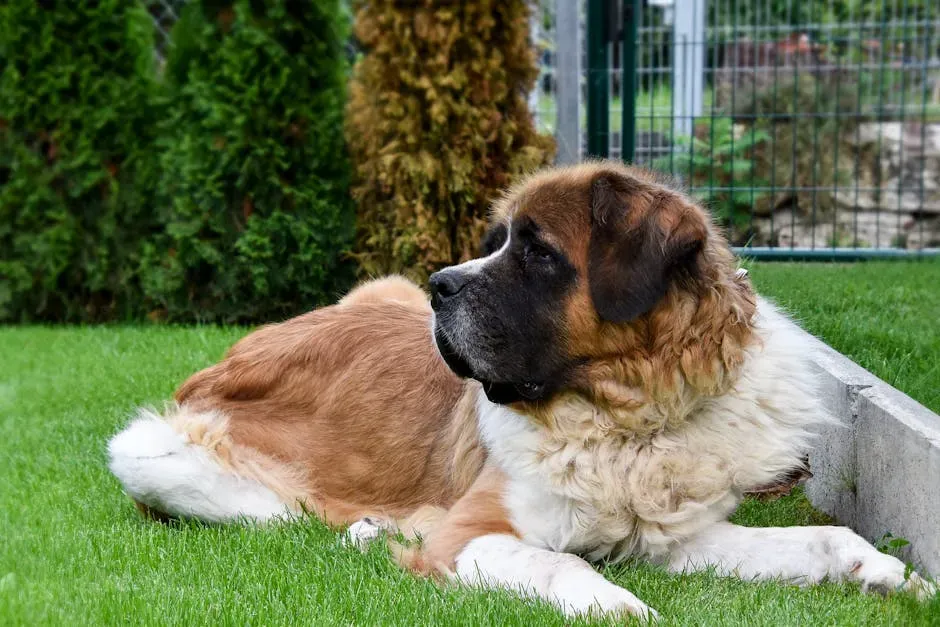
Saint Bernards are practically the mascot for “giant, drooly, lovable dog,” and everything about their costs lines up with that image. Their upfront purchase price from a good breeder is usually solidly in the large-breed range, but it’s the long-term realities that add up: they eat huge amounts of food, need beds, crates, and vehicles that suit their bulk, and can easily make you reconsider the size of your couch. Even basic things like flea prevention, medications, and supplements cost more because the doses are based on their substantial weight.
Health-wise, Saint Bernards are prone to a variety of issues seen in giant dogs, including hip and elbow dysplasia, heart problems, eye conditions, and bloat. Many families choose pet insurance just to soften the impact of potential emergencies and chronic conditions, and those premiums are rarely cheap for a dog this large. Their thick coat and drooling also mean more cleaning supplies, more laundry, and sometimes professional grooming to keep them comfortable and your house reasonably livable. By the time you add everything together, Saint Bernards take their place as one of the most expensive big-hearted giants you can share your home with in the US.
Why These Big Dogs Cost So Much – and Why People Still Choose Them
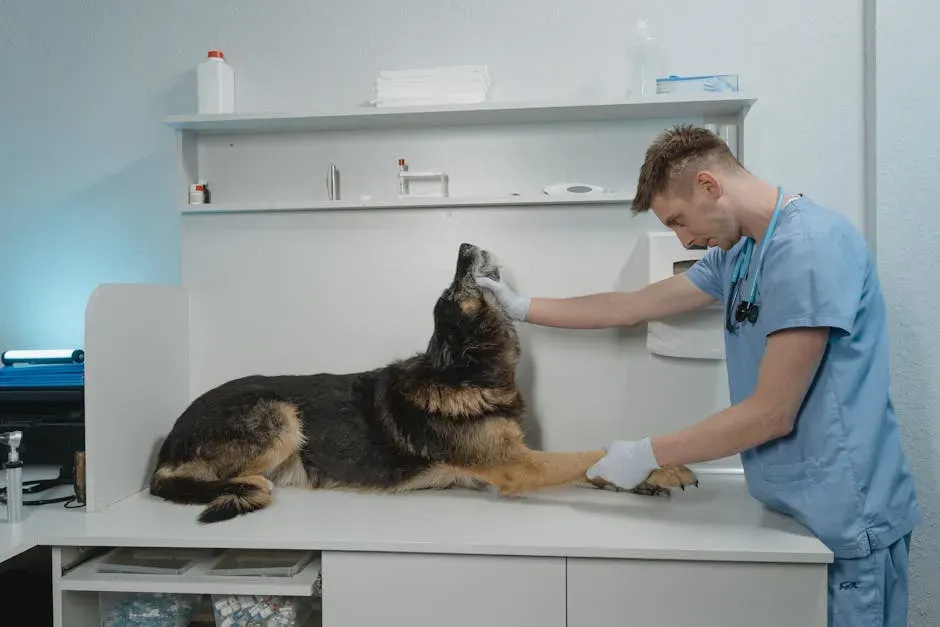
When you zoom out, a pattern jumps off the page: with large and giant breeds, nearly every cost gets multiplied. Food, equipment, medication, anesthesia, imaging, joint supplements, even boarding rates can be higher for bigger dogs. Some of the breeds on this list also bring increased risks of serious health issues or shorter lifespans, which means a larger share of their years is spent managing or preventing medical problems. It’s not very glamorous, but it’s the reality behind those gorgeous Instagram photos and heart-melting TikTok clips.
And yet, people keep choosing them, over and over. I’ve watched friends knowingly sign up for the financial hit because living without their massive couch companion just didn’t feel right. That’s probably the real takeaway here: these dogs are expensive, sometimes shockingly so, but for many owners, the tradeoff feels worth it. If you go into it with open eyes, a realistic budget, and a plan for vet bills that will appear at the worst possible time, a big, costly dog can still be one of the most rewarding “bad financial decisions” you ever intentionally make. So the real question is not just which large breed is most expensive, but which one you’d still choose, even after seeing the bill.


