
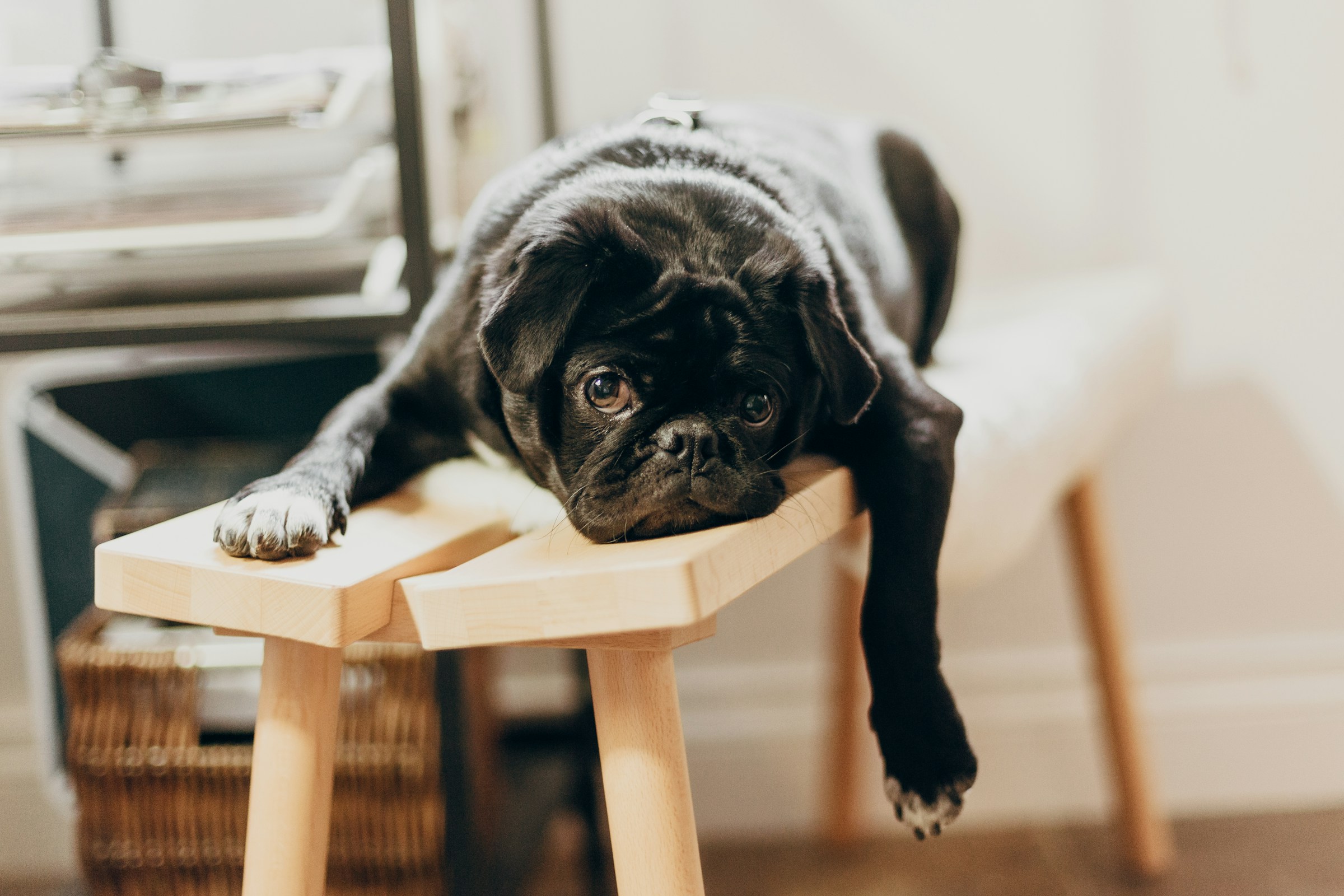
If your usually goofy, toy-obsessed dog suddenly shrugs off their favorite ball, it can feel oddly personal. One day they’re zooming around the living room like a tiny tornado, the next they’re just…flat, watching from the sidelines while the toy squeaks on the floor. It is tempting to assume they are being stubborn, moody, or “over it,” but in dog psychology, that kind of sudden switch is a giant flashing sign that something deeper might be going on.
I still remember when my own dog went from chase-anything-that-moves to quietly sitting under the table during our usual evening play time. At first, I thought he was bored of the game or sulking because I had been busy. It took a vet visit to realize he was actually uncomfortable and had started associating play with pain. That experience completely changed how I look at “disinterest” in dogs. A change in play behavior is not drama; it is data, and it is absolutely worth your attention.
When Play Stops, Your Dog Is Communicating Something Big
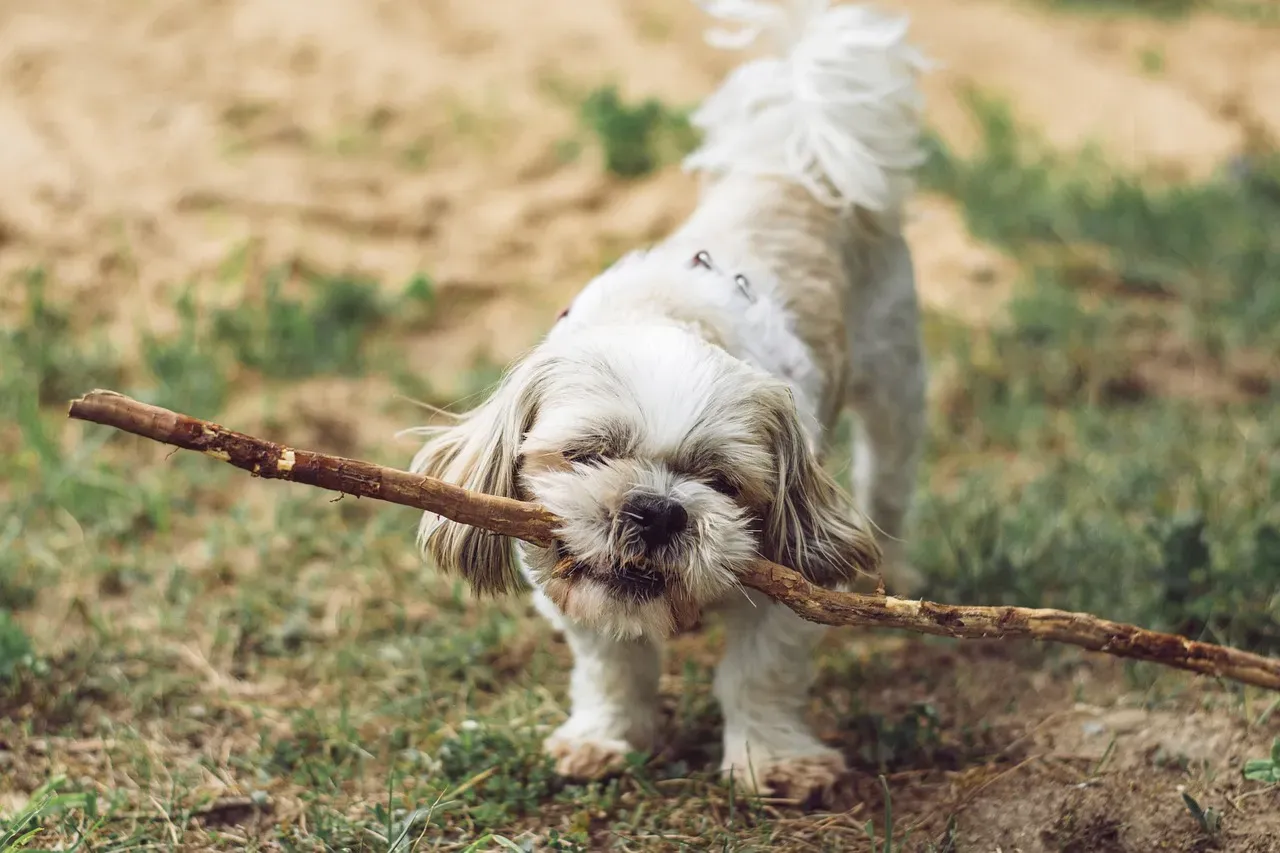
Dogs are not wired to send emails or give long speeches, so they use behavior as their main language. Play is one of the clearest, most honest signals of how safe, comfortable, and well they feel in their world. When a dog who normally loves toys, tug, fetch, or wrestling suddenly stops initiating or responding to play, it is rarely a random personality shift; it is more like a friend going quiet mid-conversation because something is wrong.
From a behavior standpoint, a noticeable drop in play is considered a change in baseline. That baseline – what is normal for your particular dog – is what trainers, vets, and behaviorists quietly watch like a heartbeat. When that baseline suddenly dips, dog professionals do not shrug it off as moodiness; they see it as a meaningful piece of information. Your dog might not be able to say “I’m not okay,” but pulling away from play is one of the ways they try.
Pain and Discomfort Are Silent Play Killers
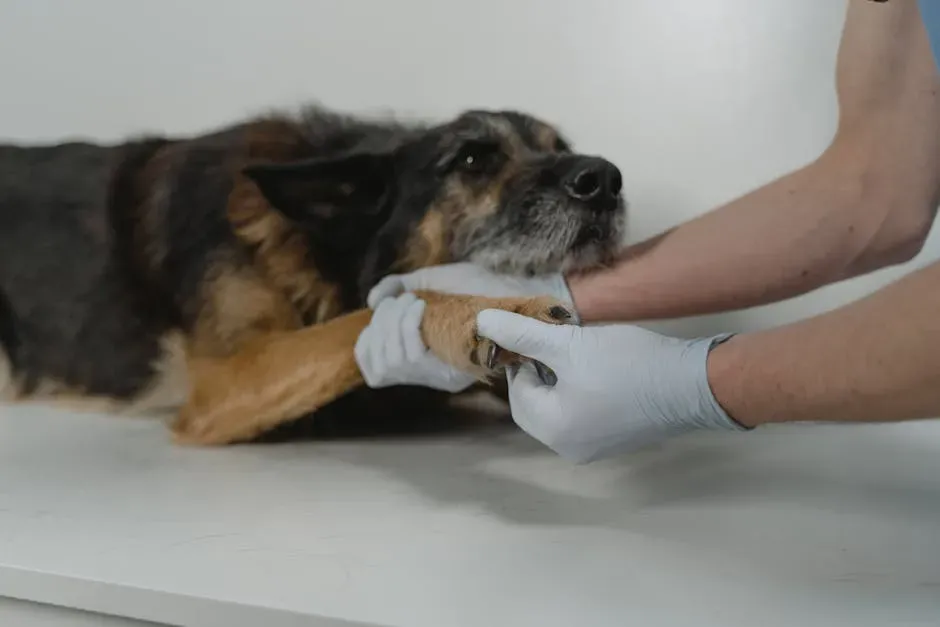
One of the most overlooked reasons dogs stop playing is physical pain. Joint issues, early arthritis, dental pain, sore muscles, or even something as simple as a cracked nail can turn a once-fun game into something they start to dread. Because many dogs are incredibly stoic, they will not limp dramatically or scream; they will just quietly opt out of activities that hurt or feel risky.
You might notice subtle signs wrapped around that drop in play: a slight hesitation before jumping on the couch, a flinch when you toss a ball too far, or a slower, stiffer get-up after a nap. To you, it might just look like “less energy” or “less interest,” but to your dog, the cost of movement has gone up. That is why a sudden or gradual retreat from play is something a vet should weigh in on, not something to scold or joke away.
Stress, Anxiety, and Emotional Overload Can Shut Play Down
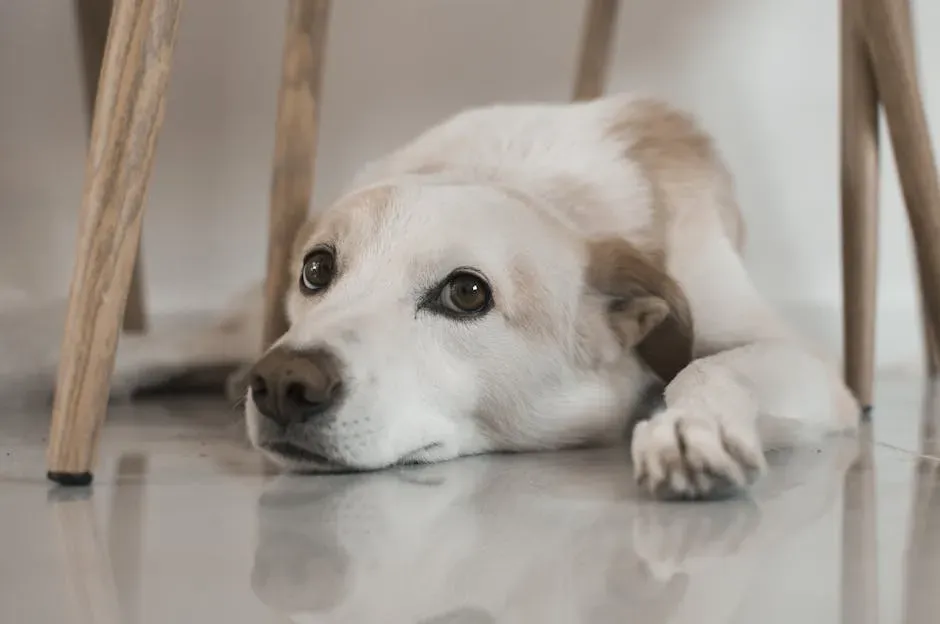
Dogs do not only lose interest in play because of physical issues; their emotional life matters just as much. Big changes – like moving homes, a new baby, a new pet, a change in schedule, or even ongoing conflict in the household – can push a dog into a state of stress where play no longer feels safe or appealing. When the nervous system is busy scanning for possible threats or dealing with confusion, chasing a squeaky toy drops to the bottom of the priority list.
Sometimes the triggers are small but relentless: too much unsupervised time at the dog park, rough play with other dogs, loud construction outside, or being left alone more than they are used to. Over time, a dog who is emotionally overloaded may move from bouncy and curious to withdrawn and flat. We like to call that “being grumpy” or “in a mood,” but very often, it is the emotional version of a check engine light blinking on.
Aging, Developmental Phases, and Shifting Play Styles
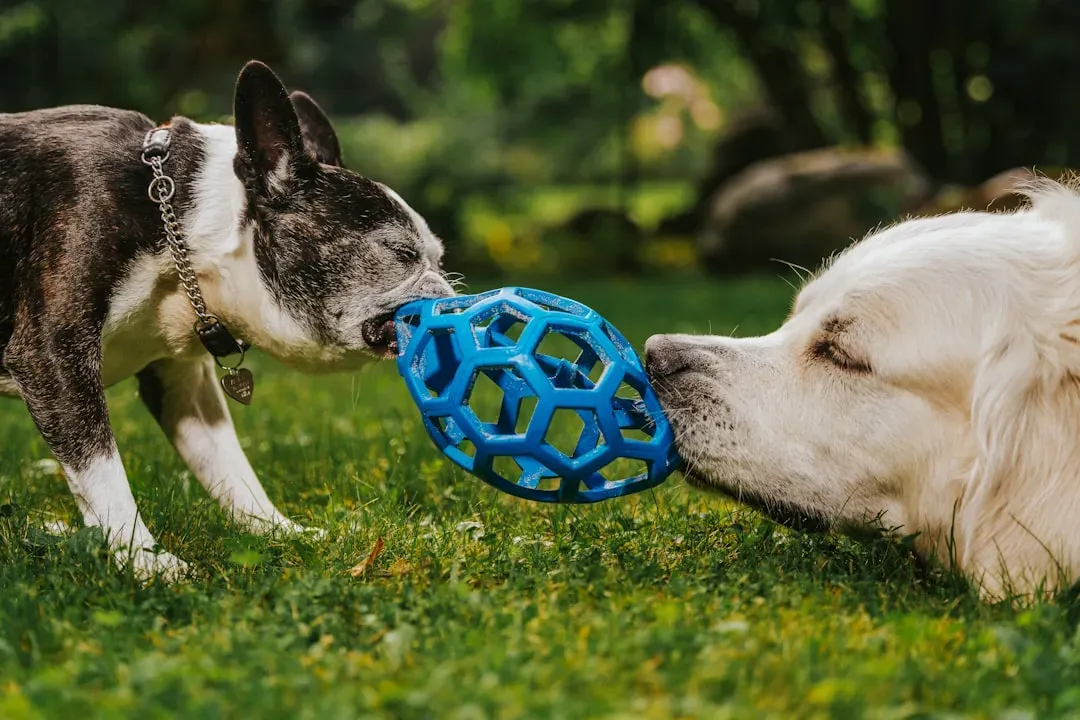
Not every change in play is an emergency, but it is still meaningful. Puppies explode with energy, but as dogs move into adolescence and adulthood, their style of play often shifts. Rough wrestling may turn into brief bursts of tug, then into calmer sniffing games and slower walks. With seniors, play can become shorter, softer, and more about mental engagement than high-impact action. The key difference is that these changes are typically gradual, not a sudden hard stop.
It is also common for dogs to “age out” of certain games while discovering new ones. A dog who loses interest in fetch but suddenly lights up for scent work, puzzle toys, or gentle training sessions is not shutting down; they are evolving. The red flag is not that play changes, but that it disappears abruptly or coincides with other worrying signs, like changes in appetite, sleep, or social behavior. That is when you stop chalking it up to age and start asking questions.
Boredom and Under-Stimulation: When Life Becomes Too Predictable
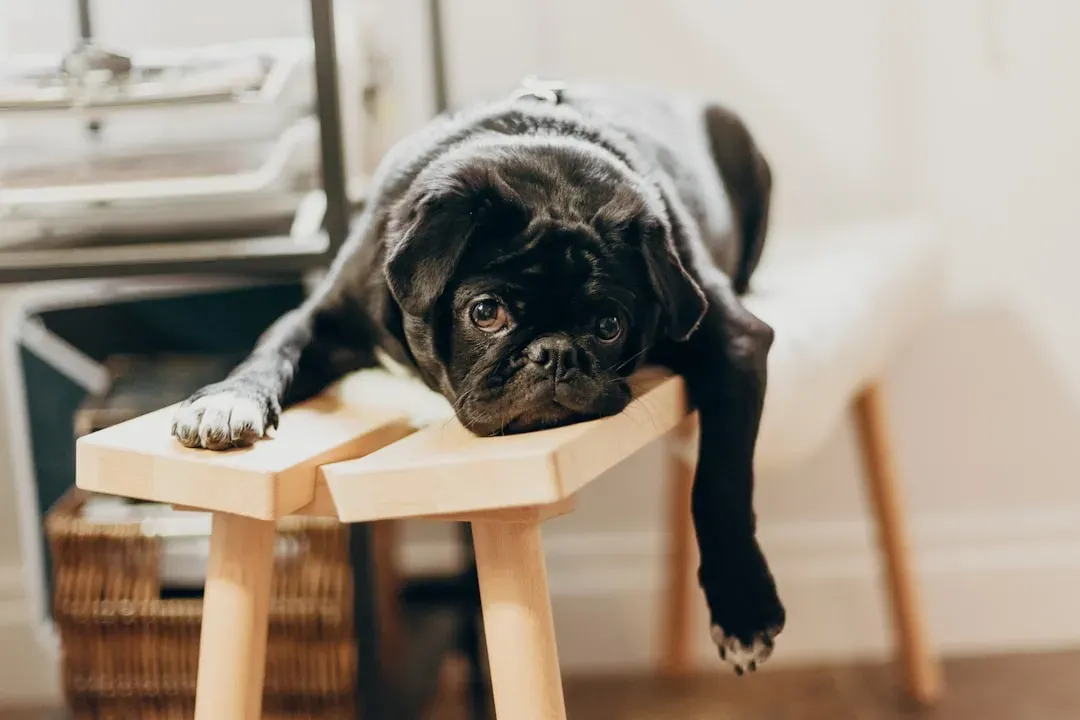
On the flip side, some dogs pull away from play because everything has become stale. Imagine being offered the same show every night for years on the same channel, at the same time, with the same storyline. Many dogs need novelty, variation, and mental challenge to stay engaged. If the only game on the menu is fetch in the same yard with the same ball, some dogs will quietly check out and look for stimulation elsewhere – or just go flat.
Under-stimulation does not mean your dog is hyper; it means their brain has less to do than it craves. That can look like no interest in your usual games, followed by chewing furniture, barking at nothing, or zoning out. Refreshing their play routine with new toys, different textures, slower sniff walks, food puzzles, or training short tricks can sometimes bring back that spark. If it does, you have learned something important: your dog was not moody, just bored out of their mind.
How to Respond When Your Dog’s Play Personality Suddenly Changes
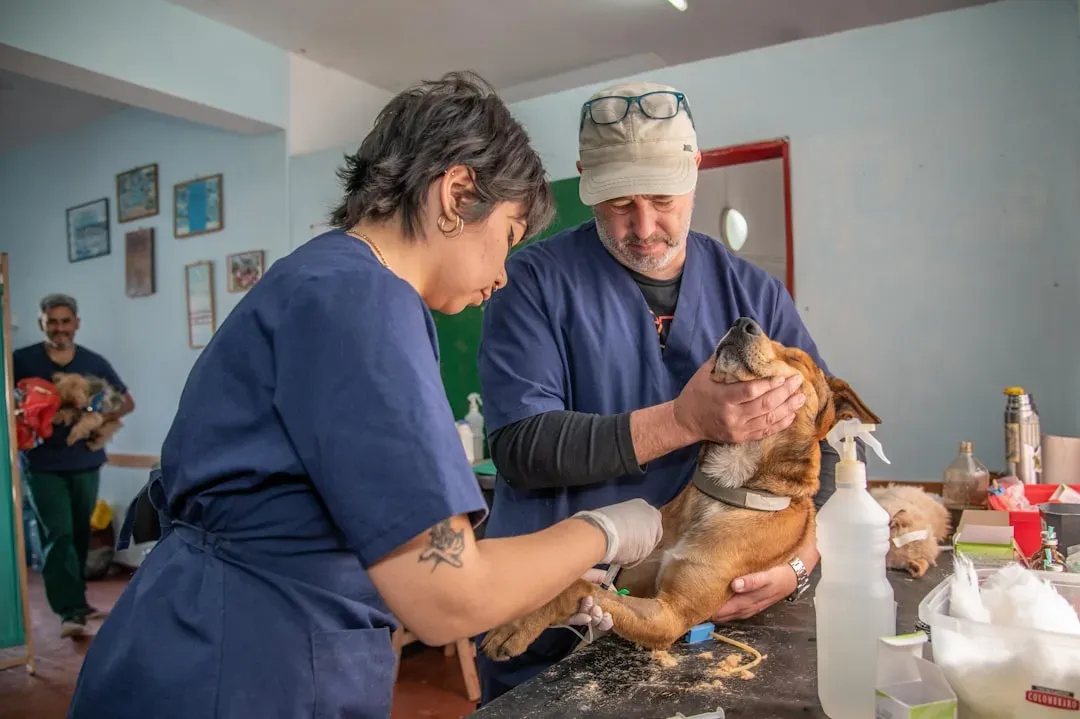
When you notice your dog’s play interest dropping, the worst thing you can do is shrug and assume it is an attitude problem. Start by quietly observing the pattern: how long has this been happening, what kinds of play are being avoided, and what else seems different in your dog’s life or body. Then, loop in your veterinarian for a physical check, because ruling out pain and medical issues is non-negotiable before you treat it as purely behavioral.
If health checks out, consider consulting a certified trainer or behavior professional who uses modern, science-based, force-free methods. They can help you decode stress signals, adjust your environment, and rebuild play in a way that feels safe and fun for your dog. Sometimes that means softer games, lower impact activities, or pairing play with calm environments instead of chaotic ones. The goal is never to “make” your dog play, but to figure out what would make play feel good again.
Why Taking Behavior Changes Seriously Is an Act of Respect
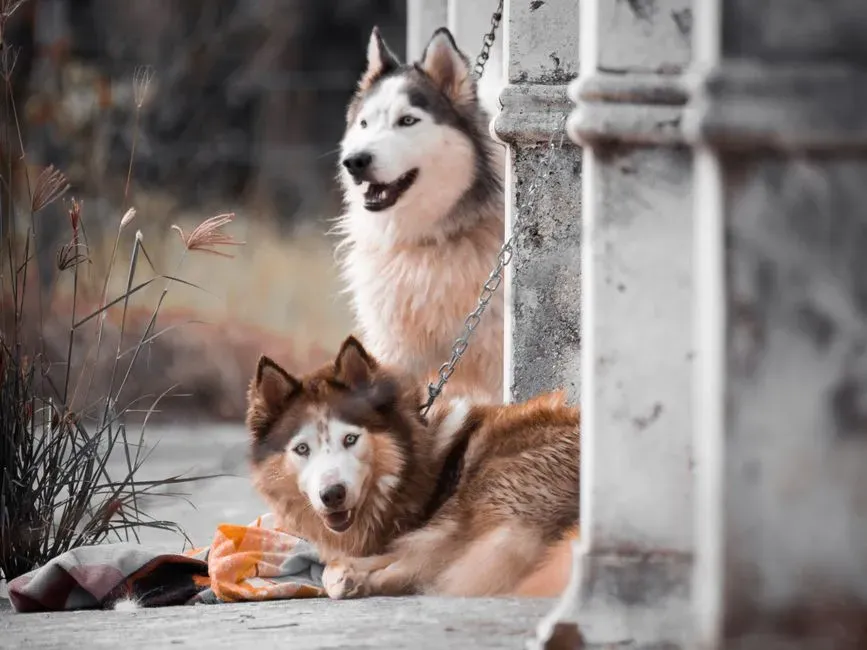
At the end of the day, brushing off a sudden loss of play as moodiness does your dog a real disservice. It implies they are being difficult on purpose instead of experiencing something real, whether that is pain, fear, confusion, or simple burnout. In my view, the most loving dog guardians are the ones who treat behavior changes like honest messages instead of personal slights. That mindset shift alone can change how fast a dog gets the help they need.
Paying attention to a dog’s shrinking playfulness is not overprotective or dramatic; it is exactly what a responsible, tuned-in human should do. We chose to bring these animals into our homes and our hearts, and that comes with a responsibility to listen when they “speak” through behavior. So the next time your playful dog suddenly steps back from the game, will you write it off as a mood – or will you lean in, look closer, and ask what they are really trying to tell you?


