
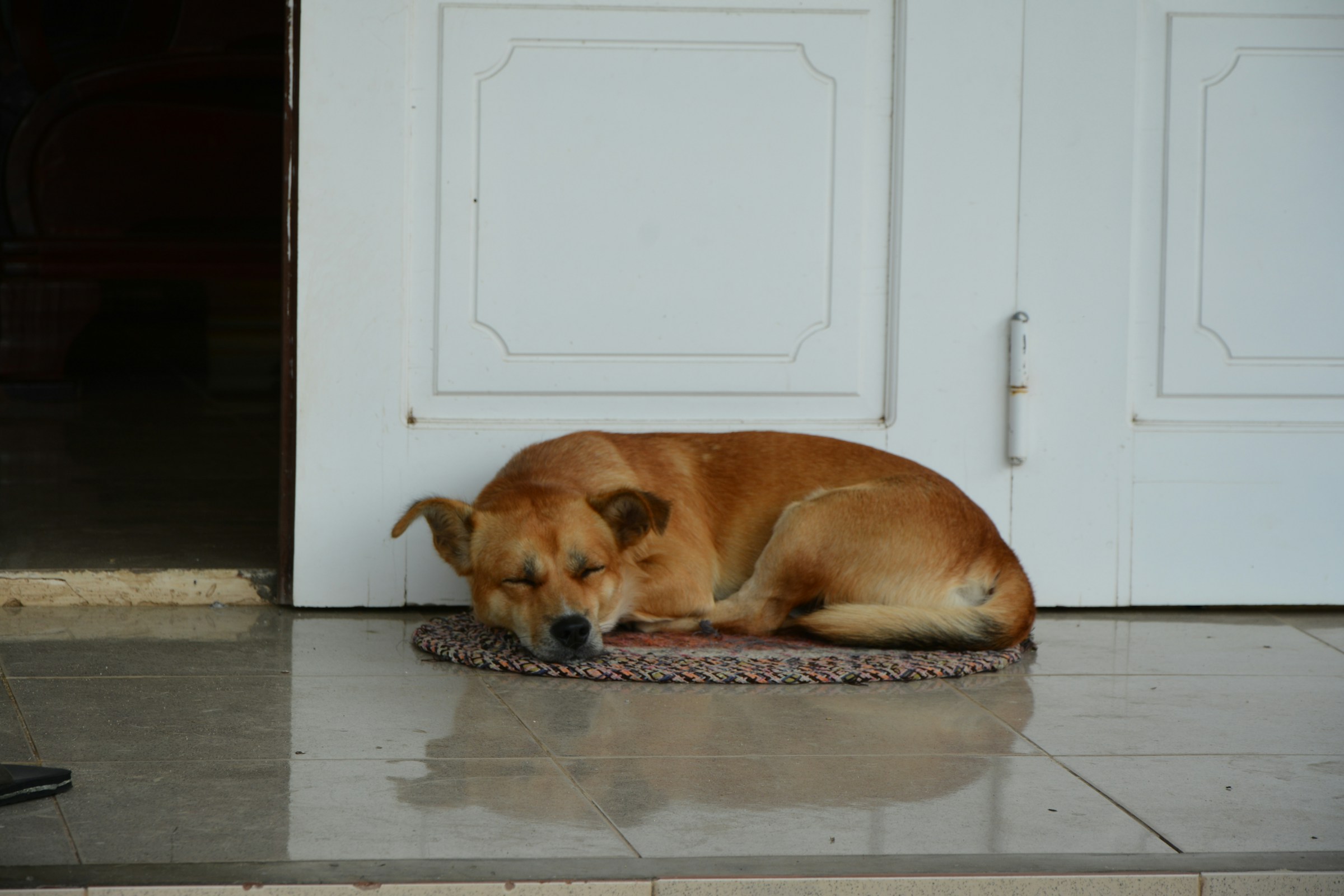
You’d think safety fixes everything. New bed, new name tag, a home where no one raises a hand and no meal ever gets skipped – that’s supposed to be the happy ending. Except for millions of rescue dogs, “safe” and “healed” turn out to be two completely different words, and the gap between them is where these 14 habits quietly live.
Some of what’s below might finally explain things you’ve noticed in your own dog for years – the way they eat, sleep, flinch, or keep one eye on the door. Others will genuinely surprise you, because a few of these “quirks” don’t look anything like trauma on the surface. Stick around, because the habits near the end are the ones rescuers say people misread the most.
#1 – Guarding Food Like It Might Vanish Tomorrow
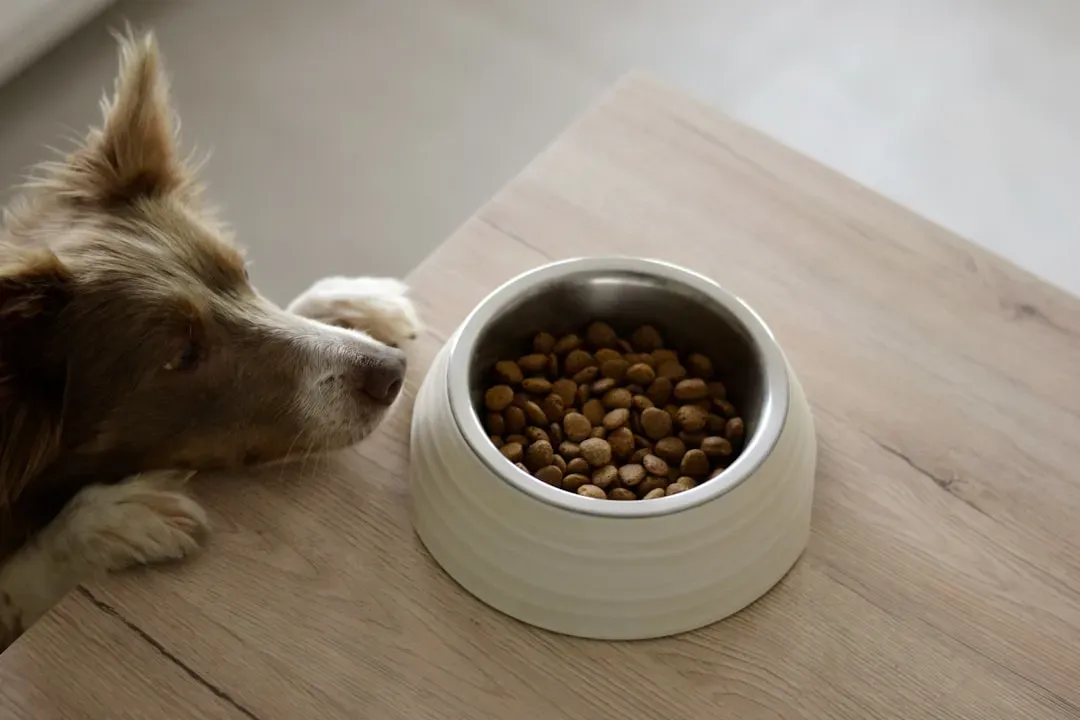
Even in the safest kitchen, plenty of rescue dogs eat like someone might snatch the bowl away. Fast gulping, hovering over the dish, stiffening if another dog walks by – it all traces back to one thing: scarcity. Once a dog’s brain learns that food is a “now or never” situation, that lesson can stick for life, even with premium kibble arriving like clockwork twice a day.
Some dogs spin or whine before meals out of old anxiety, or quietly stash treats in secret spots “for later.” The mistake new owners make is treating this as bad manners instead of leftover survival instinct. Set consistent meal times, skip the teasing games around food, and give multi-dog homes separate feeding spaces. Your dog may never eat slowly like a relaxed show dog, but calmer, safer mealtimes are absolutely possible over time.
#2 – Flinching at Sudden Movements or Loud Noises
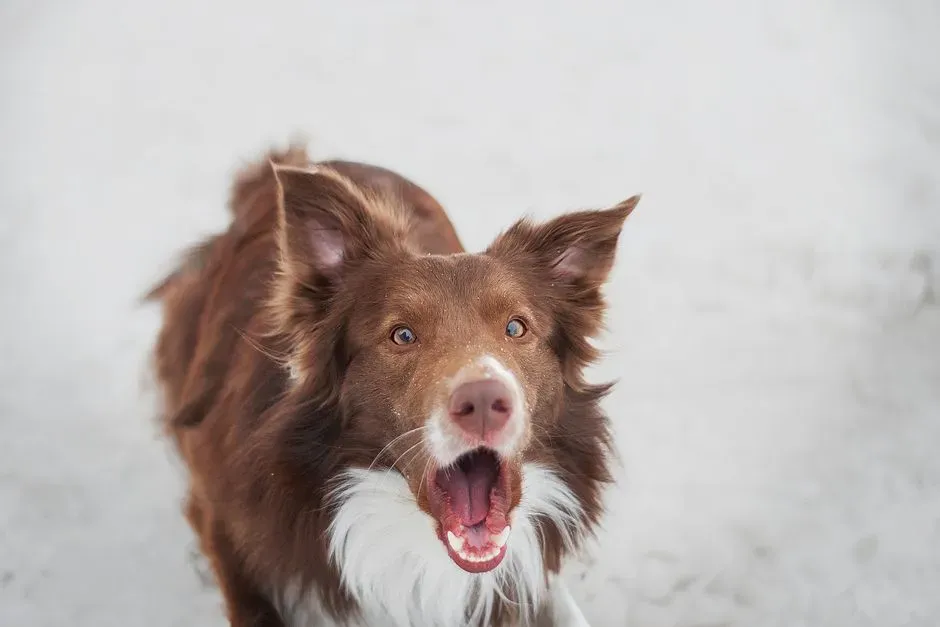
You reach to pet your dog and they duck, blink hard, or brace like they’re expecting a blow. It’s heartbreaking, and it’s common. Many rescue dogs assume fast hands mean something bad is coming, because in their past, it usually did – a raised voice, a dropped pan, a jacket pulled on too quickly, all of it can trigger startle mode.
Here’s the part people don’t love hearing: some of that sensitivity may never fully disappear. A nervous system that’s been trained to scan for danger doesn’t just switch off. That doesn’t mean your dog is broken – it means you move like a friend instead of a jump scare, talk softly before touching them, and avoid looming over their space. Over months and years the flinching usually softens, but many rescues stay just a little more on edge than a dog raised in one stable home from day one.
#3 – Shadowing You from Room to Room
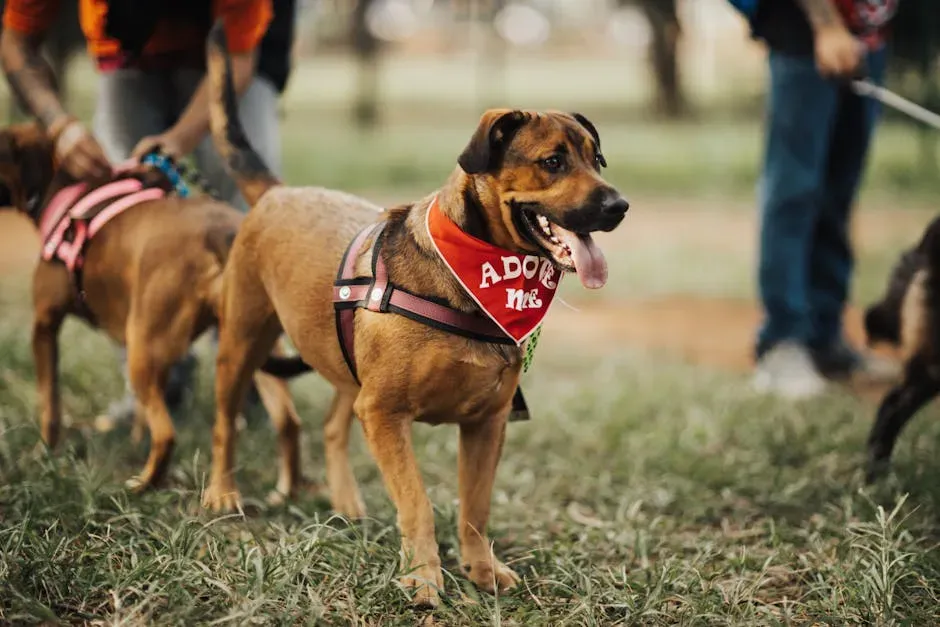
A lot of people call it clingy. Rescuers quietly call it what it actually is: survival. Many rescue dogs become velcro dogs who track your every move, even into the bathroom, because they’ve learned that humans leaving can mean abandonment, hours in a crate, or worse. Once they finally find their person, they glue themselves to you to make sure you don’t vanish too.
It looks cute at first, then starts to feel intense – following you when they’re clearly exhausted, resting with one eye cracked open toward the door. The fix isn’t to force independence overnight. Build it slowly: short absences, calm exits, boring returns with no dramatic goodbyes that spike their anxiety. Many dogs do relax with time, but a lot of rescues will always keep closer tabs on you than a confident, well-socialized puppy ever would.
Fast Facts
- Velcro behavior often peaks in the first few months after adoption, then gradually eases as trust builds.
- Following you to the bathroom, the door, or the car is one of the most commonly reported rescue-dog habits.
- Short, calm departures teach a dog that being alone is temporary, not permanent.
- Confident independence usually returns through dozens of low-key repetitions, not a single breakthrough moment.
#4 – Sleeping Light and Choosing “Escape Routes”
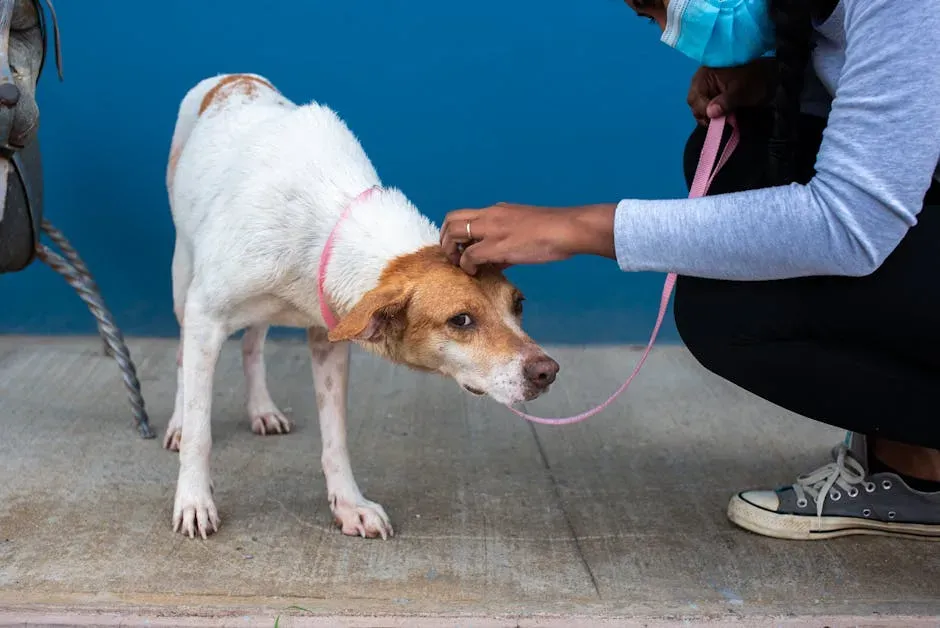
Most people picture a rescued dog curled up in a plush bed, snoring like a cartoon character. The reality is often the opposite – many rescue dogs sleep like soldiers, not babies. They position themselves where they can see exits, hallways, or doors, and wake at the smallest sound. That deep, belly-up sprawl of total trust can be rare for a long time, because that pose requires actually feeling safe enough to be unaware.
Watch where your dog naps and you’ll likely notice a pattern: corners with a clear sightline, startling awake the second someone stands up. This isn’t stubbornness, it’s strategy – in a shelter, on the street, or in a chaotic home, being unaware was genuinely dangerous. Many dogs loosen up over time, and the day you catch the legs-in-the-air sprawl feels like winning a small war. Some, though, will always stay light sleepers who never fully stop monitoring the room.
#5 – Panicking Over Leashes, Collars, or Being Restrained
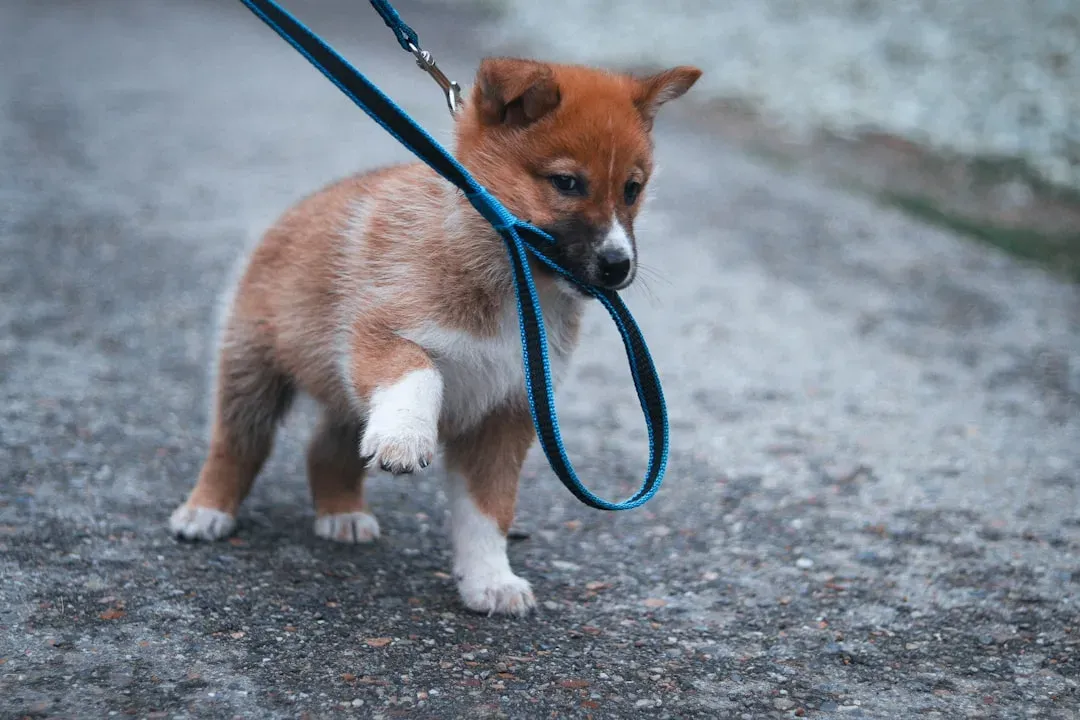
You’d think a walk would be the happy part of the day. For some rescues, the sight of a leash or a collar change triggers shutdown or outright panic. Dogs with rough histories can associate restraint with being tied up, dragged, or handled roughly, so something as simple as clipping on a harness can cause freezing, cowering, or wild flailing.
A lot of owners accidentally make it worse by wrestling the gear on just to “get it over with,” which only confirms the dog’s worst fear. Go slower instead: show the gear, let them sniff it, reward calm behavior, repeat. Use soft, well-fitting equipment with no yanking or jerking. Some dogs will always be sensitive about hands near their neck, and that doesn’t make them unwalkable – it makes them honest about what they’ve survived. The real win is the day they see the leash and get excited instead of scared, even if a flicker of worry never fully disappears.
#6 – Startling at Everyday “Normal” Things
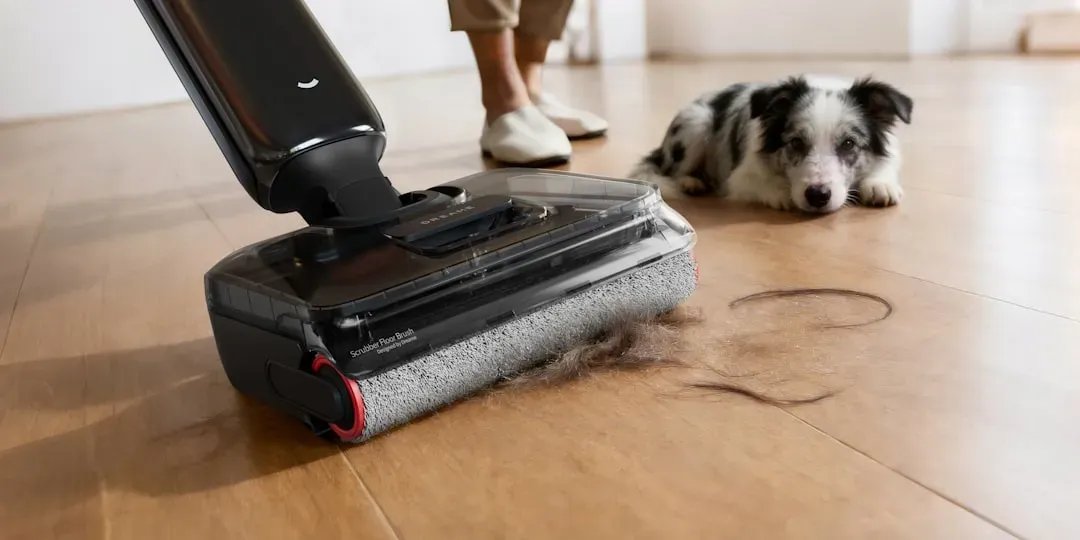
Fans whirring. Men in hats. Tall strangers. Brooms. Plastic bags. Rescued dogs can have very specific “nope” items, and their fear rarely makes logical sense to humans – but it makes perfect sense to them. Maybe a loud fan once sat over a crate. Maybe a broom came down too close, too fast. The dog doesn’t remember the context, only the danger.
The trap owners fall into is dismissing the fear as silly or forcing the dog to “get over it” quickly, which almost always backfires. A calmer path lets the dog observe the scary object from a safe distance while treats appear, and never punishes or laughs at the fear – fear punished is fear multiplied. You might spend months convincing a dog the vacuum isn’t a monster. Some will always leave the room when it appears, and that’s fine. The real win is panic turning into avoidance, and avoidance sometimes turning into curiosity.
At a Glance
- Common “nope” triggers: fans, brooms, umbrellas, hats, plastic bags, and sudden shadows.
- Fear responses can include freezing, bolting, barking, or trying to hide behind furniture.
- Punishing or laughing at the reaction almost always intensifies it over time.
- Slow, treat-paired exposure from a safe distance is the most reliable path to easing the fear.
#7 – Hoarding Toys, Treats, or Even Random Objects
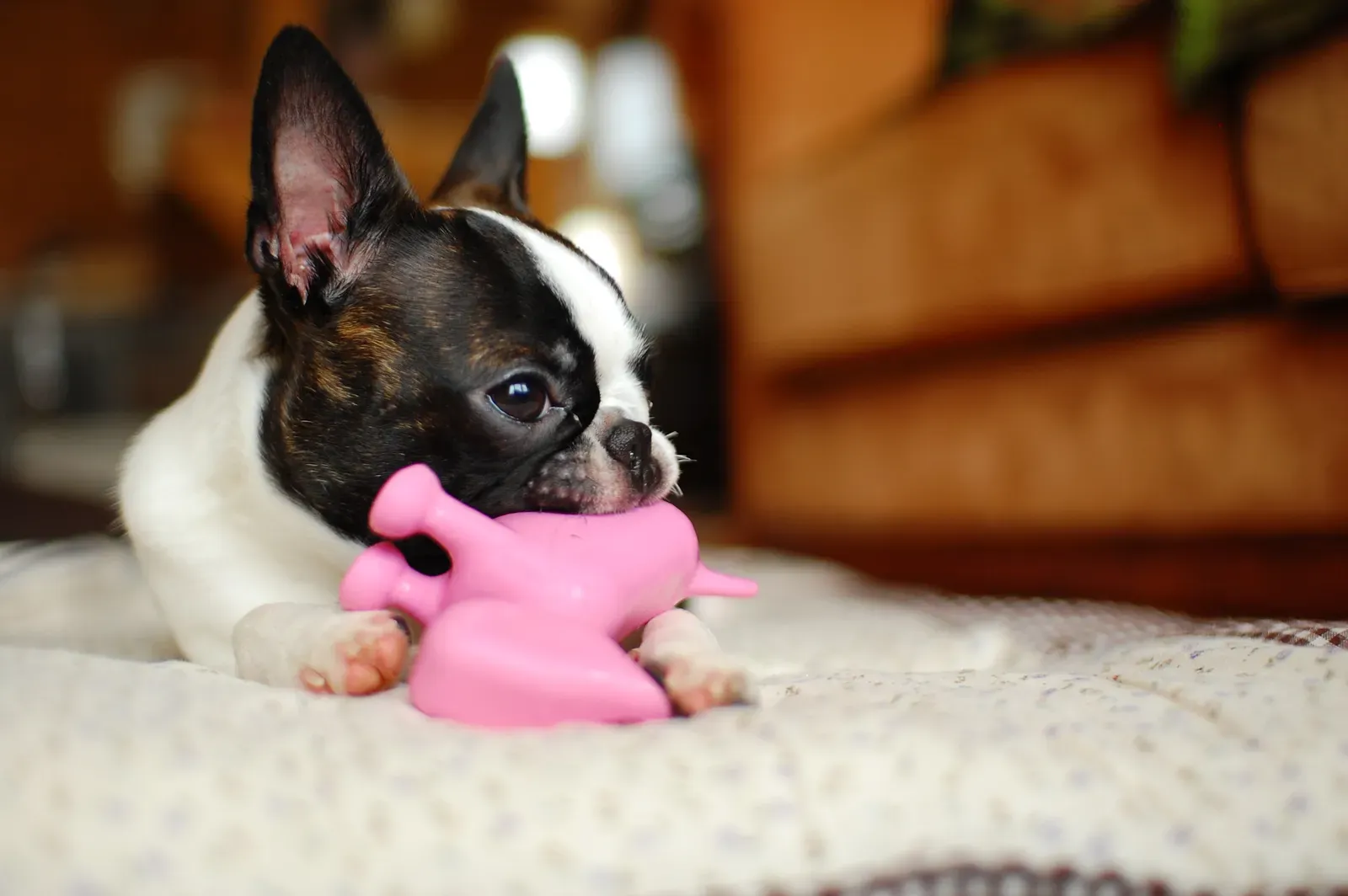
Ever notice your rescue dog quietly building a stash under the bed – old bones, a stolen sock, three toys, one shoe? That’s not mischief, that’s resource insurance. Dogs who’ve had to compete for every scrap often learn to hide good things so they can’t be taken away, even when nobody in the house is trying to steal anything.
This can look like grabbing a brand-new toy and marching it straight to a secret corner, or getting nervous if you get too close to the hiding spot. It’s easy to misread as aggression, but it’s really a dog saying, “Last time I had something nice, it disappeared.” Skip the confrontation and manage it instead – dog-safe items only, trade-ups where something better appears in exchange for the stolen sock, and steady consistency. Many rescue dogs keep some version of this habit for life; they just relax about it once they learn that good things keep coming back around.
#8 – Being “Too Good” and Quiet, to the Point of Worrying You
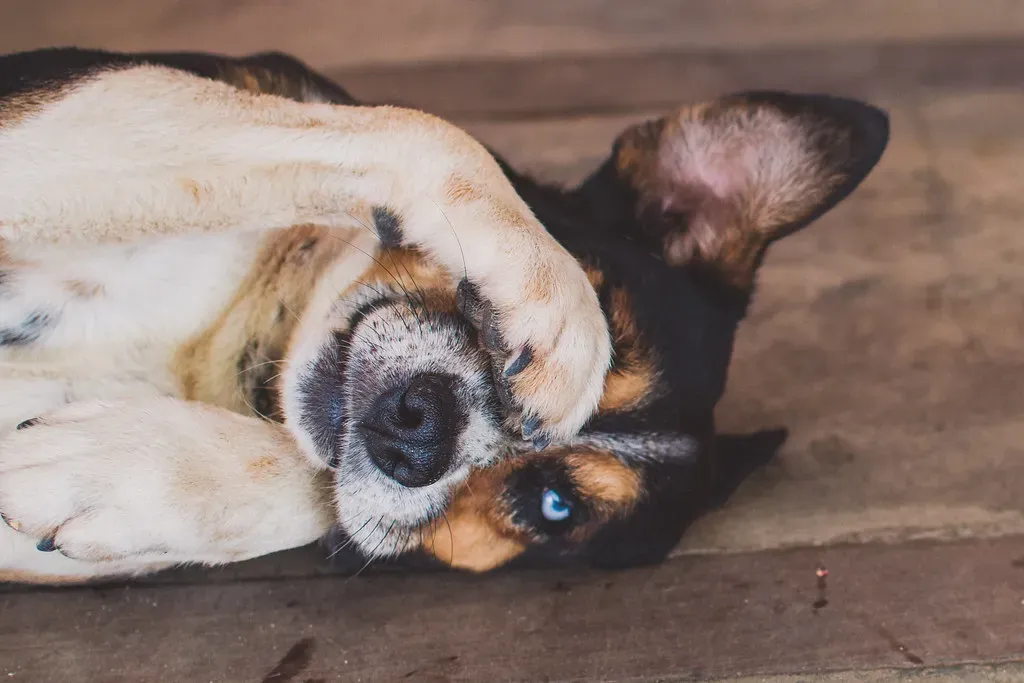
Some rescues don’t act out at all. They’re quiet, overly polite, seemingly “perfect” dogs who never bark, never play, never ask for anything. First-time adopters often brag about how easy this is, but experienced rescuers hear a warning bell instead. A dog who never expresses needs may have learned that needs used to bring punishment, or simply got ignored.
Watch for a dog who waits to be invited before eating, drinking, or hopping on the couch, or one who shows no play or zoomies for months on end. The uncomfortable truth is that this often looks like good behavior while actually being a coping mechanism. The work here isn’t enjoying the quiet – it’s gently coaxing out a personality through soft play invitations, predictable routines, and safe spaces. As the dog starts feeling secure, the “real dog” tends to emerge, and yes, that sometimes means more barking and chaos than you signed up for.
Quick Compare
- Relaxed dog: loose body, soft eyes, approaches for affection or play on their own.
- Shut-down dog: stiff or still posture, avoids eye contact, waits to be invited before doing anything.
- Relaxed dog: explores food, toys, and new spaces with curiosity.
- Shut-down dog: ignores toys and treats, seems to fade into the background.
#9 – Reacting Strongly to Strangers or Certain Types of People
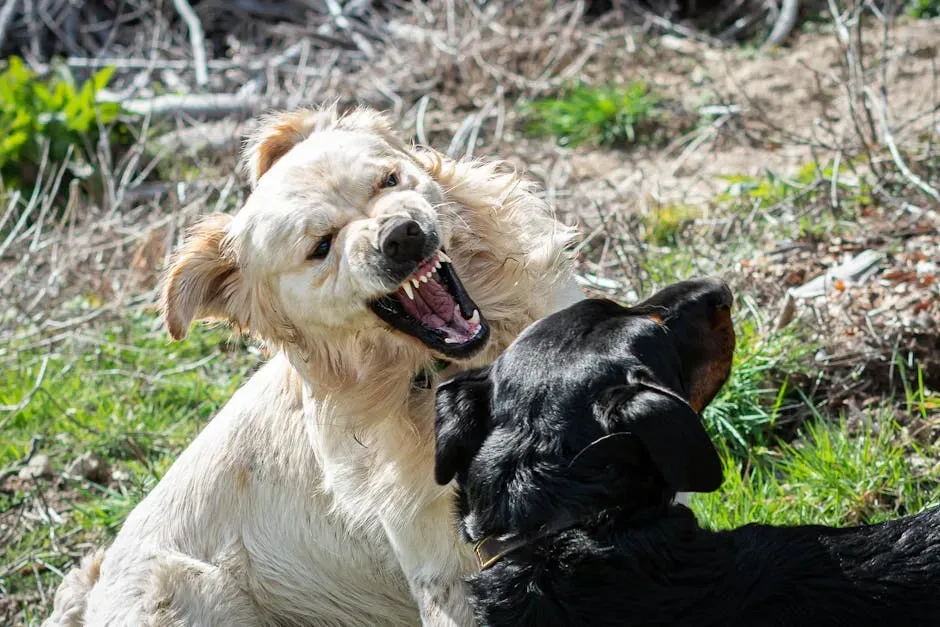
Most people want a dog who loves everyone. Plenty of rescues simply don’t work that way. Some are wary of men, others fear kids, uniforms, canes, or anyone who moves a certain way – because dogs remember shapes, smells, and energy patterns linked to old fear or pain long after the specific memory itself is gone.
So when a dog growls at a tall man in a baseball cap but stays relaxed around a woman in yoga pants, it’s not random bigotry, it’s pattern recognition. Owners sometimes take this personally or feel embarrassed by it, but they shouldn’t. Advocate for your dog instead – don’t force interactions they clearly don’t want, and pair calm, low-pressure exposure with high-value rewards. Some rescue dogs will always stay watchful with strangers instead of turning into social butterflies, and that doesn’t make them bad. It makes them honest about their comfort zone.
#10 – Acting Like Every Doorway Is a Big Decision
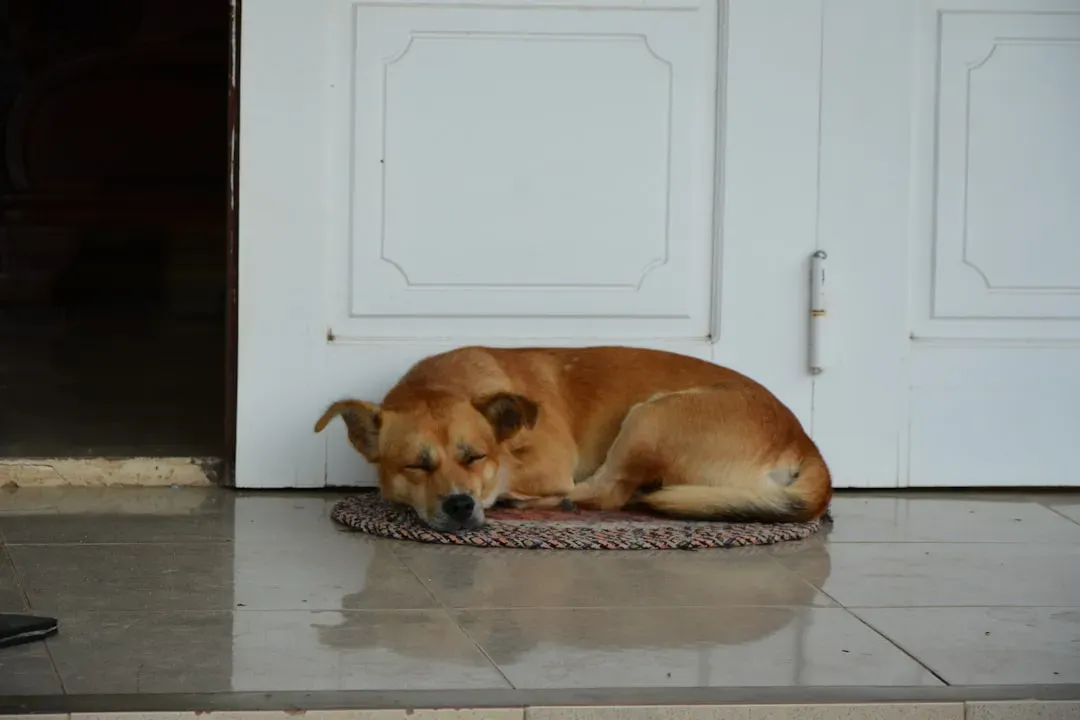
It sounds small, but watch your rescue dog at thresholds – the front door, the car door, even the step from hallway to backyard. Many pause, hesitate, or dart through like it might slam shut on them. That’s not superstition, it’s history. For some dogs, doorways once meant being shoved out, dragged in, or separated from everything familiar.
Threshold anxiety can look like freezing a few feet before the door, or rushing wildly past you the moment it opens. People often label this stubborn or rude, when really it’s fear tangled up with anticipation. Respect the pause, give them time, invite them through calmly, and never yell around doorways. Over time they may still have sticky moments in unfamiliar places, but they’ll learn that moving through spaces with you leads somewhere good instead of somewhere lost.
#11 – Overeating, Under-Eating, or Weird Food Rituals
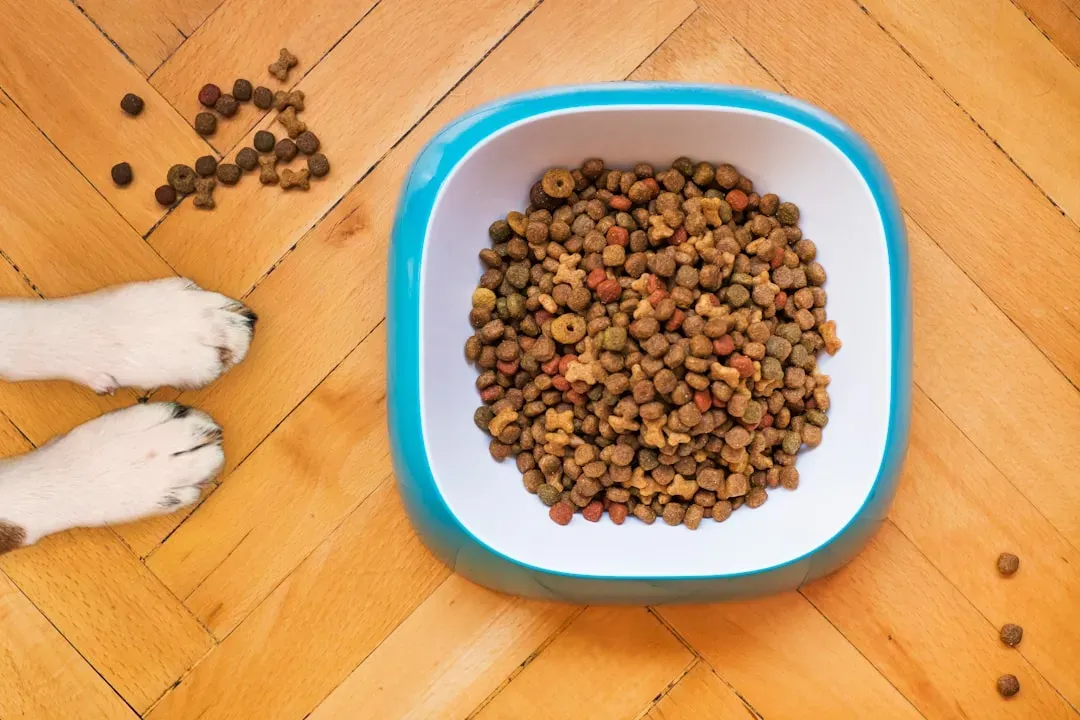
Food issues don’t always show up as simple guarding. Some rescued dogs swing between inhaling anything in sight and refusing food entirely when stressed, because their internal wiring around meals never got a chance to settle. They might only eat at odd hours, need you sitting in the room, or insist on one very specific bowl or location.
You might see a dog who only eats at night once the house goes quiet, or who refuses food for a full day after any major change. Well-meaning owners tend to panic and cycle through an endless parade of new foods, which rarely helps. Predictable schedules, ruling out medical issues with a vet, and keeping mealtimes boring and calm work far better. Some of these rituals stick around for life, and that’s not spoiling – it’s adapting to the nervous system of a dog who once wasn’t sure when, or if, the next meal was coming.
#12 – Freezing or Shutting Down When Overwhelmed

Not all stress looks loud. Some rescue dogs deal with overwhelm by going completely still – call it statue mode. They don’t growl, they don’t flee, they just turn off, especially in new places, crowded environments, or during vet visits. Many owners miss this entirely and assume the dog is “fine” simply because they’re quiet.
Dogs that shut down are often mistaken for calm dogs. They are not calm. They are coping.
Trish McMillan, animal behaviorist
Signs of shutdown include staring into the distance with slow blinking and no tail movement, or moving stiffly and not responding to their name. The dangerous myth is believing that a dog who isn’t reacting must be okay – in truth, this freeze response can be just as intense as panicked barking. Remove them from the overwhelming situation, give them a decompression space at home, and build exposure at their pace, not yours. For many rescues, this freeze response remains their default when overloaded even years later, an old survival switch that never fully uninstalls.
#13 – Testing Your Consistency Over and Over
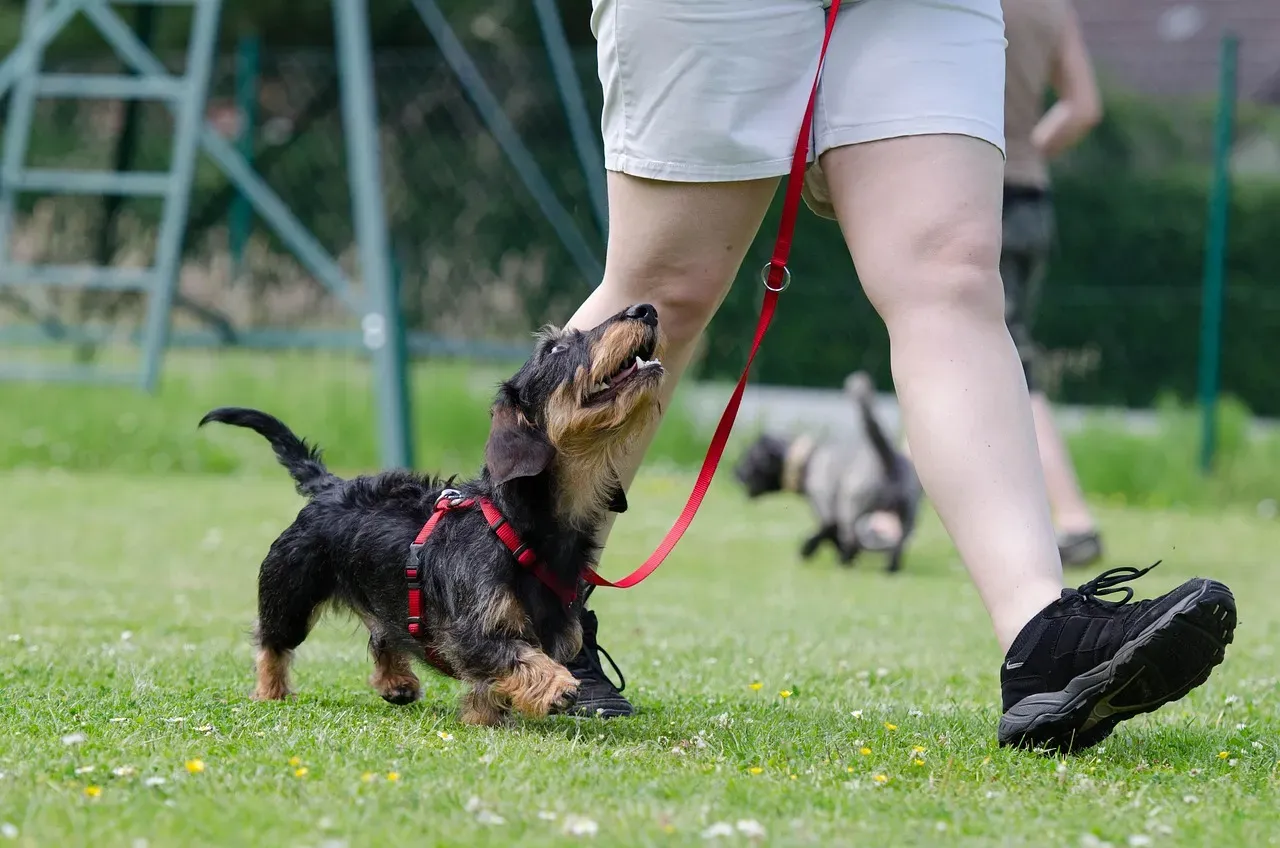
This one starts a lot of arguments online. Some people swear their rescue is manipulative or stubborn because the dog keeps “testing” the rules – counter surfing again, ignoring a recall they clearly know, re-checking whether the couch is really off-limits this week. The unpopular truth is that dogs from unstable backgrounds often re-test boundaries because inconsistency used to be the rule, not the exception.
In their past, sometimes the human yelled and sometimes they didn’t, and rules seemed to change daily. So the dog quite reasonably keeps asking, “Is this real, or will it change tomorrow?” It looks like defiance, but it’s actually data-gathering. Your job is to be boringly, relentlessly consistent with rules and rewards, and to never move the goalposts on a whim. Even years in, little tests can resurface during stressful life events – that doesn’t mean your dog is untrained, it means the old file folder labeled “nothing is permanent” never fully got deleted.
Worth Knowing
- Boundary-testing often spikes during big life changes – moving, new pets, new routines, or holidays.
- Dogs from unstable homes may re-check the same rule many times before it starts to feel real.
- Consistent responses from every household member speed up the process significantly.
- A resurfacing old habit under stress usually isn’t regression – it’s an old coping skill reactivating.
#14 – Loving You Hard, but Still Keeping One Foot Out the Door
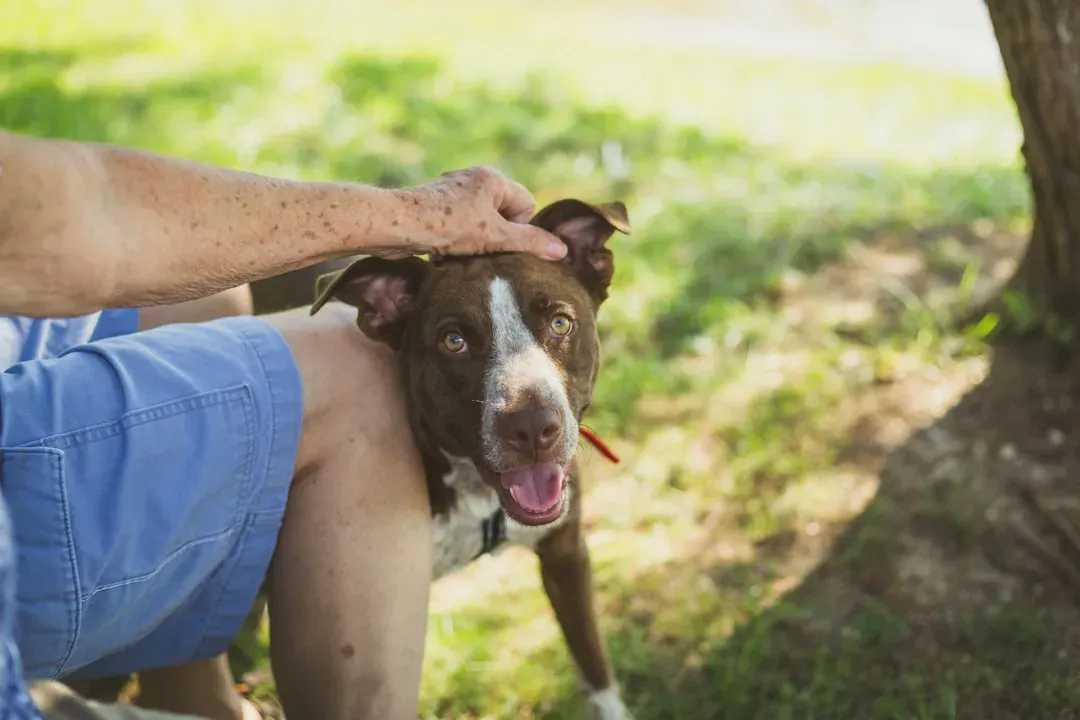
Here’s the habit nobody wants to admit: some rescue dogs attach deeply but never become fully carefree, open-book pets. They cuddle, play, wag, and clearly love you – yet there’s always a sliver of reserve, a small emotional distance that never quite closes. They startle more, worry more, and scan the world in a way dogs with safe puppyhoods simply don’t have to.
This can confuse or even hurt owners who were expecting a cinematic “I saved you, you saved me” transformation. The reality is messier, and honestly, more beautiful. Your dog is showing up with a nervous system shaped by things you’ll never fully know, and choosing you anyway. That choice might always come with a side of caution – and you may never erase every shadow. But you can absolutely build a life where love is louder than fear, even if fear never completely leaves the room.
The Bottom Line
Rescue dogs don’t walk into your house as blank slates. They arrive carrying a lifetime of data about what it takes to stay alive – guarding food, flinching at hands, hoarding toys, shadowing you, freezing at doorways. None of it is random. These are survival habits that often outlast the danger itself, sometimes by years, sometimes forever.
The pet industry loves a tidy redemption story, but the honest version is messier: some scars are permanent, and that’s okay. A good home was never about erasing every quirk – it’s about letting the dog be exactly who they are while they slowly learn they don’t have to stay on high alert anymore. That means adjusting your expectations instead of chasing a total “fix.”
So here’s the real question: are we too quick to label these habits as problems, or not patient enough to sit with them for as long as they take to fade? Say what you actually think in the comments – rescuers and adopters both, we want to hear it.


