
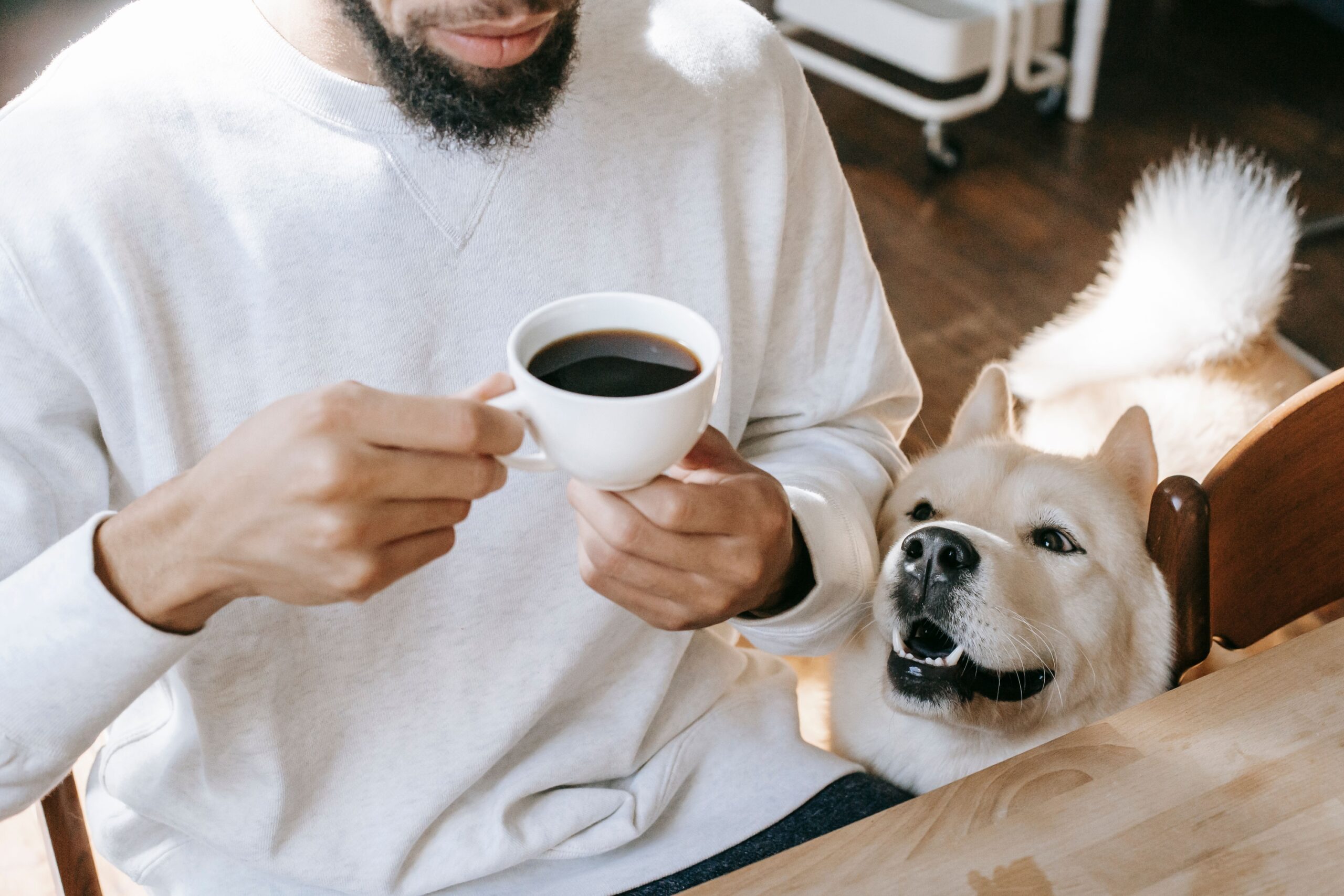
You probably think your dog is just winging it – reacting to whatever happens to be in front of them at any given moment. A door opens, they react. You pick up your keys, they react. Random noises, random moods, random dog, right?
Wrong. Dogs don’t drift through the day the way we assume they do. They’ve actually built a silent, detailed timeline of your entire life, memorised down to the second – and once you see the evidence, you’ll never look at your dog’s “random” behaviour the same way again. Here are the 13 parts of your day they’ve quietly locked into memory, what it’s doing to their emotions, and how a few small tweaks could change everything.
#13 – The Exact Moment You First Move in Bed
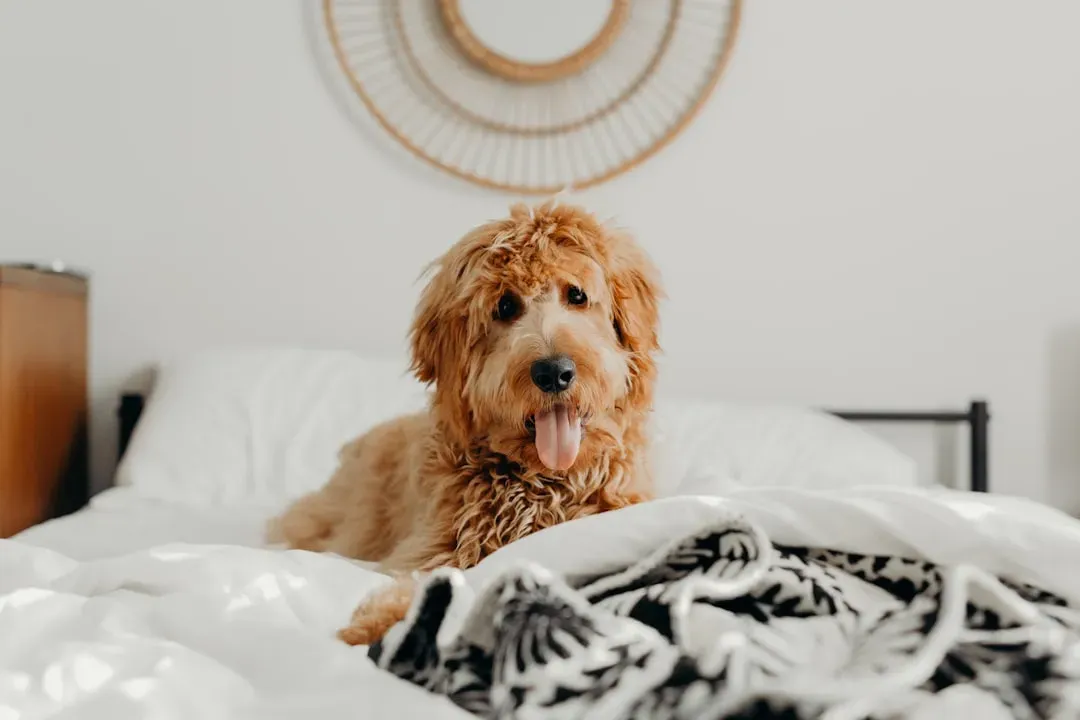
Your alarm doesn’t wake your dog. Your breathing does. The second you shift, sigh, or roll over, something in your dog’s brain flips like a switch: shift change. Sleep mode is officially over.
Owners love to say their dog “can tell time,” but what’s really happening is far more impressive – pattern recognition running quietly in the background, every single morning. That first rustle usually predicts food, attention, or a trip outside, so your dog files it away as the true start of the day. They know how many times you hit snooze. They know whether rolling over means more sleep or means business. Change your wake-up time suddenly, and don’t be surprised if they pace, whine, or just stare at you – their internal clock now says something is wrong.
Fast Facts
- Dogs rely on light changes, hunger cues, and scent shifts to sense time passing, not clock-reading.
- A dog’s first wake-up cue often comes from your breathing or shifting weight before any sound.
- Sudden schedule changes can trigger pacing or whining within minutes of the usual wake time.
- Consistent wake times tend to produce calmer, less anxious morning behaviour overall.
#12 – Your Bathroom Routine (Yes, That One)

It feels random when your dog trails you into the bathroom every single time. It isn’t. Dogs quietly pair that closed door and short disappearance with one of two outcomes: you’re about to leave the house, or you’re about to start the day “for real.”
If you shower and get dressed, many dogs brace for separation before you’ve even said a word. If you shuffle out in pyjamas and collapse on the couch, they relax completely. That’s why dogs waiting outside the bathroom door often look visibly tense on work mornings, but stretch out and linger lazily on weekends. Behaviourists don’t see this as funny – they see it as a quiet rehearsal for separation anxiety, with your dog clocking the towel, the hairdryer, even the speed you’re walking.
#11 – The Sound of Your Coffee, Kettle, or First Drink
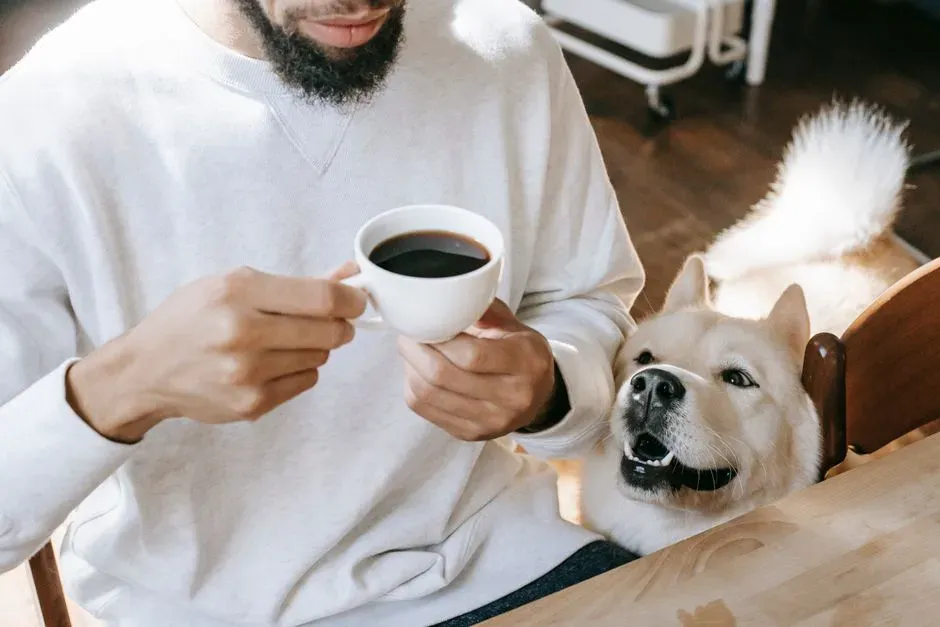
The grind of coffee beans. The kettle’s whistle. The clink of ice in a glass. To you, it’s just a drink. To your dog, it’s practically a starting gun.
Many dogs learn that nothing exciting truly begins until this ritual is finished, so they hover close but hold their energy back until the mug hits the table. They’re quietly tracking whether a slow coffee means extra cuddles are coming, or a rushed one means a work day is about to steal you away. Swap brands, switch to tea, change your whole morning drink – your dog will still adapt to the new pattern faster than you’d think possible.
#10 – Your “Leaving the House” Micro-Ritual
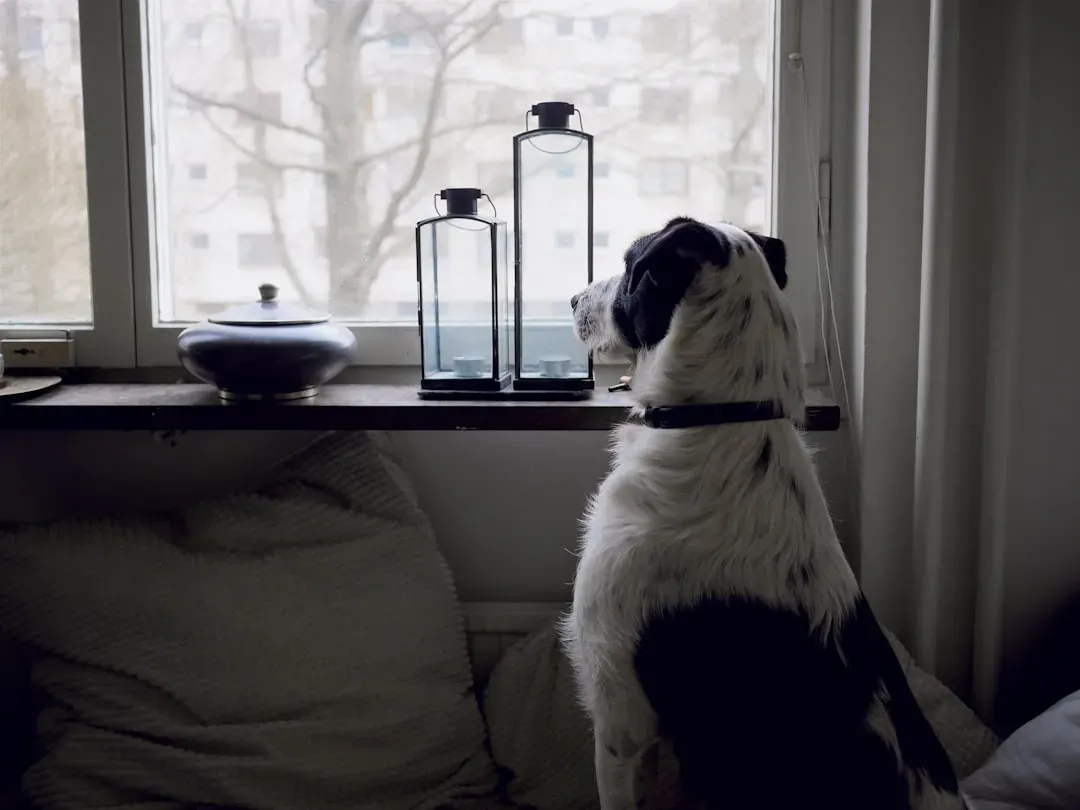
Most people assume their dog reacts to the front door opening. That’s not it at all. The door is just the final line of a script your dog has already memorised word for word.
Certain shoes. A specific jacket. The exact way you grab your bag or snatch up your keys. For many dogs, the anxiety actually starts ten or twenty minutes before you walk out, the moment that invisible sequence quietly begins. This is why some trainers say the biggest mistake owners make is turning departures into a dramatic goodbye – long eye contact, guilty apologies, an emotional send-off. Your dog doesn’t understand the words. They feel the spike in your energy, and it teaches them something is worth panicking about. A calm, boring exit teaches the opposite.
#9 – The First Second You Walk Back In
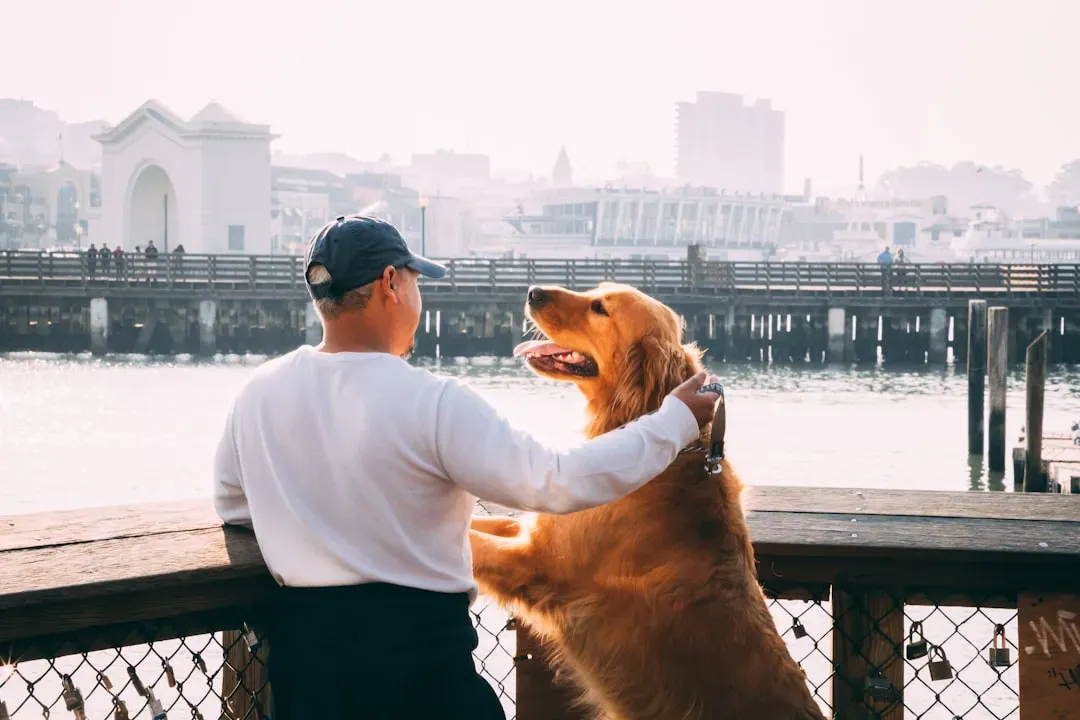
You think of walk-in time as joyful chaos. Your dog experiences it as a high-stakes test – and how you respond in that first second is quietly training their future behaviour.
If frantic jumping, spinning, and barking always get rewarded with squeals and hugs, you’re telling them, loud and clear: do this every single time. Your dog has already memorised how long you’re usually gone and whether you greet them instantly or only after dropping bags and kicking off shoes. Many behaviour experts now argue that over-the-top reunions are a subtle anxiety trap, spiking anticipation beforehand and crashing it right after. A calm “hey buddy” once you’re settled inside tends to build a far safer, steadier dog than a full red-carpet welcome ever will.
Quick Compare
- Calm greeting: Lower energy return, dog settles faster, less anticipation built up for next time.
- Big reunion: High excitement gets rewarded, so jumping and barking tend to escalate over time.
- Brief pause before contact: Waiting a few seconds for calm often reduces frantic greetings within days.
#8 – Your Phone-Scroll and “Ignore Mode” Time
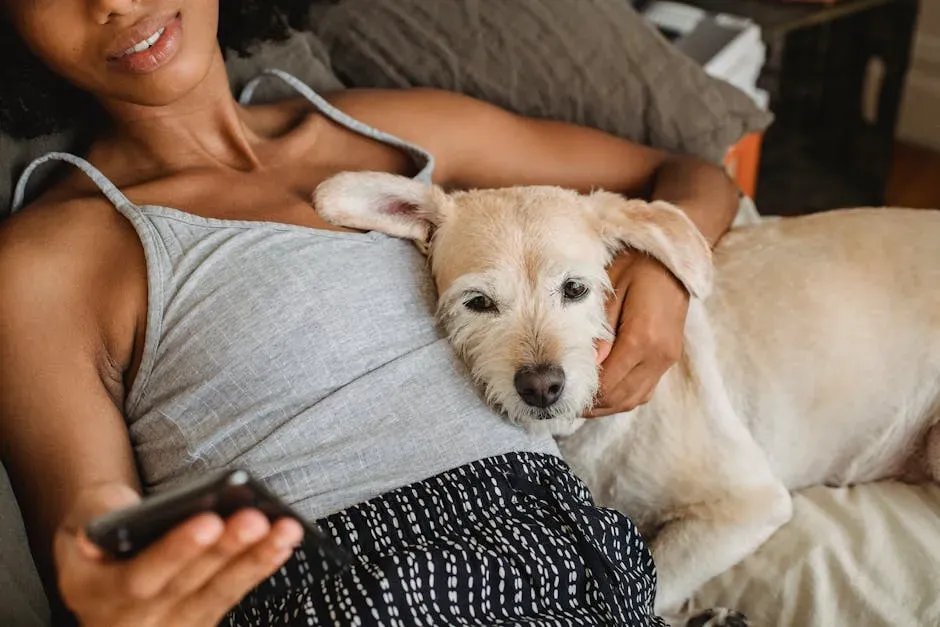
Most owners have no idea how closely their dog is watching when the phone comes out. Dogs are experts at reading body language, and the moment you slump, look down, and disappear into a screen, your dog quietly files you under “unavailable.”
This is often exactly when boredom-driven habits creep in – chewing, pacing, barking at windows for no obvious reason. Your dog knows roughly how long you usually vanish into your phone, and they know whether whining or pawing is enough to pull you back. Some trainers argue chronic phone time is a bigger behaviour problem than most owners admit, because it quietly erodes the small moments of connection your dog is counting on. A five-minute scroll is nothing. An hour every night, though? Your dog has that memorised, and they will adapt in ways you probably won’t love.
#7 – The Sacred Walk Slot (Down to the Minute)
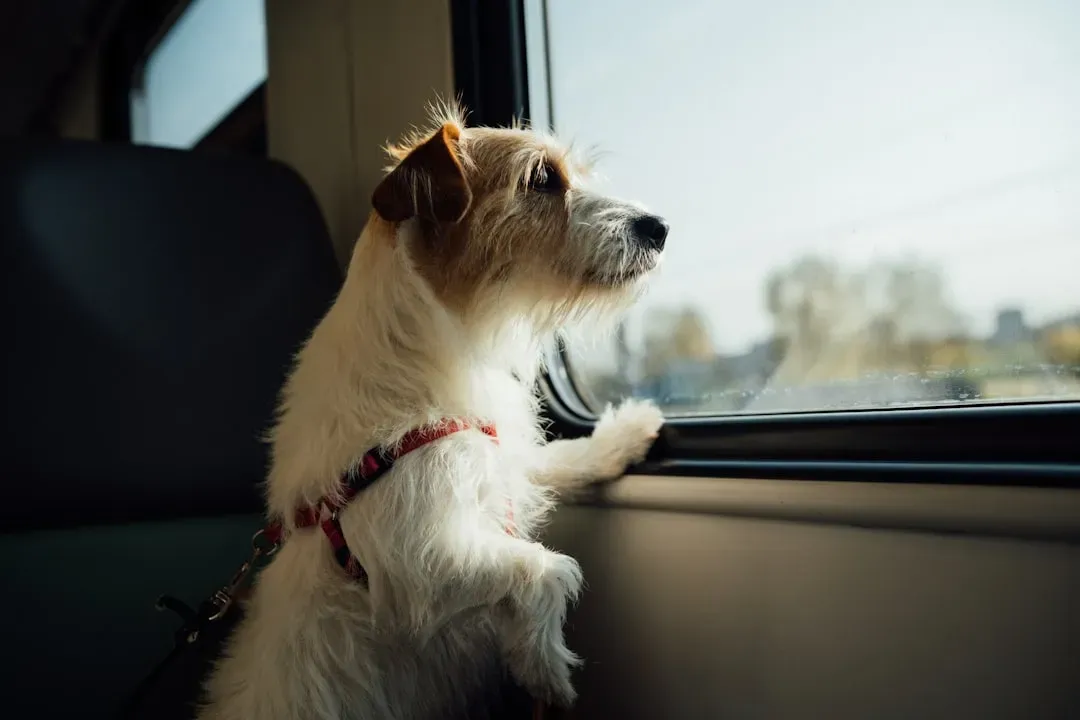
If you walk your dog around the same time every day, they aren’t sensing it – they’ve memorised it. Dogs are thought to use light, hunger cycles, and even shifting scents to track time passing, which is why that 5 p.m. leash grab isn’t magic. It’s clockwork.
This is exactly why they start staring, pacing, or getting vocal right before that window opens. They associate this slot with relief, adventure, new smells – and your mood, whether it’s rushed, relaxed, or irritated. Here’s the part most owners don’t want to hear: if you only ever stand up when your dog is bouncing off the walls and barking, you’ve taught them that acting wild is what earns a walk. Calmly waiting until they settle teaches a completely different lesson.
Worth Knowing
- Dogs are believed to track time using internal rhythms tied to daylight and hunger cues.
- Anticipatory pacing or staring often starts several minutes before a routine walk time begins.
- Standing up only when a dog is calm can quietly reshape which behaviours get reinforced.
#6 – The Food Prep Sounds and Smells
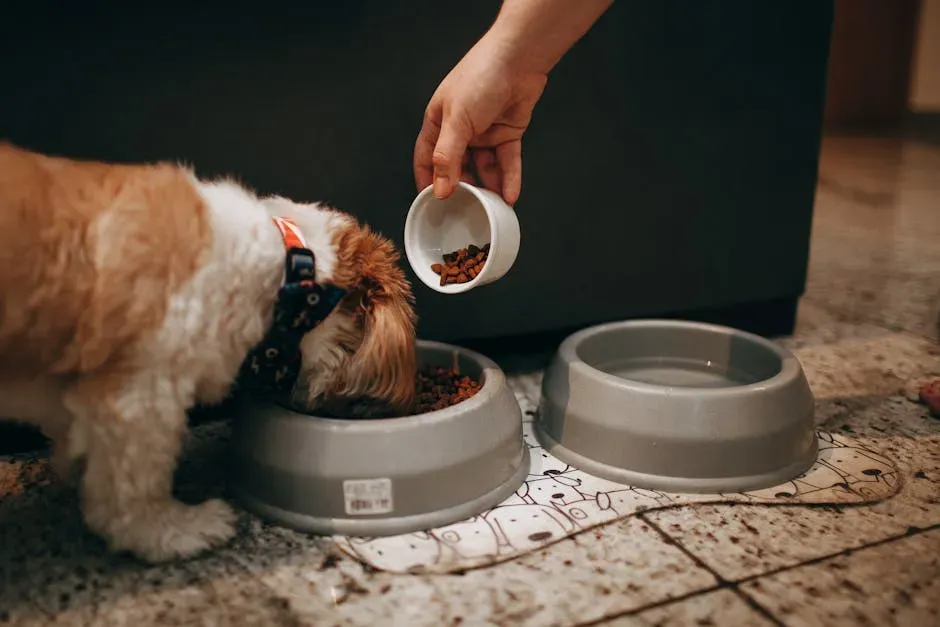
You might assume your dog’s excitement starts when the bowl hits the floor. It actually starts much earlier – the sound of kibble pouring, the fridge door creaking open, a can being cracked. Even the specific way you walk toward the feeding spot has become part of their mental script.
They’ve quietly logged the exact timing of meals, including how late you run on busy days, and whether you sometimes “forget” and then cave the moment they beg. This is exactly where food-obsessed, demand-barking behaviour is often born. Feeding at wildly different times or topping off the bowl after a guilt-stare teaches your dog that persistence always pays off. A consistent food ritual, on the other hand, tells them meals are guaranteed, not negotiable – and yes, they already know exactly which family member is the soft touch.
#5 – The “Just the Car” vs. “We’re Going Somewhere Fun” Difference
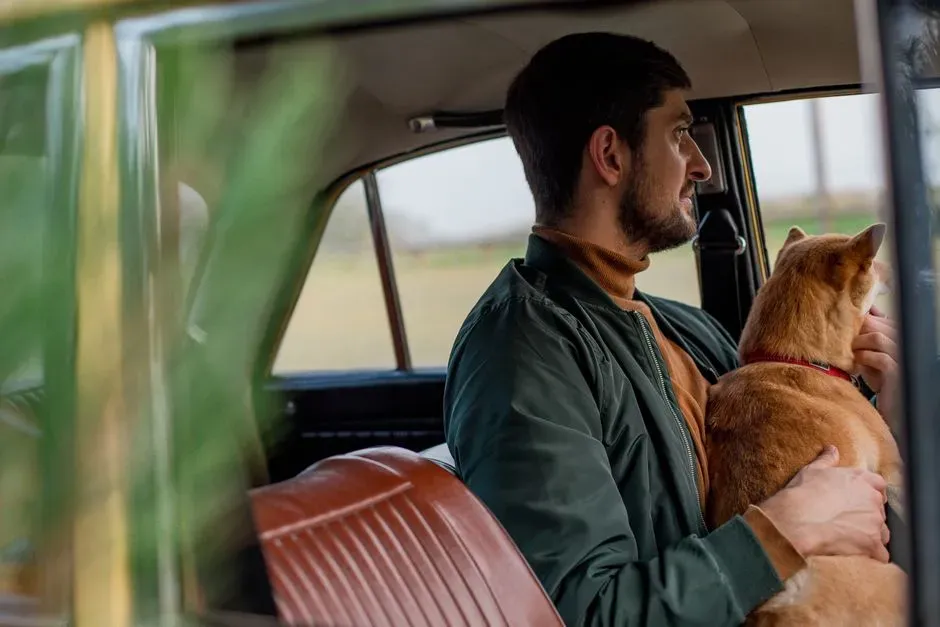
Here’s a detail most people completely miss: your dog doesn’t just memorise that you use the car, they memorise the entire context surrounding each type of trip. The pace you move at, the route to the car, even what you’re wearing – it all feeds a private prediction engine running in their head.
Vet trips follow a very different pre-car ritual than park trips, and your dog absolutely knows the difference. They track whether you’re calm and chatty, which usually means a fun outing, or tense and rushed, which often means the groomer or the vet. Some behaviourists argue that nervous car dogs aren’t scared of the car at all – they’re scared of what usually happens after. Mixing things up, like heading somewhere fun after a “serious” prep routine, can genuinely rewrite that fear over time.
#4 – Your Work Mode vs. Off-Duty Mode
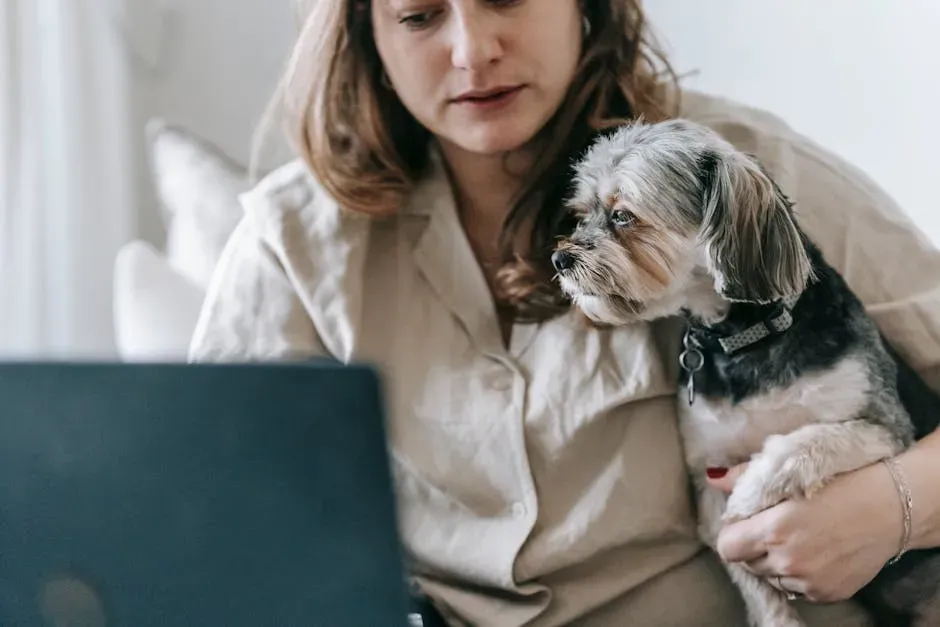
Your dog has no idea what your job title is, but they know exactly when you flip into work mode. Sitting at a desk, opening a laptop, sliding on a headset – these are enormous, deeply memorised signals that quietly say, “access denied for a while.”
Many dogs respond by sleeping more during these stretches, saving their energy for when you’re truly “back.” They’ve mapped how long your average work block usually runs, and which interruptions – the doorbell, a lunch break – give them a real shot at your attention. This is exactly why remote work has quietly stressed out so many dogs: you’re physically home, but psychologically gone. A short check-in, a clear settle cue, and a consistent end-of-work signal can turn a confusing all-day guessing game into rules your dog can actually relax into.
At a Glance
- Laptops, headsets, and desk postures act as strong “unavailable” signals for dogs.
- Many dogs sleep more during long work blocks to conserve their social energy.
- Doorbells and lunch breaks are quickly learned as reliable windows for attention.
- Remote work can confuse dogs because physical presence doesn’t always mean access.
#3 – Your Quiet Sad Moments (They Notice More Than You Think)
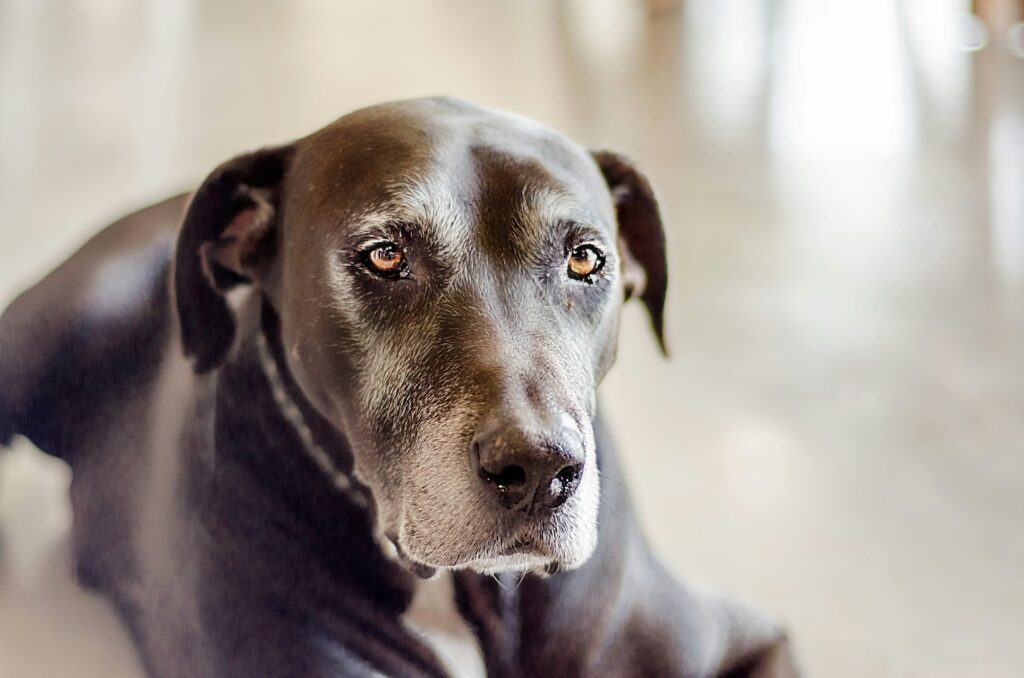
People love saying “my dog just knows when I’m sad,” and while we should be careful not to over-romanticise it, there’s real substance here. Dogs are remarkably sensitive to changes in your posture, voice, and even scent when you’re stressed or low, and they memorise how you behave on your worst days.
They notice that you move and speak differently when you cry. They notice when sad days mean cancelled walks, skipped play, or an early bedtime. Here’s the uncomfortable part: some dogs become anxious or clingy simply because they’ve learned to pair your emotional crashes with chaos – dropped routines, shifting rules, unpredictable energy. The more structure you can hold onto for them, even when you feel terrible, the safer they feel. Comfort and consistency aren’t opposites; they can exist side by side.
Dogs are not our whole life, but they make our lives whole.
Roger Caras
#2 – The Tiny Pre-Bed Rituals You Don’t Even Notice
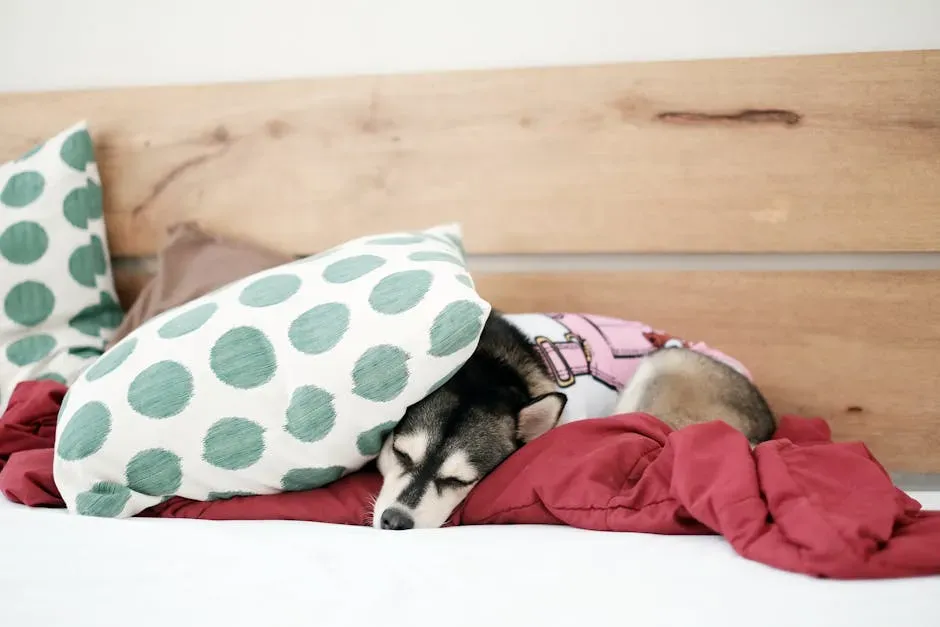
Your dog knows bedtime is coming long before you ever say the word. Turning off certain lights, brushing your teeth, closing the curtains, picking up the remote for the last time – these tiny, almost invisible actions are their official countdown to the longest separation of the day.
For some dogs, this stretch means peaceful sleep. For others, it’s the start of restlessness, pacing, or nighttime barking. They’ve memorised whether bedtime usually ends in cuddles or a closed door, and whether they’re allowed on the bed “sometimes” – which, according to many trainers, is the single most confusing answer you can give a dog. One night they’re invited up, the next they’re scolded for trying. A simple, repeatable routine – same phrase, same path, same sleeping spot – can dramatically calm night-time anxiety.
#1 – The Exact Moments You Actually Look Them in the Eyes
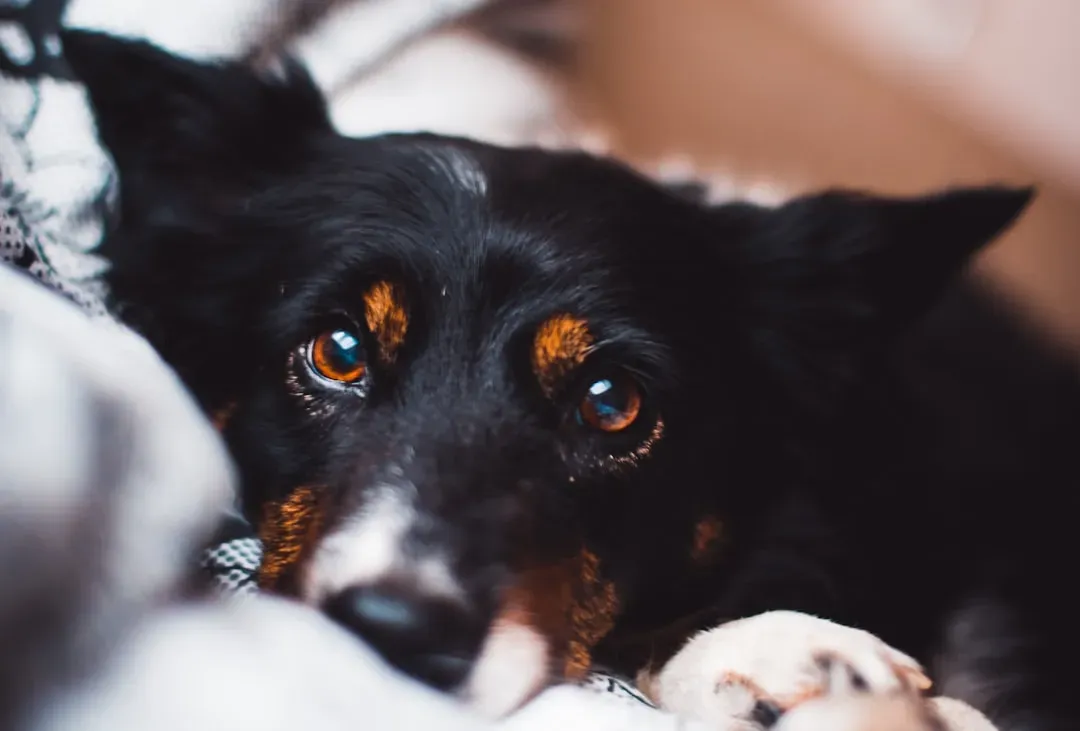
Out of everything in your entire day, this is the part your dog holds onto the tightest: the moment you genuinely, fully notice them. Eye contact. A soft voice. A hand resting on their chest. These are tiny, seconds-long interactions, and your dog waits for them, remembers them, and quietly counts on them.
They don’t care about the clock; they care about these small windows of real connection. They learn exactly when you’re most available – after dinner, before bed, right after work – and which behaviours reliably earn that precious attention, whether it’s calm sitting or wild, over-the-top antics. Here’s the quietly brutal truth: if the only guaranteed reaction they ever get from you is when they’re being naughty or overexcited, they will lean into that every time. Reward calm, soft approaches instead, consistently, and you rewire their entire strategy. Your dog has memorised the exact shape of your love, second by second. You get to decide whether to redraw it.
Your dog was never just reacting to “walk” and “food.” They’ve quietly mapped your entire life into a living, breathing schedule – the early-morning rustle, the coffee slump, the phone-scroll blackout, the exact second your eyes finally meet theirs.
Here’s my honest take: most of what gets labelled “bad dog behaviour” isn’t stubbornness or neediness at all. It’s a completely rational response to patterns we taught them without ever meaning to. The script is already written and rehearsed, over and over, whether we notice it or not.
The good news is that you’re holding the pen. Calmer exits, consistent mealtimes, a few deliberate seconds of eye contact – these tiny edits will reshape your dog’s emotional world far more than another expensive toy ever could. So, which part of your daily script do you think your dog has memorised the most? Did we miss one? Tell us in the comments.


