
Everyone wants the viral rescue dog moment – the tearful reunion, the tail-wagging transformation set to music. But real trust doesn’t announce itself like that. It shows up quietly, almost invisibly, in a dog choosing to turn its back to you in a room it used to case for exits.
Most owners miss these moments completely because they’re waiting for something bigger. The truth is stranger and slower: a formerly guarded dog doesn’t have one big breakthrough day. It has fourteen small ones, and each one is its own tiny act of rebellion against everything that taught it to stay braced. Here’s what long-time rescuers actually watch for.
#1 – They Finally Fall Asleep With Their Back Turned
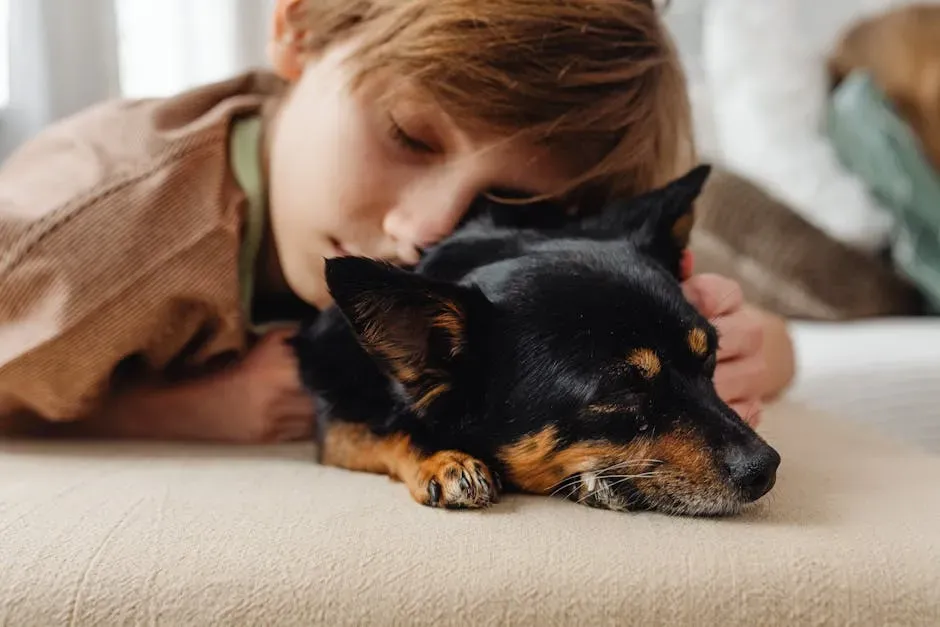
The first real surrender isn’t a tail wag. It’s a back. A truly guarded dog sleeps facing the room, eyes half-open, ready to bolt at the first wrong sound. When they choose to lie down with their back to you, they’re doing something dangerously vulnerable in dog language: trusting you not to hurt them when they literally can’t see it coming.
At first, you’ll only catch it for a few seconds – they curl up, turn slightly away, then flinch back to check on you. Over weeks, that moment stretches into whole naps. The real milestone is when it happens in a new room, at a new time of day, proof the trust isn’t tied to routine anymore. It’s just who they are now.
#2 – They Stop Needing Eyes On Every Move You Make
Guarded rescue dogs are little security cameras with fur. They track, follow, and stare – not out of clinginess, but because they’re constantly scanning for danger or abandonment. When that finally stops, owners often misread it as the dog suddenly caring less. It’s the opposite.
First they stay on the couch while you grab a drink. Then they stop bolting to the bathroom door when it clicks shut. One day you glance back down the hallway and they’re still in bed, unbothered. Two signs this stage has arrived:
- They lift their head to check on you, then calmly set it back down.
- They pick a “base camp” spot and actually stay there instead of shadowing your every step.
People love bragging about recall and tricks, but seasoned rescuers know the real flex: the day a dog chooses not to follow you is the day it finally believes you’ll come back.
#3 – They Eat Without Looking Over Their Shoulder
Food is survival, and survival dogs guard it even without a single growl. Many rescues eat fast, stiff, and only once you’re out of sight. When a dog starts eating slowly, with a loose body, ignoring noise behind them, that’s not “getting used to the kibble.” That’s an animal deciding the meal isn’t going anywhere.
Early on, you’ll notice a tense posture: tail tucked, feet splayed, head low, ears flicking at every creak in the house. Months later, that same dog will casually crunch, pause to sniff the air, maybe wander off and come back to finish. If they can eat while you open cabinets or walk behind them without flinching, that’s the real tell – they’re not just trusting the food, they’re trusting the hands that put it down.
#4 – They Allow The Second Pet Without Freezing
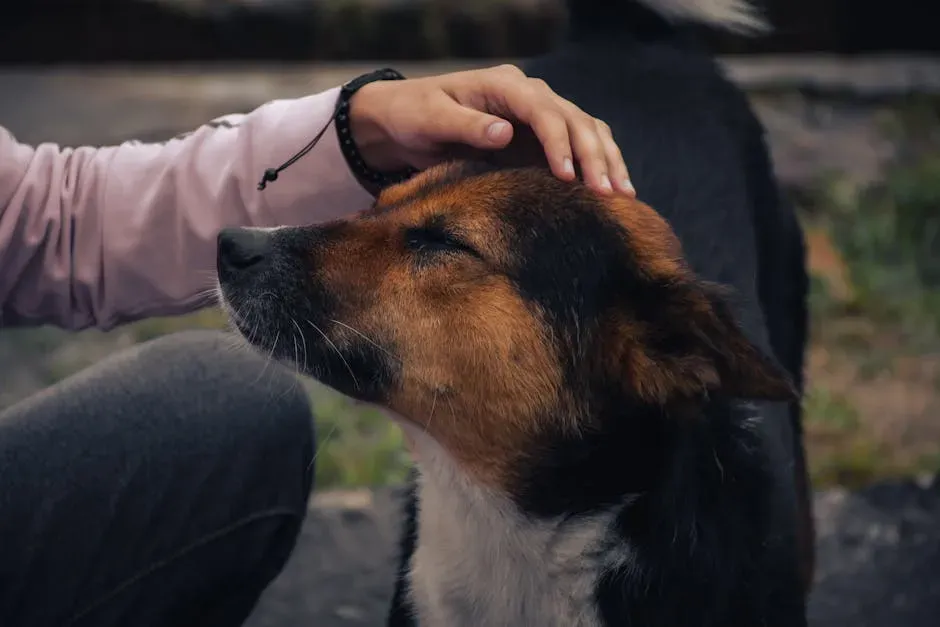
A lot of people celebrate the first time a rescue dog lets them touch its head. Honestly? That can still be pure survival mode – dogs learn fast that resistance makes things worse. The real surrender shows up on the second and third stroke, the moment they stop bracing for impact.
At first you’ll see them go stock-still: lips tight, eyes wide, body frozen like they’re holding their breath. As trust builds, that changes. You stroke once, then again, and instead of tensing they exhale – weight sinking into the bed, eyes softening, jaw unclenching. Many owners describe a specific “melting” moment when the dog leans its full body against their leg for the first time. That’s a decision that your hands are safe, even when the dog can’t predict your next move.
#5 – They Choose Curiosity Over Caution at the Door
The front door is a brutal emotional test. Guarded dogs treat it like a threat zone – shrinking away or exploding into frantic barking. When a rescue dog walks toward a new sound with a loose body and a curious sniff instead of a stiff, panicked one, it has quietly dropped a huge piece of self-protection.
Early reactions usually include bolting to another room at the doorbell, or rushing the doorway with fear-driven barking. Over time, the “door dance” softens. They trot over, tail at mid-height, sniff a little, no longer convinced every knock is a threat. Some will even glance back at you, silently asking, “Is this okay?” and adjusting based on your face. That’s not obedience. That’s teamwork.
#6 – They Take Their First Real Stretch in Front of You
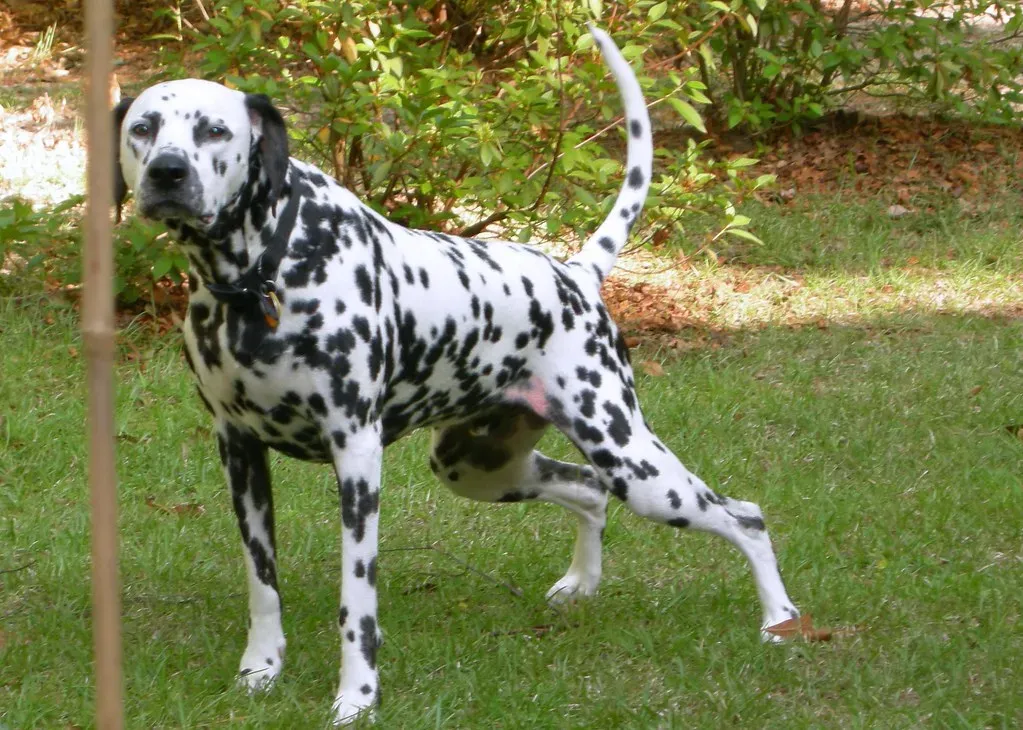
A deeply guarded dog moves in tight, efficient motions – quick get-ups, small steps, zero extra “fluff.” A long, luxurious, full-body stretch is completely unnecessary for survival. So when a rescue dog yawns, stretches, and exposes its belly while doing it, you’re watching an animal announce, “I’m safe enough to be a little ridiculous.”
At first, stretches are short and done facing away or hovering near a doorway, ready to flee at the smallest sound. Later, they go full yoga instructor: front legs out, hips high, deep tail wag, maybe a little groan of pleasure thrown in. Trainers call these “off-duty behaviors,” and they only show up once a dog stops feeling like it’s on guard duty around the clock.
#7 – They Stop Flinching at Everyday Human Noises
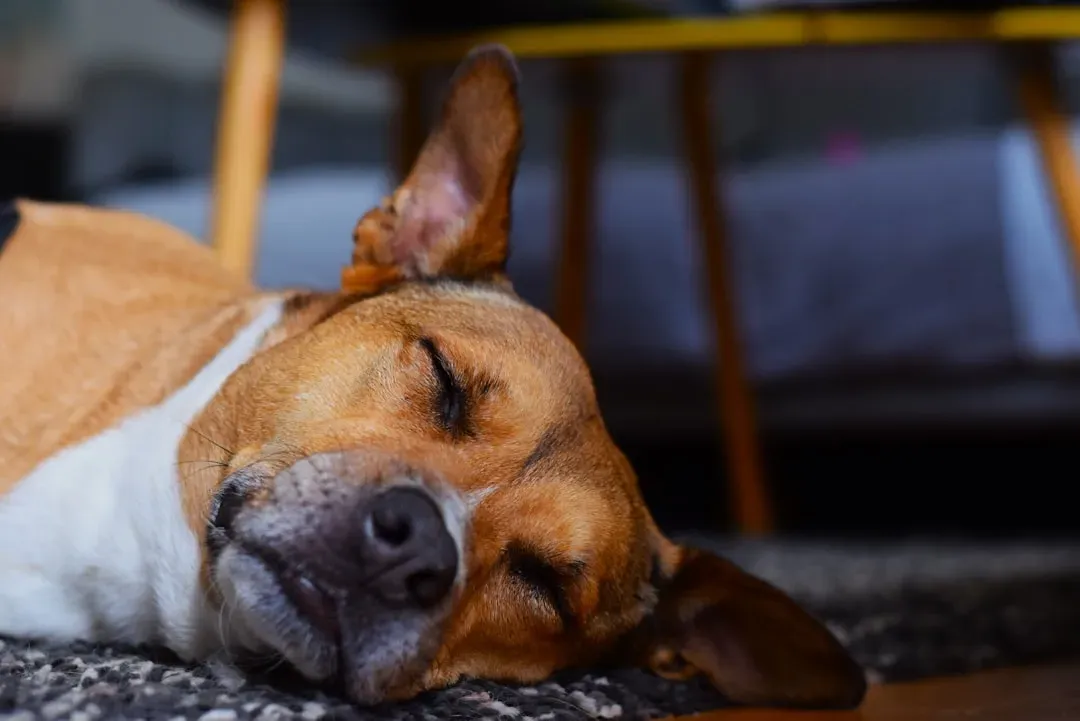
We underestimate how violent normal life sounds to a dog with a rough history. A slammed cabinet, a dropped spoon, a raised voice during the game – all of it can read as danger. When a rescue dog hears a sudden noise and chooses to look instead of duck or run, that’s not habituation. That’s a dog quietly rewriting its entire threat map.
In the beginning, it looks like full-body startles at minor sounds, or leaving the room the second voices get louder. As trust builds, the reactions shrink to a flicked ear or a glance up before returning straight to a toy or a nap. The real turning point is when they move toward you after a startling noise – as if you, not the exit, are their safest place. That calm response wasn’t handed to you. You earned it.
#8 – They Initiate Play Instead of Waiting for Permission
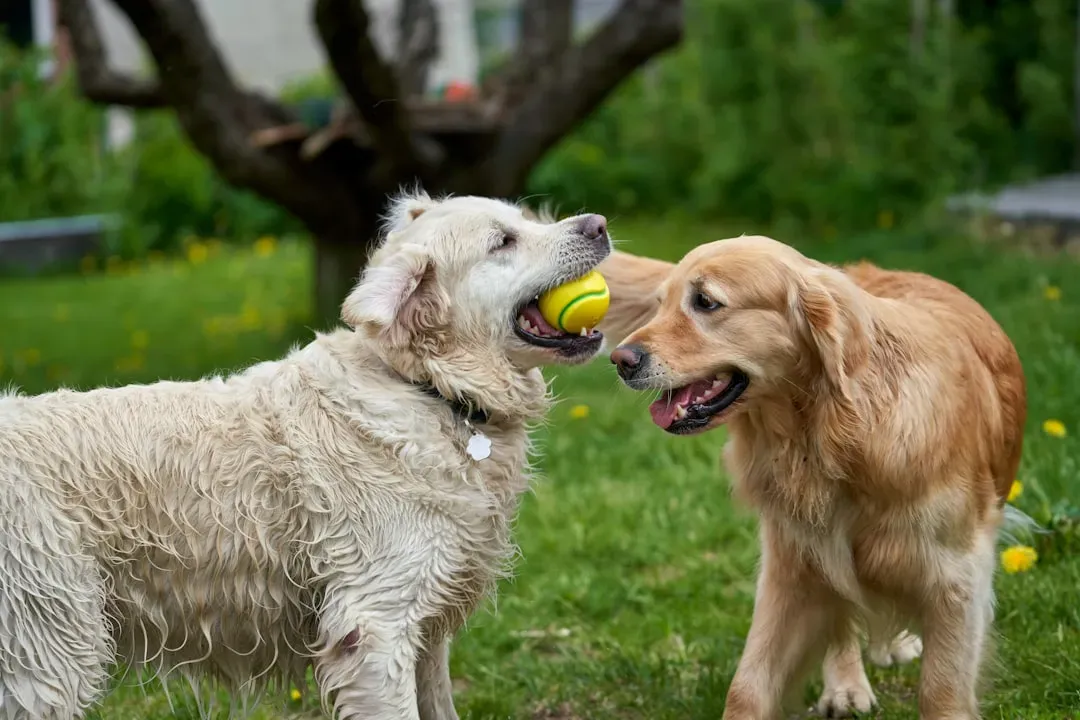
Play is a luxury behavior. Dogs who are shut down, scared, or hyper-vigilant rarely risk being silly first. When a rescue dog suddenly drops a toy in your lap, bows, or launches into a goofy zoomie for no reason, that’s a massive emotional reveal – they believe this home can hold their joy, not just their fear.
At first, they may only play alone, and only when the room is empty, freezing mid-shake with a toy like they got caught doing something wrong. Then one day the script flips completely:
- They nudge your hand with a ball.
- They bow with their butt in the air and eyes sparkling.
- They bark in that high, playful tone instead of the anxious one.
Some people dismiss this as “finally acting like a normal dog.” For a rescue, it’s closer to telling you their favorite joke.
#9 – They Choose a Safe Spot That Isn’t a Hiding Place
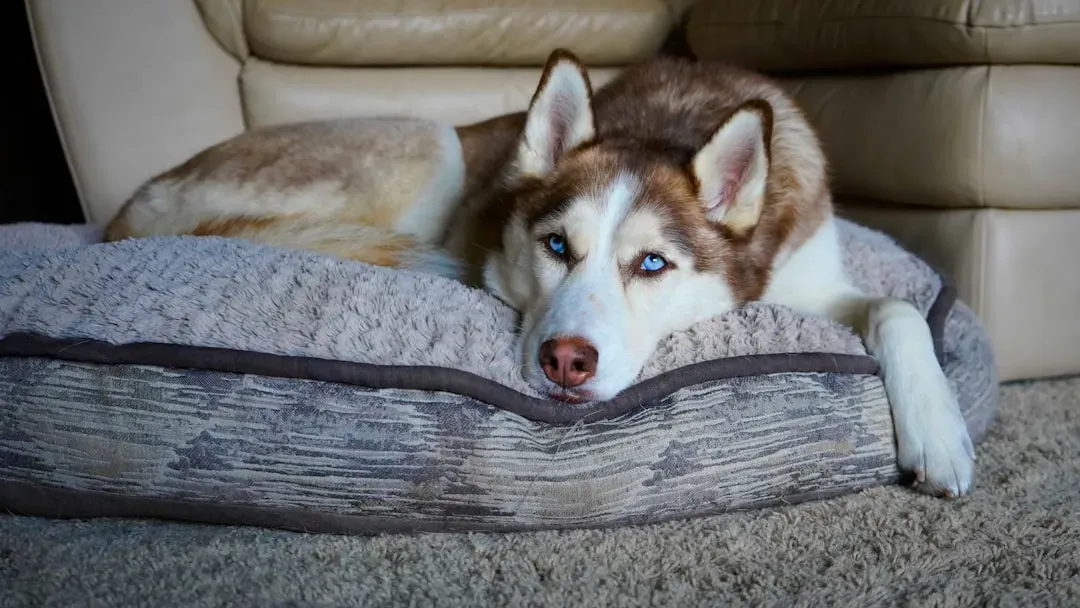
Early on, rescue dogs pick locations based on escape routes – behind furniture, under tables, the back of a closet. That’s survival architecture. The real shift comes when they choose a safe spot that’s visible and central: a dog bed in the living room, a blanket by the couch, the foot of your bed.
At first they cling to doorways and corners where they can watch every move, sometimes wedging into odd bunker-like spaces owners mistake for “cozy preferences.” Later, the blueprint changes entirely. They stretch out in open spaces, on their side, belly partially exposed, snoring through movies instead of disappearing. That new spot isn’t about comfort – it’s a trust declaration. They no longer need walls at their back, because they believe you’re the wall now.
#10 – They Accept Gentle Frustration Without Shutting Down
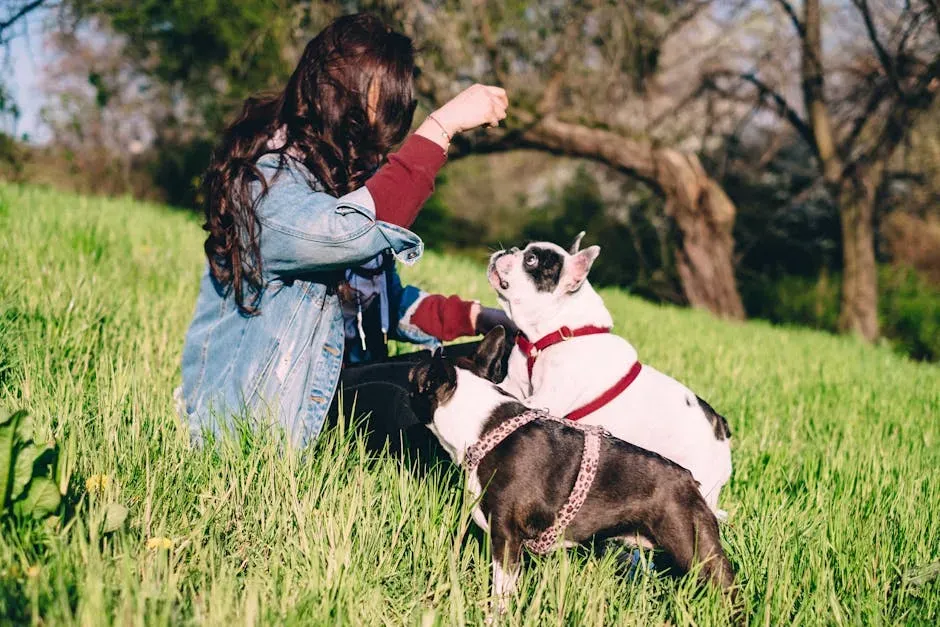
Most people only clock the obvious fear – trembling, hiding, snarling. A more advanced milestone is when a dog can hear “no,” wait for dinner, or get moved off the couch without emotionally collapsing. It sounds small, but a dog that can tolerate tiny disappointments around you feels fundamentally safer than one walking on eggshells.
In the early days, any boundary can trigger instant shutdown – tail tucked, ears back, no eye contact – or the opposite, frantic barking and spinning. As trust grows, the reactions shrink. You guide them off the furniture and they hop down with a sigh instead of a flinch. You delay a walk five minutes and they pace, then settle, then come right back to you afterward instead of avoiding you. That return is the real proof: minor conflict with you no longer feels like danger.
#11 – They Start Sleeping Through the Night (And So Do You)

Many rescue guardians quietly struggle with broken sleep – pacing nails at 2 a.m., sudden barking at phantom sounds, a dog checking every door and window like a night guard. When that same dog finally sleeps deep and long, breathing slow and heavy, maybe even twitching through a dream, it’s a massive nervous system surrender.
In the guarded phase, expect multiple position changes an hour, startling awake at tiny noises, or refusing to settle unless every exit is visible. Months later, there’s a new rhythm – they pick a spot and stay, paws paddling through REM sleep, soft grumbles escaping mid-dream. Some people call this “getting lazy.” Experienced rescuers know better: a dog that can afford deep sleep is a dog that finally believes no one will hurt it while it dreams.
#12 – They Offer Their Belly Without Bracing
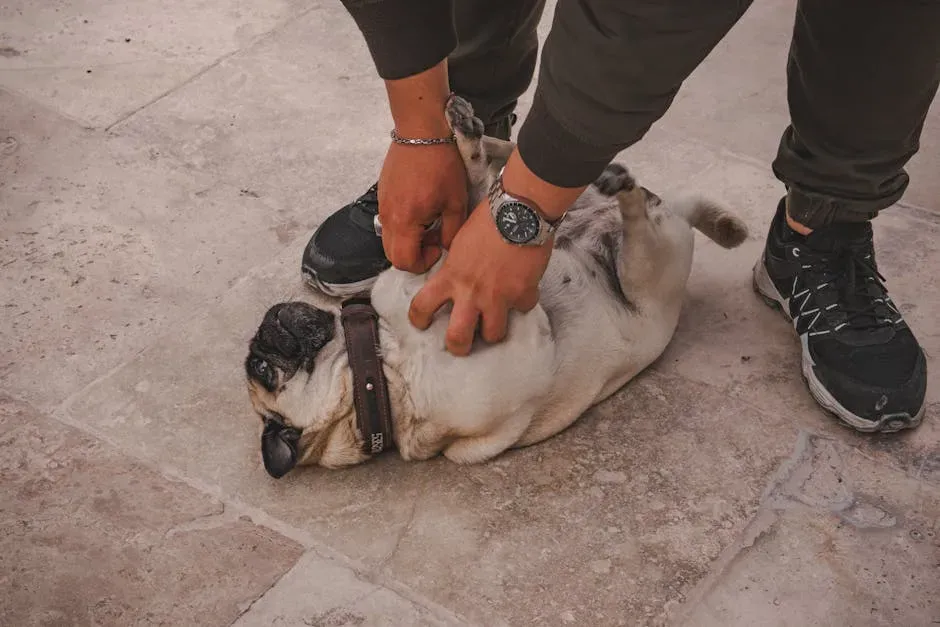
Belly rubs get romanticized to the point of confusion. Many fearful dogs roll onto their backs as appeasement, not invitation – a silent “see, I’m no threat, don’t hurt me.” The real surrender shows up in the muscles, the eyes, and what happens after the roll.
In the early appeasement version, expect a tight belly, stiff legs, darting eyes, fast shallow breathing with no real exhale. Later, the script flips – they flop upside down on the couch, chest open, eyes soft and half-closed, pushing into your hand and maybe grunting with contentment. Not every dog loves belly rubs, and that’s fine. The key isn’t the pose – it’s the choice to be vulnerable and actually relax there.
#13 – They Trust You to Handle Their Fear Triggers
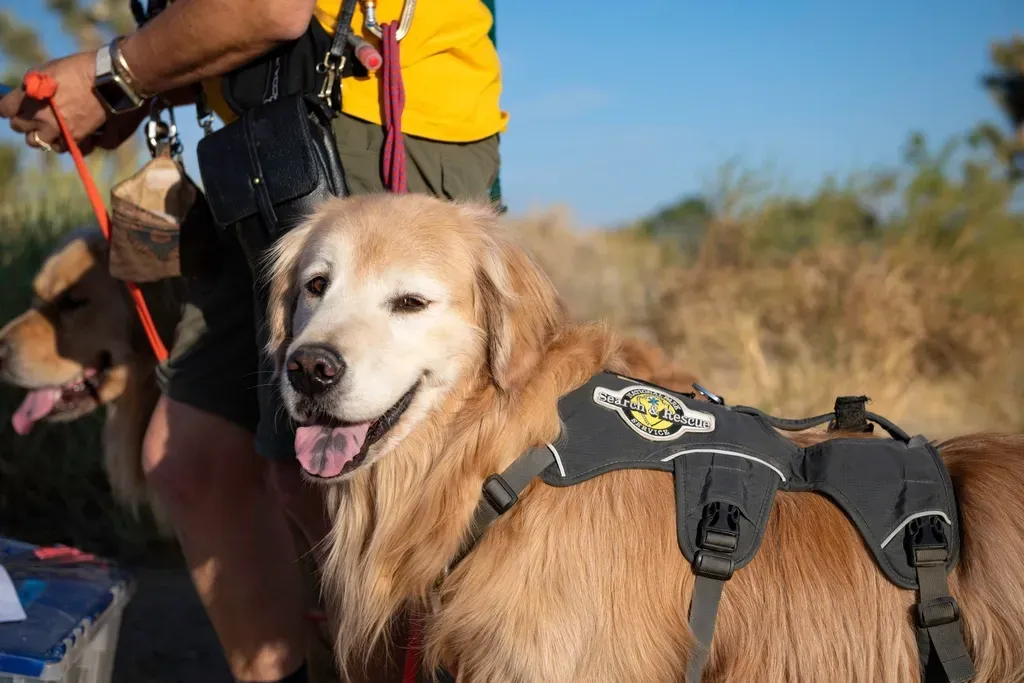
Guarded dogs don’t just fear things – they fear being alone with those fears. When a rescue dog hears thunder, sees a stranger, or meets a trigger and looks to you for direction instead of spiraling, that’s a mature, hard-earned surrender.
Early on, fear triggers cause bolting, hiding, full freezes with glassy eyes, or explosive lunging and spinning. Over time, with calm and consistent handling, you’ll see them check in instead – a quick glance, a step closer, a lean against your leg. Some will press their whole body into yours during a storm, choosing you as shelter over the back of the closet. This isn’t about fixing every fear; many rescues will always carry sensitivities. The surrender is in the partnership – they’ve decided you’ll handle the scary thing, so they don’t have to face it alone.
#14 – They Stop Performing Gratitude and Just Exist
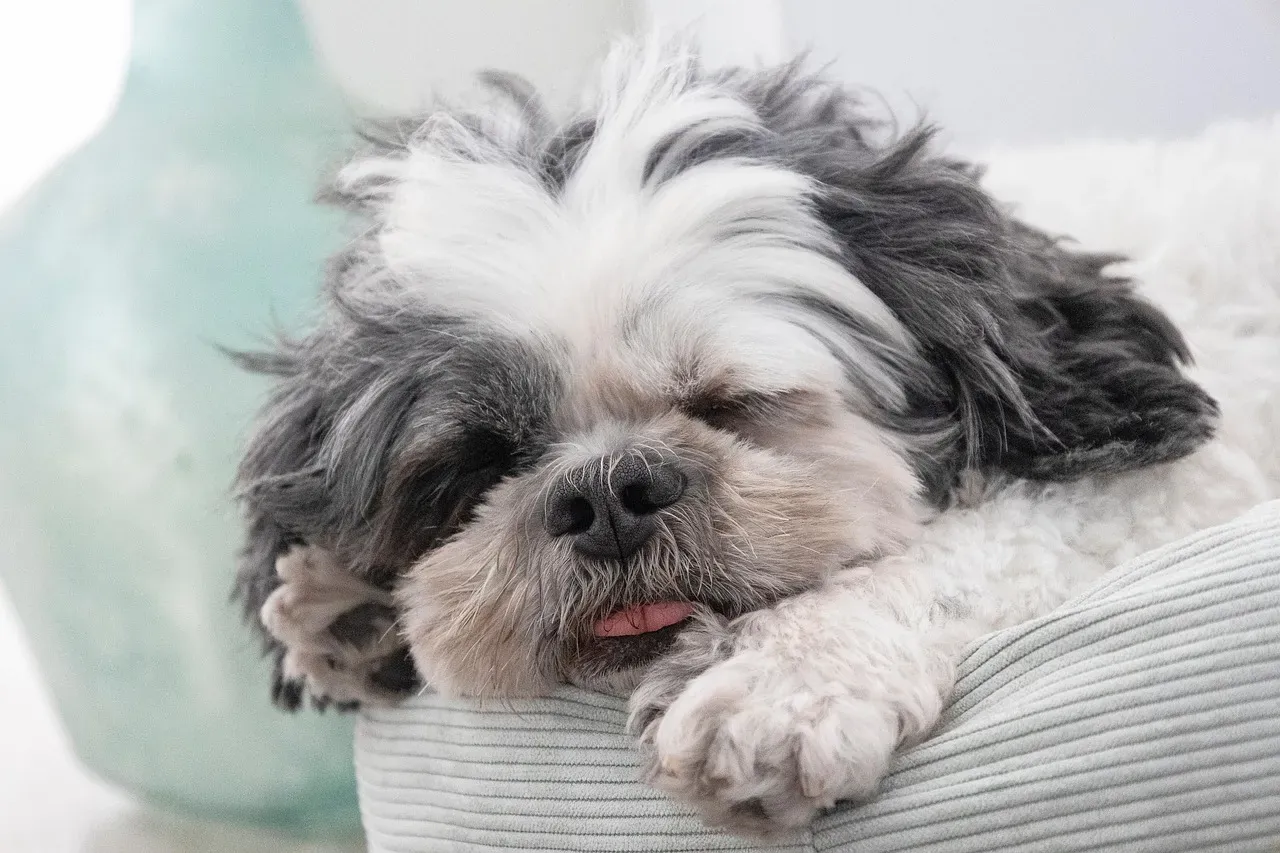
Here’s the uncomfortable one: the deepest surrender happens when your rescue stops acting like a rescue. No more desperate clinginess, no more flinching at your moods, no more overcompensating with “perfect” behavior. They just live – needy sometimes, bratty sometimes, indifferent sometimes – like any securely attached dog.
At first, many rescues seem almost too good: quiet, polite, hyper-attuned to your every move, and people love to brag about how “grateful” they are. In reality, that’s often fear wearing a nice outfit, a dog reading you constantly to avoid trouble. The real milestone is when they feel safe enough to ignore you and nap in another room, bark at you for being late with dinner, push a boundary and then come right back for cuddles. Some call this losing respect. Long-time rescuers call it the final wall coming down.
The Bottom Line
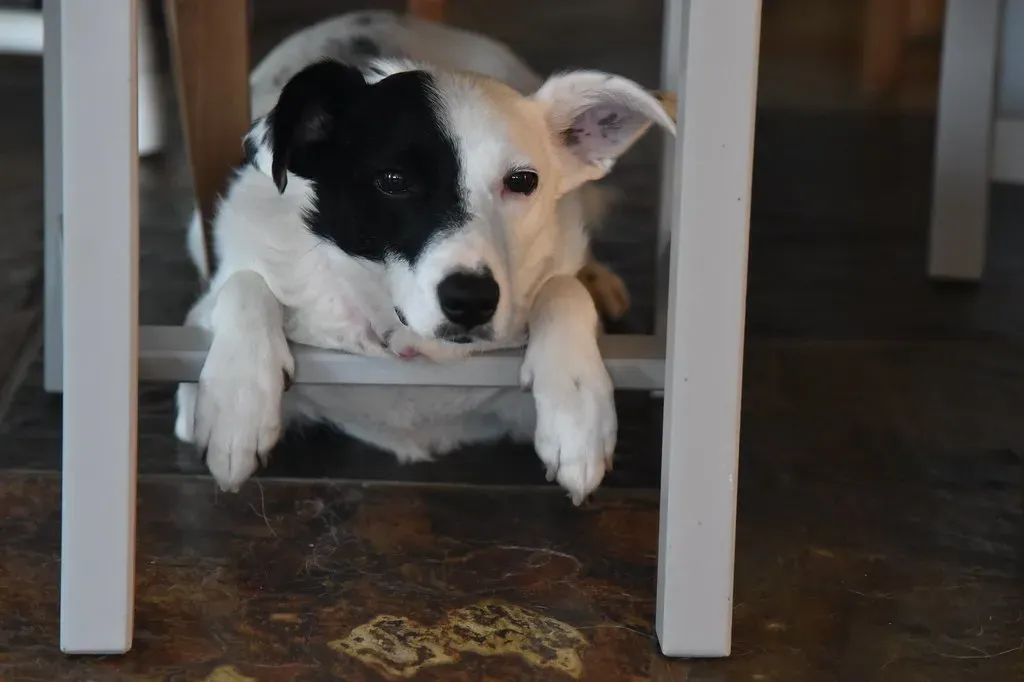
Rescue dog transformations don’t happen in viral before-and-after photos. They happen in tiny, unglamorous surrenders – the first back-turned nap, the first full-body stretch, the first sigh when “not yet” doesn’t mean “never again.”
Each of these fourteen shifts is a receipt, proof that safety has soaked in deeper than obedience ever could. Too many people adopt chasing instant gratitude and instant loyalty, then miss the real miracles because they look too small to count. Notice these quiet changes, protect them, and you’re not just giving a dog a home – you’re rebuilding its entire idea of what the world is allowed to be.


