
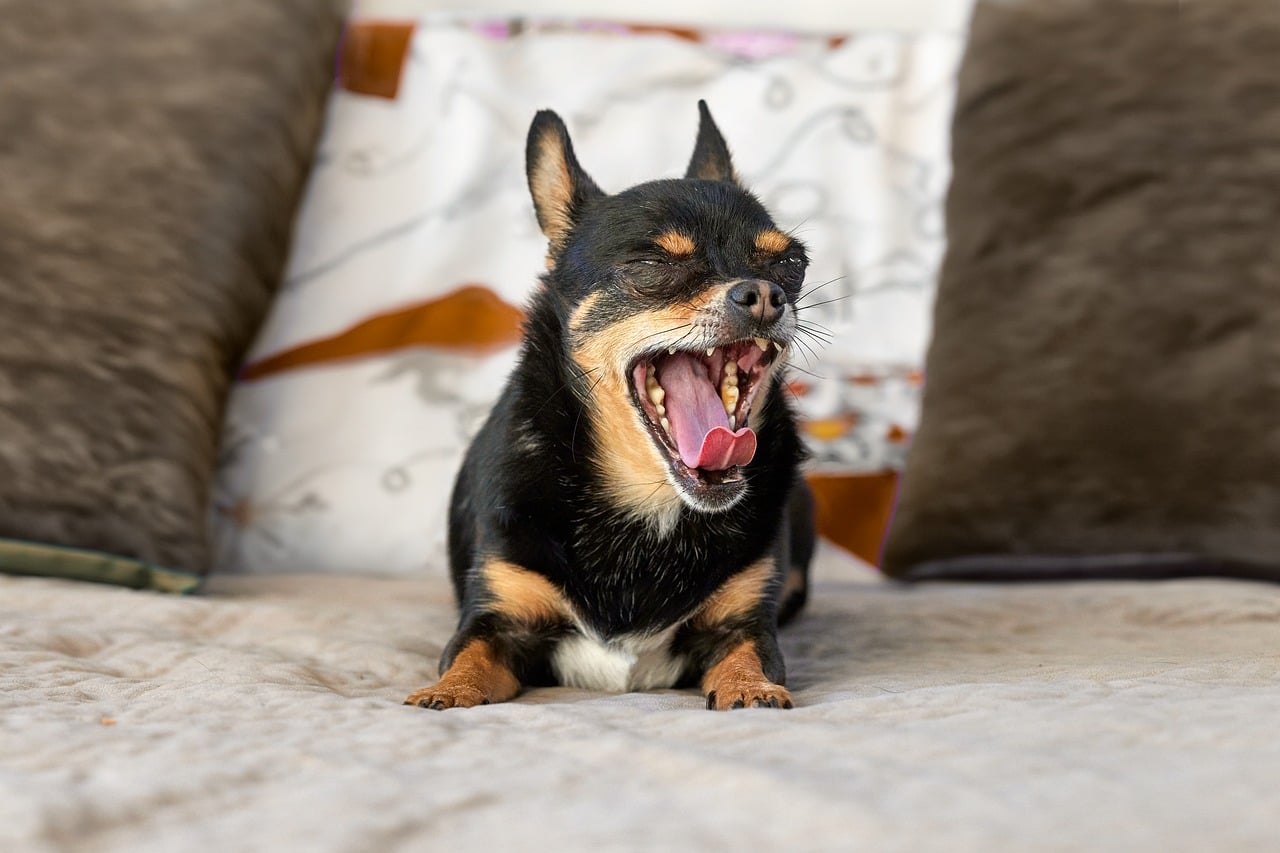
You know that moment when you’re frustrated, your voice gets sharper than you meant it to, and your dog just… yawns? It can feel almost insulting, like they’re bored or tuning you out in the middle of a serious moment. But what if that huge, slow yawn is not disrespect at all, but your dog’s way of saying: this is getting intense, and I’m trying to calm things down?
Modern research on canine body language is painting a very different picture of behaviors we used to dismiss as laziness or stubbornness. Yawning, in particular, has emerged as one of the clearest “calming signals” dogs use during conflict, tension, or confusion. Once you understand what is really happening, that yawn stops feeling like a snub and starts looking like an emotional lifeline your dog is quietly throwing into the space between you.
Why Your Dog’s “Rude” Yawn Is Actually a Calming Signal
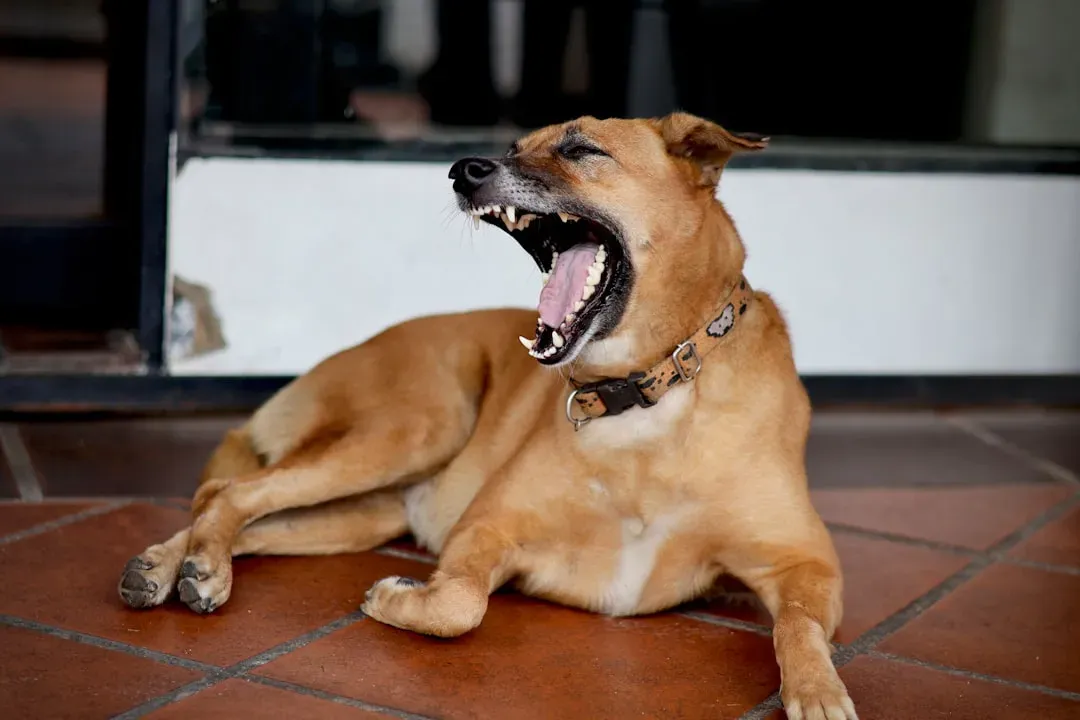
It is surprisingly common for people to assume that a dog’s yawn during scolding is a kind of attitude, the canine version of rolling their eyes. In reality, studies of dog body language and stress responses show that yawning is strongly associated with rising arousal, nervousness, or tension, not boredom. That slow, wide yawn usually appears alongside other subtle signs like lip licking, turning the head away, or shifting weight.
Many trainers and behavior experts now group yawning under what are often called calming or appeasement signals. The idea is simple: when social tension goes up, dogs lean on a built-in set of gestures that communicate, in dog language, that they are not a threat and they want the situation to cool down. From your dog’s perspective, that big yawn in the middle of your raised voice is not disrespectful; it is a peace offering.
The Science: Yawning, Stress, and Emotional Contagion
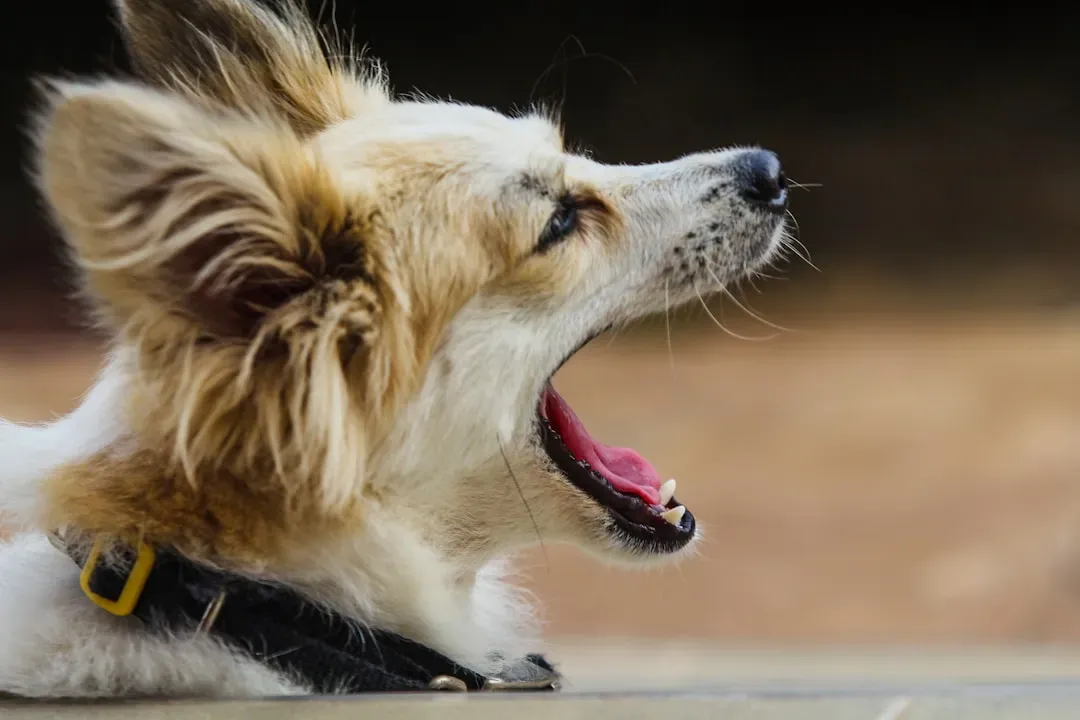
Researchers have linked yawning in dogs to stress-related changes in the body, including elevated arousal and the activation of systems involved in coping with social pressure. Dogs are known to yawn more in environments that are new, confusing, or mildly uncomfortable, like vet waiting rooms, noisy streets, or training classes where they are unsure what is being asked. This fits with the idea that yawning is part of a self-regulation toolkit rather than a sign of laziness.
There is also evidence that dogs sometimes yawn in response to human emotional cues, such as tense tones or conflict, which hints at emotional contagion between species. In other words, your stress does not just bounce off your dog; they feel it and their body responds. That yawn might be a way for their nervous system to downshift, dampening the surge of tension they are picking up from your raised voice so the interaction does not spiral further.
How Dogs Try to De-Escalate: The Bigger Body-Language Picture
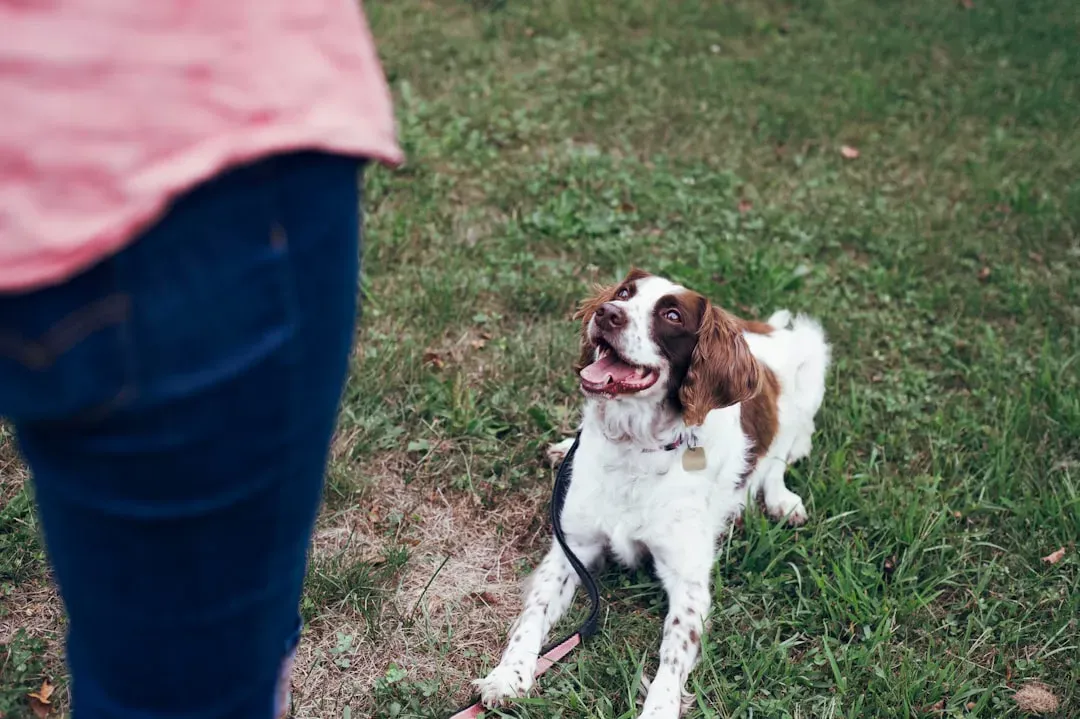
Yawning rarely appears alone. Watch more closely and you will often see your dog layering other behaviors around it: averting their gaze, turning their head or body slightly away, licking their lips, sniffing the floor, or doing a little shake-off as if they just got out of water. Taken together, these create a soft, non-threatening profile that dogs tend to use when they sense friction or feel unsure.
This cluster of signals functions a bit like a social dimmer switch. Instead of pushing back or escalating, your dog is trying to soften the entire moment. They are saying, in their language, that they are uncomfortable, that they do not want a fight, and that they hope things can settle. When humans misread these attempts and only escalate further, the dog can eventually run out of subtle options and swing to shutdown, avoidance, or in more serious cases, defensive behavior.
What Your Raised Voice Feels Like From Your Dog’s Perspective
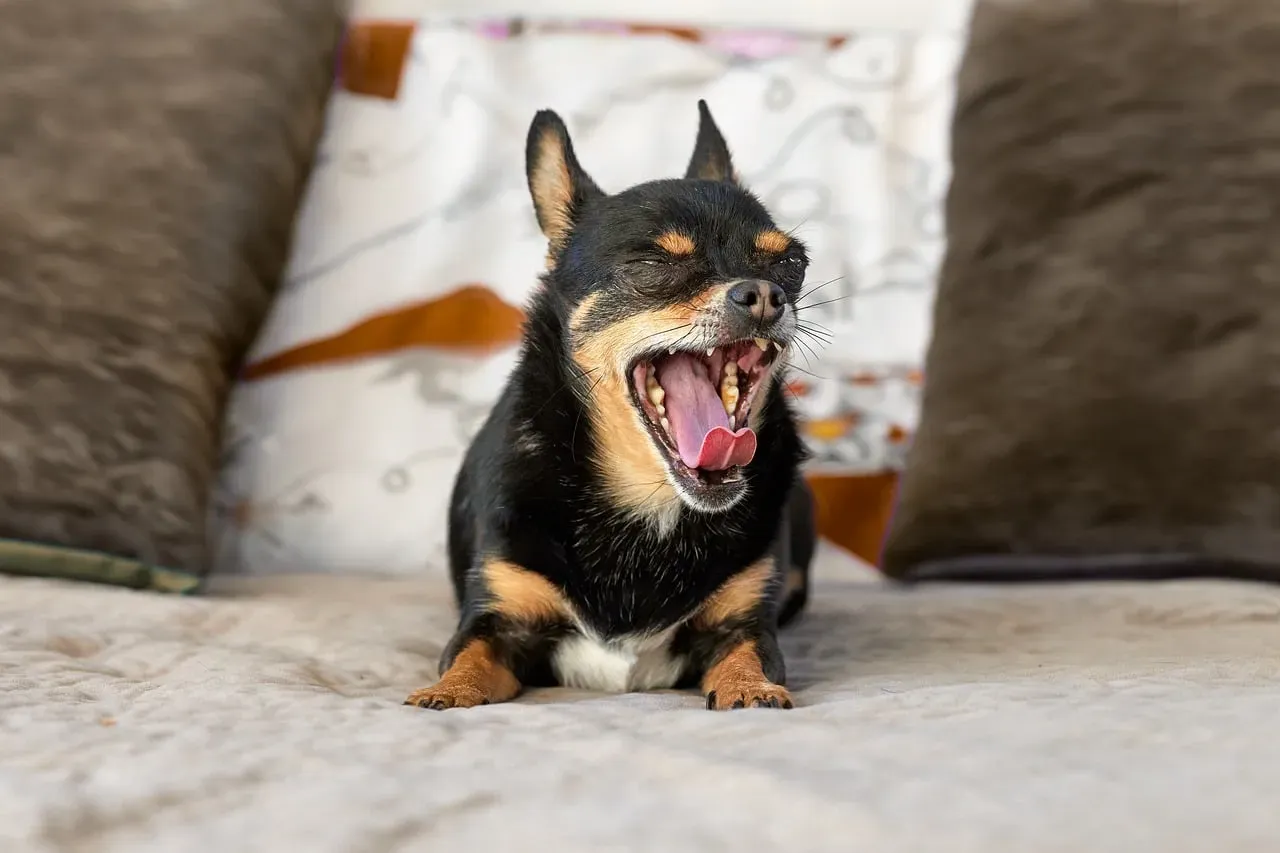
Most people underestimate how intense human voices are to dogs. They hear higher frequencies, pick up emotional tone more acutely, and are constantly reading us for cues about safety. When your voice suddenly spikes, even if your words are not rage-filled, your dog’s nervous system often treats it as a possible threat or at least a serious social correction.
Imagine sharing a home with someone who is much bigger than you, whose language you only half understand, and who occasionally explodes into loud, sharp sounds. You would probably get very good at reading their face, posture, and tone for early warning signs. Your dog is doing the same, and the yawn you see might be their automatic way of trying to soothe themselves and show that they are not trying to challenge you, even if they do not fully grasp what you are upset about.
Misunderstood Signals: From “Disrespect” to Emotional Intelligence

Labeling a dog as dismissive or manipulative because they yawn during conflict says more about human frustration than about the dog’s actual intention. From an ethology and behavior standpoint, what they are doing is closer to emotional intelligence than defiance. They are sensing tension, feeling their own stress rise, and reaching for behaviors that have evolved to calm social situations in their own species.
When we flip our interpretation, yawning starts to look like an incredibly gentle response: instead of barking back, growling, or bolting away, your dog is staying there and trying to keep things from getting worse. They are not shutting you down; they are attempting to keep the relationship intact under pressure. It is almost ironic that one of the kindest conflict-management tools in your dog’s body-language library is so often taken as disrespect.
How to Respond When Your Dog Yawns During a Tense Moment
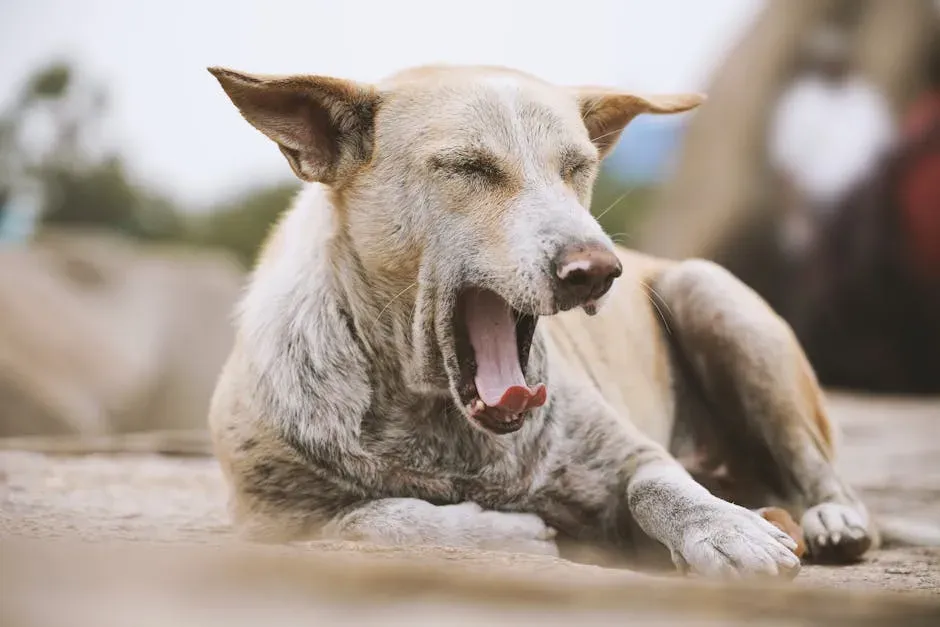
The most powerful shift you can make is to treat that yawn as a yellow light instead of a slap in the face. If you notice your dog yawning, lip licking, or turning away while you are correcting them, see it as a sign that the emotional temperature is too high. Lower your voice, soften your body, and maybe even pause the interaction for a few seconds to let both of you reset before continuing.
From there, lean on clearer, calmer communication rather than volume. Reward what you want instead of only reacting to what you do not want, and try to teach in small, winnable steps so your dog does not have to constantly resort to stress signals. Over time, you will probably notice fewer “conflict yawns” because there is less conflict for your dog to manage in the first place, and more predictable, safe structure instead.
Building a Stronger Bond by Learning Your Dog’s Stress Language

Once you start spotting yawns, shake-offs, and subtle head-turns as early indicators of strain, you gain a kind of emotional map of your dog. That map lets you step in before things go off the rails. You can adjust the training exercise that is too hard, move further from a trigger on a walk, or simply slow down and breathe when you see those calming signals appear.
This is where the relationship deepens. Instead of forcing your dog to cope silently with whatever energy you bring into the room, you are meeting them halfway. You are saying, in effect, that their quiet ways of asking for de-escalation matter to you. That is not just good training; it is a form of respect that tends to come back to you in the form of trust, cooperation, and a dog who feels safer being fully themselves around you.
Opinionated Conclusion: Your Dog Is Not Challenging You – They Are Protecting the Relationship
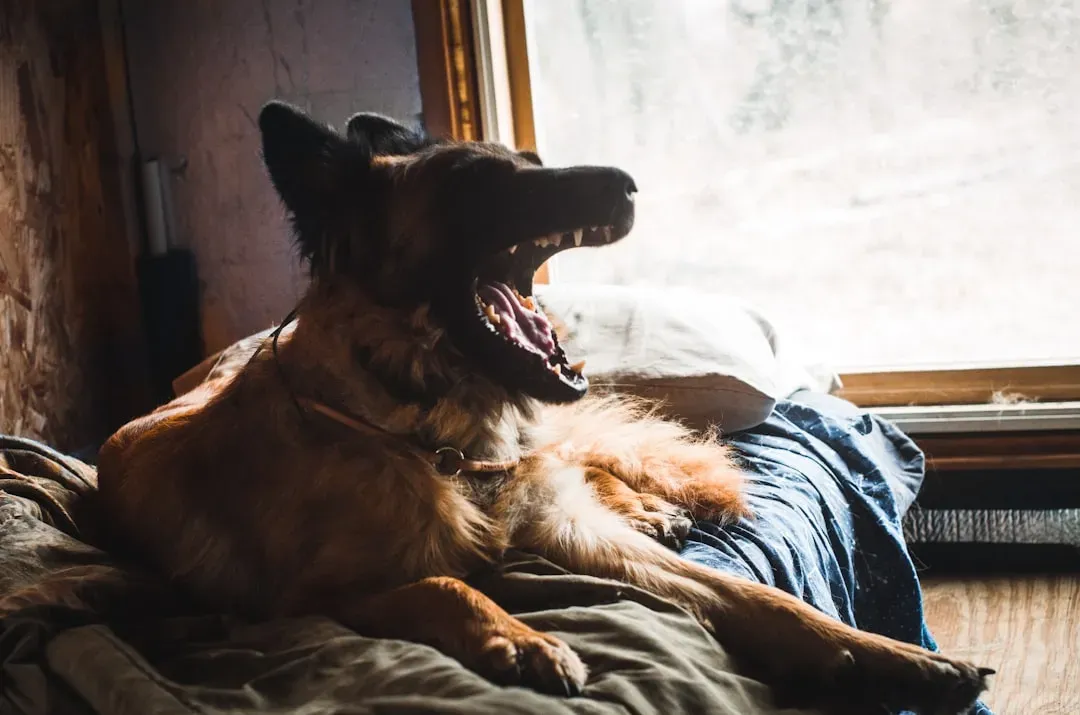
In my view, once you understand what science and observation say about yawning as a stress-reduction and de-escalation signal, it becomes very hard to keep seeing it as defiance. Your dog is not mocking you when they yawn after you raise your voice; they are bracing, soothing, and trying to keep the interaction from curdling into something more frightening. If anything, that is a level of social grace many humans struggle to reach in their own conflicts.
So the next time your dog lets out a big, inconvenient yawn in the middle of a tense moment, take it as a cue to check yourself, not a reason to double down. There is something humbling about realizing that the smaller, fur-covered member of the family might be the one trying to keep the peace. Maybe that is the real lesson here: if our dogs can reach for calming signals when things heat up, what excuse do we have for not doing the same?


