
Most people think a wagging tail is peak dog affection. It isn’t even close.
Dogs actually run a quiet, private language of tiny rituals – habits so small most owners scroll right past them without ever clocking what just happened. Some look random. A few even look a little annoying. But dog behaviorists say these micro-moments carry more emotional weight than any bark, lick, or full-body wiggle ever could.
Here’s the part that makes this worth your next five minutes: dogs don’t hand these rituals out to just anyone. They’re reserved, almost ceremonially, for the one human a dog has quietly decided is “theirs.” Keep going, because by the time you hit #1, you’ll probably recognize your own dog in ways you never expected.
#18 – The Slow Blink You Almost Don’t Notice
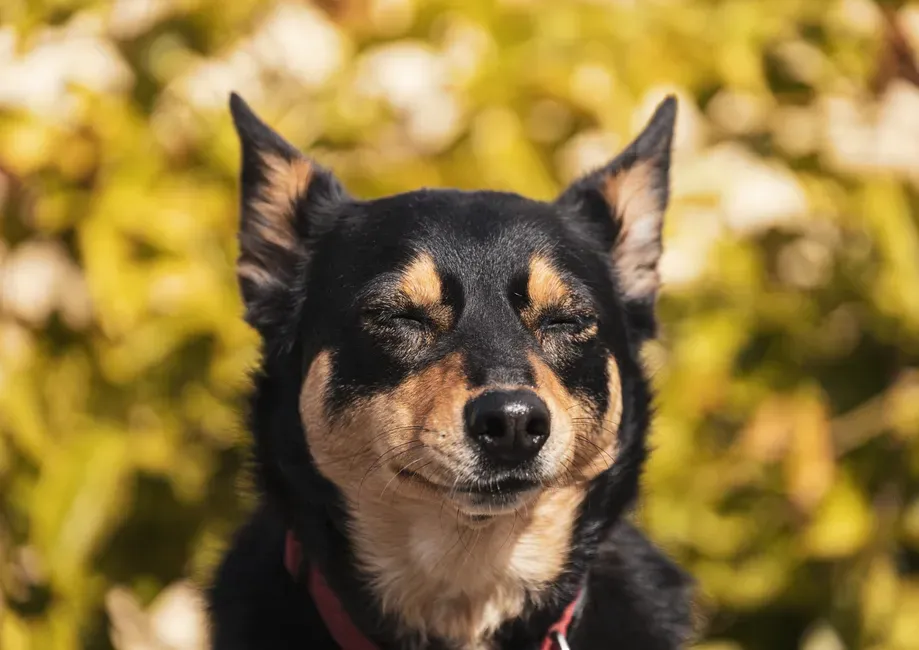
Everyone watches the tail. The real secret is in the eyes. When a dog looks at you, holds it for a beat, then slowly closes and reopens their eyes, that’s not sleepiness – it’s a trust signal being sent on purpose. Direct eye contact is actually a small challenge in dog language, so softening it into a slow blink is their way of saying, “I’m relaxed around you. You’re safe.” It’s the same instinct behind the famous cat slow-blink, just with a dog’s face doing the talking.
You’ll usually catch it in the quiet moments – scrolling your phone, half-watching TV, not asking anything of them. Your dog glances up, blinks slowly, sighs, and melts back into the couch. Strangers and casual visitors almost never get this one. It’s too soft, too undramatic, too easy to miss. That’s exactly why it matters: the quieter the blink, the deeper the trust behind it.
Fast Facts
- Slow blinking is a widely recognized way dogs signal calm, non-threatening intent.
- Mutual eye contact between dogs and their favorite humans triggers an oxytocin release in both species – the same bonding hormone tied to parent-infant attachment.
- Direct, sustained eye contact between unfamiliar dogs is often read as a challenge rather than affection.
- Research on domestication suggests this kind of mutual gazing shows up in dogs far more than it does in wolves, even hand-raised ones.
#17 – Turning Their Back on You On Purpose
Most people read this one backwards. A dog turning their back on you isn’t dismissal – it’s often the opposite. Exposing your spine is a genuinely vulnerable position in the animal world, so when your dog sits facing away from you, or lies down with their back pressed into your legs, they’re doing something they would never risk around someone they didn’t fully trust.
Watch how they station themselves in a crowded room. Many dogs will quietly position their body between the doorway and their favorite person, back turned toward you, eyes on everything else. It’s part guard duty, part pure comfort. They’re essentially saying, “You watch me, I’ll watch the world” – a small, protective ritual that shows up daily once the bond is locked in.
#16 – The “Check-In” Lap Around the House
Some dogs do this strange little circuit: wander the house, peek into a few rooms, then trot back and touch you lightly – a nose to your leg, a quick paw, a brief lean. To a distracted human it looks like restless pacing. In dog logic, it’s a patrol ritual with a very specific point person.
If this loop only happens when you’re home, and not for any other family member, pay attention. They’ll sweep the common spaces, come back to deliver a tiny “update” touch, then finally relax. They’re not just checking the house – they’re checking that you’re okay. It shows up strongest in dogs with a herding or protective streak, but almost any dog can build this habit once they’ve picked their main human.
#15 – The Tiny Sigh When They Collapse Beside You

That dramatic flop and soft exhale when your dog finally lies down next to you isn’t just “tired dog” theater. It’s a physiological release – tension leaving the body – something dogs tend to save for moments they feel completely safe. Think of it as the canine version of unbuttoning your jeans after a long day and finally exhaling.
Notice where and with whom it happens. Plenty of dogs will nap casually near guests, but the full flop-plus-sigh combo usually shows up when the room is quiet and they’re pressed against your legs, feet, or side specifically. If your dog consistently ends the day sighing into sleep against you, that’s a small ritual of surrender most owners never realize they’re witnessing.
#14 – Bringing You “Nothing” or Weird Random Objects
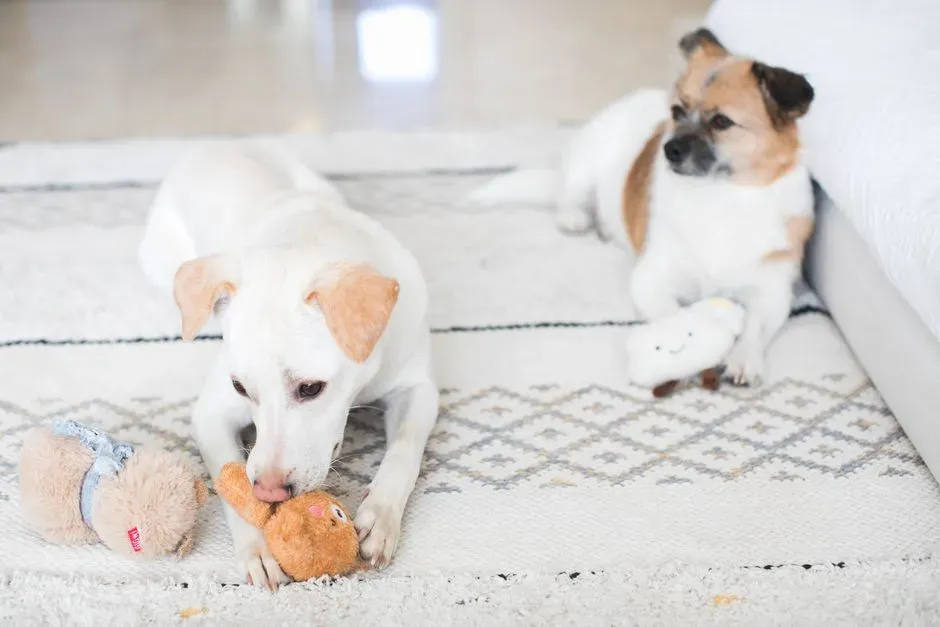
Everyone knows the toy-fetching routine. The real tell is when your dog trots over with something completely pointless – a sock, a leaf, a scrap of paper – and presents it like buried treasure. That’s not fetch gone wrong. Sharing a valued (or randomly chosen) object is genuinely significant in dog social behavior.
Sometimes they won’t even fully let go, nudging the object into your hand, pulling it back, offering it again. That push-pull isn’t confusion – it’s a little emotional game, a form of sharing rather than surrendering. Many dogs will snatch things away from casual acquaintances instead of offering them. When they hand you their weird little offerings unprompted, they’re telling you plainly: you’re inner-circle enough to get the strange stuff too.
#13 – Sleeping in Positions That Expose Their Belly or Throat
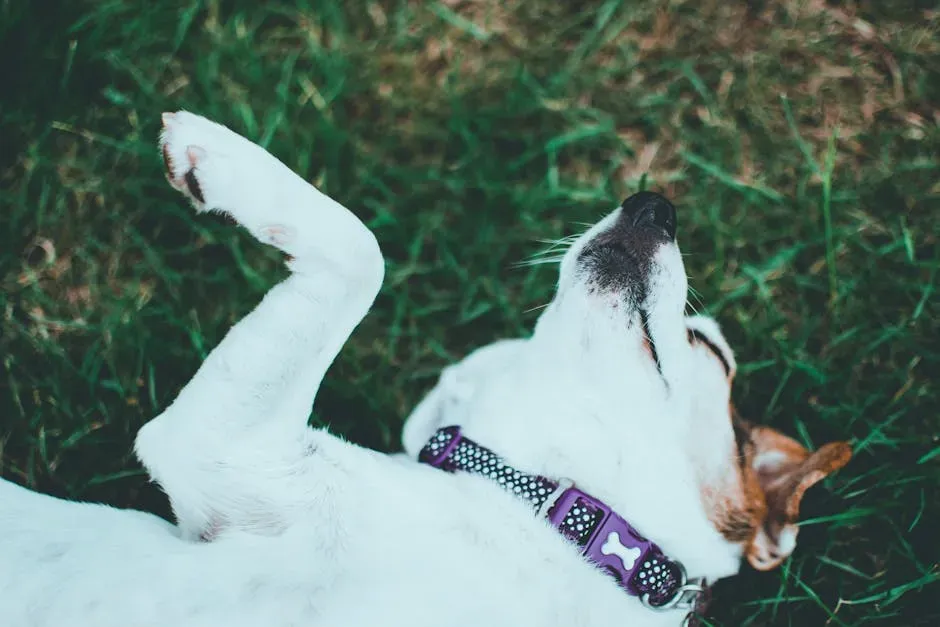
Everyone loves a good belly rub, but look closer at where and how your dog sleeps around you – it’s one of the biggest trust rituals there is. A dog on their back, paws up, belly and throat completely exposed, is displaying their most vulnerable real estate. In the wild, that’s a serious risk. At home, they only do it where they feel absolutely certain nothing bad will happen.
The key question is whether that position only shows up next to you, or specifically in your bedroom. Some dogs will never show their belly to another soul, or will only pull the “dead bug” pose on their favorite person’s side of the bed. That’s not just comfort – that’s complete surrender, a sign they trust you not only to avoid hurting them, but to protect them while they’re totally defenseless.
#12 – The Quiet Shadowing (Not the Clingy Kind)
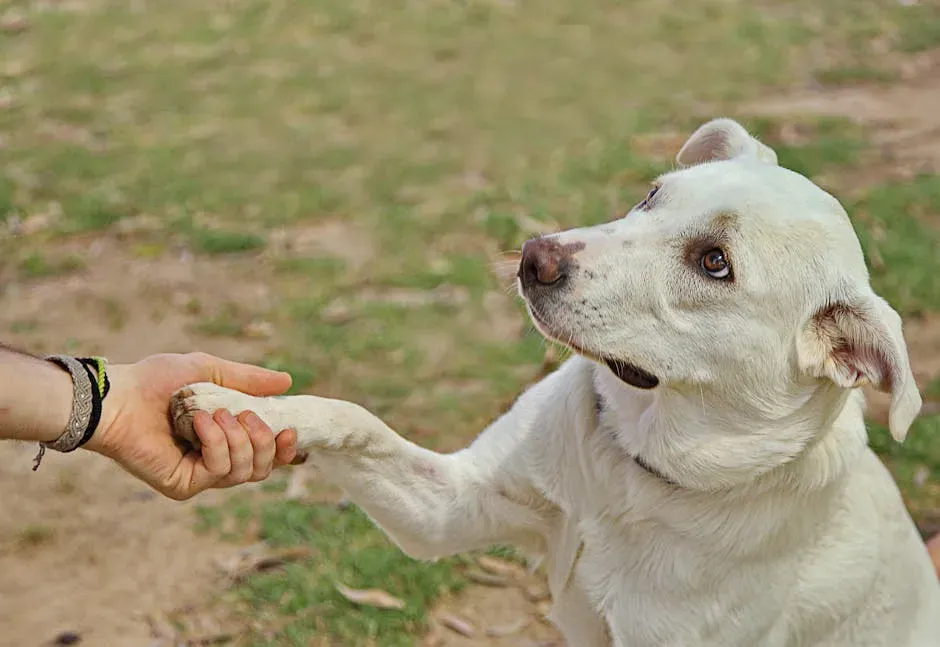
There’s needy, anxious following, and then there’s the calm, almost casual shadowing that only shows up for “their person.” No frantic pacing, no whining at the door – just a dog who gets up when you do, follows a few steps behind, lies down wherever you settle, then repeats the cycle without a single demand.
People often wave it off as “he just follows everyone,” but watch closely. Many dogs follow one specific person more than anyone else in the house, and quietly adjust their nap spot just to keep that person in view. It’s a moving loyalty ritual – they don’t need your lap, they just need to be near you, gently syncing their entire day to yours.
#11 – Sneaking You Soft Eye Contact During Play
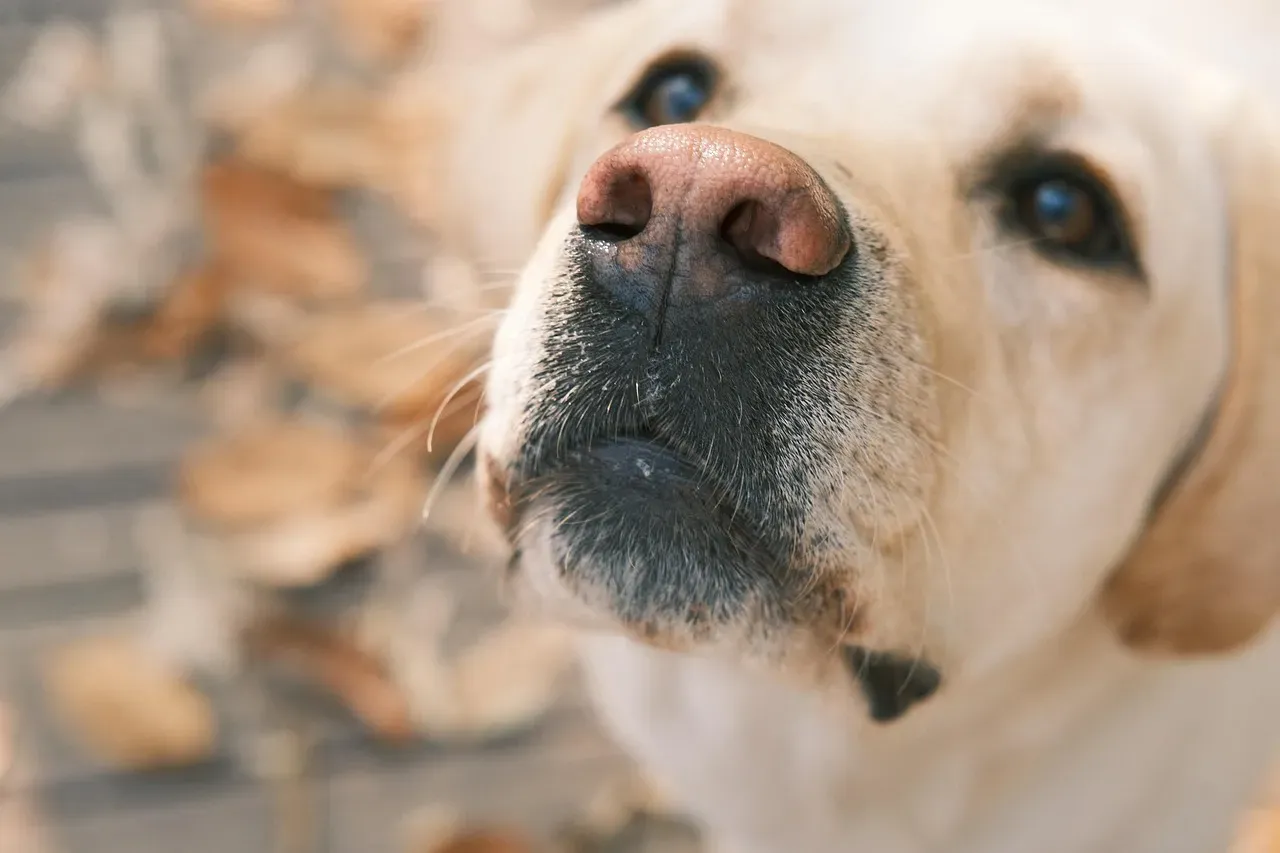
Rough play can flip a dog into pure high-drive mode – chasing, tugging, zooming in circles. But with the person they trust most, you’ll catch quick little check-ins mid-chaos: a pause, a half-second of direct eye contact, a softened expression, then straight back into the game. It’s basically their version of “we’re still good, right?”
This shows up clearest during tug-of-war or wrestling. With a stranger, dogs can get overstimulated or stiff and defensive. With their chosen human, they self-regulate instead – brief eye contact, a relaxed mouth, a small wag before diving back in. That constant, low-key emotional calibration is a social safety net most dogs simply don’t bother building with people who don’t matter to them.
#10 – The “You First” Mealtime Ritual
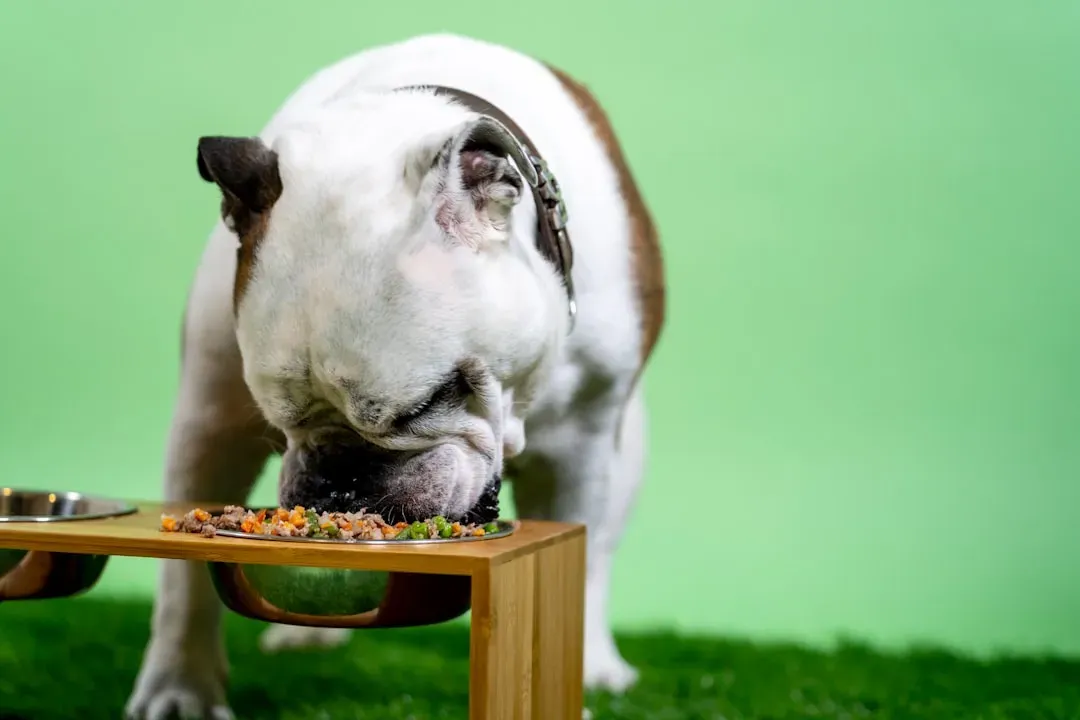
Food is survival, and most animals guard it fiercely. So when a dog hesitates over their bowl until you’re nearby, or waits to eat until you start moving around the kitchen, that’s not always anxiety – it’s often a quiet bonding ritual. In pack dynamics, deeply bonded animals time their eating around the ones they defer to.
Notice if they glance at you before eating, or eat far more calmly when you’re standing or sitting close by. Some owners try to “fix” this, assuming it’s a problem, but in many cases it’s a respect-and-trust behavior, not a flaw. Your presence makes the moment feel settled enough for them to put their head down and be vulnerable – because their watchdog is officially on duty.
Worth Knowing
- In multi-dog households, feeding order often mirrors the social bonds and hierarchy between the dogs.
- Most dogs eat faster and more nervously around unfamiliar people or animals.
- A dog who only eats calmly when their favorite person is nearby is showing relaxed vulnerability, not a behavior problem to correct.
#9 – The Way They Greet You vs. Everyone Else
Everyone’s dog gets excited when someone walks through the door. But the specific ritual reserved for their favorite human looks different every time. Maybe it’s the same toy grabbed and paraded in front of you, a signature spin, a weird little tap-dance, or a “woo-woo” vocalization that never comes out for anyone else. That consistency isn’t random – it’s a relationship-specific greeting, built and repeated on purpose.
Compare the tail height for guests versus for you, or whether their whole body gets involved – hips, shoulders, head tilts – the second you appear. If you’re the only one who gets the toy parade, the high-pitched happy whine, or the full wiggle-butt, you’re not imagining it. That’s a custom handshake they’ve only ever bothered designing for you.
#8 – Offering You Their Back for Scratches
This one gets underestimated constantly. When a dog backs up and plants their rump or shoulders against your legs, they’re not just angling for a scratch – they’re making a genuinely trust-heavy move. Turning your spine toward something at close range is vulnerable for any animal; dogs that feel uneasy face potential threats head-on, not sideways.
Some dogs lean their full weight into you, practically pinning your feet in place. Others wedge themselves between your knees and go still while you scratch. That lean is affection, not pushiness – they’re choosing you as their safe wall, and mixing their scent with yours in the process. It’s a quiet, physical way of announcing to the room, “This is my person,” and it’s a move many dogs will never make around someone they find unpredictable.
#7 – Checking Your Face When You Sound Upset
This is where “likes you” turns into “deeply bonded to you.” When you sneeze, cry, swear at your inbox, or raise your voice at the TV, does your dog’s head snap toward your face instantly? Dogs tightly attached to one person develop a habit of emotionally monitoring them specifically, tuning in to that one voice more than anyone else’s in the house.
You’ll see head tilts when you laugh or cry, ears flicking the second your tone shifts, eyes locking onto your face mid-sentence. Some will approach slowly and nudge your hand or lick your arm during emotional moments, not reacting to the noise so much as reading the mood behind it.
Dogs do speak, but only to those who know how to listen.
Orhan Pamuk
That habit of checking your emotional weather, again and again, without being asked, is a ritual of care most dogs reserve for exactly one person – the one they’ve decided is worth watching that closely.
#6 – Choosing “Your Spot” Even When You’re Not There
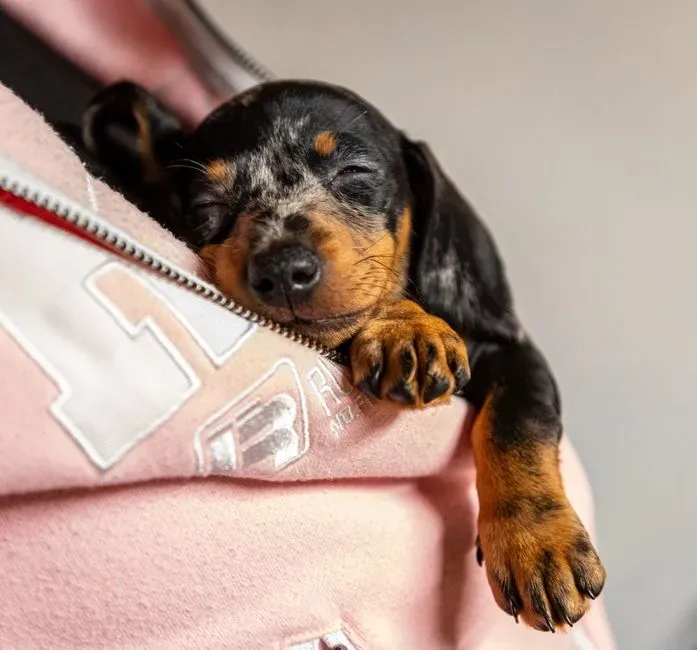
Trust doesn’t only show up when you’re in the room. A big giveaway is where your dog sleeps or waits when you’re gone. Do they curl up on your side of the bed, your favorite chair, or that one dent in the couch that’s technically yours? That’s not random comfort – it’s a proximity ritual built entirely around chasing your scent.
Some dogs will ignore the nicest dog bed on the market to lie on your worn hoodie, the laundry pile you haven’t folded yet, or the exact spot your feet usually rest. They’re using your smell as an emotional anchor, soothing themselves with your presence even in your absence – something they simply don’t bother doing for people they don’t deeply care about.
#5 – Showing You Their “Ugly” Side
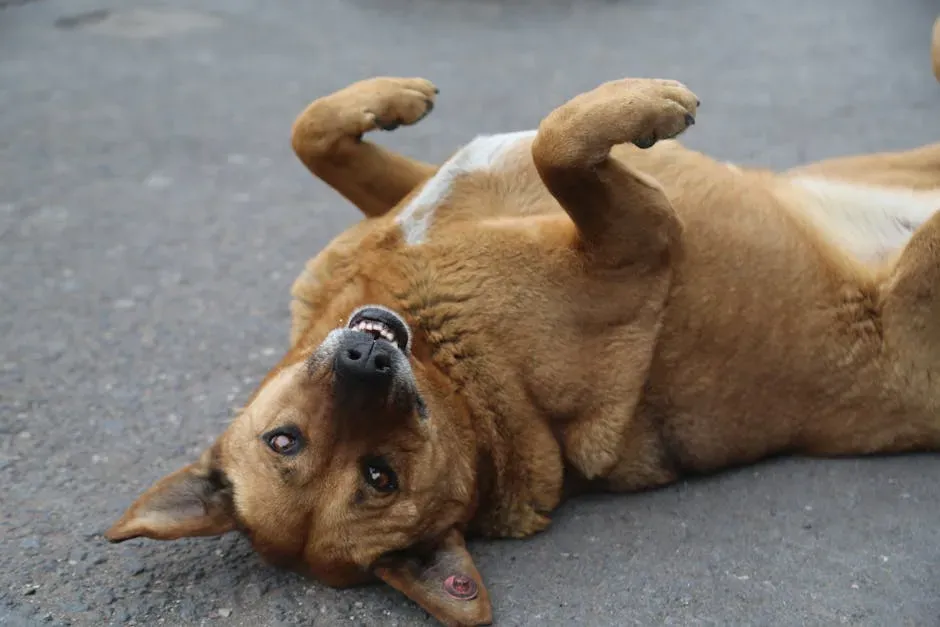
Dogs have moods, bad days, and cranky moments, just like the rest of us. The person they trust most is usually the one who sees all of it – the zoomies, the sulks, the weird grumbles, even the occasional resource-guarding before training kicks in. It sounds backwards, but a dog often melts down or tests boundaries more with the person they feel safest around, not less.
You might notice they bring their frustrations – a chewed toy, a blocked door – straight to you, or whine and “complain” in your direction far more than anyone else’s. They’re not disrespecting you; they’re dropping the social mask, the same way kids often save their worst behavior for their primary caregiver. The good news: owners who respond with calm, consistent structure instead of punishment usually watch that trust deepen even further.
#4 – Letting You Mess With Their Paws, Ears, and Mouth
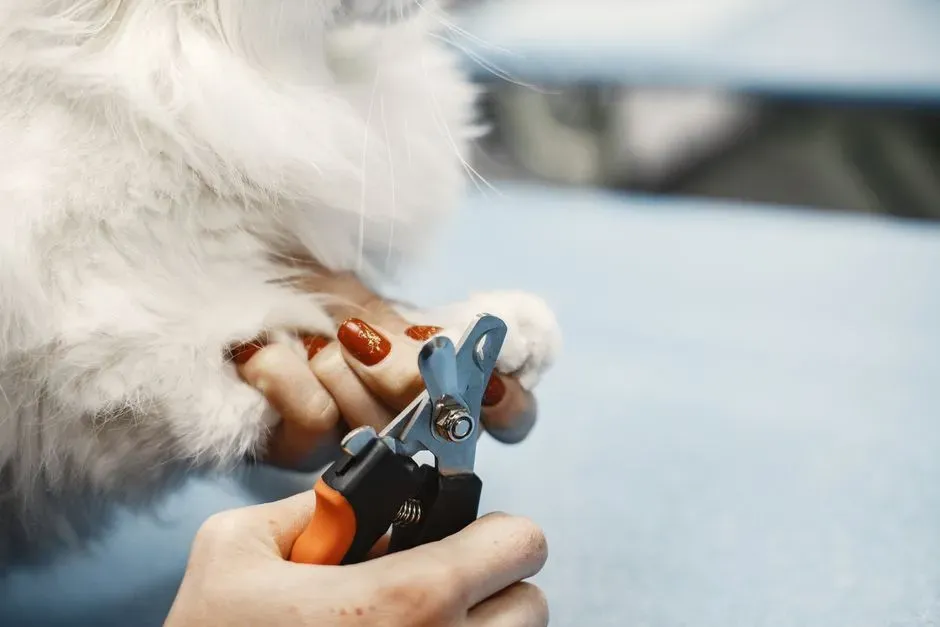
Most dogs instinctively guard their paws, ears, and teeth – high-risk areas in any fight or injury. That’s why so many dogs squirm through nail trims or flinch at ear cleaning. But with the person they trust most, plenty of dogs quietly develop a ritual of tolerance, even calm cooperation, around these exact vulnerable spots.
Watch for the small shifts: they still hate nail trims, but they’ll hold still for you specifically, or let you lift a lip to check a tooth without flinching. They might still sigh or look away, but they let it happen because they’ve decided you won’t hurt them and you’ll make the uncomfortable part end faster. Some will even lean their head into your chest mid-procedure, using your body as their anchor while you handle the scary stuff.
Why It Stands Out
- Paws, ears, and mouths are common trigger zones for fear-based reactivity in dogs.
- Modern “cooperative care” training – used for stress-free nail trims and vet exams – relies on exactly this kind of trust.
- Vet staff frequently notice dogs behaving noticeably calmer for their owner’s touch than for a stranger’s during the very same procedure.
#3 – The Late-Night “Location Check” Before Bed
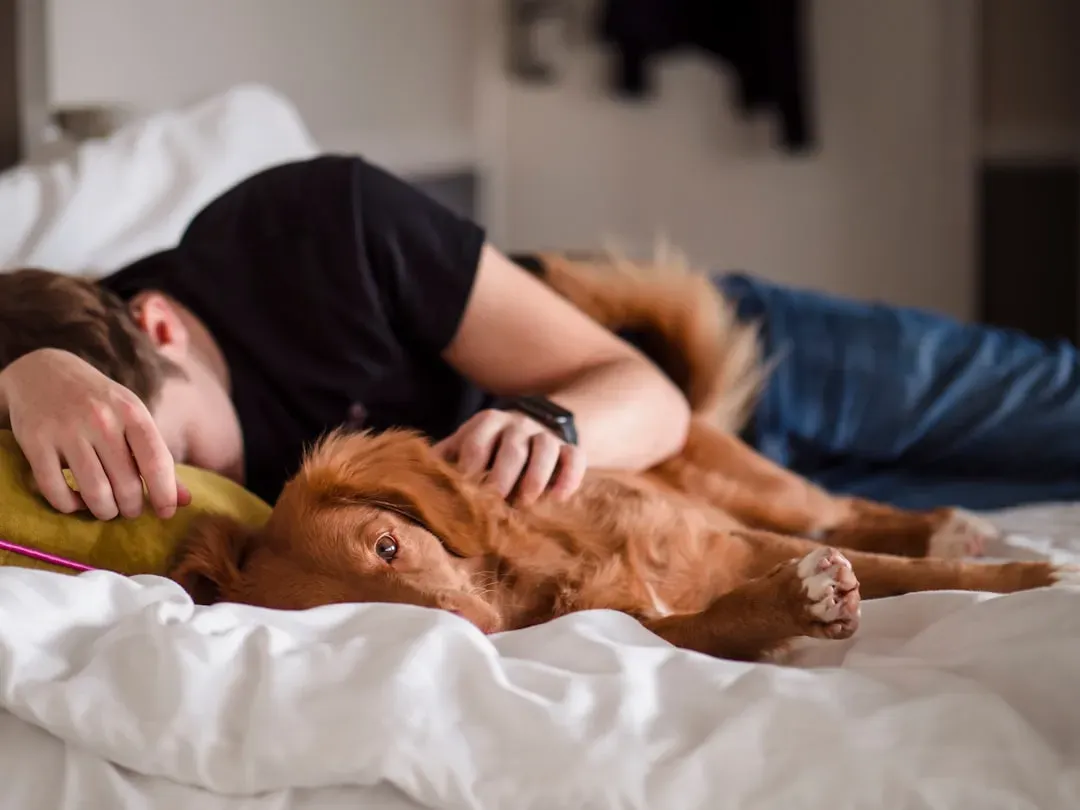
There’s a subtle ritual many owners only notice after years of living with the same dog: right before truly settling in for the night, the dog gets up, pads through the house, finds exactly where you are, and only then curls up and goes to sleep. No neediness, no demands – just a quiet confirmation. Where’s my person? Okay. Now I can rest.
You might catch them walking to your bedroom door, glancing in, then heading back to their own bed. Or hopping onto the bed, sniffing you once, then hopping back down to sleep on the floor nearby. It’s a final safety check – night is when the world feels most vulnerable, and knowing your exact location is part of their security system. Dogs almost never bother with this ritual for someone they’re only casually attached to.
#2 – Adjusting Their Energy to Match Yours
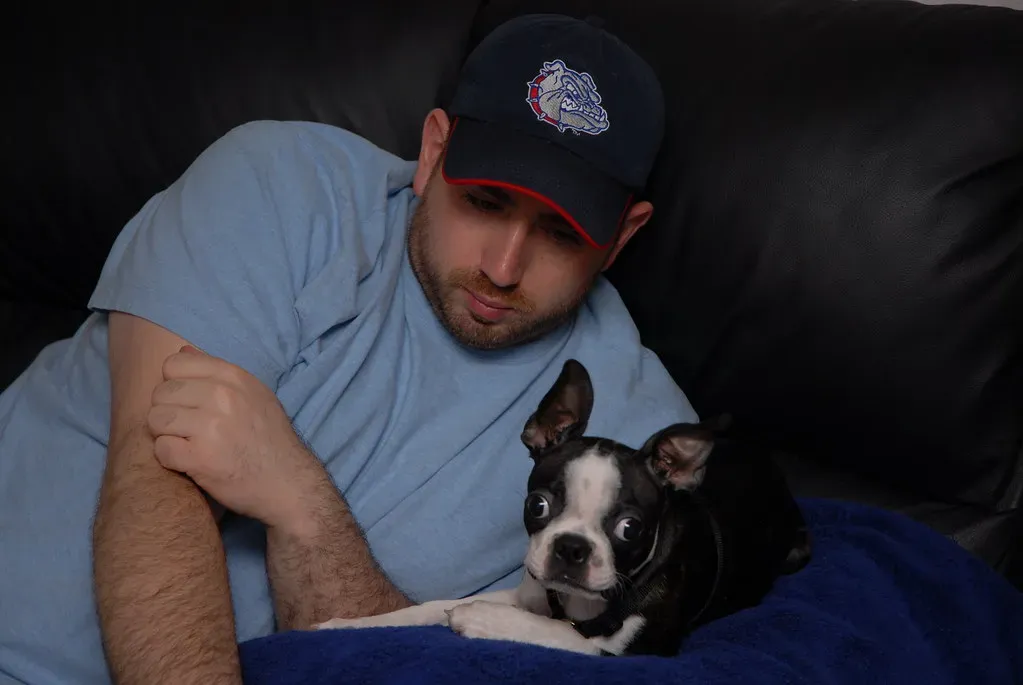
This is one of the clearest “you’re my person” signals, and one of the easiest to miss because it feels so natural. A truly bonded dog syncs their energy to yours almost automatically. Hyped and playful, they rev up. Tired and low-key, they downshift right alongside you. With other people, dogs often stay stuck in one gear – hyper with kids, aloof with guests – but with their chosen human, they mirror.
Pay attention on the days you’re sick, sad, or just exhausted. Does your usually wired dog curl up quietly instead of demanding a walk, move more slowly, blink more, and hold a gentler presence than usual? That’s not coincidence – their nervous system is literally regulating around your behavior. It’s a level of emotional tuning they simply don’t extend to people who don’t matter this much.
#1 – Choosing You as Their Safe Place When They’re Scared
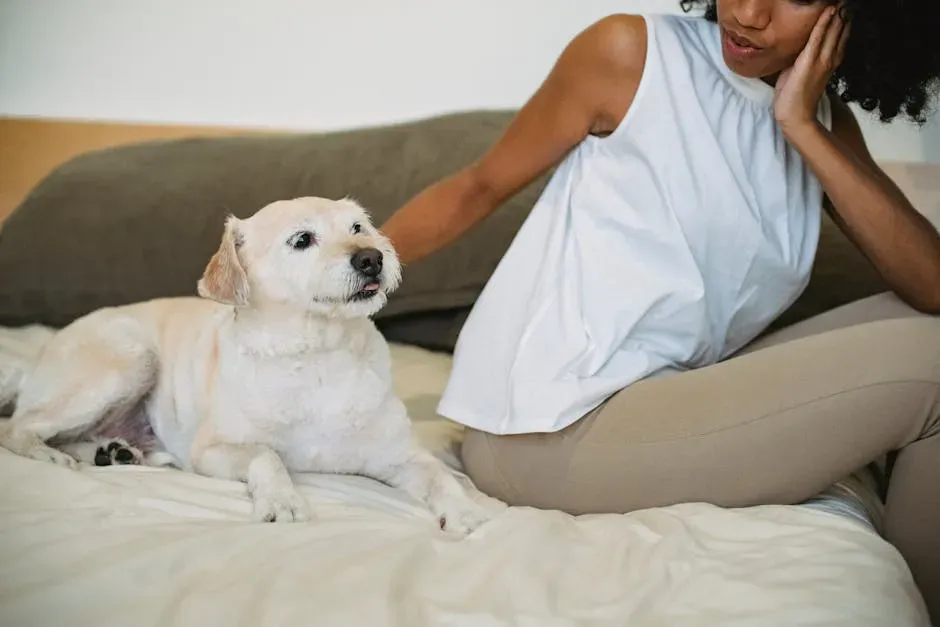
The strongest trust ritual of all has nothing to do with excitement – it’s about fear. Pay attention during thunderstorms, fireworks, vet visits, or sudden loud crashes. Where does your dog go? Not who’s calling them, not who has the treats – who do they seek out entirely on their own the second the world feels dangerous?
Some dogs crawl under your desk and press their body against your feet. Others wedge themselves behind your legs or bury their head in your chest, or pace the house until they find you and finally lie down. In those moments, you’re not just their owner – you’re their refuge. Dogs are hardwired to find safety in numbers, but a truly bonded dog behaves as if there is no group at all without that one specific person. Choosing your lap, your side, or even just your orbit when they’re terrified is the loudest thing a dog can say without saying anything: you are my safest place on earth.
At a Glance
- Thunderstorms and fireworks rank among the most common fear triggers for dogs.
- Sudden loud noises can spike a dog’s stress response within seconds.
- A dog’s instinct to seek out one trusted person during fear is rooted in pack-based survival behavior, not simple habit.
The Bottom Line
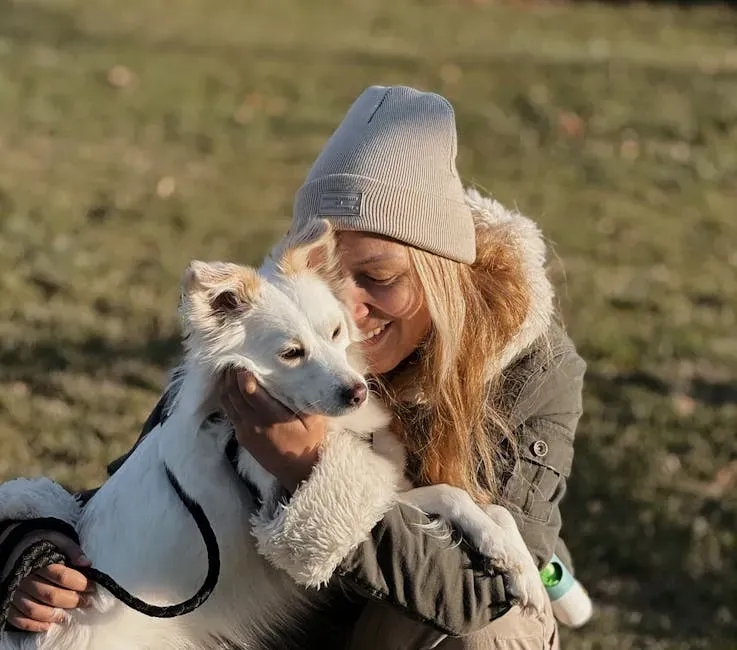
Strip away the cute toys, the Instagram photos, and the baby talk, and what’s left is smaller and quieter than any of that – slow blinks, soft sighs, tiny check-ins, vulnerable sleeping positions. That’s where the real story actually lives.
Dogs don’t waste this level of trust on just anyone. They pick one person, then quietly design an entire private language around them, ritual by ritual, over years. People love to say “dogs love everyone,” and sure, most dogs are friendly enough. But friendliness and trust are not the same currency, and the evidence sleeps at your feet every single night. If you recognized even a handful of these rituals just now, your dog hasn’t only bonded with you – they’ve deliberately, repeatedly chosen you, in the one language they actually have.
Which of these does your dog save only for you – and which one did we miss? Tell us in the comments.


