
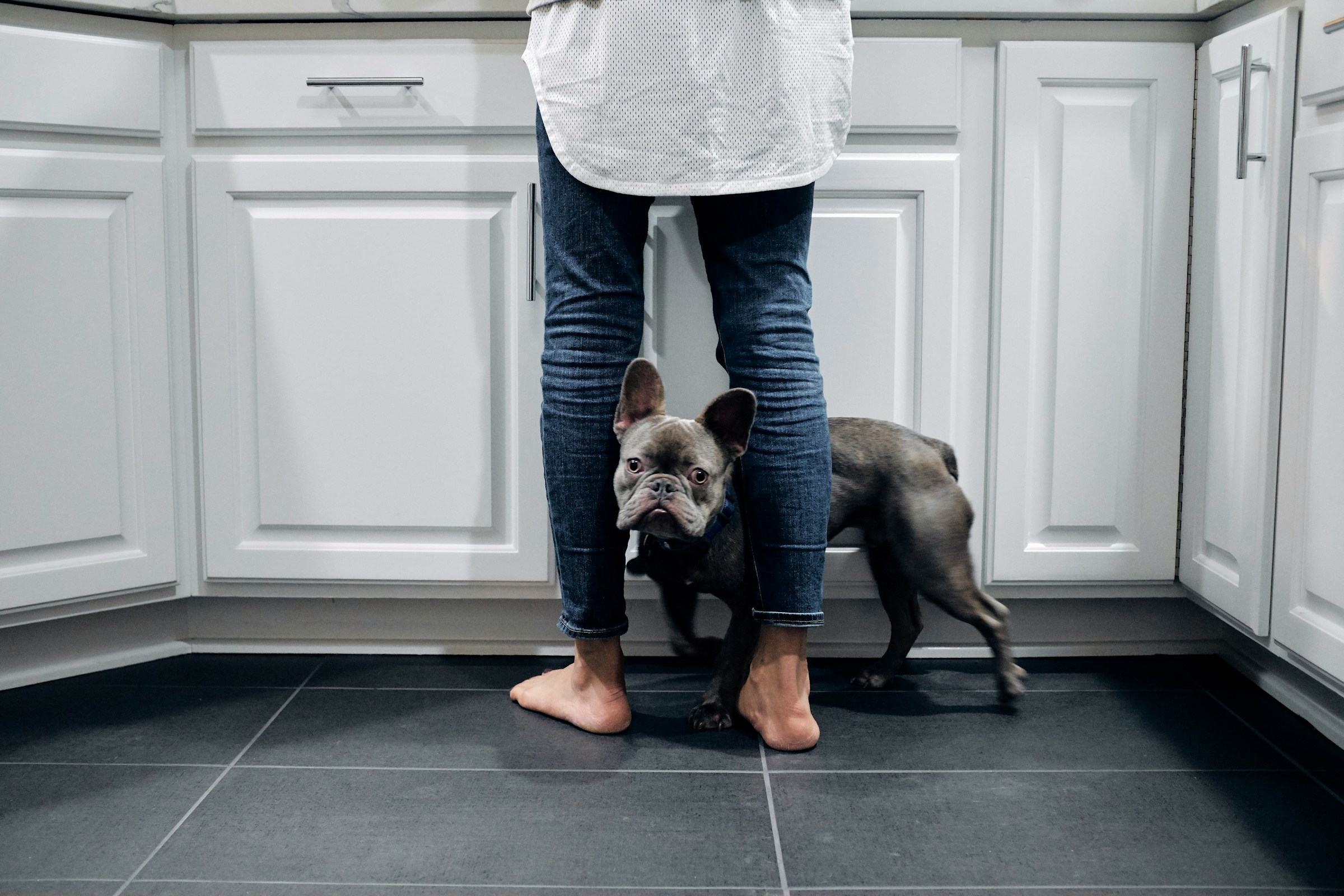
If dogs could send long text messages, most of us would be drowning in little love notes all day. Instead, they use their bodies, eyes, and weird little habits to say what words never could. The surprising thing is that a lot of those adorable (and sometimes annoying) behaviors are actually your dog’s version of saying “I love you” on repeat.
I still remember the moment I realized my own dog’s most “irritating” habits were actually his loudest declarations of affection. What I thought was clinginess, staring, or random toy chaos turned out to be emotional billboards. Once you learn to read these signals, you never look at your dog the same way again. Let’s decode five big ways your dog is probably telling you he loves you, even if you’ve been missing the message.
1. The Soft, Sticky Stare: Eye Contact As A Love Lock
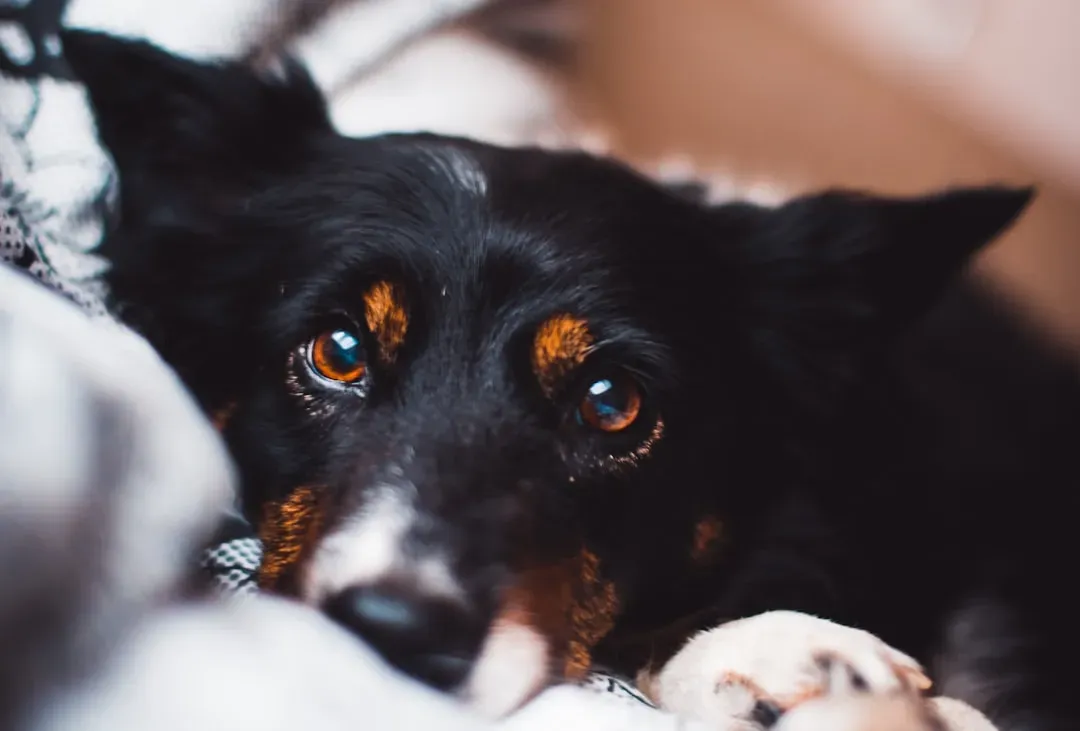
Have you ever caught your dog just staring at you for no obvious reason and thought, “What do you want?” That quiet, relaxed gaze is often one of the clearest signs of affection your dog can give. When a dog chooses to hold gentle eye contact, with loose body language and a calm face, it’s usually because he feels safe with you and emotionally connected.
Scientists have found that when dogs and their humans share soft, mutual eye contact, both bodies can release more of the bonding hormone that also shows up in close human relationships. Think of it like your dog’s version of a warm hug that just happens to go through his eyes. If you want to build that bond, try occasionally meeting that soft stare with a calm, loving look back instead of instantly asking them to sit or perform. It turns a simple moment in the kitchen or on the couch into quiet emotional glue between you and your dog.
2. The Velcro Shadow: Following You From Room To Room
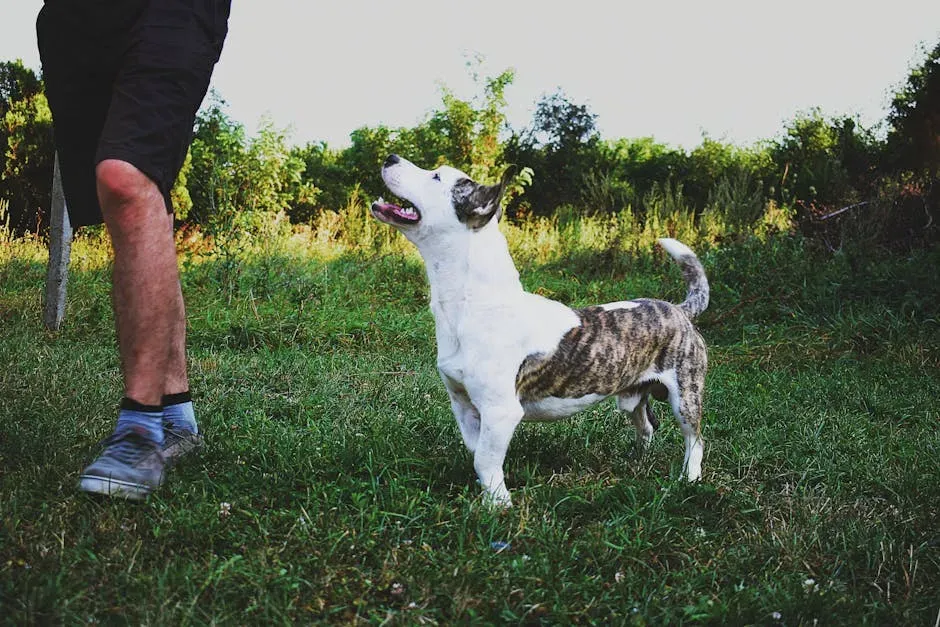
A lot of owners joke that they “can’t pee alone” because there’s always a dog parked outside the bathroom door. While it can feel a bit intense, that constant following is rarely about control or suspicion. In most cases, your dog is simply saying that being near you is his comfort zone, his favorite background noise, and his preferred point of reference for the world.
Dogs are social animals who survived by sticking close to their group, and in your dog’s mind, you are the heart of that group. When he chooses to leave his comfy bed just to lie on a cold floor near where you’re working, that’s love in action, not just habit. You don’t have to reward the behavior with treats every time, but you can quietly acknowledge it: talk to him as you move around, give a little head rub when you step over him, or occasionally invite him up beside you. Those tiny nods of recognition tell him his loyalty is seen and valued.
3. The Lean, The Nudge, And The Full-Body Melt
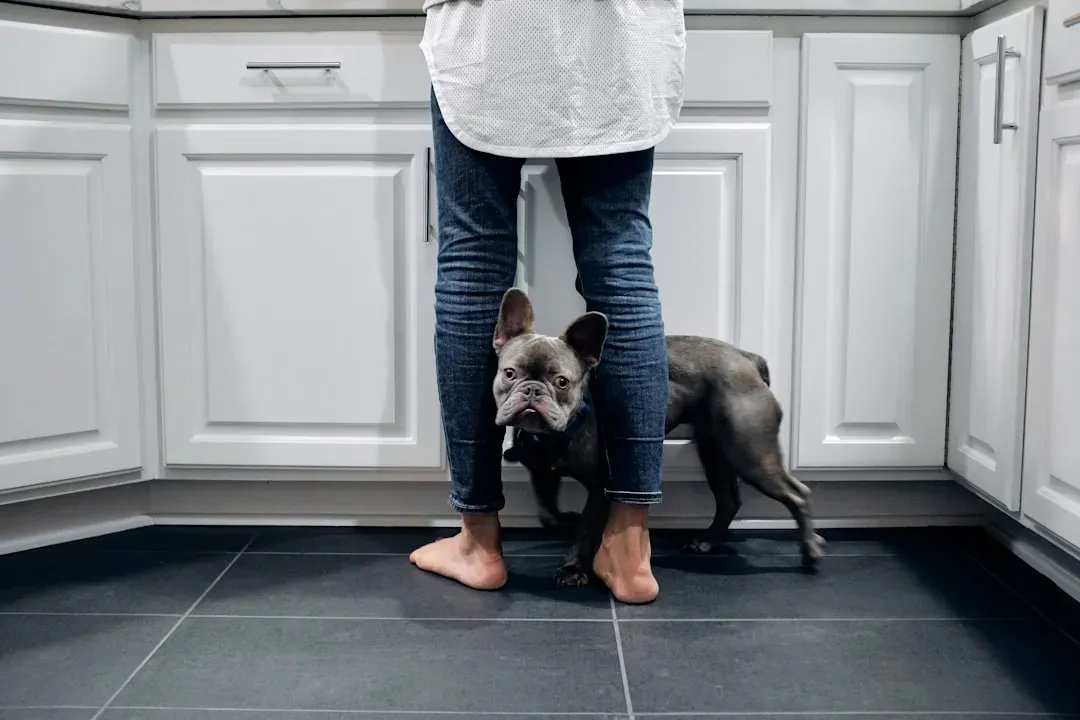
Some dogs are subtle, some crash into you like a furry bowling ball. When your dog leans his body weight against your leg, nudges your hand with his nose, or kind of “melts” his body into yours when you sit, that’s often a physical way of saying, “You’re my safe place.” This contact-seeking behavior is not just about warmth; it’s a trust move. He is literally putting his balance and comfort in your hands.
Many people interpret nudging or leaning as begging for food or being annoying, and yes, sometimes that’s true. But when there’s no snack around and your dog still chooses to press in close, there’s usually an emotional layer to it. You don’t have to accept being bulldozed or squashed if it’s too much; you can gently shape the behavior. But try to see it for what it really is first: your dog is showing vulnerability, seeking security, and saying with his body, “I feel better when I’m touching you.”
4. The “Gift” Delivery: Toys, Socks, And Random Treasures
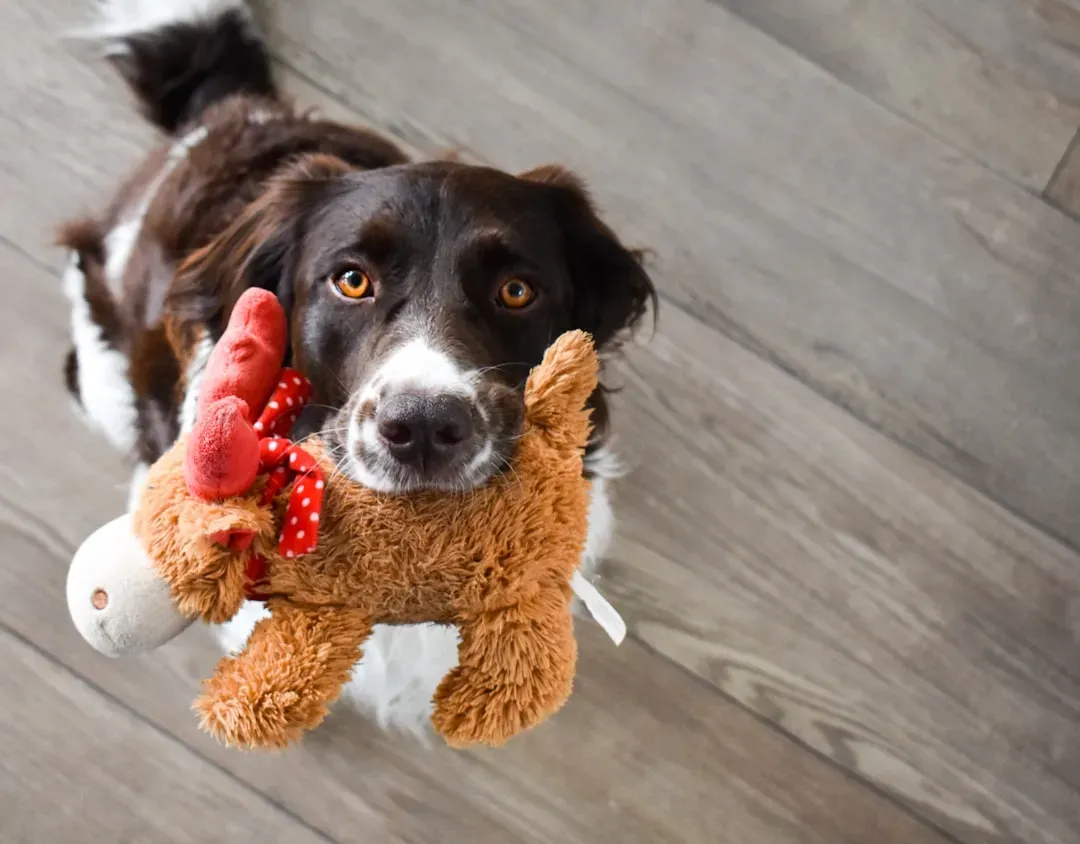
If your dog has ever proudly dropped a slobbery toy, a worn slipper, or even something slightly embarrassing at your feet, it might not just be playtime. Dogs often bring items to the people they’re emotionally attached to as a mix of sharing, inviting interaction, and offering a “gift.” It is their way of involving you in what matters to them, the same way a child might insist you watch their favorite show even if you are busy.
This behavior can confuse owners, especially when the “gift” is chewed, dirty, or totally unwanted. But from your dog’s perspective, they are including you in their world and trusting you with something they find valuable or comforting. When it happens, instead of brushing it off or ignoring it, try acknowledging the moment: praise them, engage in a short game, or at least show interest. You are basically rewarding your dog for choosing to connect rather than retreat into their own little bubble.
5. Relaxed Vulnerability: Belly-Up, Sleep Positions, And Quiet Proximity
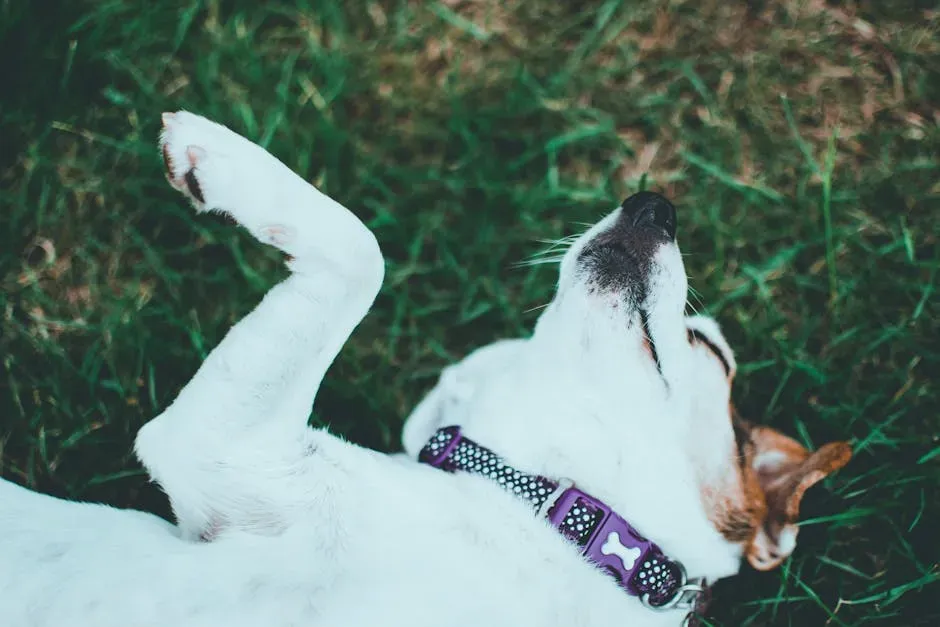
A dog’s sleeping position and how they choose to rest around you can quietly reveal a lot about how much they love and trust you. When a dog flops down belly-up next to you, curls up with their back pressed against your leg, or sleeps deeply in a spot where they could easily be touched, that’s a sign they believe you will protect them, not hurt them. In the animal world, exposing the belly is basically wearing a sign that says “I trust you with my life.”
Of course, not every dog loves belly rubs, and some will only show this kind of vulnerability in certain settings or with certain people. The key is to notice when your dog chooses to be deeply relaxed near you, instead of staying on alert or off in another room. That quiet, unremarkable moment on the couch or the floor, with your dog snoring and twitching through a dream, is one of the purest forms of love: they feel safe enough with you to fully let go.
Conclusion: Learning To Answer “I Love You” Back
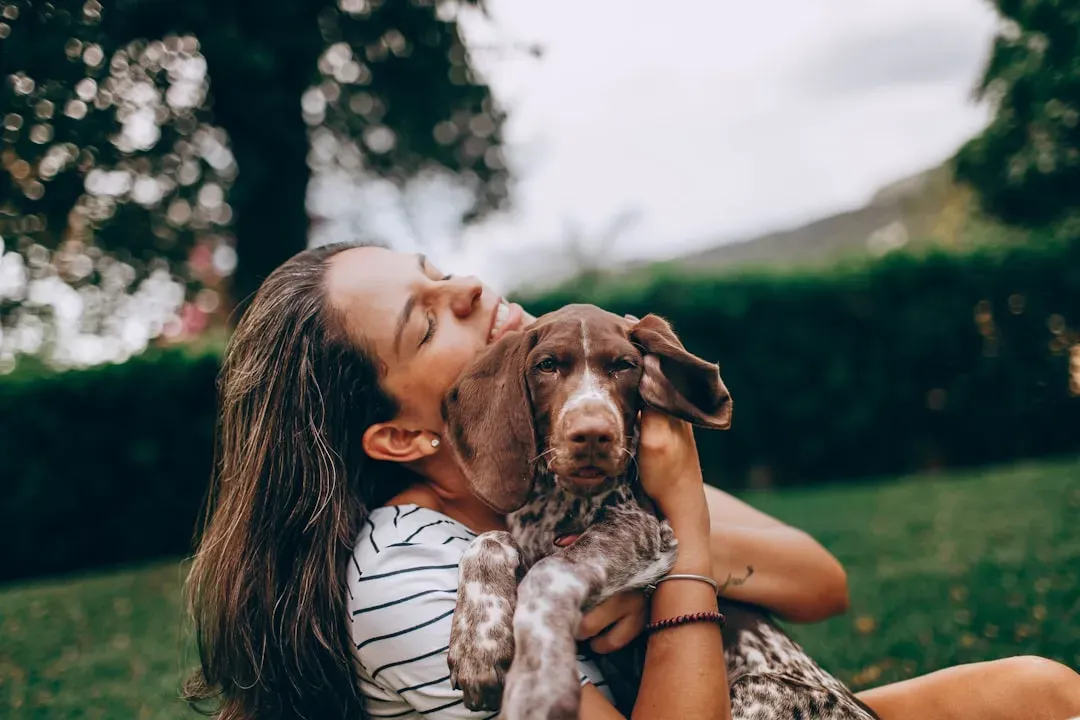
Once you start seeing these behaviors for what they really are, it is almost impossible not to feel a little punched in the heart. The staring, following, leaning, gifting, and relaxed sleeping are not random habits or clingy quirks; they are part of your dog’s emotional language. In my opinion, one of the biggest mistakes modern owners make is training for obedience without ever really learning to read their dog’s side of the conversation.
Loving your dog back is not just about buying the best food, toys, or beds; it is about noticing who they are, how they reach out to you, and answering in a way they understand. A calm gaze, a gentle touch, a few minutes of play, or simply sharing space with your full attention can all be your way of saying, “I love you too, I see you, and you matter to me.” The real question is this: now that you know what your dog has been saying all along, how differently are you going to respond the next time he quietly tells you he loves you?


