
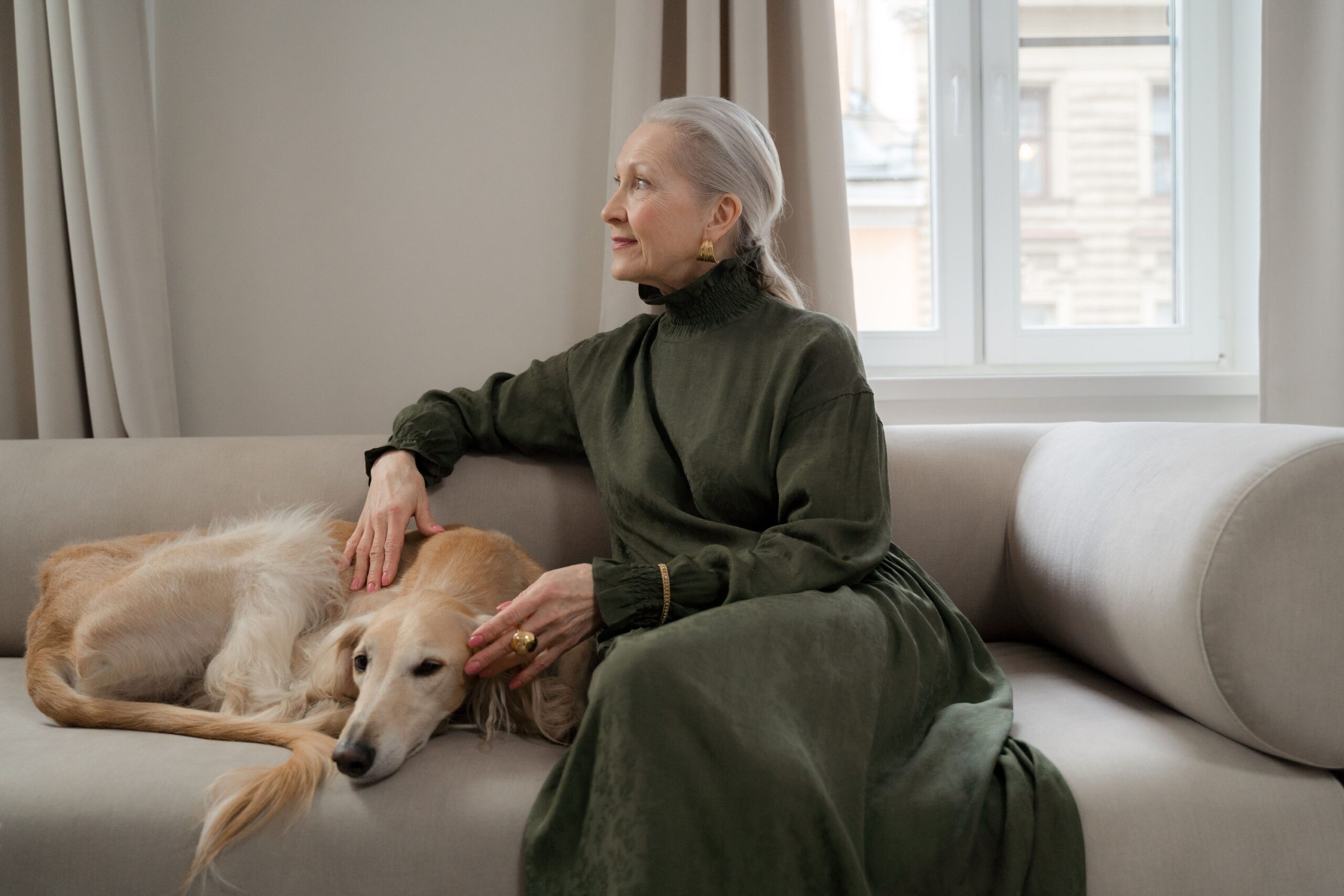
You’d think a vet visit is just about the dog. Weight, vaccines, a quick listen to the heart, done. But when the patient belongs to someone over 75, the exam room turns into something else entirely – a five-minute read on an entire household that the owner never meant to reveal.
The coat, the nails, the way the leash is gripped, even the smell in the air – vets clock all of it before they’ve said more than “hello.” Most of what they notice never makes it into conversation. But it shapes every recommendation that follows, and once you know what they’re actually looking at, you’ll never see a vet visit the same way again.
#15 – The “Caregiver Gait” When the Dog Walks In
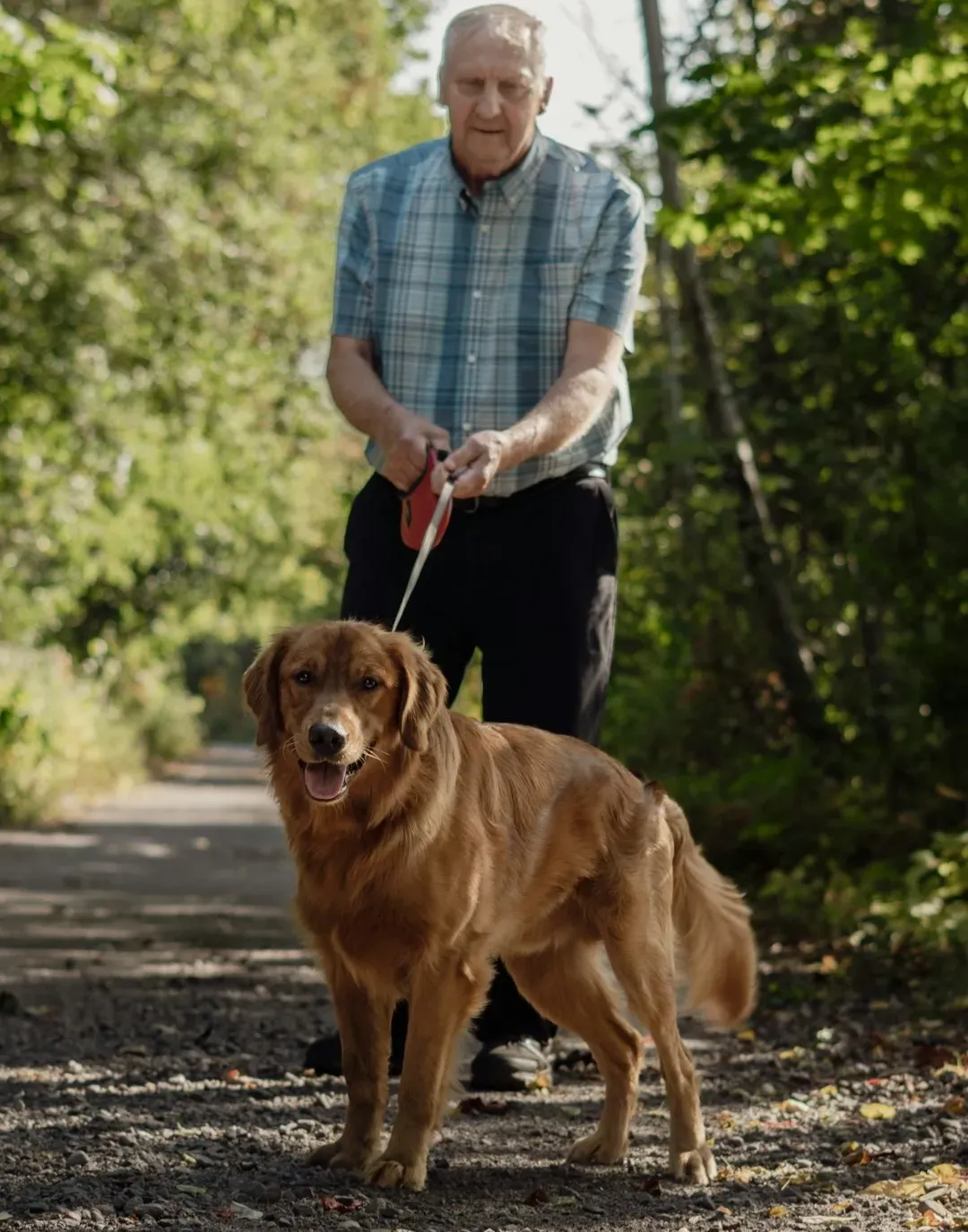
Vets aren’t just watching the dog move – they’re watching how the owner moves with it. The first ten seconds through the door say more than most people realize: a shuffling step, a white-knuckle grip on the leash, a dog yanking hard toward the scale. It’s not paranoia. It’s pattern recognition.
A dog that’s clearly too strong or too fast for its owner is a quiet warning sign for a future fall or a broken hip. Most seniors won’t admit the walks have gotten dangerous, often because they’re terrified of being told to give the dog up. Vets rarely say it outright either – instead they’ll ask “innocent” questions about harnesses, home flooring, or whether anyone else helps out. That’s not small talk. That’s a safety check in disguise.
Fast Facts
- Falls remain one of the most common causes of injury among adults 65 and older
- Even a small, sudden leash pull can be enough to throw off an unsteady person’s balance
- Vets often ask about home flooring and stairs within the first minute of a visit
- A mismatched walking pace between dog and owner is one of the fastest tells in the exam room
#14 – Coat Condition That Reveals Who’s Really Doing the Grooming
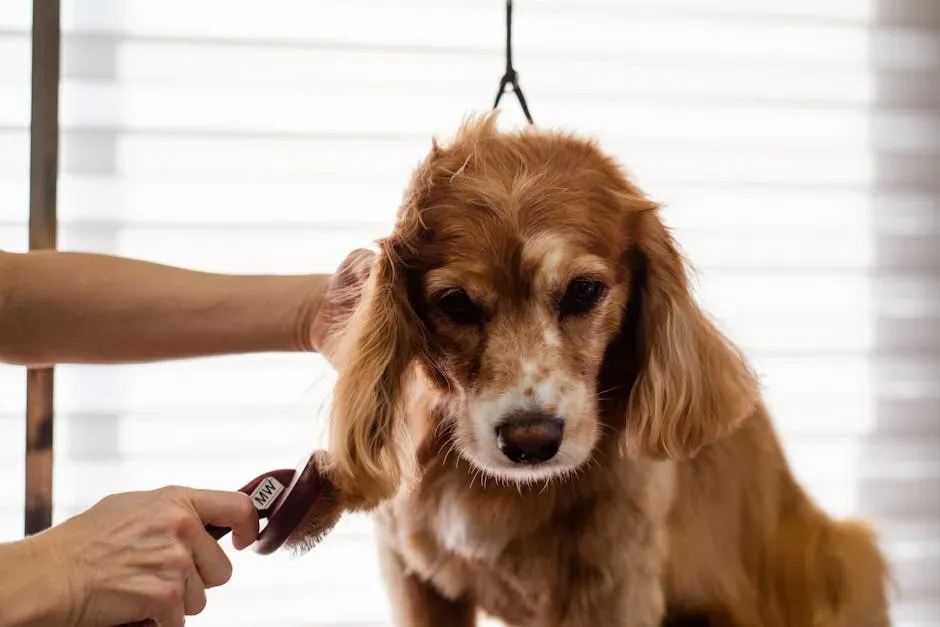
The second a vet’s hand touches the fur, they know who’s actually keeping up with brushing and bathing. With older owners, this isn’t judgment – it’s what one vet might privately call “neglect by limitation,” where the love is enormous but the strength to act on it just isn’t there anymore.
A slightly greasy coat, light matting behind the ears, or hair growing wild between the paw pads usually means arthritis or a weak grip made grooming painful, not optional.
- Perfect coat but obviously DIY nails? That’s usually a proud, still-capable senior.
- Patchy, half-finished grooming? That’s someone who started the job and physically couldn’t finish it.
Most outsiders assume a messy coat means someone stopped caring. Vets know the opposite is usually true – which is exactly why so many quietly suggest a mobile groomer or a simpler cut next time, no lecture attached.
#13 – Nail Length as a Window Into Mobility and Vision
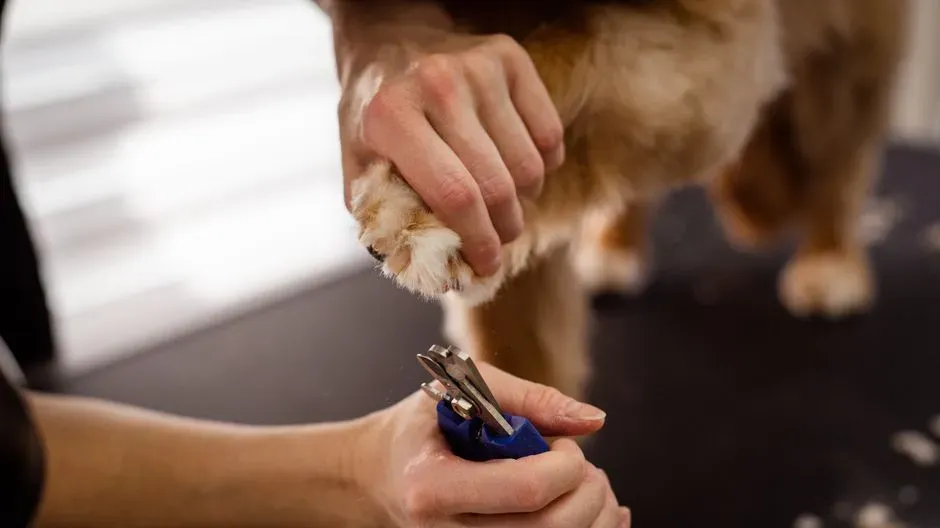
Nails don’t lie. Overgrown nails on a dog owned by someone 75-plus almost never mean laziness – they usually point straight at failing eyesight, shaky hands, or fading confidence in the owner. Trimming nails takes steady vision and grip strength most people take for granted until they lose it.
You’ll hear it before you see it: curved nails clicking across tile, toes splaying under the pressure. Vets watch closely for the flinch, the quiet “oh, I’m scared to do that.” For a senior, bending over a squirming dog with sharp clippers is a genuine fall risk, not just a chore they’ve been putting off.
- Standing nail trims at the clinic every 4 to 8 weeks
- Non-slip mats at home to reduce joint strain from overgrown nails
#12 – Weight and Muscle Loss That Match the Owner’s Health
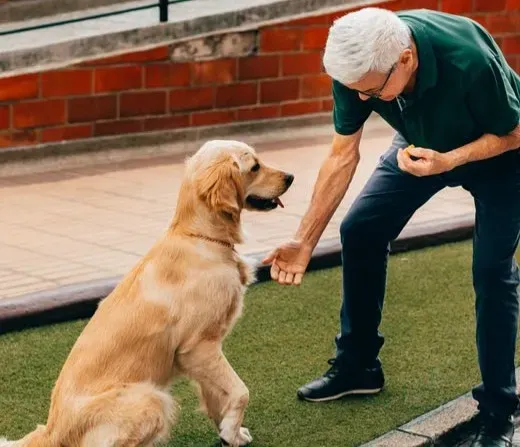
With senior-owned dogs, body condition gets read differently. The question isn’t just “is this dog overweight?” It’s “does this body match what I’d expect from a dog living with an aging caregiver?” That second question tells a whole different story.
A too-thin dog with visible ribs might point to illness, but it can just as easily mean an overwhelmed owner skipping meals for both of them, or mixing up portions. An overweight dog cradled in frail arms often means less walking and more treat-based affection, because physical play just isn’t possible anymore.
- Less outdoor activity, more time indoors
- Food used as a substitute for the play that used to happen
Vets often compare the dog’s muscle tone to the owner’s posture. When both show the same wasting, they suspect a shared cause – a hip surgery, a bad fall, a slow decline neither one talks about out loud.
#11 – Dental Disease That Tells a Bigger Story at Home
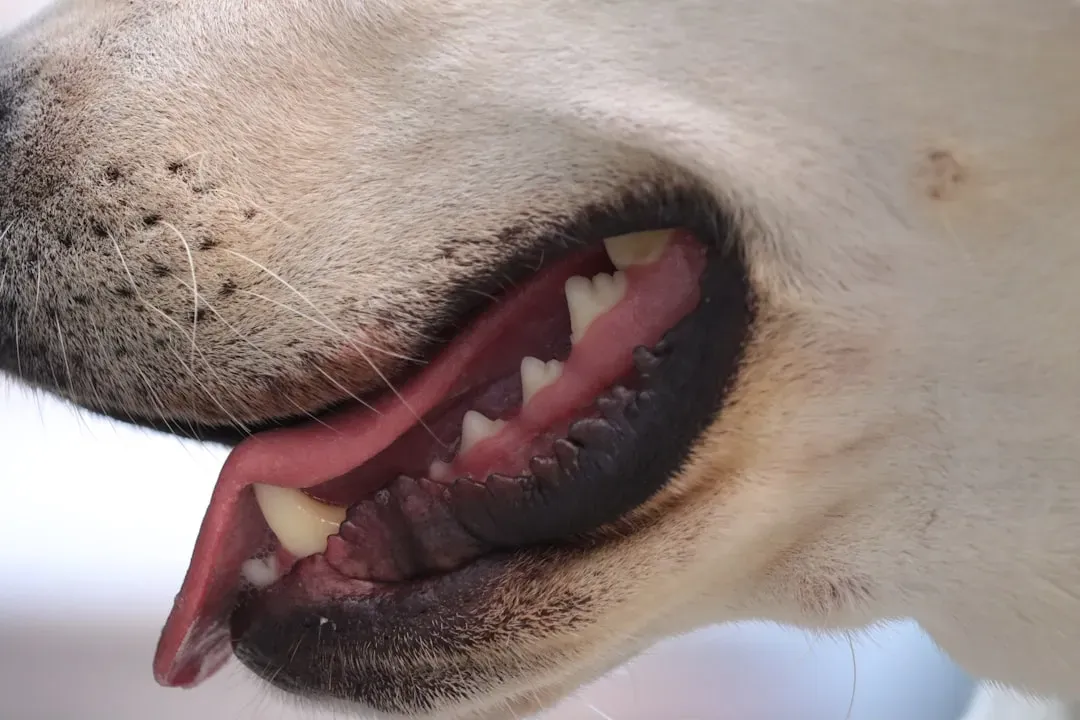
Bad breath and tartar buildup aren’t just a dental note in a senior-owned dog – they’re a social one. Heavy tartar, red gums, or a cracked tooth often mean regular cleanings have become financially, logistically, or emotionally out of reach.
Many older owners are terrified of anesthesia, or simply can’t drive themselves to a procedure and back. When a senior insists “she still eats fine,” vets know dogs will eat through shocking pain rather than stop – so that reassurance means almost nothing clinically. What the vet is really calculating is quieter: can this person manage post-op medication, lift the dog into the car, or find someone to help?
- Transportation to and from the appointment
- Whether they can actually read the small print on a prescription label
- Whatever financial flexibility they have left
#10 – The Leash, Collar, and Harness Setup as a Safety Warning
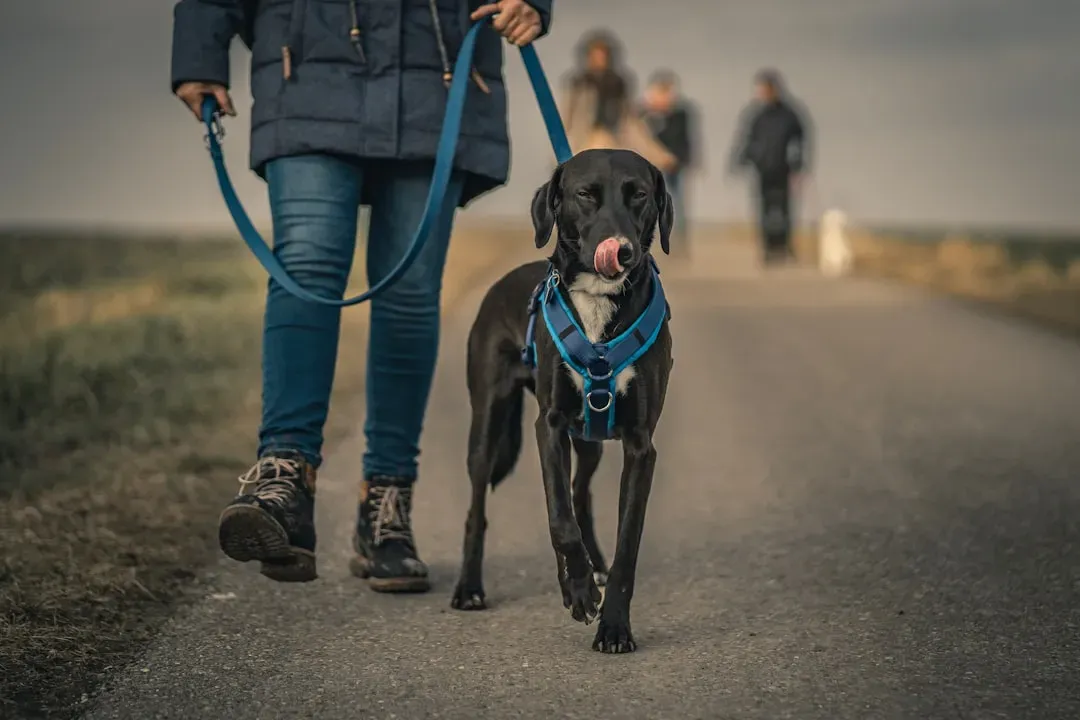
The gear tells on everyone. Vets quietly clock it the second the owner walks in: a frail 80-year-old holding a thin retractable leash clipped to a flat collar on a 60-pound dog. That combination is a disaster waiting for a trigger – one lunge and you’ve got a broken wrist, a bad fall, or a loose dog in traffic.
Most seniors are just using what they’ve always used, unaware that their own reaction time and balance have quietly changed underneath them. Vets will often pivot the conversation to “training” or “comfort,” but what’s really happening is risk control.
- Front-clip harnesses for more control with less physical strength
- Sturdy, non-retractable leashes
- Double-handle leashes for extra stability on uneven ground
Some owners bristle at being told to change a system they’ve used for decades. But the vet isn’t nitpicking – they’re picturing the ER visit before it happens.
#9 – The Dog’s Clinginess as a Clue to Isolation
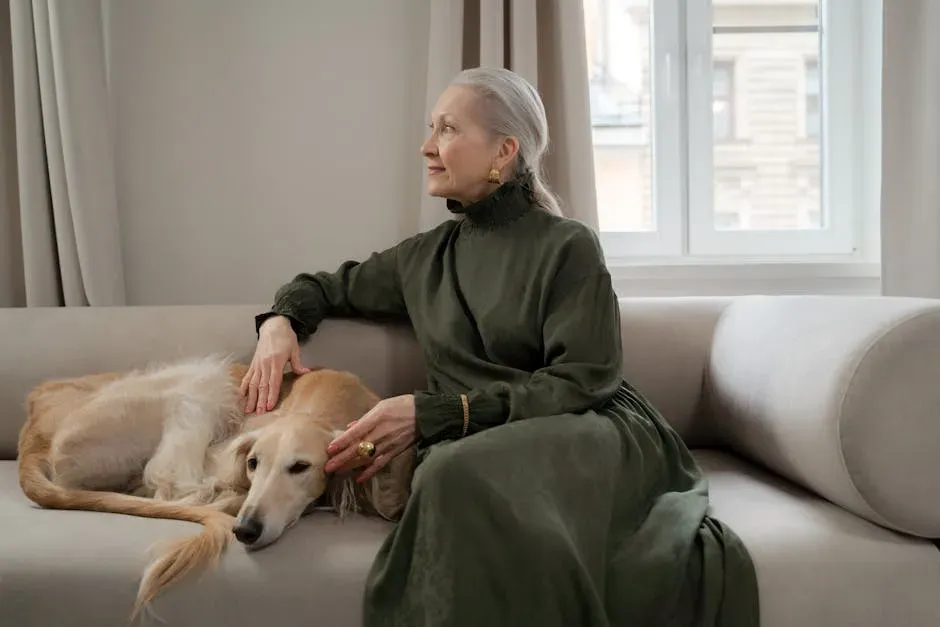
Dogs of owners over 75 often behave differently the moment they hit the exam room. Vets notice whether the dog is glued to the senior’s leg, refuses to explore, or panics the instant the owner steps out of sight. That kind of extreme attachment is often a quiet signal of a very small, very quiet household.
A dog that rarely sees other people can turn anxious, overly dependent, or protective in ways that look like aggression but are really just fear. Vets aren’t thinking “behavior problem” so much as they’re wondering what the dog’s entire world actually looks like.
- Does this dog get stimulation from anyone besides this one person?
- Is this senior getting out at all, or is the dog their main social contact?
- Is anyone else involved in this dog’s care?
When a dog trembles just being carried to the back for a routine test, it’s often a sign that both the human and the dog are living inside a very tight, very isolated bubble. Some vets will bring extra techs in on purpose, just to get the dog – and by extension the owner – used to a little more human contact.
#8 – Medication Confusion That Mirrors the Owner’s Pill Routine
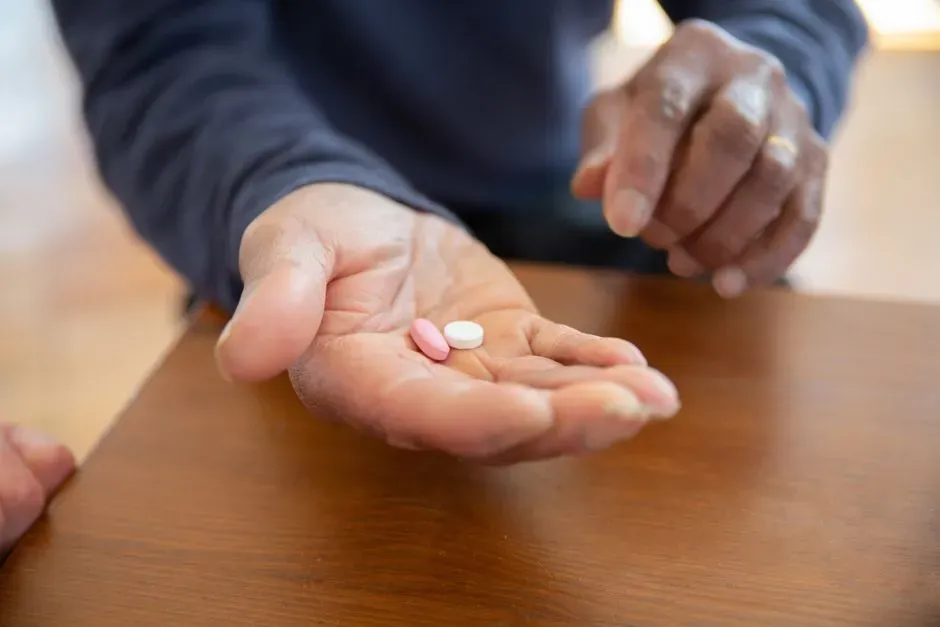
The first questions about heartworm and flea prevention aren’t really about the dog at all. When an owner over 75 hesitates – “I think… we did that? Maybe in spring?” – vets immediately start thinking about cognitive load and medication management back home.
If the senior already juggles a complicated pill schedule for themselves, remembering a monthly dog preventive can slip through the cracks fast.
- Owners who bring a whole bag of dog meds “just to be sure” are often struggling to track what’s actually due
- Owners who confidently say “we don’t need that” frequently misunderstand modern parasite risk
This is exactly why so many vets push long-acting injections or clearly labeled calendars for older clients. It isn’t upselling – it’s damage control for a system where memory, eyesight, and organization are all quietly slipping at once.
#7 – The Dog’s Odor as a Sign of What’s Not Being Said
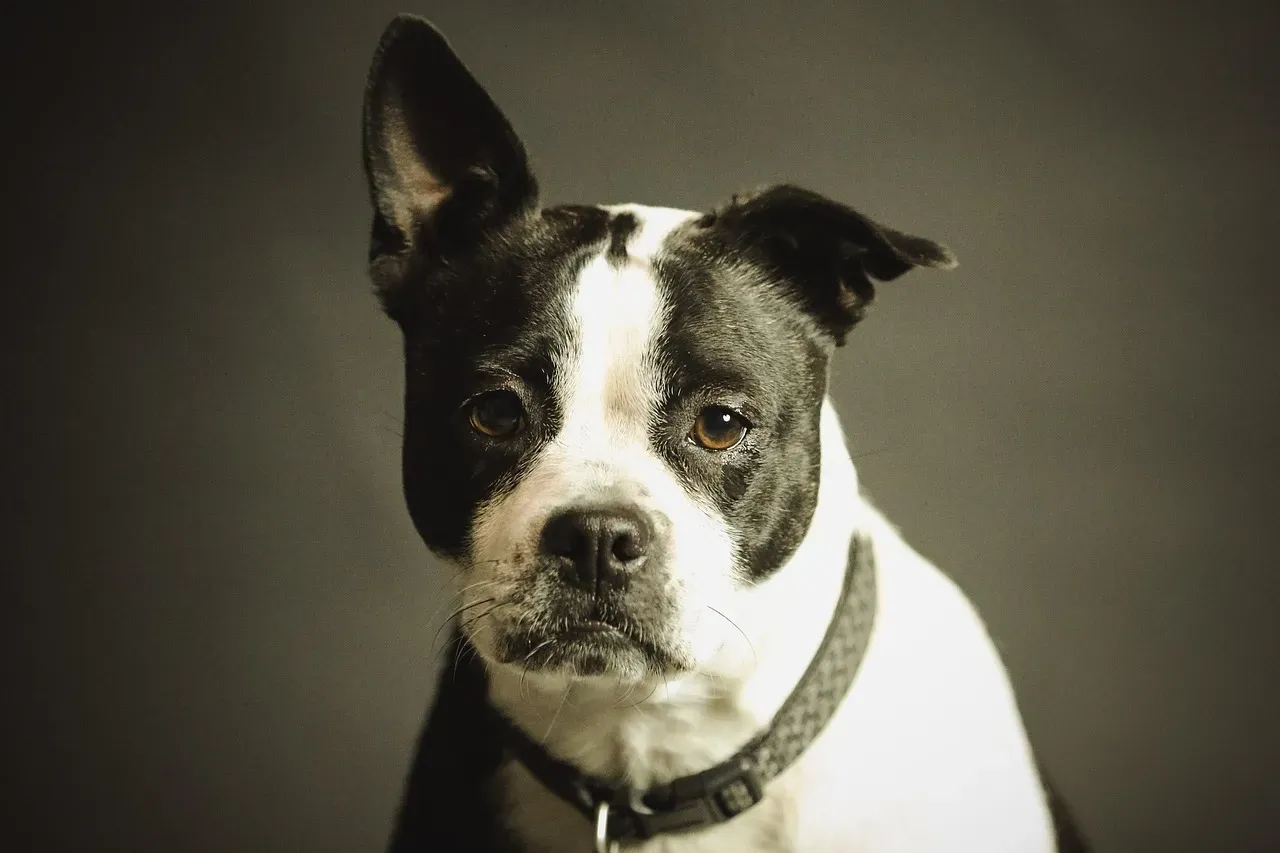
Smell is brutally honest. Vets notice instantly if a dog carries that heavy “old dog” scent layered with urine, yeast, or thick dander. On its own, that can point to a medical issue. In a dog owned by someone over 75, it often points to something else entirely: physical limits on bathing, lifting, or cleaning up accidents.
A small dog with a mild odor is usually manageable. A large dog reeking of urine is often a quiet crisis. The vet’s mind goes straight to the practical: can this person physically bathe a 50-pound dog? Do they even have a tub or walk-in shower, or just a slick bathroom floor?
Dogs are not our whole life, but they make our lives whole.
Roger Caras
Younger people sometimes judge a smelly dog as neglect. Vets usually see something closer to heartbreak – one person doing their absolute best in a body that no longer cooperates. So instead of a lecture, they’ll quietly suggest wipes, waterless shampoo, or a mobile groomer – not just for the dog, but to protect the dignity of the whole household.
Worth Knowing
- Waterless shampoo and grooming wipes can stretch the time between full baths
- A non-slip mat or grip strip in the tub cuts fall risk during bath time
- Mobile groomers can handle bathing and drying without a car trip at all
- Odor that lingers even after a clean bath can point to a skin or ear infection worth checking
#6 – Joint Stiffness That Exposes Shared Pain

Watching a dog struggle off the scale or get lifted onto the table, vets are often looking at a mirror. Senior dogs and senior owners frequently move with the exact same stiff, guarded caution, and that overlap tells vets everything about daily life at home.
A dog who refuses stairs might mean the owner is carrying them up every single time, risking a fall with every trip. A dog who struggles to stand might mean the owner is doing heavy lifting multiple times a day, joints already screaming.
- Can this owner safely give joint injections or manage daily meds?
- Are ramps, steps, or orthopedic beds realistic in this home?
- Does the owner realize both of them are struggling, not just the dog?
There’s a blunt truth many vets won’t say out loud in the room: large-breed dogs are often a rough match for very elderly owners unless there’s real backup support at home. It’s not popular to say, but plenty of vets quietly believe it.
#5 – The Dog’s Social Skills as Proof of How Busy the Household Is
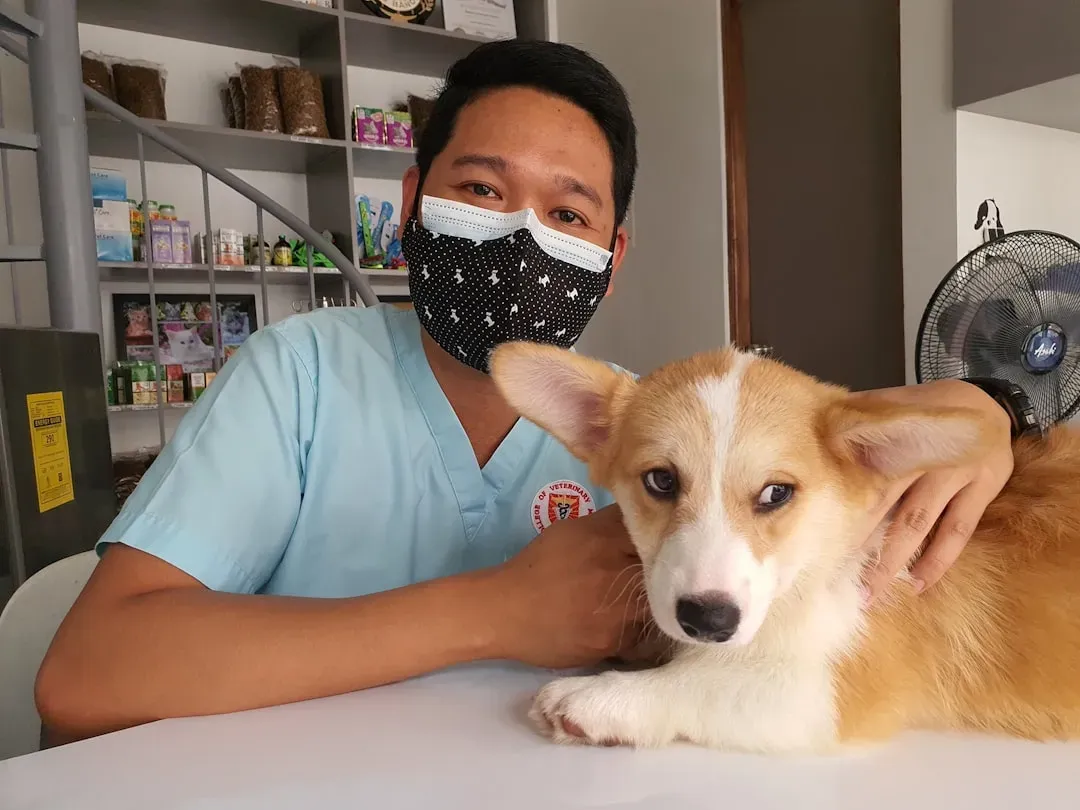
An easygoing, curious dog that shrugs off strangers usually means an active, socially connected home. A dog that barks nonstop, hides behind the owner’s legs, or growls at the vet is telling a different story – one where visitors are rare and the dog’s entire world is one person and one living room.
In an older owner, that’s not a character flaw. It’s a data point worth reading.
- Does the dog settle when the owner speaks, or does it escalate?
- Does the owner apologize excessively, like this scene plays out every single time?
- Is the dog’s protectiveness hinting that the owner feels vulnerable at home?
This isn’t just about bad manners. A poorly socialized dog can make it much harder for home health aides, cleaners, or family to step in later – quietly trapping both dog and owner in a smaller, more isolated world.
#4 – Cloudy Eyes and Bad Ears as a Timeline of Missed Vet Visits
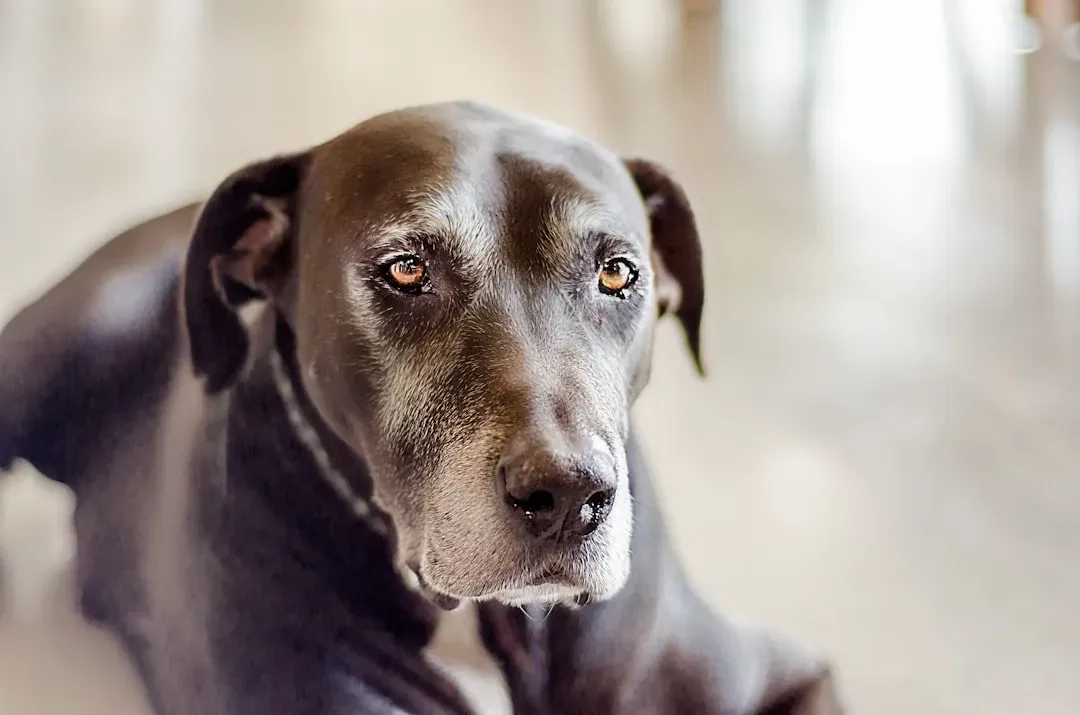
Cloudy eyes, unresolved cataracts, ear infections that never fully cleared – vets read these like timestamps on a calendar nobody’s been checking. Chronic, untreated issues in a senior-owned dog often mean regular vet visits have become rare, difficult, or both.
It’s rarely neglect in the cruel sense. It’s usually the harsh reality of no longer driving, dreading the cost of a bill, or simply being too worn out to schedule one more appointment.
- Has this dog been seen consistently, or only during emergencies?
- Is the owner minimizing symptoms – “oh, she’s just old” – to dodge a hard decision?
- Does the owner flinch at the mention of tests or imaging costs?
More vets now proactively ask senior clients if they have reliable transportation or need reminder calls, because they know these eye and ear findings are usually just the visible tip of a much bigger access problem.
#3 – Missing ID Tags and No Microchip as a Safety Reality Check
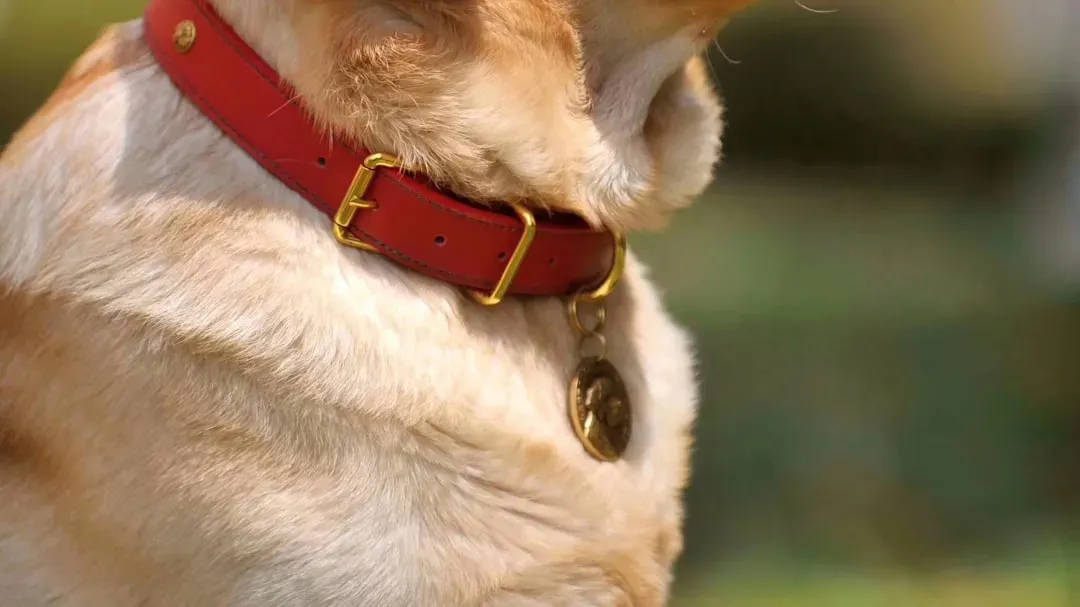
One of the quietest but most telling moments in the whole visit is the scan for a microchip. A senior-owned dog with no collar tag and no chip isn’t a minor oversight – it’s a walking emergency waiting for the wrong afternoon, especially if the owner is frail, forgetful, or unsteady on their feet.
If that dog slips out during a fall or a moment of confusion, the odds of a safe reunion drop fast.
- Doors get left open more often for air or convenience
- Hearing or memory decline makes it harder to notice a dog slipping outside
- A missing tag often quietly reflects bigger gaps in future planning
Some vets will insist on microchipping without hesitation – not as an upsell, but as a non-negotiable safety net. It’s one of the few things that protects the dog and gives the owner peace of mind if a medical emergency ever hits them first.
#2 – Paperwork, Memory Gaps, and Who Actually Shows Up

The intake process is brutally revealing, long before the exam starts. Who brought the dog in? Who remembers past diagnoses? When someone over 75 arrives alone, clutching a folder of old records – or worse, nothing at all – vets can already see problems coming down the road.
If they struggle to carry the dog or fill out a simple form, following a complex treatment plan later becomes genuinely doubtful.
- Are adult children involved or even mentioned?
- How accurately does the owner recall medications, food brands, past surgeries?
- Does the owner look overwhelmed by printed instructions?
There’s a real divide here. Dogs of seniors with an involved support network tend to get more advanced care and smoother follow-up. Dogs of seniors going it completely alone often push vets toward simpler plans on purpose – fewer meds, longer-acting options, and blunt honesty about what’s actually manageable.
#1 – The Emotional Bond That Predicts Every Decision
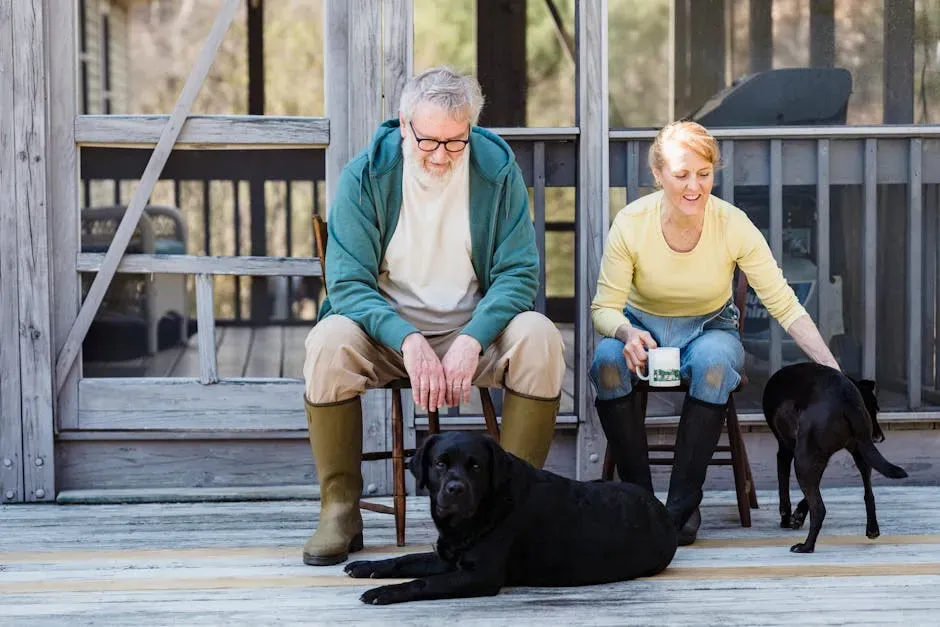
Above everything else, vets notice the way a senior looks at their dog. For many people over 75, that animal isn’t “just a pet” – it’s their last daily companion, their reason to get out of bed, their one remaining anchor to routine. The way they talk about the dog says everything: “He’s all I’ve got.” “She’s the only one who listens.”
That single sentence tells a vet exactly how hard end-of-life decisions will be, and exactly how far this person will go, even past their own physical limits.
- It drives extraordinary care – seniors skipping their own comforts to cover a medication bill
- It also drives dangerous denial – ignoring pain, delaying euthanasia, refusing changes because “I can’t lose him”
When vets spot this bond in the first five minutes, it colors everything that follows: how gently they deliver bad news, how carefully they raise the idea of rehoming in extreme cases, how slowly they walk through quality-of-life conversations. In a very real sense, they’re treating two patients every single visit – the dog on the table, and the human who genuinely cannot imagine life without them.
The Bottom Line
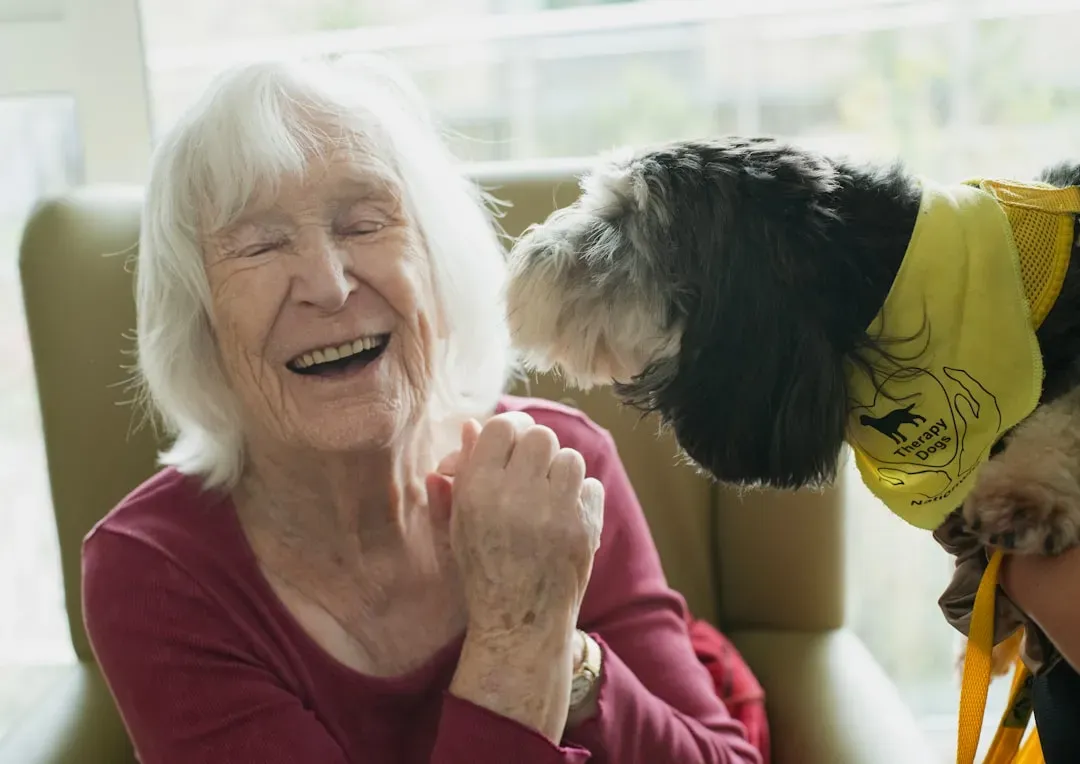
Vets don’t need hours to understand what’s really happening in a home shared by an aging dog and an aging owner. In the first five minutes, the coat, the nails, the smell, the gear, and the way the owner talks about their dog lay it all out – mobility, finances, isolation, and love, all at once.
The uncomfortable truth is that most of what gets blamed on “neglect” or “just old age” is actually one person doing their absolute best with a body and a system that no longer cooperate the way they used to.
At a Glance
- Mobility, grooming, and gear often reveal more than the medical chart
- Isolation and clinginess in the dog can mirror isolation in the owner
- Missing microchips and ID tags are a fast, fixable safety gap
- The emotional bond usually decides how far an owner will go for their dog
Some experts insist very elderly owners should avoid large or high-energy breeds altogether. Others argue the emotional payoff outweighs nearly every risk on the table. The real answer probably sits in the uncomfortable middle: a dog can genuinely transform an older life, but only when love is backed up by planning, support, and a little brutal honesty about what’s actually sustainable. Did we miss a subtle sign you’ve noticed yourself? Drop it in the comments.


