
Ask any dog owner if they’d notice something wrong with their own dog, and almost every single one says yes without blinking. Vets hear that confidence constantly, right before they point out a stiffened tail, a shortened stride, or a wince the owner swears just started today. In reality, it started weeks ago.
Dogs are wired to hide weakness. It’s an old survival instinct, and it works well enough that most pain, illness, and discomfort stays invisible at home until it’s advanced enough to be undeniable. Vets catch it earlier because they’re trained to read the tiny stuff: a few degrees of tail droop, a half-second hesitation before standing, a bowl that’s being licked a little more than usual. Here are the 17 small shifts vets notice first, the ones that almost always slip past the people who love these dogs the most.
#1 – The Quiet Weight Drop No One Weighs
Vets see it in almost every exam room: an owner insists their dog looks exactly the same, and then the scale tells a different story. A loss of just one or two pounds can point to anything from dental pain to early kidney trouble, and most households don’t notice until the ribs start showing through the coat.
Here’s the part that catches people off guard: many dogs keep acting completely normal, tails wagging and energy intact, while quietly losing muscle underneath. Nobody’s tracking body condition scores at home the way a clinic does at every visit, so a slight hollowing along the spine just gets waved off as “getting older.” A few photos from the same angle, taken once a month, will show a change that daily life completely hides.
Fast Facts
- Vets score body condition on a 1-to-9 scale, with 4 to 5 considered ideal for most breeds.
- Ribs should be easy to feel with a light touch but not visible from across the room.
- A visible waist should show from above when looking down at your dog’s back.
- Weight loss of even 5 percent of total body weight is considered clinically significant.
#2 – Tail Position That Speaks Volumes
A tail that hangs a little lower than it used to, or tucks more often than before, usually isn’t about mood. Vets have learned to read that shift as an early clue for hip dysplasia or mild back pain, often showing up weeks before any actual limping does.
The detail most owners never clock is that the resting angle only moves by a few degrees when pain sets in, subtle enough to be dismissed as the dog being “tired” or “in a mood.” Watch how the tail behaves during greetings, or the moment your dog pushes up off the floor. A tail that’s consistently riding lower is often the first real sign, arriving long before the stiffness anyone can actually see.
#3 – The Paw-Licking Habit That Isn’t Allergies
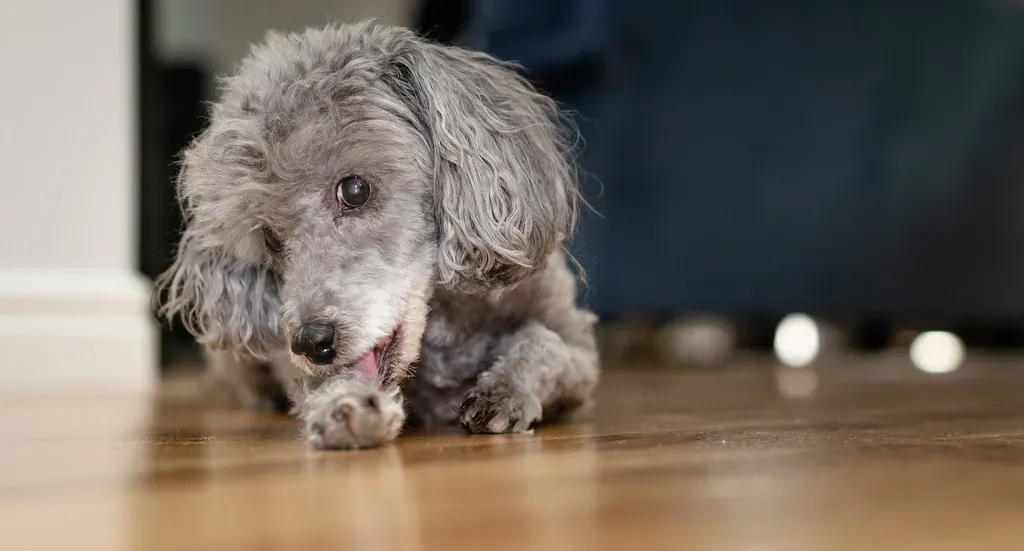
Excessive licking between the toes gets blamed on seasonal allergies more than almost anything else, but vets frequently trace it back to joint discomfort or early arthritis instead. It shows up most in middle-aged dogs whose owners are still convinced it’s just a grooming quirk.
Some dogs lick so quietly, so late at night, that the first evidence an owner ever sees is a damp, stained patch of bedding weeks later. That repetitive licking can even create hot spots that mask the real problem underneath. Pay attention to when it happens: licking right after a walk or first thing in the morning points toward joints, not allergens, and it’s a window families lose the moment they assume it’s just behavioral.
#4 – Sleeping Positions That Reveal Hidden Pain
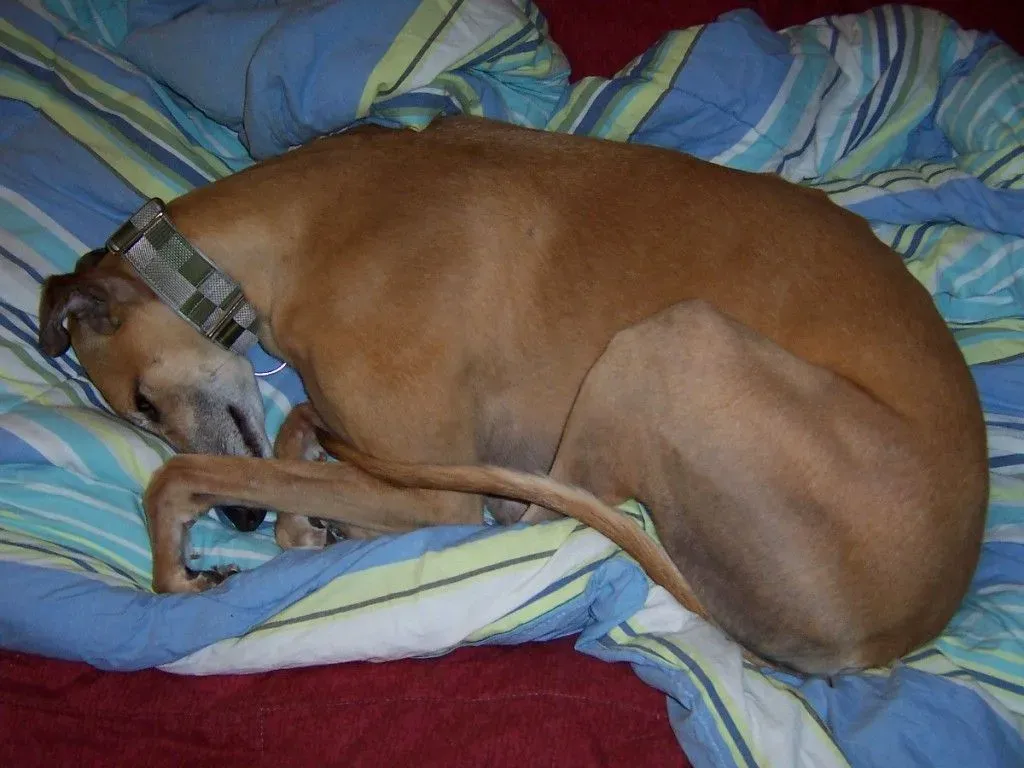
A dog that suddenly favors one side, or stops stretching out fully at bedtime, is very likely protecting something that hurts. Vets ask about sleep changes at almost every visit because these adjustments show up before any daytime limp does.
Some dogs go a step further and curl tighter than usual, easing pressure off the abdomen or spine, and it can look almost endearing if you don’t know what you’re looking at. Watch for whether your dog still sprawls flat on their back or has quietly switched to more of a guarded “sphinx” pose. That shift can arrive weeks before anything obvious, and most owners only connect the dots after a vet points it out during an exam they almost didn’t book.
#5 – Breath That Changes Without Dental Drama
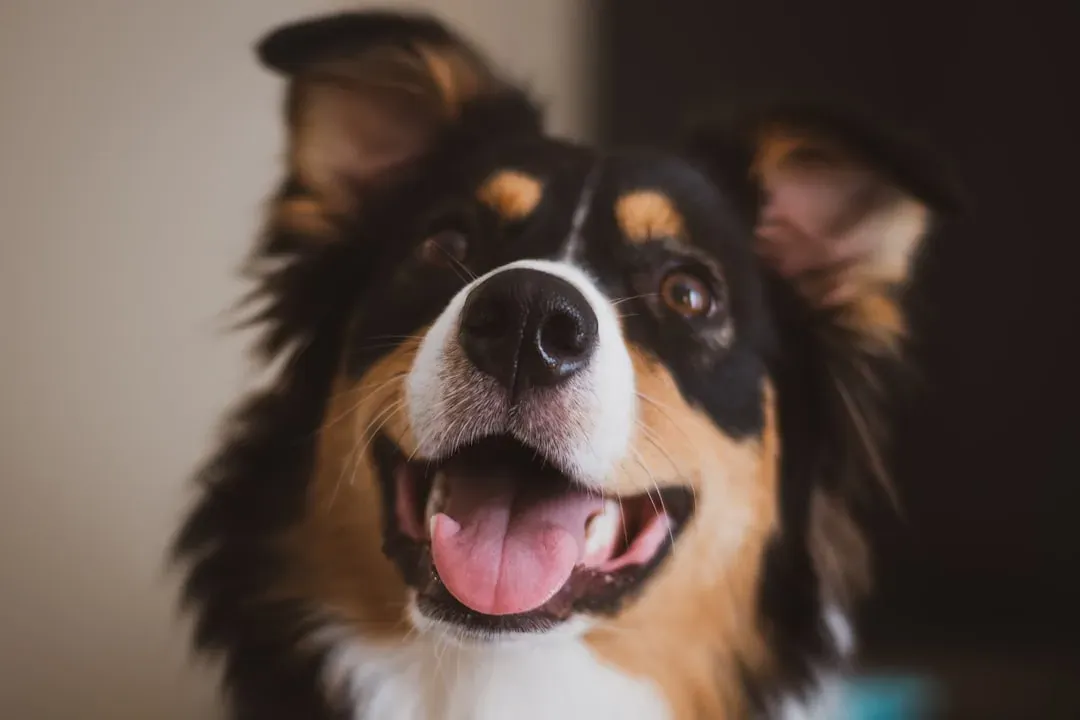
A shift in breath odor, something more metallic or ammonia-like than typical dog breath, can be an early flag for kidney or liver trouble. Most owners wait for visible tartar before they worry, but vets can catch metabolic changes by smell alone during a routine checkup.
What surprises people most is how fast breath can change once organ function dips, often well before appetite or energy visibly drop. The trick is comparing your dog’s breath to how it smelled six months ago, not to other dogs, since small shifts get normalized fast at home. Clinics catch this because they’re smelling dozens of dogs a week; a household only has one baseline, and it slowly drifts without anyone noticing.
#6 – Toy Interest That Quietly Fades
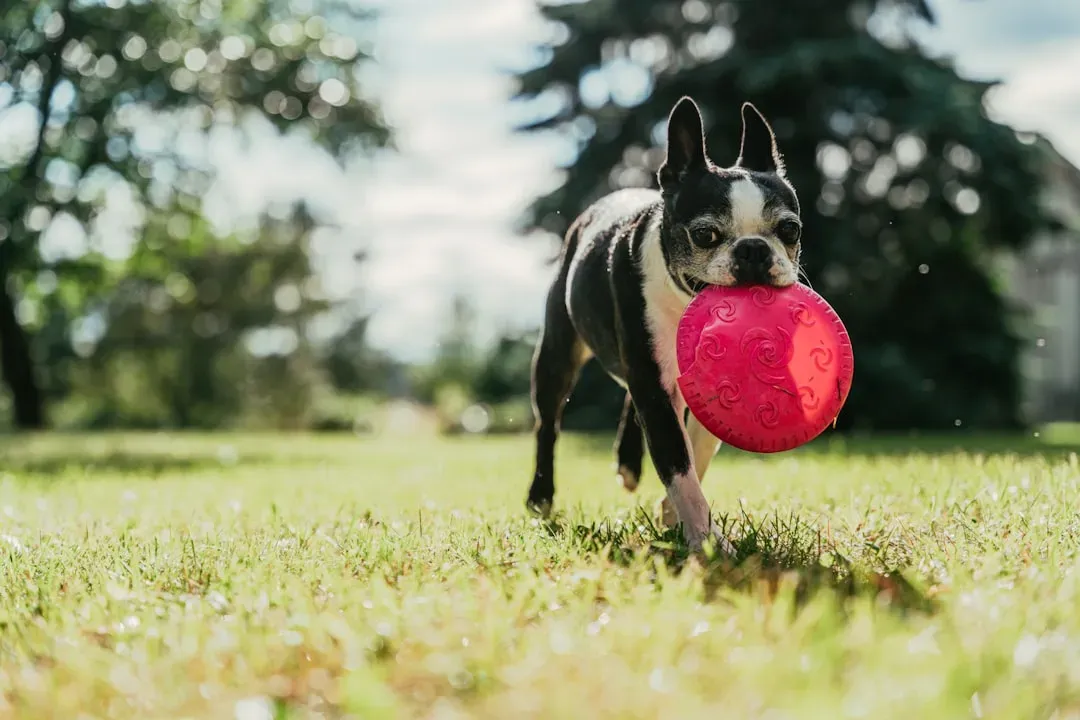
When a dog stops bringing over favorite toys or loses interest in fetch, owners tend to chalk it up to the dog simply “growing out of it.” Vets hear that phrase constantly, right before diagnosing early fatigue linked to heart or respiratory changes.
Play drive drops measurably before any coughing or heavy breathing ever shows up, which is exactly why it’s so easy to miss in a busy house. Notice whether your dog still chases the ball the full distance, or starts dropping it halfway there. Families who assume it’s just age losing its grip lose real time they could’ve used for early intervention.
#7 – Ear Scratching That Isn’t an Infection
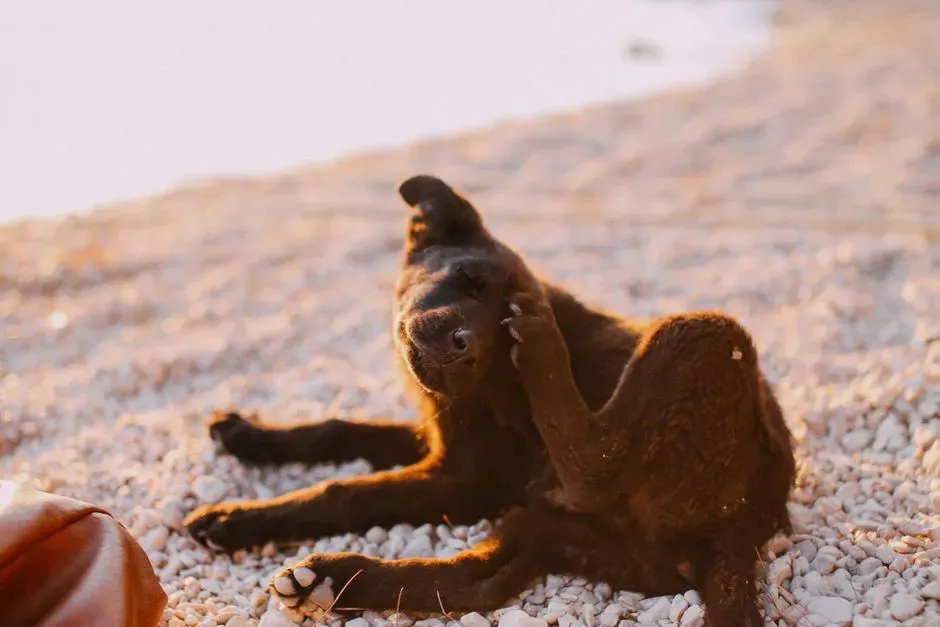
Light, repetitive scratching at the ears, without head shaking or discharge, can actually be referred pain traveling from the neck or jaw. Vets see this in dogs with mild TMJ issues or dental pain that nobody at home ever thought to connect to the ears.
Some dogs scratch just enough to relieve the pressure, never hard enough to cause visible irritation, so it reads as completely normal grooming. Watch for whether it happens right after yawning or eating; that timing usually points toward the jaw or teeth, not the ear canal. Most households don’t investigate until redness finally shows up, by which point the underlying issue has had weeks to grow.
#8 – Eye Changes Owners Mistake for “Sleep”
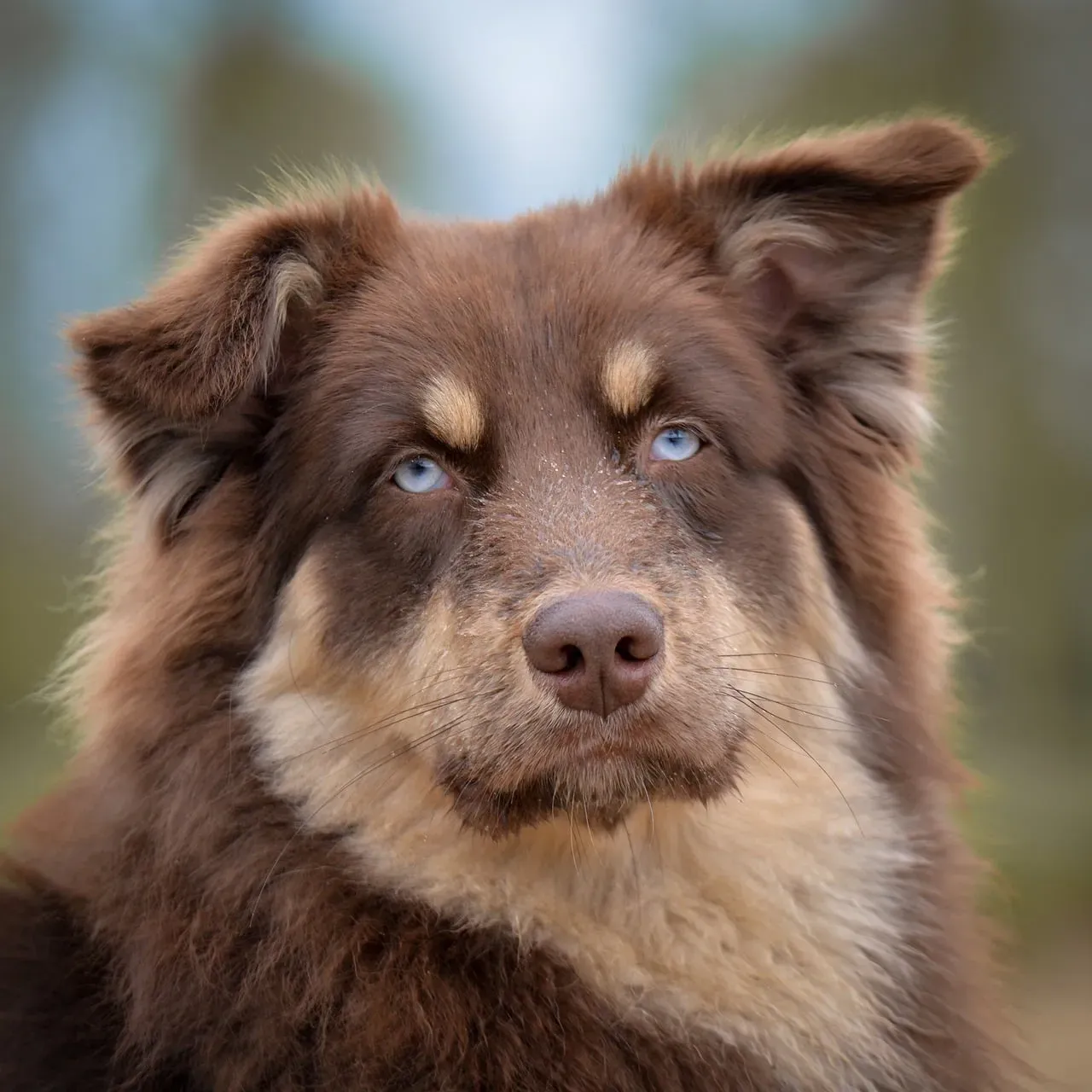
A slight increase in morning eye discharge, or a new film that wasn’t there before, can signal early dry eye or even rising glaucoma pressure. Vets catch it during wellness exams because owners tend to normalize a little extra “sleep” in the corners of the eyes.
Here’s the part that matters: intraocular pressure can climb noticeably before the eye ever looks red or cloudy, and that window is exactly when pressure-lowering treatment actually protects vision. Try comparing photos of your dog’s eyes taken in the same light over a few months. Clinics measure tear production and pressure as a matter of routine, catching what a household glance simply can’t.
#9 – Morning Stiffness Everyone Blames on Age
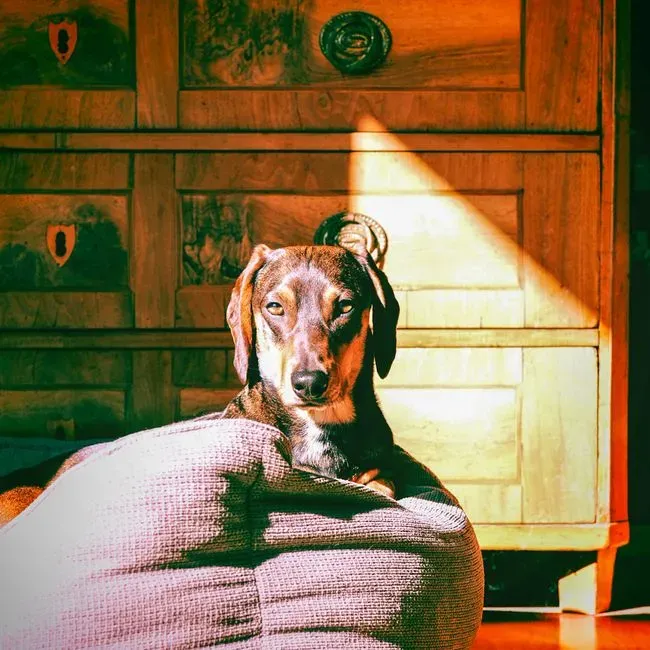
A brief hesitation before the first steps of the day, or a slower rise off the floor, often marks the earliest stage of arthritis. Vets point out that this stiffness can last only 30 to 60 seconds and still mean real joint inflammation is underway.
What shocks most owners is how well dogs compensate, often so well that a limp only shows up after unusually vigorous activity. Try filming your dog standing up first thing in the morning for a week straight; any consistent delay or weight-shifting becomes obvious on video in a way it never is in the moment. Most people only notice once their dog starts navigating stairs differently, and by then the pattern’s been building for a while.
Quick Compare
- Normal grogginess: Stands right away, stretches fully, and moves at a regular pace within seconds.
- Early arthritis: Pauses before standing, takes shorter first steps, and “warms up” into a normal gait after a minute or two.
- Normal grogginess: Looks the same regardless of weather or how active the day before was.
- Early arthritis: Noticeably worse on cold mornings or after a rest day on the couch.
#10 – Water Bowl Habits That Shift First
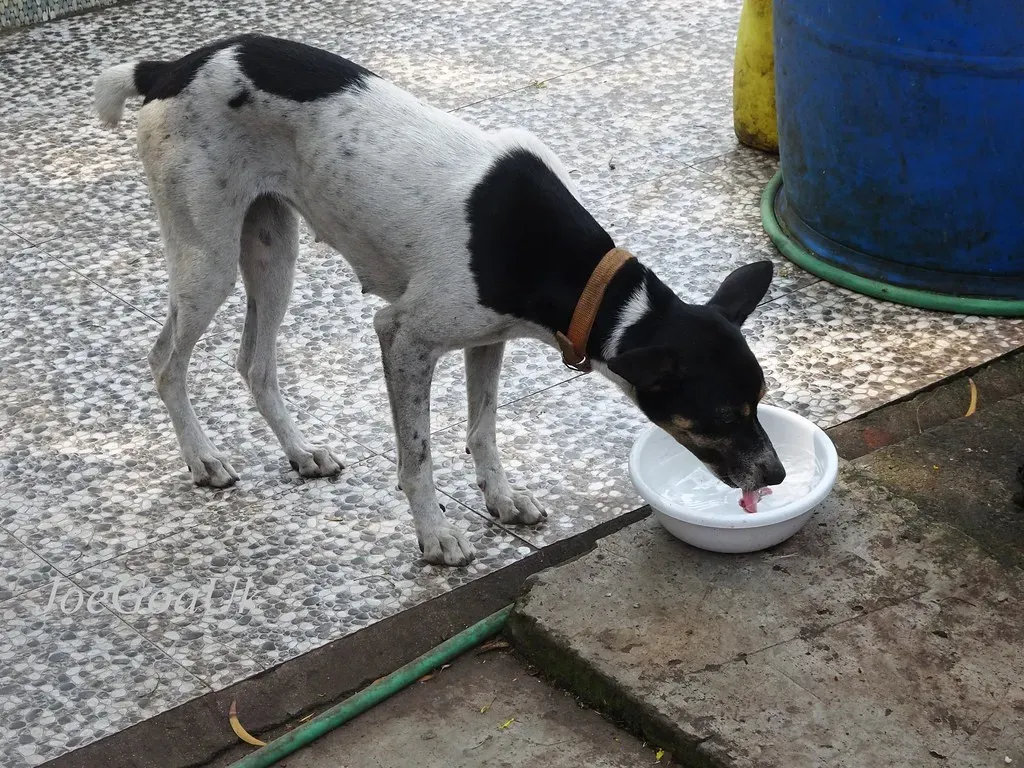
A dog that starts drinking more often in small sips, or noticeably less overall, can be showing early signs of diabetes or kidney changes. Most owners never measure water intake until a vet specifically asks, so the pattern stays completely hidden at home.
Some dogs increase their water consumption by 20 to 30 percent before any other symptom ever appears, which is a huge shift to miss simply because nobody’s watching the bowl that closely. Note whether it’s emptying faster than usual, or being left half-full more often than before. Vets ask about thirst first because it tends to show up before weight loss or appetite changes ever do.
#11 – New Vocal Sounds at Odd Times
Soft whining or sighing during ordinary moments, getting up, settling down, can point to discomfort that a full bark never reveals. Vets listen closely for these low-level sounds precisely because owners tend to read them as contentment instead.
Some dogs develop what almost feels like a new “talking” habit specifically when a joint or organ starts bothering them, and it stays subtle until the pain actually worsens. Record a typical evening and listen for new sighs or whimpers during position changes; these sounds frequently show up before any visible guarding of an area. Families who write it off as the dog just “chatting” miss the medical story unfolding underneath.
#12 – Coat Dullness That Isn’t Seasonal

A coat that loses its shine, or turns coarse in patches, can reflect internal inflammation or a nutrient absorption problem long before the skin itself shows anything. Vets examine coat quality at every single visit because owners tend to blame weather or a new shampoo instead.
What’s surprising is how fast a coat reflects systemic changes, while owners are only ever looking at the surface. Run a hand along your dog’s back and compare the texture month to month, not just by eye. Dull patches that don’t respond to grooming usually point somewhere deeper than the skin, and clinics catch that connection during full-body checks most households simply skip at home.
#13 – Digestive Noises Owners Learn to Ignore
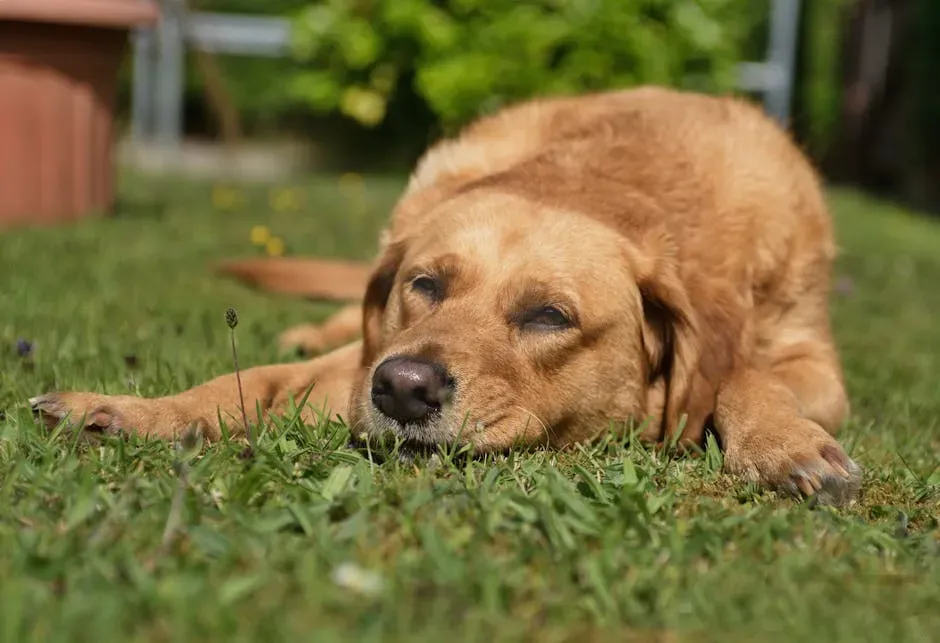
Increased stomach gurgling or new gas patterns can flag dietary sensitivities or early pancreatic issues well before diarrhea or vomiting ever show up. Vets ask about these sounds specifically because owners tend to write them off as “normal dog stuff.”
Audible digestion changes often show up weeks before any stool inconsistency does, which opens a real window for a simple diet adjustment. Listen during a quiet evening when the house has settled down; a new or louder sound after meals is easy to dismiss right up until it becomes constant. Most households track bathroom habits closely but completely miss the audible warning that came first.
#14 – Social Withdrawal That Looks Like Independence
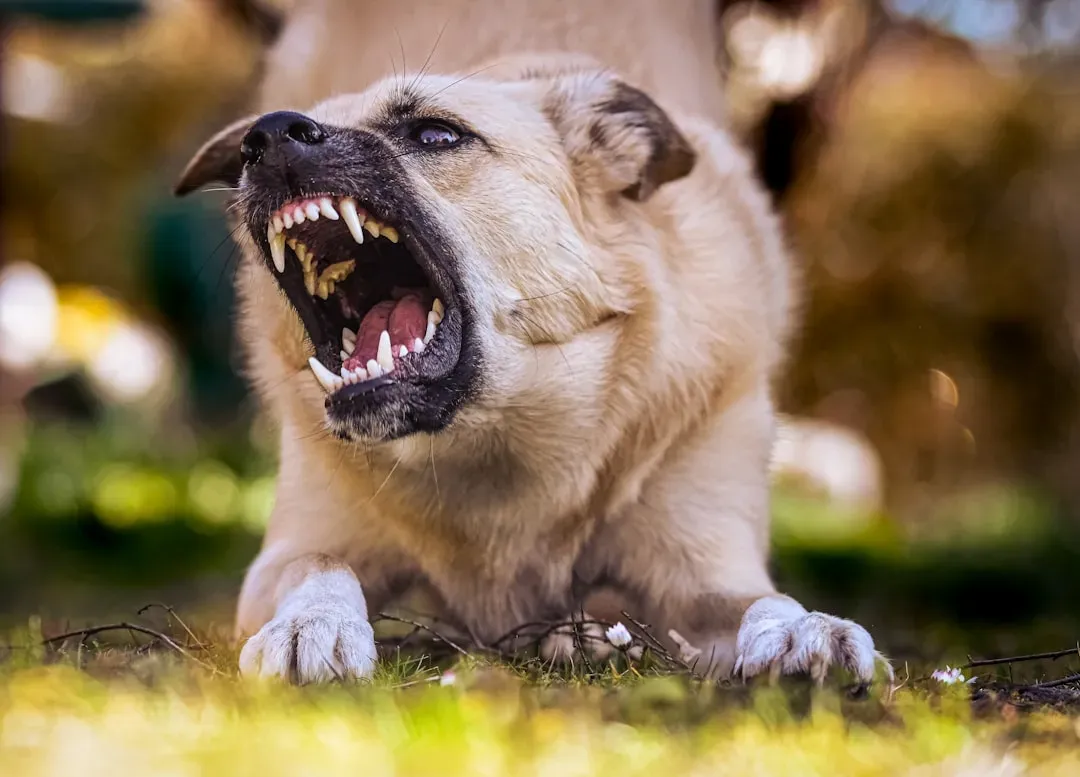
A dog that starts lying in another room, or stops seeking out pets as often, may be conserving energy rather than turning aloof. Vets see this pattern often in dogs with early heart or metabolic conditions, dogs their owners describe as just “wanting space.”
Interaction frequency drops measurably before any breathing changes ever appear, and that makes this one of the hardest shifts for an owner to catch in real time. Track how often your dog actually initiates contact during a normal day, rather than the other way around. Families who respect the new “independence” without questioning it often lose the earliest window they had to catch something treatable.
Worth Knowing
- Track how many times your dog approaches you for contact during a normal evening, not just how often you approach them.
- A sudden preference for a separate room, especially a cool tile floor, can be as telling as the withdrawal itself.
- Heart and metabolic issues often show up as behavior changes weeks before any coughing or labored breathing appears.
- A quick daily note in a phone app can reveal a pattern that feels invisible day to day.
#15 – Pica That Starts Small

Chewing on non-food items, rocks, fabric, patches of dirt, in small amounts can point to nutritional gaps or gastrointestinal discomfort. Vets see this constantly in dogs whose owners assume it’s just a quirky personality trait and nothing more.
Some dogs develop a craving for very specific textures weeks before any vomiting or weight change ever shows up, which is exactly why it’s so easy to explain away. Notice any new object your dog investigates with their mouth on walks, especially if it becomes a pattern rather than a one-off. Clinics connect this behavior to bloodwork results that most owners never even think to request.
#16 – Temperature Sensitivity That Looks Seasonal
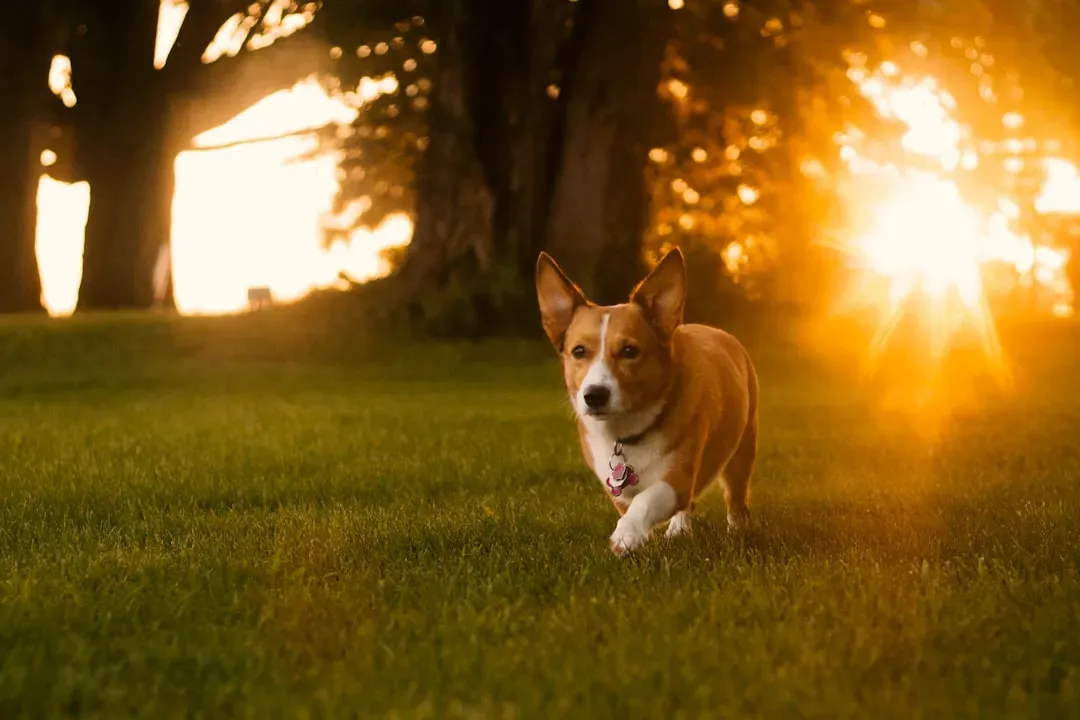
A dog that suddenly seeks out warmth or avoids cold floors, when they never used to care either way, can be showing early metabolic slowdown or joint changes. Vets notice this preference shift during seasonal transitions specifically because owners assume it’s just about the weather.
Here’s the overlooked part: a consistent change in floor choice can show up before any visible shivering or panting ever does. Watch where your dog chooses to rest at different points in the day, especially in a climate-controlled home where the temperature argument doesn’t really hold. A new obsession with sunbeams or heated surfaces is often about more than comfort, and most owners don’t notice until their dog starts refusing entire rooms.
#17 – The Micro-Gait Change No One Films
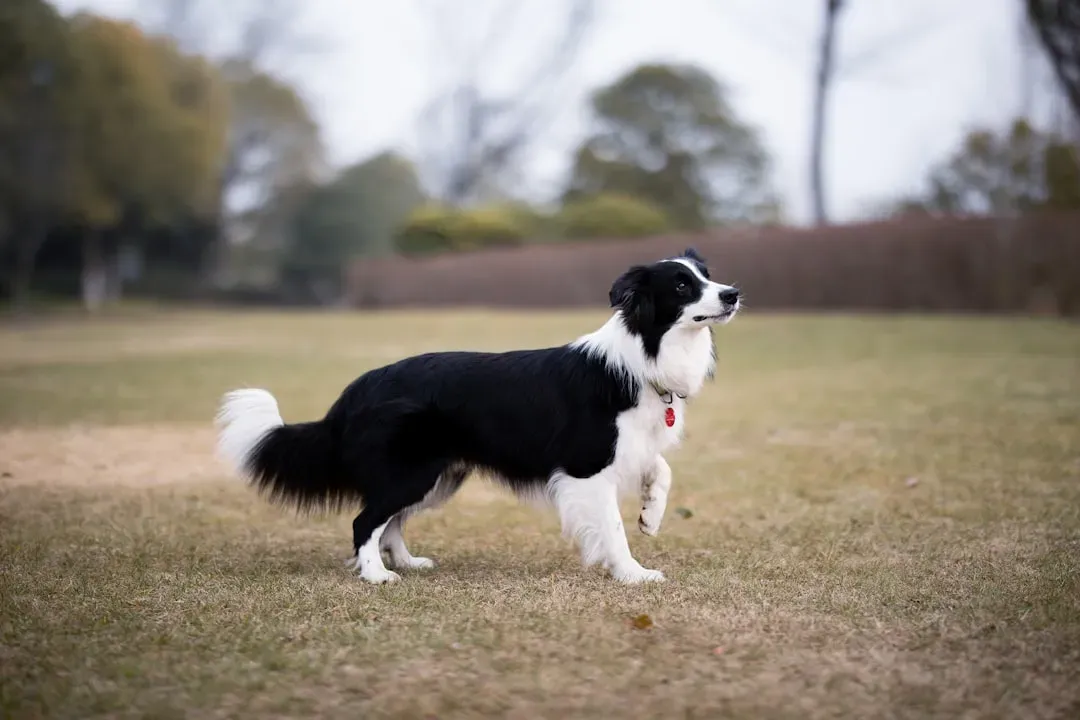
The tiniest shift in stride length or head bob during a walk often marks the very earliest orthopedic or neurological change a dog can show. Vets catch it because they watch dogs move through a controlled space, while owners are usually focused on where the walk is headed, not how it’s happening.
These micro-changes can appear months before any visible limp or hesitation to jump ever shows up, which is why slow-motion phone video reveals things a daily walk completely hides. Try filming your dog walking toward and then away from the camera on flat ground once a month. Any consistent head movement or shortened stride becomes obvious on review, and this remains the single change owners miss most consistently, right up until it’s progressed too far to ignore.
At a Glance
- Slow-motion video, even at half speed, reveals stride and head-bob changes invisible to the naked eye.
- Filming on flat, non-slip ground gives the clearest read on gait.
- Monthly comparison videos from the same angle catch changes weeks before a visible limp.
- Many owners only start filming after a vet suggests it, losing valuable early tracking time.
Put all seventeen side by side and a pattern jumps out: almost none of it looks like sickness. It looks like a slightly quieter dog, a slightly stiffer morning, a toy left untouched one more day than usual. That’s exactly why it slips past people who love their dogs and watch them every day, because the changes are built to be missed.
If there’s one opinion worth taking from all this, it’s that waiting for the “obvious” symptom is the most expensive mistake an owner can make. A monthly video, a photo from the same angle, a quick note about water intake, none of that requires a vet degree. It just requires deciding that the quiet signs matter as much as the loud ones, before the loud ones show up and force the issue.


