

Most owners think an old dog is just quieter. Slower. Content to sleep the day away in a sunny patch of carpet. But that stillness is often a cover story, and the real dog underneath is hesitating at the top of the stairs, circling three extra times before lying down, or wincing so subtly you’d miss it if you blinked.
Vets and behaviorists say these signals get dismissed as “just getting old” far too often, and by the time an owner notices, the dog has already been quietly struggling for months. What’s coming up isn’t a list of luxuries. It’s a map of the exact things your senior dog is asking for right now, in a language most people never learned to read.
#13 – Rugs and Runners That Prevent a Fall Nobody Sees Coming
![#13 - Rugs and Runners That Prevent a Fall Nobody Sees Coming (Flickr: [Photograph of a dog on a rug], CC BY-SA 2.0)](https://nvmwebsites-budwg5g9avh3epea.z03.azurefd.net/doggodigest/cd88d9049eb3c2c1896c9bd907b459b2.webp)
Slick hardwood or tile doesn’t look dangerous, but for a dog with arthritis, it’s a minefield. Weakened grip and shaky balance turn every stride across a bare floor into a small gamble, and the stress of that gamble builds up even when nothing goes wrong.
Here’s the part most owners miss entirely: the problem usually isn’t caught until after a fall happens, and by then the dog may start avoiding whole rooms out of fear. A few strategically placed rugs or non-slip runners along their usual paths restore their confidence almost overnight, and they stop burning energy just trying to stay upright.
Fast Facts
- Bare floors are one of the most overlooked hazards for senior dogs with arthritis.
- A single bad fall can cause a dog to avoid entire rooms for weeks afterward.
- Rubber-backed rugs and yoga-mat style runners grip far better than plain fabric mats.
- High-traffic paths, like hallways and kitchen entries, are the most important spots to cover first.
#12 – Fast, Easy Access to the Bathroom
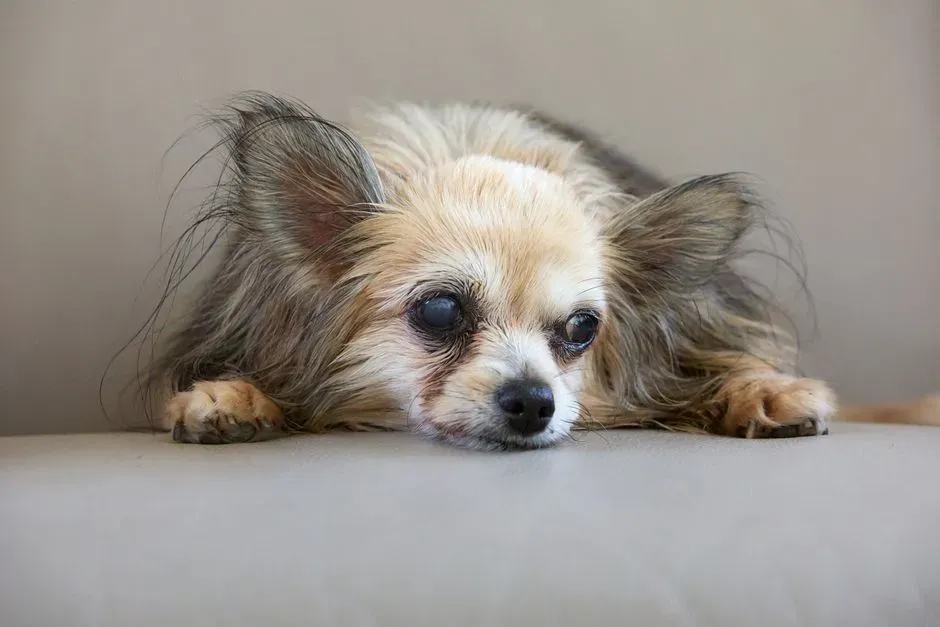
Old routines die hard, but an aging bladder doesn’t run on the same schedule it used to. Arthritis and weakening muscle control mean holding it isn’t just inconvenient for a senior dog, it can be genuinely painful, and accidents that follow often embarrass the dog as much as they frustrate the owner.
What’s unsettling is how some dogs cope: they quietly drink less water just to avoid the trip outside, which quietly sets them up for dehydration. A dog door, a closer potty spot, or indoor pads during bad weather removes that entire hidden negotiation and lets them relieve themselves without dread building in the background.
#11 – A Warm Spot That Doesn’t Move
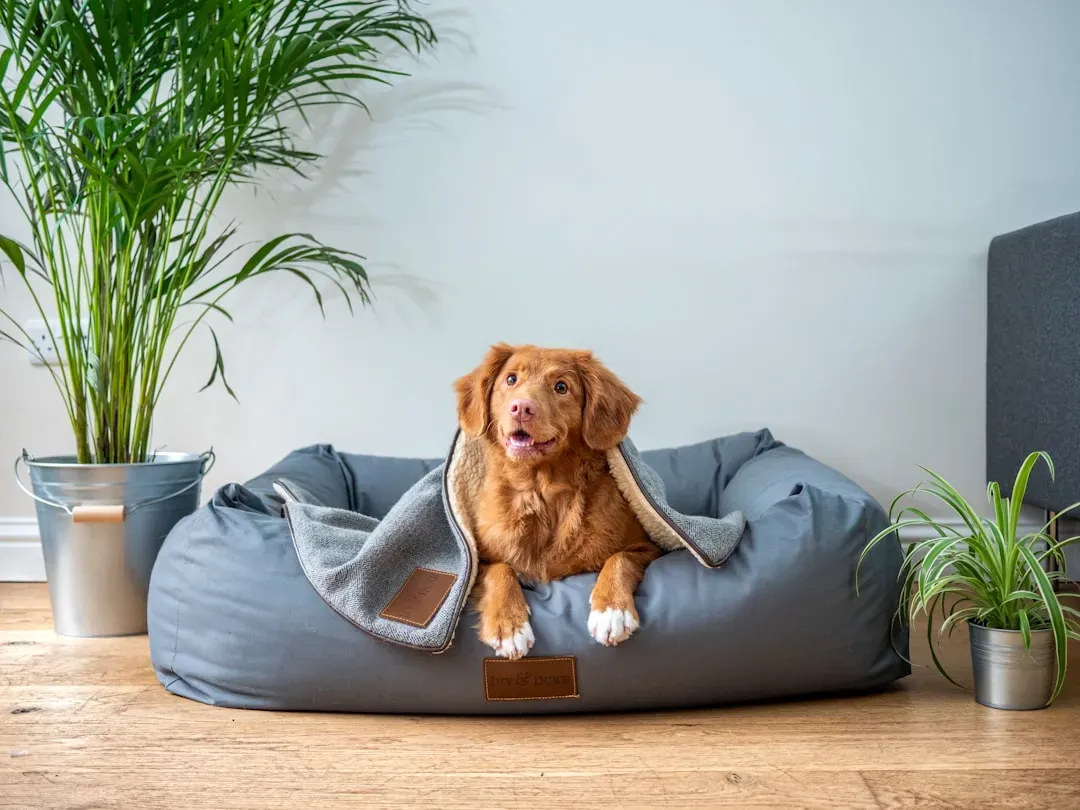
Cold doesn’t just make an old dog uncomfortable, it makes their joints seize up in ways that compound overnight. Most owners assume any bed will do, but a senior dog will actively seek out heat, chasing sun patches across the floor or shivering faintly without ever whimpering about it.
A heated bed or an extra blanket tucked into their favorite corner does more than keep them cozy. It measurably eases muscle tension and improves how deeply they sleep, and placing that warm spot away from foot traffic means their rest doesn’t get interrupted every time someone walks by.
#10 – Bowls Raised to Meet Them Halfway
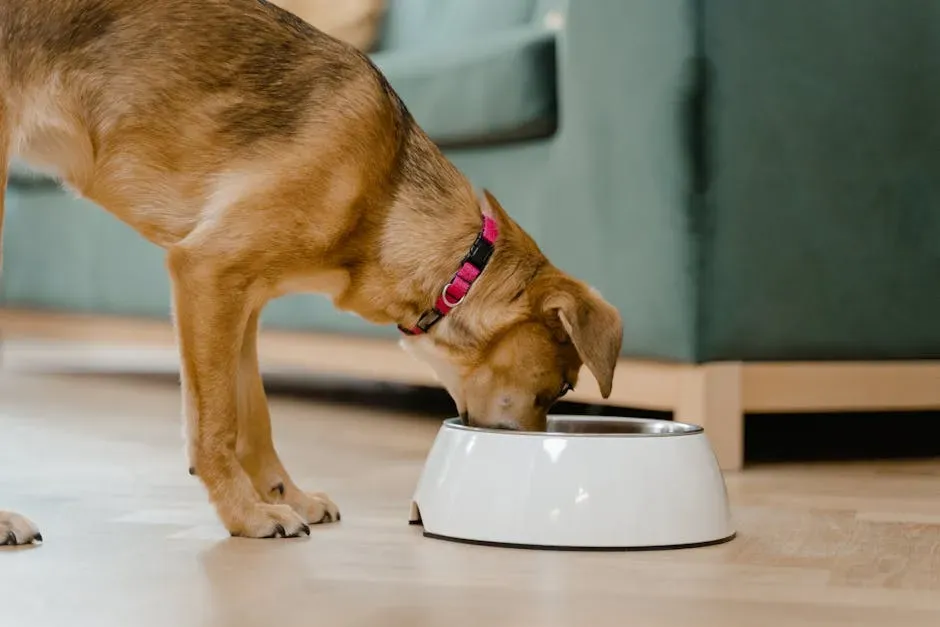
It sounds like a minor tweak, but bending down to eat puts real strain on a stiff neck and aging shoulders. Some senior dogs start skipping meals or losing weight simply because reaching the bowl hurts more than the hunger is worth.
The part that surprises most owners: dogs written off as “picky eaters” often start eating normally again the moment the bowl is raised to a comfortable height. Keeping a second set on another floor of the house also means they’re never forced to tackle a staircase just to get a drink of water.
#9 – A Corner of the House That Stays Quiet
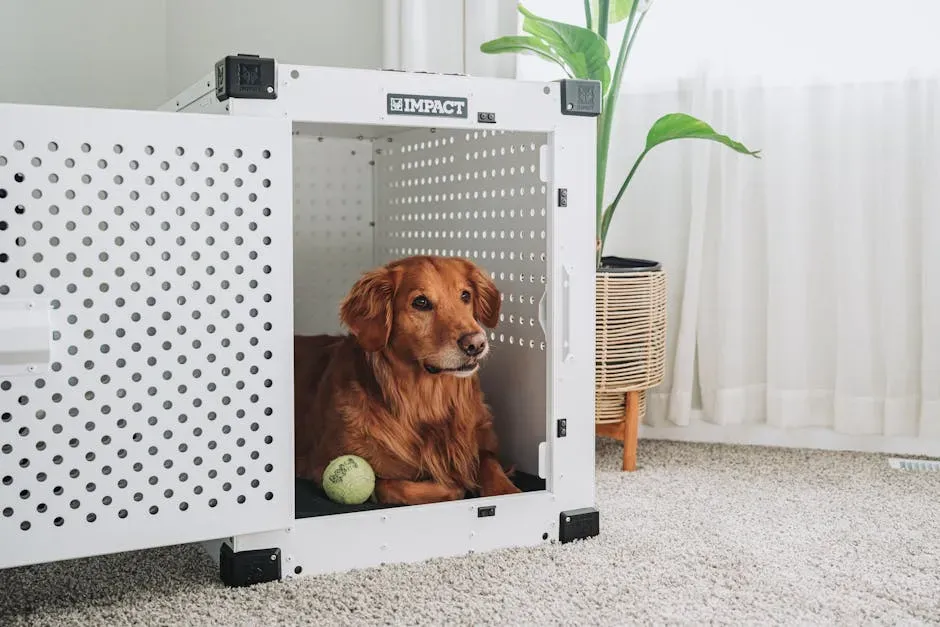
Households rarely slow down just because a dog gets older, but that constant noise and foot traffic wear on a senior’s nerves in a way younger dogs shrug off. What looks like withdrawal is often a nervous system that’s simply overloaded and has nowhere calm to reset.
A crate or bed tucked into a low-traffic room, with something blocking the direct sightline to constant movement, gives them permission to actually rest. Behaviorists point out that dogs pulled away from chaos this way are frequently mistaken for depressed, when really they were just finally able to relax, and it also keeps them safe from accidental bumps by kids or other pets.
#8 – Food That Doesn’t Hurt to Chew
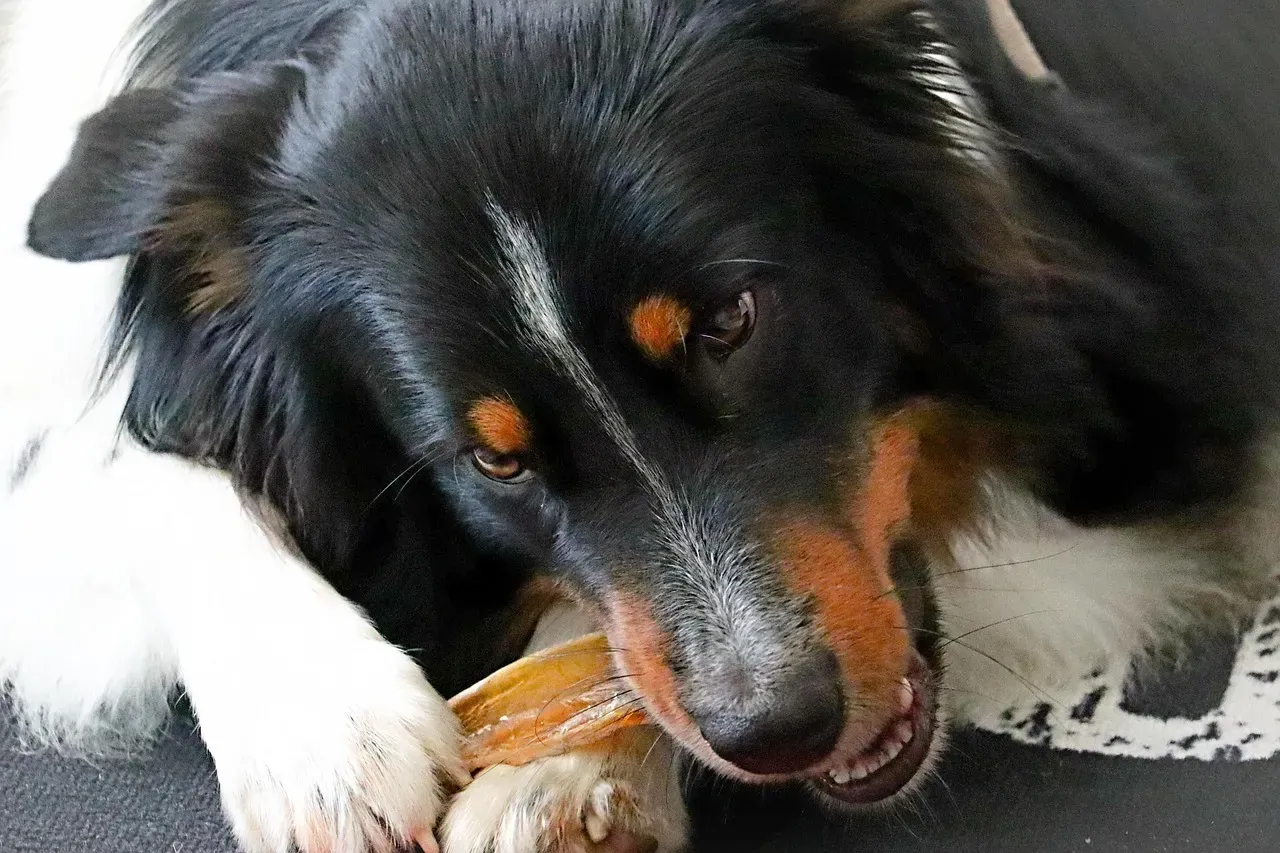
Dental pain is one of the sneakiest problems in senior dogs because they keep eating right through it, just slower and with less enthusiasm. Owners often stick with the same kibble for years without realizing worn teeth or inflamed gums have turned every meal into a small ordeal.
Softened food, wet meals, or regular dental wipes can bring the joy back to eating almost immediately. The reveal that catches people off guard is how many so-called “picky eaters” were never picky at all, they were just in pain and had no way to say so.
Worth Knowing
- Dental disease is one of the most common health issues in dogs past middle age.
- Bad breath is often the first, and most overlooked, sign of dental pain.
- Soft or moistened kibble can ease chewing without sacrificing nutrition.
- Routine dental checkups tend to catch problems long before a dog stops eating altogether.
#7 – Short Bursts of Movement Instead of Long Walks
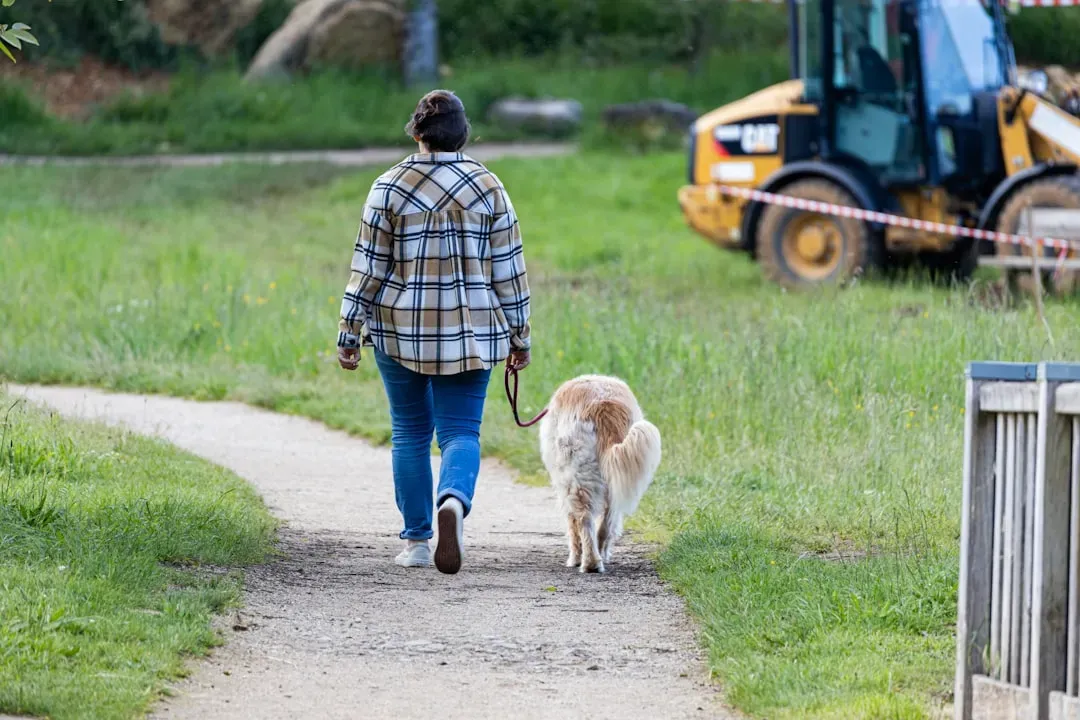
The instinct is to keep pushing the same walk routine from their younger years, but a senior dog’s body quietly begs for something gentler. Five or ten minutes at a time keeps joints loose without tipping into exhaustion, while long infrequent outings often leave them stiff and sore for days.
Owners who insist on the old pace usually notice their dog lagging behind or flat-out refusing to go outside anymore. Letting the dog set the rhythm, rather than dragging them along at a human’s speed, keeps their circulation moving and their mind sharper for longer.
#6 – A Home Layout That Never Changes
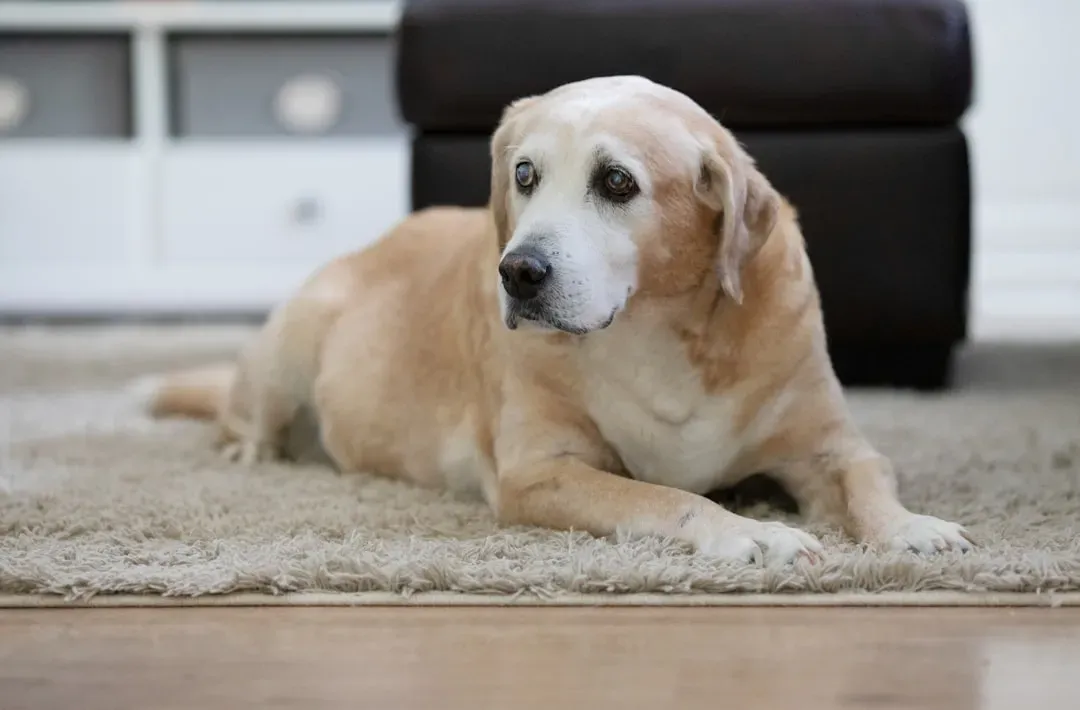
As eyesight fades, familiar furniture placement becomes a lifeline. Moving a couch, shifting a food bowl, or swapping which door stays open can turn a confident senior dog into one that bumps into walls and hesitates in rooms they’ve known for years.
Most owners never connect the disorientation to vision loss because the dog never complains about it directly. Keeping beds, bowls, and pathways exactly where they’ve always been lets a dog navigate the house by memory alone, and that predictability does more to lower their stress hormones than almost anything else on this list.
#5 – Being Approached Slowly, Not Surprised
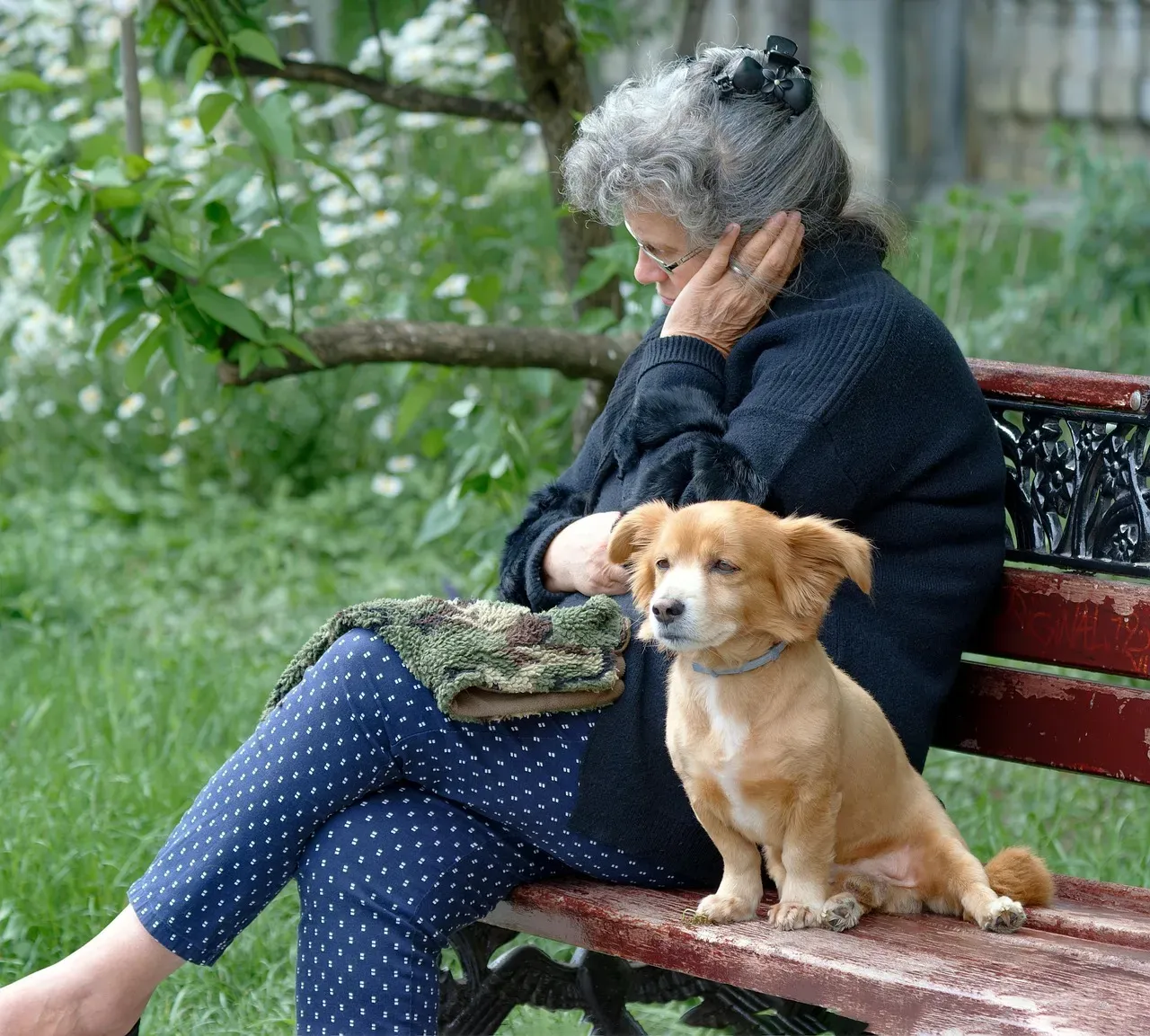
Hearing loss means a sudden touch can feel like an ambush, and what looks like new grumpiness in an old dog is often just fear in disguise. A gentle hand that appears out of nowhere can trigger a defensive snap that has nothing to do with affection and everything to do with startled nerves.
Approaching from the front, speaking before you touch, or using a consistent hand signal rebuilds the trust that hearing loss quietly chips away. Once a senior dog stops bracing for surprises, they often start seeking out affection again on their own, and the whole household tends to feel calmer for it.
#4 – Ramps So the Couch Doesn’t Become Off-Limits

A dog that stops jumping onto the bed or into the car isn’t losing interest, they’re avoiding pain they’ve never been able to explain. Most owners don’t clock the connection because there’s no yelp, no limp, just a quiet decision to stay on the floor.
A sturdy ramp or a set of pet stairs hands that independence back to them without demanding the jump their joints can no longer handle. Owners who instead just remove access to those favorite spots altogether often watch their dog slide into a kind of quiet withdrawal that’s easy to mistake for normal aging.
Quick Compare
- Ramps: Best for dogs with hip or spine issues; a gentle incline avoids jarring steps.
- Pet Stairs: Take up less floor space and work well for shorter climbs, like onto a bed.
- Non-Slip Surface: Essential on either option, since aging paws lose grip strength over time.
#3 – A Bed That Actually Supports Aging Joints
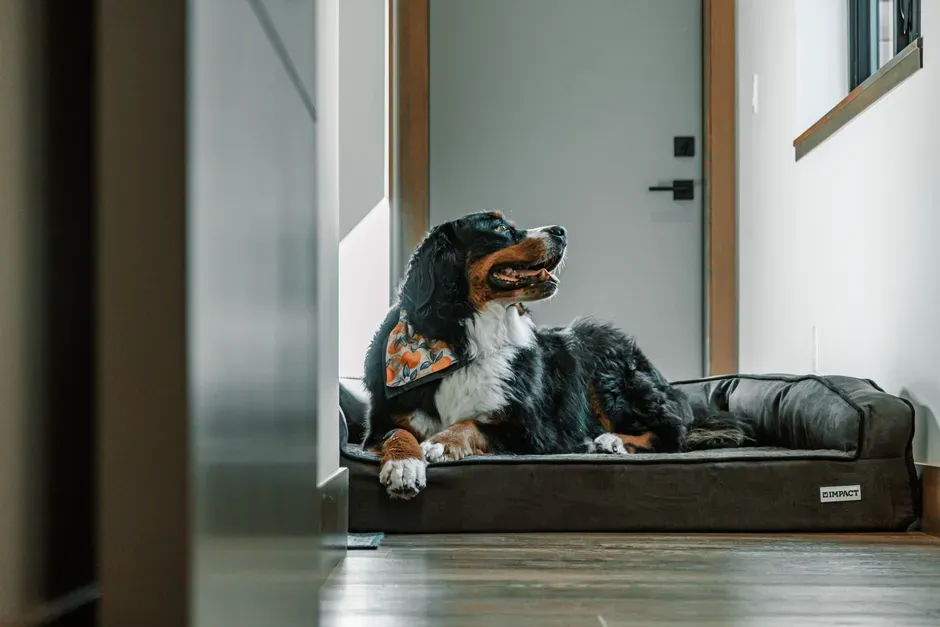
A flat, thin dog bed might have worked fine for years, but it starts failing a senior dog in ways that only become obvious once you finally switch it out. Pressure points build up overnight, and a lot of restless circling or panting before settling down is the dog’s only way of saying the surface hurts.
Orthopedic foam spreads their weight evenly and takes the edge off those pressure points almost immediately. Many owners report a visible change in how their dog sleeps within just a few days of the switch, and a washable cover means the upgrade doesn’t add extra hassle to your routine.
#2 – Someone Nearby, Without the Fuss
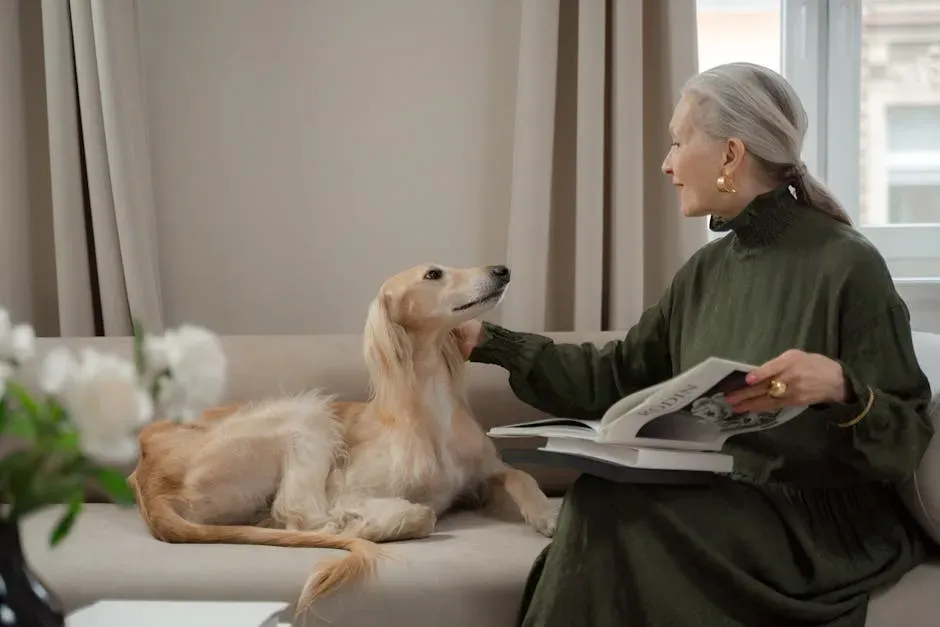
It’s tempting to assume an aging dog wants to be left alone, but the opposite is usually true. What they’re really asking for is quiet company, someone in the room, not constant attention, play, or pressure to perform.
Left alone too long, many seniors start pacing or making soft, uneasy sounds that owners write off as nothing unusual. Simply sitting nearby, with short check-ins throughout the day, eases that separation anxiety more effectively than almost any toy or treat ever could.
At a Glance
- Pacing, panting, or soft whining when left alone can signal mild separation anxiety in seniors.
- Short, calm check-ins throughout the day tend to work better than one long visit.
- Background sound, like a TV or radio, can soften the silence when no one’s home.
- Simple physical presence, even without interaction, helps lower a dog’s stress levels.
#1 – Relief From Pain That Never Gets a Voice
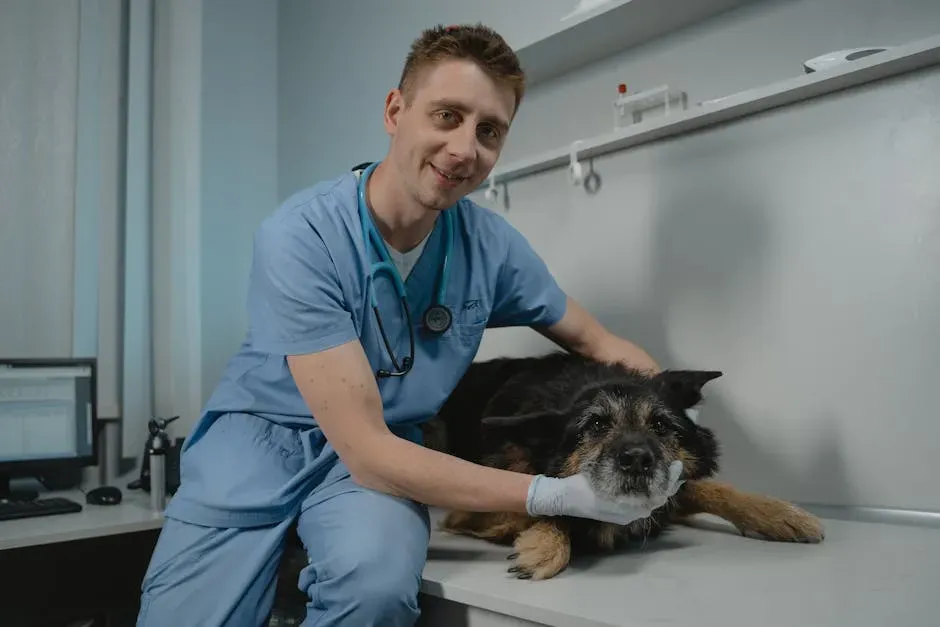
Every comfort on this list circles back to the same quiet truth: old dogs rarely limp their way to your attention, they just slowly stop doing the things they used to love. The biggest thing they’re asking for isn’t a specific object, it’s an entire environment built around less friction, less strain, and fewer surprises.
Vets consistently emphasize that catching these small environmental needs early breaks the cycle before pain turns into inactivity, and inactivity turns into decline. The most powerful thing an owner can do isn’t wait for a complaint that will never come, it’s pay attention to what the dog has quietly stopped doing.
The Bottom Line
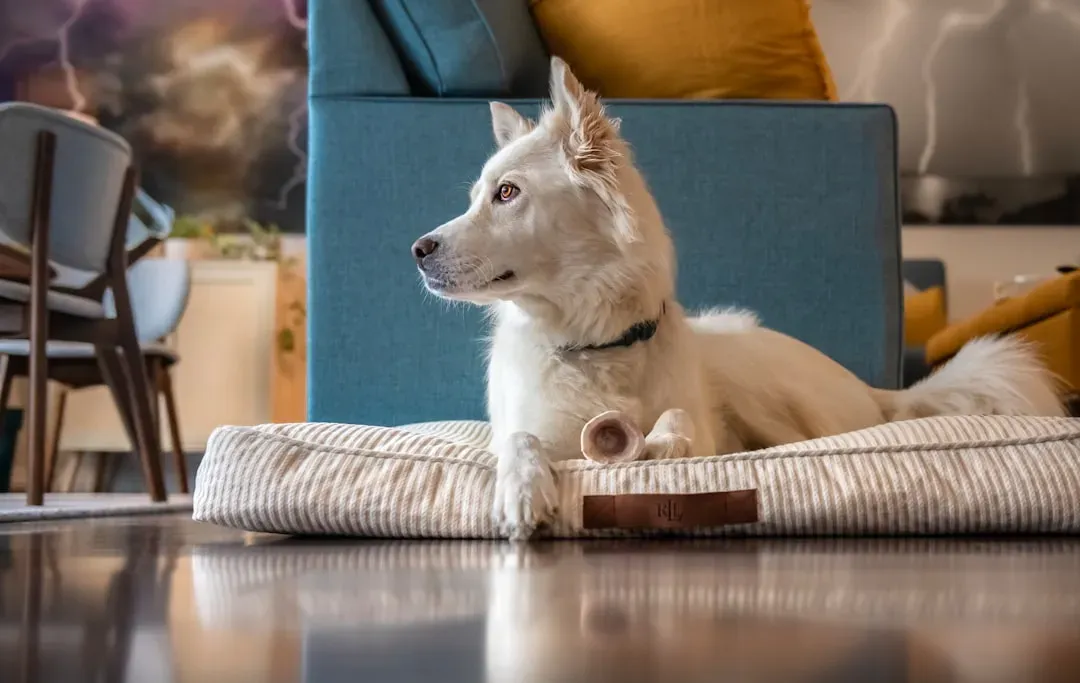
Old dogs don’t bark out their needs, they show them through hesitation at the stairs, restlessness at night, and a slow retreat from things they used to love without a second thought. The real comforts, orthopedic support, easy access, steady warmth, and a routine that never changes, address the root of that discomfort far better than most owners give them credit for.
Plenty of people will insist their senior dog is “fine on the floor” or “just being lazy,” but the behavior tells a different story every time. Paying attention to these silent requests isn’t indulgence, it’s the difference between a dog that fades quietly and one that stays mobile, comfortable, and genuinely present for years longer than expected.
Did we miss one your old dog quietly relies on? Drop it in the comments, someone else’s dog might be asking for the exact same thing right now.


