
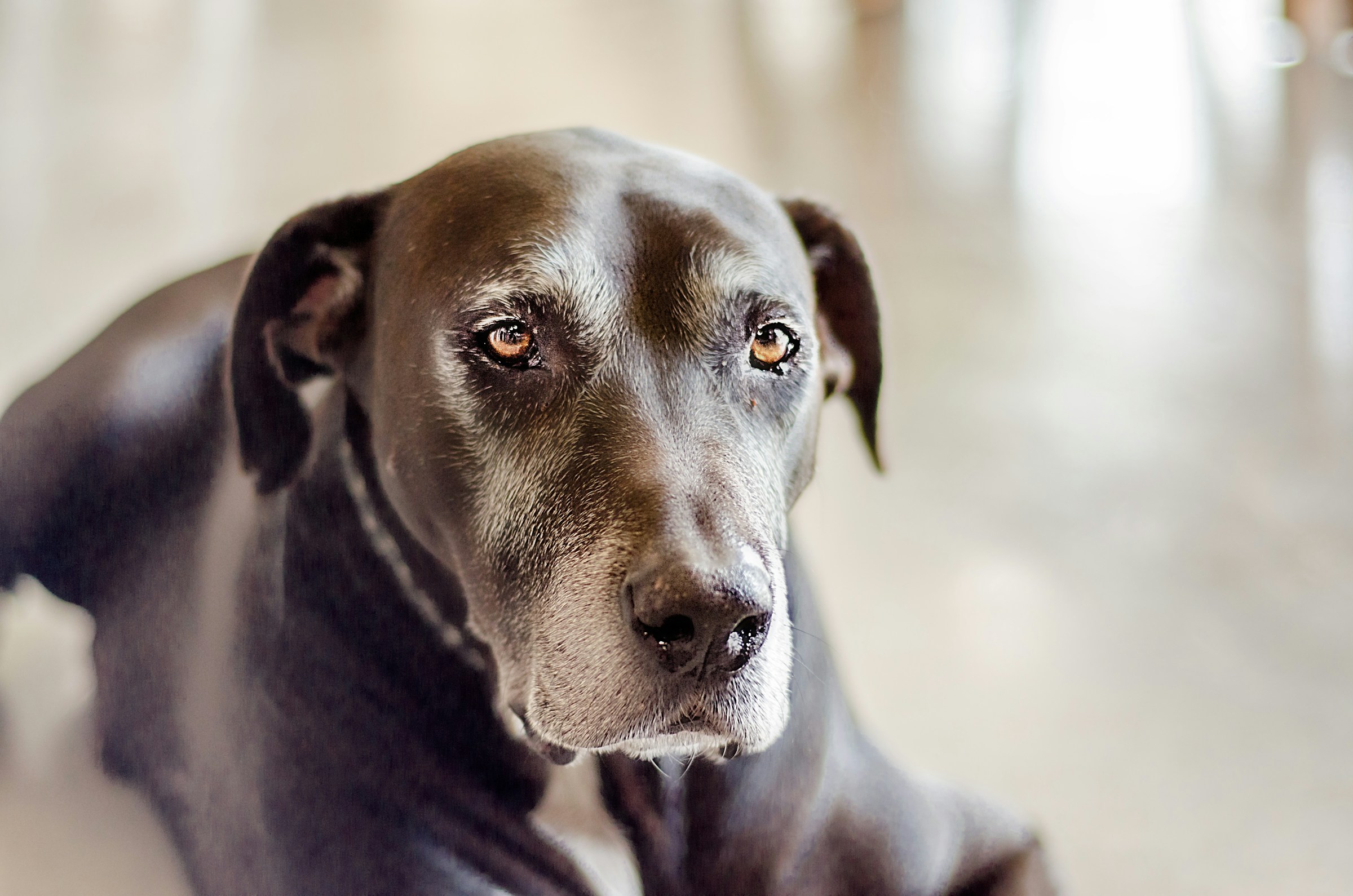
You’d expect a dying dog to look sick. Slower, sadder, maybe whimpering somewhere you’d instantly know something was wrong. But veterinarians who’ve sat with families through hundreds of final weeks tell a completely different story – one that looks almost like nothing at all.
Most of what a dog does in their last chapter is quiet. A little more clingy one week, a little more distant the next. A skipped treat here, a strange new nap spot there. None of it screams “goodbye,” which is exactly why so many loving owners only piece it together afterward, drowning in guilt they never deserved. Here are the 15 gentle signs vets say almost everyone misses.
#1 – The “Velcro Then Vanish” Switch In Clinginess
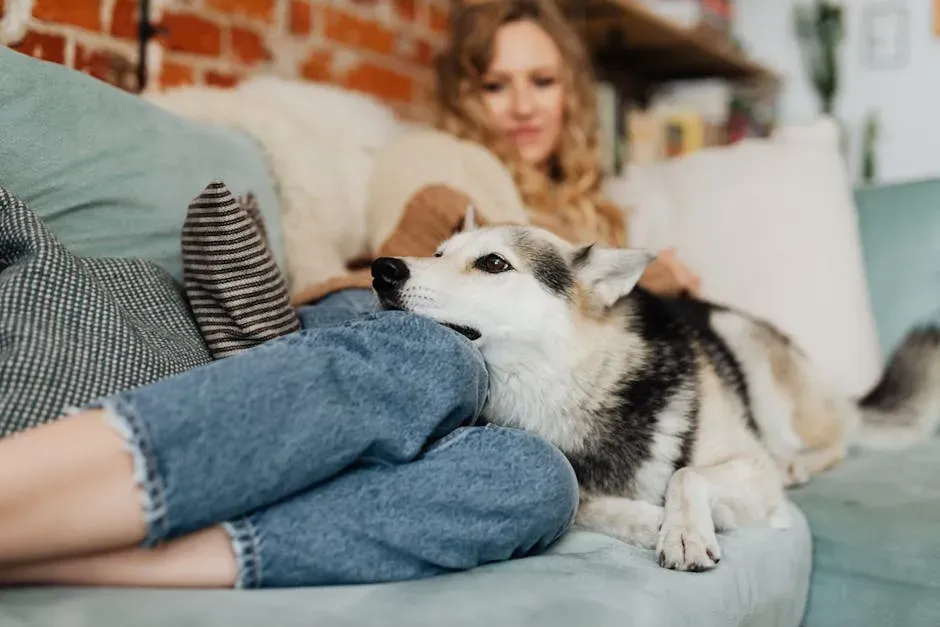
Vets say one of the earliest shifts isn’t pain – it’s behavior. Some dogs suddenly become extremely clingy, shadowing you from room to room, sleeping closer than usual, even following you into the bathroom. Their senses and internal balance start to change, and they often seek the comfort of the one human they trust most.
Then, confusingly, some dogs flip the script a short while later. A dog who always wanted to be touching you might suddenly choose a dark hallway, a closet, or the space under the bed. That back-and-forth – clingy one week, withdrawn the next – is a classic pattern vets see in dogs approaching the end.
#2 – The “Random Corner” Ritual: Seeking Quiet, Hidden Spots
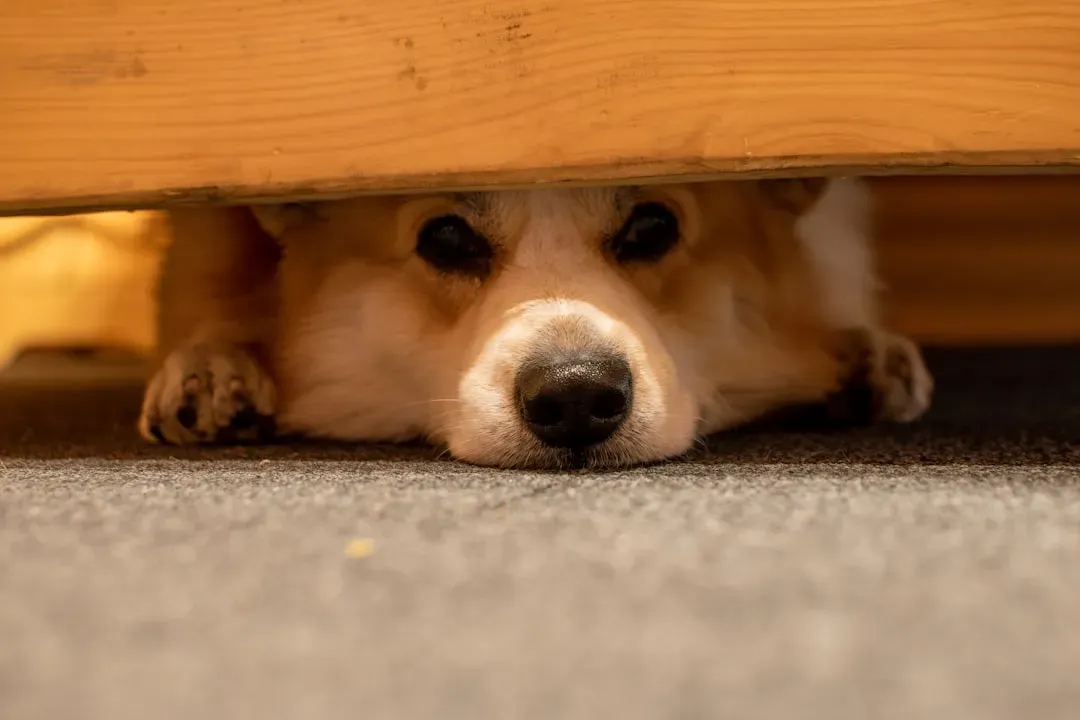
Most people think dogs hide only when they’re scared of thunderstorms or fireworks. In reality, many dying dogs quietly choose small, tucked-away spaces – under tables, behind furniture, deep in a closet – for extended naps. It isn’t drama. It’s instinct.
In the wild, sick or dying animals seek quiet, protected places to avoid feeling exposed. Our pets still carry that ancient wiring, even inside a perfectly safe home. They may seem peaceful rather than distressed, which makes it easy to dismiss as “just a new favorite spot” – but paired with low energy or appetite changes, vets say it’s rarely just a quirk.
#3 – The Slow, Silent Refusal Of Favorite Foods

We expect sick dogs to stop eating entirely. The truth is subtler: most dogs in decline start by quietly rejecting their absolute favorite treats first. They might still nibble kibble or accept plain chicken, but the joy around their “biggest weakness” starts to fade.
Veterinarians hear the same line constantly: “I knew something was wrong when he turned down cheese,” or “she walked away from her peanut butter spoon.” A fading food drive in a previously food-obsessed dog is one of the most consistent end-of-life signs vets see – long before the dog stops eating altogether.
Worth Knowing
- Appetite loss often happens in stages – treats fade first, then wet food, then kibble
- A dog refusing a favorite food is often more telling than one skipping a bland meal
- Nausea, organ stress, and reduced sense of smell can all quietly mute food drive
- Small, high-value offerings usually work better than pushing a full meal
#4 – That Strange, Sweet-Musty “Old Dog” Smell
This one starts arguments in comment sections because people hate to believe it, but vets mention it constantly: as organs struggle, many dogs develop a distinct change in body odor. It can be sour, metallic, or sweet-musty, coming from the mouth, skin, or fur.
Waste products build up in the blood and tissues when kidneys, liver, or metabolism slow down, and the body literally starts to smell different. Dental disease can cause odor too, but when a vet rules that out and the smell shows up alongside weight loss or lethargy, many vets quietly read it as the body’s chemistry preparing for the end.
#5 – The Soft, Unsteady Back Legs That “Come And Go”
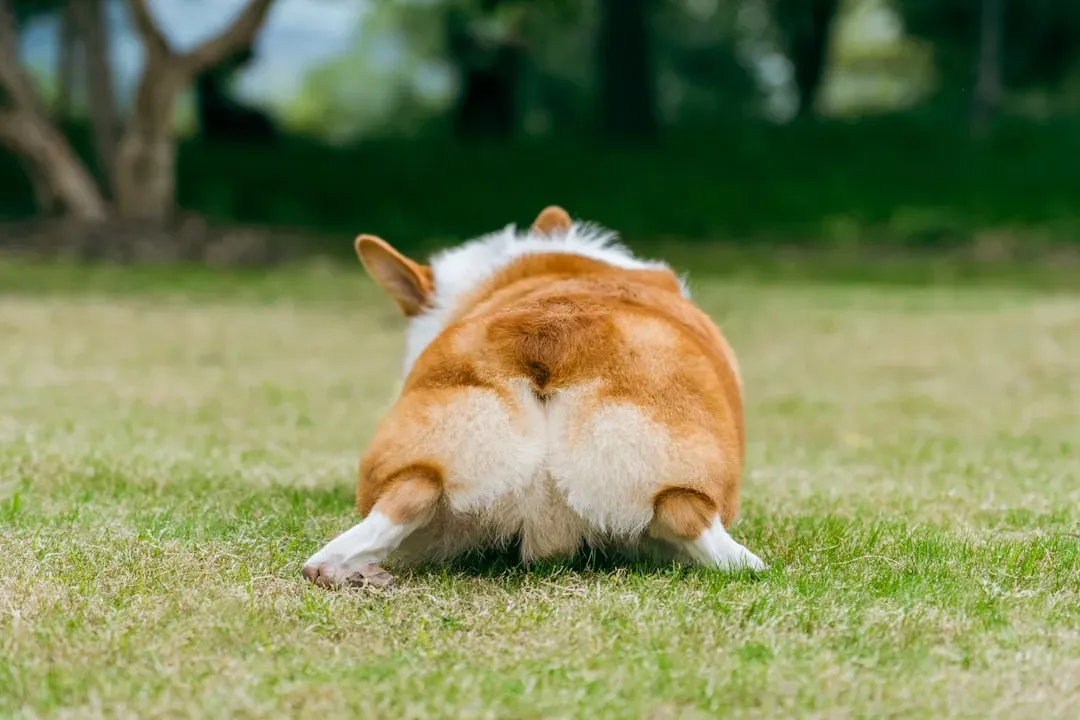
Most owners blame slippery floors or “he’s just stiff today,” but neurologic and muscular decline is often gentle at first. Many dogs nearing the end develop intermittent weakness in the back legs – hesitating on stairs, misjudging a couch jump, then seeming fine ten minutes later. That inconsistency is exactly what tricks people into ignoring it.
Over days or weeks, you may notice subtle dragging of the back paws, uneven nail wear, or a slight sway when standing still. Pain meds can help the symptom, but they don’t fix underlying organ or nerve failure. When a once-steady dog starts “sliding” from the back, especially alongside weight loss, vets quietly put that in the end-of-life column.
#6 – The Sudden Nighttime Pacing, Panting, And Restlessness
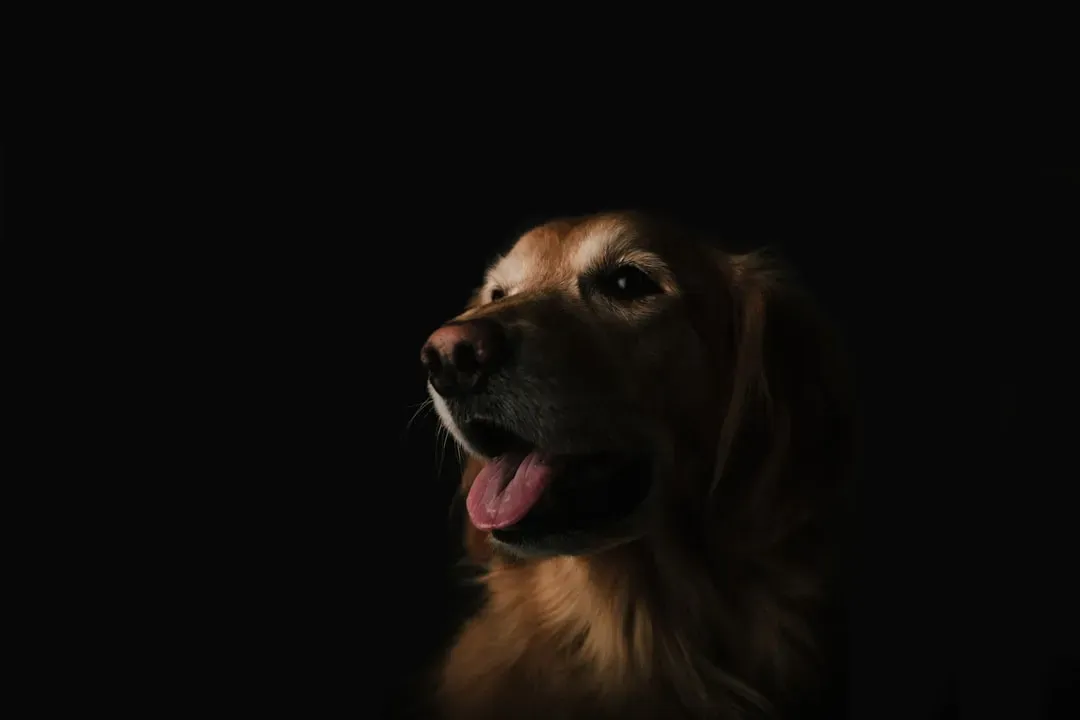
If your dog becomes a nighttime wanderer out of nowhere, don’t just blame age. Restlessness at night – pacing, panting, changing spots every few minutes – is a red flag vets frequently see in the last chapter of life. As pain, confusion, or internal discomfort rise, dogs simply can’t settle.
Watch for heavy panting in a cool room, repeatedly getting up and circling before lying back down, or staring at doors and walls in the dark. Some owners assume their dog is just anxious, but when this behavior is new in an older dog, it often reflects real internal distress. Many veterinarians quietly use nighttime restlessness as one of the deciding factors in quality-of-life conversations.
#7 – The Quiet Withdrawal From Play, Even When They Physically Could
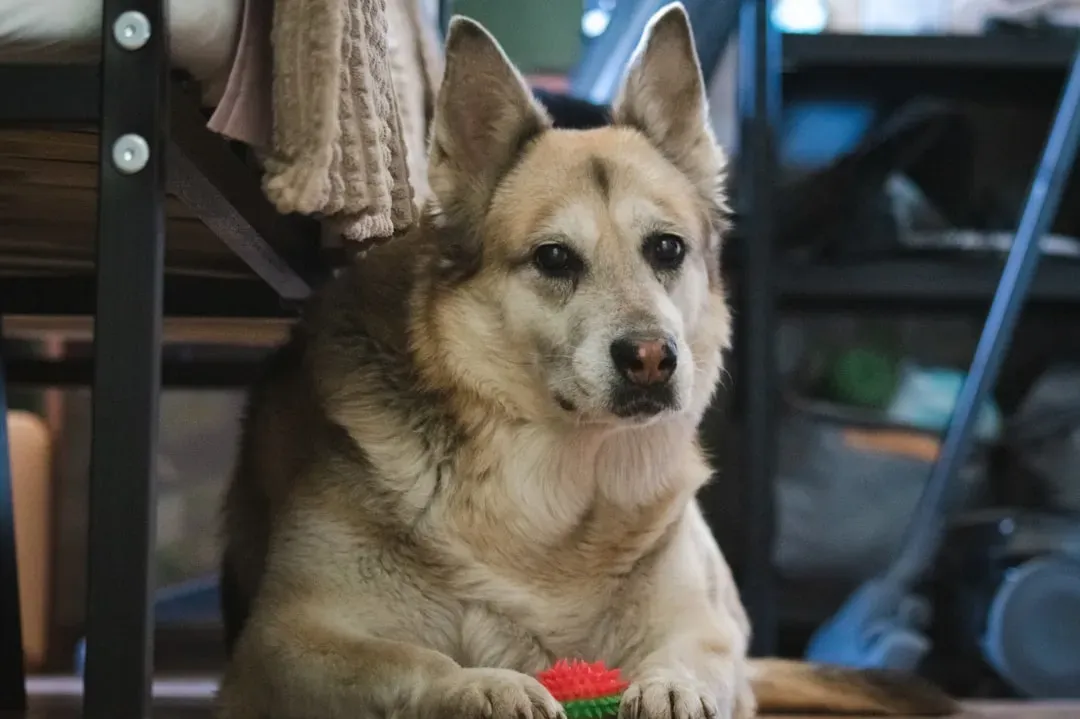
This one hurts because it feels emotional, not physical. A dog who once lived for fetch or zoomies in the yard may start declining invitations. They don’t limp, they’re not crying – they just don’t seem to care anymore.
They might watch the ball roll past or give one half-hearted chase before walking away. Play isn’t just about muscles; it’s about brain chemistry, joy, and engagement with life, and when those internal systems are running on fumes, fun is often the first thing to go. When a once-playful dog stops choosing joy, vets take it seriously – even if the body can technically still move.
Quick Compare
- Normal aging: slower to start, but still perks up and joins in when invited
- End-of-life withdrawal: ignores invitations entirely, with no spark even for favorites
- Normal aging: rests more but has clear windows of alertness and curiosity
- End-of-life withdrawal: rest replaces engagement, even during once-loved activities
#8 – That “Not Quite There” Look: Subtle Confusion And Staring
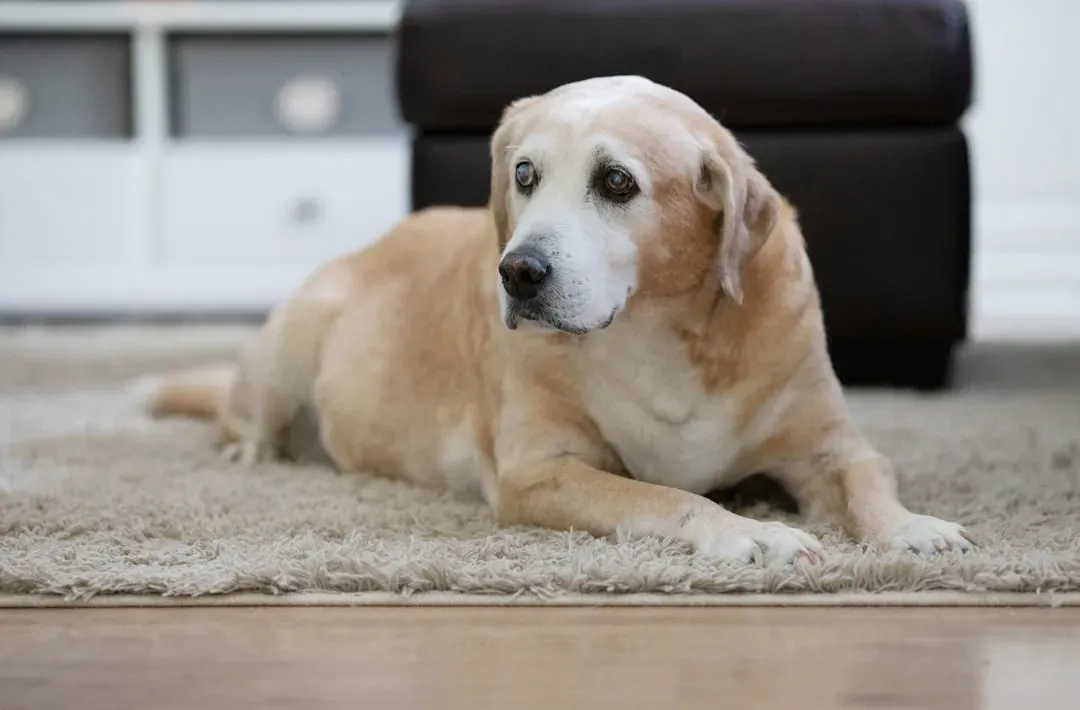
Most owners recognize full-blown canine dementia, but the early end-of-life confusion is often so gentle they shrug it off. Your dog might walk into a room and pause like they forgot why they came, or stand facing a corner looking briefly lost in their own home.
Any serious systemic illness can reduce blood flow and energy to the brain, and the result looks the same: a dog who seems a beat behind reality. Watch for sleeping more during the day while wandering at night, or struggling to find a door they’ve used for years. That blank, far-away gaze people romanticize as “old soul” can, later in life, actually be mild disorientation.
#9 – The Breathing You Can Suddenly Hear Across The Room
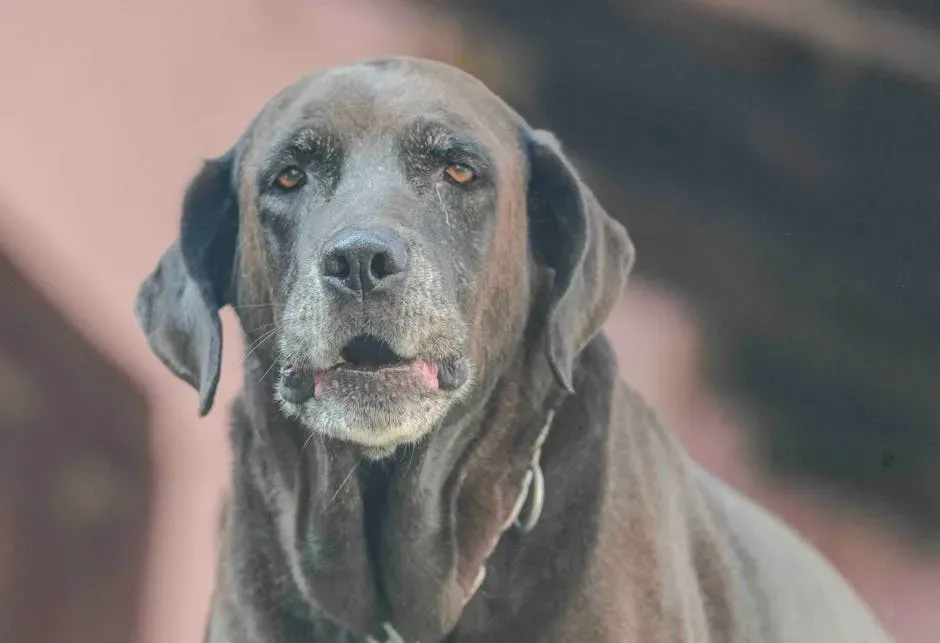
We expect coughing to signal something’s wrong, but uninterrupted, heavy-sounding breathing is often more telling. As dogs approach the end, breathing frequently changes – deeper, faster, more labored – even at rest. You might hear a soft whistle, a wet rattle, or a subtle puffing sound with each breath.
Sometimes the belly works visibly harder with each breath. Owners often think “he’s just hot” and reach for the AC, but if your dog is breathing fast while lying still, using their abdominal muscles to breathe, or open-mouth breathing at rest, it’s not just age. Vets consider resting respiratory changes one of the most urgent end-stage signs, even when the dog is still eating and walking.
#10 – The “Melting Away” Weight Loss You Don’t Notice Until It’s Stark
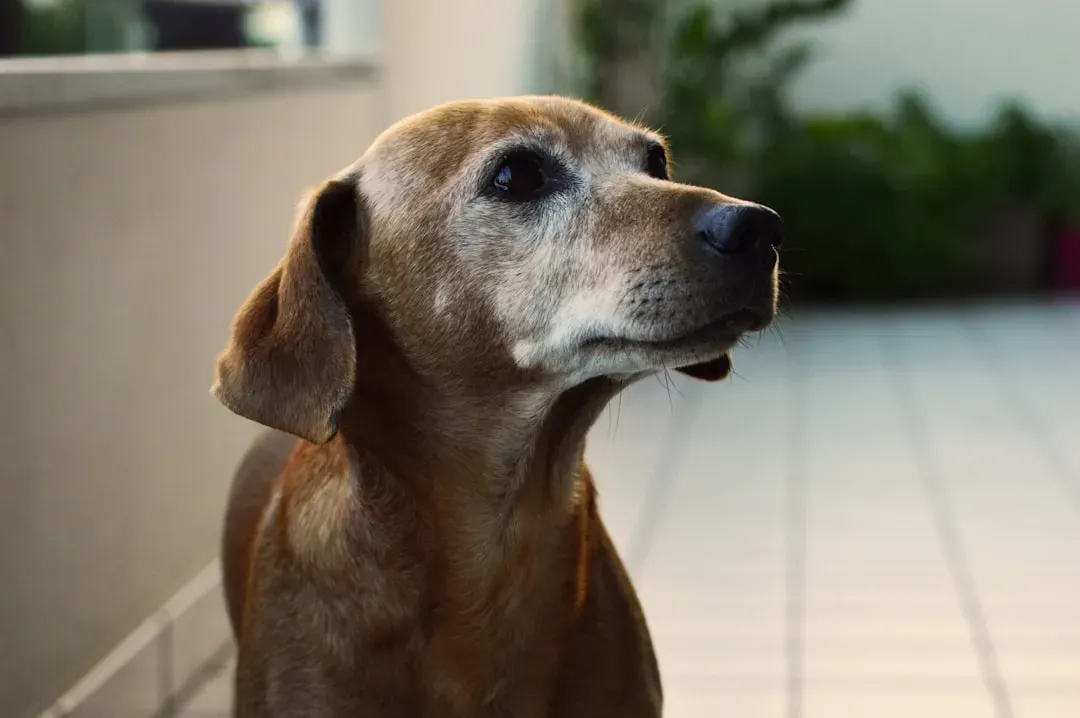
Because we see our dogs every single day, we rarely catch slow changes. That’s why so many owners are shocked when the vet puts hands on their dog and says, “he’s very thin.” Muscle and fat can quietly disappear over just a few months.
Ribs, spine, and hip bones become more prominent, the head looks more angular, and the shoulders and thighs start to feel “flat.” This is called muscle wasting, and it’s incredibly common near the end, especially with chronic disease, cancer, or organ failure. Even if the scale number hasn’t moved much, body composition has – and once a dog starts to “melt” despite reasonable food intake, vets know the body is running out of reserves.
Fast Facts
- Muscle wasting can happen even when appetite still looks fairly normal
- Visible ribs, spine, or hip bones are often the first physical tell
- Chronic disease, cancer, and organ failure are the most common drivers
- Regular at-home weigh-ins on aging dogs can catch subtle loss early
#11 – The Water Bowl Clues: Either Flooding It Or Suddenly Ignoring It
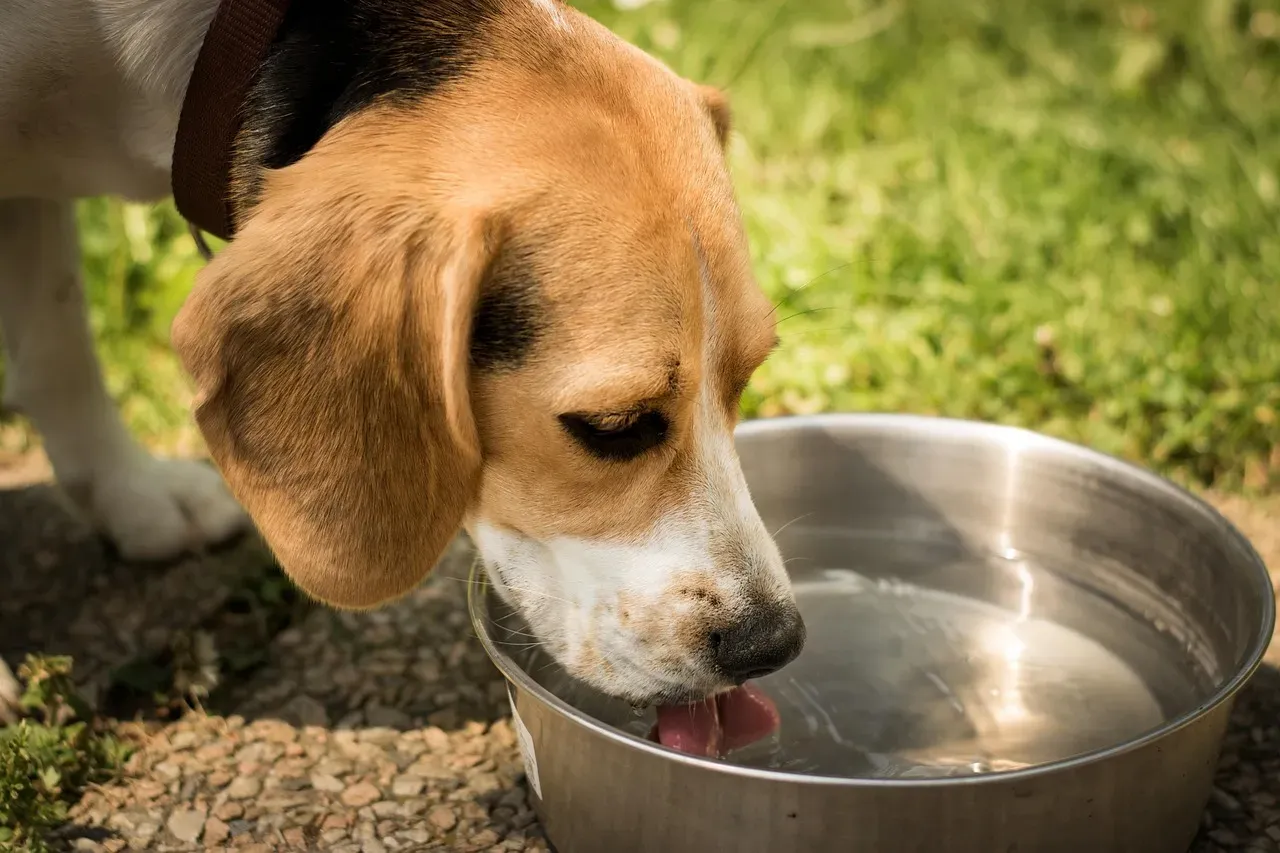
Most people only notice water changes when they’re extreme, but early end-of-life shifts in thirst are surprisingly common and subtle. Some dogs start drinking noticeably more – standing at the bowl longer, asking to go out at night, even becoming obsessed with sinks or toilets. Others do the reverse and need coaxing just to drink at all.
Serious diseases like kidney failure, diabetes, Cushing’s, and some cancers change how the body uses water, throwing off the dog’s internal “thirst thermostat.” You might dismiss increased drinking as good hydration, or decreased drinking as pickiness, but vets don’t. A clear, unexplained shift in drinking habits, especially paired with lethargy, is one of the gentlest but most crucial signs your dog isn’t just “getting older.”
#12 – The Sudden House-Soiling In A Perfectly Trained Dog

Few things upset owners more than a senior dog suddenly having accidents indoors. Many assume it’s spite or laziness. Vets strongly disagree. When a fully house-trained dog starts having accidents – puddles while lying down, or leaks on the way to the door – the body is failing them, not their manners.
They may no longer feel the urge in time, or they might be too weak or dizzy to stand and walk quickly. This can stem from kidney disease, spinal issues, arthritis pain, cognitive decline, or plain exhaustion. Some dogs even seem embarrassed, slinking away after an accident – heartbreaking, because they were never at fault. Veterinarians see late-onset house-soiling as a major quality-of-life marker.
#13 – The Shift In Greeting Rituals: Less Explosion, More Quiet Eye Contact
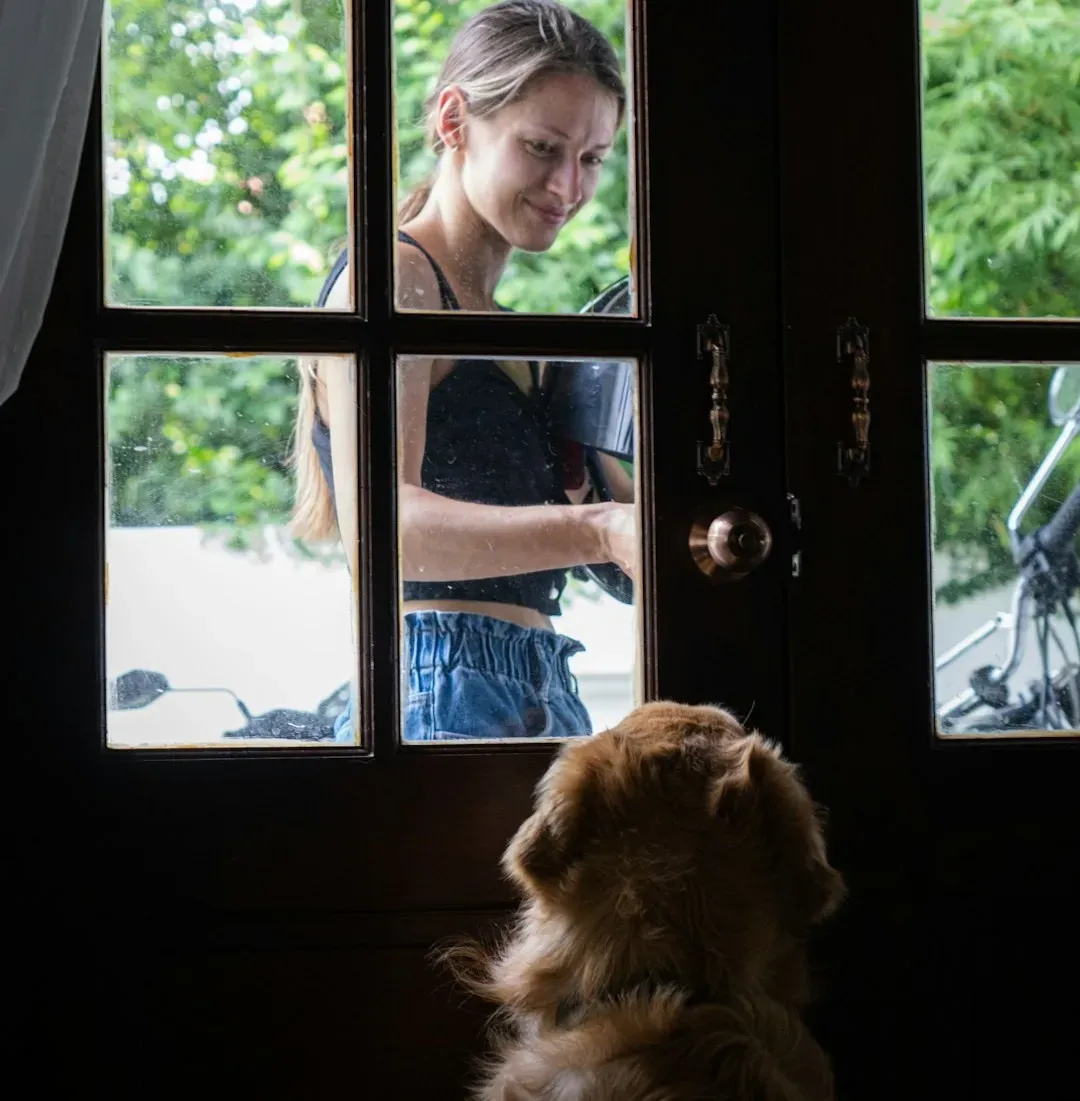
Most of us live for that front-door explosion of joy. So when it fades, we tend to rationalize it: “he’s calmer now,” “she’s just older.” But vets often see a fading greeting as an early emotional sign the dog is checking out. They may still get up, may even wag, but it’s slower, softer, less intense.
Sometimes they don’t rise at all – they stay in their bed and just blink at you with heavy eyes. Your dog might press their head into your chest and simply stay there, sighing more during cuddles, moving less, holding still longer. That shift from explosive joy to gentle, lingering connection is something many vets recognize as quiet emotional preparation for the end.
At A Glance
- Slower rise-and-greet response instead of the usual rush to the door
- More sighing, blinking, and lingering eye contact during quiet moments
- A clear preference for calm touch over excited play
- Longer stillness after being pet, held, or spoken to softly
#14 – The Unmistakable “Good Days, Bad Days” Roller Coaster
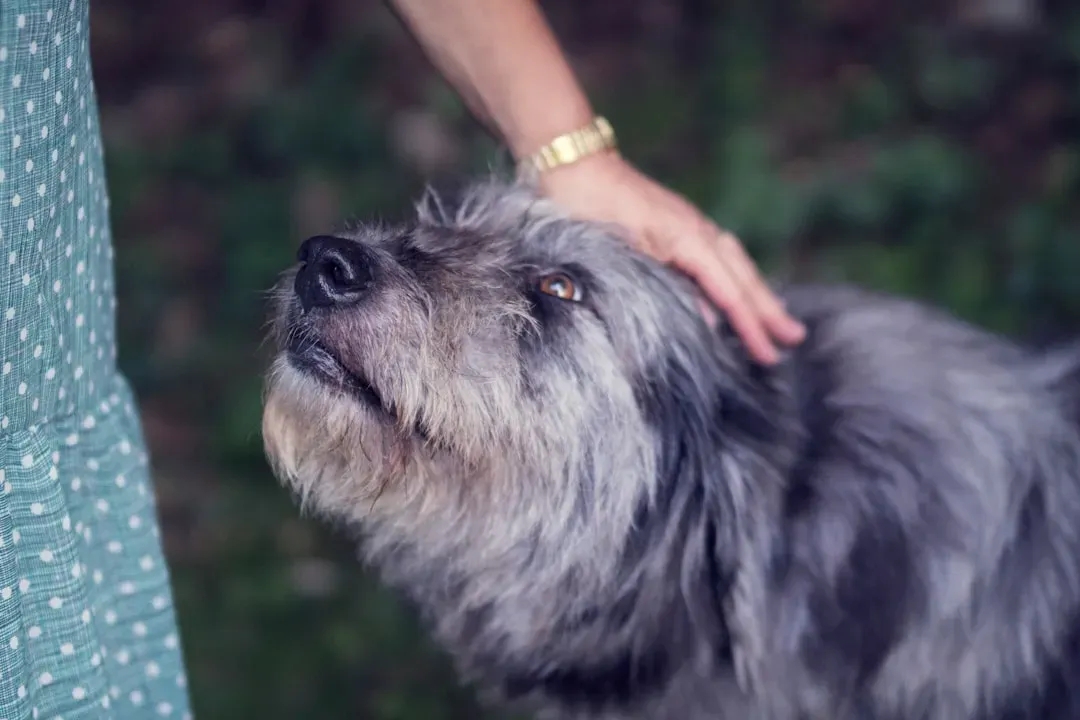
One of the most confusing parts of a dog nearing the end is this: some days they seem almost normal. They eat, they walk, they wag. Then the next day, they barely move, refuse food, and stare into space. That up-and-down pattern is brutal for owners, because every “good” day feels like proof things can’t really be that serious.
Vets see it differently. That roller coaster often means the body is bouncing between coping and crashing – organs compensating until they suddenly can’t. You might even notice a “rally” day right after scheduling a euthanasia consultation, followed by a sudden crash. That inconsistent pattern is one of the clearest gentle signs a dog’s body is nearing its limit, even when your heart wants to believe otherwise.
#15 – The Subtle Way They Start Saying Goodbye
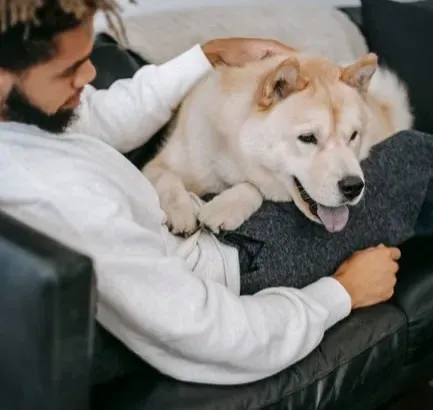
Ask any experienced vet and they’ll tell you: many dogs absolutely seem to know. Not in a dramatic movie way, but in quiet, almost sacred moments. A dog who’s always been restless might suddenly spend an entire afternoon lying pressed against you, just breathing. Another will slowly make the rounds of the house, visiting each family member, each favorite spot, as if checking in.
Owners often only recognize it afterward – the way their dog held their gaze a little longer, rested their head in their lap a little heavier, or finally chose to sleep directly on their chest for the first time in years. It’s not magical thinking; it’s a creature deeply tuned into its own body and its person, settling unfinished business in the only language it has. Vets see these goodbye gestures so often, they no longer call them coincidence.
Here’s the part nobody wants to hear: none of these 15 signs look urgent on their own. That’s the whole problem. A little extra clinginess, a skipped treat, a new nap spot, a softer greeting – every single one is easy to explain away as “just getting older.” It’s only when you stack them side by side that the pattern becomes impossible to ignore.
I’ll say the unpopular part out loud: waiting for a dramatic, obvious decline before you act is not kindness, it’s avoidance. Dogs don’t beg for extraordinary measures at the end. They ask for softness – more vet checkups, better pain control, dignity, and your presence instead of your denial. You don’t owe your dog a miracle. You owe them a goodbye that comes from paying attention, not from hindsight.
Which of these signs have you already seen in your own dog – and do you think #15 really is the clearest goodbye, or has your dog shown you something even more telling?


