
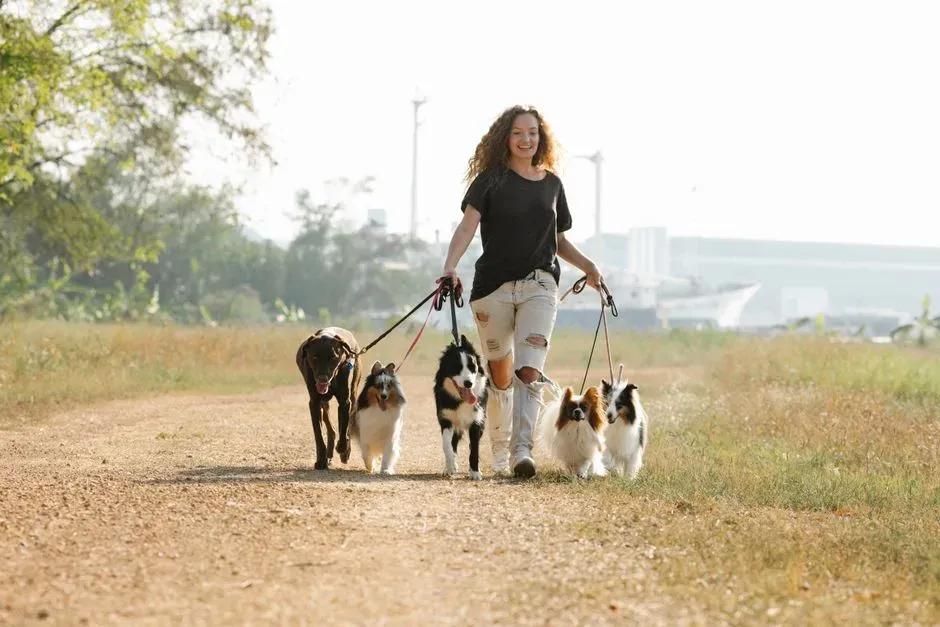
You hand over the leash, say a quick goodbye, and assume your dog is just going for a walk. But the person on the other end of that leash is running a silent evaluation – one that most owners never know is happening.
In the time it takes to walk to the end of your driveway, a professional dog walker has already clocked your dog’s training, stress levels, and possibly a few things about your household you’d rather keep private. It sounds dramatic, but it’s true – and once you know what they’re actually looking for, you’ll never watch your dog leave the house the same way again.
#13 – The Leash Test: What Two Seconds Tells a Walker Everything
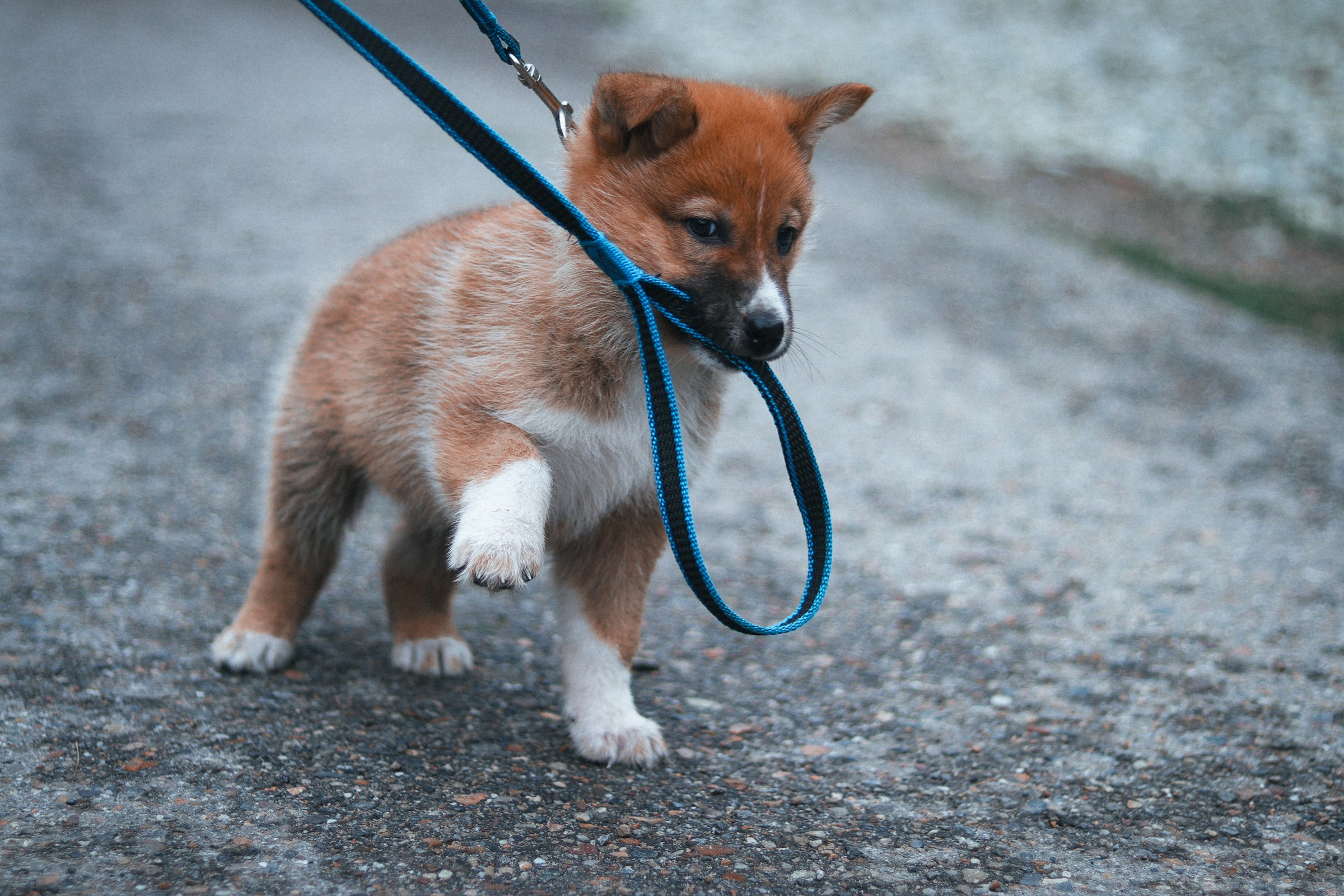
The first two seconds with the leash tell a dog walker almost everything about the walk ahead. A dog that explodes with excitement, jumps, or starts mouthing the leash is signaling zero impulse control – and possibly that no one’s ever bothered to teach basic leash manners.
A dog that automatically offers a sit or calmly stands still has probably had some decent training at home. On the flip side, a dog that starts bucking, chewing, or spinning in circles around the walker is a red flag that this “easy 30-minute walk” is about to turn into a wrestling match. Walkers quietly note whether the dog treats the leash like a toy, a threat, or a boring routine – and that split-second read shapes the entire hour ahead.
#12 – The Doorway Moment That Decides “Easy Job” or “Hazard Pay”
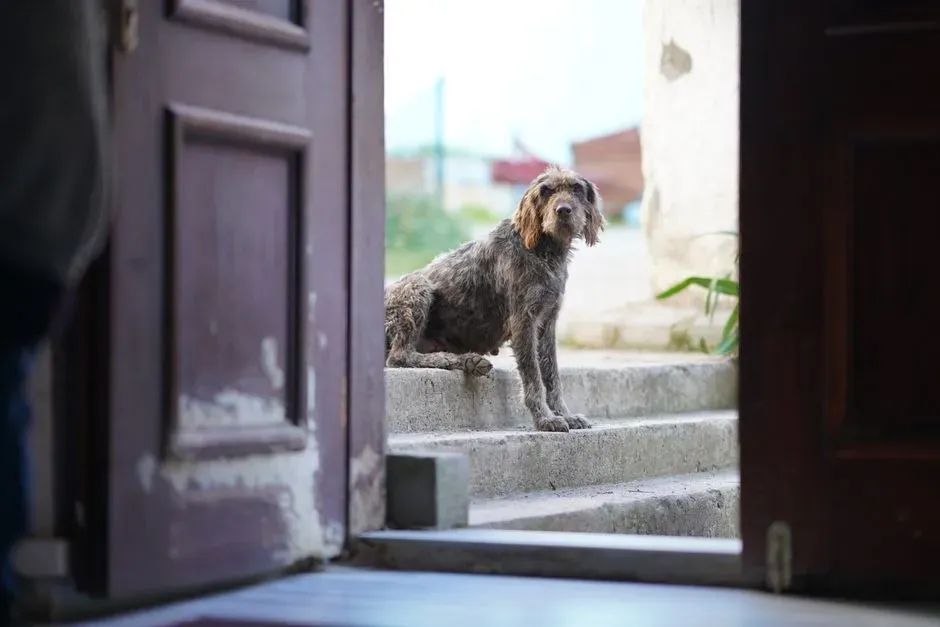
Most owners underestimate how revealing that very first doorway moment is. Professional walkers watch like a hawk: does the dog blast through the door, drag the human down the stairs, or glance back for permission first?
A dog that pauses or waits to be invited out is quietly saying, “I know there are rules.” A dog that body-slams the door and lunges into the hallway is saying, “I make the rules.” Walkers also clock whether the dog is scanning frantically for sounds or people, or hits the end of the leash like a freight train the moment they clear the threshold. That doorway moment often decides whether your dog gets mentally filed under “relaxing regular” or “hazard pay.”
At a Glance
- Pausing at the threshold usually signals respect for boundaries
- Body-slamming the door points to little impulse control
- Frantic scanning outside can mean heightened alertness or anxiety
- Hitting the leash’s end immediately suggests poor leash conditioning
#11 – Reading the Eyes: Anxious, Aloof, or All In
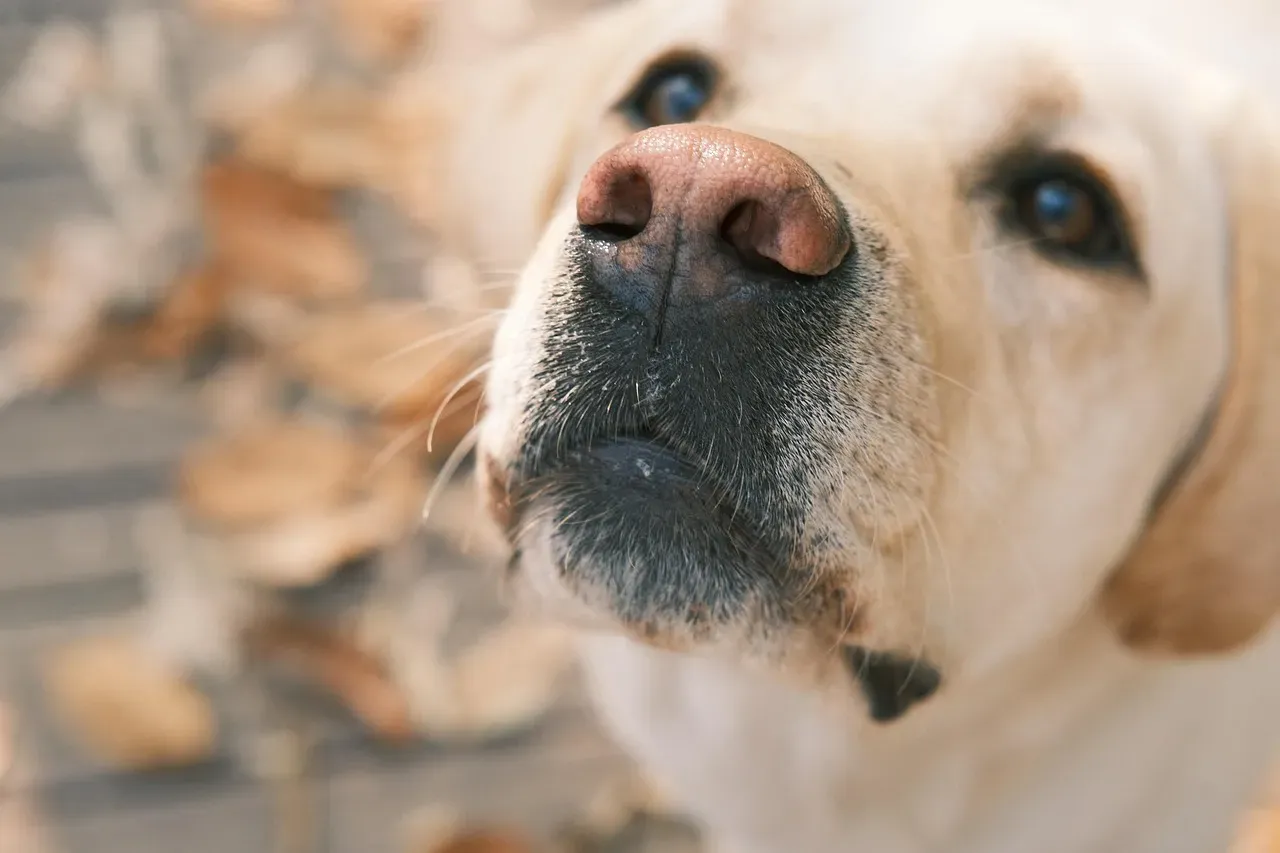
Dog walkers read eye language the way poker players read faces. Soft blinks, squinty eyes, and gentle glances usually mean the dog is open, curious, and reasonably relaxed. Hard stares, wide eyes with the whites showing, or intense scanning mean the opposite.
A dog that won’t meet the walker’s eyes at all often screams uncertainty or past bad experiences with strangers. A dog that locks on with an unblinking stare isn’t “just focused” – that can be a sign of guarding, reactivity, or budding aggression. A lot of owners mislabel anxiety as “shy” or reactivity as “protective.” Walkers know better, and they quietly adjust their route and handling style before the first block is even finished.
#10 – The Sniff Test: Your Dog’s Personality on Display
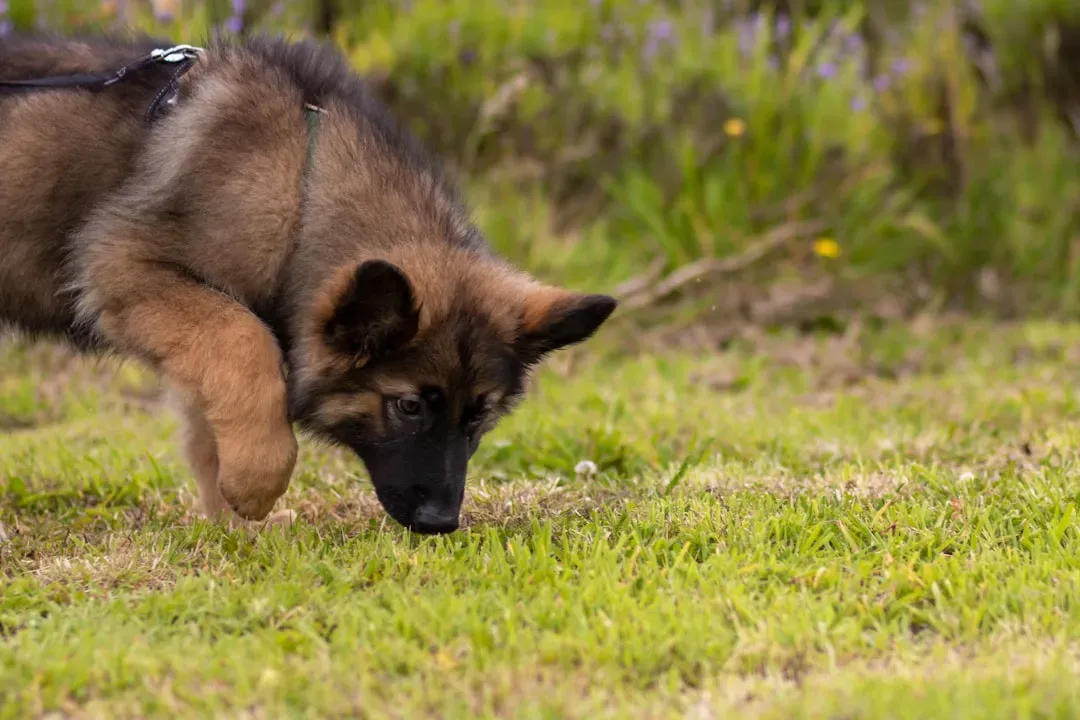
Most people think sniffing is just sniffing. Walkers know different. The way your dog engages their nose in the first block reveals energy level, confidence, and even how mentally satisfied they are back at home.
A dog that methodically sniffs one area, moves on, then checks back in with the walker tends to be thoughtful and fairly confident. A dog that snatches a single sniff and bolts forward may be overstimulated or used to rushed walks, while one that refuses to sniff at all and just freezes could be overwhelmed in new environments. While many owners brag about their “high-energy explorer,” some pros quietly see that same dog as desperately under-exercised and mentally under-stimulated.
#9 – The Startle Reaction: How Fear Shows Up First
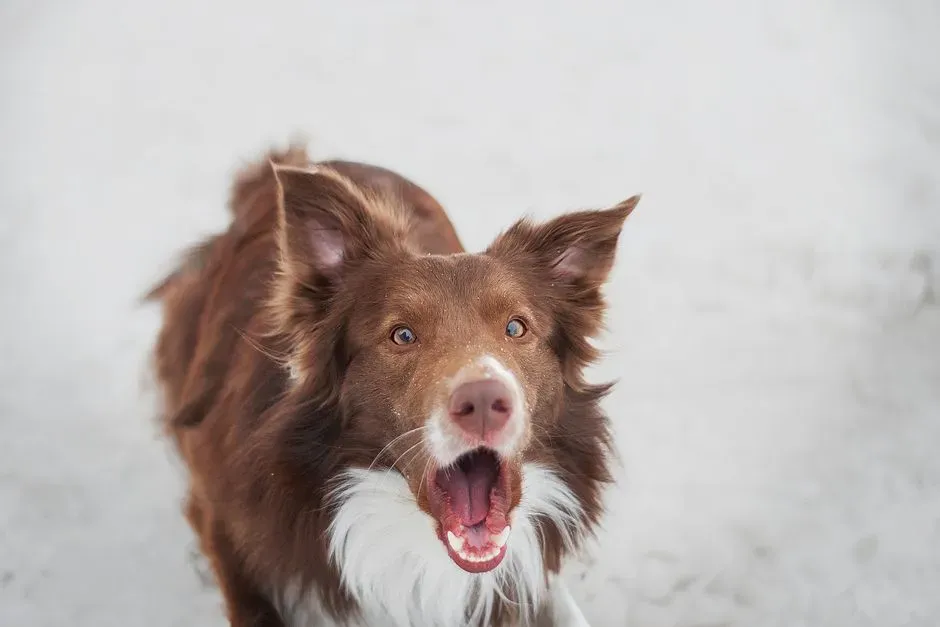
A dropped trash can lid, a passing skateboard, a loud truck – walkers pay close attention to the first unexpected noise. How your dog recovers from a startle is a massive clue about their underlying temperament and everything they’ve been through before this walk even started.
If the dog jumps, then quickly recovers and checks in with the walker, that’s normal and healthy. If they pancake to the ground, bolt to the end of the leash, or spin in panic, that signals a deeper anxiety that the owner may have quietly minimized as “a little skittish.” Dogs that go from startled to barking or lunging are a whole different category of concern – and this tiny moment often decides which streets, times of day, or triggers the walker avoids from that point forward.
Quick Compare
- Healthy startle: jumps, then checks in and keeps moving
- Anxious startle: pancakes, bolts, or spins in panic
- Reactive startle: escalates into barking or lunging at the trigger
#8 – The Split-Second Reaction to Another Dog
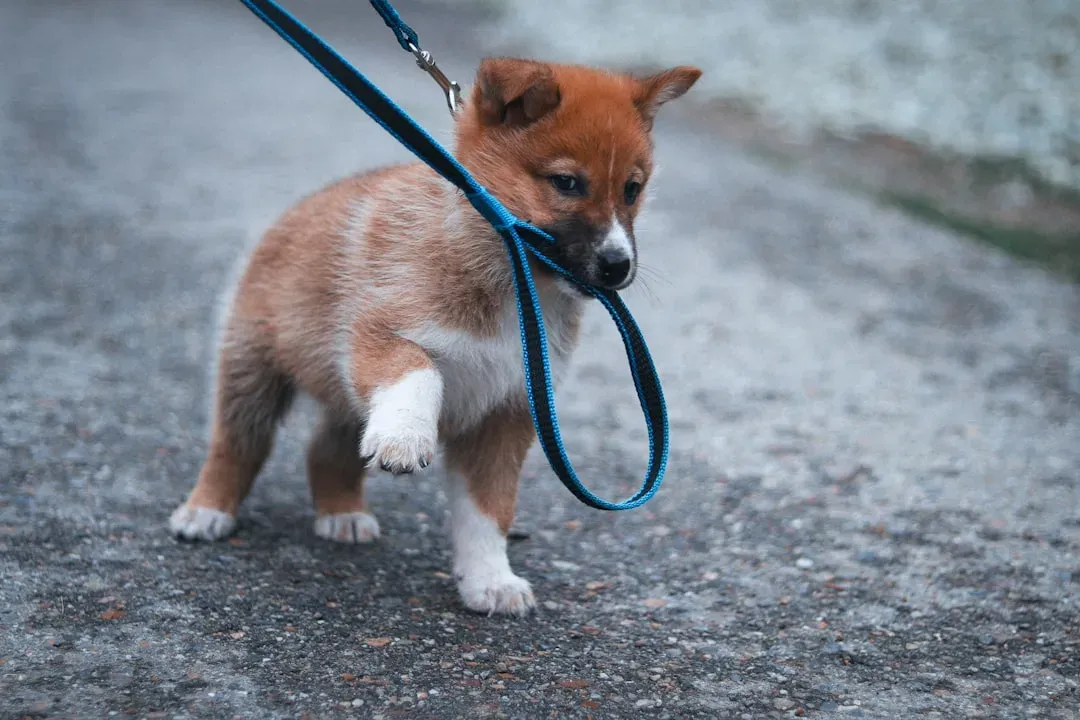
By the time a dog is barking or lunging, the walker has already seen ten earlier warning signs. What they really watch is the first micro-reaction when another dog appears down the street: a head lift, a stiffening body, ears changing, tail height shifting.
A socially skilled dog often glances, maybe offers a polite sniff if allowed, then moves on without drama. A dog that freezes, leans forward, and narrows their eyes is often seconds away from reactive behavior, even if the owner swears the dog is “fine with most dogs.” And the dog that hides behind the walker or tries to cross the street isn’t being dramatic – they’re screaming discomfort in the only language they have. This single reaction determines whether the walker will ever attempt an on-leash greeting again.
#7 – Leash Manners vs. “Instagram Obedience”
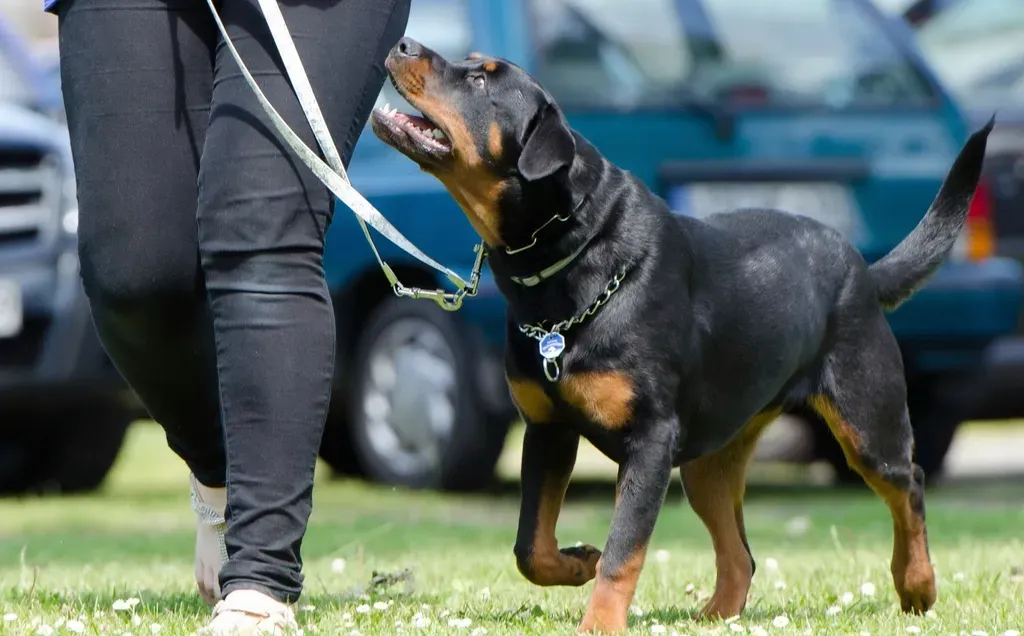
Every dog allegedly “walks great on a leash,” according to their owner. Walkers usually know the truth by the end of the first driveway, because real leash manners mean handling actual distractions – not just posing nicely in a quiet cul-de-sac for a photo.
A dog that keeps a loose leash most of the time and self-corrects when they hit the end has genuinely learned something. A dog that drags the walker, plants when they want to sniff, or slams on the brakes near home has trained their humans instead of the other way around. Most walkers won’t say it to your face, but a puller on a flimsy flat collar quietly tells them, “This household ignores training advice” – and that assumption shapes the equipment, the route, and the pace for every walk that follows.
#6 – The Body Language Checklist: Confident, Shut Down, or Over the Edge
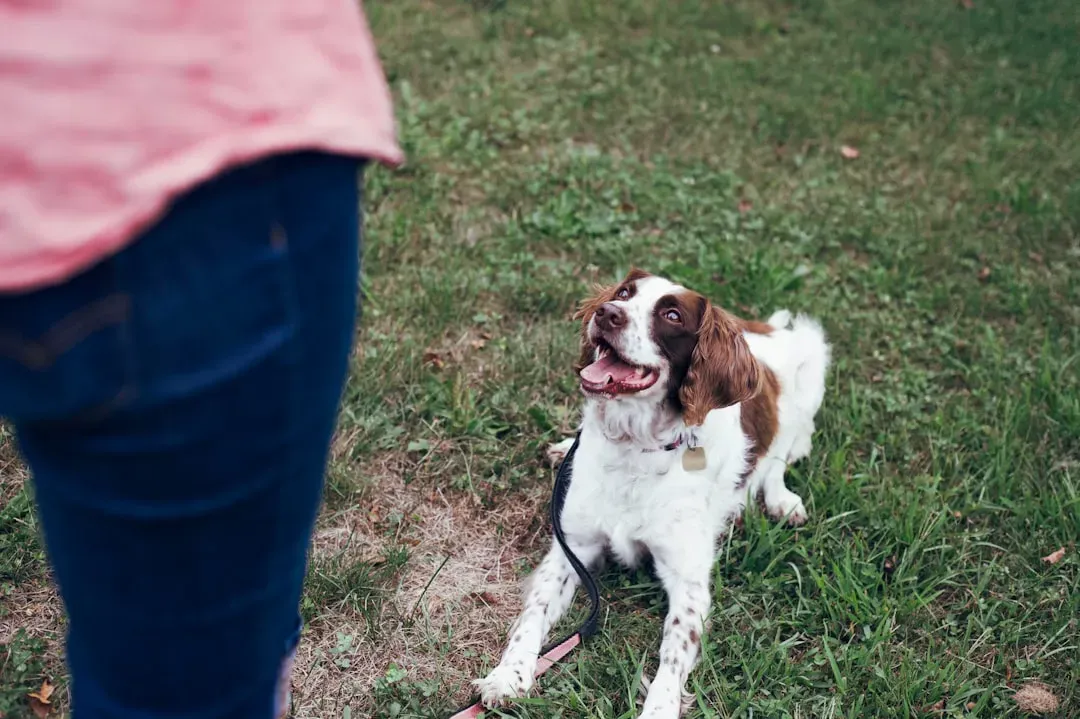
Trained walkers scan a dog’s entire frame like a checklist: tail carriage, back tension, head height, pacing speed, and how much space the dog takes up in the world. That overall silhouette usually tells the truth long before any dramatic behavior shows up.
A dog with a loose spine, a slight sway in their walk, a tail at a natural height, and rhythmic breathing is generally coping well. A dog whose tail is glued down, whose back is tight, and whose paws move in stiff, staccato steps is not “just being good” – they may be shut down or overwhelmed. A dog with a high, flagging tail, prancing steps, and a puffed-up chest could be overly aroused or borderline pushy. These details quietly decide whether the walker spends the next month building confidence or working on impulse control.
Fast Facts
- Loose spine plus natural tail height usually means the dog is coping well
- Tucked tail with a tight back can signal a shut-down or overwhelmed state
- High, flagging tail with a puffed chest may point to over-arousal
- Stiff, staccato steps often reveal stress in the body before it shows anywhere else
#5 – The Treat Test: Food Motivation Under Pressure
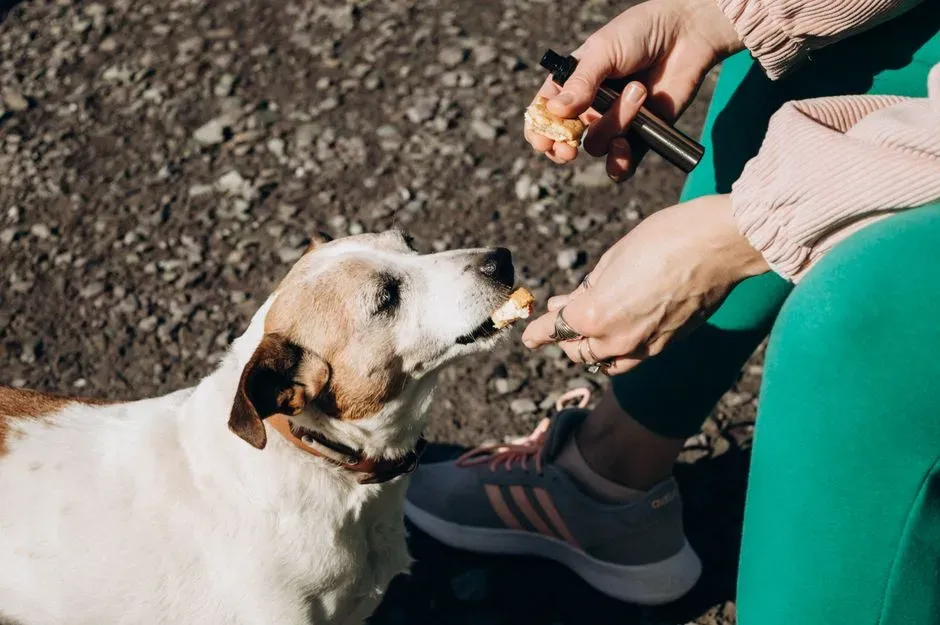
Within minutes, a walker knows if your dog is genuinely food-motivated or just “takes treats at home.” The first offered snack is a quick test: will they eat outside, under mild stress, with real-world distractions pulling their attention away?
Many self-proclaimed “treat monsters” spit kibble on the sidewalk the moment they’re even slightly overwhelmed. A dog that can eat soft, high-value treats and respond to simple cues outdoors is far easier to manage, even if they’re anxious – but a dog too stressed to eat isn’t being stubborn, they’re over threshold. And a dog that mauls the walker’s hand for food isn’t “enthusiastic”; it’s a glaring sign of impulse control that nobody ever corrected indoors.
#4 – “Sit” and “Wait”: Does Your Dog Listen Outside the Kitchen?
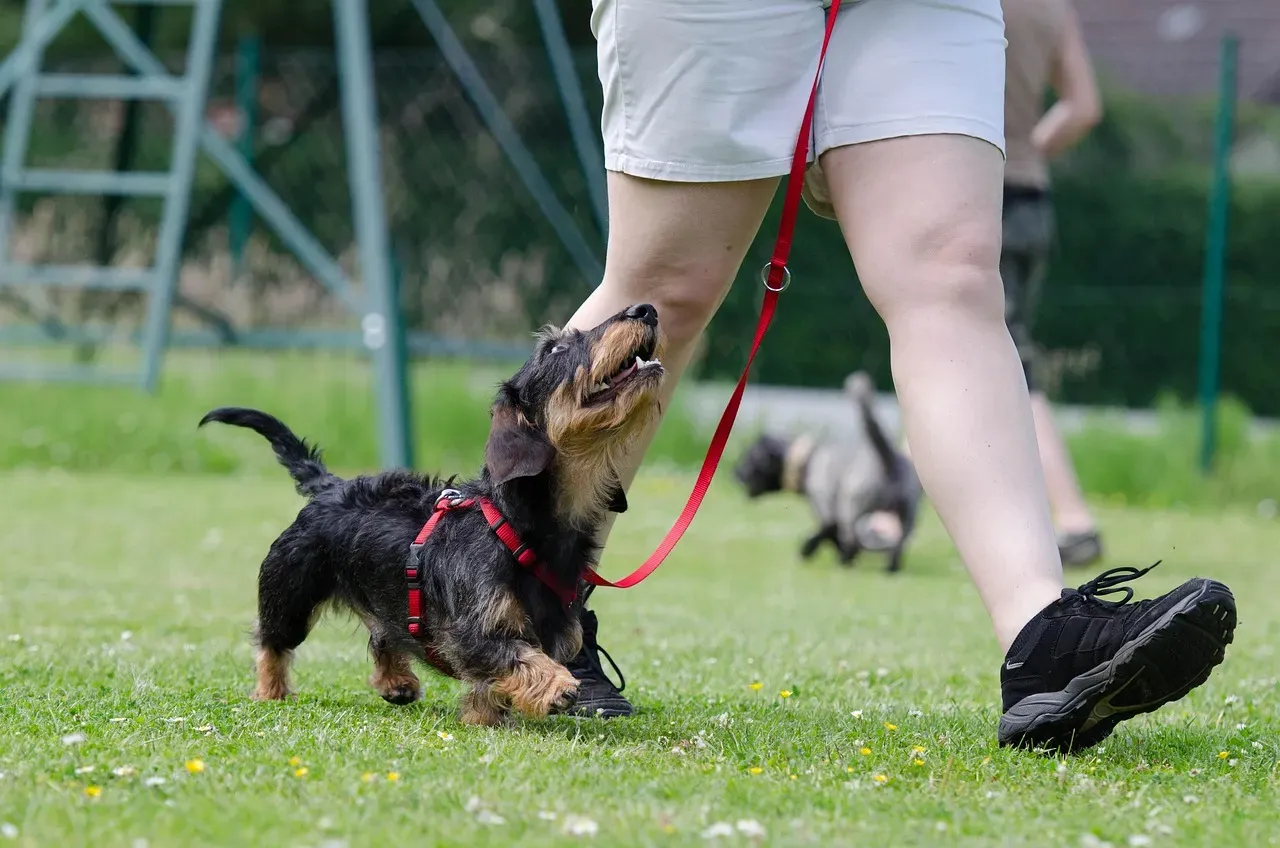
Every owner claims their dog “knows sit.” Walkers test that within the first five minutes, and not in your perfectly quiet kitchen where the dog has zero competing distractions. They ask for a sit at the door, at a curb, or the second another dog passes – and that’s where the truth shows up.
A dog that offers a quick sit even with mild distractions has at least some reliable training. One that suddenly “forgets” what sit means outside isn’t dumb – they were simply never taught that commands apply everywhere, not just the living room. Many walkers quietly sort dogs into “house-trained” versus truly trained, and that difference alone decides whether they’ll cross busy streets with your dog or stick to quiet, low-risk loops.
#3 – The Goodbye: Separation Stress the Second You Leave

Walkers pay close attention to what happens right after you hand over the leash and walk away. Does your dog watch you go with mild interest, or melt down like it’s the end of the world? That first minute after separation is brutally honest, whether owners want to admit it or not.
A dog that whines, claws at the door, or frantically scans for you often has more separation issues than anyone’s willing to say out loud. Some dogs even freeze in place, locked onto the spot where they last saw their person, while others redirect that stress into pulling or frantic over-sniffing. This isn’t just an emotional detail – a panicked dog can slip a harness or bolt, so walkers may shorten routes or avoid certain exits if the distress runs deep.
#2 – Touch Tolerance and the Red Lines Owners Never See
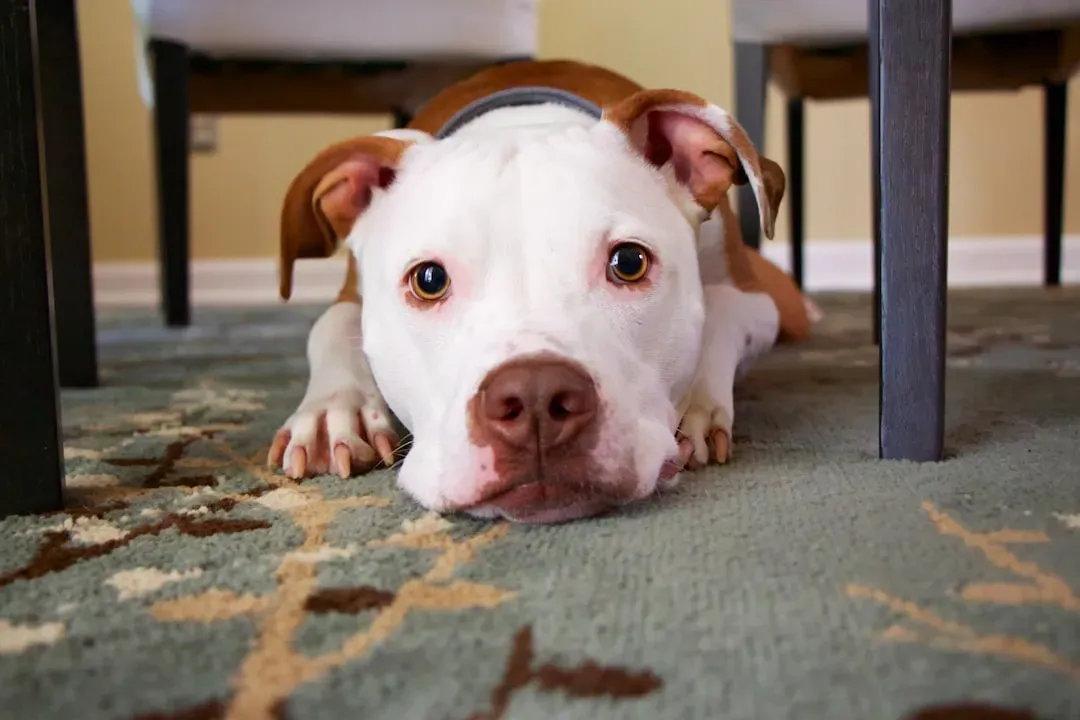
In the first five minutes, smart walkers deliberately do less physically than most owners expect. They watch how the dog handles small, neutral touches – a hand near the collar, a gentle pat, a quick harness adjustment – because the response is pure data.
A dog that leans in, relaxes, or simply ignores the contact is one story. A dog that flinches, lip-licks, yawns, or stiffens at light touch is waving a string of small red flags most owners never learn to read. Those “polite” stress signals often show up long before a growl or a snap ever does, and some dogs hate being touched near the tail, belly, or paws – something families rarely notice because they push through it during grooming or cuddling at home.
Worth Knowing
- Lip-licking and yawning during handling are early stress signals, not just tiredness
- Flinching near the collar often points to past discomfort with handling
- Tail, belly, and paw sensitivity is more common than most owners realize
- These subtle cues usually surface long before a growl or a snap
#1 – The Lifestyle Snapshot Hiding Inside One Short Walk
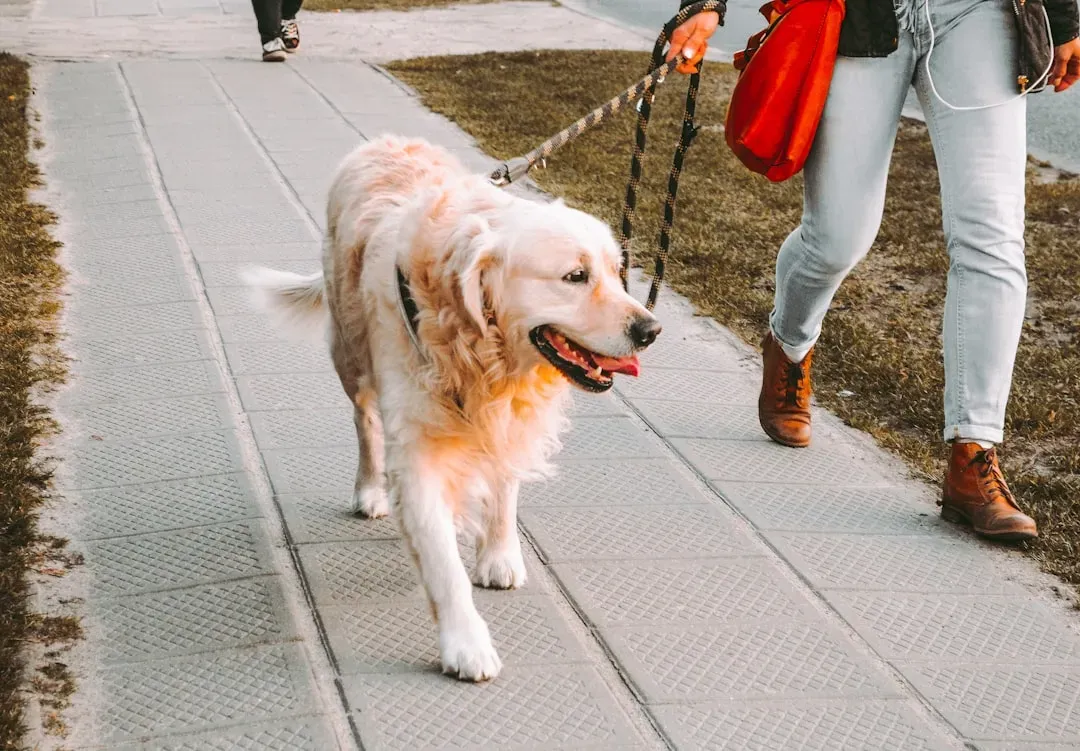
By the end of the first five minutes, experienced walkers have built a surprisingly accurate snapshot of your dog’s entire lifestyle. They’re not just judging your dog in that moment – they’re quietly reading the human habits sitting behind every behavior they just saw.
A dog that’s reasonably responsive, can eat outside, checks in visually, and keeps a loose body most of the time likely lives a fairly balanced life. A dog that drags, panics, ignores every cue, startles at everything, and can’t settle enough to even sniff isn’t “high-energy” or “dramatic” – they’re a walking report card on stress, under-exercise, and inconsistent boundaries at home. Walkers won’t always say it out loud, but that first five minutes tells them whether your dog mostly needs extra steps, or a completely different lifestyle. And once they’ve seen it, they can’t unsee it.
The Bottom Line
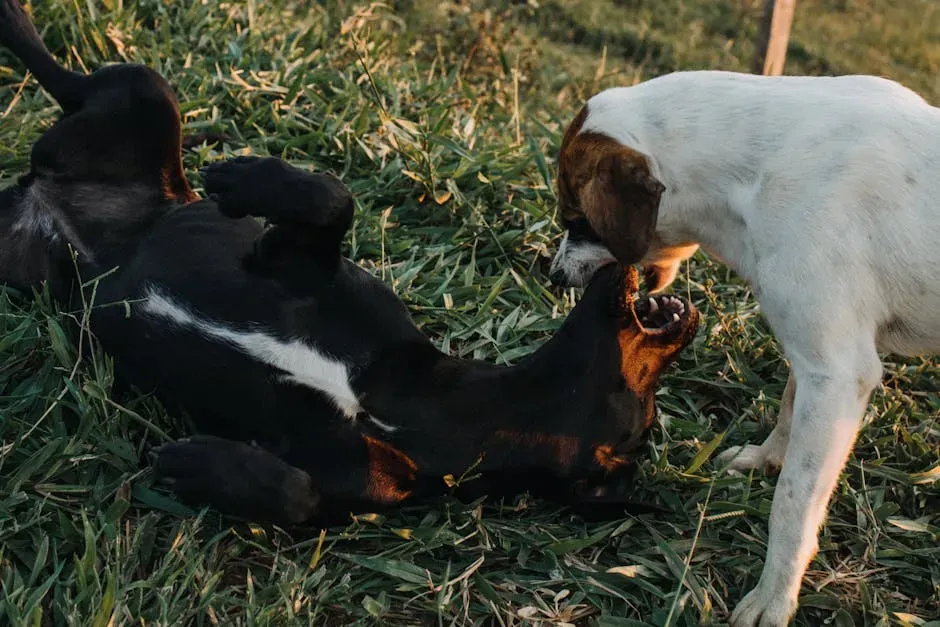
Professional dog walkers aren’t just “pet people on a stroll” – they’re reading your dog like a behavior report in the first five minutes, whether you realize it or not. Leash chaos, door manners, food drive, startle recovery, eye contact, and body language all stack up into a brutally honest picture of your dog’s training, stress levels, and home life.
Here’s the part that stings a little: most walkers can tell, almost instantly, who actually trains and enriches their dog – and who’s quietly outsourcing the problem to a leash and a stranger. I don’t think that’s a bad thing to hear. Your dog is telling on you without saying a word, and honestly, that’s a gift, not an insult.
Every twitch, sniff, and stiffened tail is information you can actually use, not a judgment to get defensive about. So the real question isn’t whether your dog would pass the five-minute test – it’s whether you’re ready to hear what it says.


