
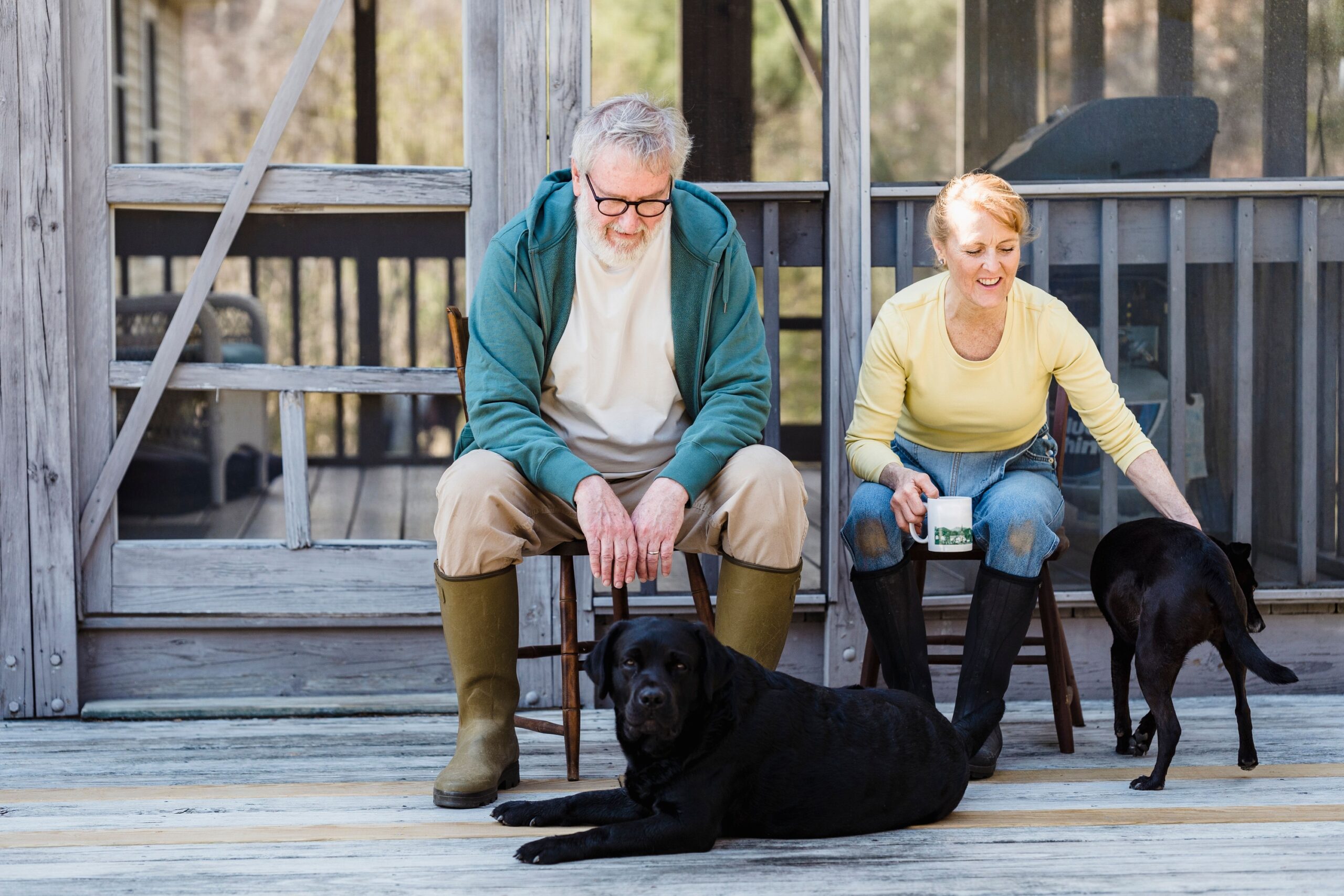
Ask most people which dogs live the easiest lives, and they’ll guess the ones curled up in a quiet house with a retired owner who has nothing but time. Groomers hear that assumption constantly, and they’ve stopped correcting it out loud. Behind the grooming table, though, they see a very different story written in matted fur, overgrown nails, and coats that quietly tell on the whole household.
None of it comes from neglect. It comes from love running up against bodies that don’t move the way they used to, on both ends of the leash. Groomers rarely say this to owners’ faces, but they talk about it with each other constantly. Here’s what fourteen years of shampoo, clippers, and quiet observation have taught them.
#1 – Matting Hidden in the Armpits and Groin
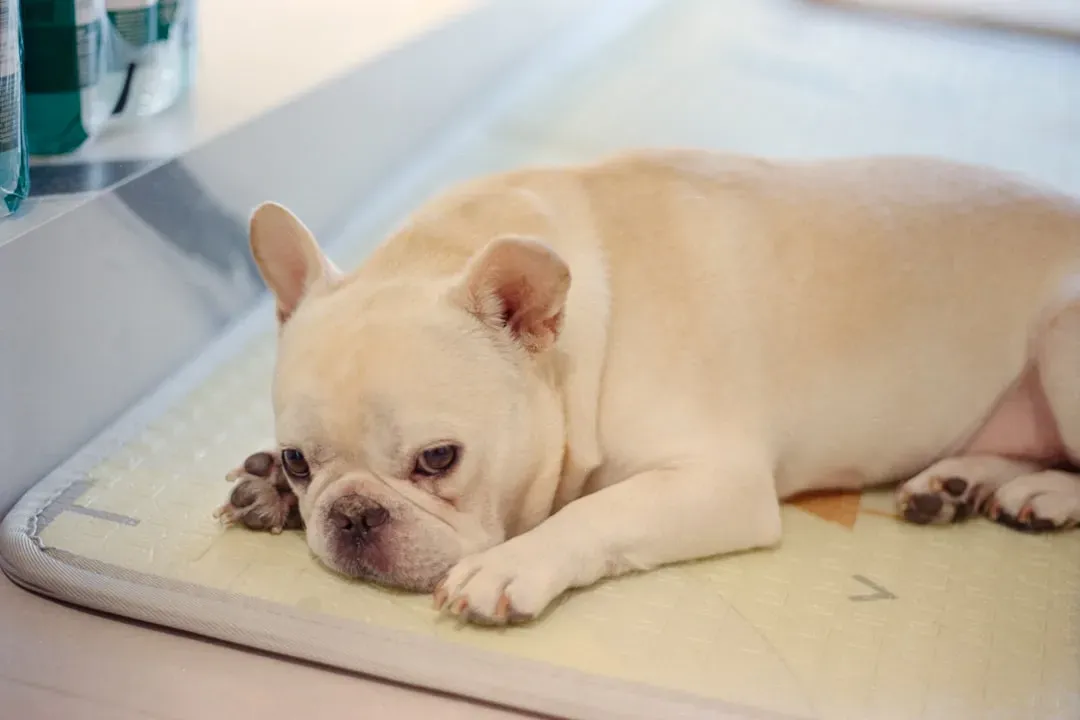
This is the first place experienced groomers check on a senior-owned dog, and it’s almost never clean. Armpits and groin folds sit low and awkward, exactly where bending or twisting becomes painful for someone with stiff hips or a bad back. The mats form slowly, week after week, until they’ve pulled tight against the skin without anyone noticing.
What makes it sneaky is that the rest of the coat can look perfectly brushed. Owners genuinely believe they’re keeping up, because the parts they can reach look fine. Underneath, though, trapped moisture and bacteria are already brewing hot spots that get blamed on allergies instead of the real cause.
#2 – Nails So Long They Click With Every Step
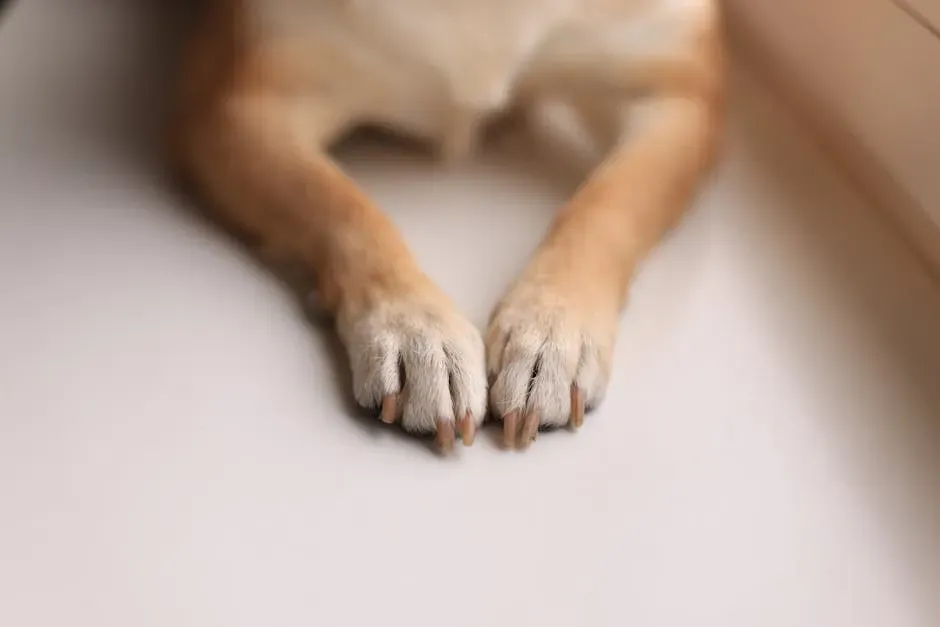
You can hear this one before you even see the dog. Nails clicking sharply on tile or hardwood usually mean arthritis has made trimming too painful for the owner’s own hands, or that walks have simply gotten shorter and less frequent. Groomers watch these nails curl downward, sometimes far enough to press into the paw pad itself.
The dog compensates without anyone realizing it, shifting weight and altering its gait one small degree at a time. Walking naturally files nails down, but when outings shrink for health reasons, that free maintenance disappears. What’s left is a nail so overgrown it needs aggressive grinding, and sometimes toes that have started to splay from the discomfort.
#3 – Dental Buildup Owners Dismiss as “Just Old Age”
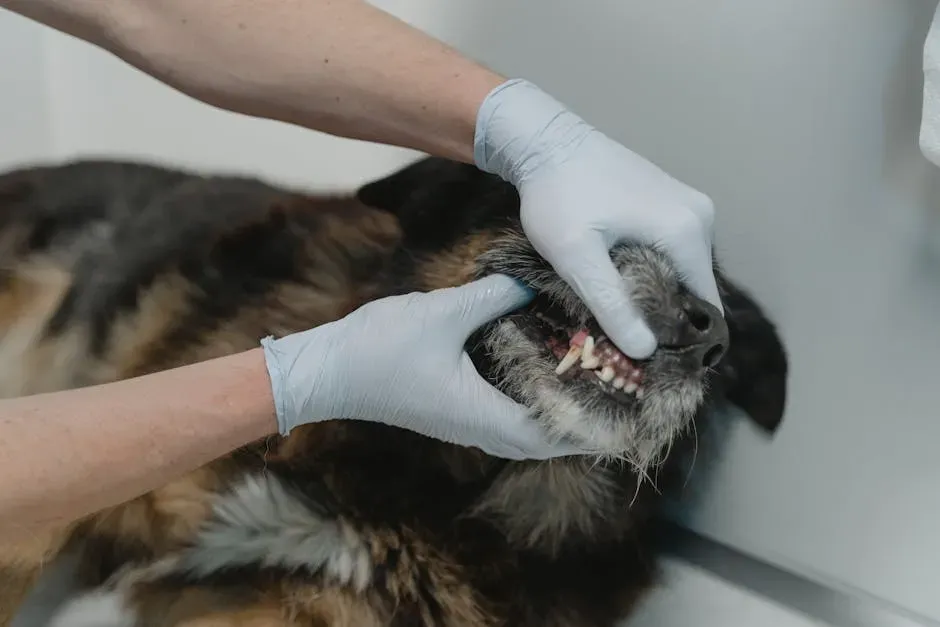
Groomers open a senior dog’s mouth and brace themselves, because heavy tartar shows up fast once daily brushing quietly disappears from the routine. Dexterity issues make holding a wriggling dog’s mouth open and scrubbing teeth genuinely difficult, so it’s often the first care task to slide. What’s left behind is brown crust along the gumline and breath that’s been normalized for years.
Owners almost always say the same thing: “He’s always had bad breath.” The truth is plaque advances shockingly fast without mechanical cleaning, and dental chews alone can’t replace it. By the time many of these dogs reach the salon, early periodontal disease is already underway, and groomers quietly start recommending more frequent professional cleanings.
Fast Facts
- Tartar can begin forming within a day or two once brushing stops
- Periodontal disease is one of the most common conditions vets see in adult dogs
- Professional cleanings every 6 to 12 months help catch problems while they’re still minor
- Persistent bad breath is rarely “just old age” – it’s usually a buildup symptom
#4 – Weight That Creeps Onto the Ribs and Shoulders
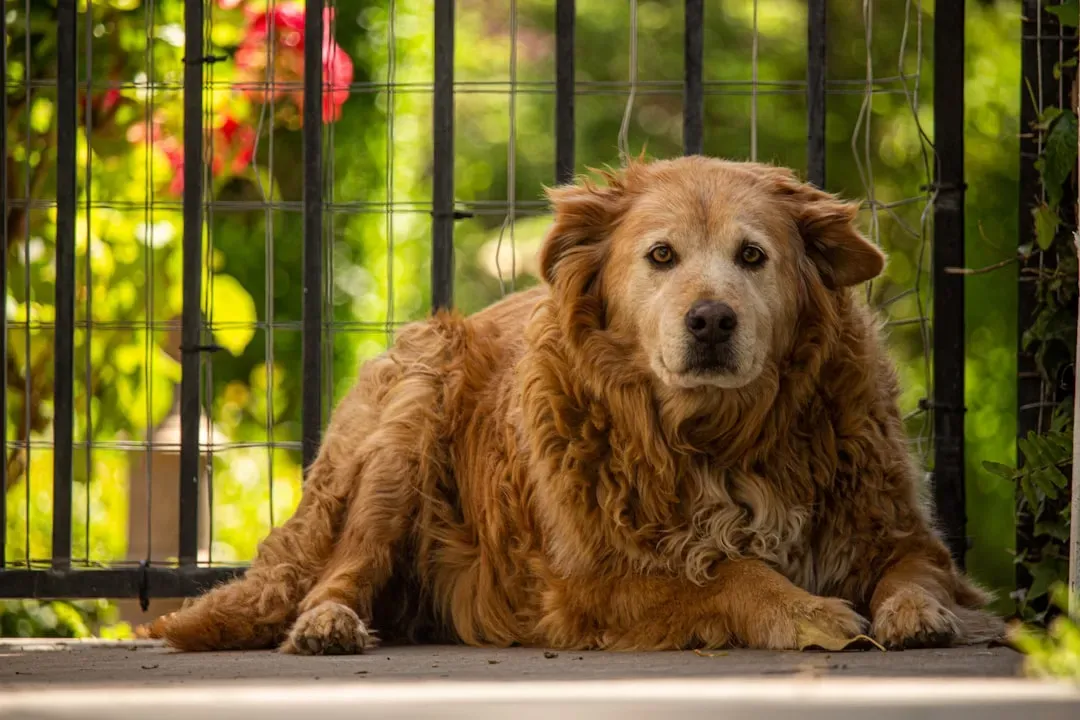
Groomers feel this one during towel drying before they ever see it on a scale. Extra padding settles first around the ribs and shoulders as walks shorten and treats increase, often as a way to make up for a dog that seems less active or entertained. The waistline that used to be easy to find simply disappears.
Owners will swear the dog eats exactly what it always has, and in a way, they’re right. What’s changed is the exercise on both ends of the leash, especially when the owner is dealing with their own hip or knee trouble. The extra pounds stress joints already under strain, and the cycle feeds itself faster than most people realize.
#5 – Dry, Flaky Skin From Stretched-Out Bath Schedules
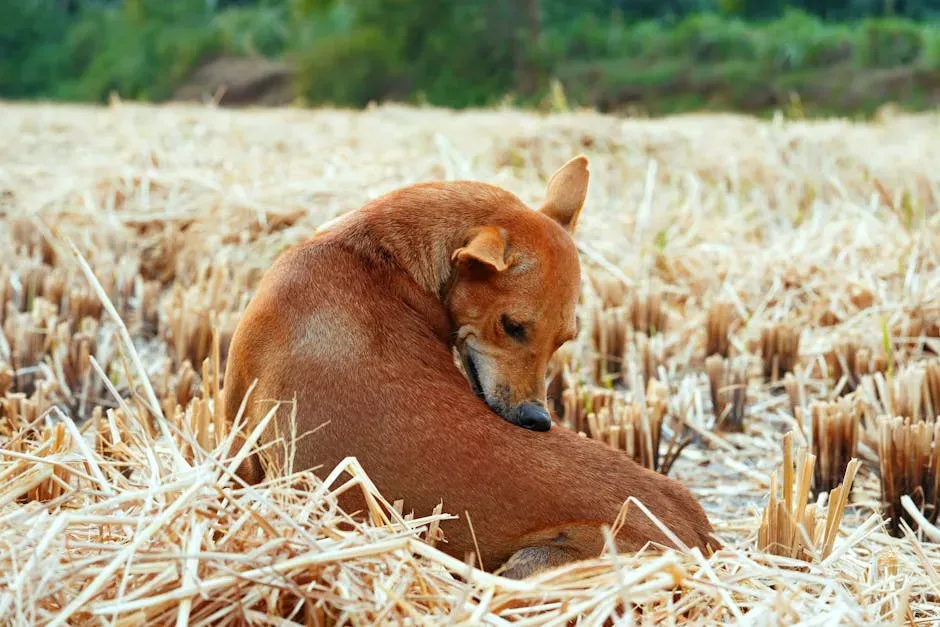
When monthly baths quietly become once every few months, skin pays the price first. Lifting a wet dog, wrestling with a hose, or driving to the salon can all become genuinely hard on an aging body, so the schedule slips without anyone deciding it should. Groomers feel the rough texture and see white flakes the moment they start the pre-bath brush.
Owners usually blame the weather or a new food. In reality, senior skin needs consistent moisture balance that longer gaps between grooms simply can’t provide. The good news groomers love sharing is that it bounces back fast, often dramatically improved after just one proper bath with the right products.
#6 – Ear Wax Hardened Into Painful Plugs
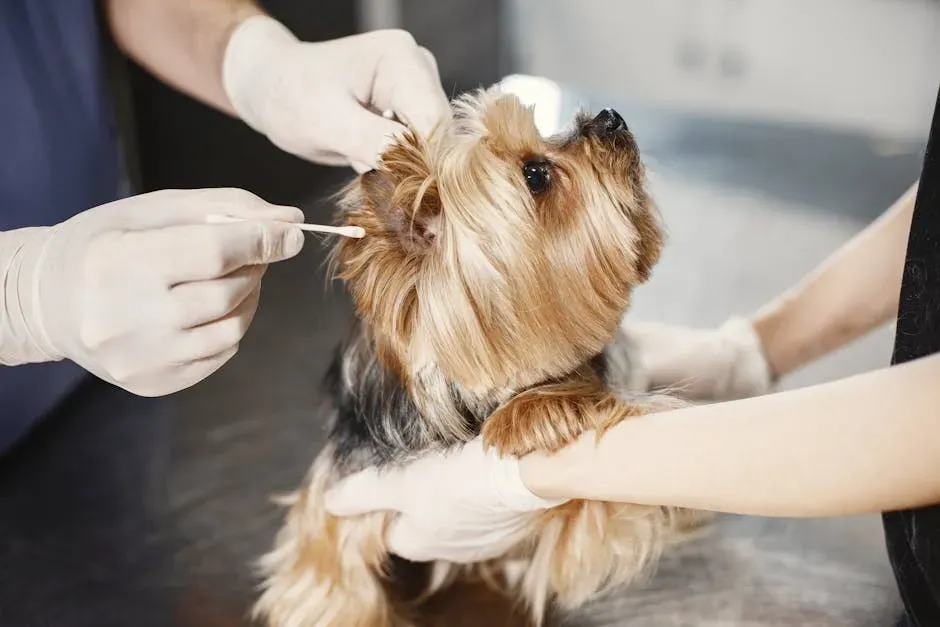
Weekly ear checks require bending, steadying a dog, and good close-up vision, three things that get harder with age all at once. When that habit slips, wax builds and hardens into dark plugs that owners never spot during ordinary petting. Groomers pull them out and are sometimes startled by how far they’ve packed in.
These plugs aren’t just uncomfortable, they can hide low-grade infections that never get treated because no one’s looking closely enough to catch them. Owners will mention the dog shakes its head sometimes, assuming it’s nothing. Floppy-eared breeds harden faster than most, which is exactly why this is one of the quiet problems groomers flag most often.
#7 – Matted Toe Hair Packed With Debris
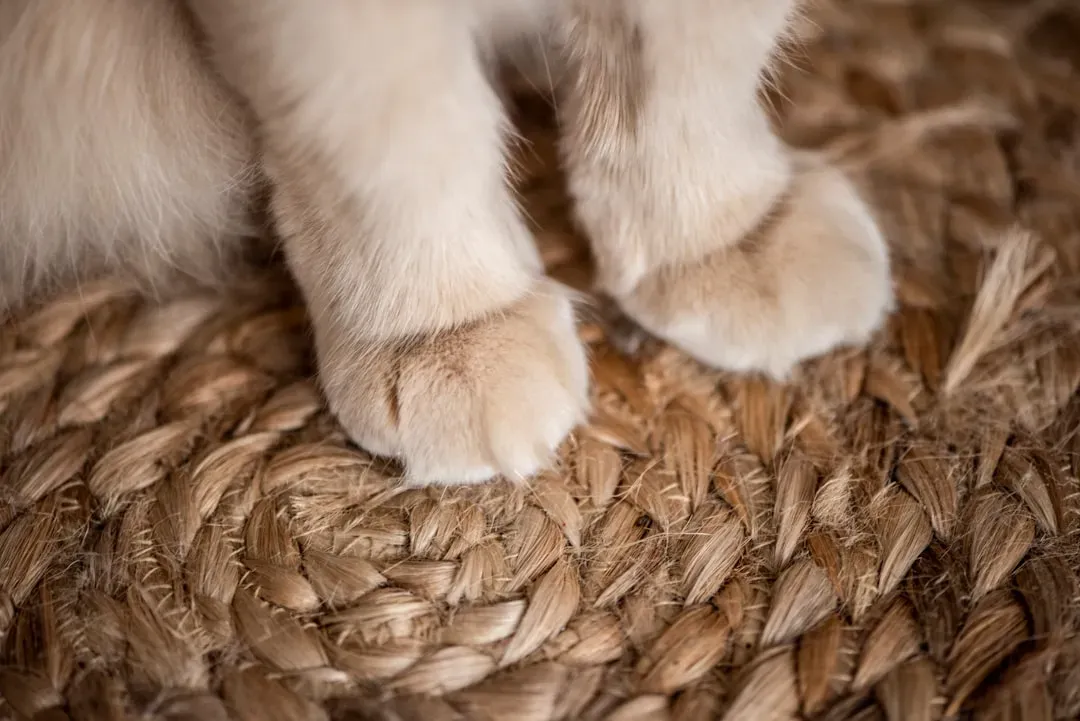
Toe hair is small, easy to ignore, and one of the first things to go untrimmed when reaching down and lifting a paw becomes physically hard. Groomers find tiny mats packed with dirt, dried mud, and even small stones tucked between the toes. It looks minor until you realize the dog has been walking on it.
That discomfort often shows up as excessive licking, which owners chalk up to allergies instead of the real culprit. Daily paw checks fall off the list first when bending down isn’t easy, and the trapped moisture after walks only makes things worse. Once a groomer trims it short, the difference in how the dog moves is immediate and obvious.
#8 – The Limp That Only Shows Up After Bath Time
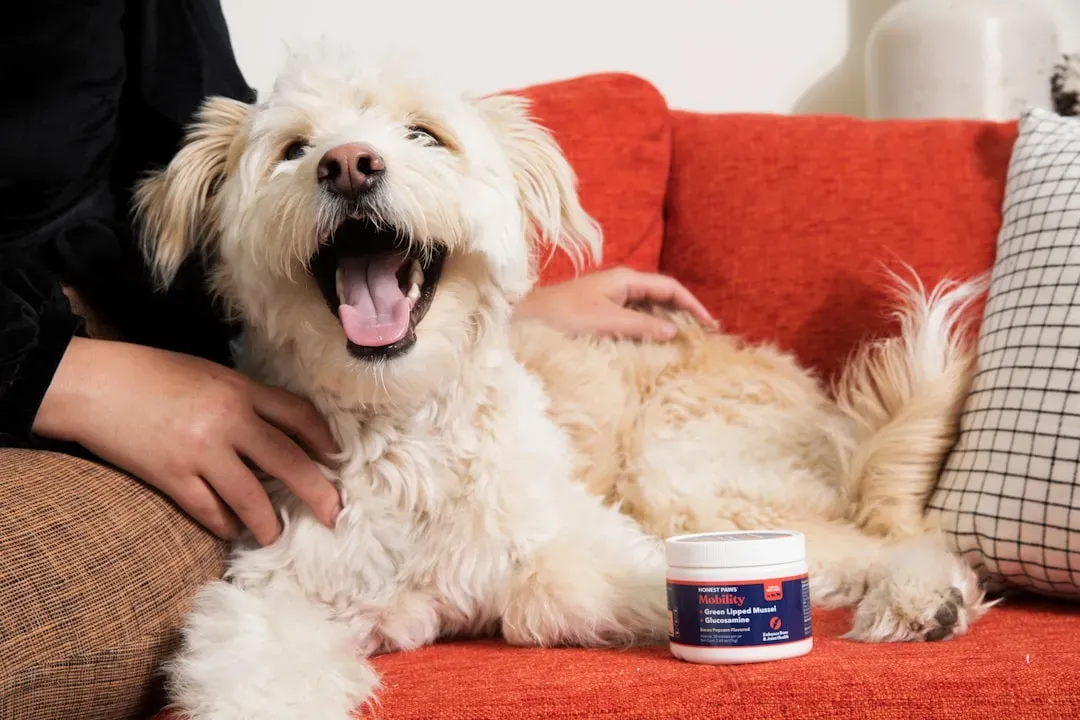
This one is subtle enough that most owners never see it, because it only appears the moment the dog steps out of a warm tub. Groomers notice a slight favoring of one leg that wasn’t there going in, a sign of joint stiffness the owner sees every single day and has simply stopped registering as unusual. It’s not new, it’s just invisible from the inside.
Owners will mention, almost in passing, that the dog “slows down in the mornings.” What they don’t connect is that their own reduced walking pace is accelerating the same joint wear in their dog. Groomers use this moment to gently suggest ramps or an orthopedic bed, treating the limp as a small but reliable window into how active the household really is.
Worth Knowing
- Warm bathwater can temporarily mask stiff joints, so a limp often only appears afterward
- Short, frequent walks tend to preserve mobility better than long, infrequent ones
- Non-slip mats and low ramps take real strain off aging hips and knees
- A limp that lingers past a day is worth a vet call, not just a mention to the groomer
#9 – A Bond So Strong the Dog Won’t Take Its Eyes Off the Door
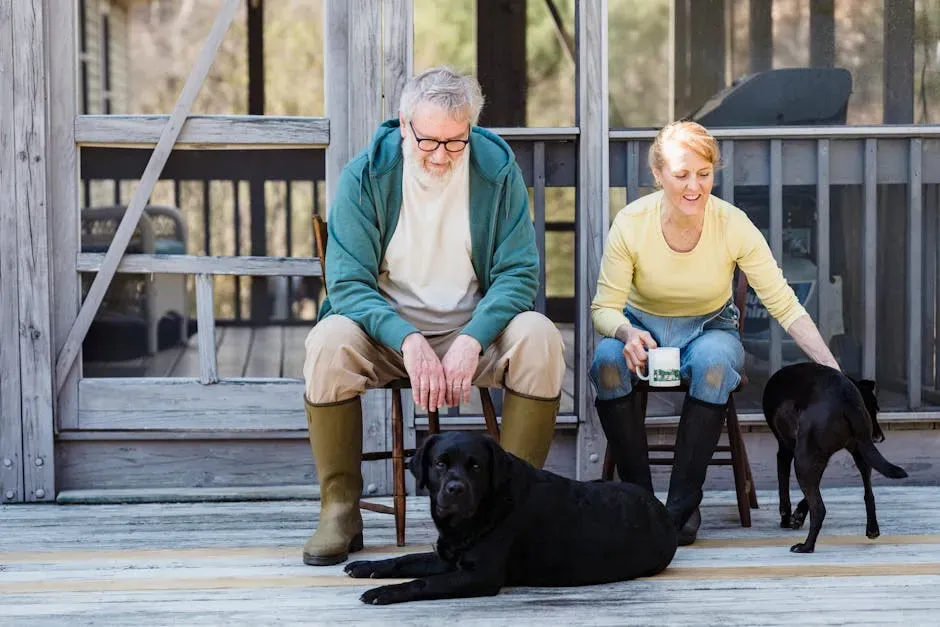
Dogs from these households often spend the entire appointment scanning the salon entrance, calm only as long as their owner stays in sight. It’s a different kind of vigilance than typical separation anxiety, quieter but just as intense. These dogs simply aren’t used to being away from the person who’s almost always home with them.
The bond between an older person and their dog is often the steadiest relationship either of them has.
Common sentiment among veterinary behaviorists
That closeness is touching, but it also means these dogs rarely practice being alone. Groomers hear soft vocalizing the moment an owner steps away for paperwork, and they’ve learned to move a little slower and softer with these particular clients. It’s not misbehavior, it’s devotion with nowhere else to go.
#10 – Eye Discharge Wiped Away Every Morning, Never Mentioned
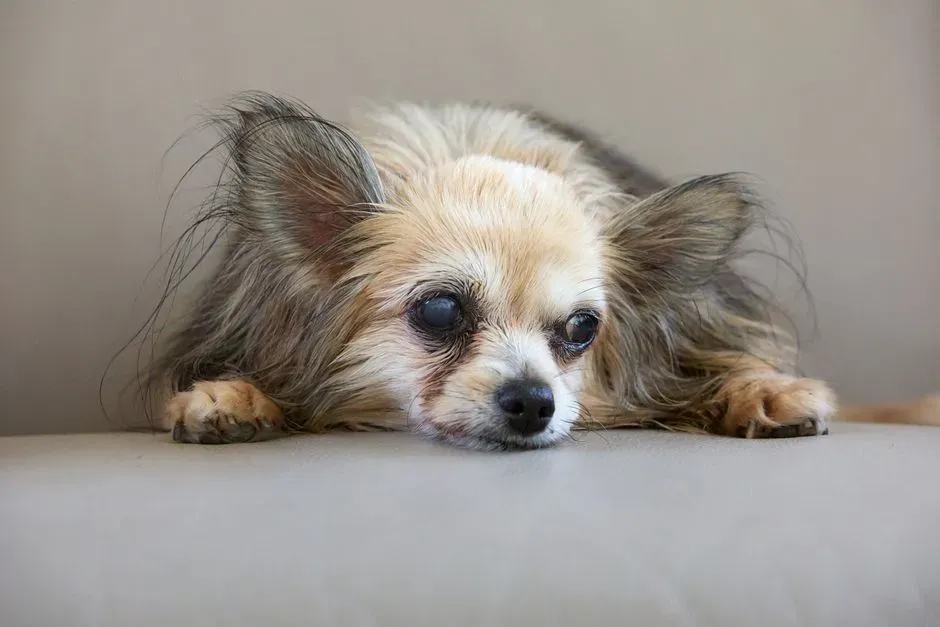
Some owners have a quiet morning ritual of wiping crust from their dog’s eyes without ever thinking twice about it. It becomes so routine that it stops registering as a symptom of anything. Groomers see the dried buildup during intake and immediately clock it as chronic, not incidental.
Left unchecked, that discharge can irritate the skin underneath the eye, especially in breeds already prone to tear staining. Owners often carry tissues specifically for this purpose without realizing how telling that habit is. Groomers keep an eye on the volume, and a sudden increase is usually the moment they gently suggest a vet visit.
#11 – Paw-Shy Behavior That Wasn’t Always There
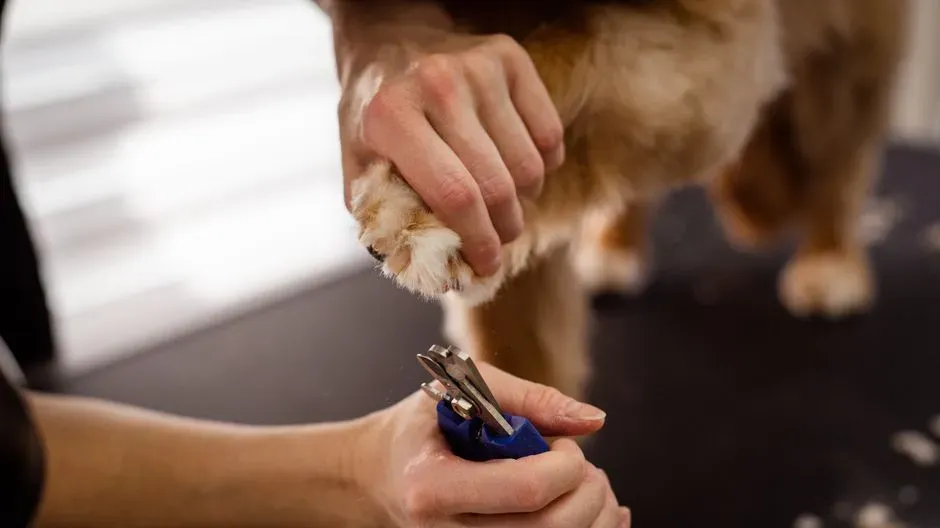
Dogs aren’t born hating having their paws touched, they learn it. When nail trims and paw drying happen less at home, a dog starts associating that touch only with the unfamiliar hands at the salon. Groomers feel the tension the instant they make first contact and have to work slowly to earn trust back.
The encouraging part is that this resistance is almost always learned, not rooted in pain. With a few calm, patient visits and the right treats, most dogs relax faster than their owners ever expect. It’s a small reset, but it says a lot about how much at-home handling has quietly dropped off.
#12 – A Musty Smell That Returns Days After Bathing
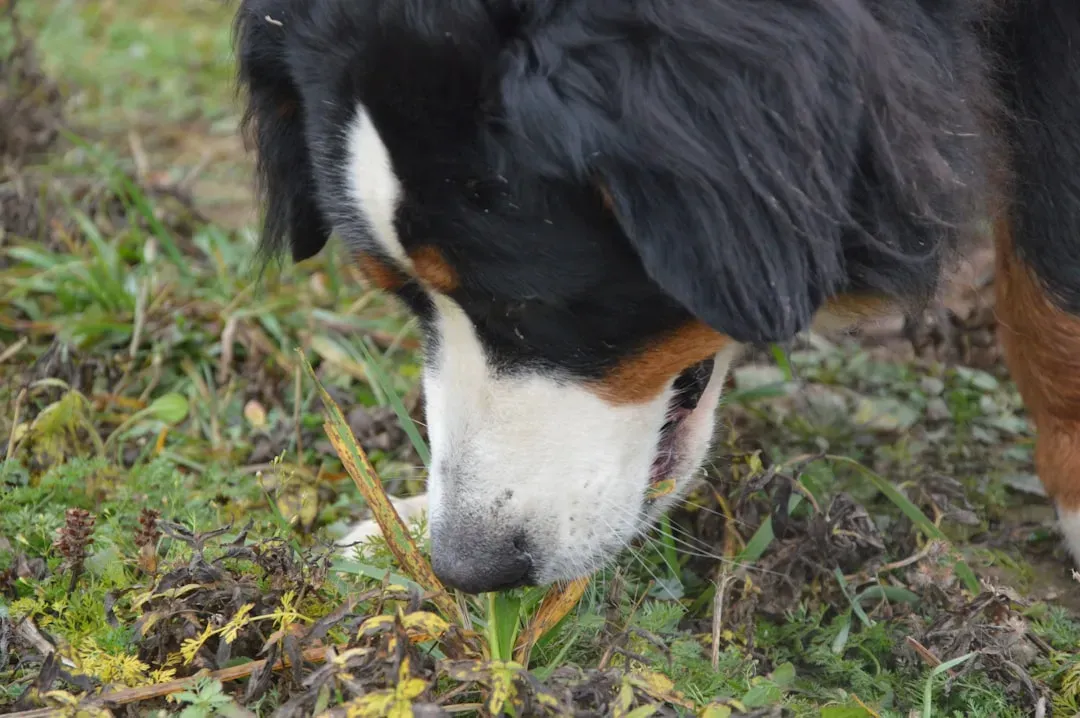
A dog can come out of the tub smelling perfect and still smell musty again within days, and that’s a clue in itself. Groomers trace it back to skin that isn’t getting properly aerated or brushed out between full grooms, letting dead hair trap moisture close to the body. Owners rarely notice because they live with the smell gradually, not all at once.
Senior skin also tends to produce more oil in certain areas, compounding the problem. Groomers respond with extra drying time at the salon and simple home brushing tools that make a real difference. The odor almost always clears up once brushing becomes consistent again, proof that the fix was never complicated to begin with.
Quick Compare
- Normal: A faint “dog smell” that fades within a day or two of bathing
- Worth watching: Musty odor that returns within three to four days despite a full groom
- Call the vet: A sour or yeasty smell paired with red, flaky, or greasy skin
#13 – Suspicious Calm That’s Actually Silent Discomfort
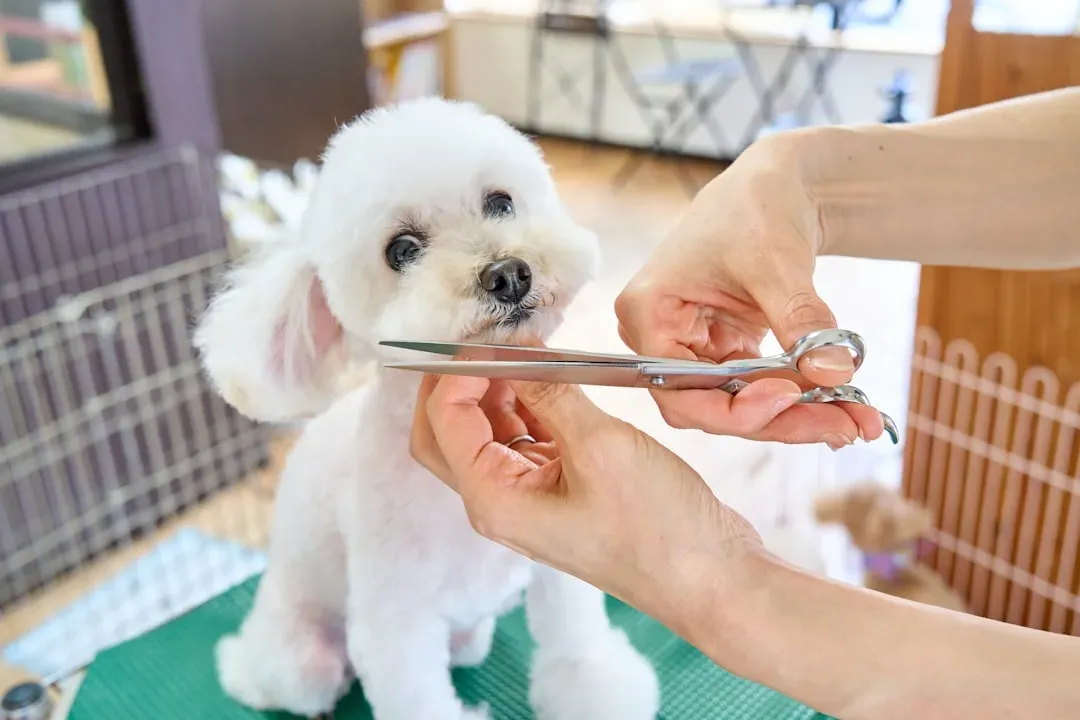
Some of these dogs are praised as the easiest ones on the table, standing perfectly still for the entire groom. Groomers know better than to take that stillness at face value. Often it’s not good behavior, it’s a dog for whom quick movement has simply become effortful and uncomfortable.
The giveaway comes when it’s time to hop down and the dog suddenly struggles. Owners describe these dogs as easygoing without ever realizing why they’re so still. Groomers respond by lowering table height, adding support, and moving more gently, treating the calm as a signal rather than a compliment.
#14 – A Coat That Mirrors the Owner’s Own Mobility
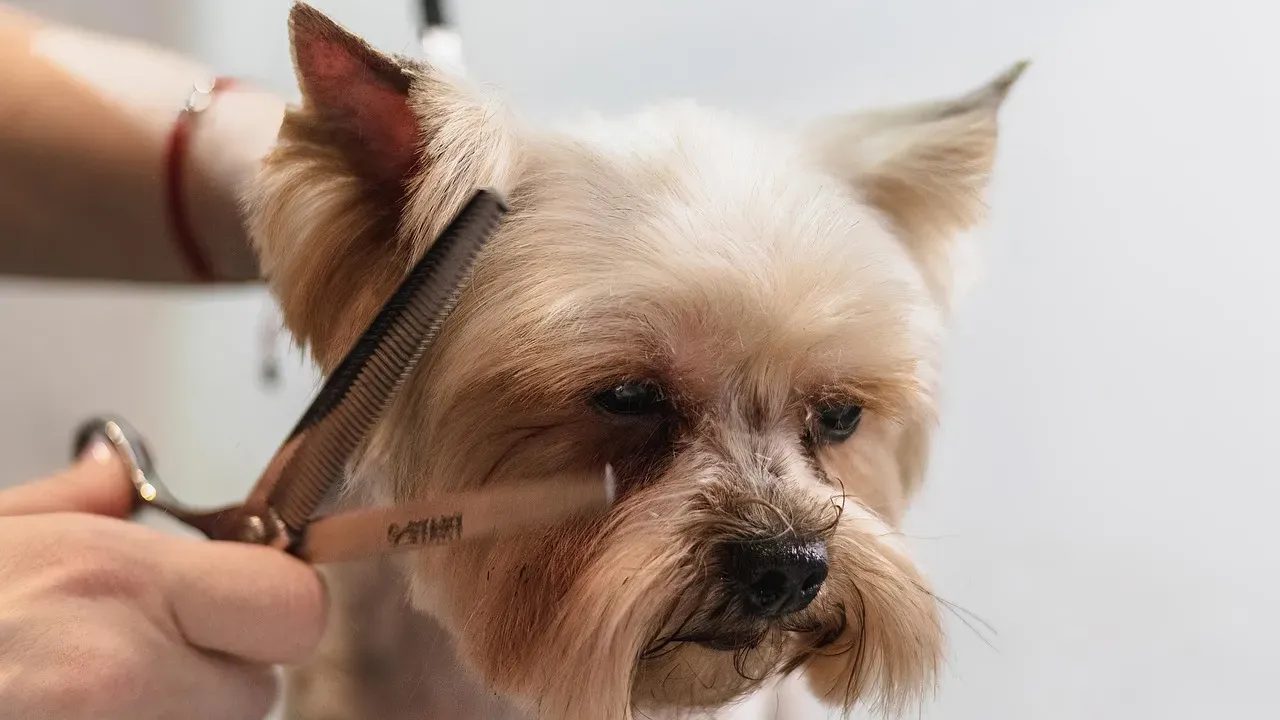
By the time a groomer reaches this last observation, they’ve usually already put the whole picture together. The overall condition of a dog’s coat tends to track almost exactly with how much its owner can still manage day to day. When brushing and walking both decline together, the coat shows it through uneven length, dullness, and a loss of shine.
Owners who stay active, even in small ways, keep their dogs looking noticeably better for longer. Groomers don’t see this pattern as a judgment on anyone. They see it as a quiet, honest window into daily life at home, one that often opens the door to a gentle conversation about extra help.
At a Glance
- Nails, ears, and coat condition are the three fastest tells groomers rely on
- Most issues on this list are fixable with small routine changes, not major intervention
- A four-week grooming schedule tends to catch problems before they become painful
- Behavioral clues, like clinginess or unusual stillness, often say as much as physical ones
The Bottom Line
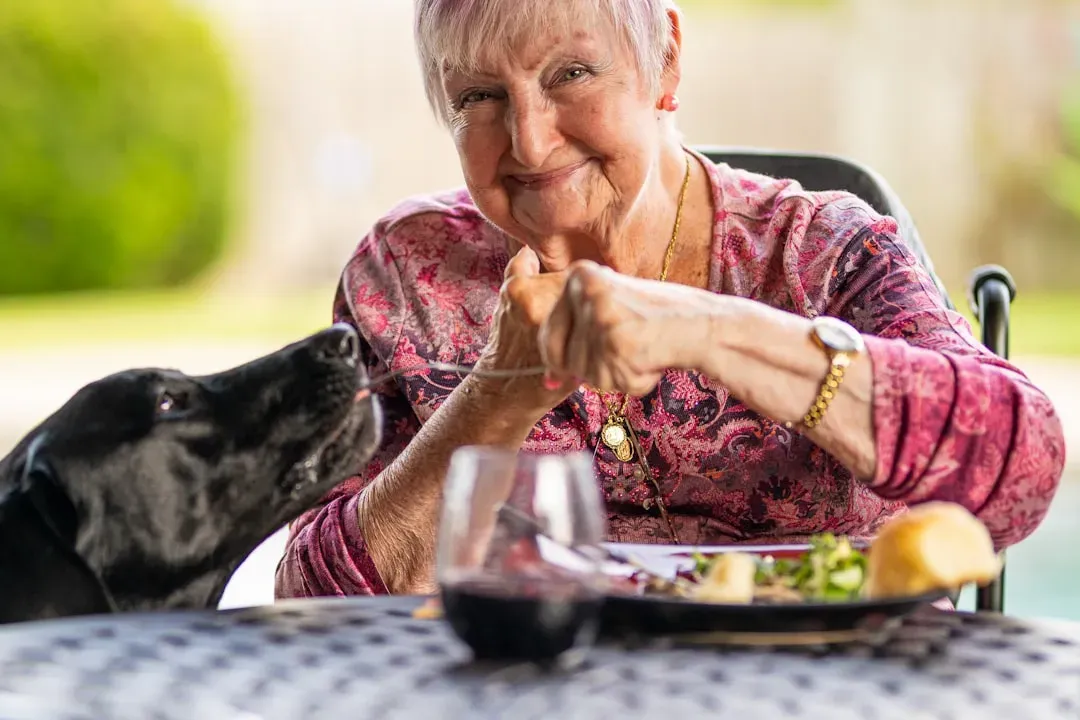
None of these fourteen signs are about bad ownership. They’re about what happens when devotion outlasts the body’s ability to keep up with it, and that’s a far more human story than anyone talks about at the dog park. Every mat, every overgrown nail, every soft vocalization at the door is really just love running into physical limits.
If there’s an opinion worth stating plainly, it’s this: these dogs are almost always the most loved ones in the building, not the most neglected. A grooming assistant for baths, nail trims scheduled every four weeks instead of left to chance, or a family member who helps with brushing once a week can undo most of this list entirely. The bond was never the problem. The logistics were. Did we miss one? Drop it in the comments.


