
8 Small Gestures You Make Without Thinking That Your Dog Has Quietly Decided Are the Reason They Trust You Completely
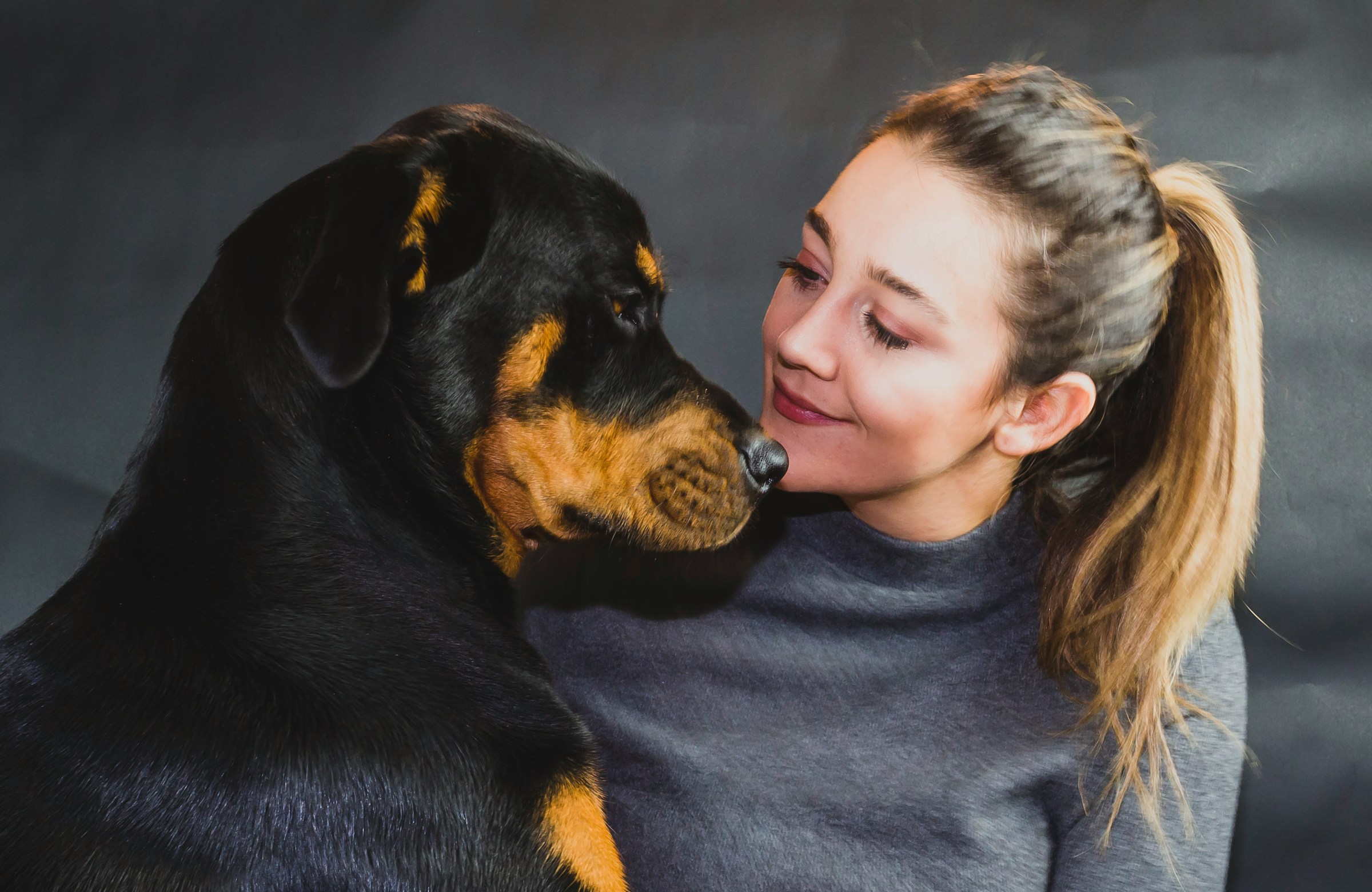
You probably think your dog trusts you because you feed them, walk them, and buy the fancy treats that cost more than your own snacks. And sure, all of that helps. But what quietly seals the deal, deep in that furry little heart, are a handful of tiny, almost invisible things you do every day without even noticing. To your dog, those small gestures are loud, clear proof that you are safe, predictable, and worth worshipping like a slightly clumsy god.
The wild part is that science backs a lot of this up: dogs really do read our tone, our posture, our routines, even our breathing like a second language. Those little habits you barely register? Your dog is logging every one of them and turning them into a story about whether the world is safe. Let’s pull back the curtain on eight of those small things you already do that your dog has secretly decided are the reason they trust you with their whole life.
1. Saying Their Name in That Soft, Sing‑Song Voice
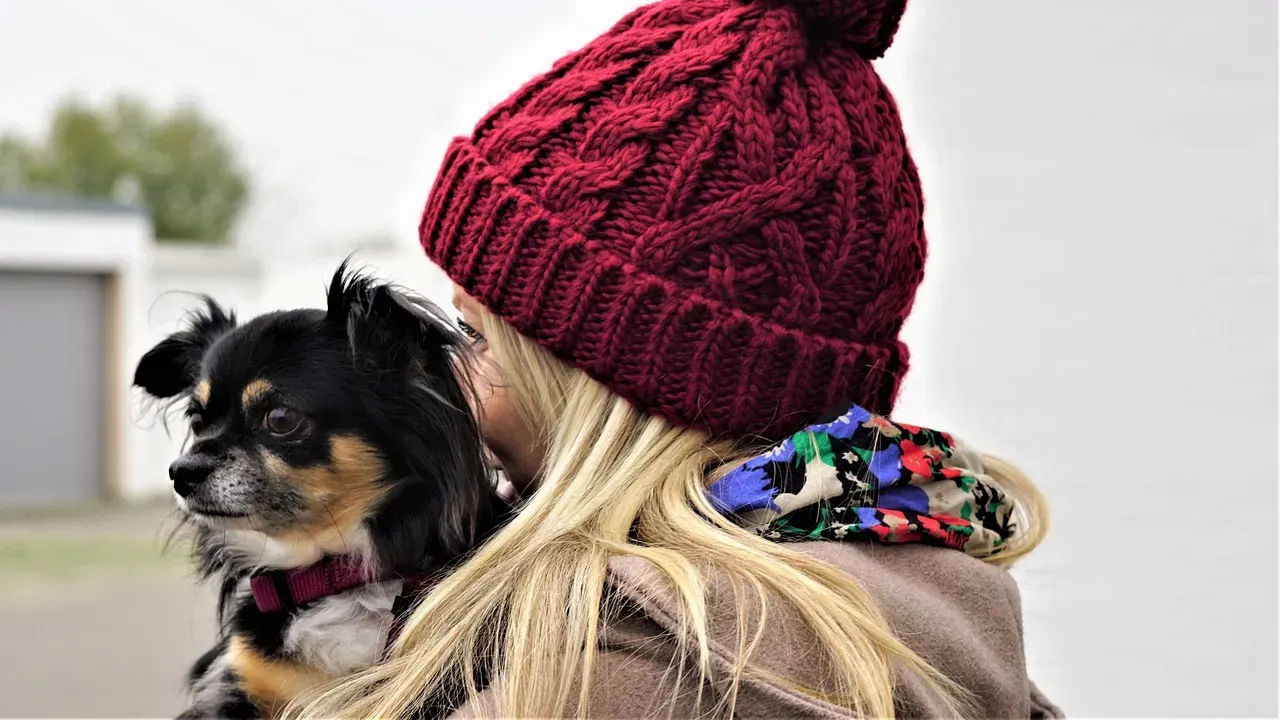
There is something almost magical about the way you say your dog’s name when you are relaxed, amused, or a little mushy. You might not think twice about it, but your dog has noticed that this gentle voice always shows up when good things happen: cuddles, snacks, playtime, or just a calm moment on the couch. Over time, that tone becomes a kind of emotional safety signal, telling your dog that everything is fine and they do not need to be on guard.
Dogs are wired to respond to changes in pitch and rhythm more than the actual words, which means your soft, slightly goofy “hi, buddy” hits them much harder than you realize. If you compare that to a sharp or stressed tone, it is like the difference between a lullaby and an alarm. When you default to warmth and softness most of the time, your dog quietly files you under “trustworthy,” because your voice predicts comfort, not chaos. It is a small, everyday gesture that, in their mind, proves your heart is on their side.
2. Letting Them Finish Sniffing Instead of Rushing the Walk
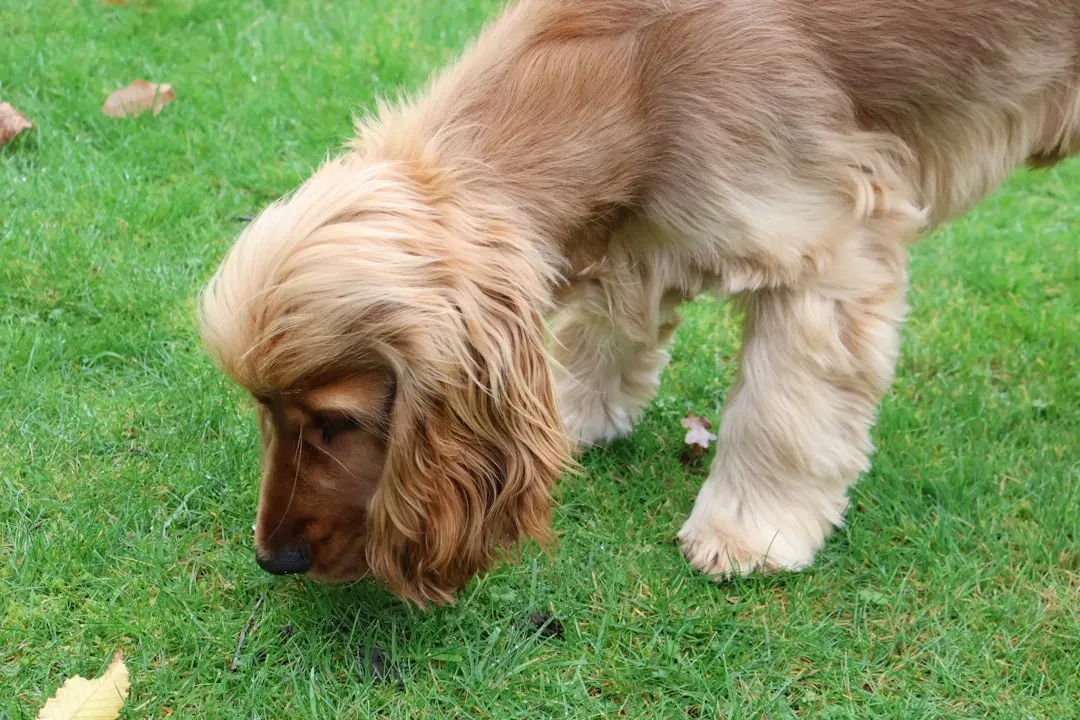
It is easy to treat a dog walk like a timed errand: out, pee, back, done. But every time you pause and let your dog really sniff that lamppost, that patch of grass, or that incredibly important invisible something on the sidewalk, they notice. To them, sniffing is not a side quest; it is how they read the neighborhood news, calm their brain, and feel in control of their environment. When you give them that extra ten seconds, what you are really saying is, “Your needs matter too.”
Control and choice are huge for trust, in humans and animals. When your dog realizes you are not just dragging them from point A to point B, but actually allowing them to explore and move at their own pace sometimes, that builds a quiet, steady sense of safety. You become the person who does not just push them around, but listens to what they want, even in such a tiny way. It is like walking with a friend who slows down when you stop to look at a sunset, instead of yanking you by the sleeve.
3. Moving Your Body Slowly Around Them Instead of Jerking or Looming
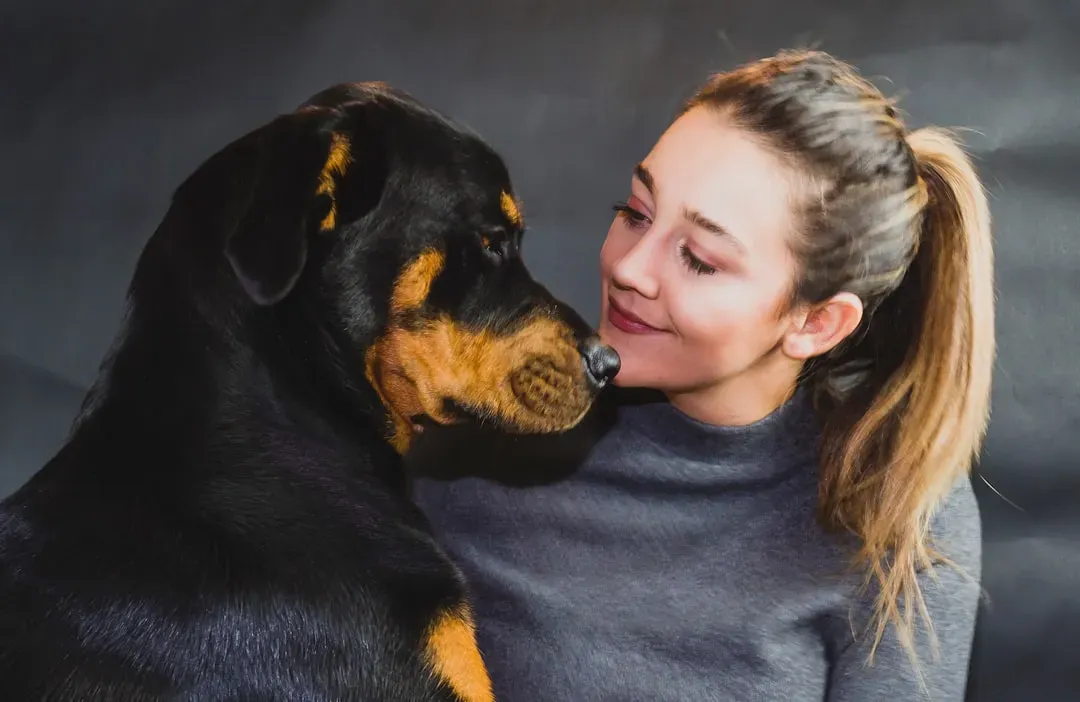
Most dogs are much more sensitive to sudden movement than we are. They notice the way you reach for your phone, stand up from the couch, or step over them in a narrow hallway. When you automatically soften your movements around your dog – stepping around them gently instead of stomping through, giving a tiny warning sound before you move, or bending your knees instead of looming straight over their head – you are telling them, “I see you, and I will not hurt you by accident.”
Even if you have never thought of it this way, your careful body language shows your dog that you are predictable, which is a big deal for an animal that depends on you for everything. Sudden grabbing, shouting, or heavy footsteps can make a nervous dog feel like the world might explode at any moment. On the flip side, when your dog learns that you are consistently calm and measured in the way you move around them, they can fully relax at your feet. That kind of deep, boneless nap next to you is not just comfort; it is proof of trust.
4. Respecting Their Need for Space When They Move Away
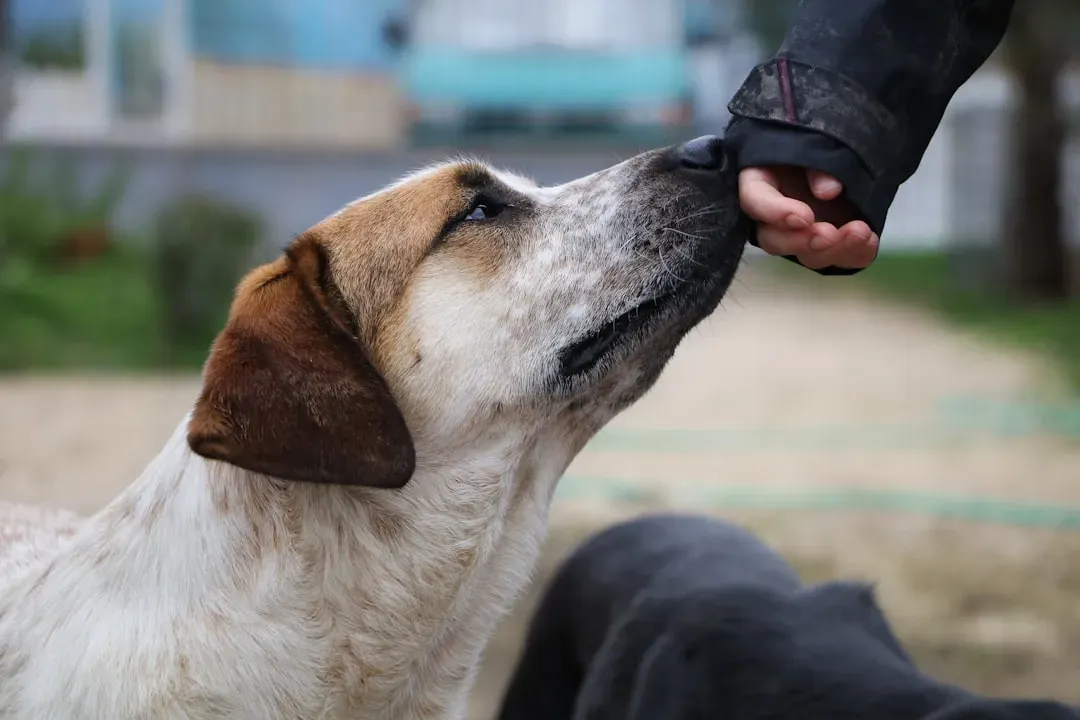
There is a very specific kind of love that understands when not to push. Every time your dog shifts away when you go in for a hug, or ducks to the side when you reach over their head, and you quietly respect that instead of forcing contact, you are communicating something powerful: “Your boundaries are real, and I will not ignore them.” Dogs may not use those words, but they absolutely feel the difference between someone who lets them choose touch and someone who insists on it.
This is one of those areas where I had to learn the hard way. I used to think my dog should always want cuddles, because hello, I am delightful. The moment I started letting him come to me instead – patting the couch, leaning back, and waiting – something shifted. He began approaching more often, not less. That is the heart of trust: when a dog learns that saying “not right now” will be respected, they feel safer saying “yes” later. Your small decision to back off when they ask for space is, to them, proof that you are safe to be vulnerable with.
5. Keeping Routines That Make Their Day Predictable
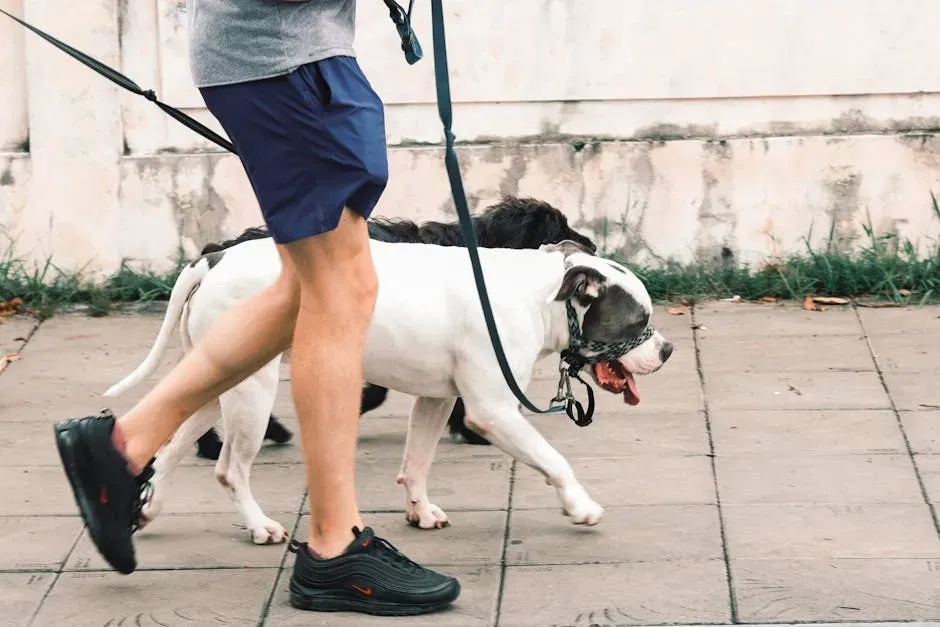
You might not think your half‑awake, pre‑coffee stumble to the food bowl every morning counts as a trust exercise, but your dog disagrees. That roughly same‑time feeding, the usual walking route, the evening couch ritual – these small, repeated patterns are the backbone of their emotional stability. In a world they cannot control or fully understand, the fact that you do certain things in roughly the same order tells them that tomorrow will probably be okay too.
Dogs are experts at picking up on patterns, and they are always quietly asking: Does this person show up for me in the same way, again and again? When your actions answer yes – food appears, water is fresh, walks happen, bedtime is calm – that consistency builds a deep, almost unshakeable trust. You become less like a random human and more like a reliable force of nature in their life. To a creature that cannot buy their own food or open their own front door, that reliability is not boring; it is everything.
6. Offering Treats Gently and Never Tricking Them With Food
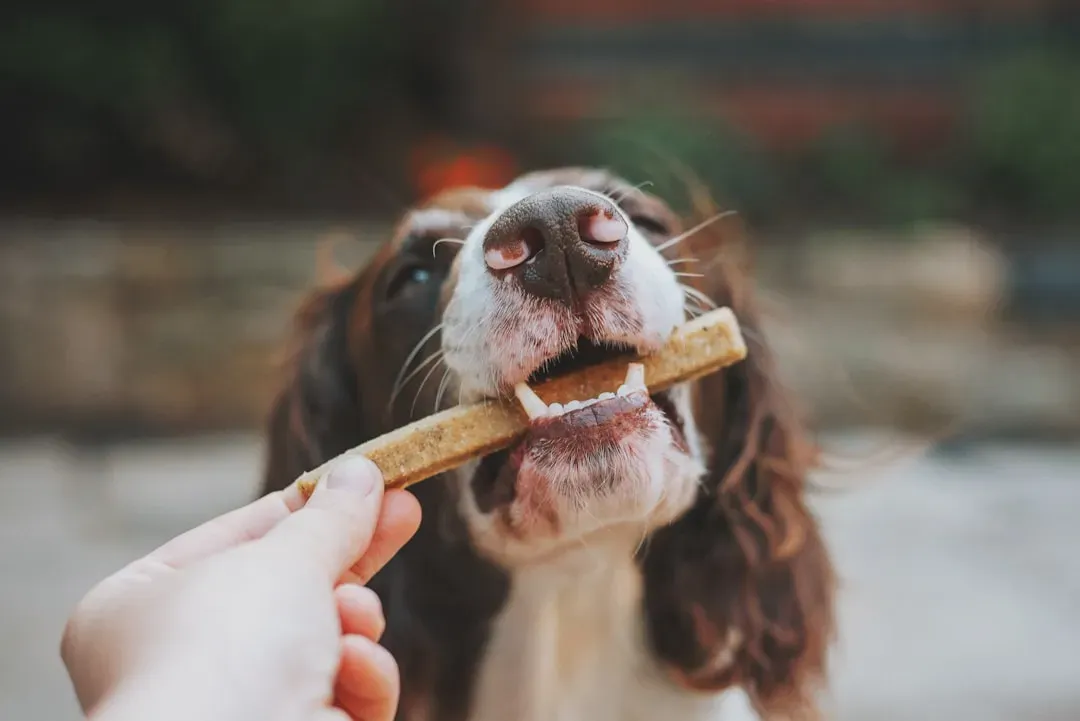
At first glance, giving a dog a treat seems obviously about food, but it is just as much about honesty. When you offer a snack with an open hand, calm energy, and no sneaky strings attached, your dog starts to believe that good things from you are really just good things. On the other hand, if food always leads to something scary – like being grabbed, yelled at, or tricked into something they hate – that can quietly chip away at their trust, even if they still eat it.
Many people, often without meaning to, use food as a lure and then betray the dog’s expectations, for example calling them cheerfully and then immediately clipping their nails or shoving them into a bath. When you make the small choice to be more transparent – maybe pairing those not‑so‑fun tasks with gradual training and plenty of rewards, rather than bait‑and‑switch tactics – your dog starts to see you as fair. That fairness builds trust faster than any expensive treat. It is the difference between someone who bribes you and someone who rewards you honestly.
7. Making Eye Contact That Is Soft, Brief, and Paired With Relaxed Body Language
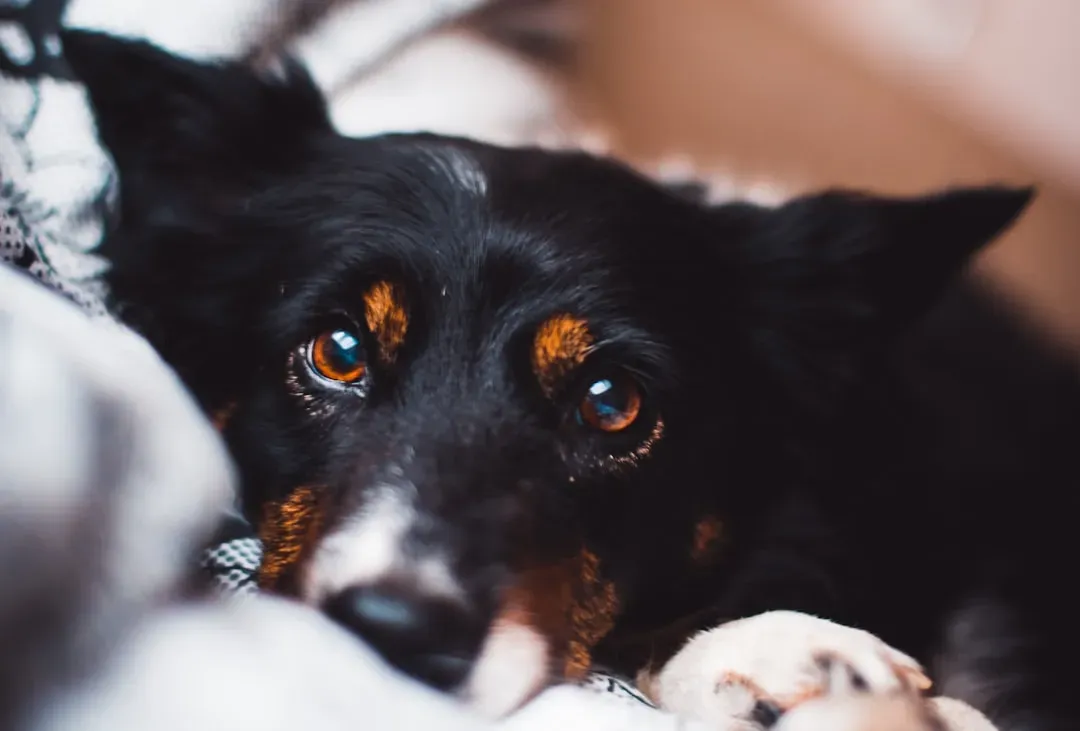
Eye contact can be complicated in the dog world. A hard, unblinking stare can feel threatening, but a soft, gentle glance – especially when paired with a relaxed face and maybe a slow blink – can feel like a warm hug. When you find yourself naturally giving your dog those quick, affectionate looks throughout the day, you are doing more than admiring their cuteness. You are reinforcing a quiet emotional connection that tells them you are tuned in and safe.
Many dogs actually seek out these micro‑moments: a glance from across the room, a tiny tail wag, a shared pause. When they look up at you and you respond with warmth instead of irritation or indifference, it is like answering a small question they are always asking: “Are we still okay?” Over and over, your soft eyes say yes. It is such a subtle gesture that you probably do it while scrolling your phone or sipping coffee, but to your dog, it is one of the clearest signs that their trust is not misplaced.
8. Coming Back When You Say You Will – Even in Tiny Ways
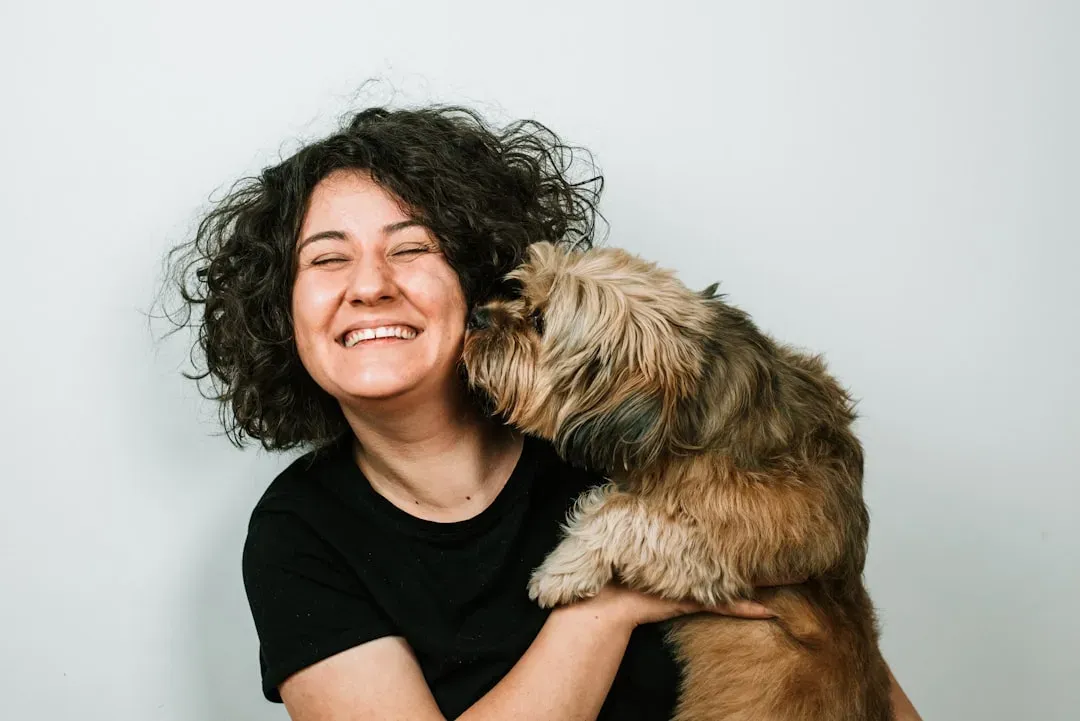
Dogs do not understand your calendar, but they are surprisingly good at measuring your reliability. When you step into another room and casually say something like you will be right back, then actually come back, you are building a pattern: when you leave, you return. When you put on your shoes and go out the front door, then eventually walk back through it, your dog’s brain logs that as evidence that departures are not disasters. These tiny, everyday reunions are the foundation of their belief that being alone does not mean being abandoned.
Trust, in the end, is mostly about what happens over and over again. You leave, you return. You close the crate, you open it again. You go to work, you come back home smelling like coffee and other people’s perfume, but you come back. Your dog may greet you like you have been gone for a decade, but underneath that drama is something steady and calm: the quiet conviction that you will always keep finding your way back to them. And that is a belief they build one small reunion at a time.
Why These Tiny Habits Add Up to Something Huge
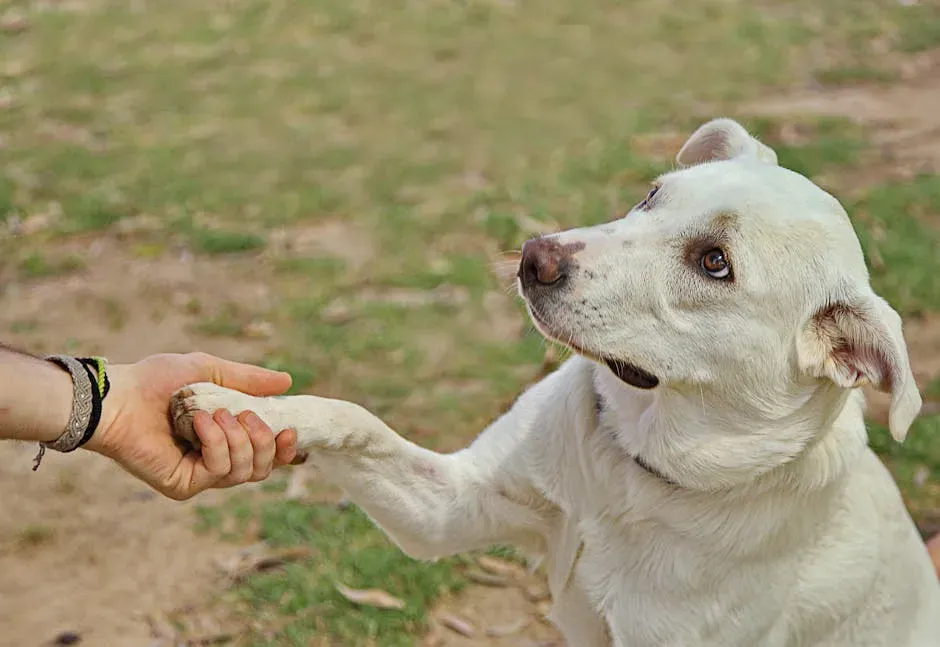
When you zoom out, what stands out is not any single grand gesture, but the pattern underneath all of them: you are consistent, you are gentle, and you respect your dog as a thinking, feeling being. The small things – soft voices, slow movements, extra sniff time, honest treats – are really just dozens of ways of saying the same thing in a language your dog understands: “You are safe with me.” Trust does not arrive in one dramatic moment; it seeps in through a hundred quiet Tuesdays.
I will be honest: most of us are not perfect at this. We rush walks, we get impatient, we miss signals. But if your dog curls up near you, follows you from room to room, or looks back at you on walks just to check in, they have already decided that, on balance, you are worth believing in. To me, that is both humbling and motivating. If such small, almost automatic gestures can matter that much, what could happen if we started doing them on purpose? Did you realize your everyday habits carried that much weight in your dog’s heart?