
10 Moments Dogs Never Forget – And Why Most Owners Only Understand This When It’s Too Late
You know those tiny throwaway moments with your dog that you barely register? The rushed goodbye at the door, the distracted pat on the head while you’re scrolling your phone, the first time you raise your voice a little too loud? Your dog doesn’t file those away as “no big deal” the way you do. For them, these are emotional landmarks, burned into a brain that’s wired to remember things that feel deeply safe, or deeply scary.
What makes this bittersweet is that most people only realize how much these memories mattered when the dog is old, sick, or already gone. By then, it hits like a wave: they were learning you, trusting you, and making sense of their world in moments you barely noticed. Understanding what dogs actually tend to remember can completely change how you show up for them right now, instead of looking back one day wishing you had done it differently.
The First Night Home: When Their Entire World Resets
The first night you bring a dog home is a complete life reboot for them, even if it just feels like chaos and cuteness for you. New smells, strange sounds, different light patterns on the wall, and a bed that doesn’t smell like anything they know yet – it can be both magical and terrifying. Their brain is working hard to map this strange place: where the water is, what the doors do, how your voice sounds in the dark.
Dogs are especially tuned to remember experiences linked with strong emotions, and that first night is soaked in them. If they were left to cry alone, or shuffled from crate to crate, that may become their emotional blueprint for “home.” If instead they felt gentle hands, soft reassurance, and predictable comfort, that first night becomes the foundation of safety they’ll lean on for years. Many owners only realize the weight of this memory later, when adult fears or clinginess trace back to a shaky start.
The First Time You Really Lost Your Temper
Almost every owner has that one moment they wish they could take back: the slammed door, the shouted name, the frustrated shove away. Dogs are incredibly sensitive to tone, posture, and facial expressions, and a sudden burst of anger from the person they rely on is not just “a bad moment” – it’s a shock to the system. Their heart rate spikes, stress hormones surge, and their brain quickly links that scene with a sense of threat.
What makes this stick is the contrast: if you’re normally kind, that one explosion stands out in neon. Some dogs start to flinch at raised arms, harsh tones, or even certain rooms where it happened. Owners often shrug it off as “they’re being dramatic” until later, when they see their dog freeze around conflict or cower when voices get loud. By the time we connect the dots, the dog has already carved a memory they can’t just reason their way out of, and we’re left wishing we had paused before we snapped.
The Day You Left For Longer Than They Could Handle
For some, that one bad experience is the start of separation anxiety that seems to come out of nowhere months later. They learned that sometimes, out of the blue, you disappear beyond what their nervous system can tolerate. Many owners only notice when the howling, chewing, or pacing kicks in, but the emotional memory was laid down earlier. We tend to mark our lives by vacations and work trips; your dog quietly remembers the day it felt like you might never come back.
The First Time You Came Back When They Thought You Were Gone Forever
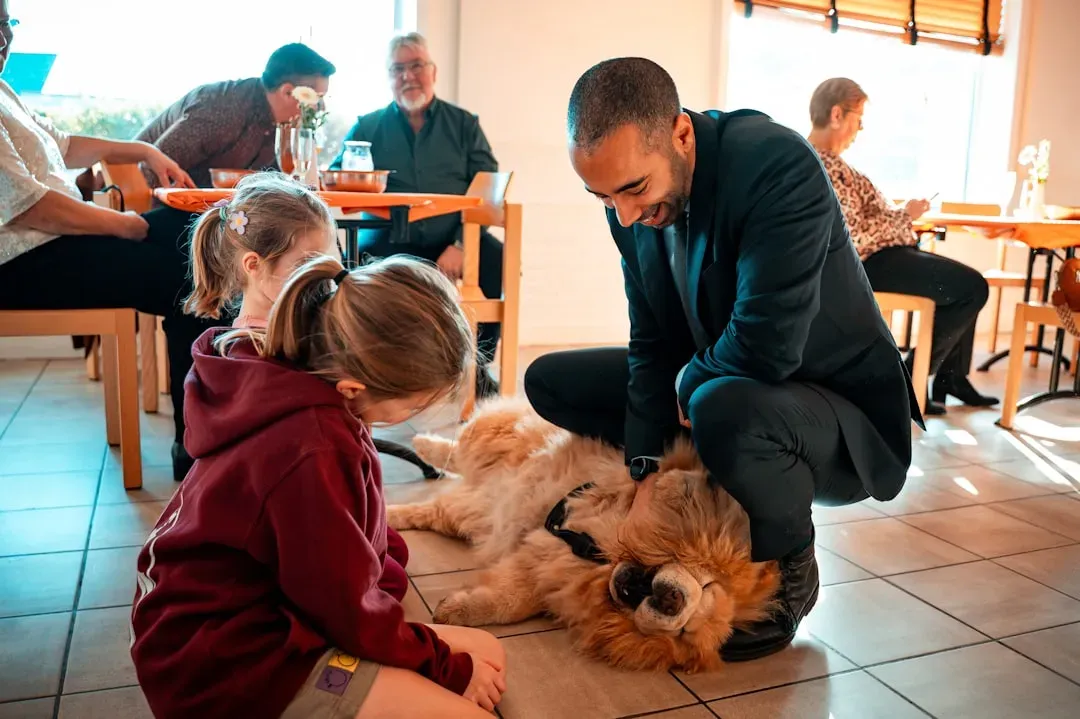
Flip the coin, and you get a memory that’s pure joy: the moment they realize you actually do return. For a young dog or a recently adopted one, those early reunions are not just cute – they are data. Each time you walk through the door, greet them warmly, and the world doesn’t end, their brain updates its prediction about what absence means. Little by little, “alone” starts to equal “temporary” instead of “abandoned.”
That is why your reaction matters more than you think. If you walk in grumpy, ignoring them or scolding them for being excited, you blunt what could be a powerful reassurance. If instead you take those 30 seconds to connect, you’re reinforcing a core memory: you leave, but you always come back, and you’re happy to see them. People usually only appreciate how strong this memory is when their old dog still drags itself to the door, tail wagging slowly, just to say, “You came back again.”
The Moment You Really Saw Them And Chose Them

There is often a very specific moment when a dog realizes you are their person, not just a human in the room. It might be when you sit on the floor and let them crawl into your lap, when you patiently wait out their fear at a shelter, or when you ignore every other puppy and reach straight for them. They may not understand the concept of adoption forms or bills, but they absolutely grasp who gives them consistent, focused attention and gentle touch.
Dogs are experts at reading where our attention goes, and they remember when it lands fully on them. That memory becomes the emotional spine of your bond: the day the background human turned into “my human.” Owners often only feel the weight of this later, when they look back at old photos and realize that, from that day on, the dog’s eyes were always tracking them. What seemed like a small choice to you was, to them, the moment their life split into before and after.
The First Time You Comforted Them When They Were Truly Afraid
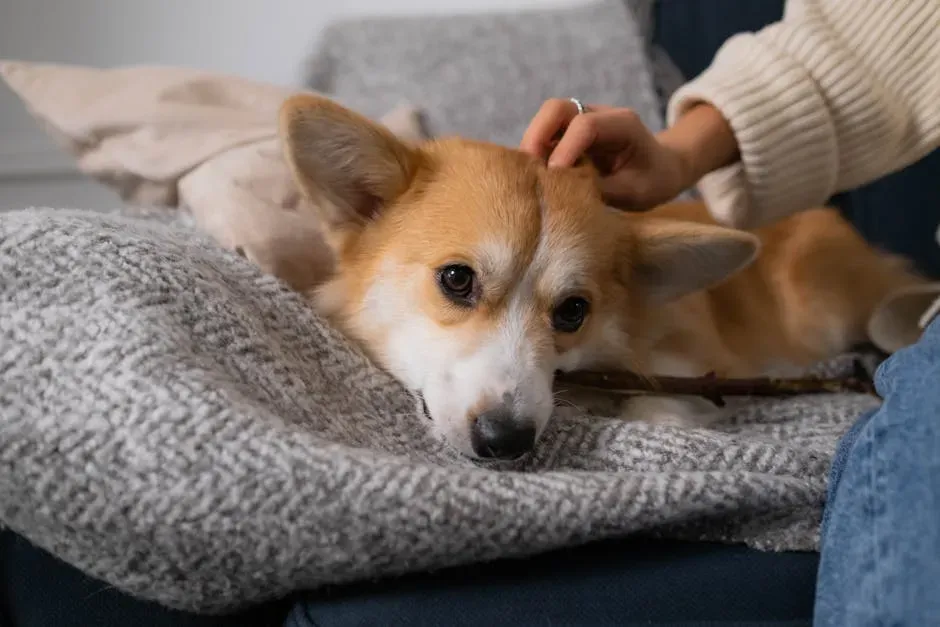
Every dog has a “monster under the bed” moment: fireworks, a thunderstorm, a vet visit, a slammed pan, or a sudden noisy truck. In that spike of fear, their brain is wide open, scanning for what helps and what hurts. When you show up calm, supportive, and predictable in that chaos, they remember you as the safe place the danger cannot touch. Your lap, your smell, your voice – those become safety cues that can calm them years later.
On the flip side, if they faced that terror alone or were punished for being afraid, that memory warps into something darker. Fear becomes tangled with shame or confusion, and similar sounds or places can trigger that same panicked feeling, even when the actual threat is gone. Many owners only realize the impact when they see their dog shaking at every storm or refusing to enter the vet’s office, and wish they had treated that first fear as a chance to prove: “I’ve got you.”
The Day You Broke Their Trust – Or Fought Hard To Earn It Back
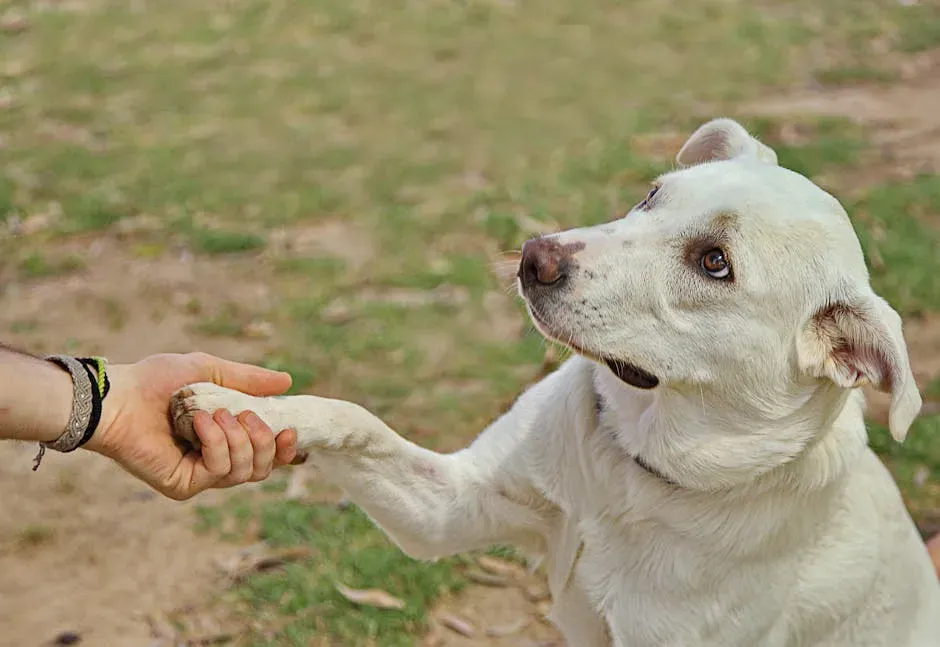
Trust with a dog is not an abstract concept; it’s a pattern of experiences that say “you are safe with me.” Moments that break that pattern land hard. Yanking them harshly by the collar, forcing them into something terrifying, using pain-based tools, or handing them off to someone rough without intervening can all become trust-shattering memories. They might still obey, but their body language gives it away: stiff, shut down, or overly appeasing.
The hopeful part is that dogs are also incredibly capable of relearning safety if we put the work in. Slow exposure, patient training, and consistent kindness can create new, stronger memories that start to override the old ones. Owners often only notice the depth of this when, after months of gentle work, a once-fearful dog suddenly chooses to curl up beside them, fully relaxed. That is not a random cuddle; that is the brain saying, “I remember when you showed me you were different, and I believe you now.”
The Small Daily Rituals You Don’t Think Matter
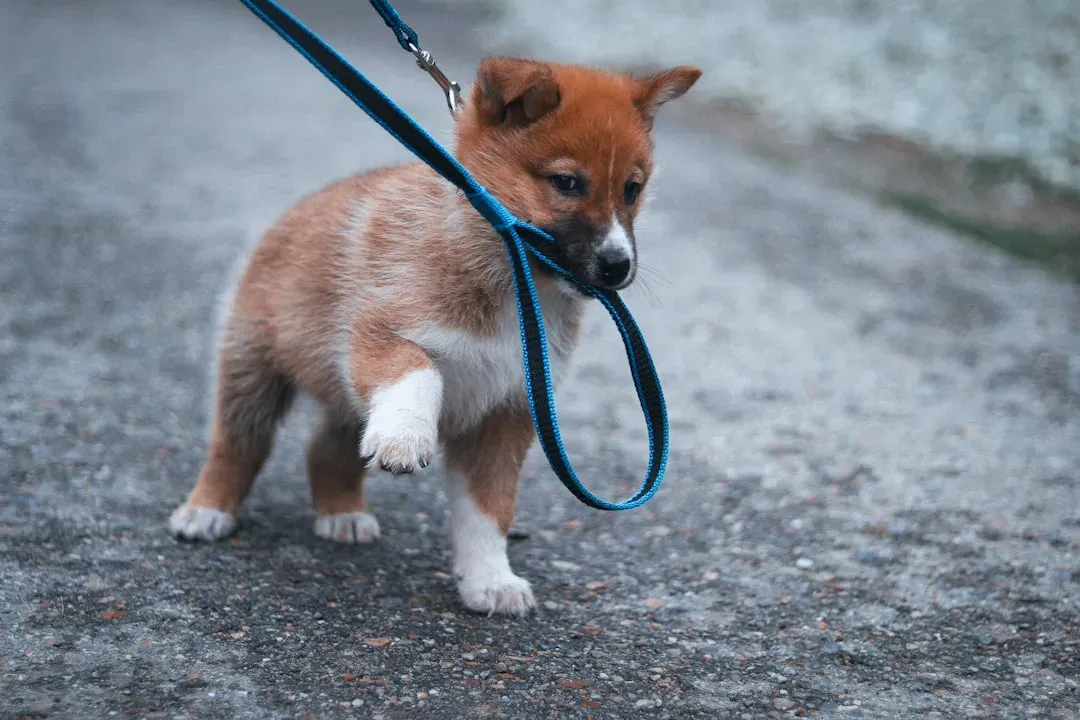
Ask someone what their dog will remember and they usually think of big events, but dogs are quietly memorizing the tiny rituals that shape their days. The way you always hum the same tune while filling their bowl, the quick game at the end of a walk, the specific way you scratch behind one ear on the couch – these become emotional anchors. To them, these are not background noise; they are the reliable heartbeat of life with you.
When those rituals suddenly stop or change, especially as life gets busy, dogs notice and often feel unsettled. Owners may only realize how much those small moments meant when their dog is gone and they catch themselves automatically reaching for the leash at 6 p.m., or pausing at the pantry where the treats used to live. The truth is, your dog has been treasuring these “nothing” moments all along; we just tend to recognize their power too late, when the house is finally quiet.
The First Time They Really Saw You In Pain
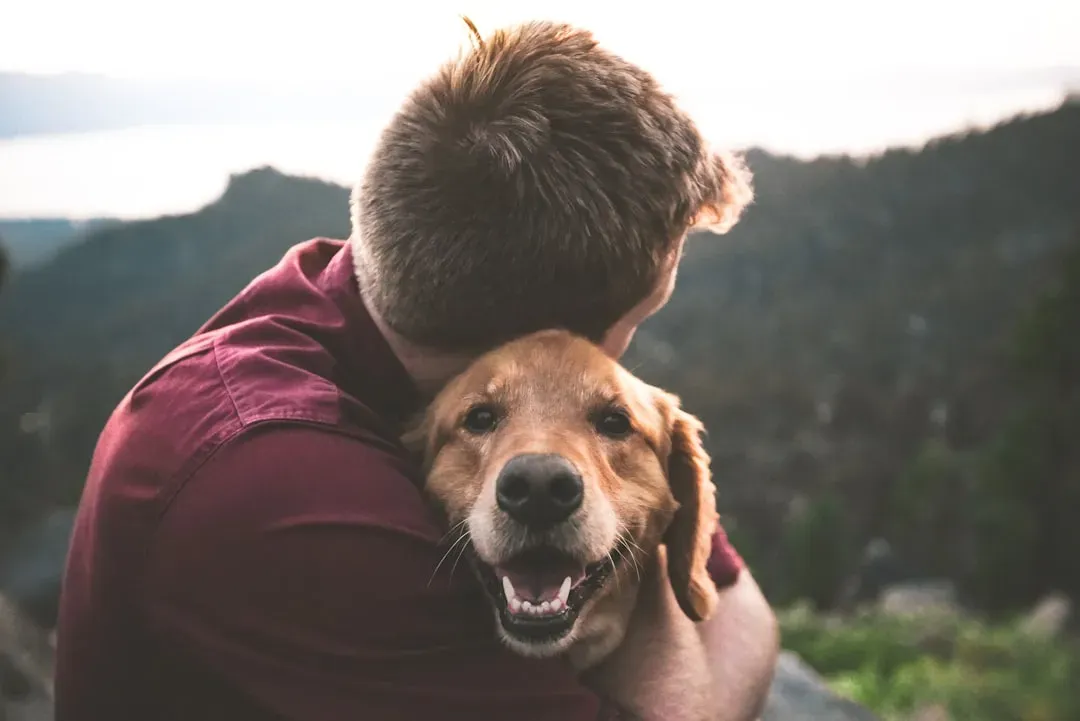
There is something eerie and beautiful about how dogs respond when their person is genuinely hurt or heartbroken. Many will change their behavior: they move more slowly, stay closer, watch your face, and sometimes gently press their body against you as if guarding you. They may not understand the details of an injury, a breakup, or a grief, but they absolutely register the shift in your scent, posture, voice, and routine. That memory often sticks as a turning point in how they “take care” of you.
Some owners brush this off as coincidence until they notice the pattern: whenever you cry, they come; whenever you limp, they adjust their pace. For the dog, this is part of their job now, written into the story of who they are with you. And long after the crisis passes, you might find yourself remembering that steadfast presence as one of the great kindnesses of your life, wishing you had thanked them more, realizing they had been paying attention to your pain in ways most humans never did.
The Last Season Of Their Life – And How You Handled It
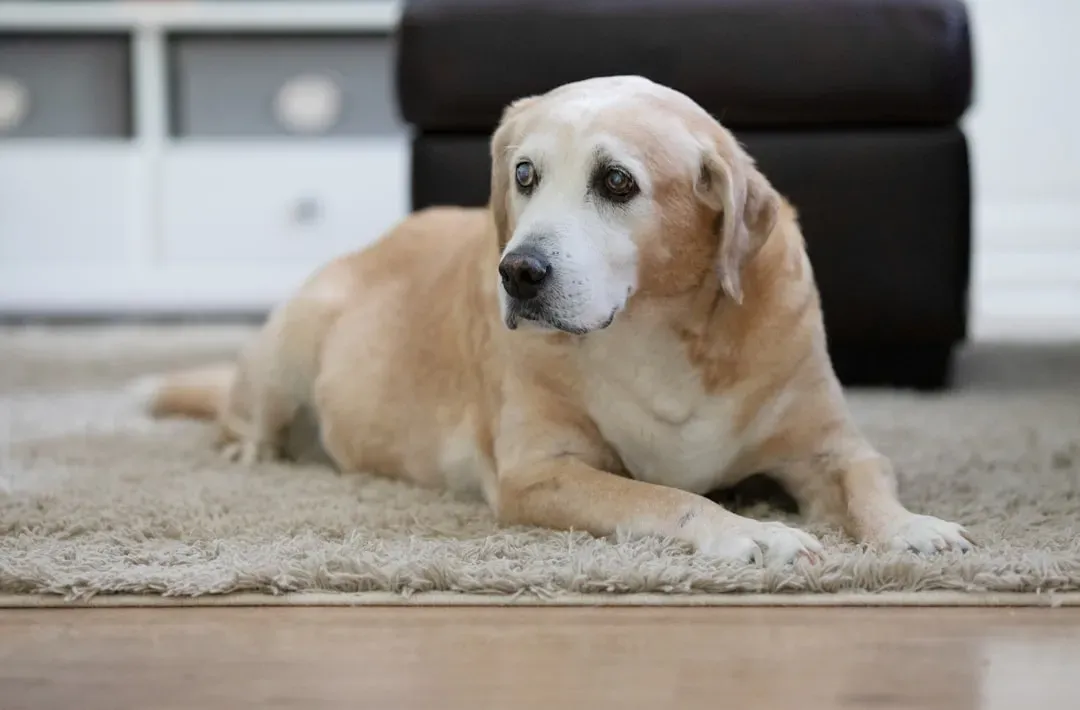
The final stretch of a dog’s life is where many owners suddenly see, in painful clarity, how every earlier memory led to this bond. Your dog may not understand the concept of aging or illness, but they do recognize changes: slower walks, medication routines, more time on soft beds than chasing balls. What they remember most in this season is how you responded – whether you were impatient with their accidents and slowness, or gentle, present, and willing to adapt your life to make theirs softer.
For humans, this is often the chapter that haunts or heals. The decisions about pain management, the last car ride, the final goodbye – these become memories you carry for the rest of your life, and they are deeply tangled with what your dog experienced, too. Many people only fully understand how much their dog had been feeling and remembering when they look back and realize: to them, you were the whole story. The question that lingers is whether, in those most vulnerable moments, you honored that gift in a way you can live with.
Conclusion: Remembering That You Are The Moment They Never Forget
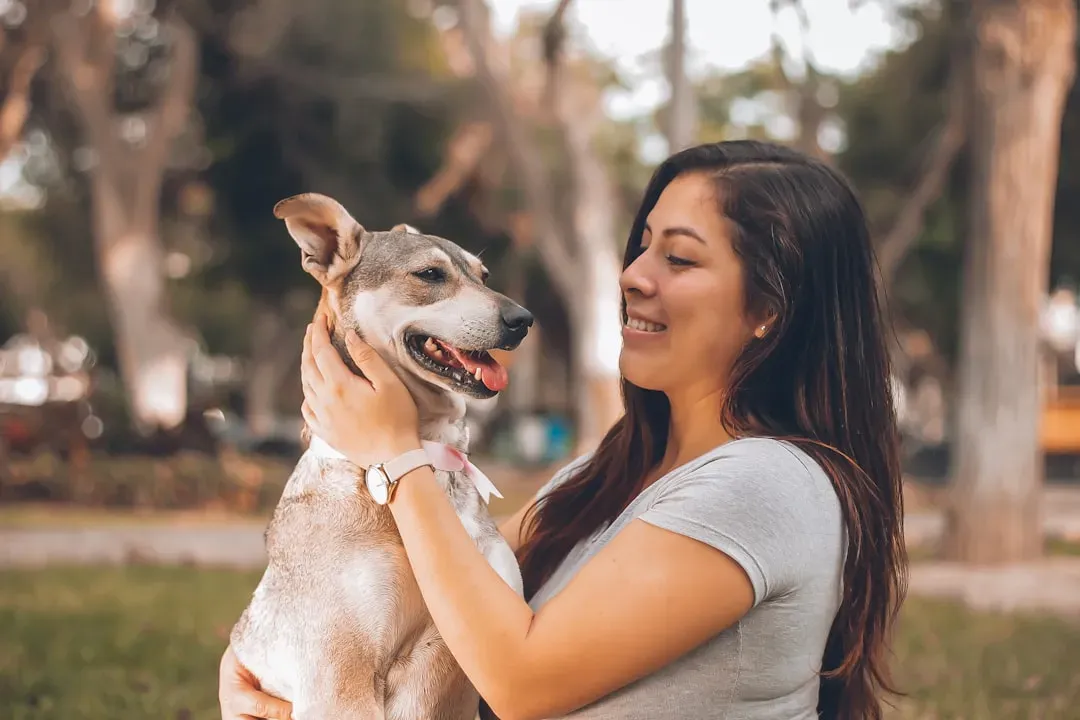
Living with a dog is not just about cute photos and funny quirks; it is a long series of emotional snapshots that your dog quietly files under safe or unsafe, loved or alone. The brutal irony is that we often don’t see which moments mattered until we are looking at them in the rearview mirror, with an empty collar in our hand. My own biggest regret with a past dog is realizing, too late, how many times I rushed past chances to be fully present, assuming there would always be more time for extra walks, gentler goodbyes, kinder reactions.
If there is any opinion I feel strongly about, it is this: we owe our dogs intentional memories, not accidental ones. That doesn’t mean perfection; it means pausing before shouting, sitting on the floor more often, keeping silly rituals alive, and facing their last season with courage instead of denial. Your dog will never forget the way you made them feel in the moments that shaped their world. The real question is, when you look back years from now, will you be proud of the story those memories tell, or wish you had rewritten it while you still had the chance?