
12 Dog Breeds That Bond to One Person So Completely They Never Fully Recover When That Person Is Gone
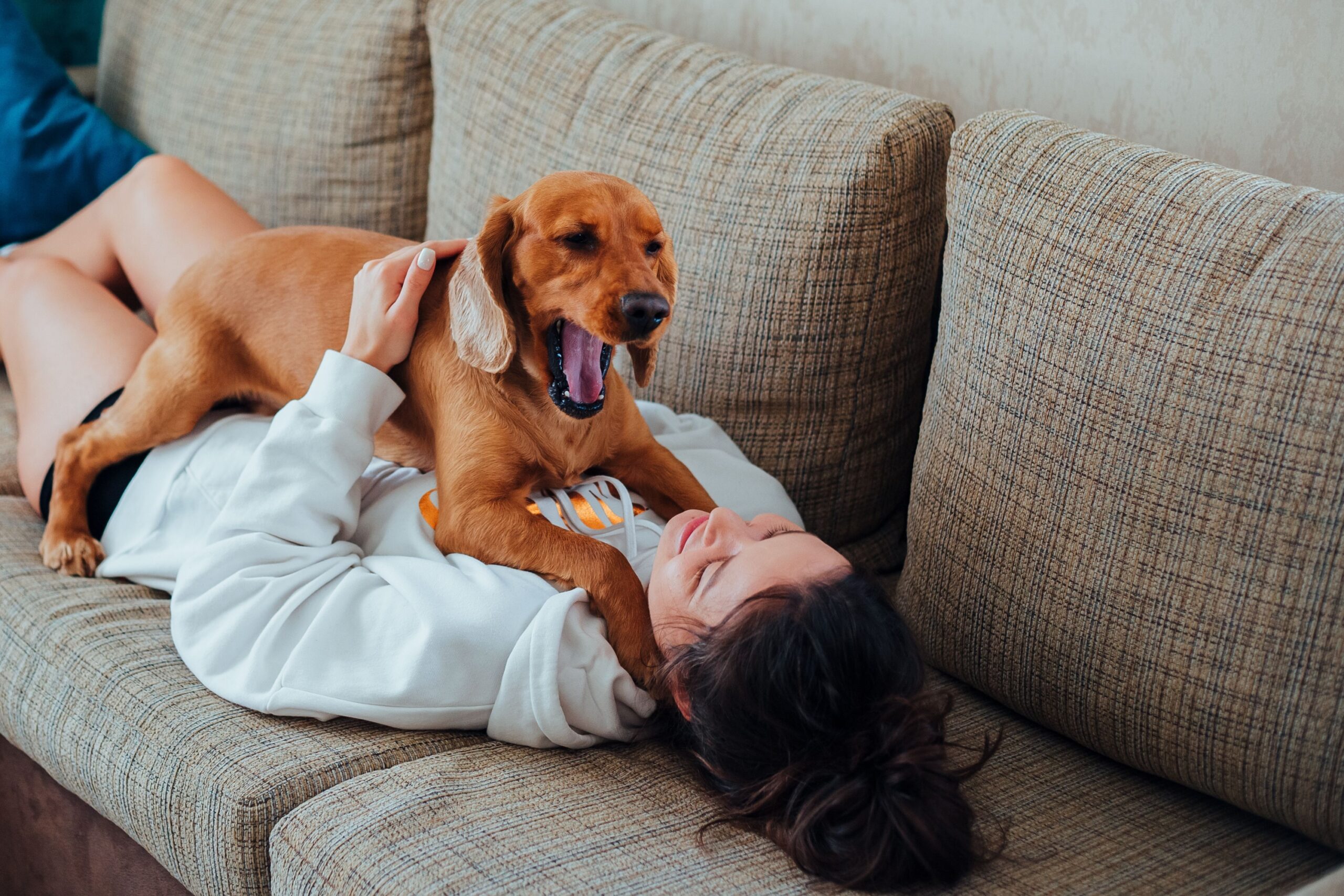
If you’ve ever watched a dog sit at the door and wait for a person who isn’t coming back, you know how brutal canine loyalty can be. Some breeds don’t just love their person; they fuse their entire emotional world to that one human, like their heart found a home and refused to move out. When that bond breaks, these dogs don’t simply “get over it” with a few treats and a new toy.
This article dives into dog breeds that are famously, sometimes painfully, one-person dogs. They can be incredible companions, but they demand a level of emotional responsibility that people rarely think about when scrolling through cute puppy photos. If you’ve ever wondered which breeds love so intensely that they struggle to heal from loss, you’re about to meet twelve of them – along with the beautiful and heartbreaking reality of what that kind of devotion really means.
Chihuahua: Tiny Dog, Massive Attachment
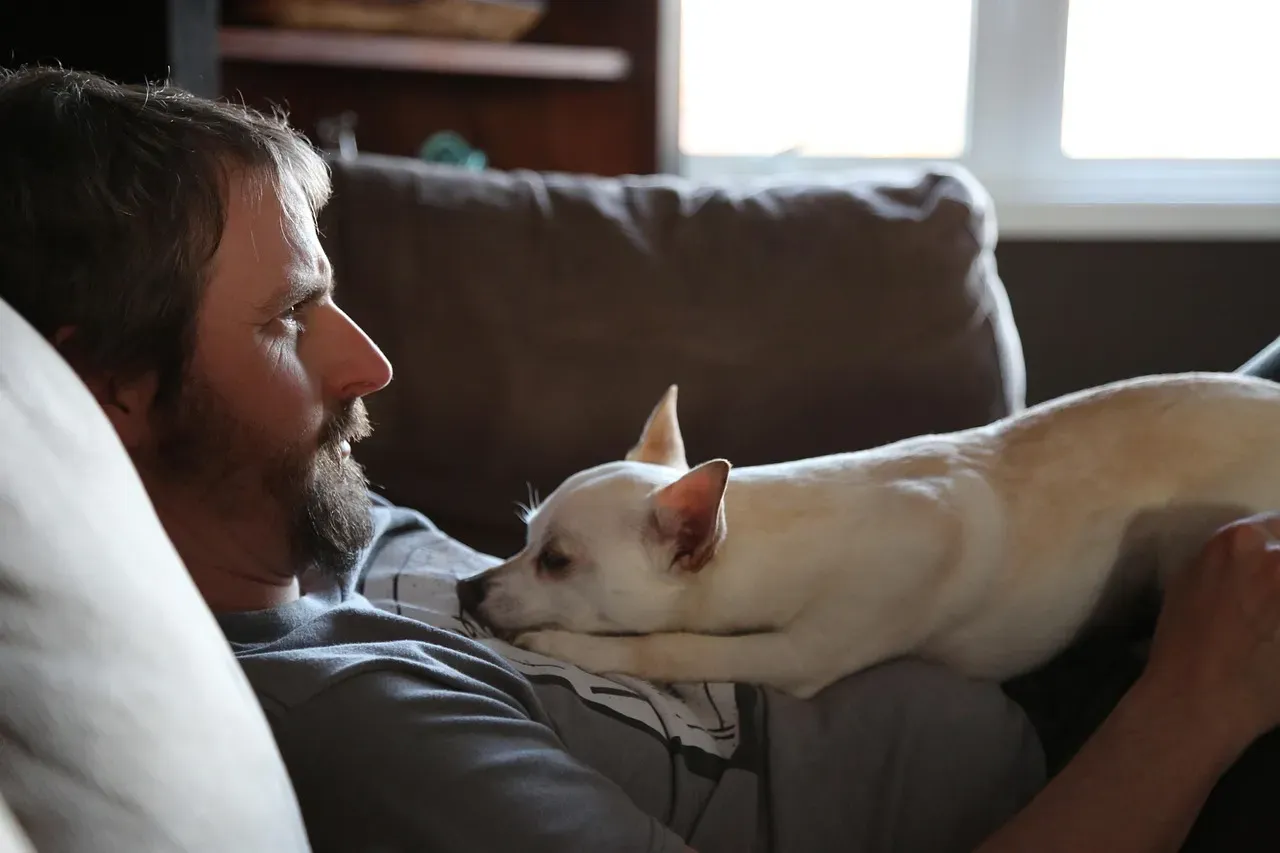
It’s almost funny until you live with one: a Chihuahua can weigh less than a sack of flour and still run your entire emotional household. These little dogs often laser-focus on one person and become their shadow, refusing to be comforted, carried, or sometimes even touched by anyone else. Their fierce loyalty can morph into anxiety the moment their chosen human steps out the door.
When that bond is broken – through death, divorce, or even a move – many Chihuahuas struggle deeply. They may refuse food, tremble more, or become snappy with everyone around them, as if the world betrayed them by taking away their person. With patient routines, calm affection, and sometimes professional behavior support, they can slowly rebuild trust, but that old bond often remains a ghost they never fully stop looking for.
German Shepherd: The Soulmate Guardian
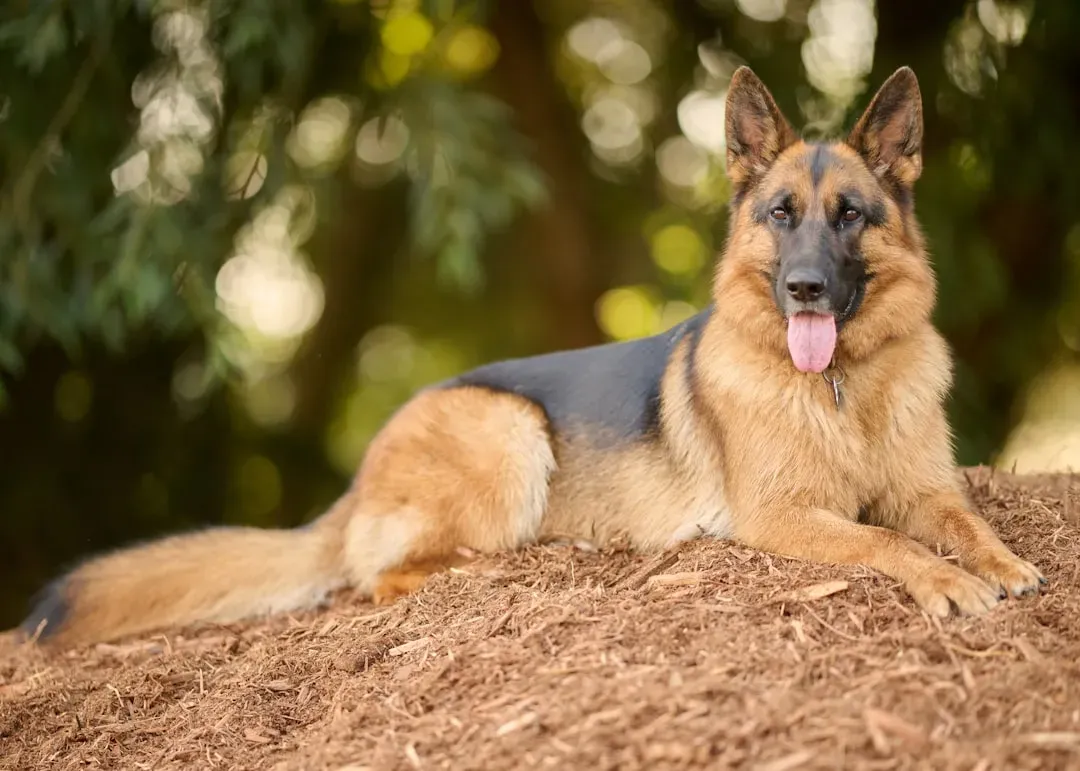
German Shepherds are famous for their work in police, military, and service roles, but at home, they’re often “one-human” specialists. They don’t just protect; they study their person, reading micro-expressions, footsteps, and moods with eerie precision. When you’re their person, you’re not just part of their life – you are their mission.
That intensity comes with a cost. When a German Shepherd loses their person, the dog may pace the house, stare at doors, or lie for hours in the spot where they last saw them. Some become withdrawn and shut down; others develop separation anxiety with new caretakers because they can’t trust that this relationship is real or lasting. With structured work, exercise, and consistent affection, many adjust, but you can almost sense they’re always listening for a voice they’ll never hear again.
Akita: The Stoic Heart That Breaks Slowly
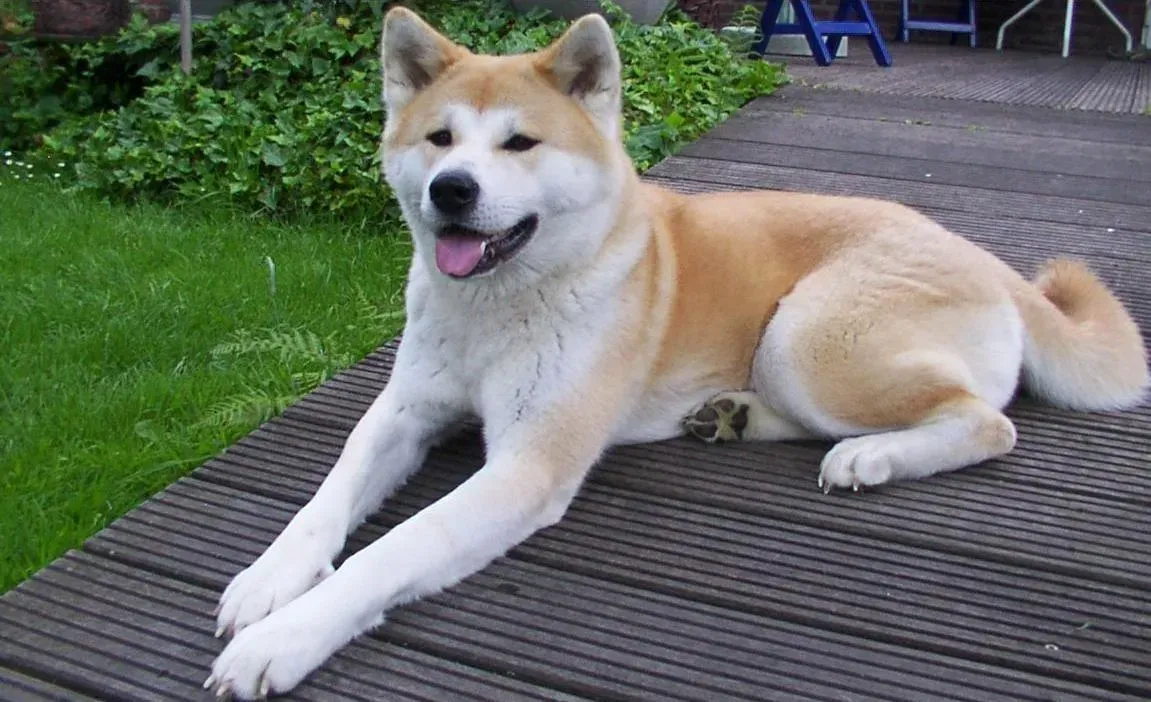
Akitas are often described as cat-like – reserved, dignified, and not easily impressed by just anyone. But when an Akita decides you’re their person, the loyalty that follows can feel almost mythic. They quietly track you from room to room, always near, rarely needy, like a silent bodyguard whose entire world is built around your presence.
When that presence disappears, an Akita may not howl or cry dramatically; instead, you see a slow, deep grief. Some stop engaging with play, ignore other dogs, or remain fixated on doors and windows for months. They can struggle to transfer their loyalty to a new person because, in their mind, the original bond wasn’t meant to be temporary. Helping an Akita through loss usually demands patience, routine, and a gentle respect for the fact that their grief runs just as deep as their dignity.
Shiba Inu: Independent, Until They Choose You
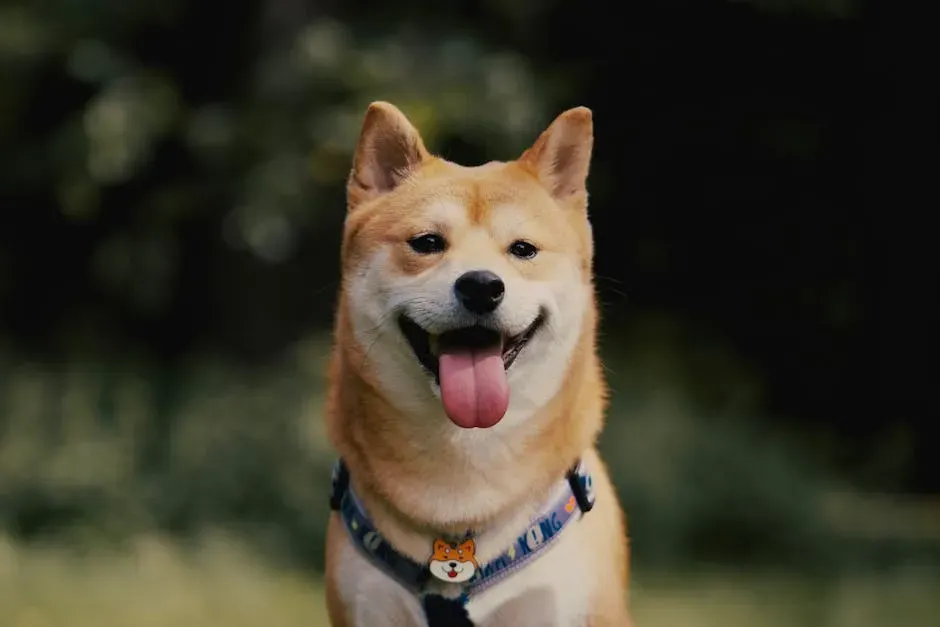
Shiba Inus have a reputation for being independent and aloof, which is true with most people, but not with the one human they finally decide to trust. Once that decision is made, a Shiba can become intensely attached, following their person with a mix of stubbornness and quiet devotion. It’s like winning the heart of someone who swore they didn’t need anyone – and then realizing they meant it.
When that one person is suddenly gone, Shibas often react with confusion that quickly hardens into stress. They may become more reactive, more suspicious of strangers, or oddly clingy with whoever is left, while clearly never relaxing in quite the same way. These dogs need a patient, calm new bond and predictable routines to slowly feel safe again, but it’s common to see a lingering edge to them, like a part of their trust got burned and never fully grew back.
Border Collie: The Workaholic Who Fixates on Their Human
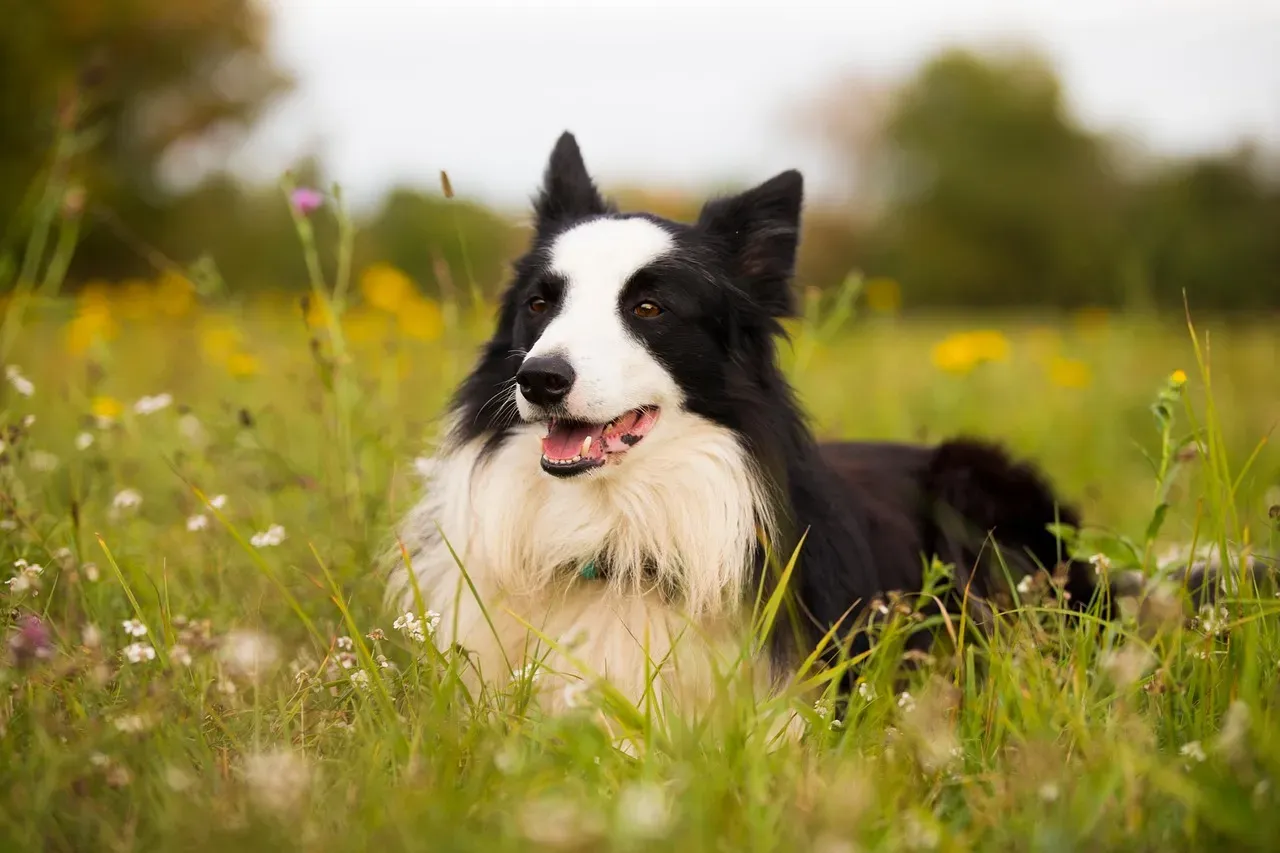
Border Collies are famously intense, and much of that intensity gets funneled straight into one person. They don’t just follow you; they study you, like you’re the center of a complex puzzle they’re trying to solve every day. For many Border Collies, their person is their job, their joy, and their comfort blanket all rolled into one.
When that person disappears, these dogs often swing into a kind of emotional free fall. Without their human to organize their world, anxiety and obsessive behaviors can spike: endless pacing, obsessive toy fixation, or hypervigilance toward doors and windows. Rehabilitation often means giving them structure – training, sports, or scent work – and gently building a new human bond over time, but that original imprint tends to leave a mark you can still feel in how they look at the door when the house is quiet.
Vizsla: The Velcro Dog Who Cannot Let Go
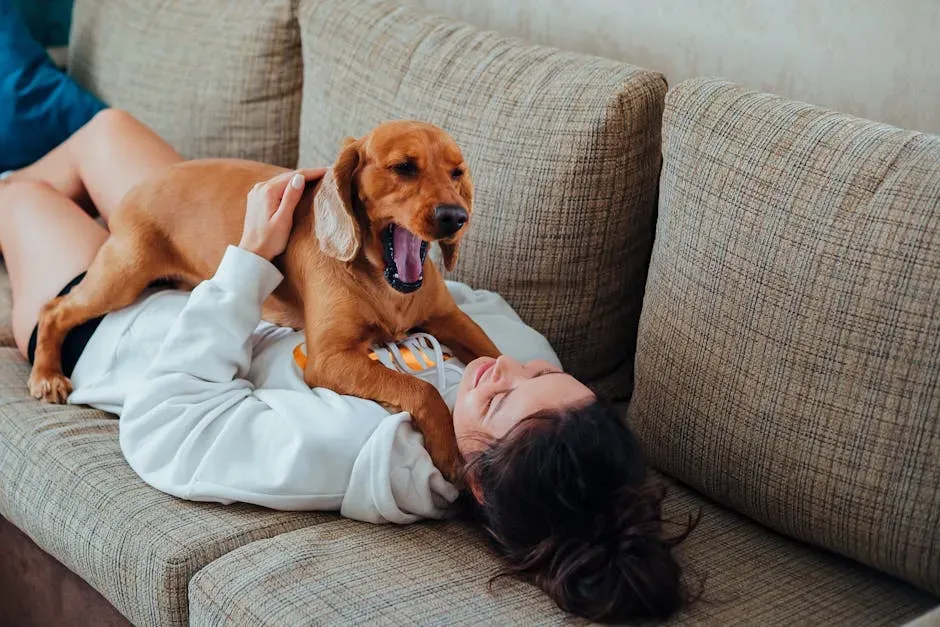
Vizslas are often called “velcro dogs” because they rarely want to be more than a few feet from their person. These short-haired, elegant dogs are deeply affectionate and sensitive, thriving on physical closeness and constant interaction. If you’re their chosen human, privacy becomes more of a suggestion than a reality.
That same sensitivity makes loss absolutely brutal for them. When their human vanishes from their daily life, many Vizslas sink into obvious sadness: listlessness, whining, restless searching, and clinging desperately to whoever remains. They can adapt with time, but often carry a kind of emotional bruise, becoming nervous about being left alone and much quicker to panic if someone they love even walks toward the door.
Australian Shepherd: The Devoted Shadow With a Restless Mind
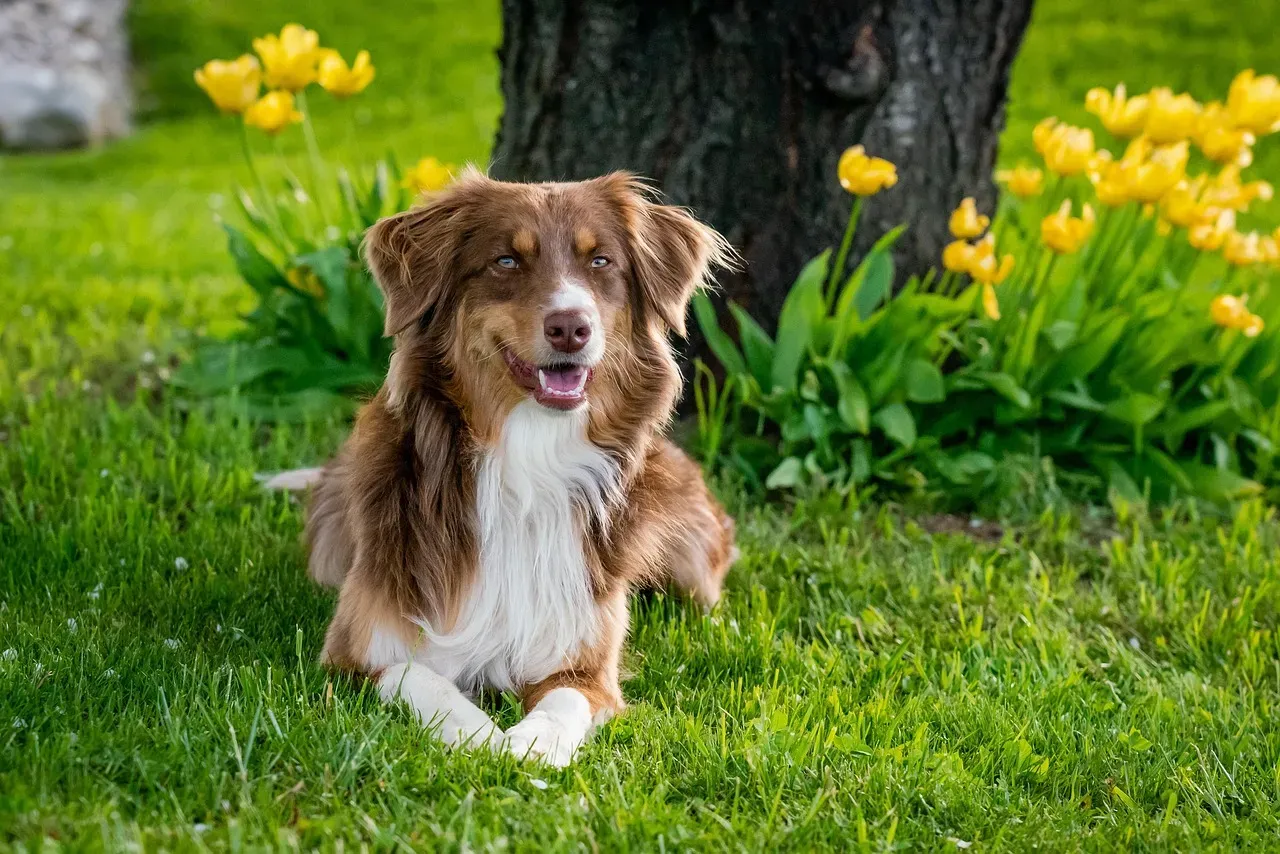
Australian Shepherds are high-energy herders, but beneath the zoomies and clever tricks sits a dog that tends to hard-bond to one or two people. They want to be involved in everything – car rides, chores, bathroom trips – and they take that closeness as their baseline for what a normal life should feel like. Their mind is always spinning, and often it orbits around one human center.
When that center disappears, Aussies may react with a cocktail of grief and restlessness. You’ll see it in the way they pace, check every room, or refuse to settle at night, as if they’re waiting for the missing person to finally return and set the world right. They can usually form new bonds, especially if someone channels their energy into work or play, but the ghost of that original relationship often shows up in small, heartbreaking habits: sleeping where their person used to sit, or perking up at a voice that sounds almost, but not quite, the same.
Doberman Pinscher: The “Velvet Hippo” Bodyguard
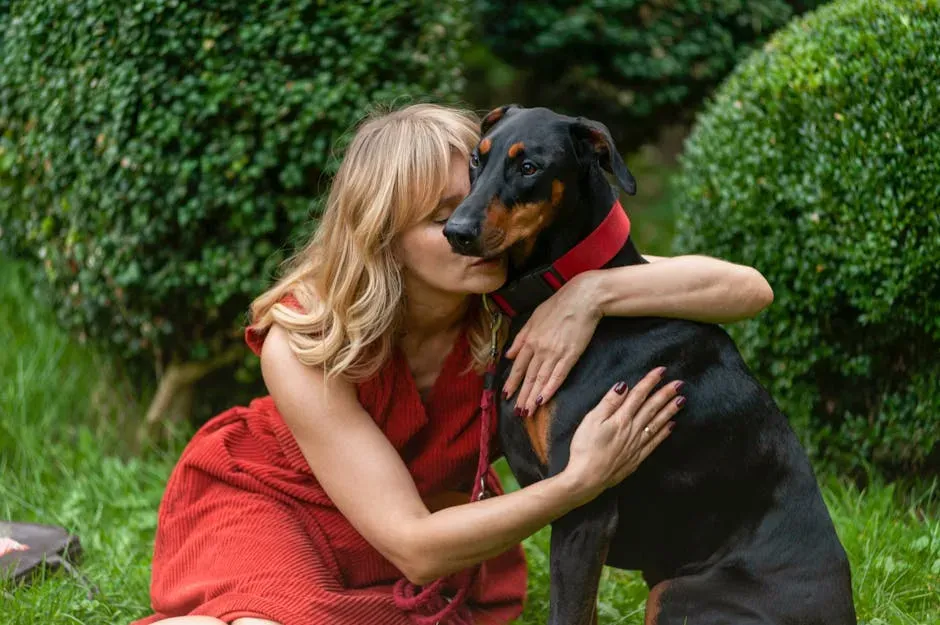
Dobermans may look intimidating, but people who live with them often describe them as soft, clingy, and almost ridiculously in love with their chosen person. They’re the classic “velcro guardian” – never far away, always watching, and happiest when pressed right up against you on the couch. Their devotion is both beautiful and, at times, overwhelming.
When their person is gone, Dobermans can spiral into anxiety or depression with unsettling speed. Some lose weight, refuse to settle, or become hyper-attached to a replacement caregiver out of sheer panic at being alone. Even with good training and emotional support, many never regain the calm, easy confidence they had when their original person was in the room; it’s like they’re permanently scanning the horizon for a face they still expect to see.
Shih Tzu: The Little Royal With One Favorite Human
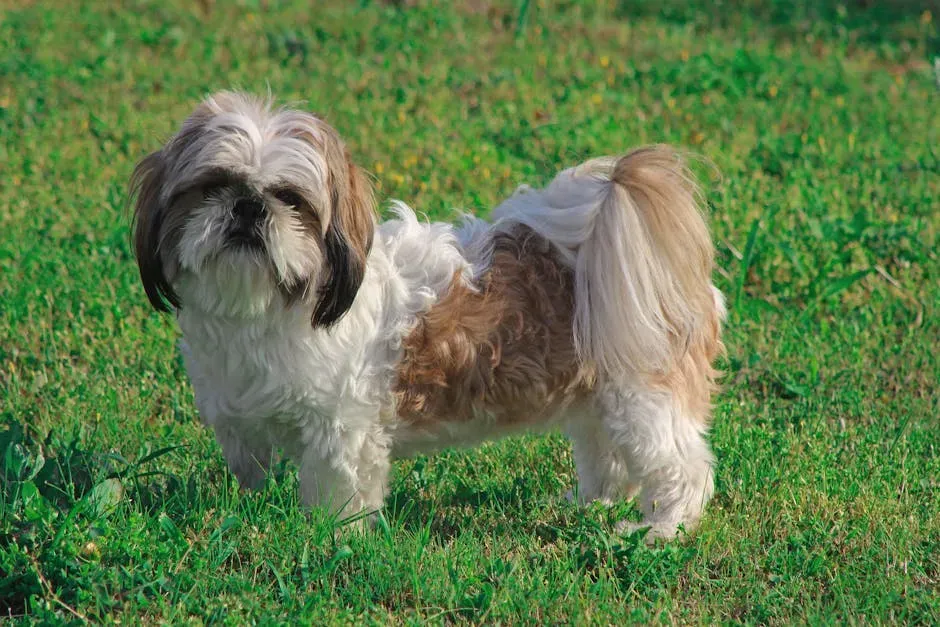
Shih Tzus were traditionally bred to be companion dogs, and they absolutely take that job to heart. While they can be friendly with a lot of people, many quietly choose one human as their main emotional anchor. That’s the lap they prefer, the footsteps they recognize, and the voice that can calm them down when nothing else works.
When that anchor disappears, Shih Tzus often show their heartbreak in subtle but persistent ways. They might become clingier with whoever is left, bark more when separated, or retreat under furniture when the house feels too quiet. Over time, many will adjust and even thrive again, but there is often a softness in their eyes when they revisit old routines, as if they remember exactly who used to be at the other end of the couch.
Yorkshire Terrier: The Pocket-Sized Loyalist
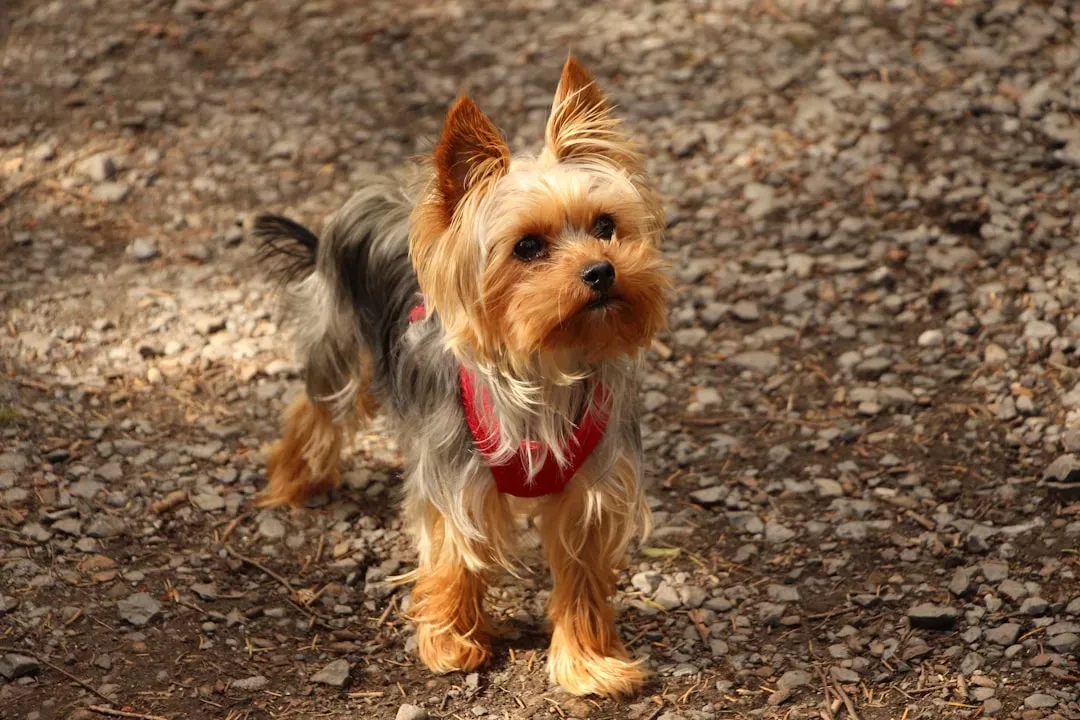
Despite their tiny size, Yorkshire Terriers carry a big, bold personality – and they often reserve their softest side for one special person. That chosen human becomes their safe place, and Yorkies will frequently follow them from room to room, insisting on being included in every daily ritual. For such a small dog, their emotional presence can feel enormous.
When that bond is abruptly broken, Yorkies can unravel more than people expect. A once-confident little boss may turn anxious, barky, or even withdrawn, as if the script of their life has been torn up. Consistent care, cozy routines, and gentle affection can help them piece themselves back together, but that old bond can linger like a favorite song they no longer get to hear, shaping how deeply they dare to attach the next time.
Cavalier King Charles Spaniel: The Gentle Heart That Shatters Quietly

Cavalier King Charles Spaniels are often described as pure sweetness in dog form. They’re affectionate with everyone, but many Cavaliers quietly form a particularly deep bond with the person who spends the most emotional time with them – cuddling, talking, and being present. That person becomes their emotional compass, the one they constantly check in with using soft eyes and quiet closeness.
When that compass vanishes, Cavaliers can become lost in a surprisingly deep way. They may sleep more, eat less, or wander the house searching rooms as if they’re just one step behind their missing human. With time, kindness, and a gentle new bond, many rediscover their natural joyful spirit, but their trust often feels a little more fragile, like porcelain that has been carefully mended after a hard fall.
Labrador Retriever: The Family Dog Who Still Picks a Favorite
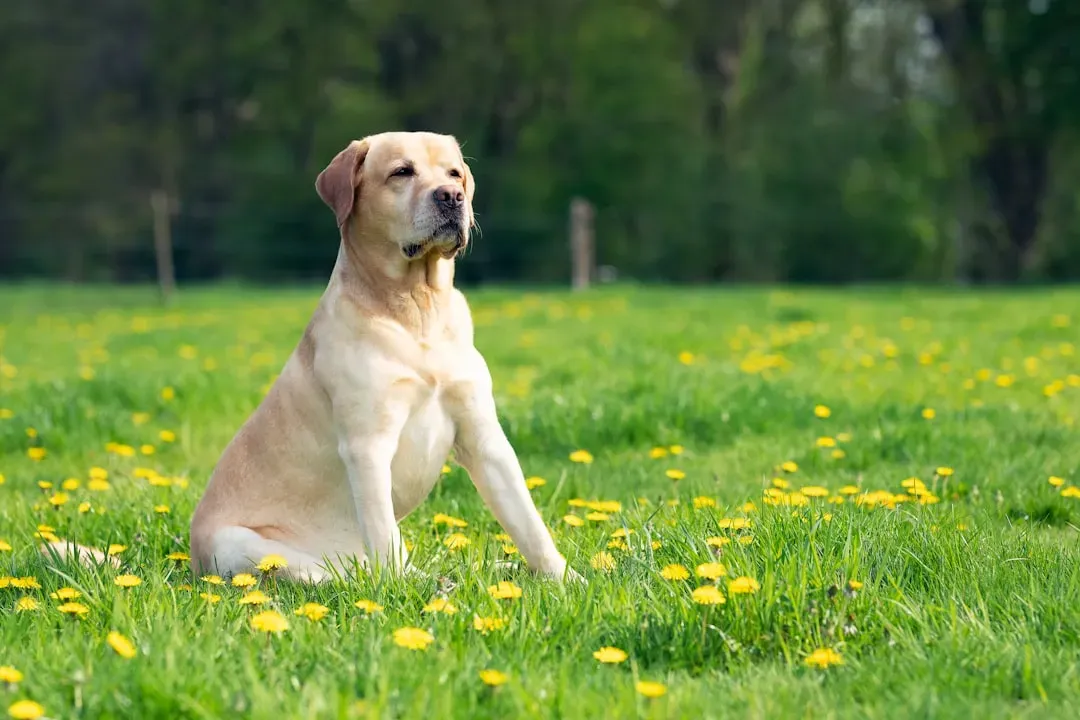
Labradors have a reputation as classic family dogs, happy to love everyone, and that’s often true. But look closely in a multi-person home, and you’ll usually see it: one person whose footsteps they follow a little more closely, whose return makes their whole body wag in a special, over-the-top way. Labs might be socially easy, but emotionally, they often have a favorite.
When that favorite person is gone, Labradors can mask their grief with bursts of play or food enthusiasm, but it shows up in quieter moments. They may lie near that person’s old chair, wait at the window around the time they used to come home, or stare at the door with a hopeful stillness that hurts to watch. Labs usually do adapt and learn to bond deeply with someone new, yet it often feels like they carry each major loss with them, stacking those memories inside the same big, gentle heart.
Conclusion: Loving a One-Person Dog Is a Beautiful Responsibility

One-person dogs are proof that loyalty can be both a gift and a burden. The way they attach – to one face, one voice, one daily rhythm – can transform your life into something warmer and more deeply connected than you ever expected. But when that bond is broken, they often pay a steep emotional price, grieving in ways that may never fully disappear, even if they eventually accept new love.
If you choose a breed known for this kind of intense attachment, you’re not just picking a pet; you’re accepting a long-term emotional contract. That means thinking about your future, your support system, and what will happen to this dog if life takes a turn you didn’t plan for. Maybe the real question is not whether these dogs recover from losing their person, but whether we, as humans, are willing to honor a love that deep by planning for their hearts as carefully as we plan for their food and vet bills – would you take that kind of devotion lightly after seeing what it can cost them?