
12 Things That Become More Important to Your Dog as They Grow Older Beside You
One day you look at your dog and realize their muzzle has gone a little gray, their zoomies are shorter, and their naps are longer. They are still the same soul who chased tennis balls across the yard and stole socks from the laundry basket, but what matters to them now is quietly shifting. Aging sneaks up on both of you, and suddenly the tiny, everyday choices you make together carry a lot more weight.
Living with an older dog is a bit like tuning an old record player: the music is still beautiful, but you have to adjust the dials with more care. Their needs become more specific, more subtle, and often more emotional. If you pay attention to what becomes , you can turn these years into some of the most deeply connected of your entire life together.
1. Predictable Routines and Gentle Structure
As dogs age, predictability becomes a kind of emotional security blanket. The older brain handles surprises and sudden changes less gracefully, so having meals, walks, and bedtime around the same times each day can soothe anxiety and reduce stress. When an older dog knows what typically comes next, the world feels safer and easier to navigate.
I’ve seen older dogs relax almost instantly when their day falls into a steady rhythm: a short morning stroll, breakfast, a midday potty break, evening sniff-walk, and then couch time. You do not have to run your home like a military base, but keeping the “bones” of the day consistent is a huge kindness. Think of it as giving your dog a soft daily script they can trust, instead of throwing them into improvisation every few hours.
2. Comfort Over Adventure (Soft Beds, Warm Spots, Easy Access)
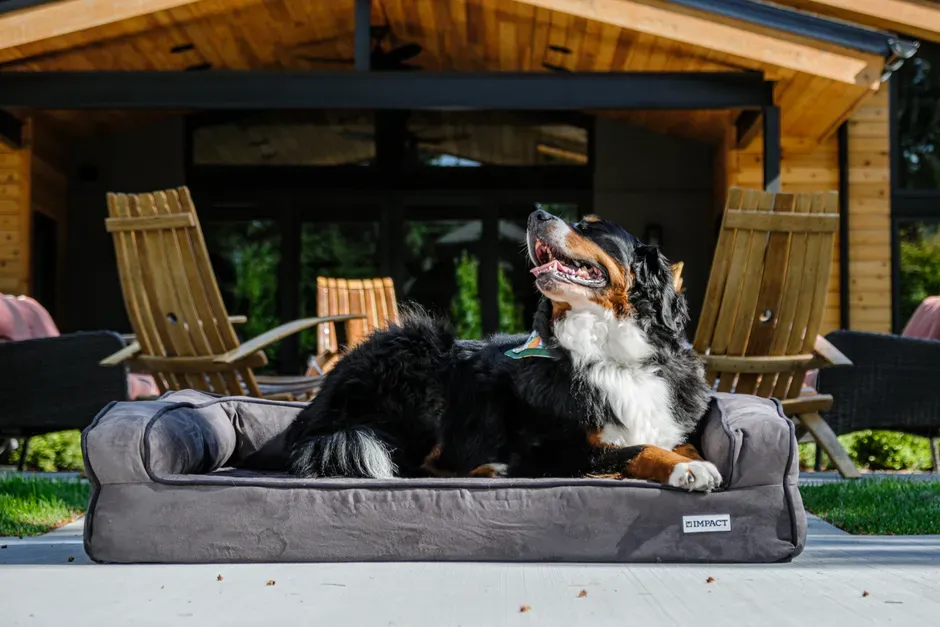
In the early years, many dogs are happy to sleep on the floor after a long day of play. As they age, achy joints and stiffer muscles turn comfort from a bonus into a necessity. Supportive, cushioned beds, warm sleeping spots, and easy access to favorite places (like the couch or your bed) start to matter more than any fancy toy you could buy.
A good orthopedic dog bed is like a high-quality mattress for a human with back pain: it does not feel like a luxury, it feels like relief. Ramps or steps to get into the car or onto furniture can protect aging joints from painful jumps. Even small changes, like placing a non-slip rug where they usually turn around or putting their bed away from cold drafts, can dramatically improve how comfortable your dog feels day to day.
3. Short, Satisfying Walks Instead of Exhausting Workouts
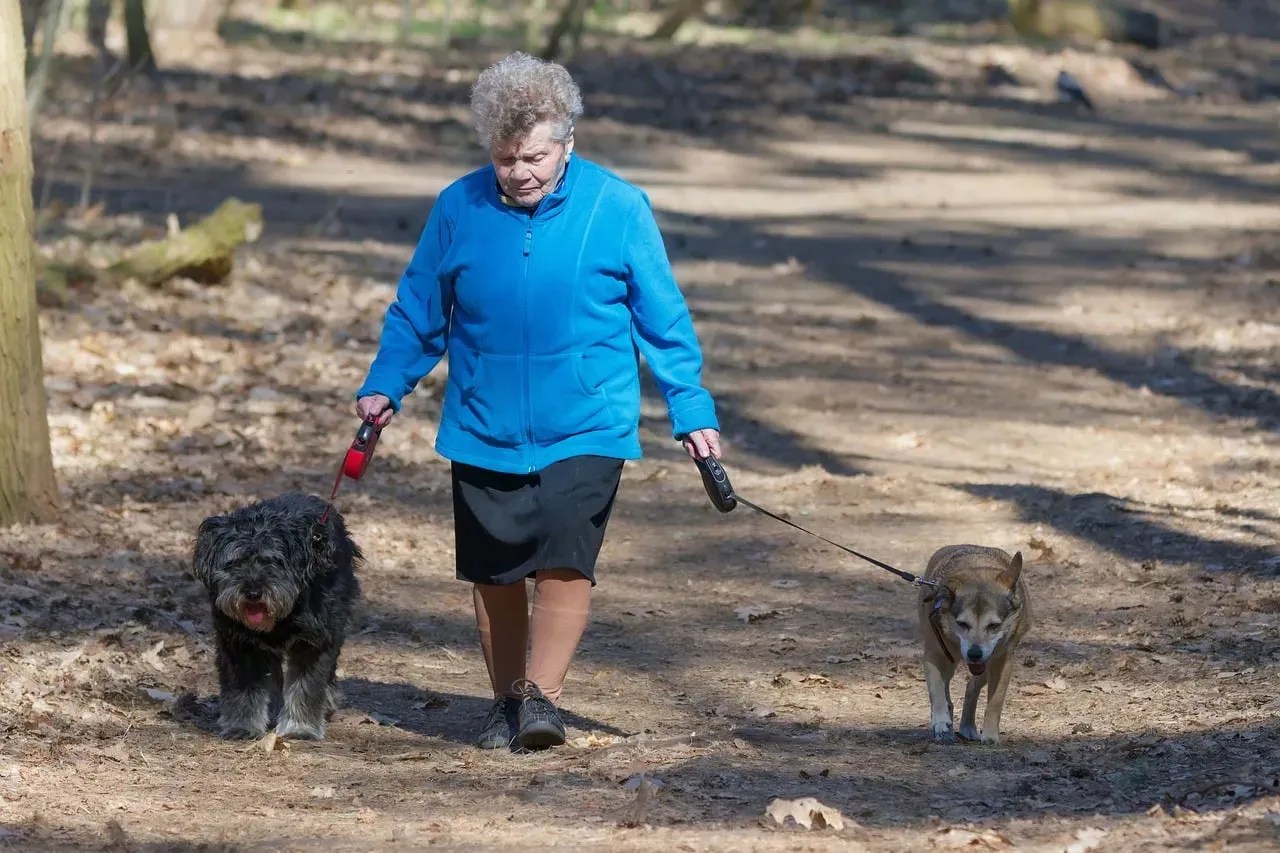
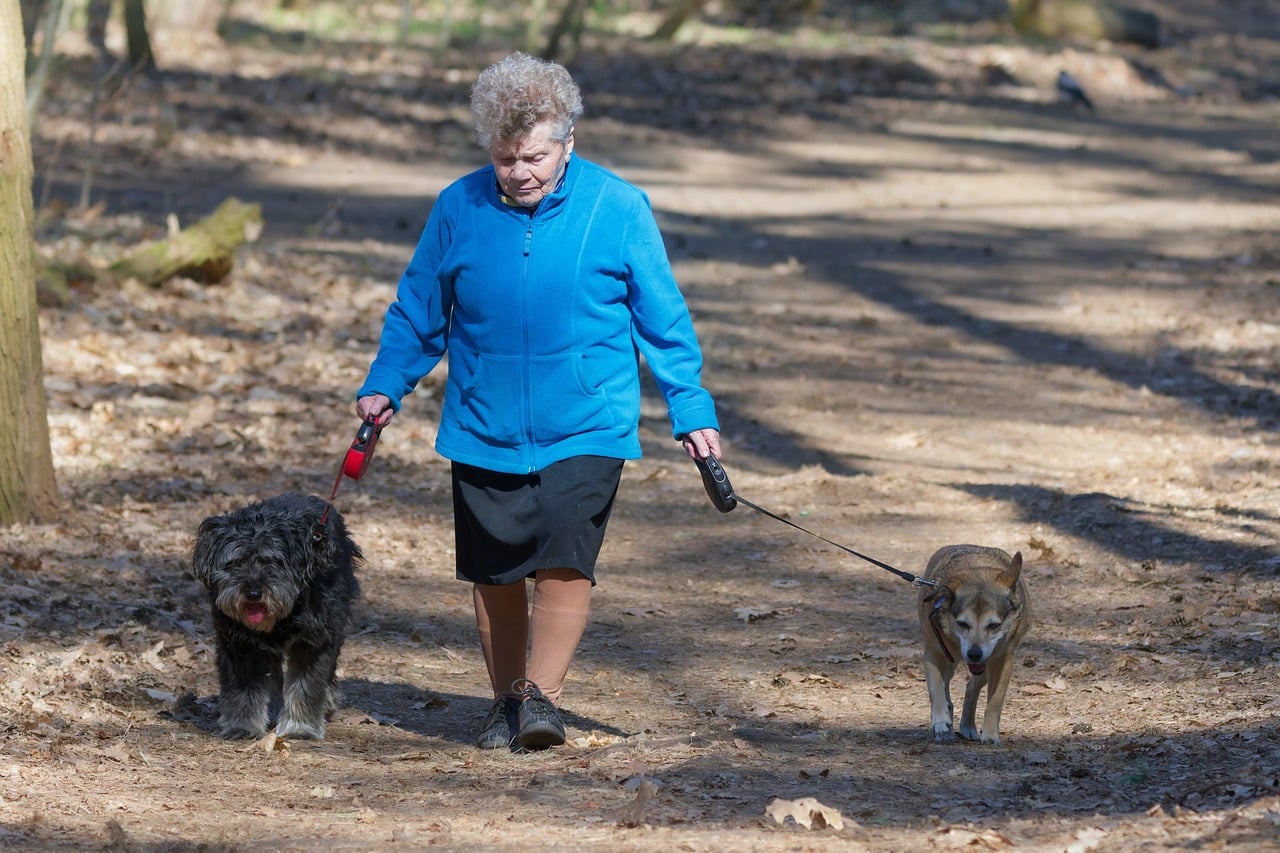
That young-dog energy that once seemed endless eventually fades, and long hikes or intense runs may start to leave your dog limping, panting hard, or wiped out for a full day. What becomes more important is not the distance you cover, but how enjoyable and manageable the outing feels for their aging body. Slow strolls, frequent sniff breaks, and shorter routes can be far more fulfilling than pushing for “one more mile.”
Think of your walks less like workouts and more like a relaxed coffee date. Let them sniff that same patch of grass a little longer, or linger at their favorite corner. You are still giving them stimulation and exploration, just at a senior-friendly pace. Sometimes the kindest thing you can do is turn for home sooner and end the walk while they still feel good, instead of stretching it until they are tired and sore.
4. Mental Stimulation and Sniff-Time Over High-Impact Play
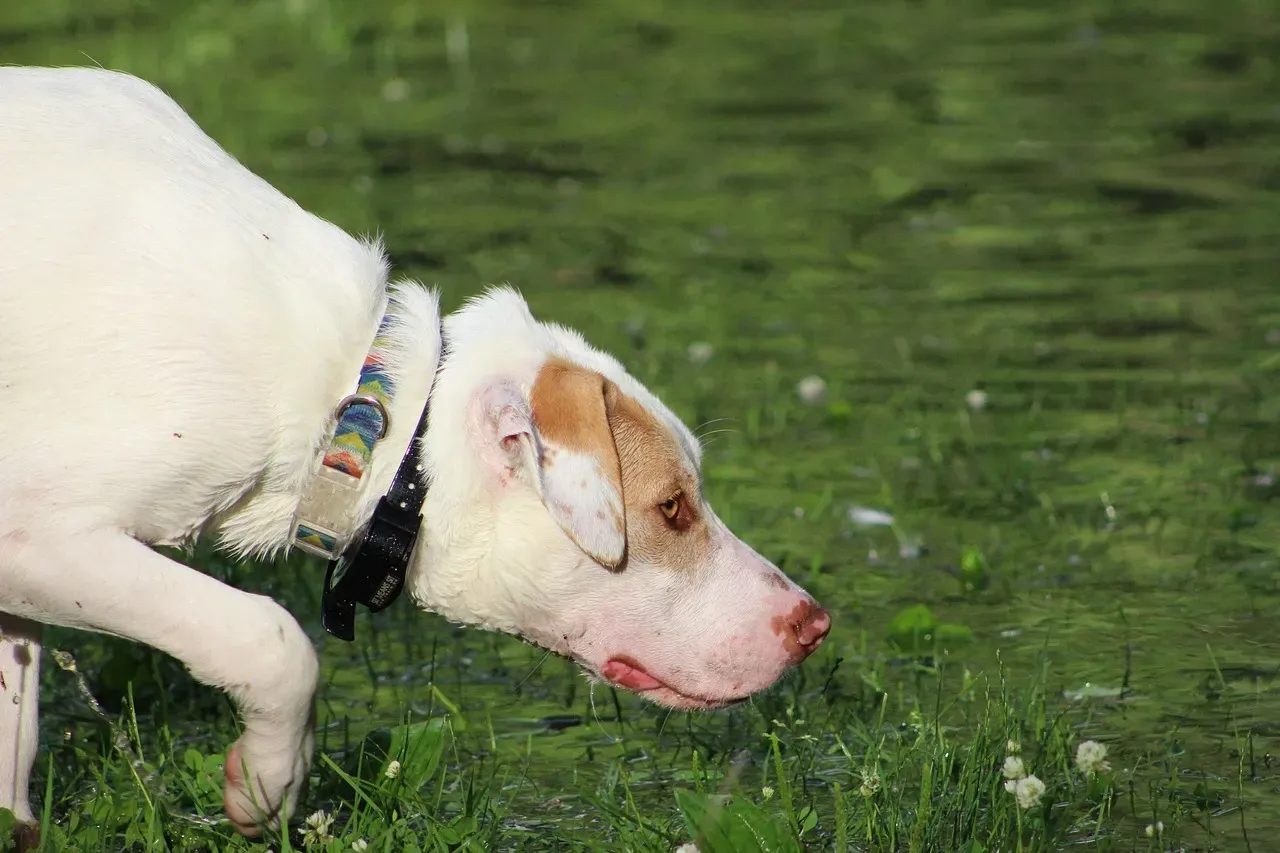
As rough-and-tumble play gets harder on the body, the brain becomes an even bigger playground. Older dogs benefit hugely from mentally engaging activities: snuffle mats, food puzzles, hide-and-seek treats, gentle training refreshers, or simply being allowed to sniff around on walks. Using their nose taps into deeply wired canine instincts and can be incredibly satisfying, even when their legs cannot go as far as they used to.
A five-minute scent game in the living room can leave a senior dog content and pleasantly tired in a way that is healthy, not draining. Think of mental exercise as switching from sprinting to solving crosswords: one may look calmer from the outside, but it can be just as enriching. When you lean into brain games and sniff time, you give your dog the joy of discovery without punishing their joints.
5. Pain-Free Living and Thoughtful Veterinary Care
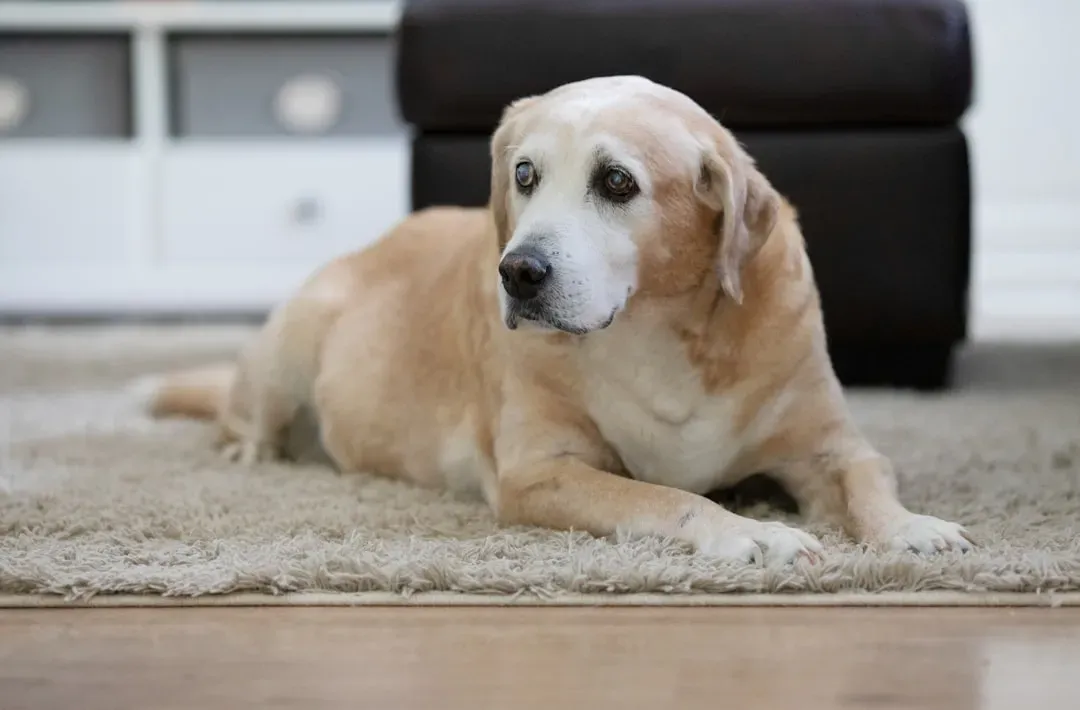
Pain is one of the biggest invisible changes in older dogs, and they are often very good at hiding it. Subtle shifts – hesitating before jumping, sleeping more, licking joints, or getting cranky when touched – can be signs that comfort has quietly become a major priority. Regular vet checkups, appropriate pain management, and early intervention for conditions like arthritis can change an older dog’s quality of life dramatically.
It is easy to shrug off stiffness as “just old age,” but that phrase can become an excuse for untreated pain. With modern medications, supplements, weight management, and supportive therapies like physical rehab or acupuncture, many seniors move and feel far better than people expect. Your dog might not be able to tell you, but living with less pain likely matters to them more than learning any new trick ever did.
6. Your Calm Presence and Emotional Reassurance
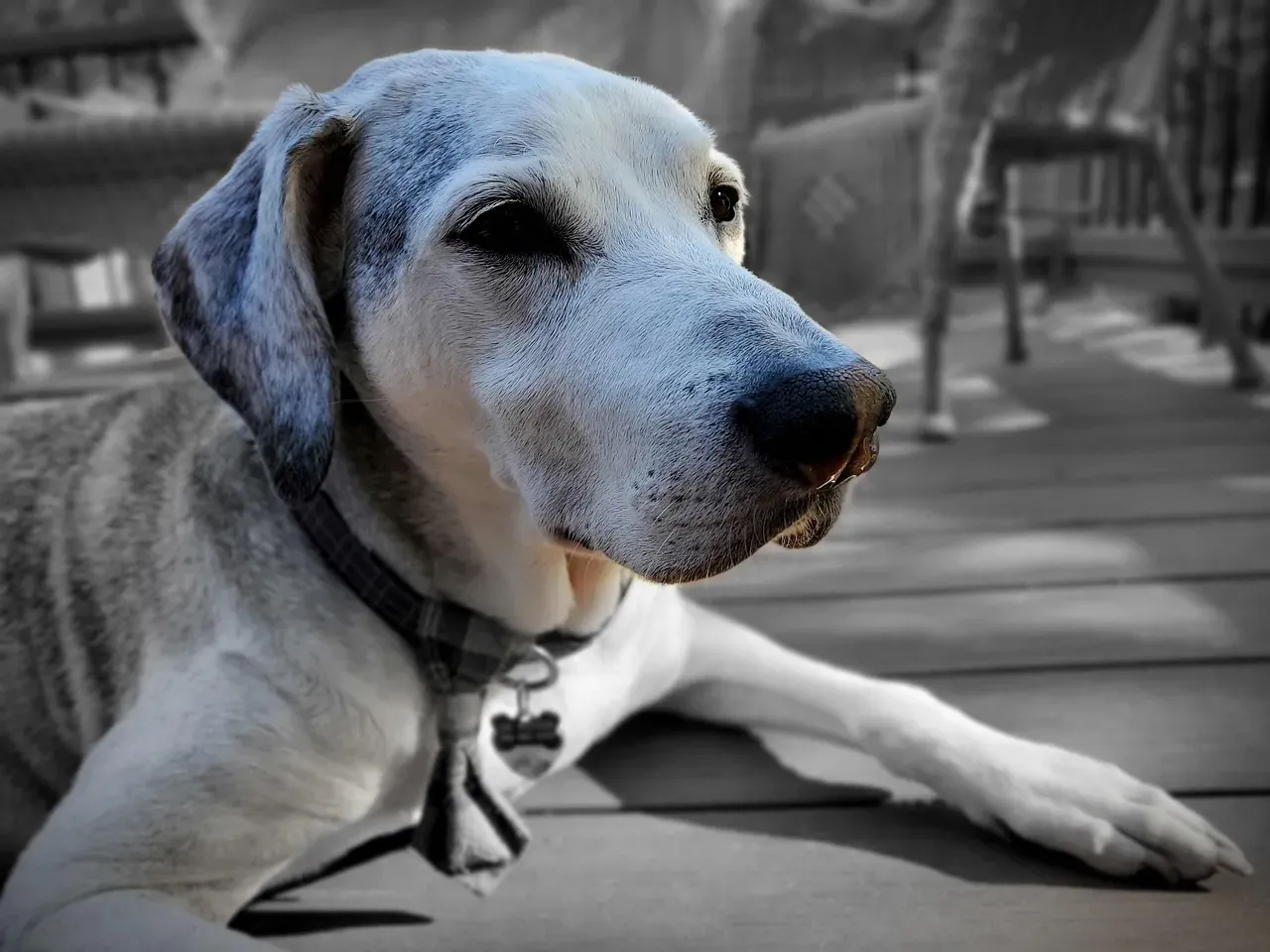
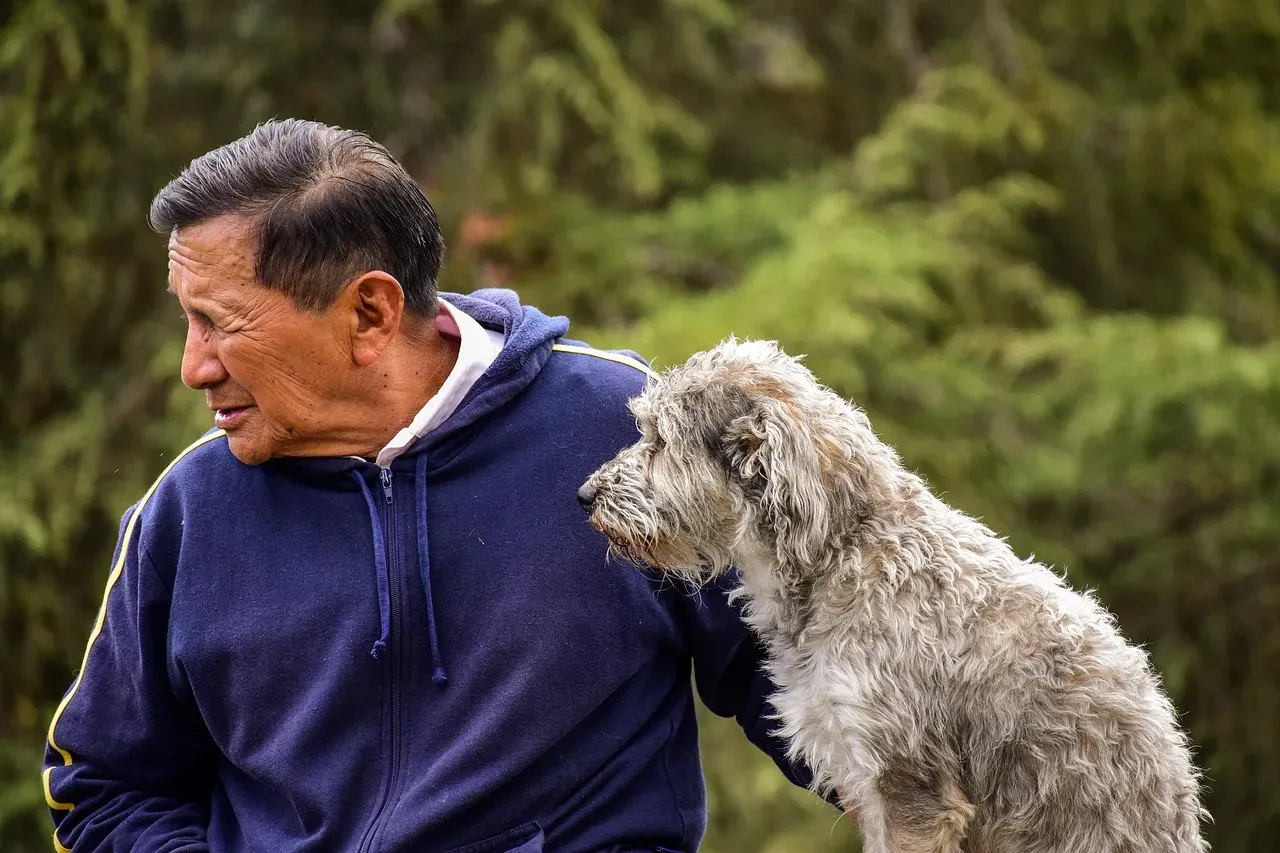
Aging can make the world feel louder, brighter, and more confusing, especially if hearing or eyesight is fading. Your calm presence becomes an anchor. Many senior dogs grow more attached, following their person from room to room or resting where they can easily see you. It is not “clinginess” in a spoiled sense; it is often their way of checking that their safe person is nearby.
Simple things – sitting with them during a thunderstorm, talking to them before you touch them so they are not startled, or keeping a hand resting on their side when they snooze – can lower their stress. Dogs read our emotions closely, and an older dog in particular notices if you are tense or impatient. When you move slower, speak softer, and show them you are not going anywhere, it gives them a kind of emotional security no supplement can buy.
7. Easier Access to Essentials (Food, Water, Potty Breaks)

What once was no big deal – climbing stairs to the water bowl, hopping in and out of the car, holding it for a long stretch while you run errands – can become a real challenge. Older dogs often need more frequent potty breaks, bowls placed at a comfortable height, and living spaces arranged so they are not constantly navigating obstacles. Accessibility stops being a convenience and turns into a core need.
Sometimes the best “senior dog upgrade” is not a new product at all but rearranging your home with them in mind. Move their favorite bed to the main floor so they do not have to climb stairs, put non-slip mats on slick floors, or set up a soft night-light if their vision is declining. These small, practical tweaks tell your dog: this house still fits you, exactly as you are now.
8. Gentle Grooming and Respectful Handling
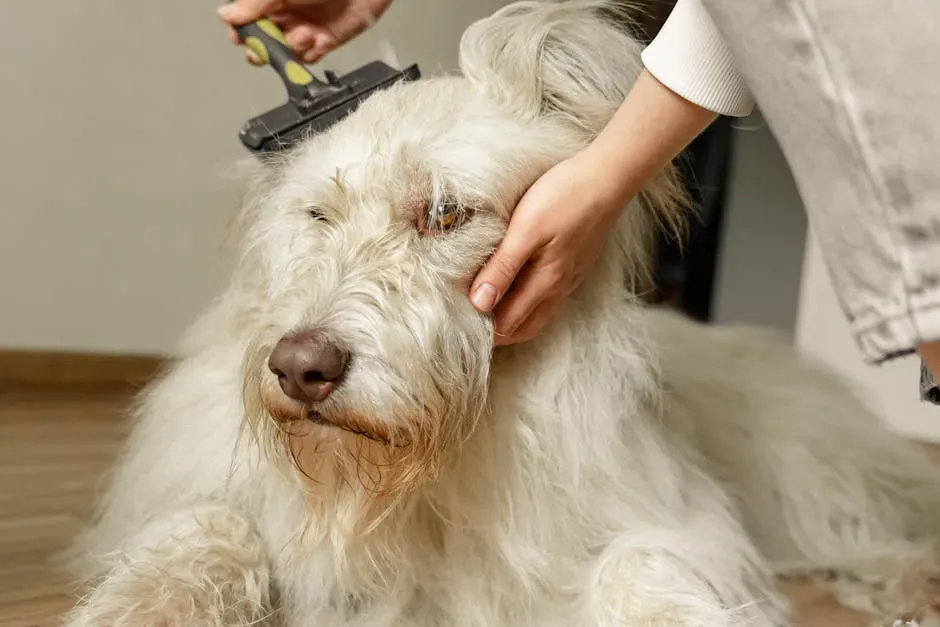
As dogs get older, skin can become thinner, joints more sensitive, and tolerance for rough handling much lower. Grooming and everyday touches that were once no big deal might now need to be slower and softer. Nail trims, brushing, wiping paws, or lifting them into the car should all be done with extra patience and attention to how their body reacts.
It helps to think of grooming as a conversation rather than a chore you rush through. If your dog flinches when you lift a paw or turns their head away during brushing, that small piece of body language is telling you something matters there. Adjust your approach, use more support under their body, and give them breaks. When your dog learns that you will not ignore their discomfort, they are more likely to relax and trust you during these necessary routines.
9. Quality Food, Healthy Weight, and Mealtime Comfort
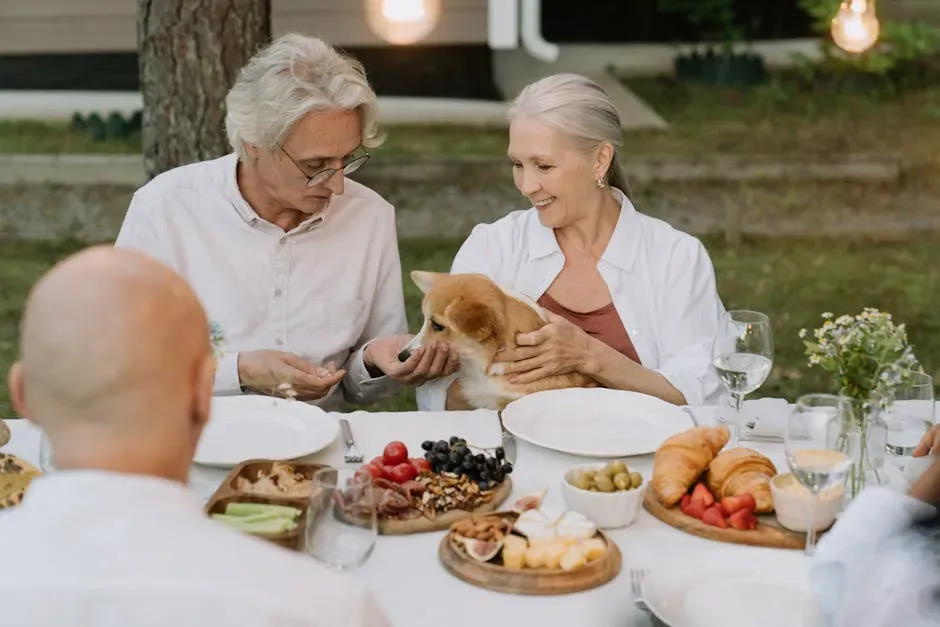
Food has always been important to dogs, but for seniors it becomes deeply tied to their overall health and daily comfort. Older dogs may need diets tailored for joint support, digestion, or specific medical issues like kidney or heart disease. Maintaining a healthy weight becomes critical, because extra pounds put serious strain on aging joints, while being too thin can sap strength and resilience.
Mealtime itself may need adjustments: raised bowls can help dogs with neck or spine pain, softer food may be easier if teeth are worn or missing, and more frequent smaller meals can help with some digestive or metabolic issues. Watching how your dog eats – are they dropping food, eating slower, or walking away mid-meal? – often tells you what changes they quietly need from you. The goal is simple: mealtimes that are comfortable, satisfying, and supportive of the years they still have ahead.
10. Peace and Quiet Over Constant Chaos
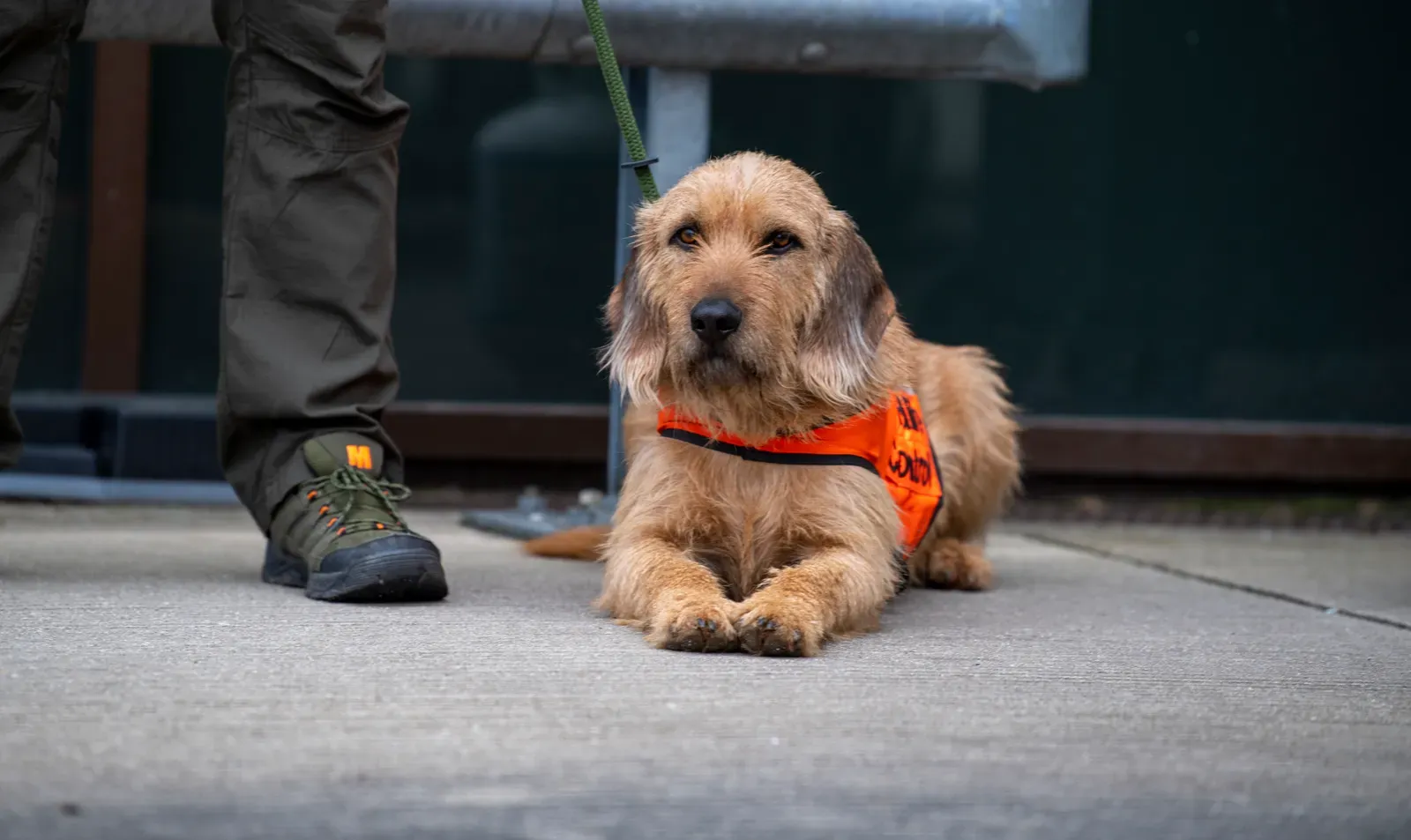
Many older dogs have a much lower tolerance for chaos than they did as wild, young tornadoes. Loud music, excited children racing around, frequent visitors, or rowdy young dogs can be overwhelming. As hearing and vision change, sudden movements and sharp sounds become harder to process, and what once felt fun can start to feel like a threat.
Creating quiet safe zones – a crate with the door open, a back bedroom, or a screened-off corner with a comfy bed – gives your senior dog the option to step away from the noise. You do not have to turn your home into a library, but being mindful about giving them downtime, especially during gatherings or busy times of day, is huge. It is a sign of respect to recognize that your dog may love you dearly and still need a break from the whirlwind of human life.
11. Clear Communication and Extra Patience
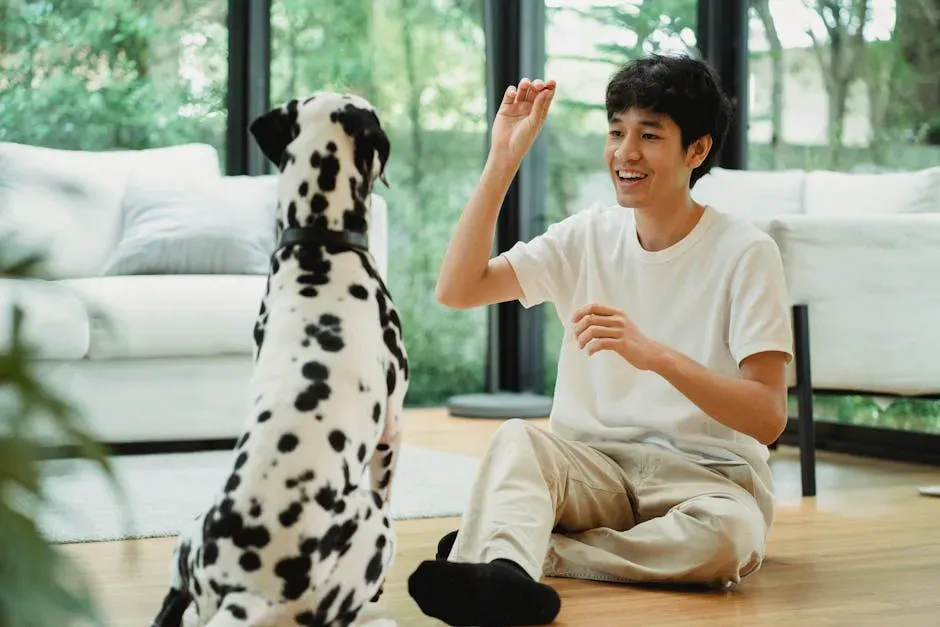
Aging can blur some of the signals between you and your dog. They may not hear cues as well, may be slower to respond, or might forget things they used to know. In those moments, what becomes more important than ever is your patience and your willingness to adapt how you communicate – using more hand signals, moving closer before giving a cue, or gently guiding instead of repeating yourself louder and louder.
It is tempting to label an older dog as “stubborn” or “disobedient,” but often you are seeing a mix of physical and cognitive changes. When you assume your dog is doing their best with the body and brain they have today, your frustration softens. Clear, kind communication – backed up with treats, praise, and a sense of humor – turns everyday interactions into reinforcing reminders that you are still a team.
12. Unhurried Time Together and Emotional Legacy
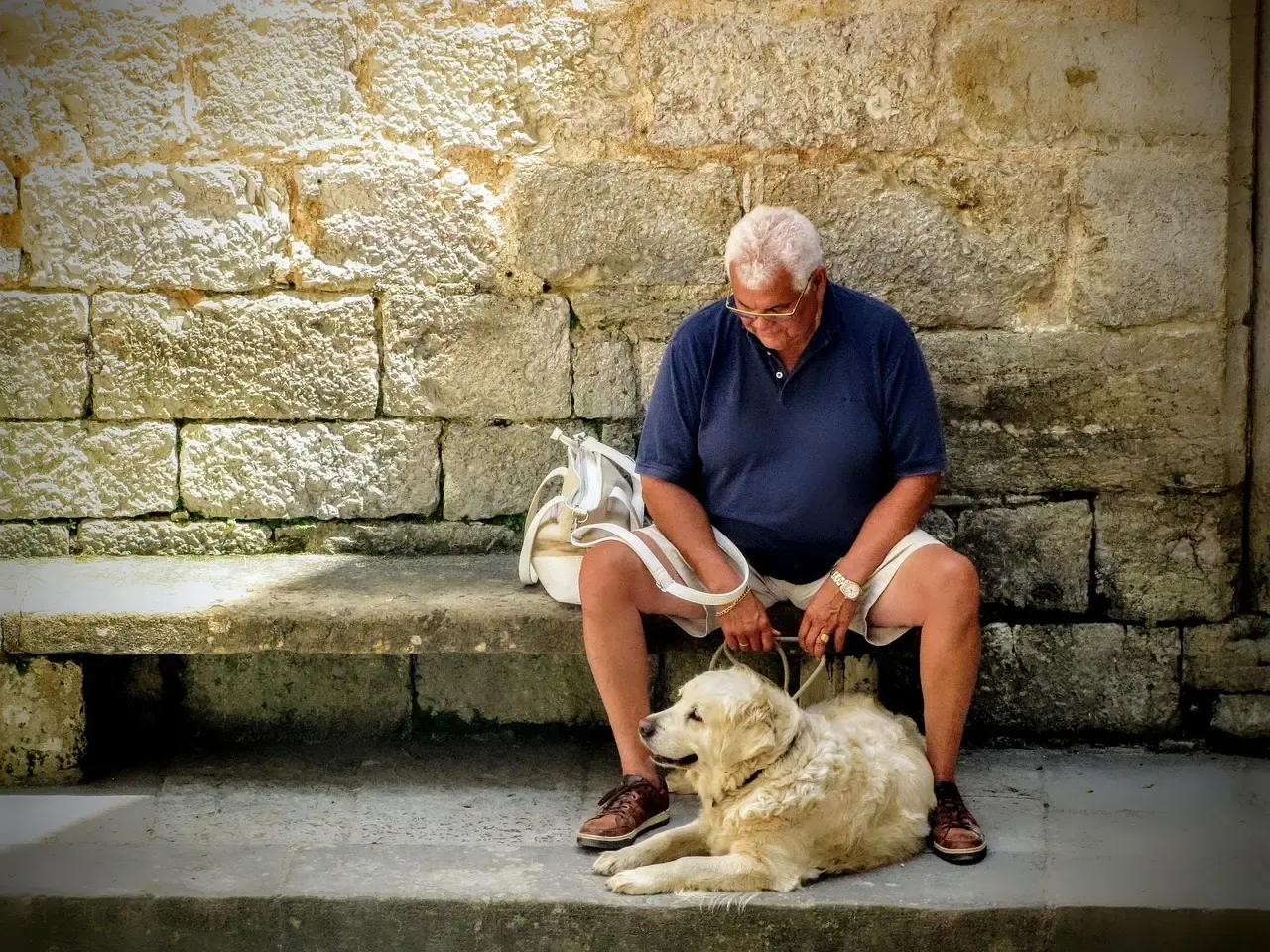
In the later years, your dog cares less about new experiences and more about soaking in time with their favorite person: you. Those quiet evenings on the couch, slow walks where you both move at half speed, afternoon naps where your feet touch their back – these moments carry a different weight when you know you have more days behind you than ahead. Dogs do not understand the calendar, but they absolutely feel the warmth of your attention and presence.
This is the part that sneaks up on you emotionally. The older your dog gets, the more you realize that what matters most to them is not perfection, it is companionship. Sitting on the floor for a few extra minutes to scratch their chest, pausing your phone to meet their eyes, or simply being there when they wake from a deep nap adds up to an emotional legacy. When the time comes to say goodbye, those unhurried, ordinary minutes will be the ones you cling to the hardest.
Conclusion: Growing Older Together Is the Real Adventure
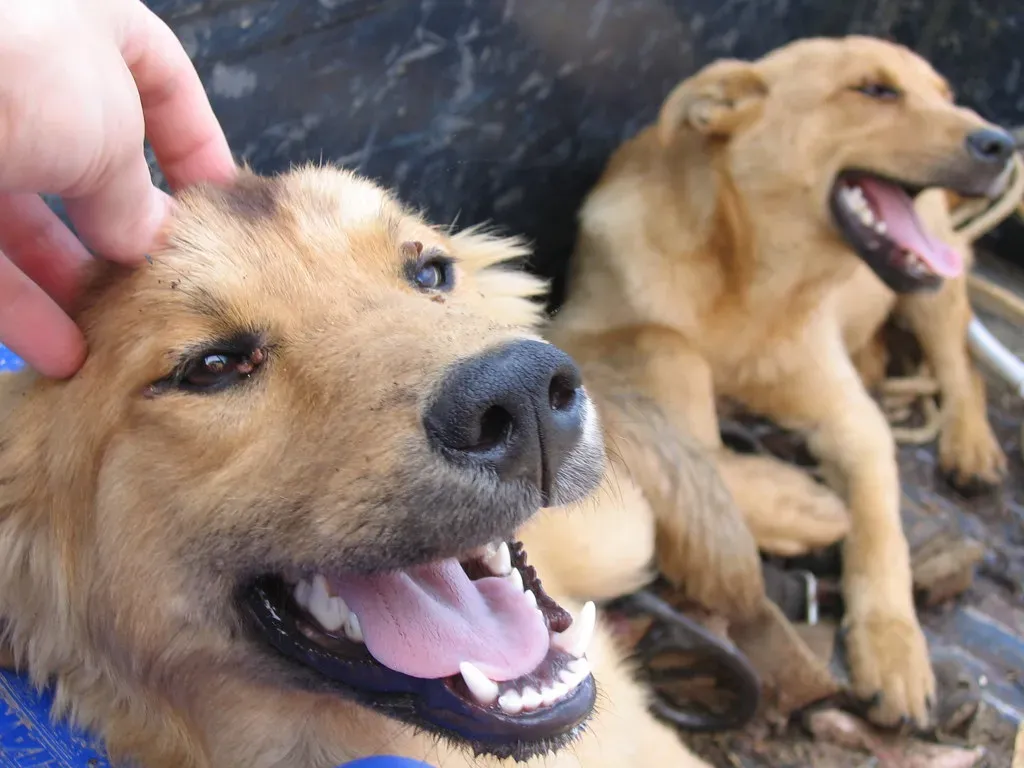
I honestly think the senior years reveal who we are as dog guardians more than the puppy years ever did. Anyone can love a bouncy, shiny, unproblematic dog; it takes a different kind of love to adjust your life around an aging body, to celebrate short walks, to budget for joint meds instead of new gear, and to choose patience when things get messy or slow. In my opinion, this is where the relationship deepens from fun to profound.
When you pay attention to what becomes more important to your older dog – comfort, routine, gentleness, access, quiet, and your steady presence – you are not just extending their life, you are enriching the part that actually matters. You are saying, in a language they can feel, that they are worth the effort all the way to the last page of the story. Years from now, when you think back on this dog, will you remember that you protected their comfort and dignity when it mattered most?