
10 Moments When Your Dog Needs You Most but Doesn’t Know How to Ask
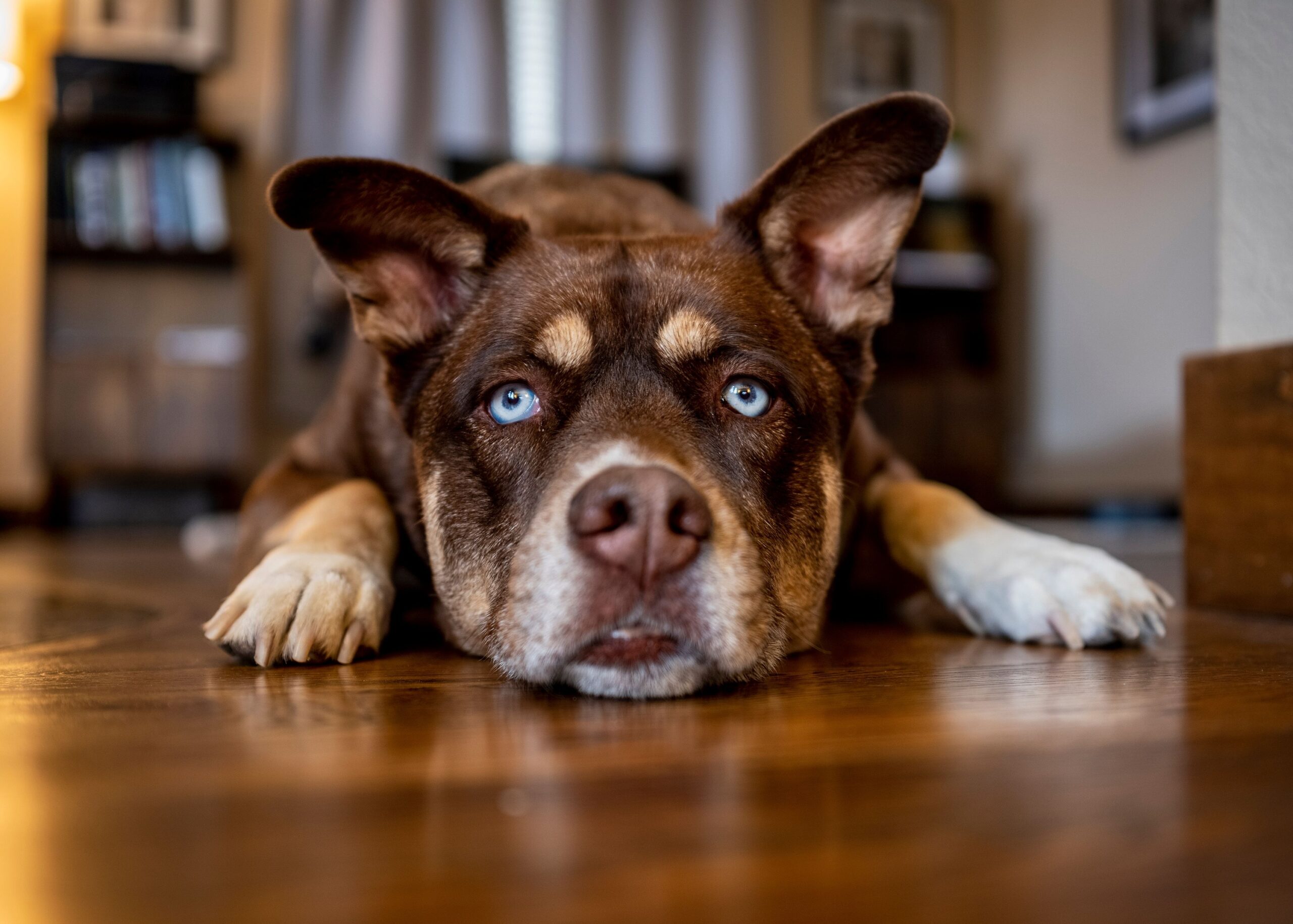
Every dog lover knows that wagging tails and puppy eyes can say a lot, but here’s the twist: the times your dog needs you the most are often the moments when they go quiet, look “fine,” or act a little off in ways that are easy to miss. Dogs are experts at masking discomfort, anxiety, and even pain, because in the wild, showing weakness could be dangerous. In our homes that instinct is still there, which means your best friend might be silently begging for help while you think everything’s normal.
Once I realized how many subtle signals my own dog had been giving me, I honestly felt guilty for not noticing sooner. But the good news is, once you understand these quiet moments, you start seeing them everywhere: in the way they lick a paw, hesitate at the stairs, hide after a loud noise, or sleep just a little too much. Let’s walk through ten key times your dog desperately needs you, even when they have absolutely no idea how to ask for it.
1. When They’re in Pain but Still Acting “Normal”
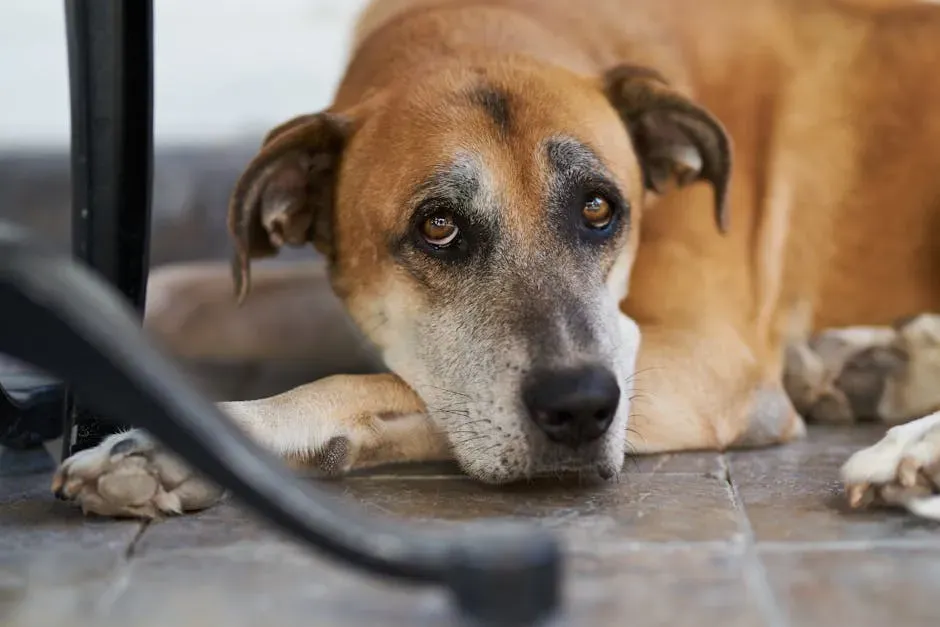
One of the most heartbreaking truths about dogs is that they’re ridiculously good at hiding pain. They may still eat, still follow you from room to room, even still bring you a toy, all while dealing with aching joints, dental pain, or a brewing infection. You might only notice tiny shifts: they move a bit slower, hesitate before jumping on the couch, or suddenly don’t like being touched in one specific spot.
In those moments, your dog needs you to be the detective they can’t be for themselves. Any sudden change in behavior, energy level, appetite, posture, or mobility is worth paying attention to, especially if it persists beyond a day or two. Trust your gut: if something feels off, it probably is. Getting a vet involved early can prevent small issues from becoming emergencies, and for your dog, that can be the difference between quietly suffering and quietly healing.
2. During Sudden Loud Noises and Storms
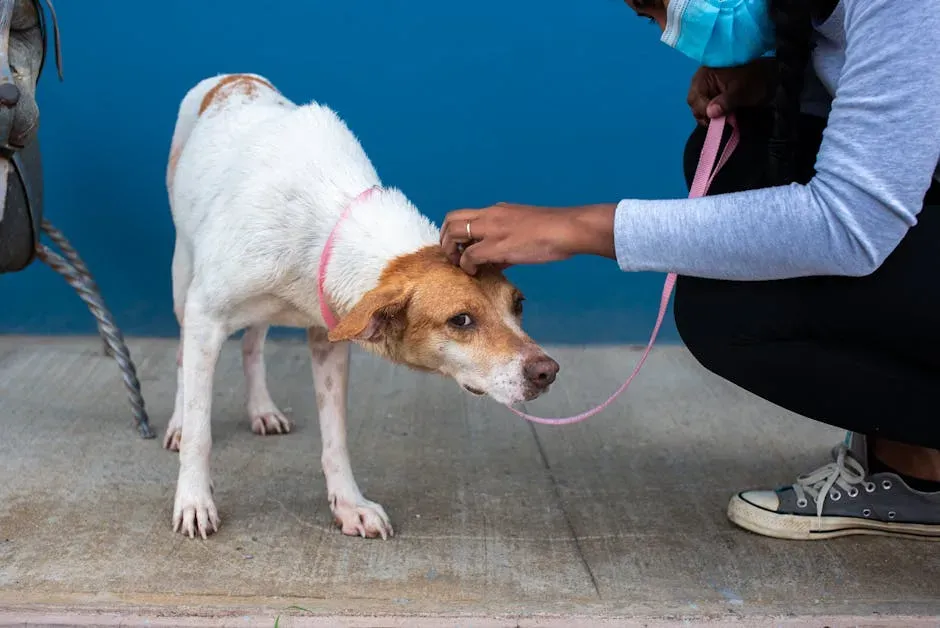
Think about how you feel when a car backfires right behind you or thunder cracks overhead out of nowhere. Now imagine hearing that with far sharper hearing and no understanding of what it is. For many dogs, fireworks, thunderstorms, construction, and even a dropped pan can feel absolutely terrifying, even if they try to hold it together. Some dogs tremble or hide, while others pace, pant, or cling to you like Velcro.
This is when your presence becomes their anchor. Closing curtains, turning on white noise or music, offering a safe hiding spot like a covered crate, and staying calm yourself can help more than you realize. Some dogs benefit from calming wraps or vet-recommended medications, but the core thing they want is you: your voice, your smell, your steady energy saying, “You’re safe, I’ve got you.” They can’t ask for that reassurance in words, but their body language is quietly shouting it.
3. When Their Routine Suddenly Changes
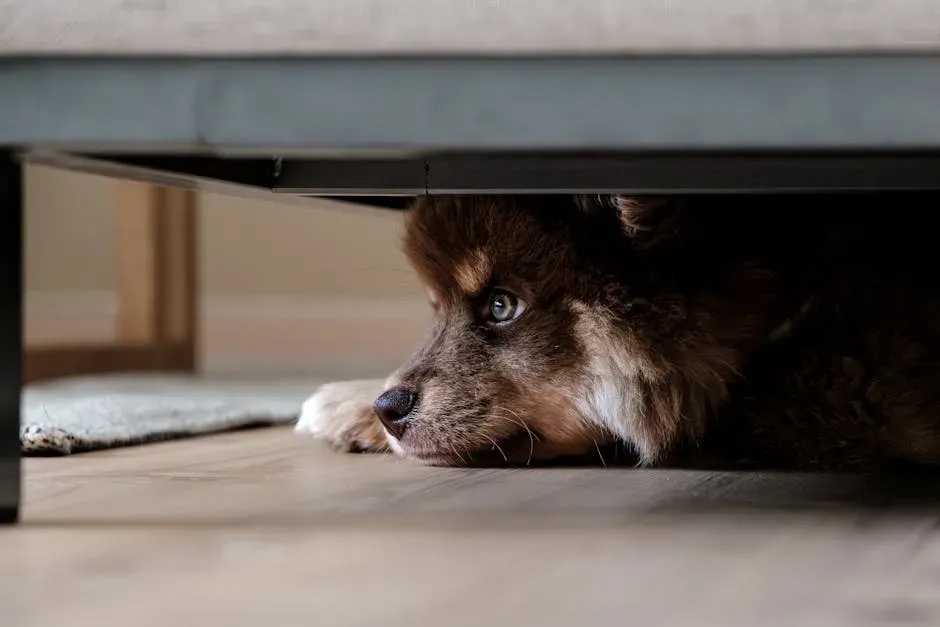
Dogs are creatures of habit, and routine to them is like a security blanket. When something big changes – new job schedule, new baby, move to a different home, a roommate leaving, or even your mood shifting for a while – your dog feels it deeply, even if they can’t connect the dots. They may become clingier, withdraw, have accidents indoors, or start chewing and barking more than usual.
In these transition moments, your dog needs predictable pockets of “normal” with you. That might mean keeping walk times as consistent as possible, carving out a five-minute play or cuddle ritual at the same time every day, or offering extra mental enrichment when physical routines get disrupted. You can’t explain the change to them, but you can show them that, no matter what shifts around them, the bond with you is still the one thing they can count on.
4. When They’re Quietly Overwhelmed in Social Situations
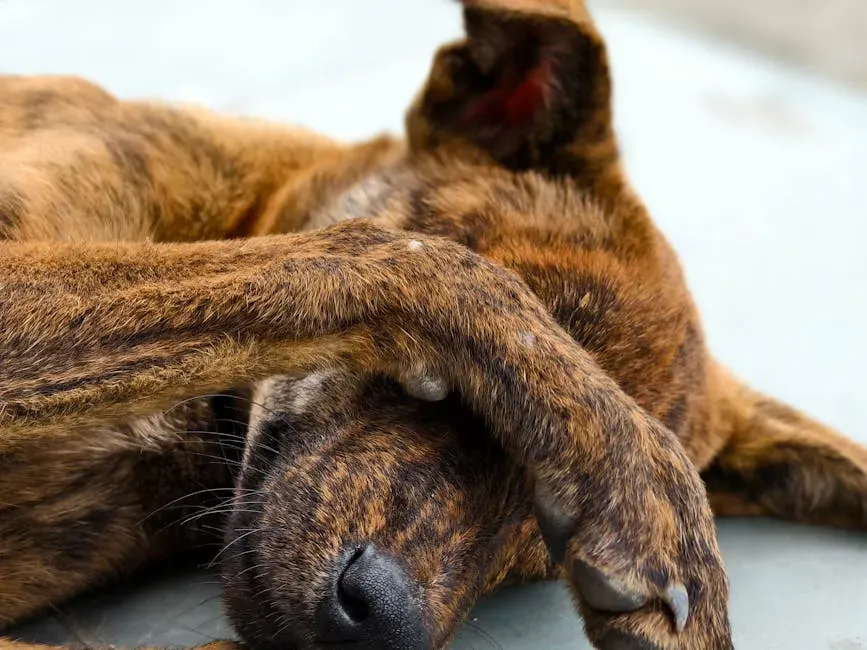
We love the idea of the “super social” dog that adores dog parks, parties, and greeting every human like a long-lost friend. Reality check: many dogs find busy social settings totally overwhelming, even if they’re not growling or barking. You might see them licking their lips, yawning out of context, turning their head away, tucking their tail slightly, or freezing for a second when approached – these are subtle signs they’re not as comfortable as they look.
In these situations, your dog needs you to be their advocate, not their publicist. That might mean saying no when people insist on petting, leaving the dog park early, or skipping it altogether if your dog consistently seems stressed. It might mean arranging one-on-one playdates with calmer dogs instead of group chaos. Your dog does not know how to say, “I’m done, can we go?” – but you can learn to recognize that plea written all over their body language and respond before they’re pushed too far.
5. When They’re Left Alone More Than Usual
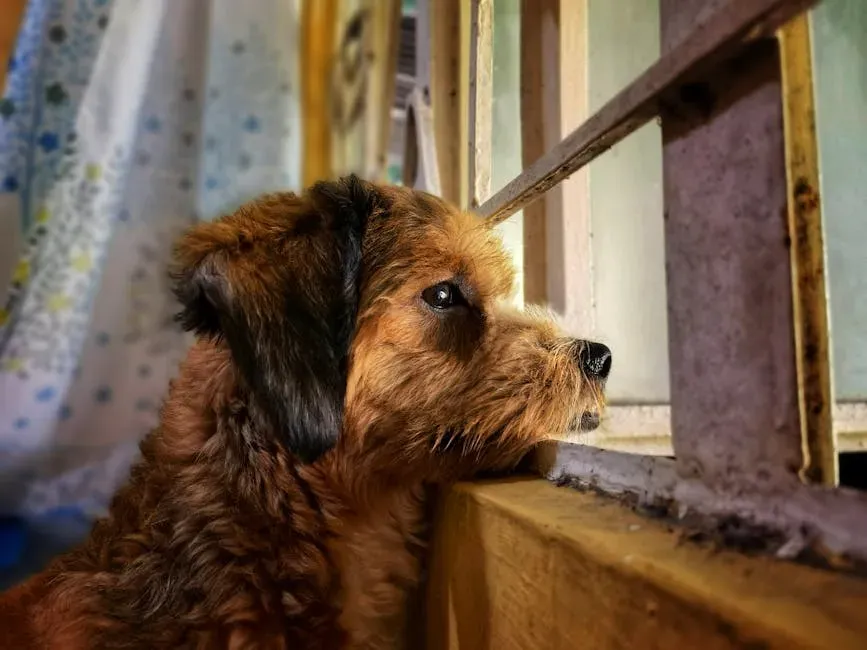
Some dogs can handle alone time reasonably well, while others struggle with separation anxiety or milder versions of it. Either way, when your schedule shifts and suddenly you’re gone longer, more often, or at completely different times, it can send your dog’s stress levels quietly through the roof. They might whine at the door after you leave, pace, bark, chew, or simply shut down and sleep too much.
In those periods, they need you to take their emotional world as seriously as their physical health. That can look like gradually adjusting their alone time instead of flipping it overnight, leaving them with safe chew toys or puzzle feeders, and coming home to a short, joyful ritual that says, “You weren’t forgotten.” If you suspect stronger separation anxiety – think destruction, excessive drooling, or nonstop vocalizing – it’s not your dog being “dramatic.” It’s a cry for help that likely needs a mix of training support and possibly professional guidance.
6. When They’re Aging and Slowing Down
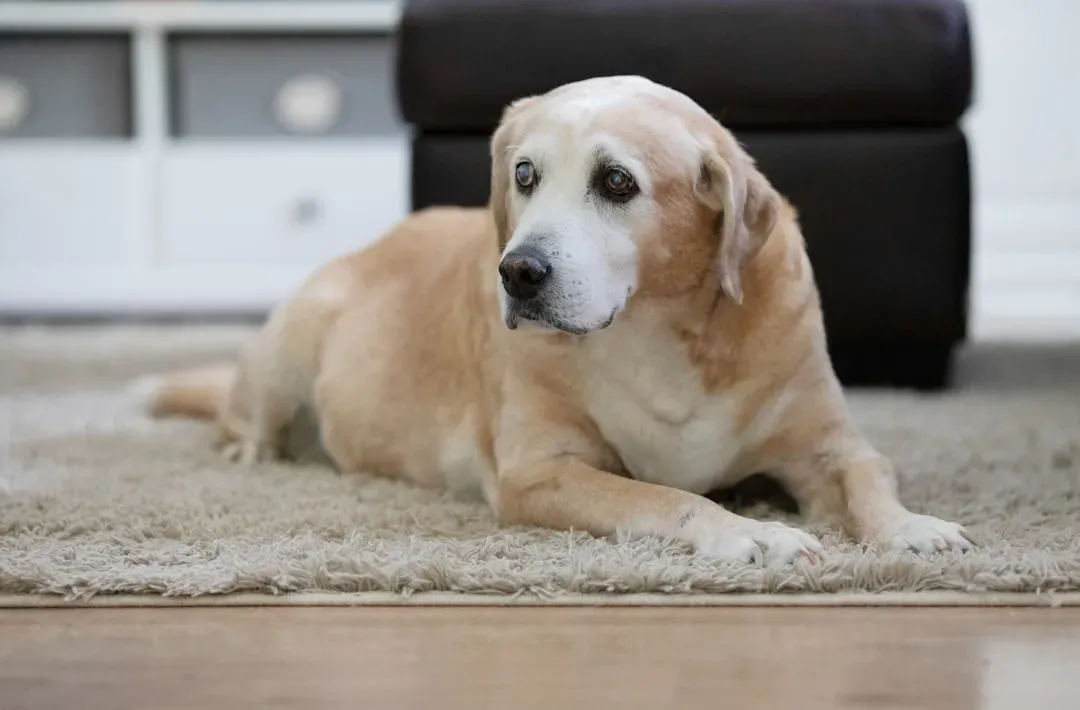
One of the most painful parts of loving a dog is watching them grow old. The gray muzzle, the slower walks, the longer naps – they’re bittersweet and beautiful, but they’re also easy to underestimate. Older dogs are more prone to arthritis, vision and hearing loss, cognitive changes, and chronic illnesses. They won’t tell you their back hurts or that the stairs have suddenly become intimidating. You’ll just notice they hesitate, slip more, or seem “stubborn” about moving.
This is when your dog needs you to adjust the world to fit the new version of them. Ramps instead of jumps, rugs on slippery floors, softer bedding, shorter but more frequent walks, and gentler play all matter. Regular vet checkups become non-negotiable, and small changes in behavior should be taken seriously instead of brushed off as “just old age.” They have given you their whole life without complaint; in their senior years, your attention and advocacy are the greatest thank-you they will ever receive.
7. When They’re Bored Out of Their Mind
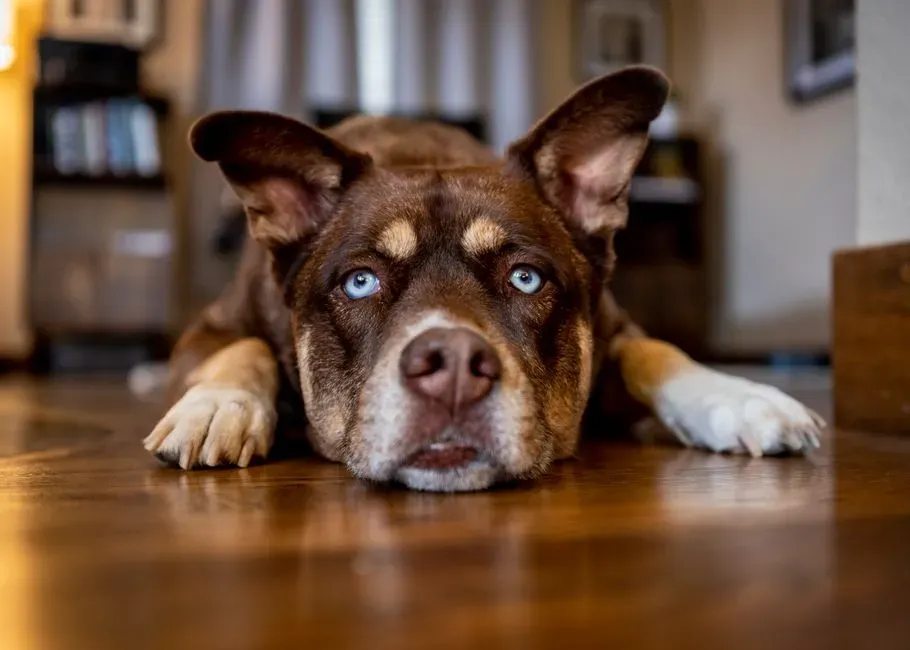
A bored dog is often labeled as “naughty,” but what they usually are is under-stimulated. Dogs were bred for jobs – herding, hunting, guarding, retrieving – not for lying around waiting for the Wi‑Fi to go out. When their day is just sleeping, a quick potty break, and maybe a short walk, frustration builds quietly. It can show up as chewing things they shouldn’t, barking at every little sound, zoomies out of nowhere, or pestering you nonstop.
In those moments, they need you to see their behavior as a message, not a moral failing. Mental stimulation can be as powerful as physical exercise: snuffle mats, food puzzles, simple training games, scent work, or teaching silly tricks. Even ten intentional minutes of engagement can make a huge difference. You and your dog both deserve a life that feels richer than just “getting through the day,” and boredom is often the first sign that something needs to change.
8. When They’re Meeting New People or Animals
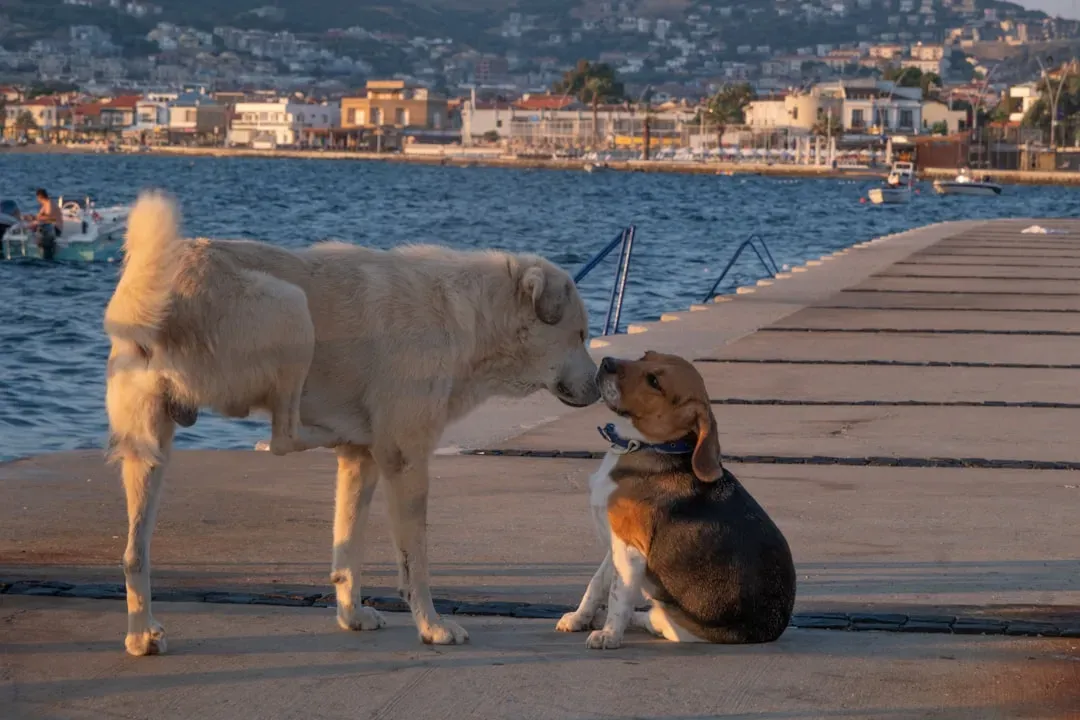
First impressions matter for dogs, just like for humans, but dogs rarely get a say in how they’re introduced to new people or animals. We tend to just bring someone into their space or walk straight up to another dog and hope for the best. Meanwhile, your dog may be overloaded by scents, eye contact, body language, and energy they’re trying to process all at once. Some dogs become hyper and bouncy, others go stiff and quiet – either way, they’re working hard internally.
In these moments, your dog needs you to slow things down and give them choice. Let them approach at their own pace instead of being cornered or pulled forward. Watch for signs of discomfort – turned head, lowered tail, lip licking – and step in before a situation escalates. Saying, “We’re going to give them some space” is not just polite to others; it’s you being the one friend in the room who actually listens to what your dog is trying to say with their body.
9. When They Feel Sick but Not “Emergency Sick”
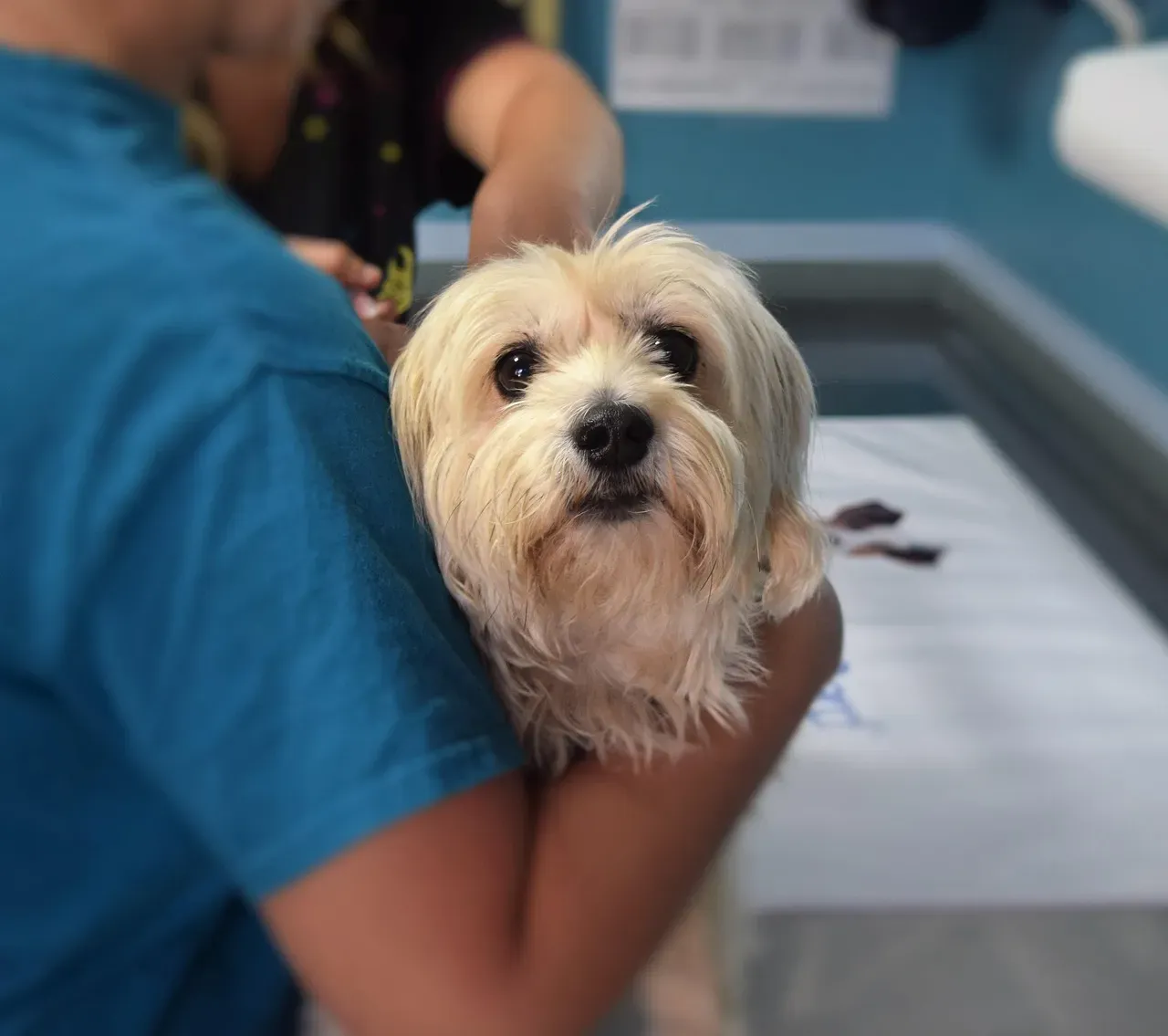
This is one of the trickiest situations: your dog is not collapsing, not bleeding, not obviously in crisis, but something is just… off. Maybe they skip a meal, have softer stool than usual, seem more tired, or vomit once and then act sort of normal. It’s tempting to shrug it off, and sometimes it does pass quickly. But lingering low-level illness can drag on and be surprisingly draining for your dog, especially if it involves internal pain, infection, or digestive upset.
Here, they need you to be the calm, observant adult in the room. Start noting what you see: appetite changes, bathroom habits, energy levels, breathing patterns, any new lumps or bumps. If anything persists or steadily worsens, call your vet rather than waiting for it to magically resolve. You don’t need to panic about every small blip – dogs have off days too – but choosing to investigate rather than ignore can spare them a lot of invisible suffering. They may not look like they’re begging for help, but in their quiet way, they absolutely are.
10. In the Quiet, Everyday Moments You’re Tempted to Ignore
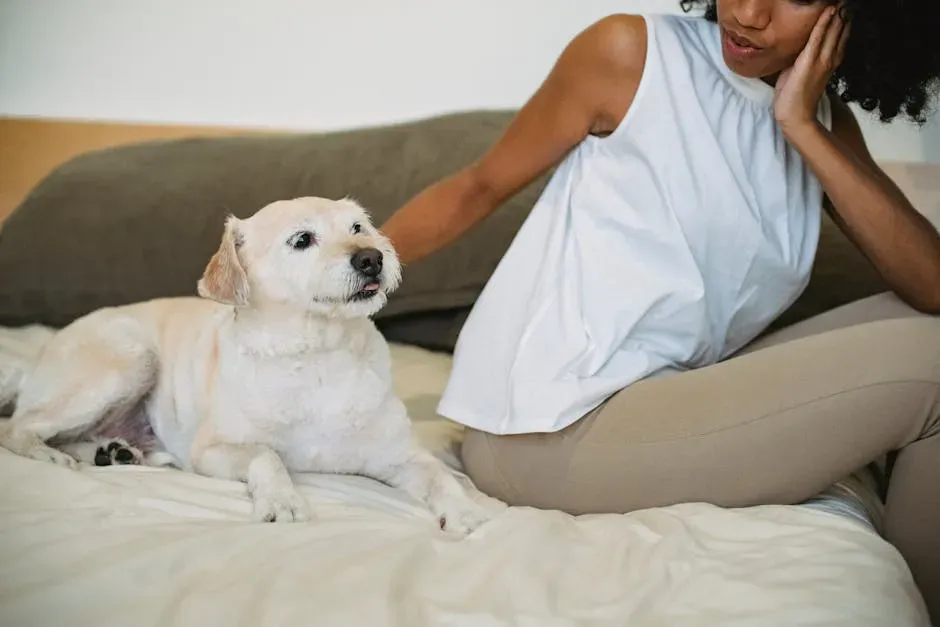
Here’s the one that surprised me the most: some of the times your dog needs you most are not dramatic at all. It’s when they slowly get up, walk over, and just sit near you without demanding anything. It’s when they take a deep breath, curl up at your feet, or gently lean against your leg while you’re on your phone. Those small gestures are your dog checking in, asking, “Are we still us? Are we still connected?” even if they don’t consciously know it.
In those moments, your dog needs your presence more than your perfection. You don’t have to turn every cuddle into a training opportunity or every walk into a fitness challenge. Sometimes, they just need your hand resting on their fur, your eyes meeting theirs for a second, your voice saying their name with affection. Those quiet daily choices – to look up, to pause, to really see them – are what shape their entire sense of safety and belonging in your world.
Conclusion: Your Dog Shouldn’t Have to Suffer in Silence
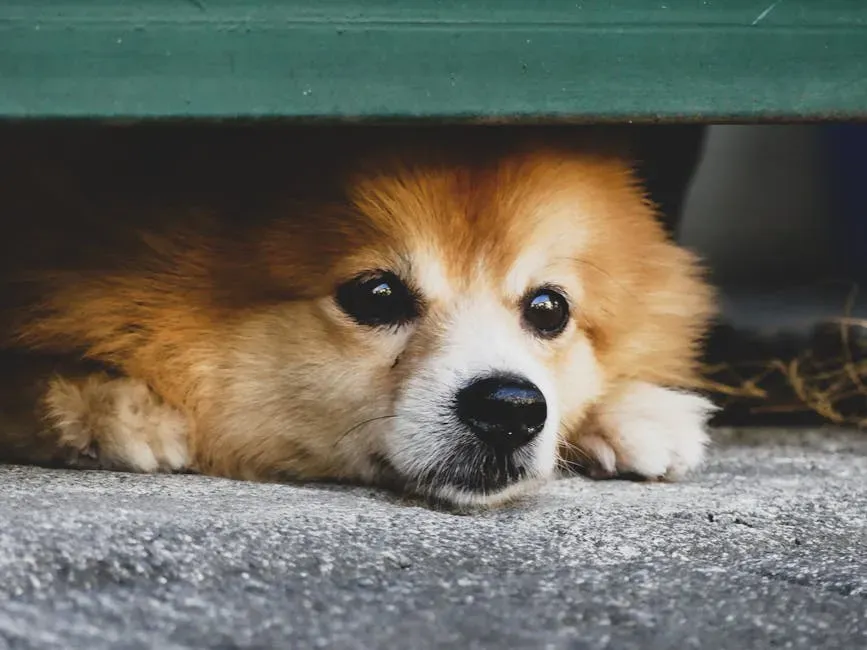
When you step back and look at all these moments together, a clear picture emerges: dogs are not drama queens, they’re survivors. They push through pain, anxiety, boredom, and confusion without words, hoping their humans will notice the cracks in the mask. In my opinion, once we know that, we lose the excuse to ignore the subtle stuff. Dismissing changes as “just how dogs are” feels less like being laid-back and more like leaving a family member on read when they’re clearly struggling.
The real joy of living with a dog is not just the goofy zoomies or the Instagram-worthy cuddles; it’s learning to understand a completely different species well enough to protect them when they cannot possibly explain themselves. That takes curiosity, humility, and a willingness to change how you see everyday behavior. The question that really matters is this: now that you know when your dog needs you most, what will you do differently the next time they ask for help without saying a word?