
Dogs Who Lick Human Wounds Are Not Acting on Instinct Alone – Studies Show They Preferentially Target Areas of the Body That Have Undergone Recent Physiological Change
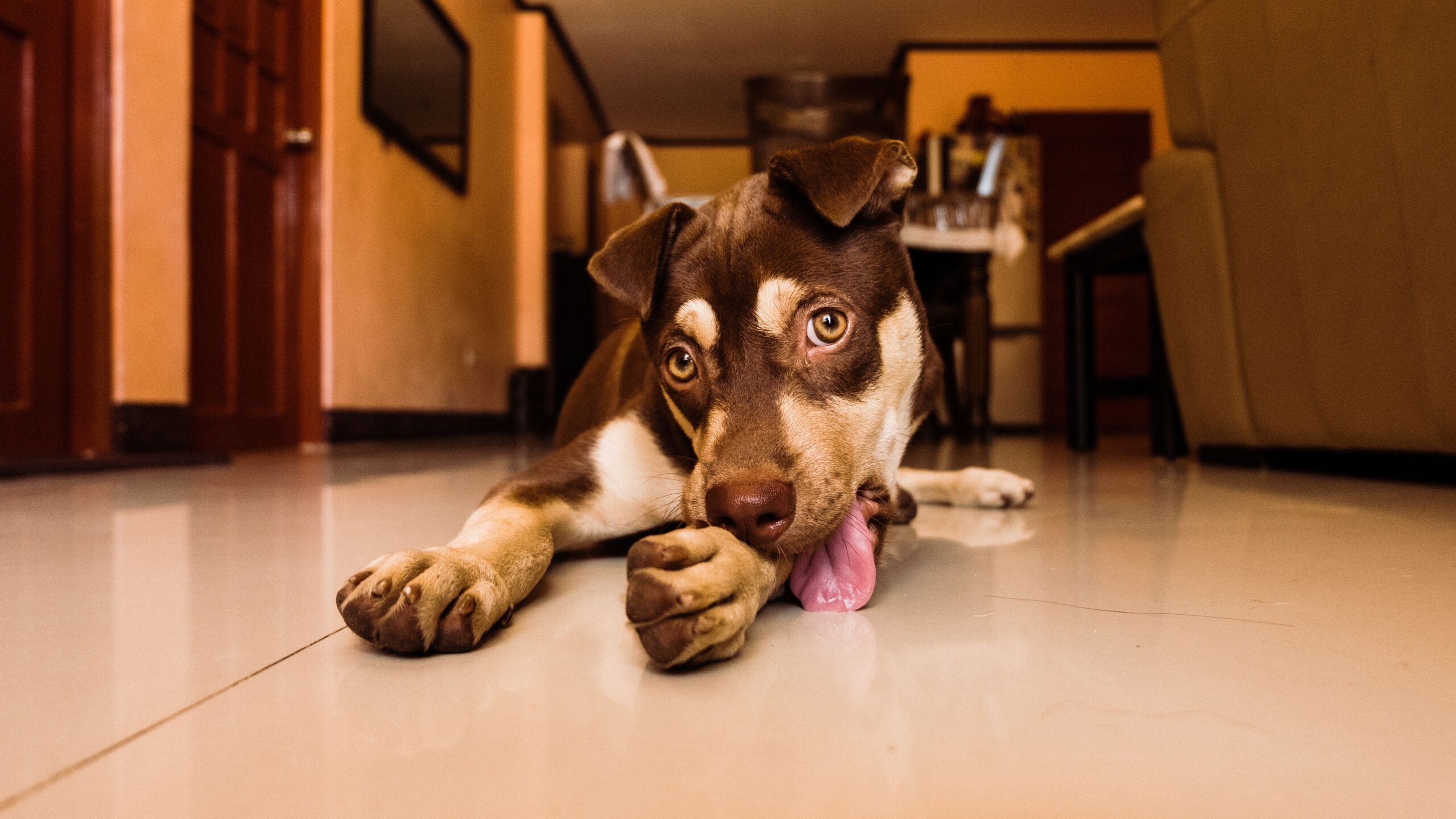
Anyone who has lived with a dog knows the feeling: you nick your finger, scrape your knee, or come home sore from a long run, and suddenly your dog is obsessed with that exact spot. It feels a little eerie, almost like they have built‑in medical sensors. For a long time, people brushed this off as random behavior or simple curiosity, but a growing body of research suggests something more interesting is going on.
Scientists studying canine behavior, scent detection, and wound care in animals have started to link these everyday moments to a deeper biological story. Dogs do not just lick anything at random; they are finely tuned to subtle changes in body chemistry, temperature, and smell. When they zero in on a fresh scrape or an inflamed joint, it is not only ancient instinct at work, but also highly specific responses to recent physiological change. In other words, they are noticing something real about you.
Dogs Can Smell When Your Body Has Changed
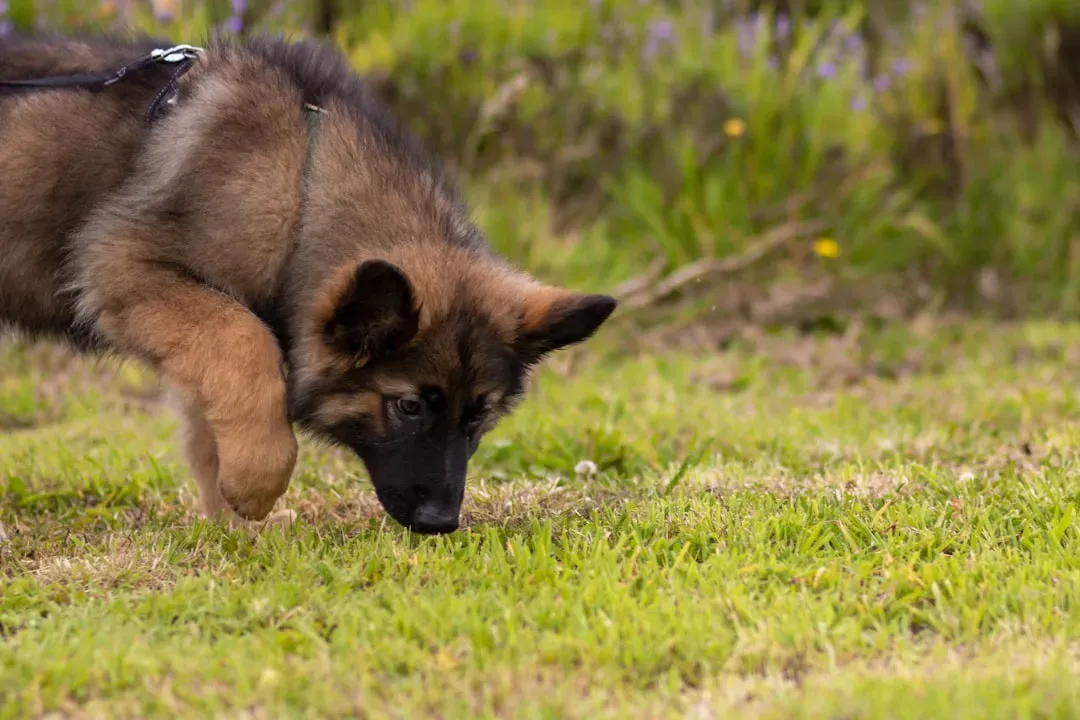
Here is the wild part: by the time you even notice a cut, bruise, or flare of inflammation, your dog may have been aware of that change for hours. Dogs have an extraordinary sense of smell, far more powerful than ours by many orders of magnitude, and they can pick up tiny shifts in the cocktail of chemicals your body releases when tissue is injured or inflamed. Hormones, inflammatory molecules, and the breakdown products from damaged cells all subtly change your personal scent signature.
From your dog’s perspective, a spot on your body that has just been injured or is recovering from stress is almost like a glowing neon sign in scent form. They do not need to see blood or a bandage; the smell alone marks that patch as different, new, and important. This helps explain why a dog may obsess over an ankle you twisted, a tattoo you just got, or a healing surgical scar under clothing. Your physiology shifted, and their nose caught it immediately.
Why Wounds and Sore Spots Grab Their Attention
When tissue is damaged, your body launches a repair campaign: blood flow increases, local temperature can rise, and immune cells swarm the area. All of that comes with a change in chemistry. For a dog, that fresh physiological activity stands out compared with the relatively stable background of the rest of your skin. The result is that new wounds, active inflammations, or recently healed spots become hotspots of interest.
This is also why dogs will often circle back to the same place over several days while an injury is healing. As the tissue chemistry slowly returns to normal, the scent signature changes step by step, and they seem to track that process almost like checking in on a project. It feels personal, even intentional: they are not randomly licking your leg; they are revisiting the one patch that still “smells like something happened here.”
The Deep Animal Tradition of Licking Wounds
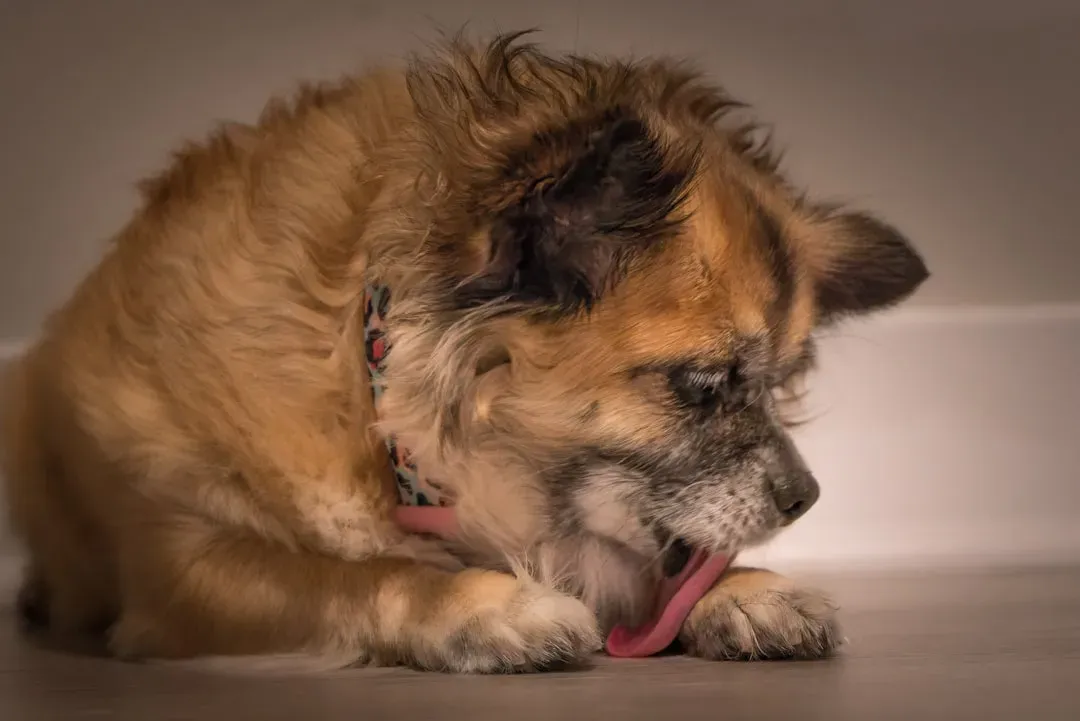
Dogs are not the only animals that lick wounds; you see similar behavior in many mammals, from cats to rodents to wild canids. In that sense, licking is indeed a very old instinct. When animals lick their own injuries, they are removing debris, keeping the area moist, and delivering saliva that contains enzymes and some compounds that can modestly inhibit certain bacteria. In the wild, where there are no bandages or antiseptic gels, it is a simple, built‑in form of first aid.
But when dogs direct that same behavior toward humans, the pattern looks more targeted than random. They are not just licking your whole arm; they go straight for the cut, the healing scar, or the spot that is sore. That suggests the basic instinct to lick is being guided by specific sensory information from your body. The instinct gives them the “what” to do, but your recent physiological changes seem to give them the “where.”
Saliva: Helpful Compounds and Real Risks
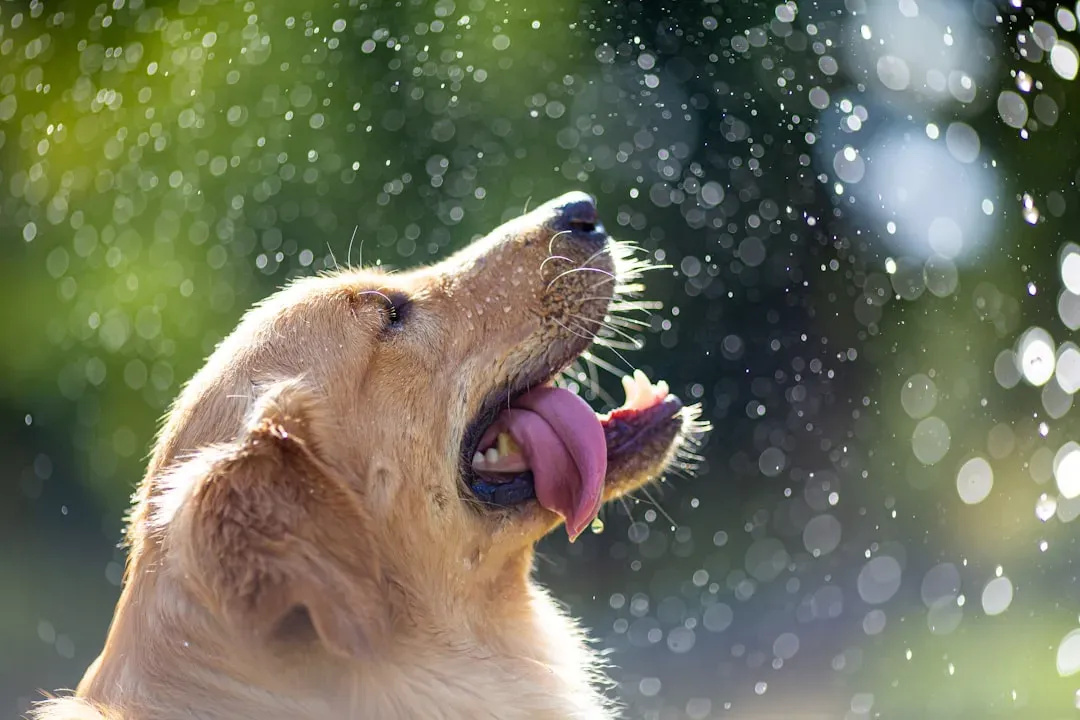
There is a popular belief that a dog’s tongue is a kind of natural antibiotic wipe. That is only partly true. Dog saliva does contain some substances that can slow down certain microbes and may help mechanically clean a surface. Some studies on animal wound licking show that gentle, limited licking can help remove dirt and may modestly reduce infection in very specific contexts. That is probably part of why this behavior stuck around in evolution.
However, dog mouths are far from sterile, and the same saliva that contains helpful compounds also carries bacteria that can cause serious infections in humans, especially if the skin barrier is broken. For a healthy adult with a tiny scratch, the risk may be low but not zero. For people with diabetes, poor circulation, weakened immune systems, or large or surgical wounds, that well‑meaning lick can actually complicate healing. So yes, they are honing in on real physiological changes, but that does not mean their efforts should double as your wound care plan.
Emotional Bonding and “Nurturing” Behavior
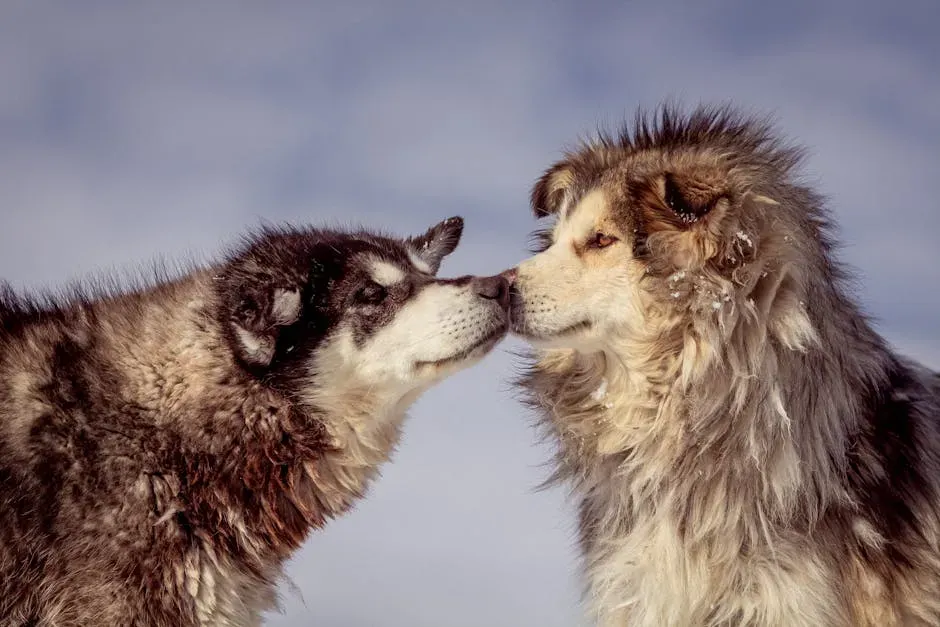
Even though chemistry and scent are doing a lot of the heavy lifting behind the scenes, there is an emotional layer here that is hard to ignore. Dogs are wired to be incredibly attuned to their humans. They notice when you move differently, sound off, or smell different. When you are hurt, even slightly, your posture and micro‑expressions change, and your dog may read that as distress. Licking the affected area may be part comfort, part investigation, and part caregiving response.
I have seen this in my own life: after a minor surgery, a normally goofy dog became strangely focused and gentle around the incision site, repeatedly sniffing and lightly licking the covered area. It felt less like grooming and more like a clumsy effort at support, the canine equivalent of sitting by your hospital bed. While we should not romanticize dogs as tiny doctors, it is fair to say that their attention to recently changed areas of your body is often wrapped up with deep attachment and their drive to stay close when something about you seems “off.”
When to Allow It and When to Gently Stop It
Because the behavior is both emotionally meaningful and biologically driven, many people feel torn: is it okay to let my dog lick this, or should I always stop it? For superficial, fully cleaned, very minor scrapes on a generally healthy person, an occasional quick lick probably will not cause disaster, though it still carries some risk. The key is that dog saliva is not a replacement for proper hygiene, disinfectants, or medical care. Think of it more as a behavior to understand rather than a therapy to rely on.
There are moments, though, when you should absolutely prevent licking: fresh surgical sites, deep or poorly healing wounds, diabetic ulcers, pressure sores, and any area that your doctor warns you to keep clean and dry. In those cases, even if your dog has accurately detected that something is physiologically different there, their helpful instincts are at odds with your actual medical needs. Redirecting them with a cue, a toy, or gentle physical barrier protects both your health and your relationship.
What Their Behavior Really Tells Us About Them
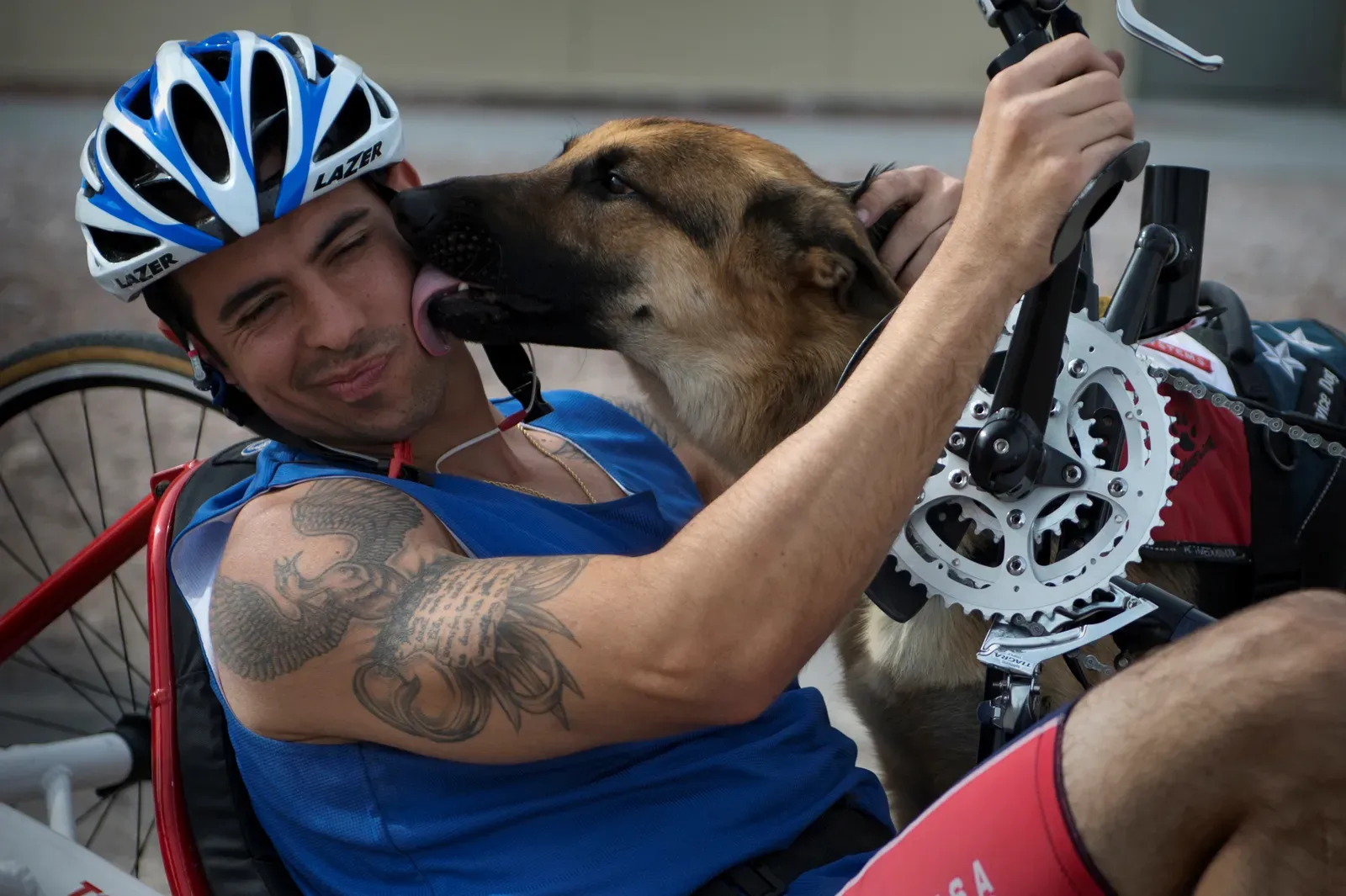
When you zoom out, the fact that dogs so often target recently changed body areas is a reminder of just how closely they live in our biological orbit. They are quietly tracking fluctuations in our scent and behavior that we barely register ourselves. Instead of seeing wound licking as strange or gross, it helps to reframe it as one small window into a much larger, continuous conversation between your body and your dog’s senses. They are picking up signals you did not know you were sending.
To me, that is the most moving part of all this: beneath the science of saliva enzymes and scent molecules is a relationship built on radical closeness. A dog that rushes to lick a scrape is not just running an ancient program; it is responding to a very specific, newly altered part of you that suddenly stands out in its world. That behavior carries risk and should be managed wisely, but it is also a quiet, slightly messy testament to just how tightly our physiology and their instincts have become intertwined. Next time your dog goes straight for that sore spot, you might find yourself thinking less “gross” and more “how did you even know?”