
10 Quiet Sacrifices Your Dog Makes Just to Stay Close to You
If dogs could talk, a lot of us would probably cry from guilt. We see the wagging tail, the excited greeting at the door, the way they curl up at our feet and think, this is just easy, uncomplicated love. What we rarely notice are the tiny, quiet sacrifices they make every single day just to be near us.
Once you start paying attention, it hits you: your dog keeps adjusting, compromising, and holding back instincts that run deep, simply because you are their whole world. Some of these sacrifices are small and sweet, others are almost heartbreaking. And when you see them clearly, it changes how you look at that familiar furry face watching your every move.
1. Holding Their Bladder So They Don’t Bother You
One of the most overlooked sacrifices is how long many dogs quietly hold it in because their human is busy, on a call, or just not paying attention. Unlike us, they can’t stroll to a bathroom whenever they want; they have to wait for us to notice or stick to the schedule we decide. A lot of dogs will whine or pace, but many simply lie down and wait, even when they’re uncomfortable, because they’ve learned that your rhythm comes first.
Over time, this can be tough on their bodies, especially as they age or if they have underlying health issues. I still feel bad thinking about the times I told my own dog to “wait a minute” while I finished an email, not realizing that minute felt like forever to her. It’s a quiet kind of loyalty: they put their needs on pause just to fit into our human routines.
2. Sleeping Lightly So They Can Watch Over You
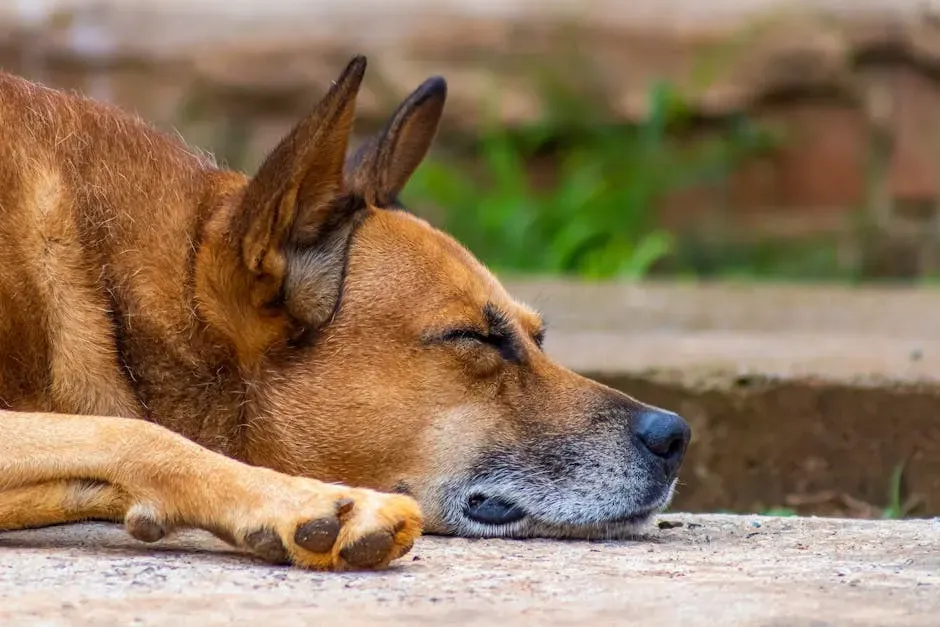
Dogs are wired to be alert, but living with humans turns that instinct into overtime emotional labor. Many dogs don’t fully sink into deep sleep if they think you might move, get up, or need them. They nap with one ear open, lifting their head at every creak of the floor, checking on you when you shift in bed, padding after you if you get up in the middle of the night.
This hyper-vigilance is comforting for us but draining for them. They fall asleep at the doorway of your room, on the mat outside the bathroom, or right next to the couch so they can be the first line of defense against… well, basically nothing, but they don’t know that. They sacrifice deep, uninterrupted rest because their priority is simple: if you move, they want to be there.
3. Ignoring Their Natural Curiosity to Stay Indoors With You
Think about how much of the world your dog experiences through its nose. For most dogs, the outside world is a sensory jackpot: smells, sounds, moving things to chase, new places to explore. Yet a huge part of their day is spent indoors, in the same few rooms, on the same few spots on the rug, because that’s where you are. They trade adventure for your presence.
Sure, they get walks and playtime if they’re lucky, but many dogs would roam farther, sniff longer, and explore more if they weren’t tethered to our schedules and our living spaces. They accept the same apartment hallway or backyard again and again, like watching the same show on repeat, simply because the real prize is not the landscape, it’s you being in it.
4. Tolerating Our Noise, Smells, and Strange Human Habits
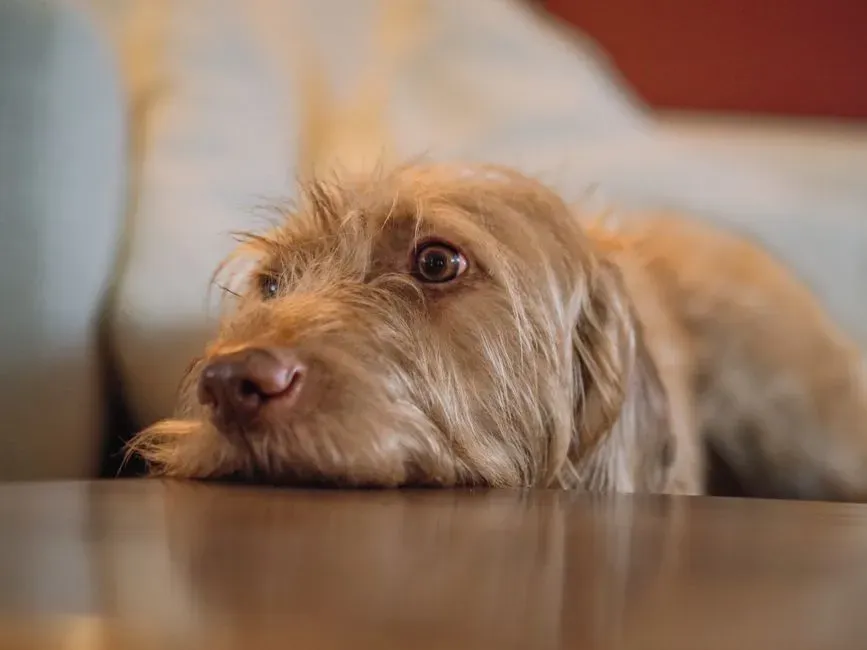
From blaring TVs to vacuum cleaners, hair dryers, loud music, and video calls, our homes are full of intense sounds that many dogs find stressful. A lot of them are far more sound-sensitive than we realize. Yet instead of fleeing, they often stay in the room, head on their paws, eyes following you, enduring the chaos just so they don’t have to be in another room alone.
Then there are the smells: strong cleaning products, perfumes, candles, cooking odors. A dog’s nose is so much more sensitive than ours that what seems mild to us can be overwhelming to them. Still, they stay close, curling up under the table while you cook or lying by the couch while you watch a loud movie, choosing sensory overload over distance.
5. Holding Back Natural Behaviors to Avoid Annoying You
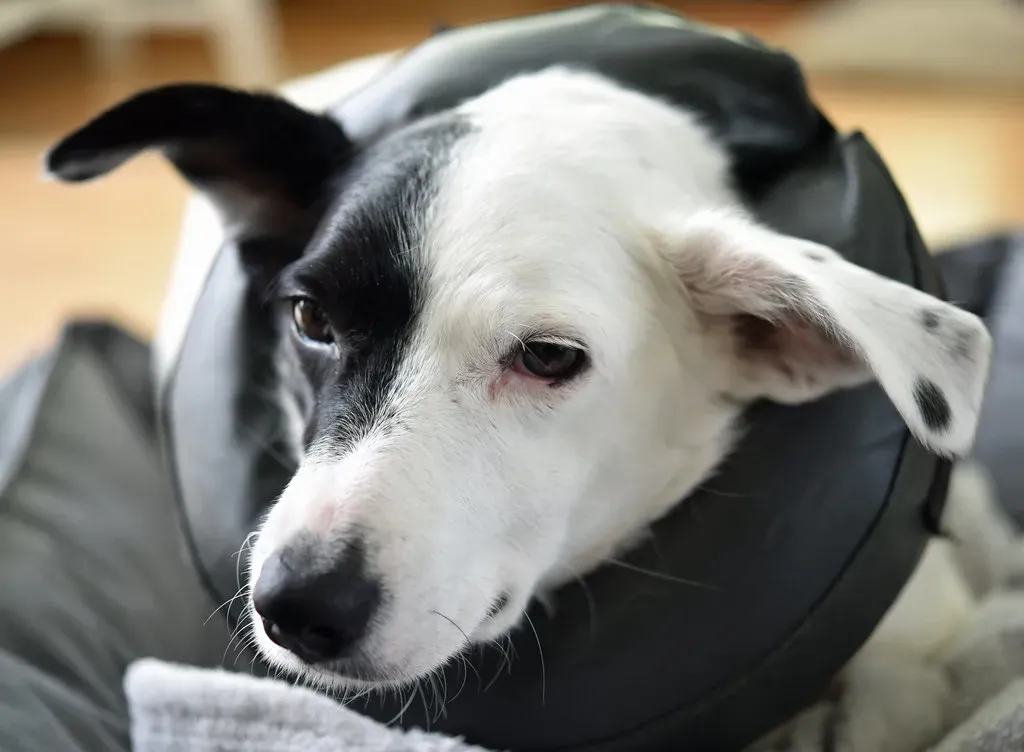
Barking, digging, chewing, chasing moving things – these are not “bad habits” from a dog’s point of view; they’re normal, deeply rooted instincts. Many dogs learn, often through trial and error, that a lot of their natural behaviors irritate us. So they suppress them. They swallow that urge to bark at every passerby, resist the thrill of tearing apart the trash, or stop pestering you to play when you keep saying “later.”
What looks like a “well-behaved dog” is often an animal that has quietly adjusted and shut down parts of itself to keep the peace. Of course, training and boundaries matter for everyone’s safety and sanity. But there is still a sacrifice there: they are dialing themselves down, editing their own instincts, because they care about your approval more than that brief moment of instinctual joy.
6. Accepting Less Exercise Than Their Body Really Wants
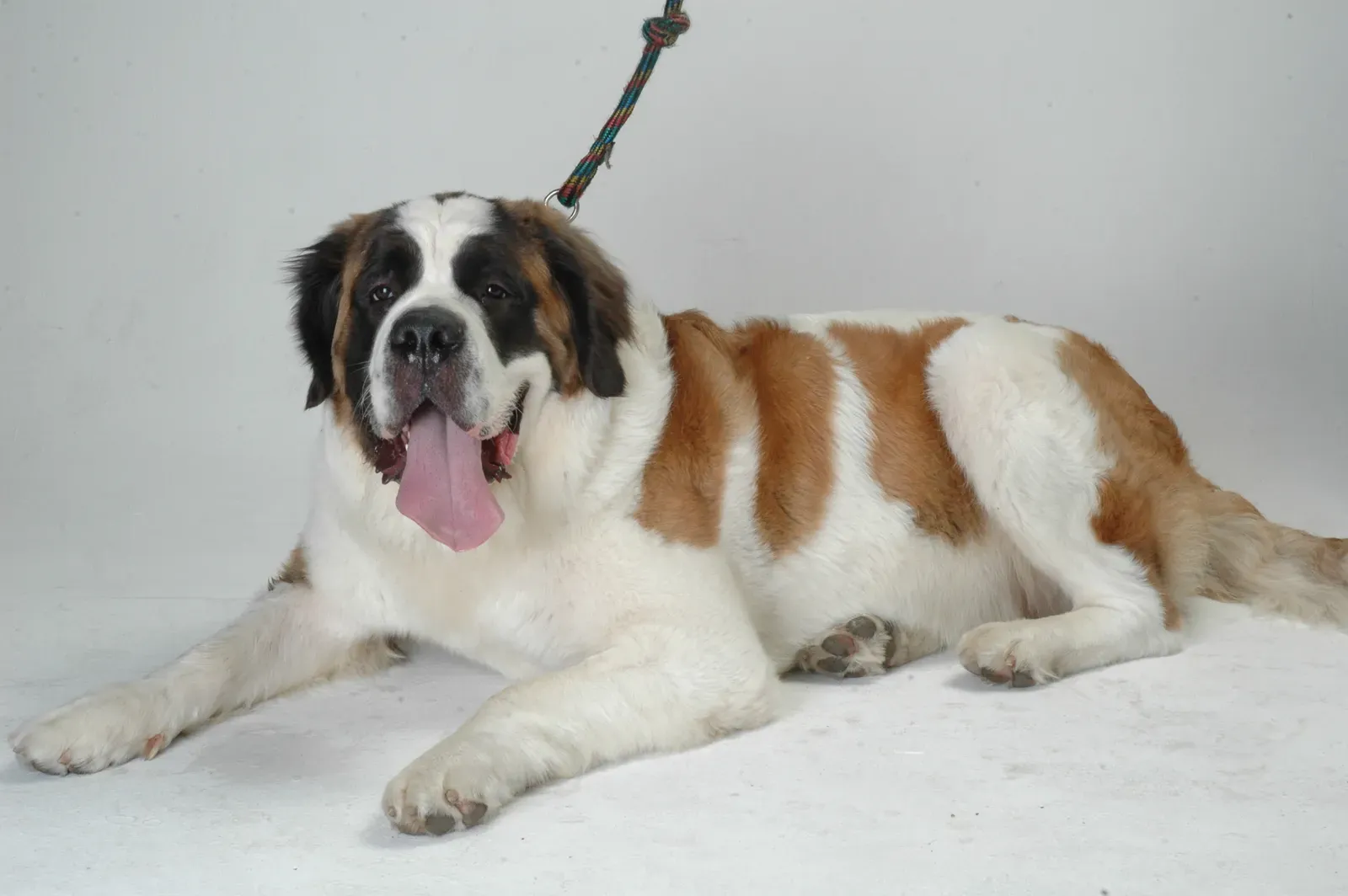
Modern life is brutal for active breeds. Many dogs were originally bred to run for miles, herd livestock, hunt, or work all day. Now they’re often limited to a couple of short walks and a quick game of fetch in the yard. They adapt to our sedentary lifestyles, learning to sleep more, to pace less, to turn their restless energy inward. They sacrifice movement so they can stay in sync with us.
This under-exercising is not always intentional neglect; a lot of people simply underestimate how much physical and mental activity their dog needs. The dog, meanwhile, learns that if they nag too much – whining, pawing, bouncing around – they’re more likely to be ignored or scolded. So they sigh, flop down, and wait patiently for the rare moments when your schedule and their biology finally line up.
7. Adapting to Long Periods of Loneliness Without Revenge
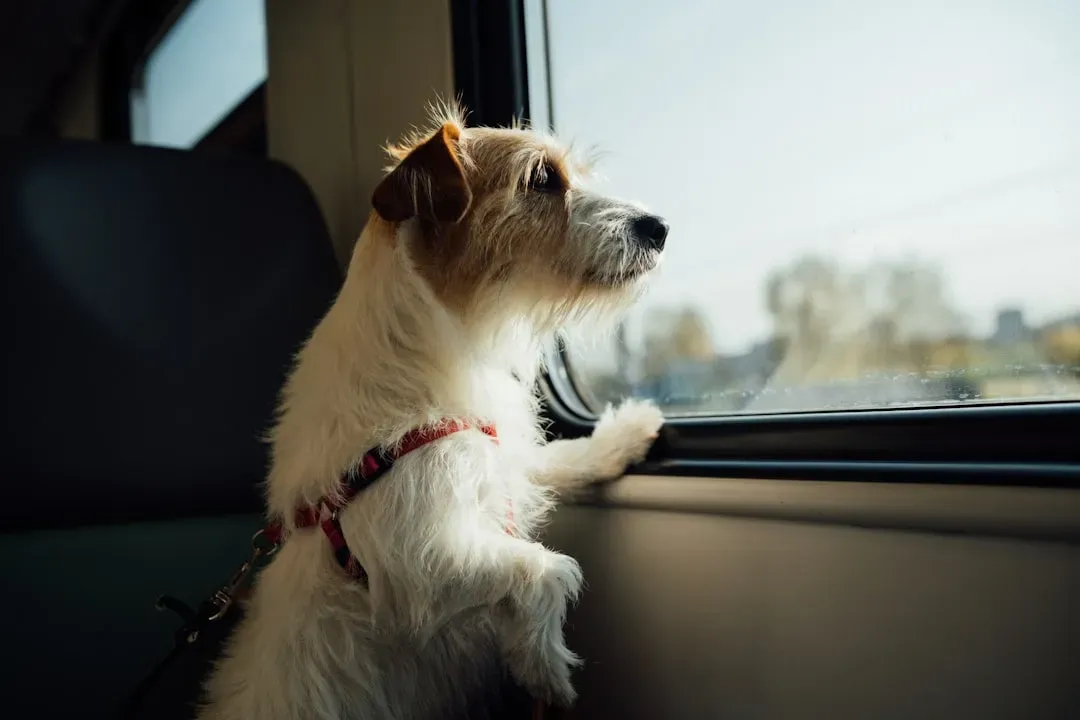
Even though this article is about what they do to stay close, one of the biggest sacrifices is how calmly many dogs accept being left behind so they can be with you at all the other times. Dogs are social animals; being alone for hours on end is not natural for them. Yet they learn that your comings and goings are out of their control. Most of them don’t plot revenge. They just wait.
What gets me is how they greet us when we return: tail wagging, eyes bright, sometimes a favorite toy in their mouth. No grudge. No cold shoulder. They forgive the loneliness before we even put the keys down. That emotional resilience is a kind of sacrifice – it would be understandable if they sulked or punished us – but instead, they choose connection again, every single time.
8. Putting Up With Physical Discomfort Just to Be Near You
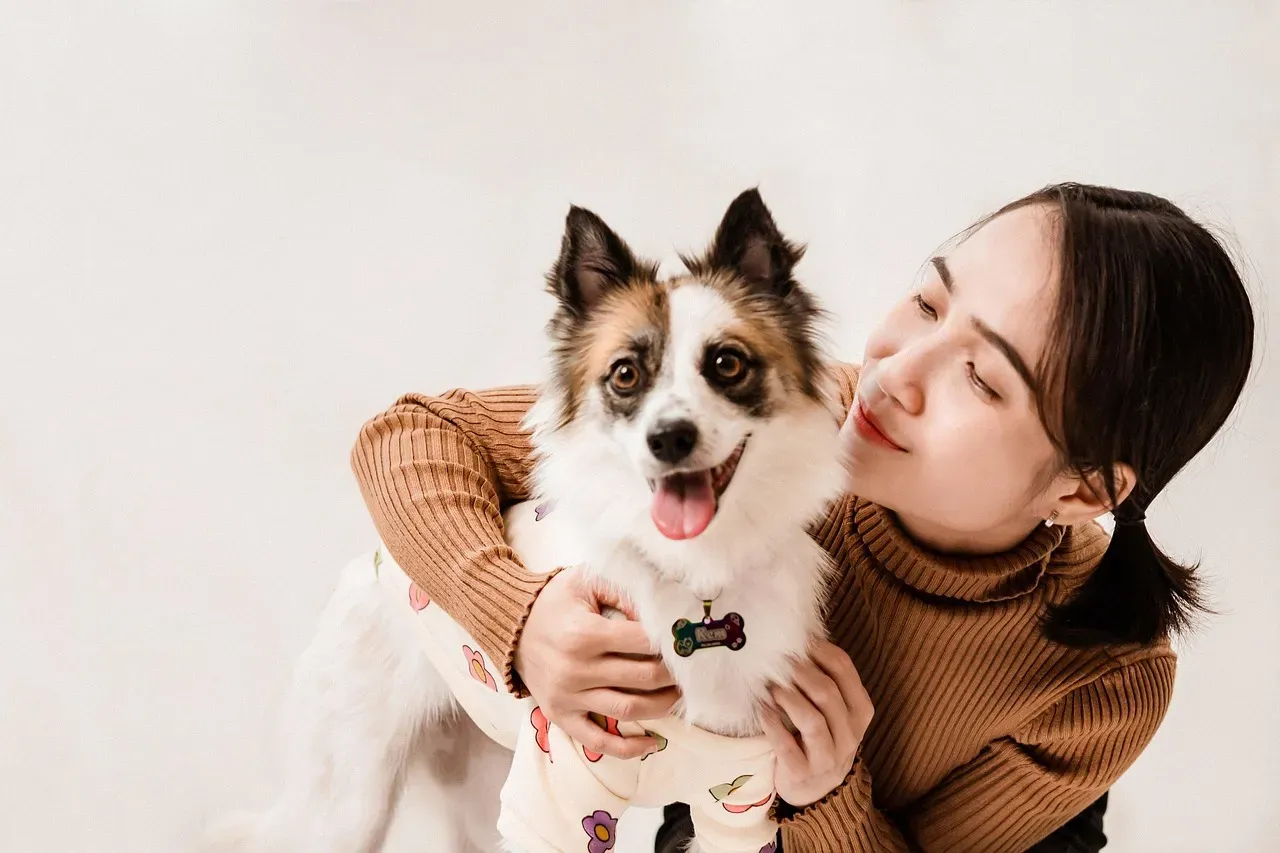
Ever noticed your dog squeeze into a too-small spot on the couch, curl up on a hard floor right beside your chair, or lie in the sun until they’re panting, simply because that’s where you are? They will choose a physically uncomfortable place over a perfectly cushy bed in another room if it means staying close. Comfort, for them, is more about proximity than softness.
They’ll also tolerate awkward hugs, clumsy pats, kids leaning on them, or you accidentally nudging them with your feet while you shift positions. They go along with it, adjusting quietly, rarely complaining, because being part of your space matters more than perfect physical ease. It’s easy to miss how much they’re putting up with until you really stop and watch their body language.
9. Swallowing Stress When They Sense Your Emotions
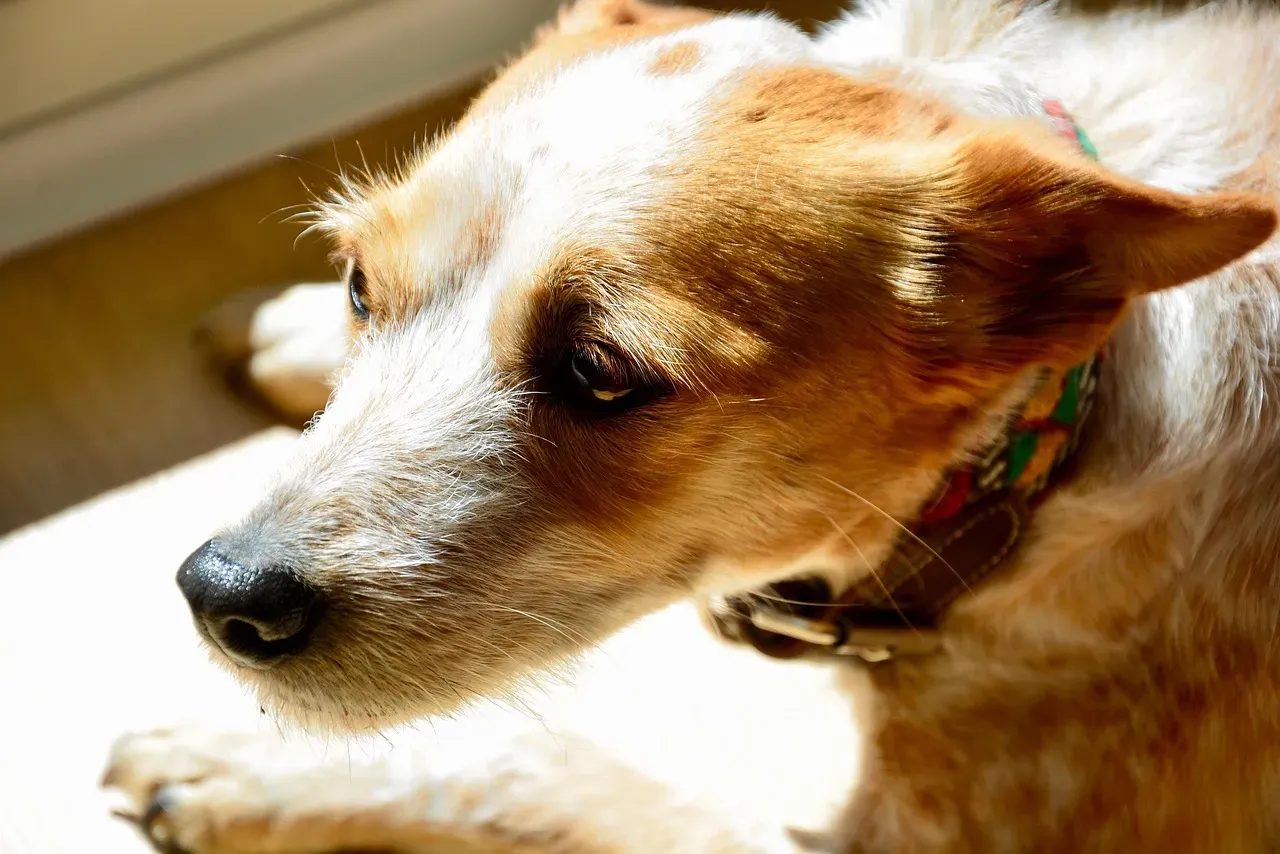
Dogs are surprisingly sensitive to human emotions. They can pick up on changes in your tone, posture, routine, and even scent when you’re stressed or sad. Many dogs respond by staying extra close, following you from room to room, resting their head on your lap, or simply lying nearby, watchful. They absorb some of that tension, even though they can’t understand the cause.
Think about how often they are in the room during arguments, breakups, work calls gone wrong, or late nights of anxious pacing. They cannot fix anything, but they feel the energy shift and adjust themselves around it. That quiet emotional labor – being the steady one when you’re falling apart – is something they never signed up for, but give freely anyway.
10. Accepting an Unfair Lifespan Just to Love You Fully

The most devastating sacrifice is one they never consciously choose but we have to live with: dogs give us their entire life, knowing us from their wild puppy years to their gray-muzzled days, while we only get a chapter of ours with them. They pour everything into a window of time that is heartbreakingly short. They do not hold back out of self-protection, the way humans often do; they go all in.
By the time we’ve figured out how to really meet their needs, they are often already old. And even then, many dogs push through stiffness, pain, and fatigue just to follow us from room to room like they always have. They trade their energy, their comfort, and eventually their last good days for one more chance to lie beside us. That is the quietest sacrifice of all.
Conclusion: We Owe Them More Than Treats
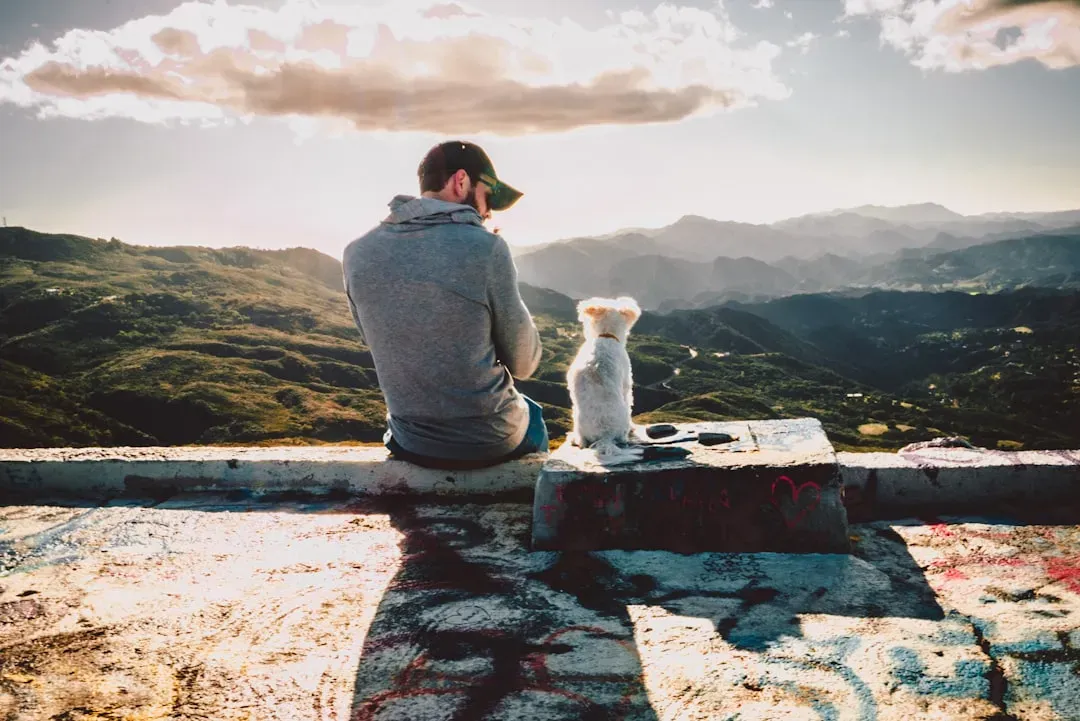
When you line up all these small, almost invisible sacrifices, it becomes pretty clear: our dogs are doing far more emotional and physical compromising than we usually admit. They bend themselves around our routines, our moods, our spaces, and our limitations, all for the privilege of staying close. To pretend that a few toys and a quick walk are enough to pay that back feels, honestly, a bit cheap.
My opinion is simple and a little blunt: if a dog is willing to redesign its entire existence around you, the bare minimum you owe them is attention, respect, and effort. That means better walks, softer words, more patience, real training, proper vet care, and a willingness to notice when they are quietly hurting. The next time your dog follows you to another room and settles down with a sigh, maybe ask yourself: with everything they give up just to be near you, what are you willing to change for them?