
12 Things Your Dog Would Never Want You to Feel Guilty About
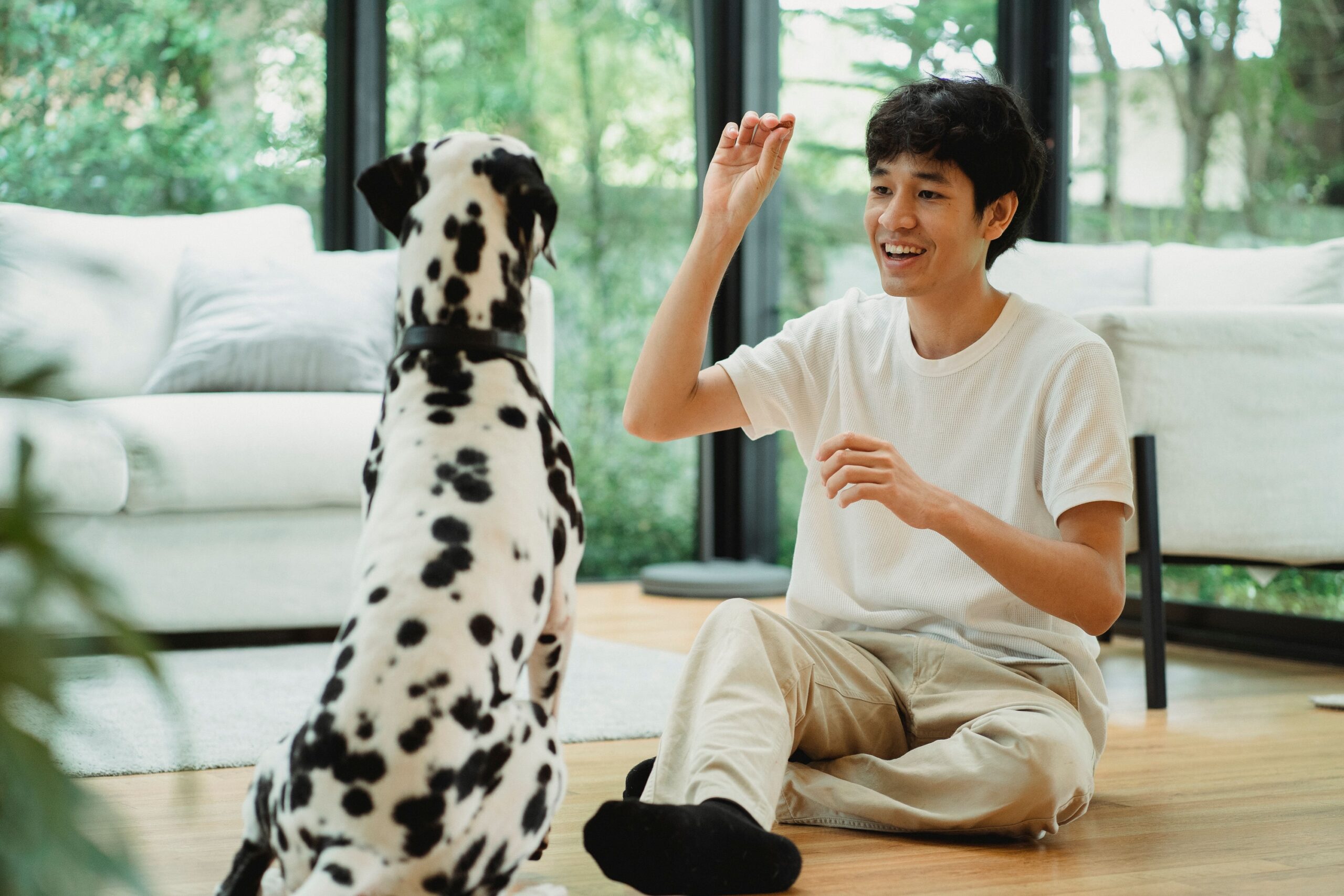
If dogs could talk, a lot of us would probably get gently roasted. We feel bad about the days we rush walks, the times we scroll on our phones instead of playing, or the moments we snap after a long day. But the wild thing about dogs is how quickly they forgive, reset, and love us again like nothing happened. They’re not keeping a secret emotional scorecard the way we do.
This is one of the reasons living with a dog feels so healing. While we’re busy overthinking every little mistake, they’re just thrilled we came home. So consider this your reminder from your dog’s perspective: here are twelve things they . Some might sting a little, some might be a relief, but together they paint a picture of what your dog really values: your presence, your effort, and your love, even when it’s imperfect.
1. Not Being Home All Day
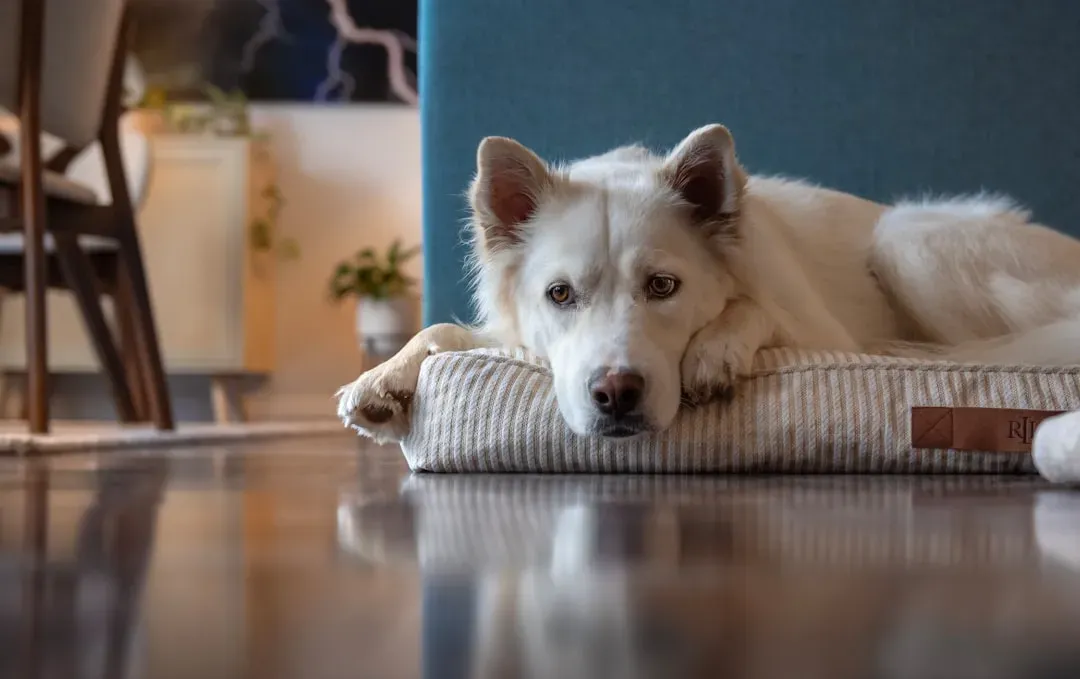
It’s easy to feel awful when you close the door and see those eyes staring back at you, but your dog is not judging you for having a job, school, or a life outside the house. Dogs are adaptable; with a consistent routine, many do perfectly fine with their humans gone for a chunk of the day, especially if their needs are met before and after. They’re not sitting there thinking you’ve chosen work over them; they’re simply in their own rhythm of nap, patrol, nap again.
What really matters to your dog is what happens when you are home. A short but genuinely engaged play session, a calm walk, or a few minutes of focused cuddles mean far more than endlessly being in the same room but ignoring them. So instead of drowning in guilt every morning, focus on making departures predictable and reunions warm but not frantic, and your dog will adjust far better than you might expect.
2. Shorter Walks On Busy Days
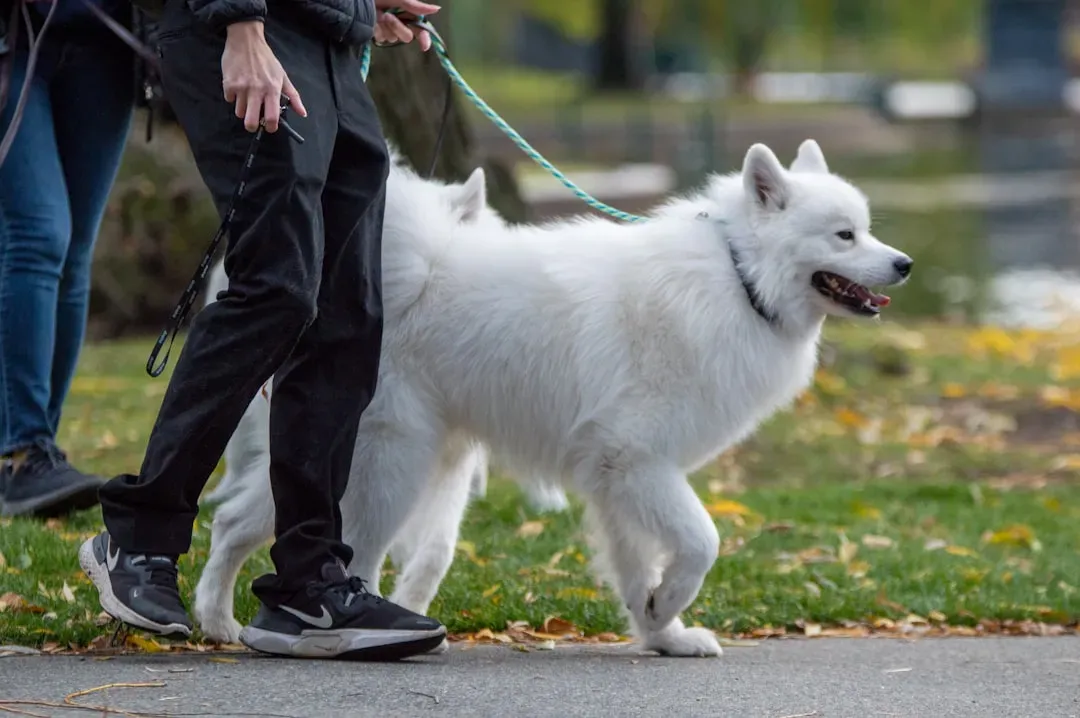
We all have days when we’re wiped out, slammed with deadlines, or dealing with life curveballs, and the epic hour-long walk turns into a quick loop around the block. You might feel like the worst person alive in that moment, but your dog is not thinking in terms of “minimum recommended walk duration.” They’re reading your body language, your tone, and the general energy you bring to that short outing.
If the walk is shorter but you let them sniff more, talk to them, or toss in a quick game indoors later, they still get a lot of what they crave: connection and mental stimulation. Of course, chronically under-exercising a dog can create behavior problems, but the occasional rushed walk because you’re human and tired? Your dog is not holding that against you. They’d rather you be present and calm on a short walk than resentful and stressed on a long one.
3. Saying No To Extra Treats
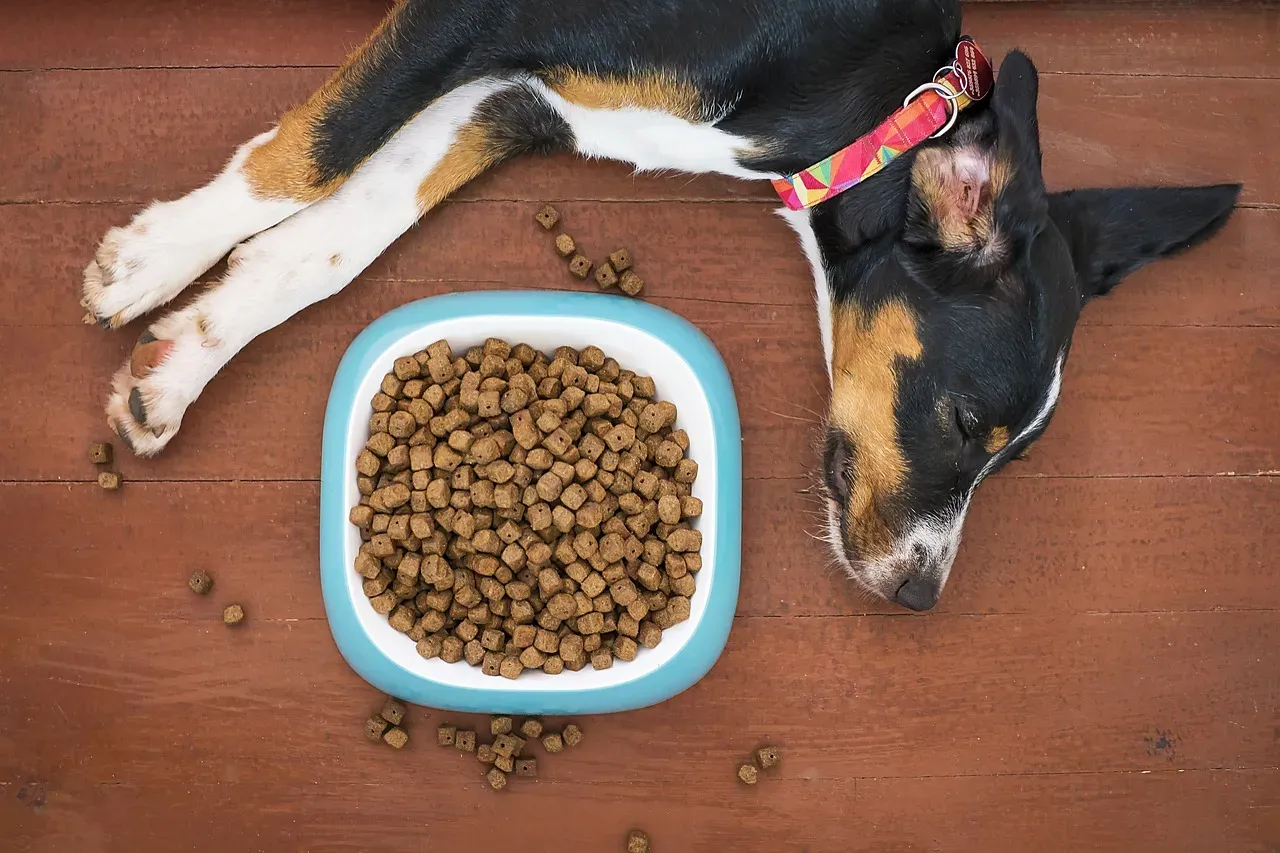
The guilt hits especially hard when they do the big eyes, the head tilt, and the little sit they know usually pays off. But your dog doesn’t understand long-term health the way you do; they just know that snacks feel amazing right now. You, however, see the whole picture: weight, joints, heart health, longevity. Saying no to that extra biscuit or skipping the table scraps is actually one of the most loving things you can do.
Dogs live so much in the moment that they don’t resent you later for not handing over that piece of pizza crust. Over time, your consistency with food boundaries makes them feel secure, not deprived. Instead of feeling guilty, reframe it: you’re protecting their future self, the older version of them that still wants to jump on the couch, chase a ball, and climb stairs without pain.
4. Needing Quiet Time Away From Them
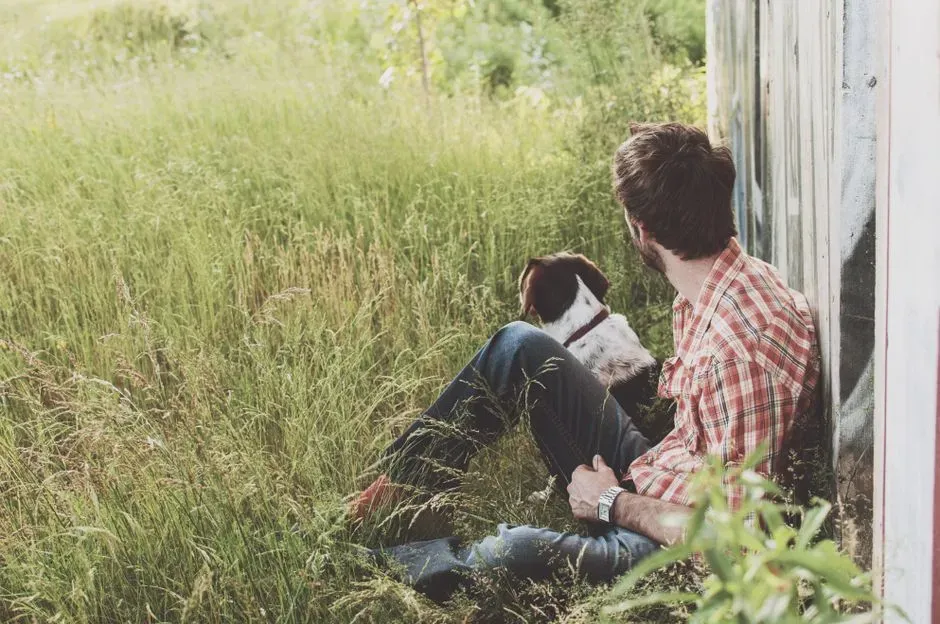
Admitting you need a break from your dog can feel taboo, especially when social media is flooded with people calling their dogs their whole world. But being a good guardian does not mean being constantly available. It’s normal to need an hour with the door closed, headphones on, or just lying on your bed without a nose in your face. Your dog might protest at first, but they are capable of learning that alone time is safe and normal.
In fact, dogs that learn to settle on their own often end up less anxious and clingy. You’re not rejecting them; you’re teaching them that your relationship doesn’t crumble when you’re on different sides of a door. So instead of spiraling into guilt, see it as healthy space, the same way you’d give a child quiet time to self-entertain. Your need for a breather doesn’t cancel out your love.
5. Making Training Mistakes
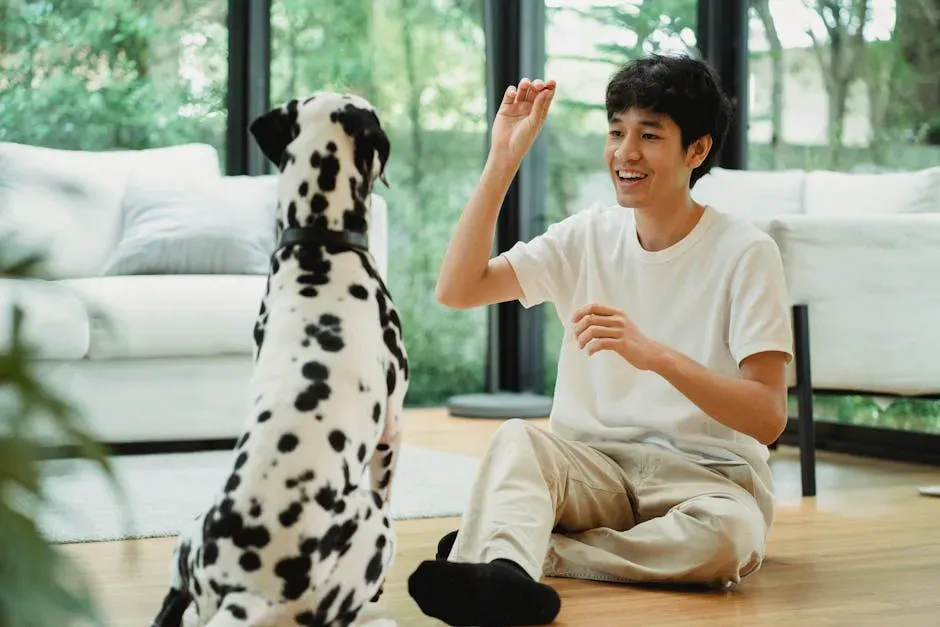
Maybe you yelled when you meant to stay calm. Maybe you were inconsistent with a cue, or you tried a training trend you later realized wasn’t the best choice. It’s painful to look back and wish you’d known better sooner. But your dog is not sitting there analyzing your past methods and comparing them to some ideal standard. They respond to what you do now, in this moment.
Dogs are remarkably forgiving learners. If you shift to kinder, clearer training, they adapt fast and move on without emotional baggage. Instead of torturing yourself over every misstep, channel that energy into learning, adjusting, and doing better today. Your dog cares far more that you’re trying than that you got it perfect from day one.
6. Not Having Instagram-Worthy Adventures Every Weekend
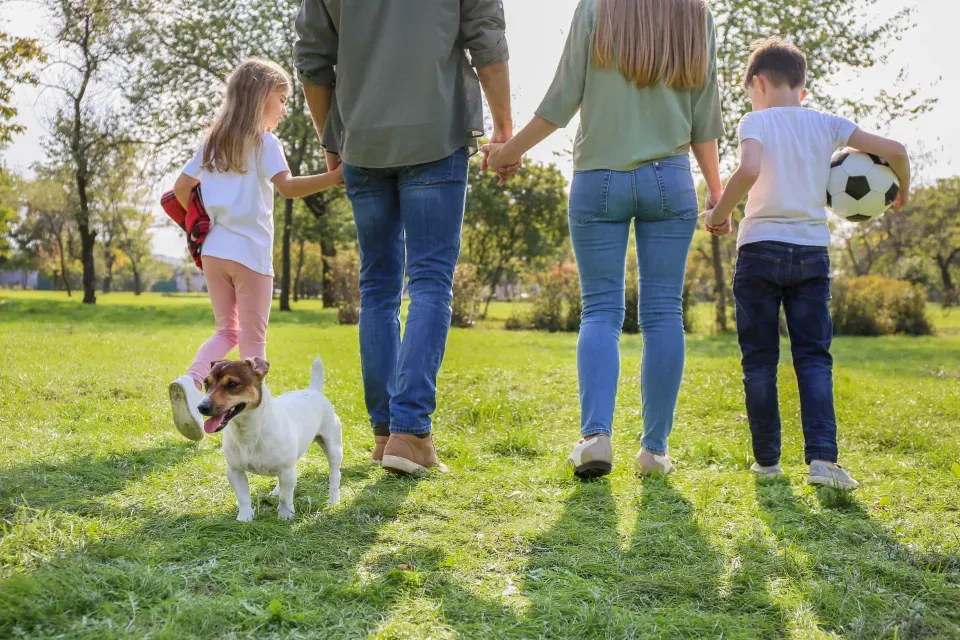
It can feel like everyone else is taking their dog on mountain hikes, beach trips, and rooftop brunch dates while you’re just… in your neighborhood doing the same park circuit. But your dog is not comparing their life to the golden retriever on your feed who apparently lives on a paddleboard. For most dogs, familiarity is actually comforting; the same smells, the same routes, the same couch at the end of the day.
Your dog values how safe they feel with you far more than how photogenic the backdrop is. A predictable walk around the block where you let them sniff, talk to them, and occasionally break into a silly jog can be more fulfilling than a chaotic outing in a crowded, stressful place. You don’t owe your dog a highlight reel; you owe them patience, safety, and a sense of home. That is already more than enough.
7. Leaving Them With A Sitter Or At Boarding
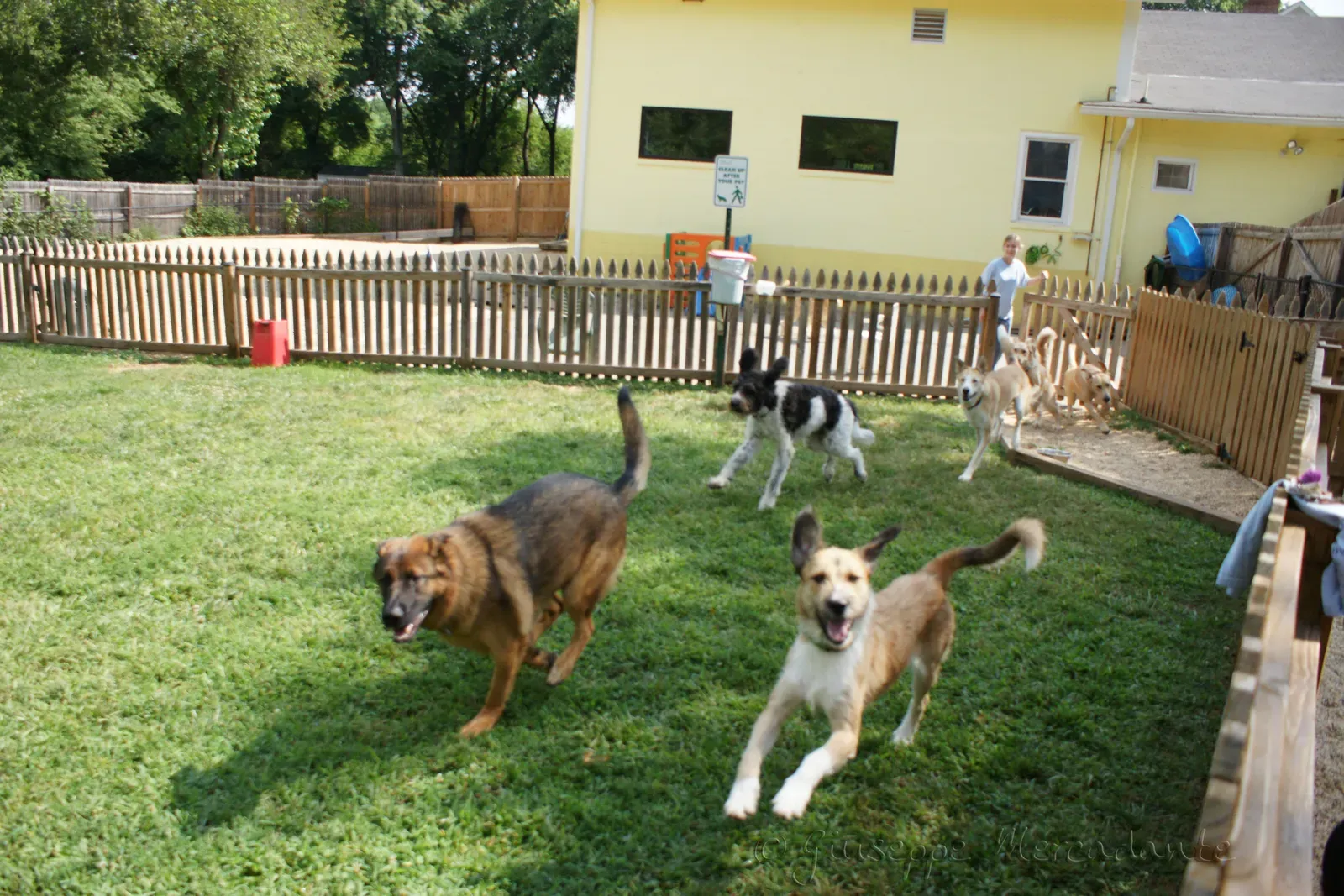
Few things shred the heart like dropping your dog off at a sitter’s or boarding facility and walking away while they watch you go. The guilt can feel like abandonment, even if you know logically that you’ll be back. But dogs are much more present-focused than we are; after the initial confusion, most settle into the new routine, especially if the environment is safe, kind, and somewhat familiar.
Your dog is not interpreting this as you “choosing vacation over them.” They’re reading whether the people you left them with are trustworthy and if their basic needs are being met. If you’ve chosen a good place or person, they get play, rest, and care until you return. When you come back, they’re usually just thrilled you reappeared, not secretly holding a grudge for going somewhere with room service and a pool.
8. Not Understanding What They Want Right Away
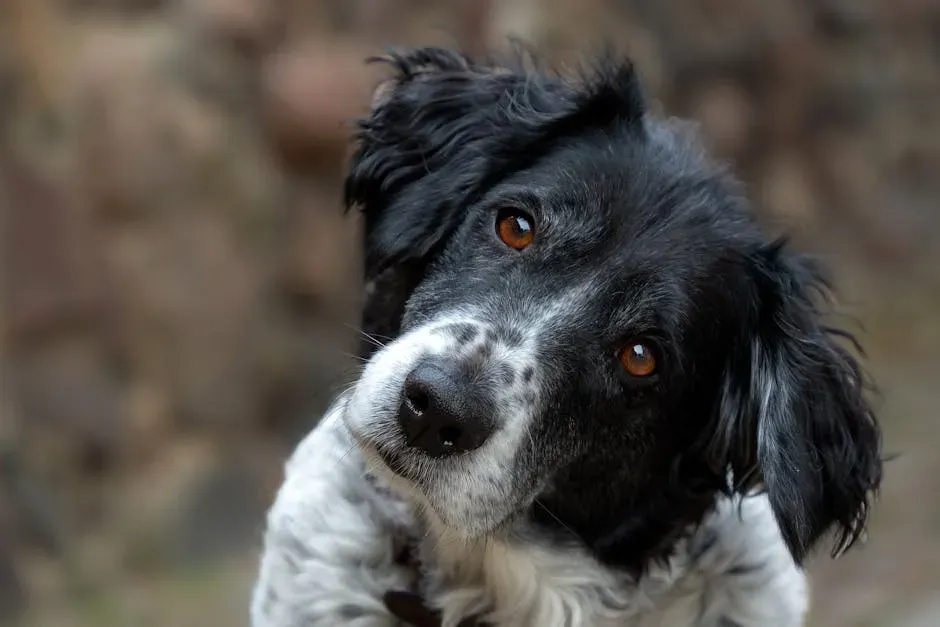
There are moments when your dog whines, paces, stares at you, and you just cannot figure out what they’re trying to say. You try the water bowl, the door, the toy basket, and still get it wrong. It’s easy to feel like you’re failing some invisible test of being a “dog person.” But from your dog’s perspective, you’re a completely different species who still, somehow, manages to understand them most of the time. That’s already incredible.
Dogs don’t expect you to be a mind reader. They notice patterns: when they stand by the door and you often open it, when they bring a toy and you usually play. If sometimes you miss the signal or take a while, they aren’t tallying mistakes; they’re trying again, adjusting, and learning what works. Curiosity and willingness to pay attention matter far more than getting it right on the first try every time.
9. Getting Frustrated On Hard Days
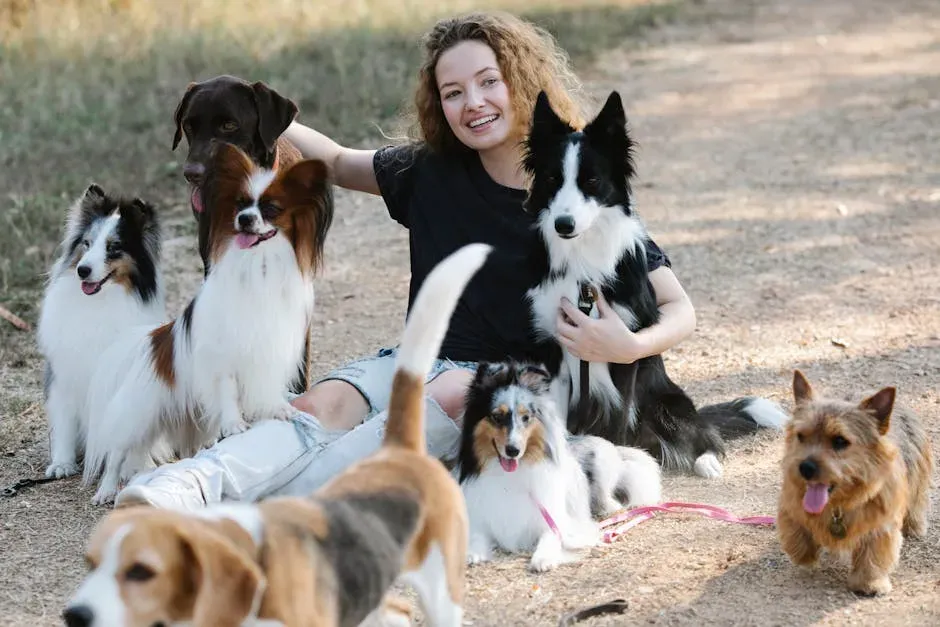
Everyone has that moment: you come home exhausted, step in something they chewed or peed on, and you snap. You raise your voice, say something out of sheer frustration, and then instantly regret it. You might replay that scene for days, feeling like you broke some sacred trust. But dogs are wired to move on quickly; once your tone softens and your body relaxes again, they usually reset too.
This is not an excuse to be careless with their feelings, but it is a reminder that one bad moment does not define your entire relationship. Repair matters. If you catch yourself being harsh, circling back with calm affection, a reset cue, and more thoughtful management going forward speaks volumes. Your dog is far more interested in how you treat them over months and years than in one tense outburst on a Tuesday night.
10. Not Buying The Fancy Toys And Gear
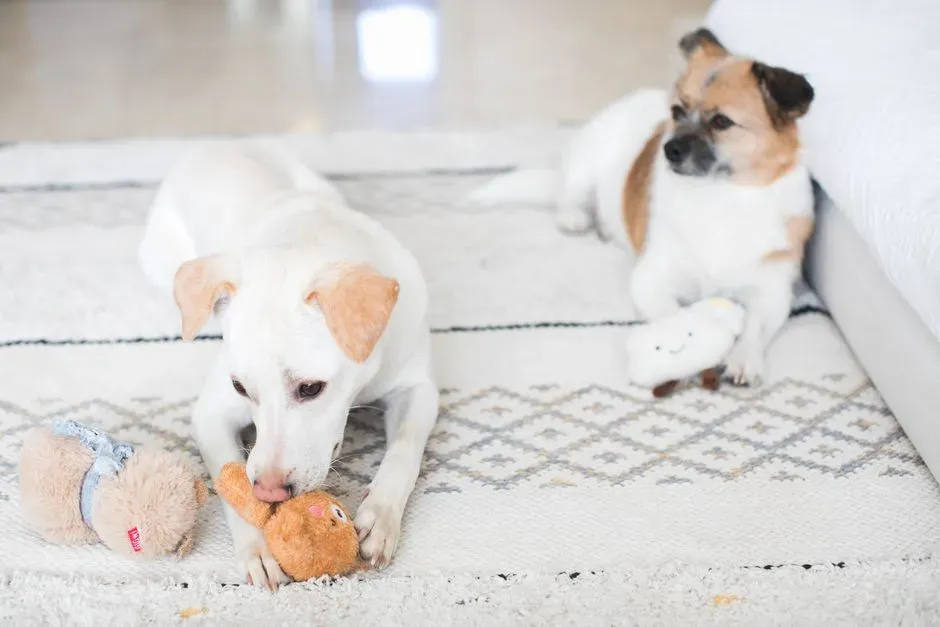
The pet industry is very good at convincing you that your dog needs the latest interactive robot gadget, memory foam everything, and coordinated harness-leash outfits. It’s fun to spoil them if you can, but your dog doesn’t measure love in price tags. Many dogs are just as thrilled with a crinkly plastic bottle inside an old sock as with an expensive toy that squeaks in four languages.
What they crave most is you: your attention, your voice, your willingness to throw the same ragged ball seventeen times. Simple enrichment like scent games, cardboard box puzzles, and hide-and-seek often lights them up more than the trendiest product. So if your budget is tight, release the guilt. Your creativity and your time are worth more to your dog than the contents of any online shopping cart.
11. Your Imperfect Living Situation
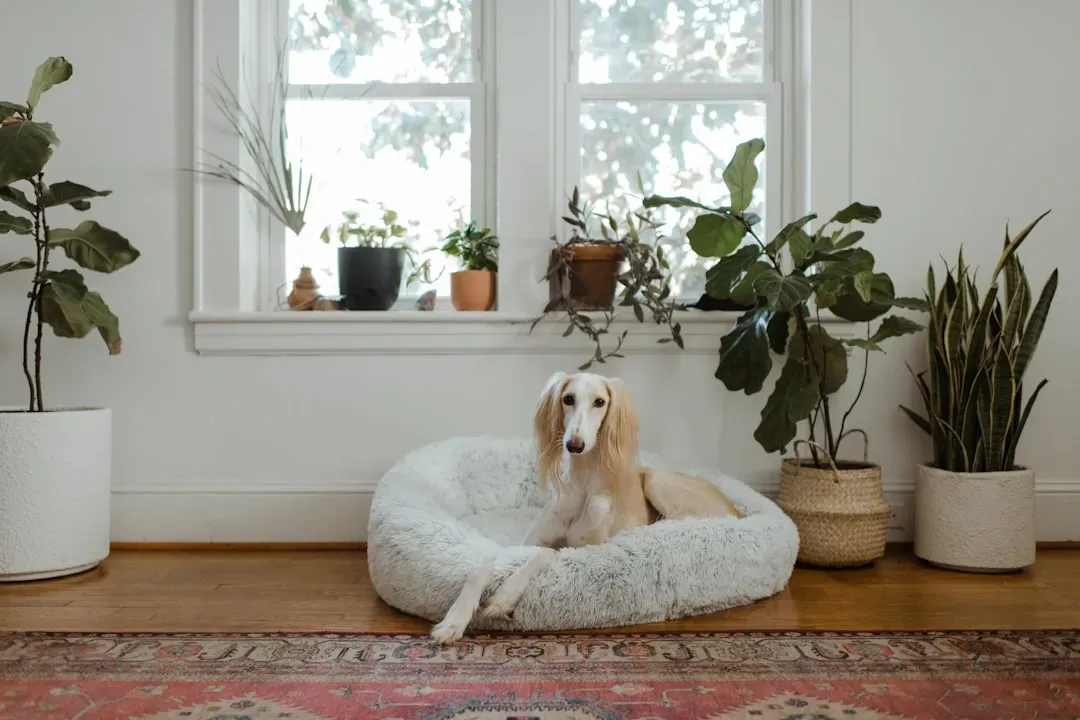
Maybe your place is small, your yard is nonexistent, or you’re temporarily back in your childhood bedroom with a makeshift dog bed on the floor. It’s easy to worry that your dog deserves a huge house with acres of land and endless space. But many dogs in big homes barely get real engagement, while dogs in tiny apartments have incredibly rich lives because their humans are present, attentive, and intentional.
Dogs care about predictability, safety, and connection more than square footage. A small space that is calm, cozy, and filled with positive interactions can feel like a sanctuary. So while you can absolutely dream of that future house with a fenced yard, don’t assume your dog is unhappy just because your life doesn’t look like a commercial. To them, home is wherever you are and where they feel secure.
12. Needing To Let Them Go When It’s Time
This is the heaviest one, and the one that leaves most people drowning in guilt: deciding it’s time to say goodbye. We replay every symptom, every what-if, every “maybe I could have tried one more treatment.” But dogs do not understand medical decision-making; what they understand is whether they are in pain, whether they are scared, and whether you are with them. Choosing to end their suffering, even when it breaks you, is an act of profound love.
If your dog could speak, they would not want you to torture yourself forever over that decision. They would remember the thousand small kindnesses: the walks, the meals, the silly songs you sang to them, the way you sat on the floor so they didn’t have to move. Letting them go when their body has had enough is not a betrayal; it is the final, hardest promise you keep. Your grief is real, but endless guilt does not honor them. Living in a way that keeps their joy alive does.
Conclusion: Your Dog Chose You, Not Perfection
When I think about the dogs I’ve had, I can list a hundred things I wish I’d done differently – longer walks, earlier training, better food. But when I picture their faces, none of them look disappointed; they look delighted just to be in the same room. That’s the quiet truth dogs keep teaching us: they do not need us to be flawless, they need us to be consistent, kind, and willing to keep trying.
So the next time guilt creeps in because you missed a walk, raised your voice, or had to leave them with a sitter, remember this: your dog measures your love in patterns, not in isolated slip-ups. Their world is built around your scent, your voice, your presence. You will make mistakes; you are supposed to. What matters is that you keep showing up, learning, and loving them the best way you know how. If they could talk, don’t you think they’d tell you to forgive yourself a little faster?